

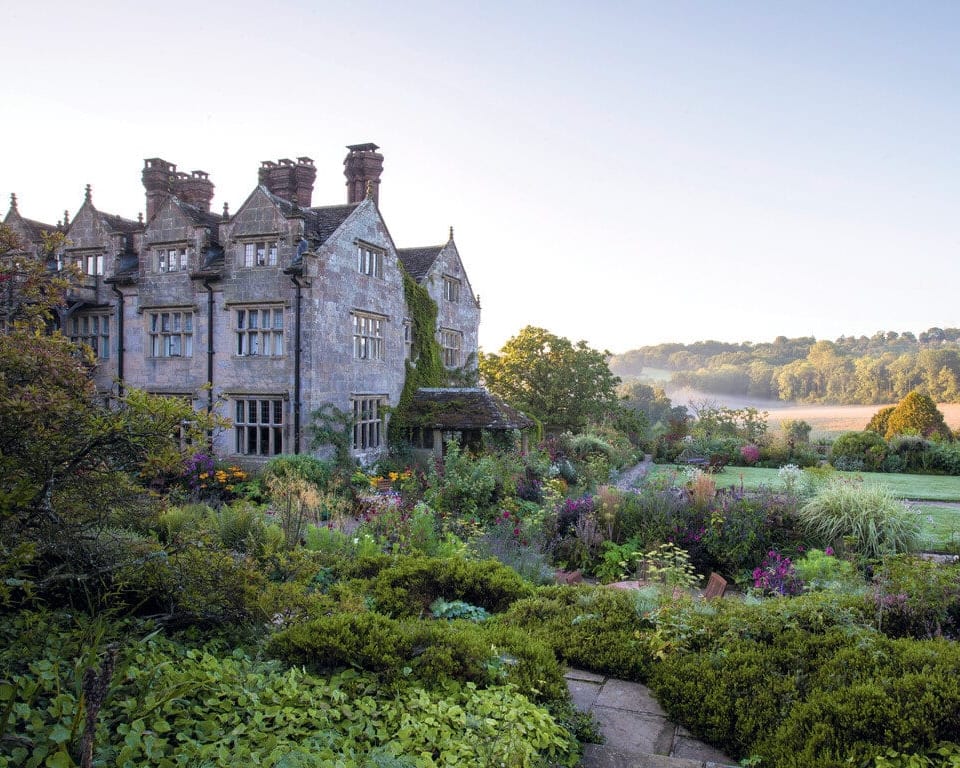
Image courtesy of Gravetye Manor
Even if you’ve never visited before, the English countryside may look and feel familiar—its dry-stone walls, winding lanes, and rolling pastures conjuring thoughts of period dramas and classic British novels. Over the course of a few days, the scenery becomes less of a backdrop and more of a tangible record of the ways people have lived, worked, and traveled for centuries.
Rural England is, perhaps, easiest to understand through its everyday rituals: eating a Sunday roast after a long walk, browsing market stalls near the village green, slipping off muddy boots outside a hotel room, enjoying a pint by the fire while rain moves across the fields. These moments can feel timeless, but they belong to a landscape that is still changing and carrying the complexity of its history.
Need to know
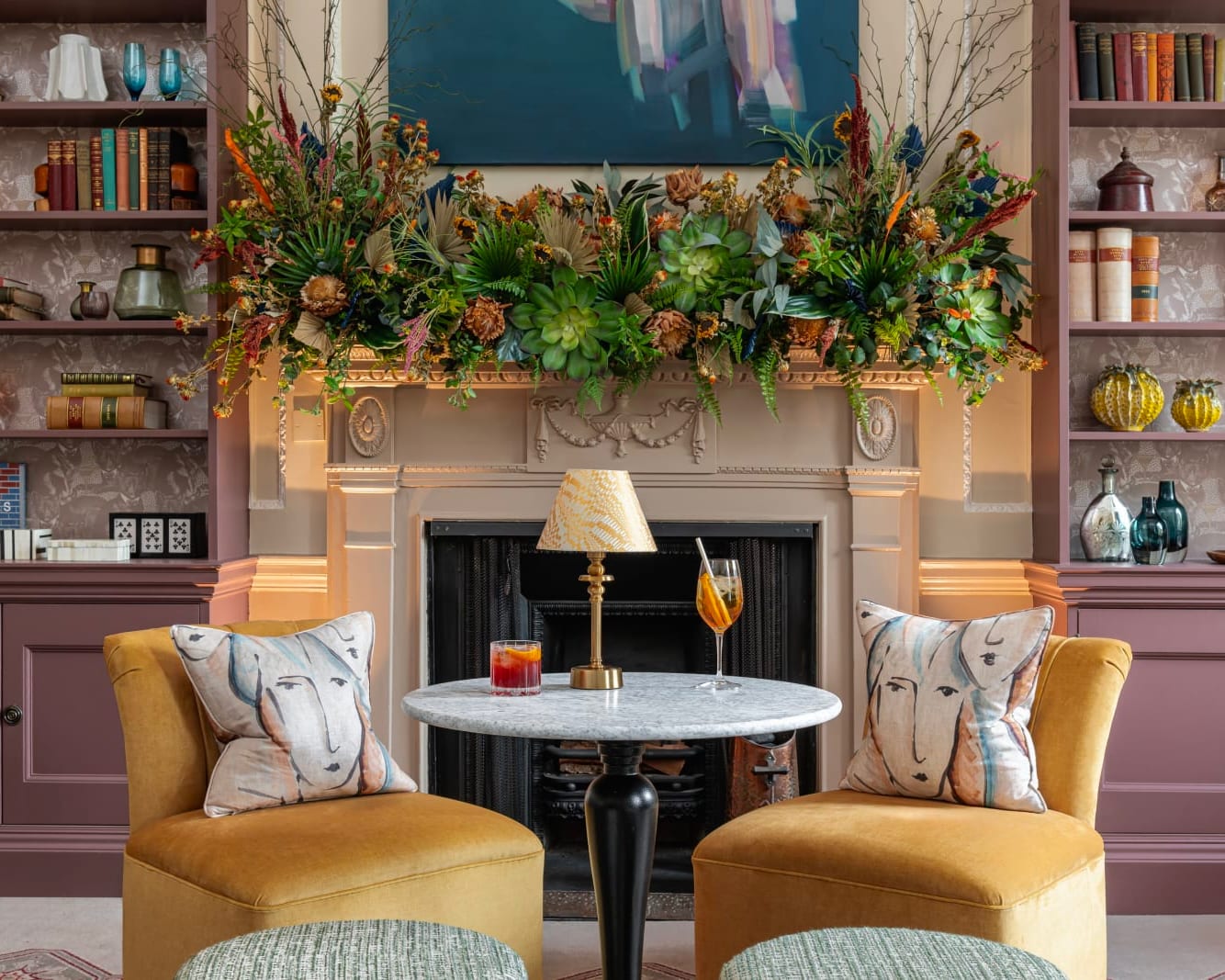
Image courtesy of The Royal Crescent Hotel & Spa
Roads narrow quickly once you leave the motorway, opening times at houses and gardens can be limited, and the weather rarely sticks to the forecast. A few practical basics will make the trip easier.
Currency: England uses the British Pound Sterling (GBP). Contactless and card payments are standard across most of the country, but village shops, farm stands, country pubs, and weekly markets may only take cash. Expect to tip 10–12.5% in restaurants and pubs, and round up or leave coins in tea rooms and cafés.
Airports: London Heathrow (LHR) is the primary gateway to England, with extensive nonstop service from cities across North America, and beyond. Gatwick (LGW) handles a smaller selection of transatlantic routes. Manchester (MAN) is the more practical option for those heading north, with year-round nonstops from New York, Toronto, and Atlanta. Smaller regional airports are scattered across the country for added options.
Transportation: Train routes reach deep into the countryside with many properties within minutes of a station. For those who want more flexibility, hiring a private driver is a comfortable and practical alternative. Rental cars are available, but navigating narrow lanes and left sided driving is an adjustment that catches many visitors off guard.
Best time to visit: Spring (May–June) and fall (September–October) bring wildflowers, blooming hedgerows, and saturated green countryside. Summer (July–August) is peak season; the villages and walking trails are at their busiest, and the Cotswolds in particular can feel crowded. Winter (November–April) is the low season, with short daylight hours, colder and wetter weather, and a more somber mood.
Ideal length of stay: Two or three nights is enough for a focused stay, with a few drives and village stops built in. Five or six nights gives you room to move between areas or simply settle into one place without the pressure of optimizing every day. The English countryside tends to work best as part of a longer trip, so the timing is worth considering: stay early in the trip to ease into the time change, or save for the end to decompress before heading home.
Signature dishes and drinks:
Sunday roast: Roasted beef, lamb, or chicken with crispy potatoes, seasonal vegetables, and gravy
Ploughman’s lunch: The classic midday pub staple of sharp cheddar or Stilton cheese, thick-cut ham, crusty bread, pickled onions, and sweet, tangy Branston pickle
Bangers and mash: Thick pork sausages—Cumberland, Lincolnshire, or whatever the butcher recommends—over creamy mashed potato and buried under a dark onion gravy
Artisan cheeses: Varieties from small producers include Stinking Bishop (Gloucestershire), Ogleshield (Somerset), Berkswell (West Midlands), and Lincolnshire Poacher
Sticky toffee pudding: A dense, date-sweetened sponge drenched in warm butterscotch sauce and served with pouring cream, custard, or vanilla ice cream
Afternoon tea: The formal tradition of enjoying finger sandwiches, pastries, and tea
Real ale: Unpasteurized, unfiltered, cask-conditioned beer served at cellar temperature with a soft, natural carbonation and a bitter, nutty flavor
Dry cider and perry: Pressed from heritage apple and pear varieties grown in the orchards of Herefordshire, Somerset, and Gloucestershire, the best examples are bone-dry, funky, and tannic—closer to natural wine than anything poured from a can
Pimm's Cup: A cocktail of Pimm’s (a gin-based liqueur) mixed with lemonade or ginger ale and loaded with cucumber, mint, strawberries, and orange
Sparkling wine: The chalky limestone soils of Sussex, Kent, and Hampshire yield effervescent wines that mimic those produced in the Champagne region in France
What to wear: Countryside dressing is first and foremost practical. Outfits are built around layers that can easily adapt to England’s notoriously fickle weather. Sharp-casual is the general rule, with durable, earth-toned fabrics like tweed, wool, and heavy cotton. Daytime exploration demands sturdy, waterproof footwear and a packable rain jacket. Light sweaters for the evening, even in summer, come in handy. In-town shopping and historic village strolls favor a tailored look, while evenings at high-end estates or Michelin-starred restaurants call for casual elegance, with jackets and dresses.
Travel tips:
Bank holidays: The countryside sees a major influx of urbanites during holiday weekends, especially the last weekend of August, so it’s wise to plan ahead for reservations and driving time
Boot rooms: After rain, field paths become deep mud that requires proper walking boots or Wellies (Wellington boots) to navigate, but some hotels have a dedicated rooms with pairs to borrow
Waymarkings: Public footpaths follow a specific color code: yellow arrows indicate footpaths, blue indicates bridleways (walking, cycling, horses), red indicate byways (all traffic), while purple indicates restricted byways
Parking: If renting a car and self-driving, be aware that national park car parks fill early on summer weekends and may operate pre-booking systems. Parking on verges (roadside strips) is illegal in many areas and results in fines.
Alcohol: Legal drinking age is 18. Alcohol is widely available in pubs, hotels, and shops, but public drinking is generally discouraged outside licensed areas.
Medications: Bring prescriptions in original packaging, as some U.S. medications may not be available locally
Countryside etiquette: Close gates behind you, stick to marked paths across farmland, and always respect livestock and private land boundaries. Be mindful and respectful when photographing villages, private estates, and rural communities.
Power: The UK uses Type G plugs (230V), so adapters are required and converters may be needed for most international travelers
Greater London
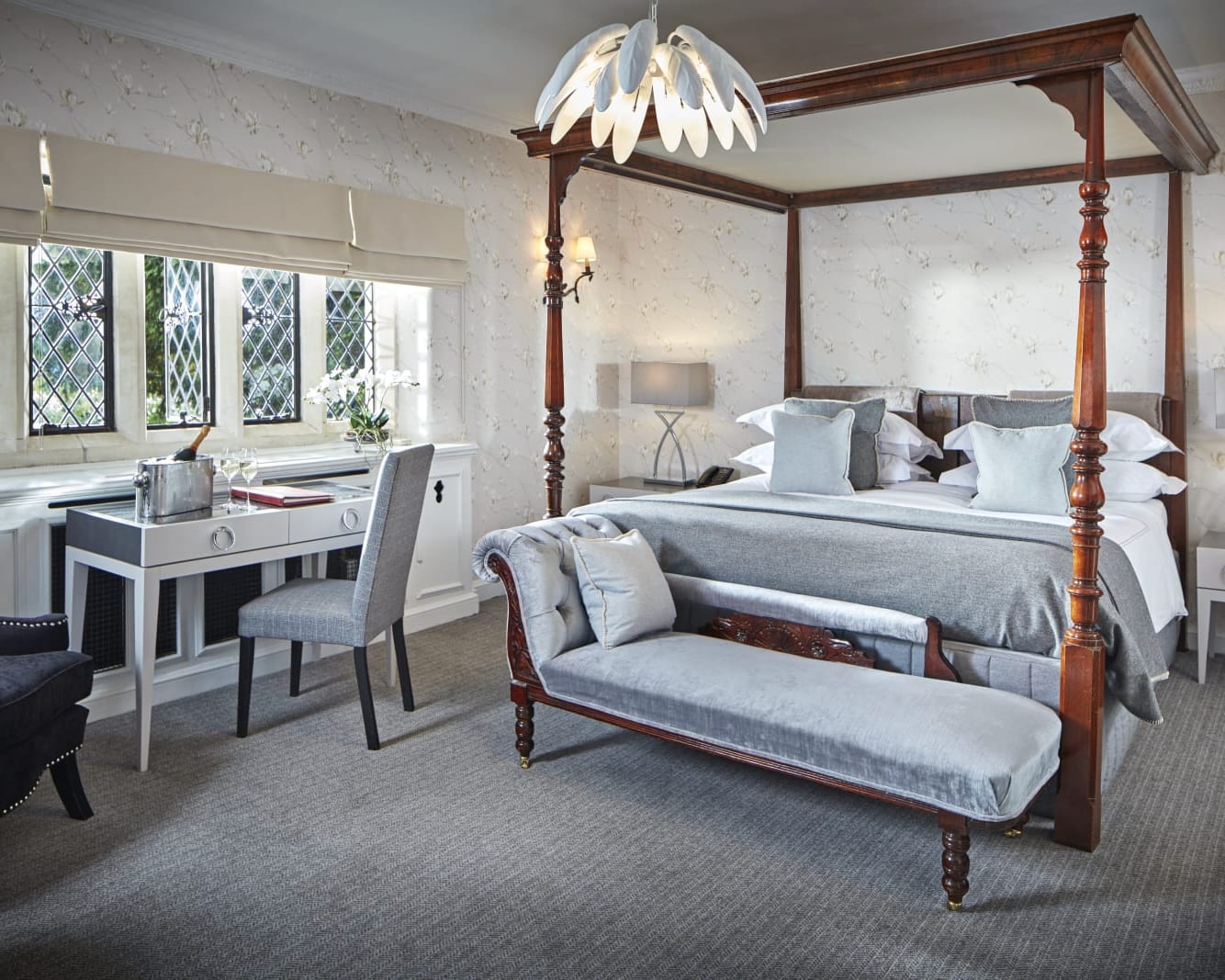
Image courtesy of Great Fosters - A Small Luxury Hotel
Berkshire and the Surrey Hills offer a gentle entry into the English countryside, with royal parklands, ancient woods, riverside towns, and some of the country’s most storied country-house hotels. Falling within 1.5 hours of London by car or train, the region is ideal for travelers who want a rural stay without committing to a long transfer.
Where to stay
Coworth Park, Dorchester Collection (Berkshire): This Georgian manor estate gives travelers plenty of room to move, with wildflower meadows, a professional polo club, contemporary interiors, and a spa built into the landscape.
Fora Perks include a £100 hotel credit, daily breakfast, and an upgrade whenever possible.
Beaverbrook (Surrey Hills): Once the home of press baron Lord Beaverbrook, this Surrey Hills estate leans into character: bold interiors, layers of political and cinematic history, a Japanese restaurant, and a spa set inside a stained-glass building.
Fora Perks include a $100 food and beverage credit, daily breakfast, welcome amenity, an upgrade, and extended check-in/out whenever possible.
Cliveden House (Berkshire): Set above the River Thames, Cliveden has long drawn politicians, writers, and members of high society to its Italianate mansion, formal gardens, and riverside grounds.
Fora Perks include a £85 hotel credit, daily breakfast, welcome amenity, an upgrade, and extended check-in/out whenever possible.
Great Fosters (Surrey): Original oak paneling, red-brick chimneys, formal gardens, and a Michelin-starred restaurant give this 16th-century estate a strong sense of period detail without feeling like a museum.
Fora Perks include a $100 hotel credit, daily breakfast, welcome amenity, an upgrade, and extended check-in/out whenever possible.
Southern England
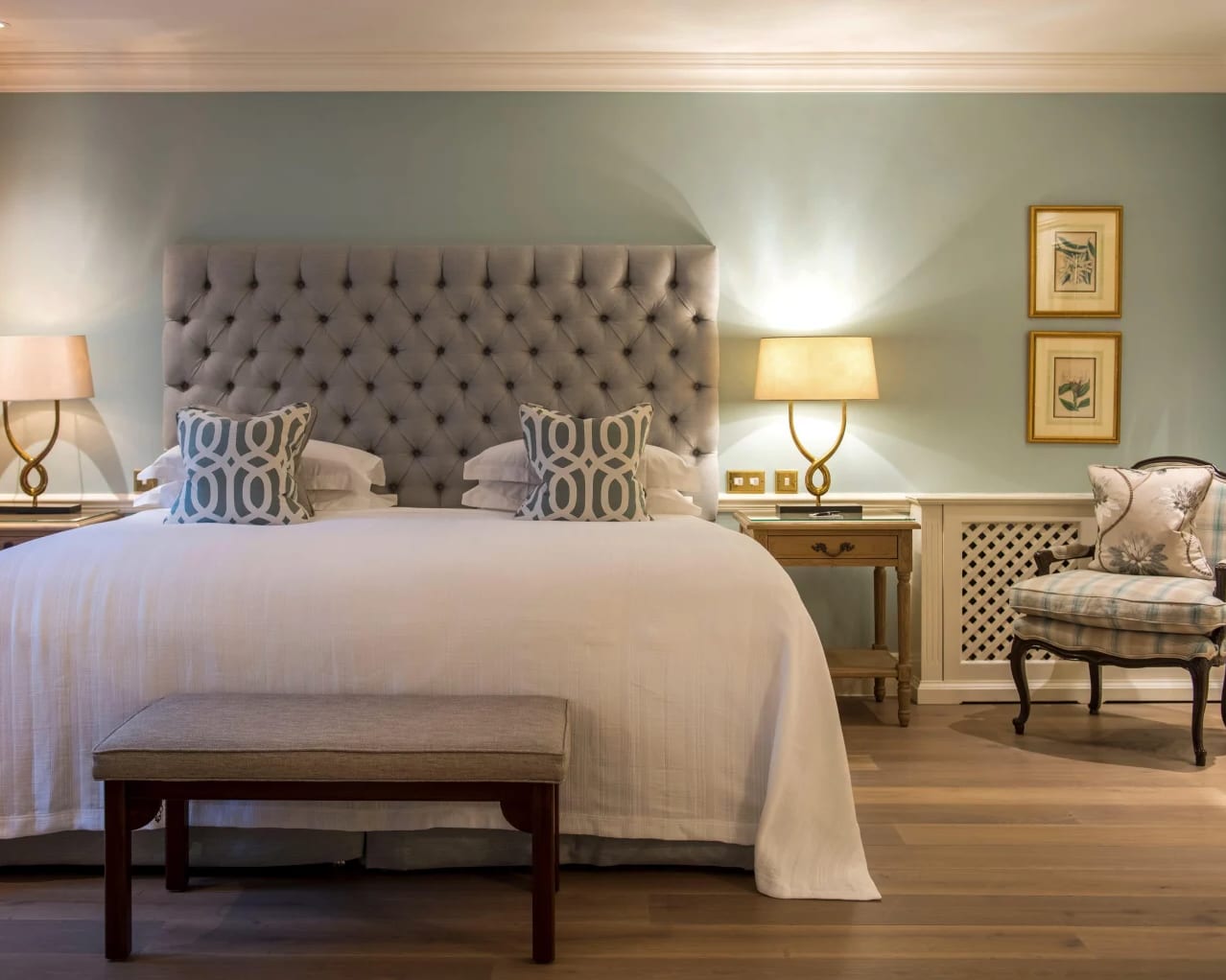
Image courtesy of Chewton Glen Hotel & Spa - an Iconic Luxury Hotel
Hampshire and Sussex offer proximity to London while still feeling firmly rural, thanks to the region’s picturesque walking trails, gardens, vineyards, and historic towns. Travelers can hike in the South Downs, explore Winchester or Arundel, visit New Forest villages, and still plan the trip around excellent restaurants and straightforward transfers.
Where to stay
Heckfield Place (Hampshire): This carefully restored Georgian family home earns its gastronomic bona fides with a biodynamic farm, market gardens, and ambitious culinary program.
Fora Perks include a $100 food and beverage credit, daily breakfast, an upgrade, and extended check-in/out whenever possible.
Four Seasons Hotel Hampshire: A grand 18th-century manor house on 500 acres of rolling hills offers the full spectrum of countryside activities, including clay pigeon shooting, falconry, canal boating, and horseback riding.
Fora Perks include a $100 hotel credit, daily breakfast, an upgrade, and extended check-in/out whenever possible.
Gravetye Manor (Sussex): The main draws here are the grounds created by William Robinson, a leading figure in the English wild garden movement, and the Michelin-starred restaurant, which takes much of its inspiration from what grows around the house.
Fora’s Relais & Châteaux partner perks include daily breakfast and VIP welcome whenever possible.
Chewton Glen Hotel & Spa (Hampshire): Set near the New Forest, this Relais & Châteaux resort balances classic country-house comforts with more contemporary touches, including treehouse suites suspended among the canopy.
Fora Perks include a £85 resort credit, daily breakfast, welcome amenity, an upgrade, and extended check-in/out whenever possible.
The Cotswolds
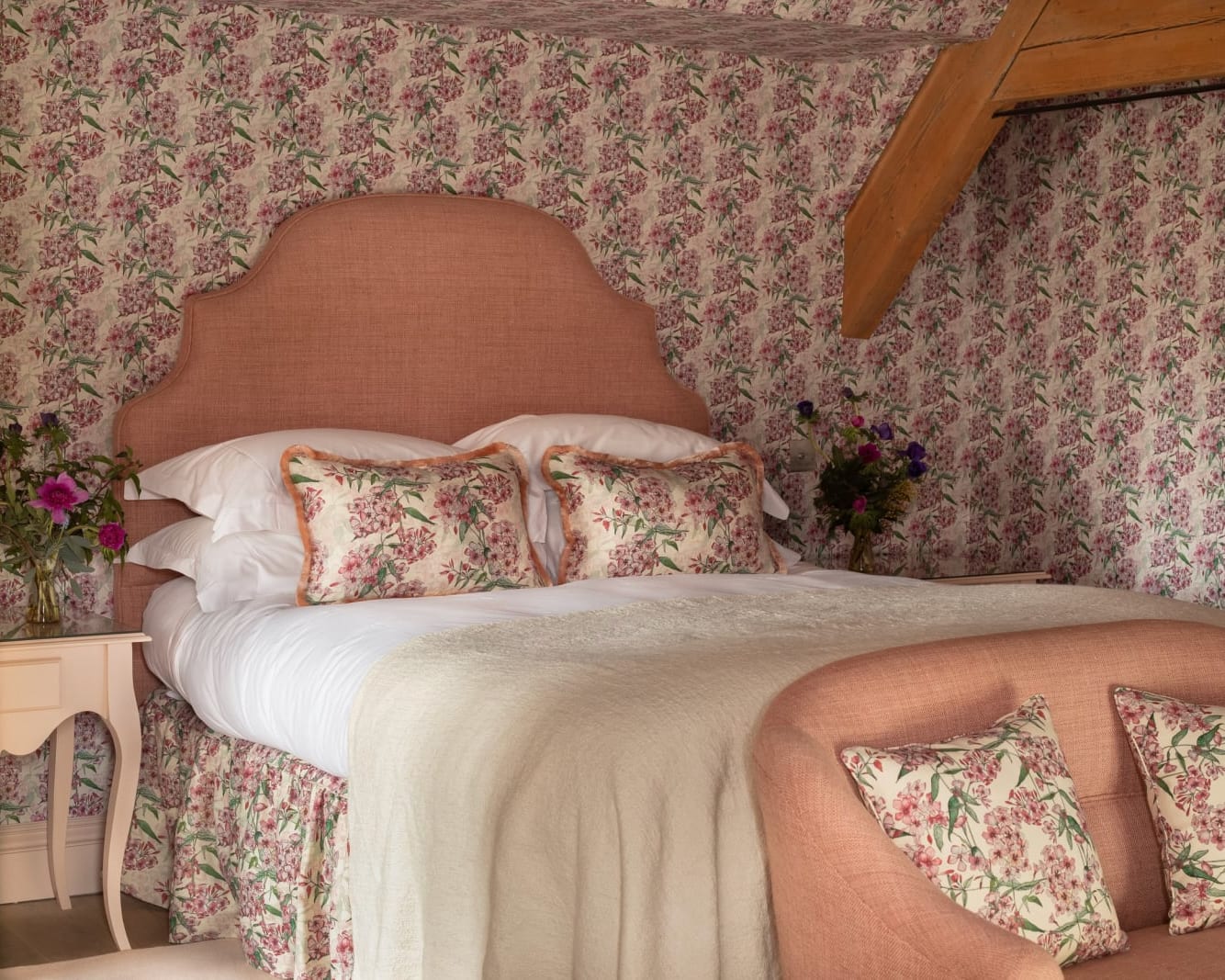
Image courtesy of Thyme – Hotel, Restaurant, Spa
The Cotswolds are England’s countryside ideal rendered in honey-colored stone: market towns, footpaths, dry-stone walls, and villages like Castle Combe and Bibury. The region can feel busy in peak season, but it remains one of the best places for long pub lunches, antiques shopping, garden visits, and walks along the Cotswold Way.
Where to stay
Estelle Manor (Oxfordshire): This Jacobean estate brings a private-club sensibility to the countryside, with maximalist interiors, a Roman-inspired bathhouse, and a lively social scene that sets it apart from quieter country-house hotels.
Fora Perks include a $100 hotel credit, daily breakfast, an upgrade, and extended check-in/out whenever possible.
Thyme – Hotel, Restaurant, Spa (Gloucestershire): Restored stone barns and cottages are spread across a 150-acre Cotswolds estate, where guests can move easily between the gardens, cooking school, spa, and restaurant.
Fora Perks include daily breakfast, welcome amenities, an upgrade, and extended check-in/out whenever possible.
The Royal Crescent Hotel & Spa (Bath): Set inside Bath’s most famous Georgian crescent, this hotel places travelers amid the city’s Roman baths, museums, and honey-stone architecture, with a quiet walled garden and spa tucked behind the façade.
Fora Perks include a $100 hotel credit, daily breakfast, an upgrade, and extended check-in/out whenever possible.
Southwest England
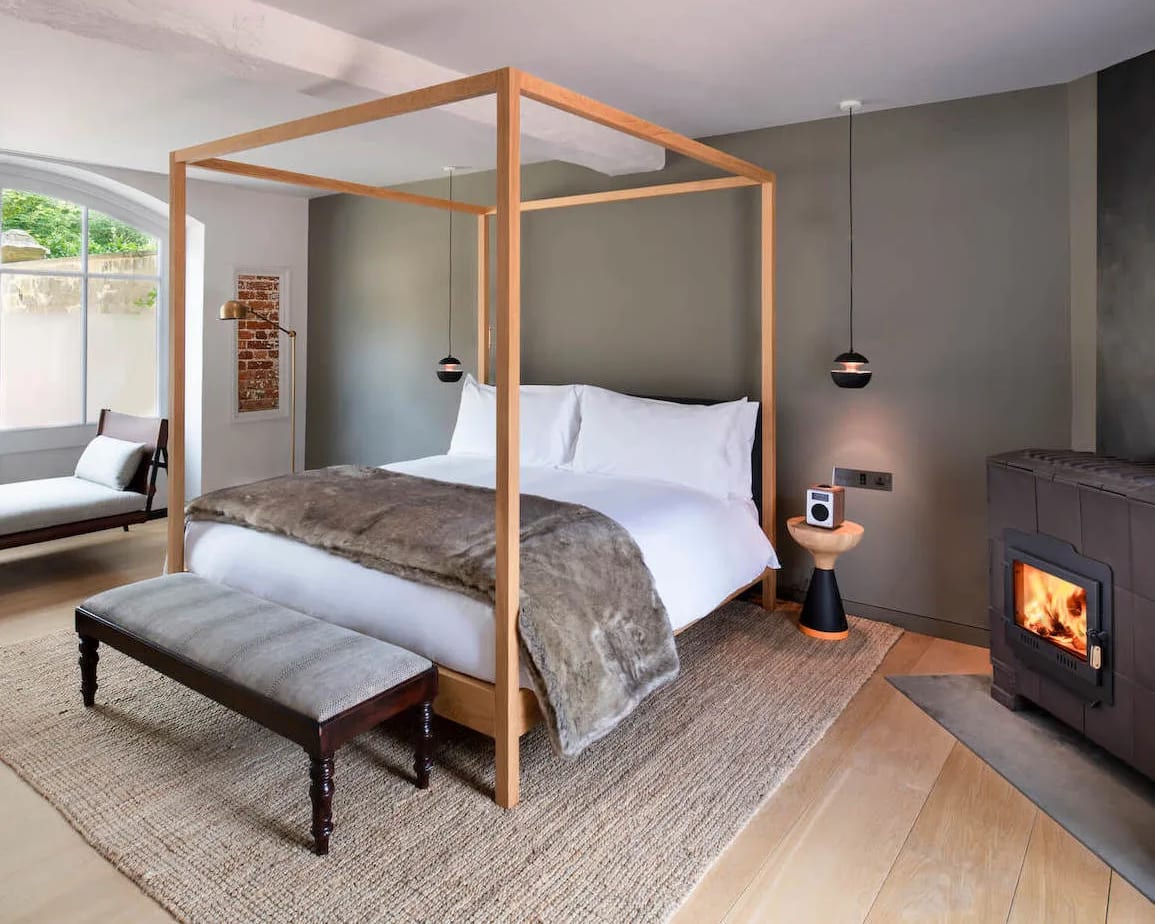
Image courtesy of The Newt in Somerset
Dartmoor and Exmoor bring open moorland, wooded valleys, and free-roaming ponies, while the Jurassic Coast traces 95 miles of fossil-rich cliffs and beaches through Dorset and East Devon. Farther west, Cornwall shifts the mood toward fishing villages, surf beaches, coastal paths, and food shaped by the Atlantic
Where to stay
The Newt in Somerset: Every detail here—from the gardens and working cider press to the spa and Palladian limestone manor—is designed to connect guests to the surrounding land.
Fora Perks include an exclusive on-site experience, daily breakfast, welcome amenity, an upgrade, and extended check-in/out whenever possible.
Lime Wood Hotel (Hampshire): This Regency manor in the New Forest attracts food and spa travelers with its Herb House spa, woodland setting, and Italian-leaning restaurant that draws on seasonal produce and local foraging.
Fora Perks include daily breakfast, welcome amenity, and an upgrade whenever possible.
THE PIG-at Combe (Devon): This Elizabethan manor in an East Devon valley creates a relaxed country-house feel with its comfortable rooms and menus shaped by the kitchen garden and nearby producers.
The Midlands
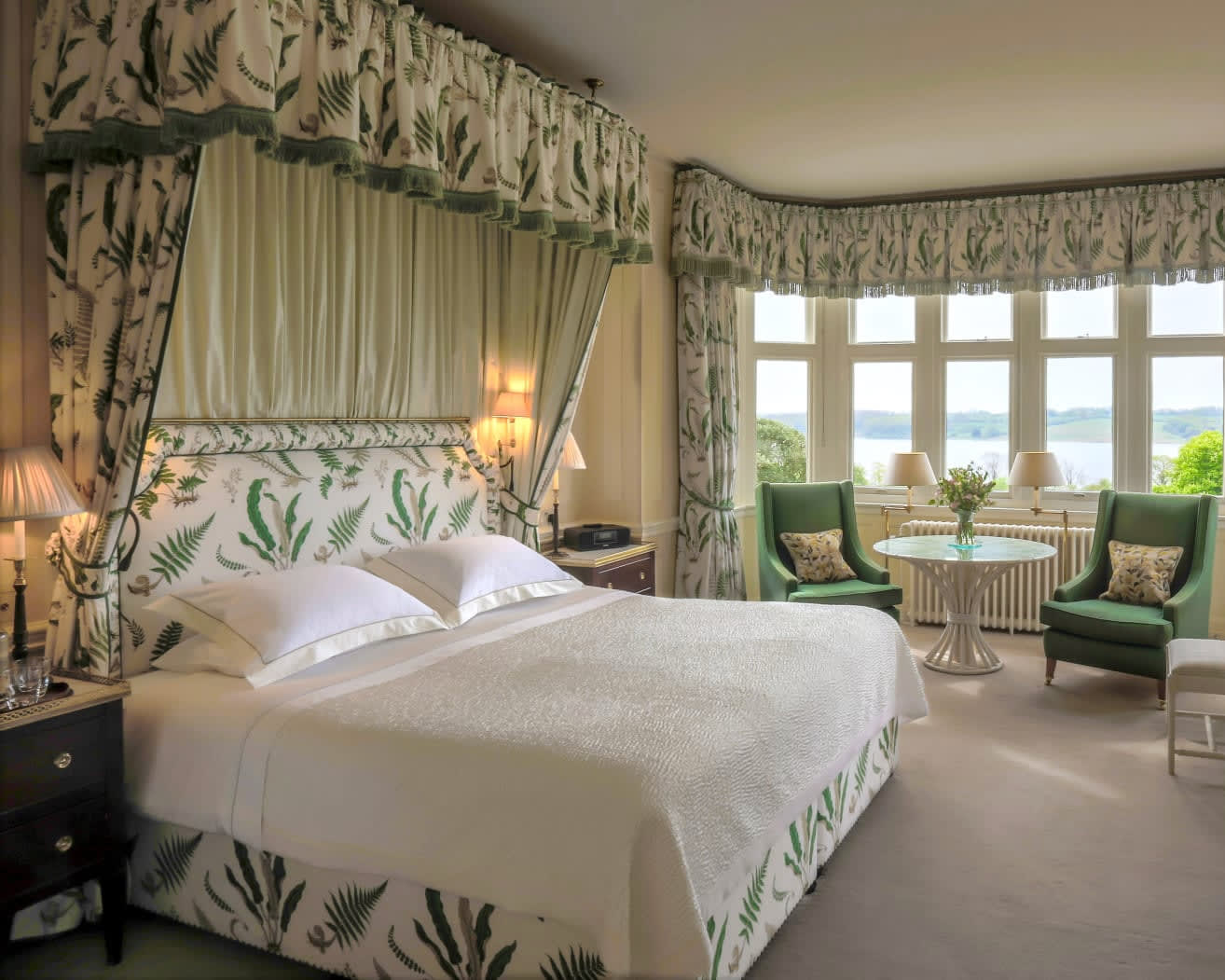
Image courtesy of Hambleton Hall
Central England marks the shift from the softer hills of the south to the wilder landscapes farther north. Rutland Water nature preserve is a highlight for reservoir walks, birding, and watersports, while Derbyshire and the Peak District impress with their limestone valleys, gritstone edges, market towns, and historic estates.
Where to stay
The Cavendish Hotel at Baslow (Derbyshire): This 28-room hotel sits on the Chatsworth Estate, making it a convenient base for visiting the house and gardens before setting out on walking routes through the surrounding Derbyshire countryside.
Fora Perks include a £20 food and beverage credit, welcome amenity, an upgrade, and extended check-out whenever possible.
Hambleton Hall (Rutland): Overlooking the Rutland Water nature preserve from a secluded peninsula, this Victorian country-house hotel is known for its old-school dining room, lake views, and a quieter setting than many better-known countryside stays.
Fora’s Relais & Châteaux partner perks include daily breakfast and VIP welcome whenever possible.
Northern England
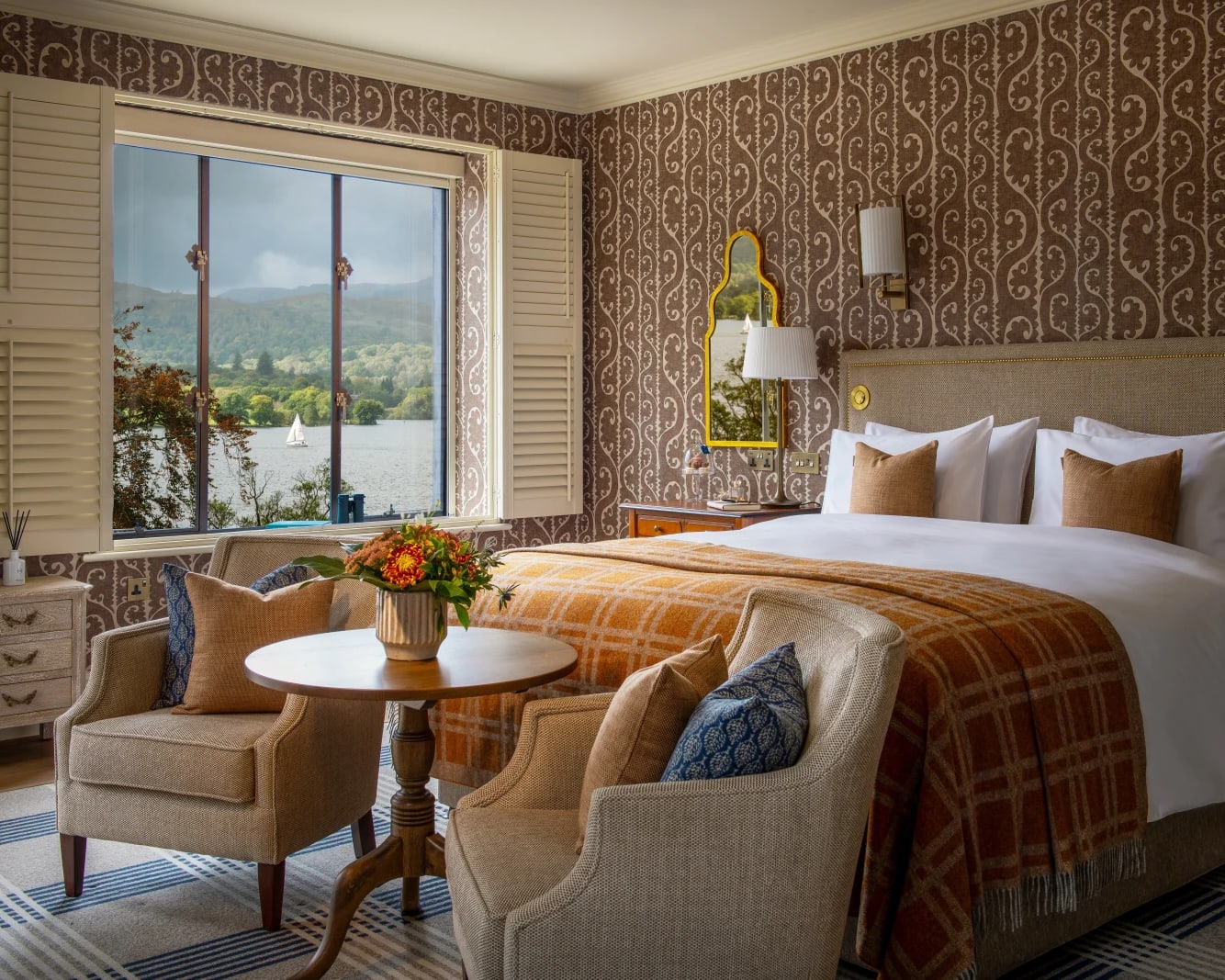
Image courtesy of Langdale Chase Hotel
The Lake District is characterized by glacial lakes, steep passes, and literary history, while the Yorkshire Dales are all dry-stone walls, limestone pavements, heather moorland, and deep green valleys. Together, they’re a compelling option for travelers who want serious walking, atmospheric landscapes, and market towns with a strong sense of place.
Where to stay
Langdale Chase Hotel (Lake District): This restored Victorian villa makes a dramatic first impression on the banks of Lake Windermere, with stained glass, carved oak, lake-facing rooms, and a private jetty for swims, paddles, and sailings aboard the hotel’s 1928 wooden motor yacht.
Fora’s withIN by SLH partner perks include a hotel credit, daily breakfast, an upgrade, and extended check-out whenever possible.
Grantley Hall (Yorkshire Dales): This 17th-century estate near the Yorkshire Dales is best for travelers who want a highly serviced country-house stay, with a major spa, formal grounds, several dining venues, and a subterranean cocktail bar.
Fora Perks include a hotel credit, daily breakfast, one complimentary lunch, an upgrade, and extended check-in/out whenever possible.
Cruising to the English countryside
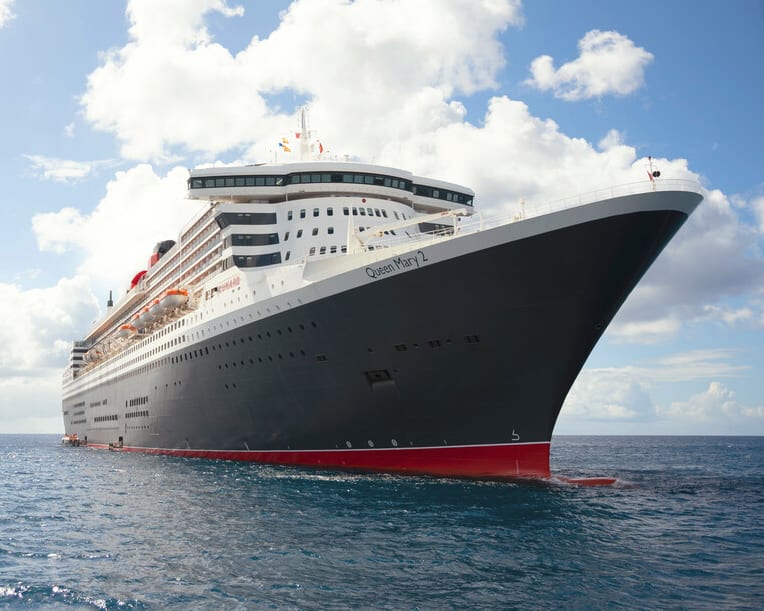
Image courtesy of Cunard Cruises
Southampton is the U.K.’s primary cruise hub, but its distance from London adds logistical considerations. Transfers from Heathrow, Gatwick, or central London often take at least 90 minutes. Some itineraries around England may instead begin in continental ports like Amsterdam.
Other ports of call tend to be coastal towns that open onto distinctive countryside. Falmouth sits close to Cornwall's fishing villages and southwestern coastline. Portland puts passengers within reach of the Jurassic Coast. Liverpool is the outlier—a major city rather than a rural port—but it can work as a gateway to the Peak District. Newcastle upon Tyne opens onto Northumberland, Hadrian’s Wall, and the northeast countryside.
Popular itineraries
British Isles (7–21 days): These sailings typically circle the British Isles, linking English ports with stops in Ireland, Scotland, and Wales. They work well for first-time visitors who want countryside, coastline, and historic cities in one trip.
Northern Europe (7–21 days): may include English ports alongside France, Scandinavia, the Netherlands, or Iceland. It’s a smart choice for anyone interested in England's maritime heritage and historic cities elsewhere on the continent.
River Thames (7 days): Sailings on small luxury barges stop at market towns like Henley-on-Thames, Marlow, and Abingdon. The pace is slow by design and allows travelers to go deep on manor houses, villages, and history.
Notable cruise lines
Cunard Cruises: The line’s transatlantic heritage comes through in formal gala evenings, afternoon teas, and enrichment programming with authors, historians, and subject experts.
Fora Perks include up to $600 onboard credit per stateroom whenever possible.
Celebrity Cruises: Design-forward ships, a strong food and beverage program, adult-leaning spaces, and a relaxed dress code create a contemporary resort feel.
Fora Perks include up to $200 onboard credit per stateroom whenever possible.
Oceania Cruises: Food sits at the center of the experience, with specialty restaurants included in the base fare, plus cooking classes, guest lecturers, a well-stocked library, and an artist loft program for sea days.
Virtuoso Voyages Hosted Benefits available on select sailings.
Abercrombie & Kent: The eight-passenger Magna Carta feels closer to a floating country house than a conventional cruise, with a small salon, communal meals, and a Thames itinerary built around villages, estates, and historic towns.
Fora Perks include up to $200 onboard credit per stateroom whenever possible.
History and culture
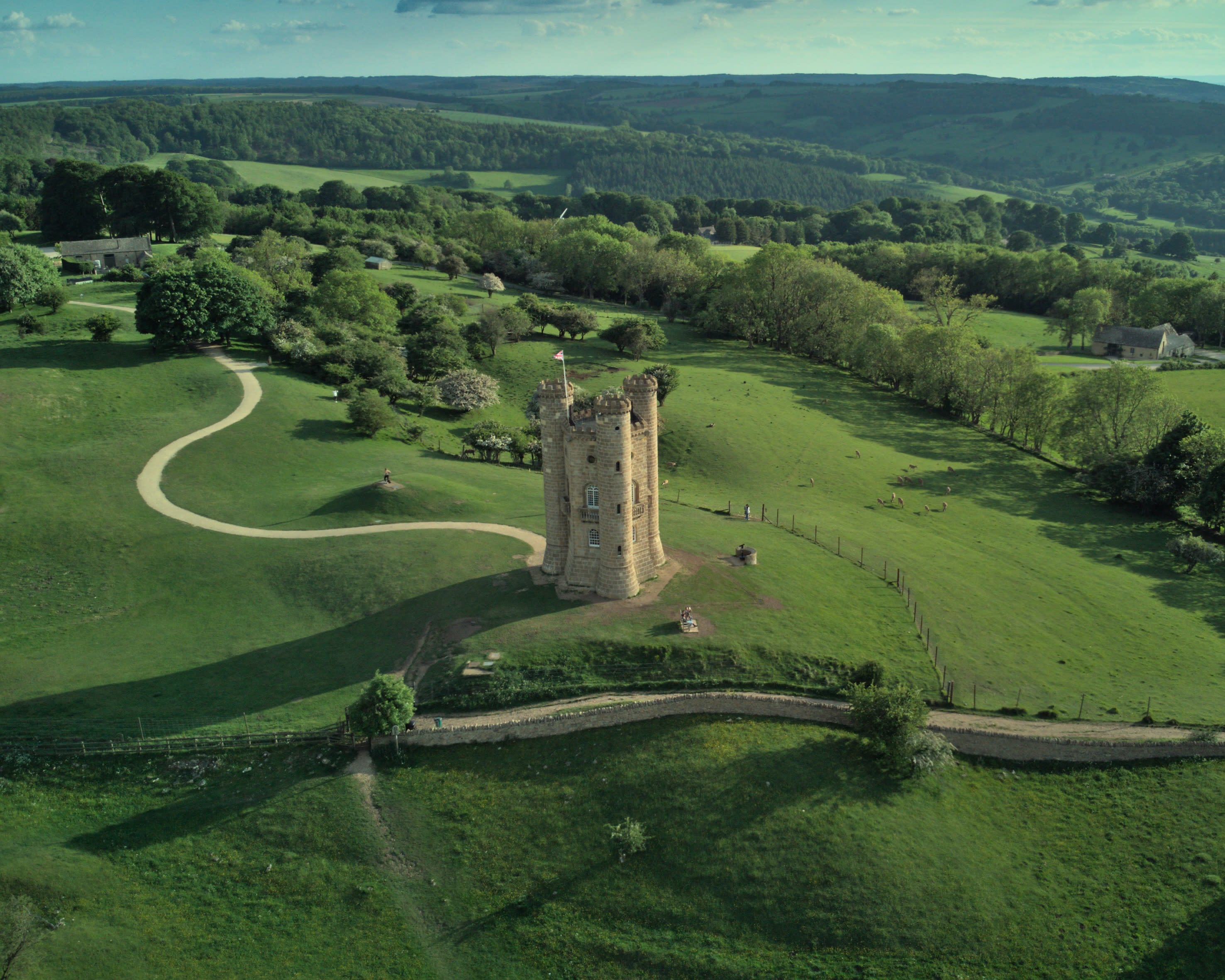
Much of the English countryside was shaped by policy, labor, and land ownership. The Enclosure Acts of the 17th through 19th centuries transferred common land into private hands, disrupting rural communities and reshaping the fields, hedgerows, and footpaths that many visitors now see as picturesque. Earlier layers remain visible, too, from medieval strip-farming patterns to Iron Age hill forts, burial mounds, Roman roads, and prehistoric monuments like Stonehenge and Avebury.
Village churches, market towns, country houses, and pubs have long organized rural life, but they also carry histories of class, religion, empire, and land. Many country houses were built or expanded with wealth tied to colonial trade, a legacy that institutions such as the National Trust have begun to examine more openly. The countryside’s literary and visual appeal is real, but so is the complexity, with farming, conservation, tourism, wealth, and working rural communities all occupying the same terrain.
Cultural celebrations and events
The Olney Pancake Race (Shrove Tuesday, Buckinghamshire): Since 1445, women in Olney have raced through town toward the parish church while flipping pancakes in frying pans.
May Day (May 1, villages nationwide): Many villages mark the arrival of spring with Maypole dancing, music, flowers, and the crowning of a May Queen.
Agricultural shows (June–July, nationwide): Events such as the Royal Cornwall Show and the Great Yorkshire Show gather livestock competitions, food halls, rural crafts, and local producers.
Cambridge Folk Festival (August, Cambridge): One of the world’s longest-running folk festivals, this four-day event draws artists from folk, roots, acoustic, and world music traditions.
Bridport Hat Festival (September, Dorset): This Dorset market town dedicates a weekend to decorated headwear, with competitions, parades, and street performances.
Dark Skies Festival (February and October–November, nationwide): Several national parks host stargazing, night walks, astrophotography, canoeing, and other after-dark programming on varying dates.
What to do in the English countryside
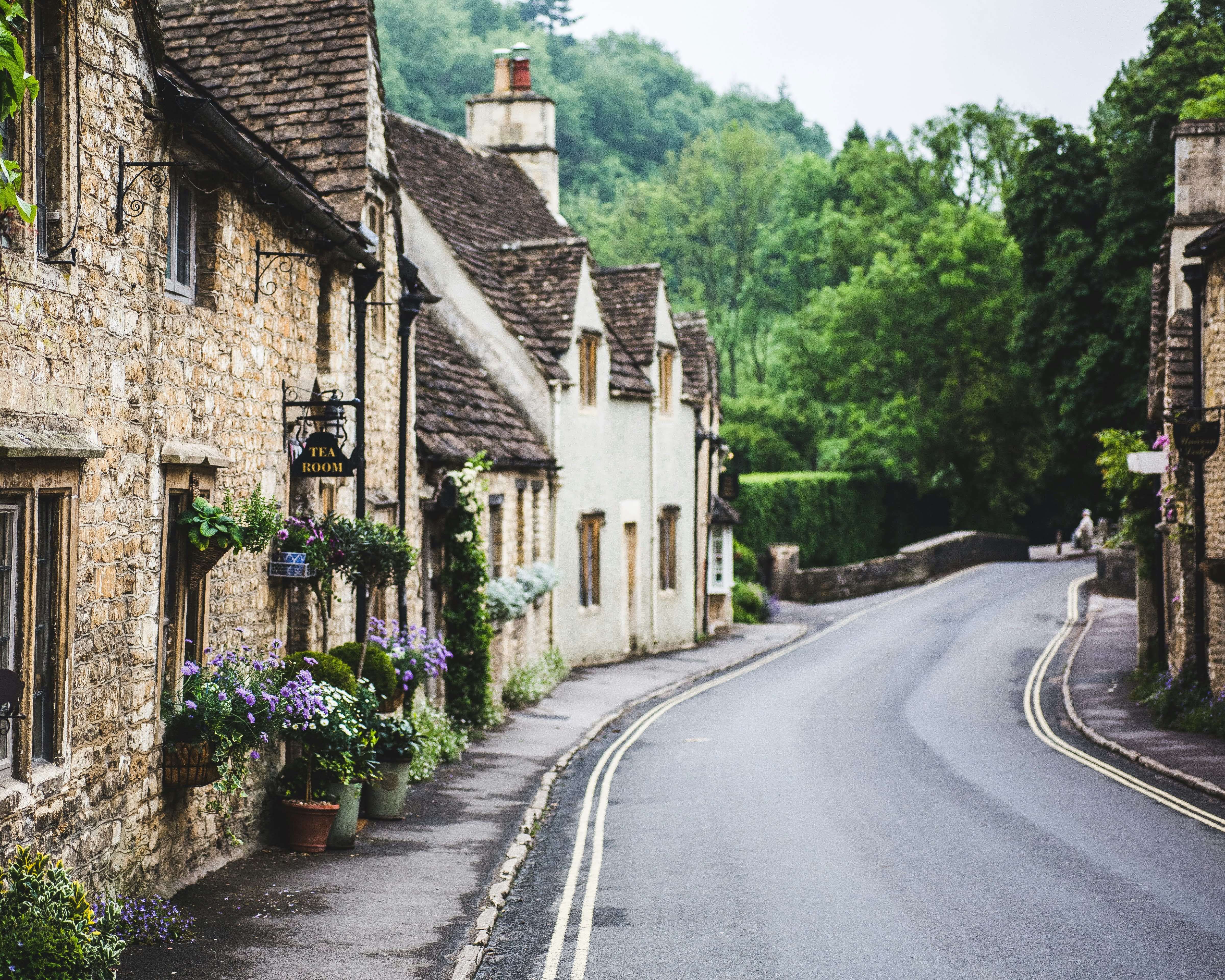
Slide into the region’s relaxed rhythm as you explore its walking paths, market towns, gardens, country houses, pubs, and historic sites.
Hill walking and rambling: England’s national trail network covers more than 2,500 miles of long-distance paths, from the Cotswold Way to the higher fells of the Lake District and Yorkshire Dales. Most of the well-marked trails can be walked in sections, so a single day on the path can be as satisfying as a longer route.
Country estates: Blenheim Palace in Oxfordshire sits within a 2,000-acre park and is known as the birthplace of Winston Churchill. Sudeley Castle in the Cotswolds has 1,000 years of history and contains the tomb of Catherine Parr, the last of Henry VIII’s six wives.
Ancient sites and landmarks: Prehistoric monuments, hill forts, castles, and ruins are scattered across rural England. Stonehenge and Avebury draw the largest crowds, while sites like Lindisfarne Castle connect landscape, history, and coastline.
Historic cities and towns: Bath is one of England’s most complete Georgian cities, built around Roman hot springs. Oxford's colleges open their quads and chapels to visitors at varying hours, while York’s medieval walls still ring much of the city center.
Horseback riding: Bridleways run through areas like the New Forest, South Downs, Dartmoor, and Exmoor. Local stables offer everything from short hacks to multi-day riding itineraries.
Spa and wellness: Countryside spas range from Bath’s geothermal waters to hotel-based wellness programs in manor houses, converted barns, and rural estates.
Afternoon tea: Served in country houses, hotels, village tea rooms, and pubs, the best versions of this tradition are simple: fresh scones, good jam, clotted cream, sandwiches, pastries, and properly brewed tea.
Activities: Many country-house hotels offer classic outdoor pursuits such as croquet, archery, clay pigeon shooting, falconry, and lawn games.
Boat tours: Seeing Lake Windermere, England’s largest natural lake, from the water lets you appreciate its full majesty. Some hotels, including Langdale Chase, sit directly on the water, and hired dayboats are available on rivers and canals in several regions.
Where to eat in the English countryside
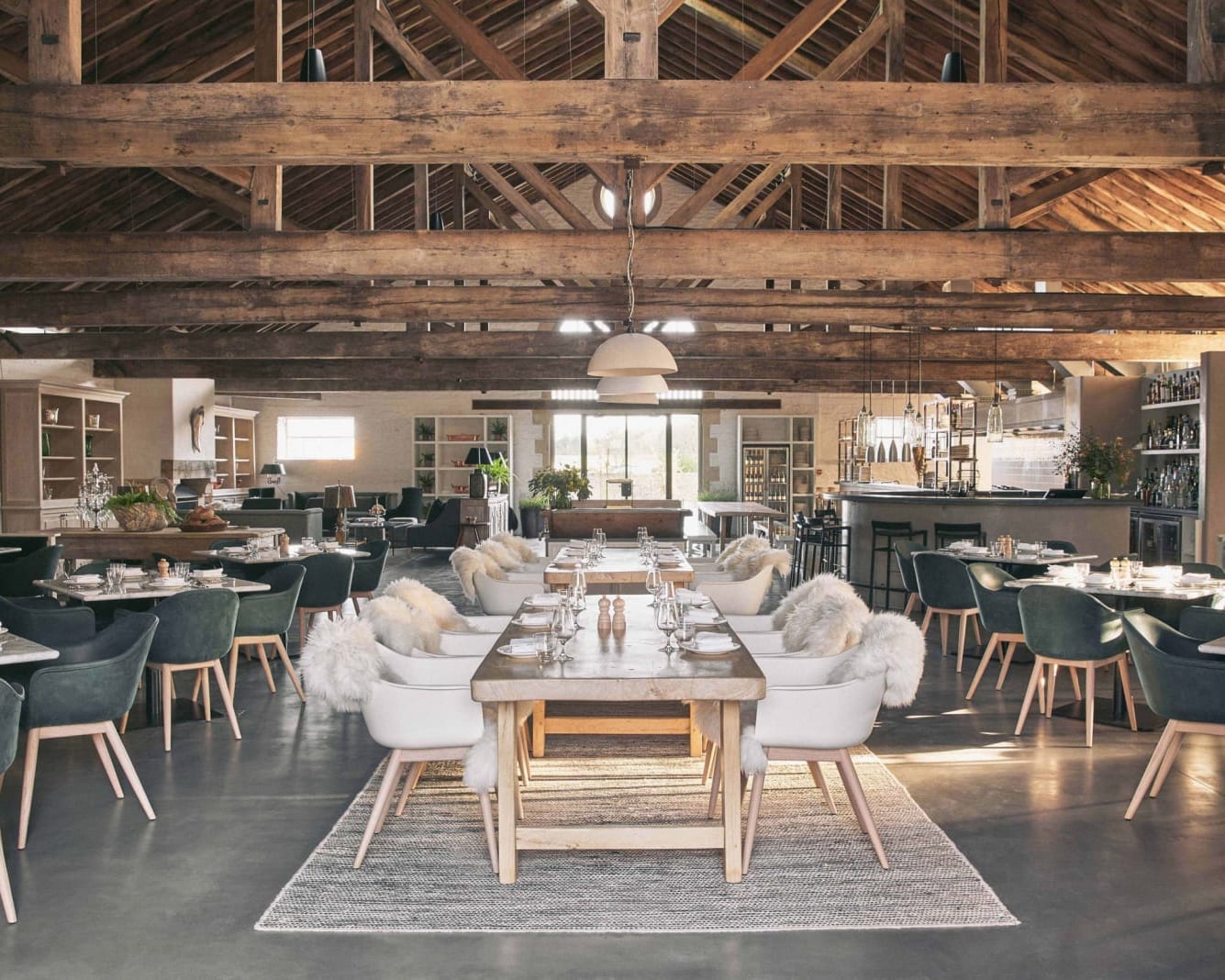
Image courtesy of The Ox Barn at Thyme – Hotel, Restaurant, Spa
Dining in the English countryside ranges from casual pubs serving local ales and Sunday roasts to ambitious fine-dining restaurants that highlight local farms, gardens, and regional producers. The strongest meals tend to be rooted in place, whether that means Lake District lamb, Cornish seafood, Hampshire produce, or cheese from nearby dairies.
Greater London
The Fat Duck (Bray): Heston Blumenthal’s three-Michelin-starred restaurant turns dinner into a theatrical experience, serving an immersive tasting menu that plays with the ideas of memory and science.
The Loch & The Tyne (Old Windsor): This gastropub from chef Adam Handling elevates classics with seasonal produce from its gardens and orchards.
The Gomshall Mill (Gomshall): An 11th-century mill house in the Surrey Hills serves a relaxed pub menu in a riverside setting.
Southern England
Burnt Orange (Brighton and Hove): This Brighton restaurant and late-night bar focuses on wood-fired cooking, shareable plates, and a lively neighborhood feel.
The Chesil Rectory (Winchester): Set inside a 600-year-old medieval building, this Winchester restaurant serves British classics with Hampshire produce.
The Black Rabbit (Arundel): This riverside pub is popular for its outdoor terrace, views toward Arundel Castle, and proximity to wetland walks.
The Cotswolds
The Ox Barn at Thyme (Southrop): Inside a restored 19th-century barn, chefs curate a seasonal farm-to-table menu from the estate’s own gardens.
The Nut Tree Inn (Murcott): Near Oxford, this 15th-century thatched pub gives the village-pub setting a more ambitious kitchen.
The Wild Rabbit (Kingham): Organic produce from the nearby Daylesford Estate and locally foraged ingredients anchor the menu at this Cotswolds inn, where British cooking is served in a polished village setting.
Southwest England
The Cornish Arms (Tavistock): Set near Dartmoor, this gastropub serves hearty British classics with a focus on local produce.
Lympstone Manor (Exmouth): Michael Caines’s Michelin-starred country-house restaurant looks over the Exe Estuary and draws from the estate’s vineyard and surrounding larder.
The Start Bay Inn (Torcross): On the shingle beach at Torcross, this 14th-century thatched pub is known for generous portions of locally caught fish and chips.
The Midlands
Hitchen's Barn (Oakham): Seasonal cooking and a relaxed dining room make this a satisfying stop before or after time around Rutland Water.
The Boat (Lichfield): Chef Liam Dillon turns a country pub near Lichfield into a serious tasting-menu destination, with creative, technically sharp cooking rooted in British ingredients—including components sourced from its own micro-farm.
Restaurant Sat Bains (Nottingham): In an unlikely corner of Nottingham, this two-Michelin-starred restaurant turns its offbeat location into part of the experience. Seven on-site rooms, including two garden suites, make it possible to treat dinner as an overnight stay rather than a single meal.
Northern England
The Angel at Hetton: Inside a 15th-century Yorkshire Dales inn, chef Michael Wignall serves Michelin-starred tasting menus in a dining room where old beams and stone walls meet a more contemporary point of view.
The Old Stamp House Restaurant (Ambleside): An intimate Michelin-starred eatery celebrating the heritage and distinct flavors of the Lake District through locally-foraged ingredients.
Homeground Coffee + Kitchen (Windermere): A lively counter, serious coffee, and generous brunch plates give this Windermere café more personality than the average pre-walk breakfast stop.
Trips to add on
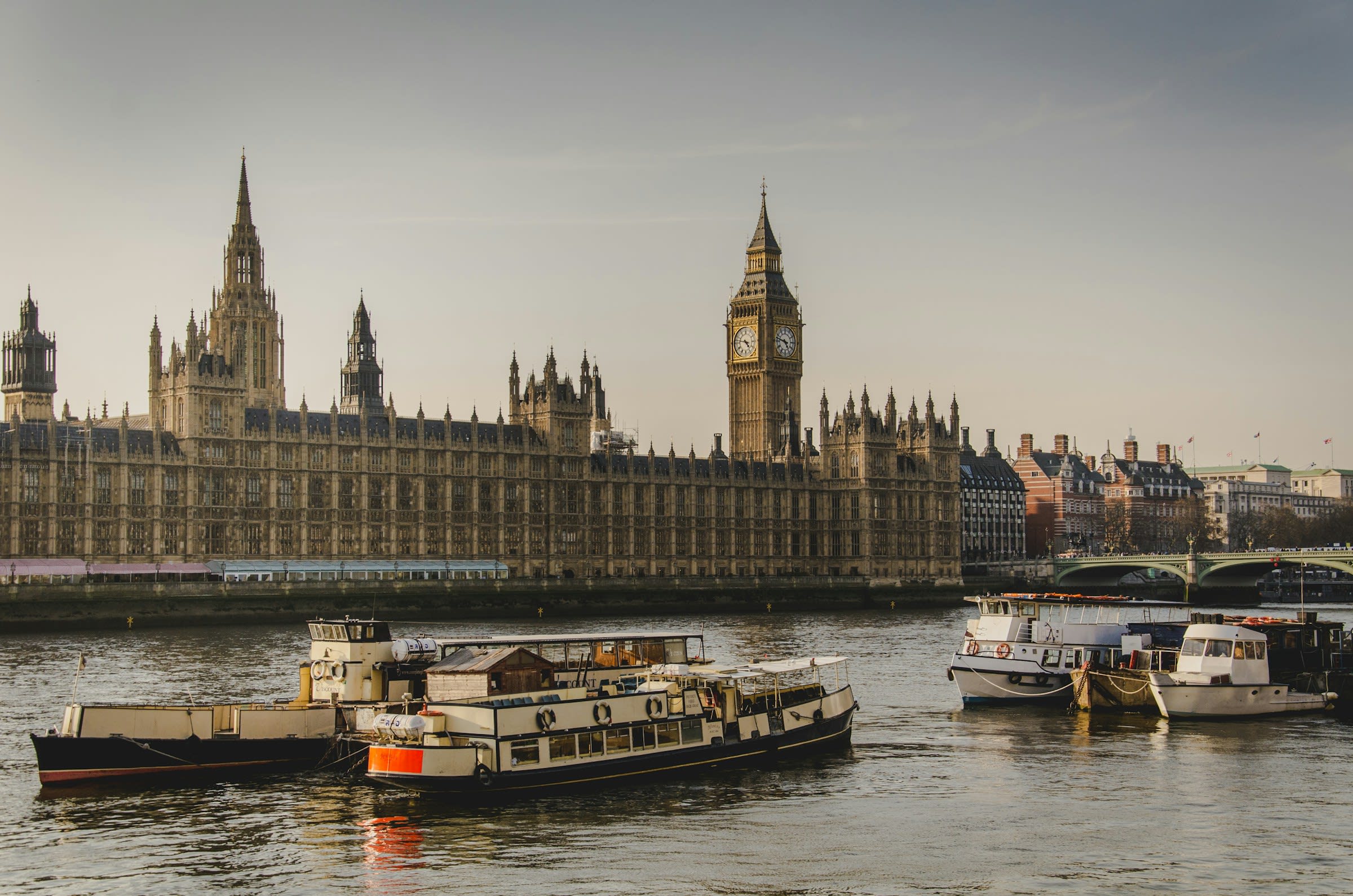
The English countryside connects naturally to the wider British Isles and mainland Europe, with plenty of rail and flight options that make it easy to build out a longer trip.
London (1 to 5-hour train or drive): Tack on time in the capital to hit the major museums, West End theater, restaurants, shopping, and neighborhoods that contrast sharply with the pace of the countryside. Two to three days covers the essentials, while a week allows for a deeper stay.
Oxford and Cambridge (45 minutes to 1.5 hours by train): These university towns work well as day trips or short stays. Oxford is known for honey-stone colleges and literary history, while Cambridge feels more open, with college gardens leading down to the River Cam.
Ireland (1 to 1.5-hour flight): Dublin layers in Georgian squares, literary pubs, and a sharp food scene, while the west coast offers Galway, Clare, Kerry, and a cultural rhythm distinct from England's rural regions.
Paris (2.5-hour train from London): Eurostar trains make the French capital a straightforward addition, whether your trip is built around a targeted list of museums, shops, and restaurants or the loose exploration of neighborhoods like the Marais and Saint-Germain.
Scotland (1 to 2-hour flight or 5 to 9-hour train): Start in Edinburgh for medieval closes, Georgian streets, and a strong dining scene, then continue north for lochs, ruins, whisky distilleries, and rugged terrain in the Highlands.
If not the English countryside…
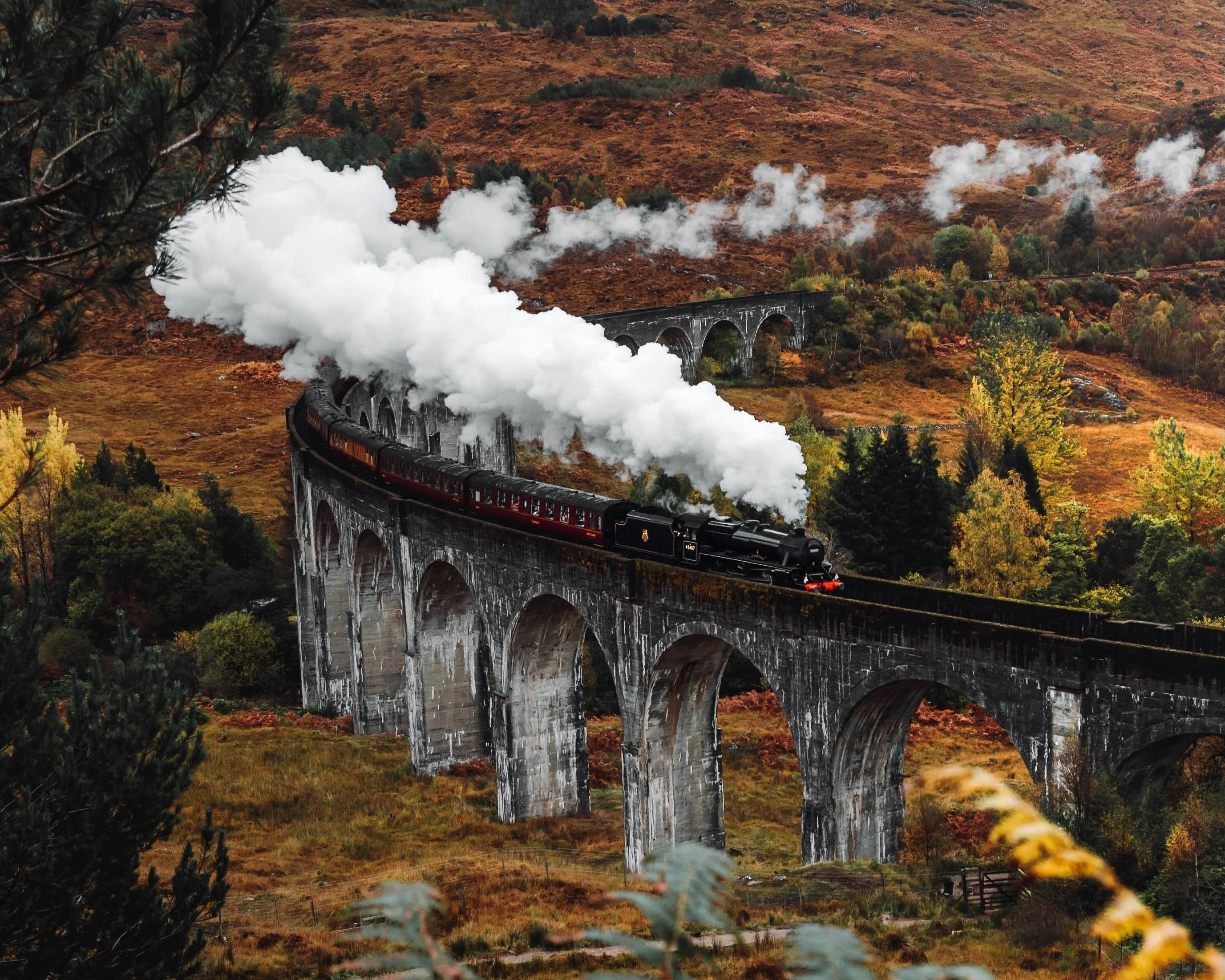
If the walking culture, historic villages, strong pub tradition, and layered landscapes appeal to you, these destinations offer a similar sense of place with different degrees of wildness, distance, and cultural texture.
Wales: Geographically the closest alternative, this isle is the sharper-edged version of a rural British trip: Snowdonia’s peaks, the Brecon Beacons, the Pembrokeshire Coast, and a dense network of castles all create a more dramatic backdrop. The Welsh language also gives the trip a distinct cultural texture.
Scotland: For a wilder version of the British countryside, look north to lochs, glens, coastal roads, ruined castles, and whisky country. Edinburgh works well as an urban starting point before continuing into the Highlands.
Ireland: A familiar mix of pubs, walking routes, and green landscapes comes through a different literary, musical, and political history here. The west coast, Aran Islands, and early monastic sites make the trip feel more Atlantic-facing and elemental.
Norway: Less pastoral and more raw than England, Norwegian trips revolve around fjords, fishing villages, mountain roads, and lodges that put the landscape at the center of nearly every meal, view, and activity.
Chilean Patagonia: Patagonia takes the nature-led trip much farther from the source material, with long travel days, remote lodges, and itineraries built around hiking, kayaking, wildlife viewing, and the granite towers of Torres del Paine.