
Courtesy of Four Seasons Resort Peninsula Papagayo
The hardest thing about planning a Costa Rica trip isn't getting there. It's choosing where to go. In a country smaller than many U.S. states, volcanic hot springs give way to Pacific surf, cloud forest canopy to Caribbean coral reefs—all underpinned by a biodiversity so remarkable that more than a quarter of the land has been set aside as national parks and protected areas.
No matter which Costa Rica destination you land in, you'll undoubtedly hear "pura vida." It's often invoked as a greeting or an expression of gratitude, but it's also a gentle reminder that no matter which path you choose, the only wrong move here is to rush the journey.
The Pacific Coast: Surf, Sunset, and Slow Living
Along Costa Rica’s northern Pacific shore, secluded coves and lush, jungle-covered hills create the backdrop for a nature-infused beach escape. Calm surf invites snorkeling and paddleboarding, while world-class swells lure surfers and fiery sunsets rival those anywhere on the planet.
Courtesy of Nekajui Peninsula Papagayo, a Ritz-Carlton Reserve
Papagayo Peninsula
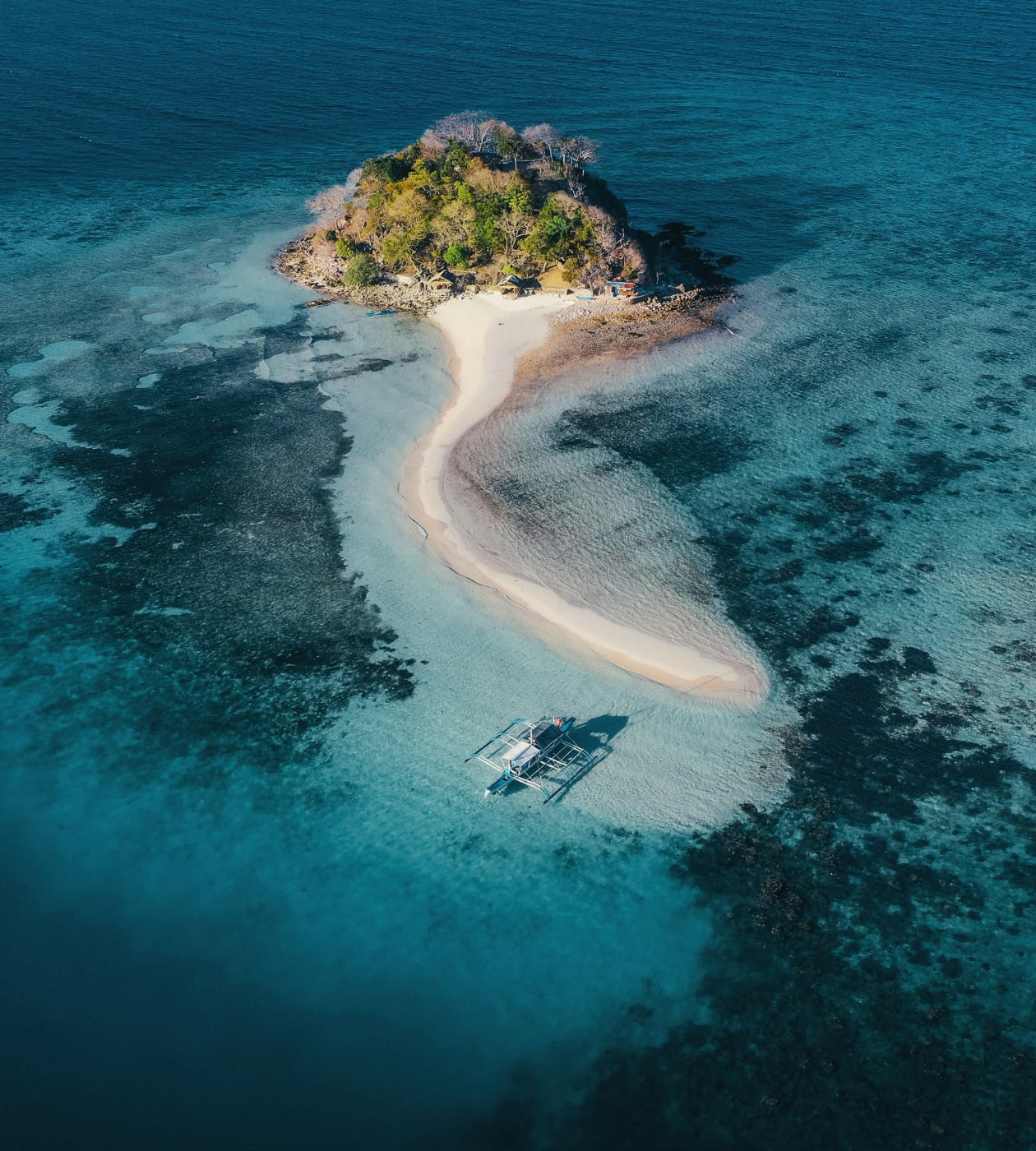
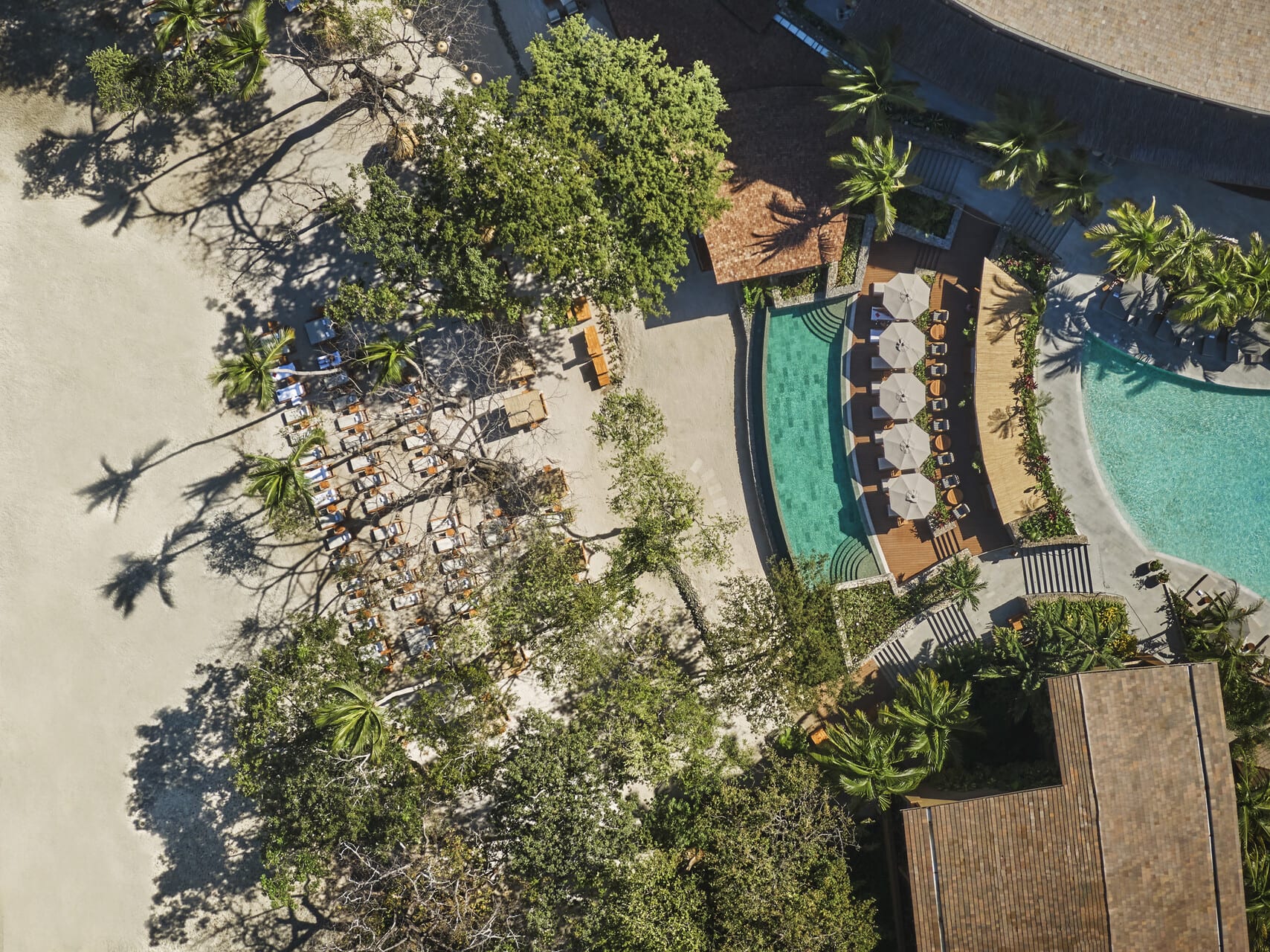
Even in a country defined by wild beauty, there’s room for a bit of polish. A 1,400-acre isthmus of white sand beach and tropical dry forest, this exclusive resort enclave was designed for nature lovers and has set the standard for Costa Rica’s signature brand of barefoot luxury for nearly two decades.
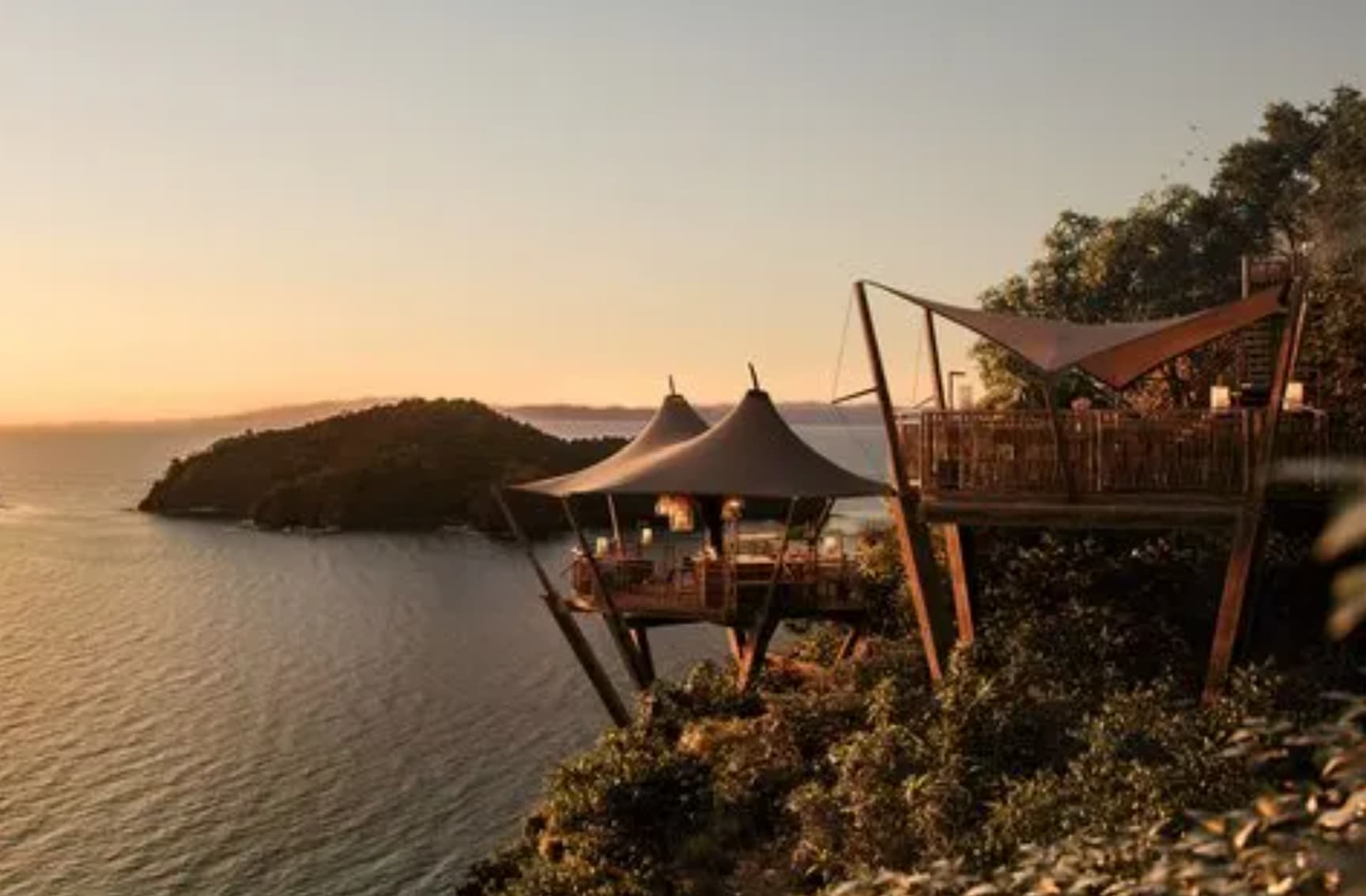
Overlooking Playa Pochote, the luxurious Nekajui Peninsula Papagayo, a Ritz-Carlton Reserve debuted in February 2025 as the brand’s first foray into Central and South America. A central lodge anchors the property, while 107 guest rooms, suites and villas—including a trio of lavish treetop tents—exude a sleek, jungle-meets-ocean aesthetic.
Tee off at the Arnold Palmer-designed Ocean Course, where nine miles of fairways are linked by leafy paths. Each hole has its own character, and traversing the course feels a bit like a safari, with play unfolding amid a soundtrack of parrots and howler monkeys.
The Explorers offers adventures throughout the resort’s 250-acre Palmares Preserve. One favorite has guests paddling an outrigger canoe through the peninsula’s wildlife-rich, mangrove-studded waterways. The outrigger is also available for ocean excursions, including snorkeling in the warm turquoise waters of Bahía Culebra.
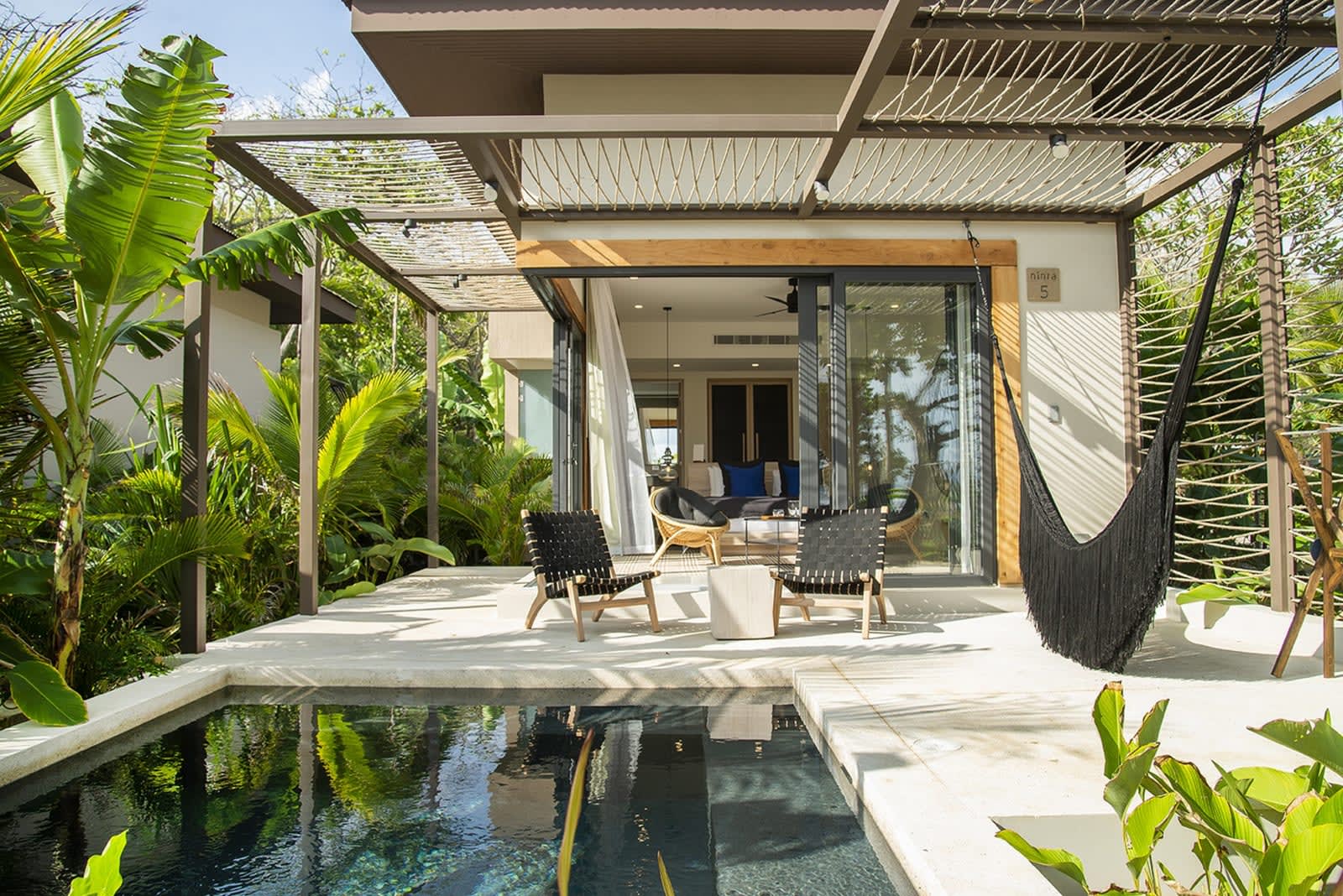
Image courtesy of Hotel Nantipa
Nicoya Peninsula
One of the world’s five Blue Zones—regions where people live exceptionally long, healthy lives—the Nicoya Peninsula embodies a lifestyle rooted in sunshine, community, and that pura vida spirit. Laid-back and effortlessly hip, Santa Teresa makes an attractive home base.
For a genuine toes-in-the-sand experience, check into Hotel Nantipa—a collection of 29 airy suites, bungalows, and villas tucked into a jungle-like landscape along one of the country’s best-loved surfing beaches.
Days here revolve around the sea—and as one of Costa Rica’s premier surf destinations, it’s an ideal place to learn. Beginner-friendly breaks roll in at Playa Hermosa and Playa Carmen, while Playa Santa Teresa’s more powerful waves are better suited to experienced surfers.
Or if you’d prefer to be on the water instead of in the water, head south to Malpaís for a fishing excursion in the Cabo Blanco Nature Reserve. The warm blue waters nurture an abundance of amberjack, mahi mahi, grouper, and yellowfin—all of which you can bring back to Nantipa for a post-adventure, ocean-to-table meal.
The Forested Interior: Volcanoes, Waterfalls, and Canopy
Inland Costa Rica reveals a landscape rich with volcanoes, waterfalls, and mystical jungles. Within a few hours’ drive, you can travel from tropical dry forest to thriving rainforest to misty cloud forest, letting you explore three distinct ecosystems in a single trip.

Courtesy of Río Perdido Hotel & Thermal River
Río Perdido
Less than an hour from Liberia’s International Airport lies a hidden pocket of tropical dry forest shaped by volcanic canyons, geothermal energy, and the “lost river” that winds through its landscape.
Set on a bluff above a pair of serpentine canyons, Río Perdido Hotel & Thermal River is a tranquil, architecturally stunning oasis. Thirty-eight bungalows linked by forested pathways feature comforts like elevated terraces, hammocks, and open-air showers intended to foster harmony with the landscape. Devoted mountain bikers call the region "South Moab," owing to 16 miles of volcanic singletrack where solid rock replaces the jungle mud typical of most Costa Rican trails.
The property’s 1,500-acre private forest reserve is a playground for discovery and wellness. Elevate your yoga practice in the treetop yoga shala, float in Río Perdido’s warm, mineral-rich pools, or hike the Mesa Norte trail for a dazzling view of the Miravalles, Rincón de la Vieja, and Tenorio—the region’s trifecta of volcanoes. Evenings bring nighttime forest walks and astronomer-led stargazing excursions.
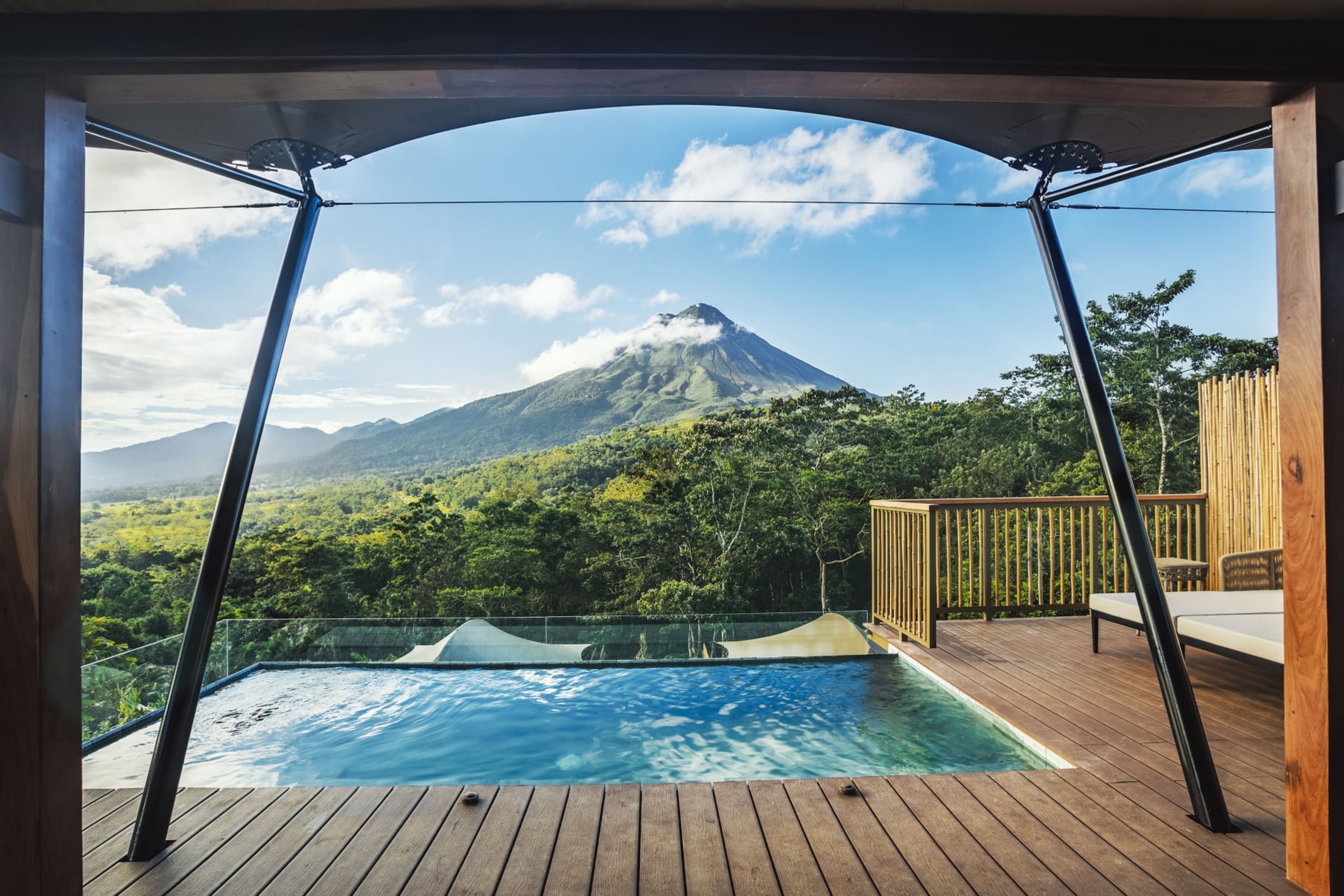
Image courtesy of Nayara Tented Camp
Arenal
Dominated by the imposing cone of Arenal Volcano, Costa-Rica’s self-proclaimed adventure capital is lush, dramatic, and full of wildlife. Though currently in a resting phase, volcanic activity heats underground springs, making this geological hotspot one of the country’s most enticing landscapes.
You’d be hard-pressed to find a rainforest retreat as sublime as Nayara Tented Camp. The property’s luxurious, safari-style tents are built into the hills, each with its own clawfoot tub, thermal plunge pool, and terrace with captivating volcano views.
Climb aboard a pontoon boat and set out along Río Frío for a naturalist-led trek into Caño Negro Wildlife Refuge, a remote area of wetland and rainforest that serves as protected habitat for iguanas, crocodiles, sloths, monkeys, ocelots, and countless bird species.
A hike on Sendero las Coladas winds through dense, secondary rainforest, where massive ceiba and ficus trees are draped with epiphytes and vines. The trail climbs a fascinating section of hardened lava flow to a lookout that offers sweeping views of Arenal Lake and the iconic stratovolcano.
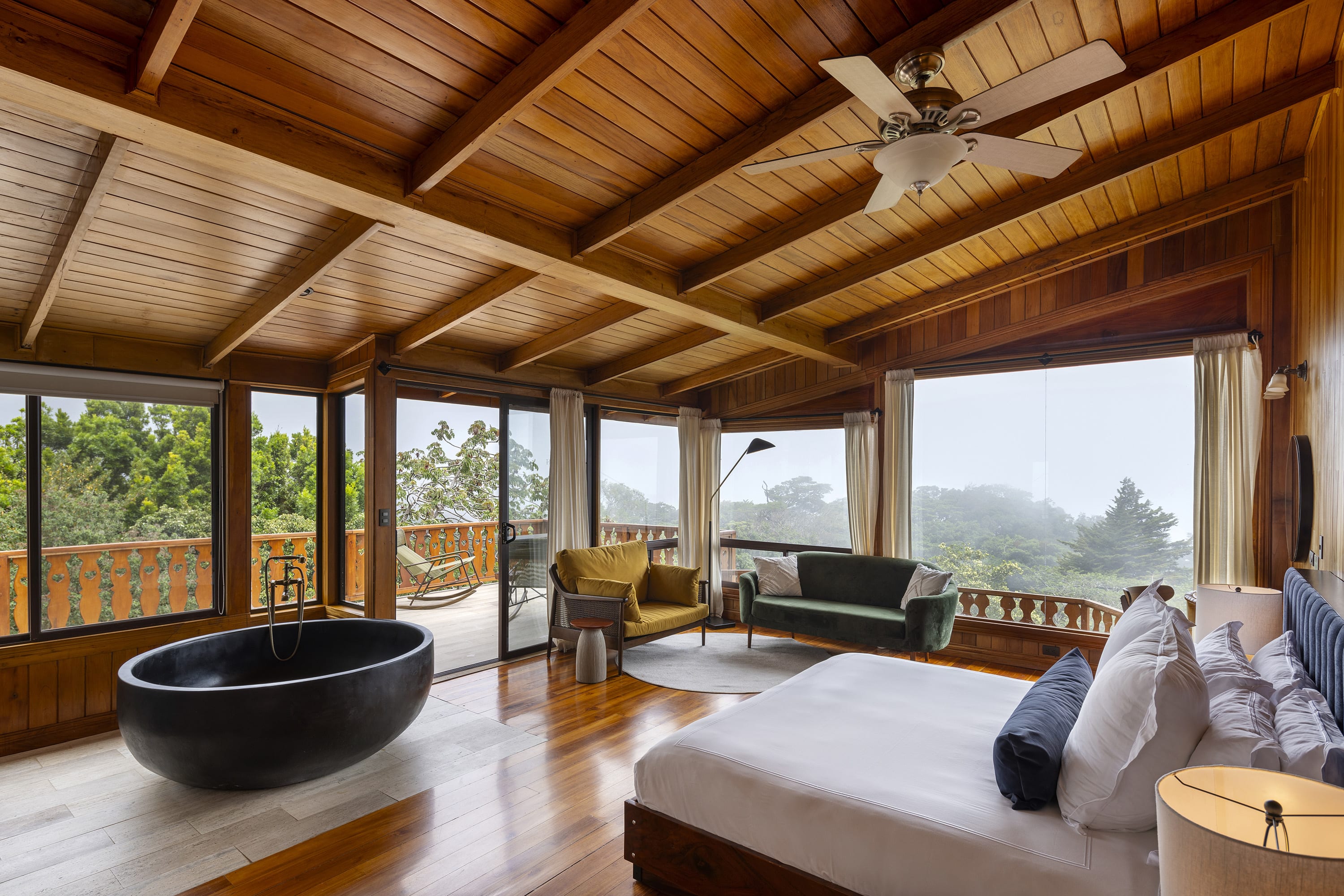
Courtesy of Hotel Belmar
Monteverde
A cooler, greener counterpoint to the coast, Monteverde pulses with an ever-present sense of the wild. Biologists have been drawn to the region’s ethereal cloud forest since the 1970s, but today it’s best known for thrilling zipline adventures and remarkable biodiversity.
Family-owned Hotel Belmar opened in 1985 as one of Costa Rica’s flagship eco-resorts and remains deeply committed to sustainability. The 26 rooms feature amber-hued wood paneling and soaking tubs, while the on-site restaurant, Celajes, follows a regenerative farm-to-table-to-farm model: ingredients are grown organically on the family farm or locally sourced, and all food waste is collected for animal feed or compost.
Ascend into the trees at Savia Forest Immersion, a 17-acre private reserve, where exhilarating canopy experiences introduce visitors to a dazzling array of flora and fauna—from bromeliads and orchids, to monkeys, butterflies, and even the elusive quetzal.
For a more grounded perspective, set out on horseback through the countryside surrounding Finca Madre Tierra. The carbon-neutral farm also offers hands-on activities in sustainable agriculture, including sugarcane pressing, coffee bean harvesting, and cheese tasting.
The Caribbean Coast and Pacuare River
With its lush rainforest, rustic coast, and Afro-Caribbean culture, Costa Rica’s eastern shore pulses to a rhythm of its own. Palm-fringed roads wind through beachy villages where calypso spills from open-air restaurants, gradually giving way to remote rivers and dense jungle.

Courtesy of Hotel Aguas Claras in Costa Rica
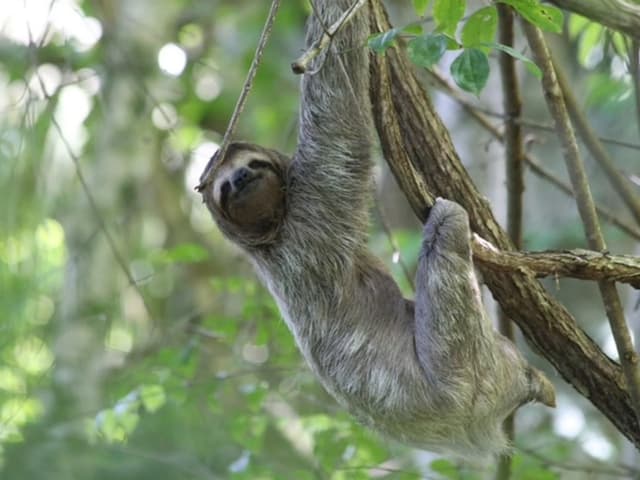
Just steps from the sea in the buzzy surf town of Puerto Viejo de Talamanca, the art-filled Hotel Aguas Claras channels the region’s Caribbean character through both its aesthetic and its cuisine. Fifteen colorful bungalows and suites sit amid tropical gardens where you’re just as likely to spot a sloth or a toucan as you are a fellow guest.
The Caribbean coast has been home to the indigenous BriBri community for millennia. During a guided tour of their ancestral farm, you’ll learn how the cacao plant is cultivated and watch the process of making chocolate from bean to bar—an important task carried out by the women in this matrilineal society.
A short drive north from Puerto Viejo de Talamanca, you’ll find Costa Rica’s largest living coral reef system beneath the protected waters of Cahuita National Park. Dive in on a snorkeling tour. A scenic boat ride brings you out to Punta Cahuita, where the sea is alive with marine life: sea turtles, stingrays, reef sharks, sponges, lobsters, and more than 30 species of coral.
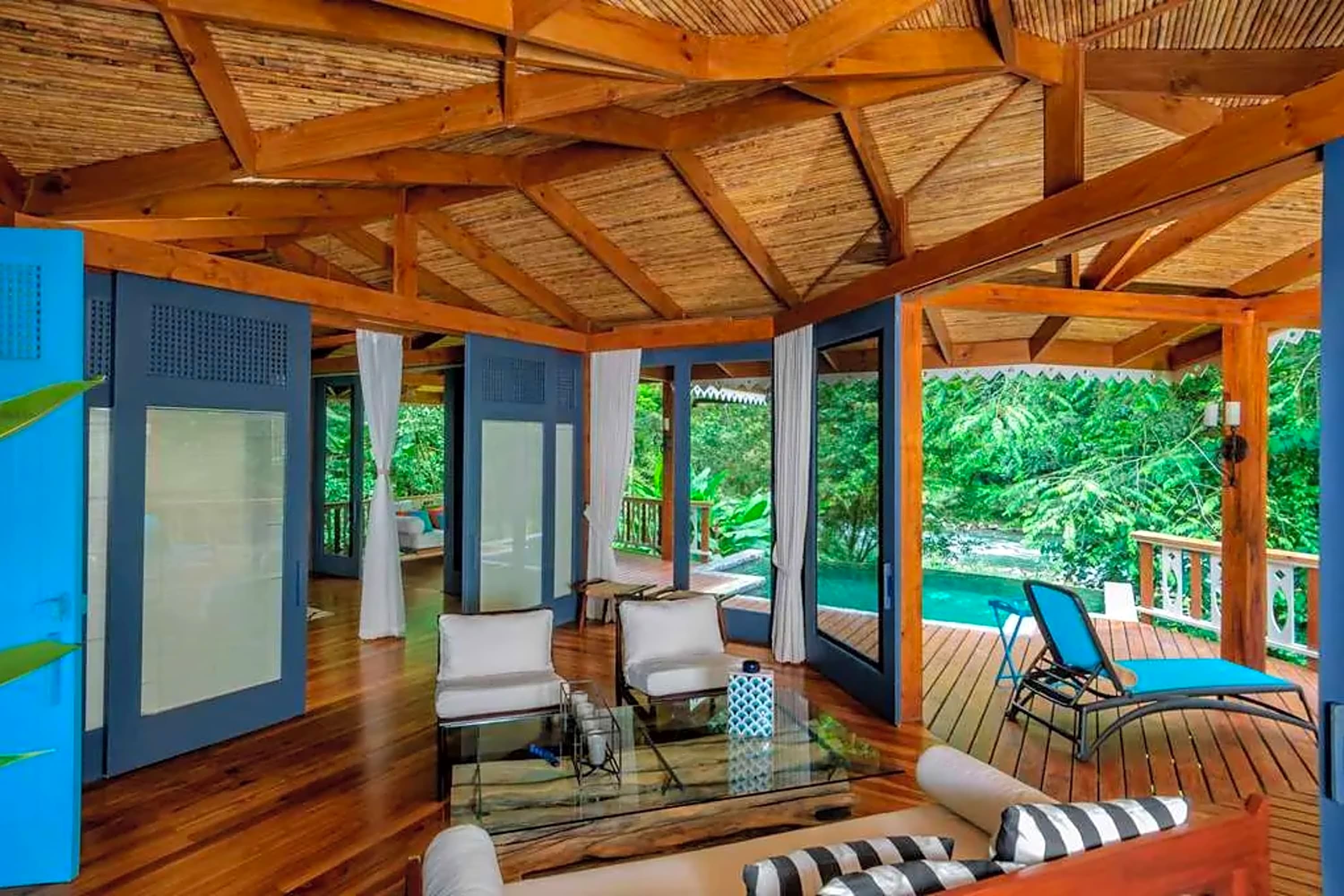
Image courtesy of Pacuare Lodge
Pacuare
Widely considered the most scenic white-water adventure in the world, a trip on the Pacuare River is a thrill for rafting enthusiasts and novices alike. The scenery is otherworldly: dramatic, moss-covered cliffs and towering ceiba trees line both sides of the river, while exhilarating class II and III rapids carry you through this verdant sanctuary, home to a menagerie of tropical wildlife.
The journey ends at Pacuare Lodge, a luxurious wind-powered hideaway that rises above the riverbank surrounded by 2,500 acres of lush primary rainforest. Twenty suites nestle deep in the canopy, their rich-wood interiors opening onto spacious terraces above the forest floor. Several are accessible only by bridges suspended over the gorge.
Set aside time to hike through the forest to El Tesorito Creek for a canyoning adventure, zip through the canopy to The Nest, a treetop platform where lunch awaits, or trek along Sendero de las Mulas (the Mule Trail) to swim in a series of waterfalls.
The Osa Peninsula
Remote and rugged, Costa Rica’s Osa Peninsula lures the kind of traveler who measures a trip by the wildlife spotted and the trails logged.
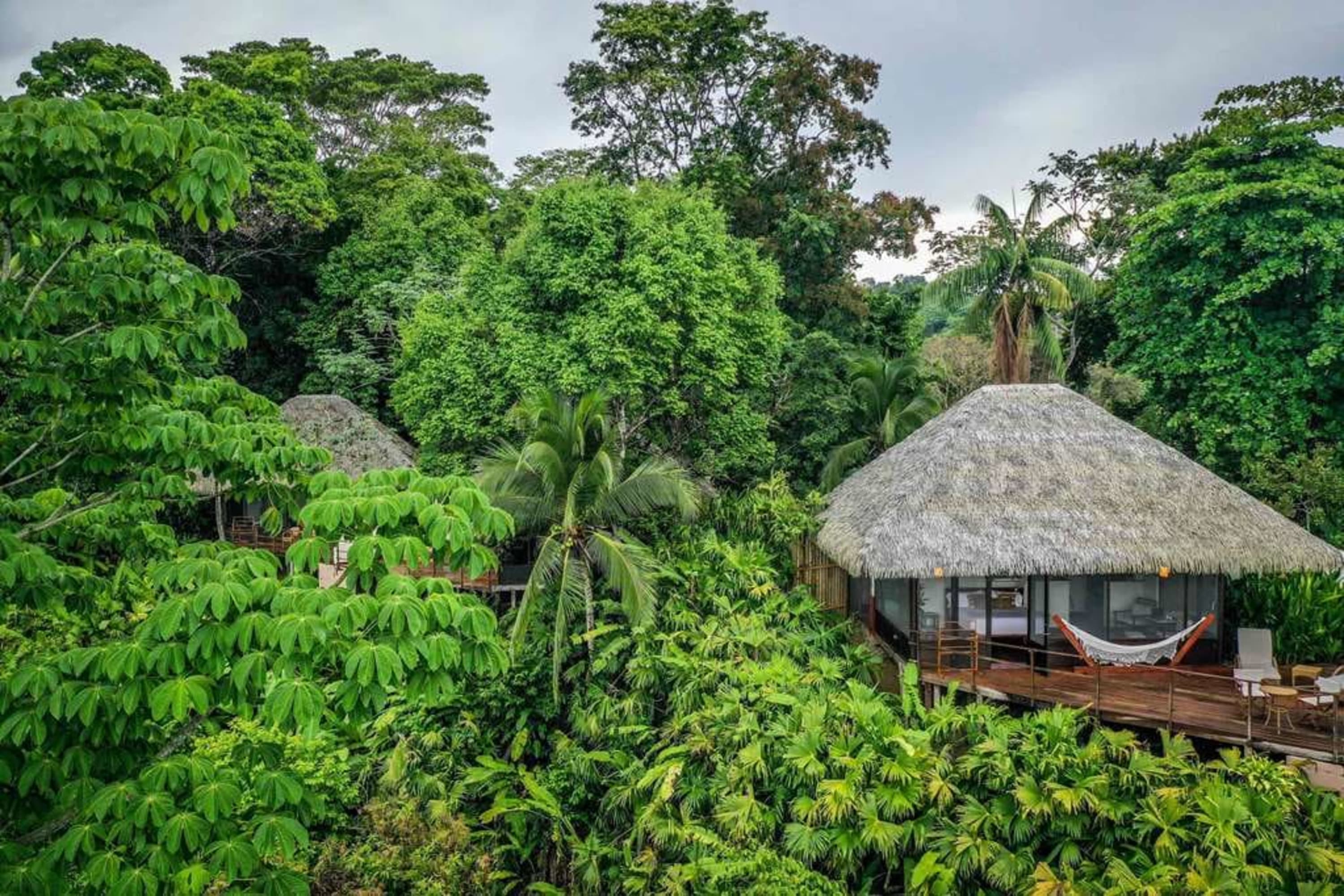
Image courtesy of Lapa Rios Lodge
Anchored by Corcovado National Park, the region teems with an estimated 2.5 percent of the earth’s biodiversity, including one of the largest populations of endangered scarlet macaws in Central America. Experience it at Lapa Rios Lodge, which sits on 1,000-acres of protected, tropical lowland forest. A maze of elevated walkways winds through the jungle to17 dreamy, open-air suites and villas overlooking the Golfo Dulce, where humpback whales come to breed each fall.
Each evening during dinner, the lodge concierge outlines the next day’s activities, led by Lapa Rios’ expert naturalist guides. Pull on your wellies, grab your binoculars, and head into the forest. Scout the tidepools on Matapalo Beach for starfish, hike the rainforest ridge trail to spot white-faced capuchin monkeys, electric green tree boas, and smiling sloths, or set out by boat at dawn to discover Corcovado’s biological riches.