
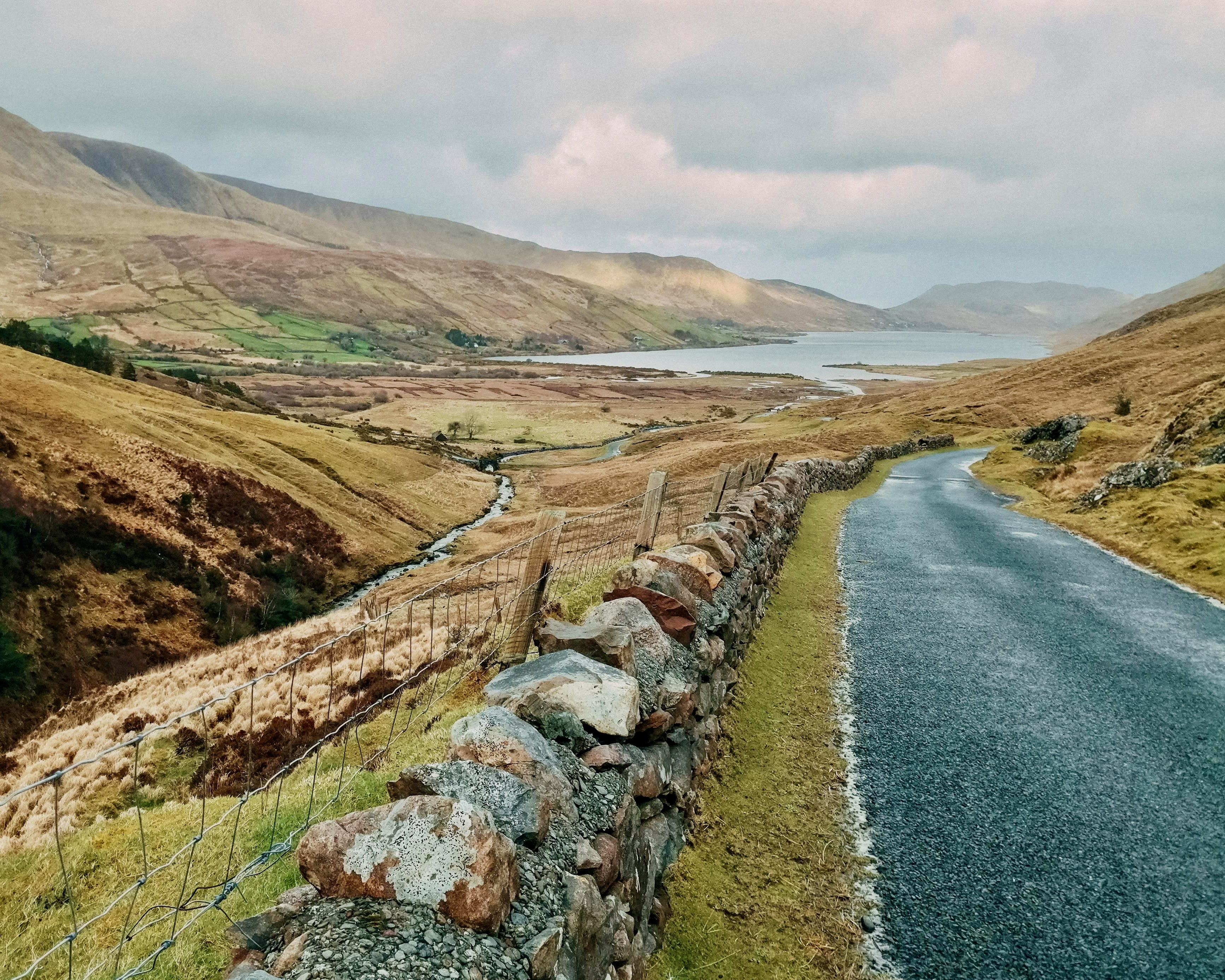
Ireland is equal parts charm, scenery, and warm hospitality, offering a few different cities to explore, each with their own personality. In Dublin, you’ll find history and modern culture along with lively pubs and walkable streets. Galway brings creative energy and easy access to the west coast. Killarney and the surrounding national park offer nature lovers plenty of scenic drives, lakes, and castles. Cork is a smaller city with great food, and nearby Kinsale adds a coastal feel with colorful streets and fresh seafood.
Ireland works well for couples, families and small groups who want a mix of culture, countryside and friendly locals. Read on to learn where to stay, what to do, and how to plan the perfect trip to Ireland.
Need to know
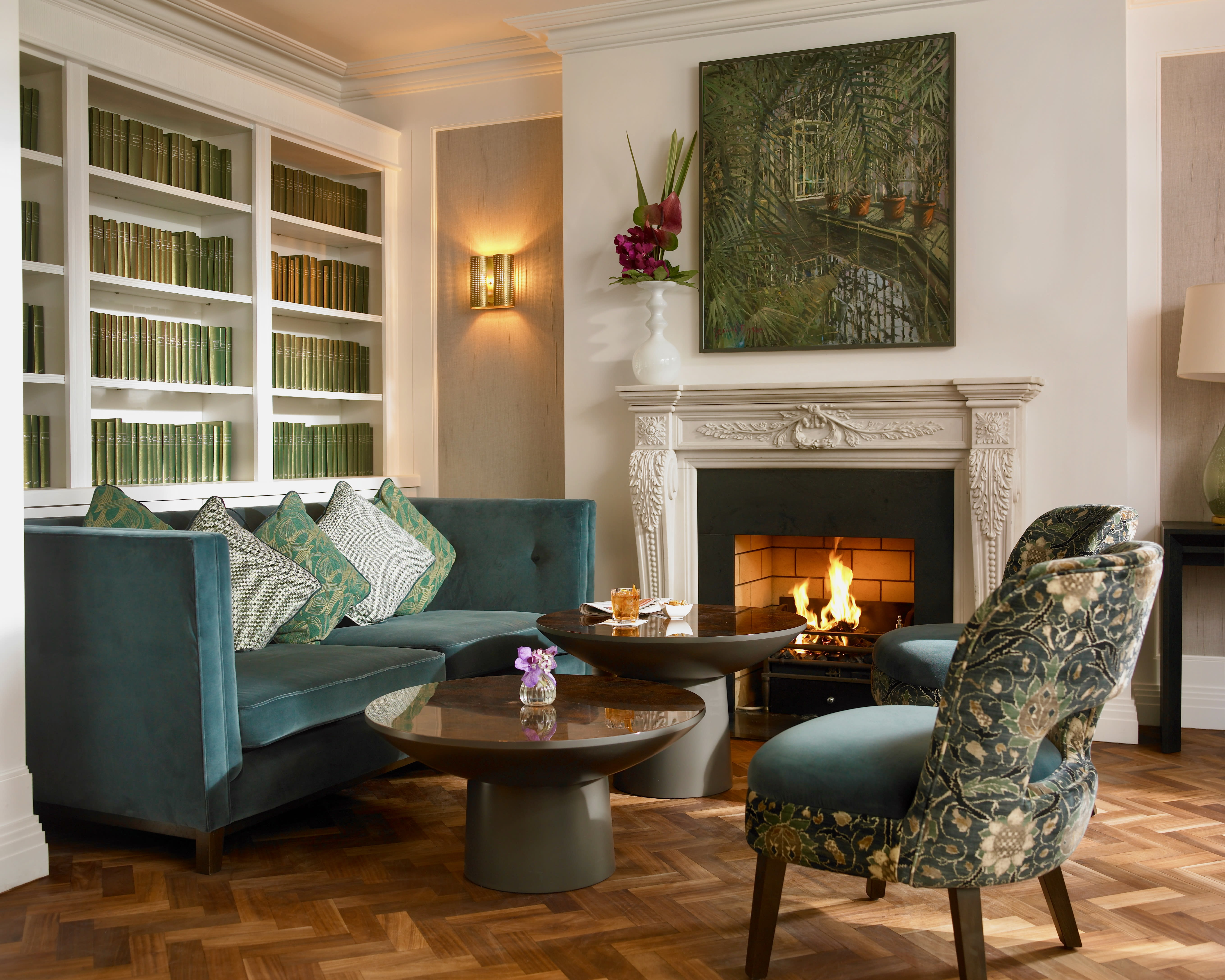
Image courtesy of Dylan Hotel
Ireland is easygoing but comes with its quirks. Shifting weather, winding roads, and a culture built on warm conversation can throw off unsuspecting visitors. Whether it’s knowing when to tip, how to navigate a roundabout, or what to wear for four seasons in a day, here’s everything you need to know to make your trip smoother.
Currency: Ireland uses the Euro (€). Credit and debit cards are widely accepted, even at pubs and taxis, but it’s smart to carry a bit of cash for small towns, or places like farmer’s markets. Tipping is not required, but rounding up or leaving 10% is appreciated.
Languages: English is the main language, but you’ll still hear Irish (Gaeilge), especially on signs or in the west. Don’t be surprised by unfamiliar pronunciations, like “Dún Laoghaire” being pronounced as “Dun Leery.” Locals appreciate politeness, so say “thanks,” hold doors, and don’t be afraid to chat with a stranger at the pub.
Airports: Dublin (DUB) is the main international gateway, with direct flights to more than two dozen cities across North America, like New York, Boston, and Chicago. Shannon (SNN) and Cork (ORK) are convenient for access to western and southern Ireland. Dublin and Shannon’s airports both have US Preclearance facilities that let travelers clear immigration and customs before their return flight.
Transportation: Private drivers are ideal for multi-stop trips and longer routes. Taxis work in cities, as do buses and trains. Consider a car rental for a leisurely exploration of the country.
Best time to visit: Ireland is a year-round destination, with each season offering its own charm. Spring (April–June) and fall (September–October) offer blooming countrysides, mild weather, and fewer crowds. Summer (July–August) is the high season, with long days, green landscapes, and plenty of outdoor adventure. Winter (November–March) is quieter and cooler, but perfect for pub nights, festive markets, and soaking in the cozy, candlelit atmosphere of cities like Dublin and Galway.
Ideal length of stay: You can easily visit Dublin for 2–3 nights as a weekend trip or quick stopover. To truly experience Ireland, however, plan for 7–10 nights. Pair Dublin with the West Coast, a castle stay, or time along the Wild Atlantic Way. It’s a place best savored, not rushed.
Signature dishes and drinks:
Seafood chowder: creamy, comforting, and often made with just-caught shellfish.
Brown bread & Irish butter: deep malty bread paired with silky, salted butter.
Boxty: a traditional Irish potato pancake, often stuffed with cheese, mushrooms, or smoked salmon.
Oysters: Carlingford or Ballycotton varieties from the West and County Cork.
Irish stew: slow-simmered lamb, root veg, and herbs.
Cheese: try local soft-rind or tangy farmhouse cheeses in Cork or Kinsale.
Whiskey: a distilled spirit made primarily from grains like malted barley, matured in wooden casks for at least three years.
Beer & cider: world famous Guinness tastes smoother, creamier, and fresher here. Look for local craft brews like Stonewell Cider, Longueville House, or Eight Degrees.
What to wear: Pack for variety since Ireland’s weather can shift by the hour. Lightweight layers like sweaters, linen-blend pants, and a water-resistant jacket will serve you well. Coastal towns are casual, and walkable shoes are a must for cobbled streets.
Travel tips:
Alcohol: the legal drinking age is 18, and pub culture is a big part of Irish life. You can drink in licensed venues, but public drinking is usually not allowed.
Driving: Ireland drives on the left, speed limits are posted in kilometers per hour, and speed cameras are common. Rural roads can be narrow, and watch out for sheep! When renting a car, be prepared for manual transmission unless you request, and sometimes pay extra for, an automatic.
Medications: Bring prescriptions in original packaging, along with a doctor’s note for anything controlled. Pharmacies are well-stocked, but not all U.S. meds are available over the counter.
Dublin
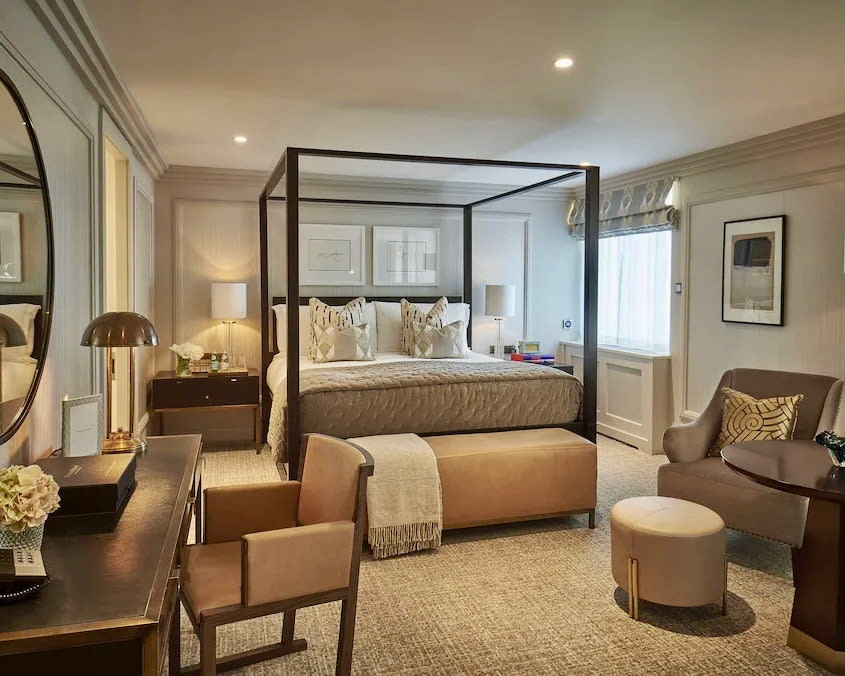
Image courtesy of The Westbury Hotel
A blend of old soul and youthful energy, Dublin hums with cobblestone charm and creative spirit. Spend the morning walking through Trinity College or along the River Liffey, then settle into a candlelit pub or one of the city’s modern bistros for the evening. It’s compact, lively, and endlessly warm.
Where to stay
Dylan Hotel: This design-forward boutique hotel in the prestigious Merrion Square area is just steps from the National Gallery and Trinity College. Irish art and bespoke furnishings create a unique, creative atmosphere. It’s the perfect base for exploring the city’s cultural highlights.
Fora Advisor Julie Crotts loves this hotel. “All the best sites in Dublin are within walking distance, and the staff here provides a personalized experience for each guest!
Fora Reserve perks include a $100 food and beverage credit, welcome amenity, daily breakfast, an upgrade, and extended check-in/out whenever possible.
The Westbury Hotel: Dublin’s go-to for classic luxury with a modern edge. Interiors mix timeless design with contemporary comforts, with marble bathrooms, plush seating areas, and rich fabrics. With a refined atmosphere and prime location, it’s perfect to experience Dublin.
Fora Reserve perks include a $100 food and beverage credit, daily breakfast, an upgrade, and extended check-in/out whenever possible.
The West (Galway and The Wild Atlantic Way)
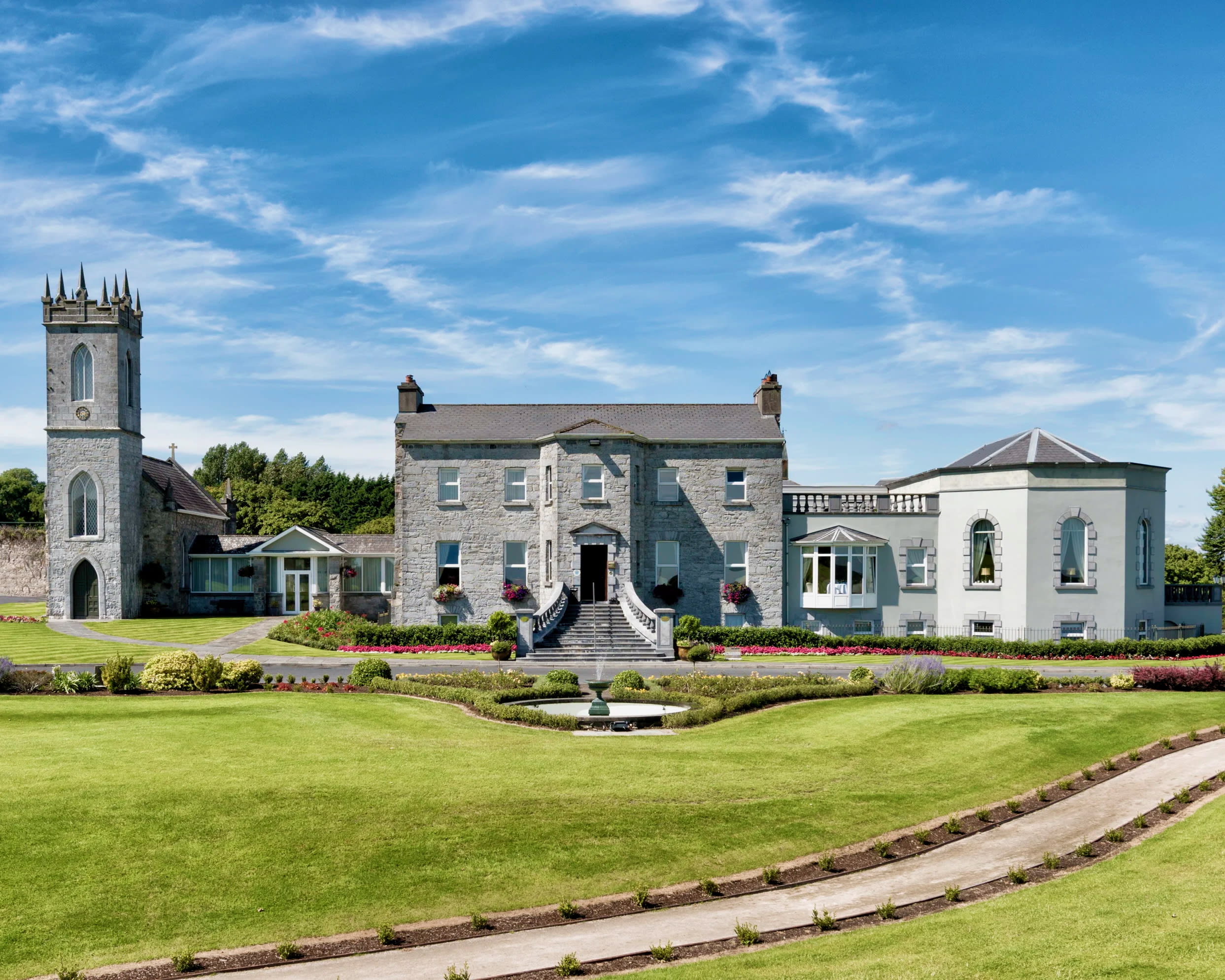
Image courtesy of Glenlo Abbey Hotel
Beyond Galway’s food scene and Doolin’s music-filled pubs, this is Ireland at its most windswept and wild. Drive the dramatic roads of the Dingle Peninsula, stop at remote beaches along the Wild Atlantic Way, this stretch is all moody views and colorful villages. Best for those craving fresh air, coastal drama, and a slower, soulful pace.
Where to stay
Glenlo Abbey Hotel: A restored 18th-century abbey with a nine-hole golf course, and show-stealing restaurant set inside two original Orient Express carriages. Rooms are classic and comforting, with countryside views. It’s a relaxing, storybook stop just outside Galway.
Fora Perks include a complimentary 9-hole round of golf for up to two guests, traditional afternoon tea for up to two guests, daily breakfast, an upgrade and extended check-in/out whenever possible.
Ballynahinch Castle Hotel: This ivy-covered hideaway in Connemara feels more like a storybook manor than a hotel. You can fly fish on the hotel’s private boat or hike straight from your room. Tweed armchairs and stone fireplaces help strike a refined but cozy balance.
“There’s plenty to do without ever feeling busy,” says Fora Advisor Jonna Robertson. “Among 700 acres of wild woodland, lakes, and river, visitors can walk on miles of scenic trails, bike ride along the Greenway, or go fly fishing on the river.”
Fora Perks include a complimentary guided estate walk and boat trip for two, daily breakfast, an upgrade and extended check-in/out whenever possible.
Killarney
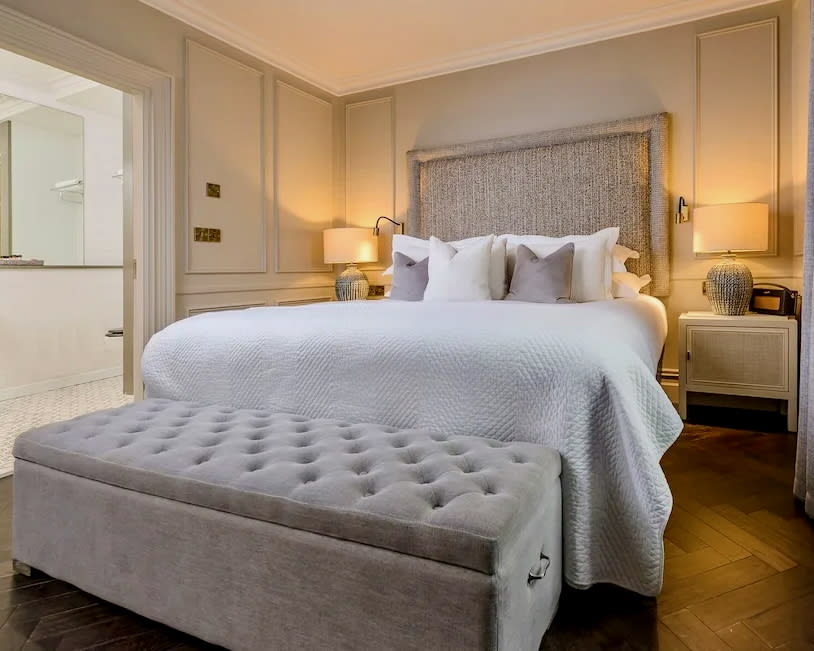
Image courtesy of The Victoria Killarney
A lakeside town surrounded by Ireland’s oldest national park, Killarney is all fresh air and timeless charm. Ride a jaunting car beneath ancient oaks, explore the elegant 19th-century Muckross House, hike up to Torc Waterfall, or take a boat to the monastic ruins of Innisfallen Island.
Where to stay
The Victoria Killarney: Minutes from Killarney National Park and the Ring of Kerry, this boutique retreat has easy access to scenic drives and hiking trails. Rooms are bright and contemporary with thoughtful details, wrapped up in a cozy setting.
Fora Perks include a complimentary welcome drink per guest, an upgrade whenever possible, and guaranteed early check-in and late check-out.
The Lake Hotel Killarney: This family-run lakeside gem feels tucked away yet close to the heart of town. Irish hospitality, spacious rooms, and terraces overlooking Lough Lein with the mountains beyond. The Lake Hotel is a charming and practical choice to visit the area.
Fora Advisor Gabrielle Brechner recommends booking a ground-floor room facing the water for an extra special experience. The property is also allergy-friendly, making it a great option for sensitive travelers.
Southern Ireland (Cork and Kinsale)
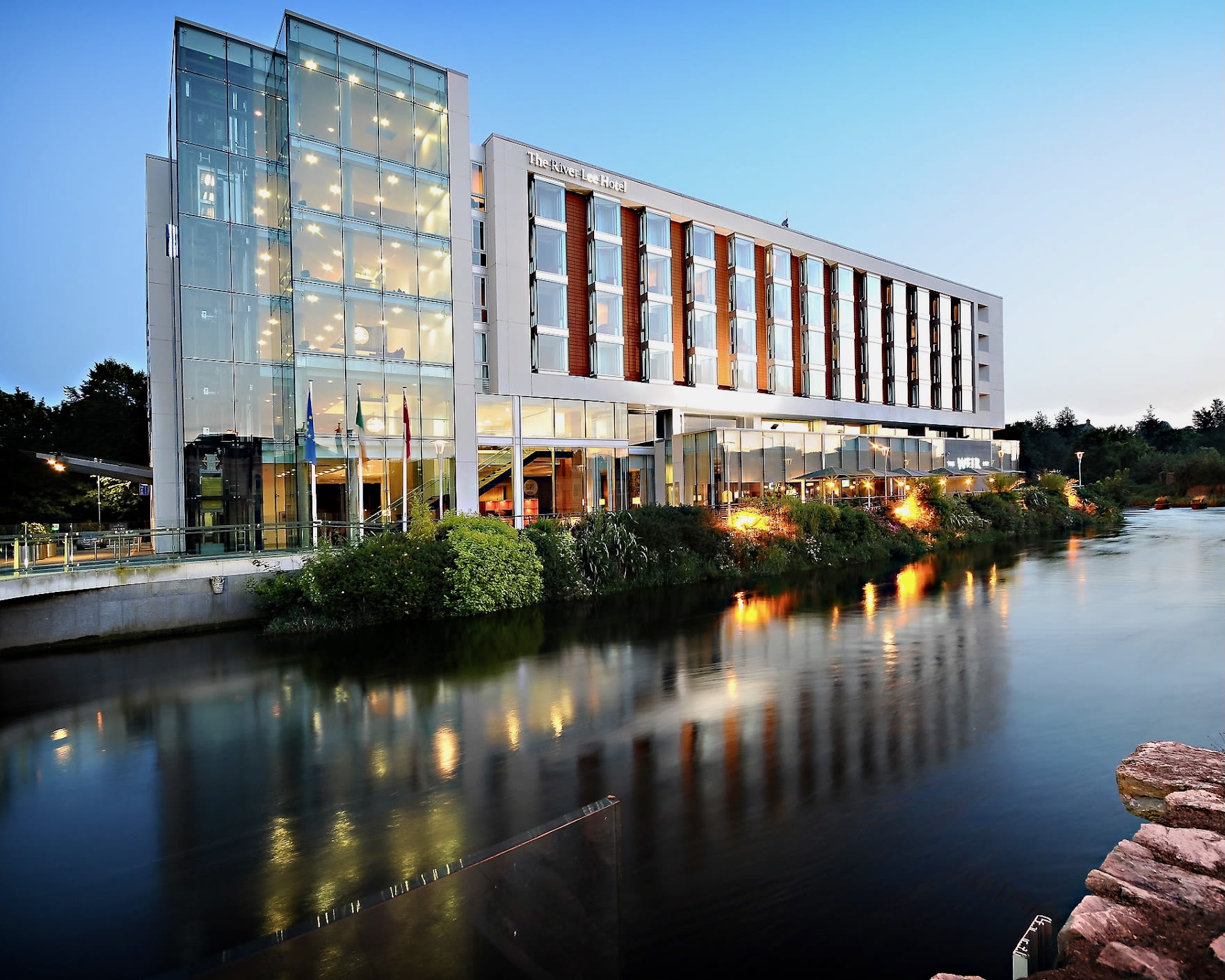
Image courtesy of The River Lee Hotel
Graceful, green, and gently rolling, Southern Ireland is where elegance meets ease. Explore Cork’s food-forward scene, relax into the waterfront charm of Kinsale, or wander through the storybook streets of Cobh. It’s softer than the west but just as rich, with colorful towns, Georgian architecture, and a welcoming, lived-in feel.
Where to stay
The River Lee Hotel: This stylish urban retreat on the banks of the River Lee has easy access to the city’s vibrant heart. It blends contemporary comfort with local character. Light-filled rooms, riverside terraces, and a buzzing bar scene make it a polished yet approachable base.
Fora Reserve perks include a $50 food and beverage credit, daily breakfast, an upgrade, and extended check-in/out whenever possible.
Cruising to and around Ireland
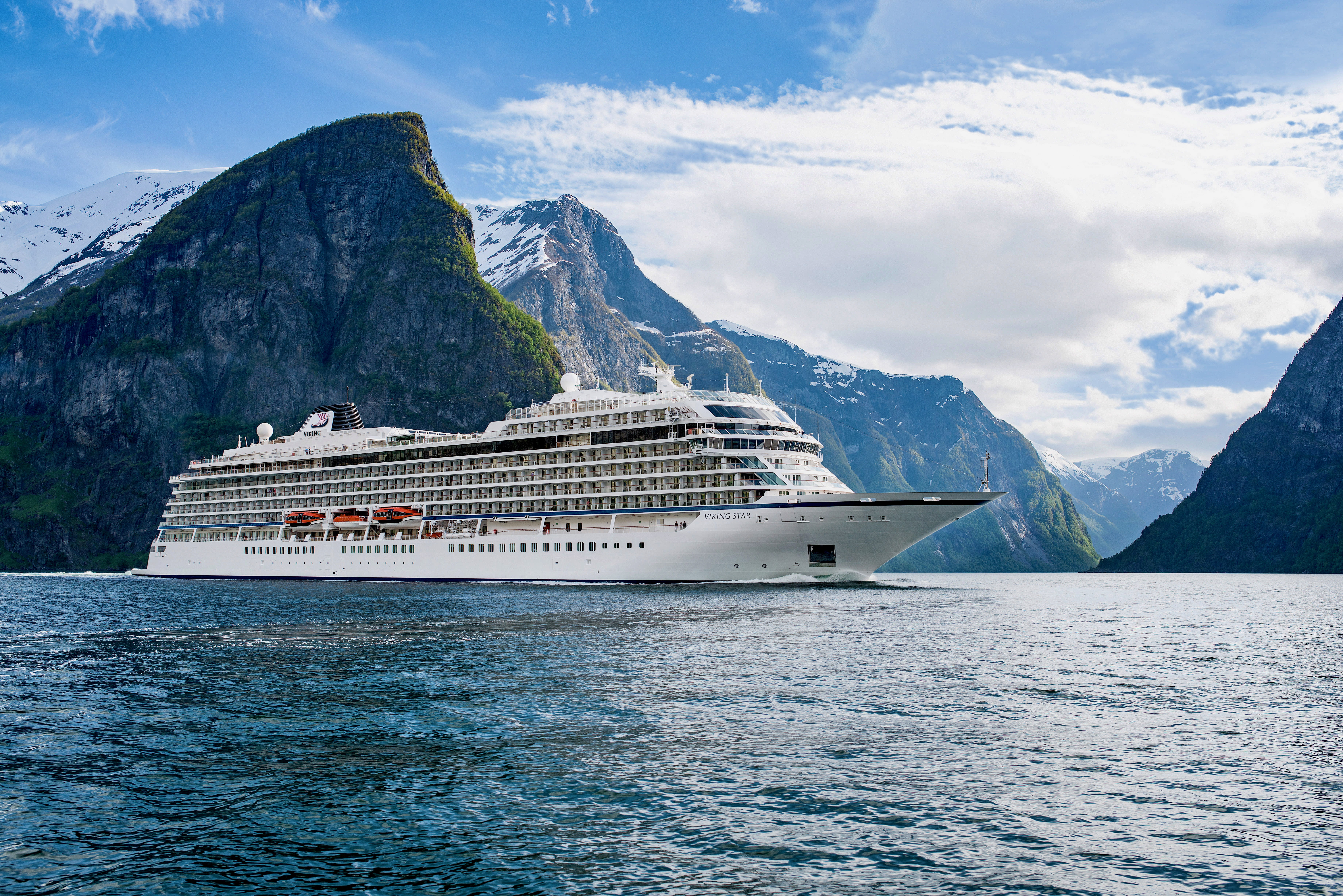
Image courtesy of Viking Cruises
Cruises to Ireland weave together culture-rich ports, dramatic coastlines, and historic cities at a relaxed pace. Most ocean cruises here are part of broader itineraries paired with British Isles, Northern Europe, or Baltics cruises. Viking Ocean, Celebrity, and Crystal each offer refined experiences that typically stop in Dublin, Cork (Cobh), and Belfast (Northern Ireland). Summer is the sweet spot for smooth seas and lively towns, while spring and early fall can work for add-on routes, though the weather tends to be less predictable.
Notable cruise lines
Celebrity Cruises: Contemporary and design-forward, Celebrity blends modern luxury with relaxed sophistication. Expect inventive dining, chic spaces, and curated shore excursions that feel elevated without losing the fun.
Fora Perks include a $120 Onboard Credit when booked in a balcony cabin through Aqua Class, or a $200 Onboard Credit when booked for The Retreat.
Crystal Cruises: Refined and all-inclusive, Crystal is known for its polished service, spacious suites, and globally inspired programming. It’s a quieter, slower-paced sailing experience with an emphasis on enrichment and understated elegance.
Fora Perks include up to $250 shipboard credit per person.
Viking Ocean Cruises: Minimalist and destination-focused, Viking pairs Scandinavian style with immersive cultural itineraries. Think serene, adults-only ships with no casino, thoughtful lectures, and extended time in port.
Fora Perks include up to $200 Onboard Credit per stateroom on select sailings.
History and culture
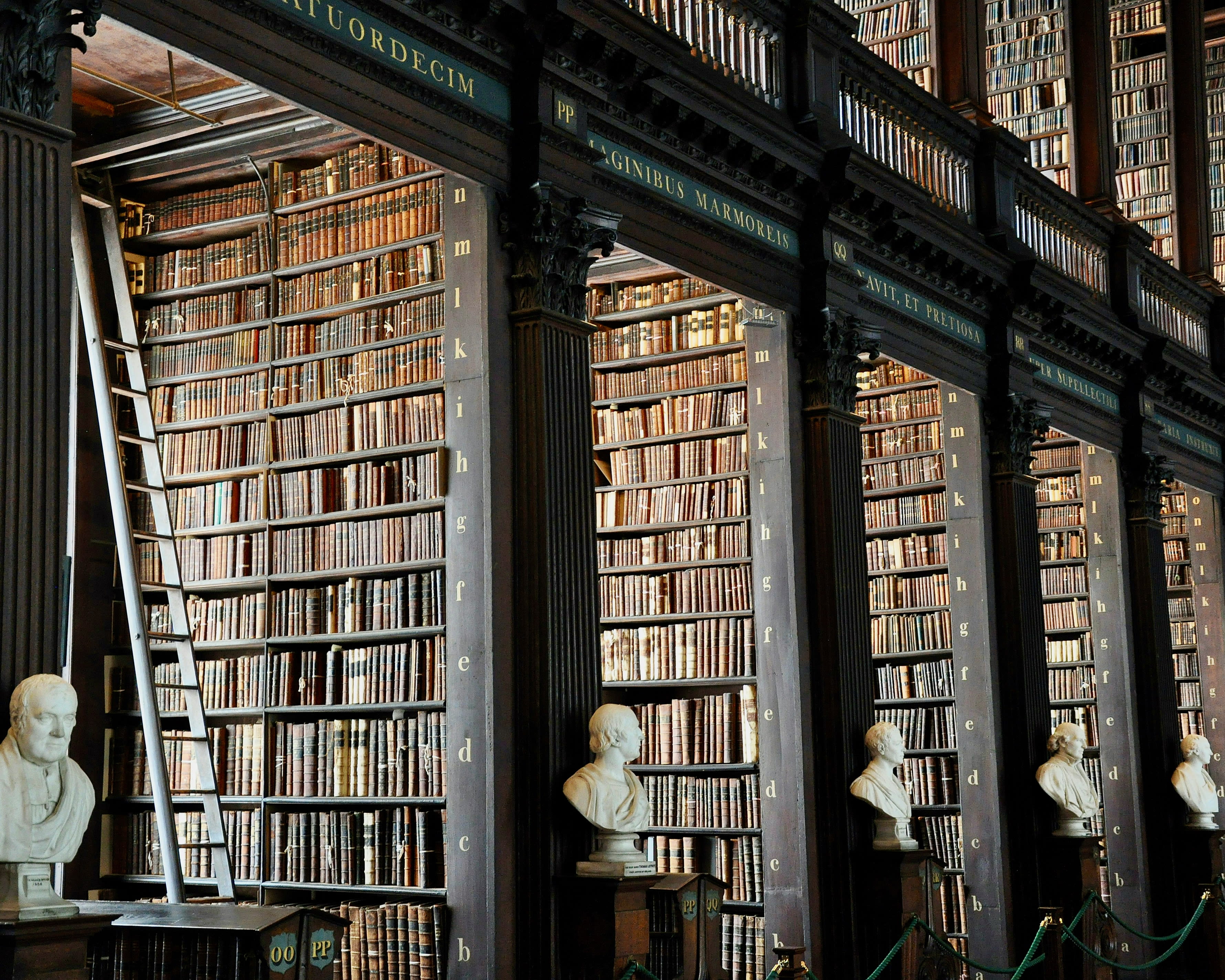
Ireland’s history is deeply rooted in ancient Celtic traditions and shaped by centuries of cultural and political shifts. Long before the arrival of Christianity, the island was home to Neolithic peoples who left behind sacred sites like Newgrange, older than the pyramids and still aligned with the winter solstice sun. Celtic tribes later introduced druidic rituals, a reverence for nature, and an oral storytelling tradition that still pulses through Irish culture today. In the 5th century, St. Patrick brought Christianity, blending old beliefs with new, and leaving behind a spiritual legacy visible in the island’s stone churches, high crosses, and monastic ruins like Glendalough. The Norman invasion in the 12th century, followed by centuries of English rule, sparked uprisings and left cultural scars still felt in the collective memory.
The Great Famine of the 19th century devastated the population and sparked mass emigration, yet Ireland emerged with a fierce cultural pride. It lives on in the Irish language, traditional music sessions in local pubs, and the national passion for poetry and literature. Whether through sacred landscapes, centuries-old storytelling, or communal traditions like Samhain (the origin of Halloween), Ireland’s rich and layered history continues to shape its present.
Cultural celebrations & events
St. Patrick’s Day (March 17, nationwide): Ireland’s most iconic celebration with parades, live music, and a full day (or week) of festivities.
Bloomsday (June 16, Dublin): A literary celebration honoring James Joyce’s Ulysses, with Edwardian attire and dramatic readings.
Galway International Arts Festival (July, Galway): A two-week festival that features theater, music, visual arts, and street performances across the bohemian west coast city.
Puck Fair (August 10–12, Killorglin, County Kerry): One of Ireland’s oldest and quirkiest festivals, where a goat is crowned king. Expect traditional music and parades.
Halloween (October 31): Rooted in the ancient Celtic festival of Samhain, Halloween is celebrated in full force.
Christmas Markets (Late November–December, various cities): Dublin and Galway light up with festive markets, ice rinks, and mulled wine stalls.
What to do in Ireland
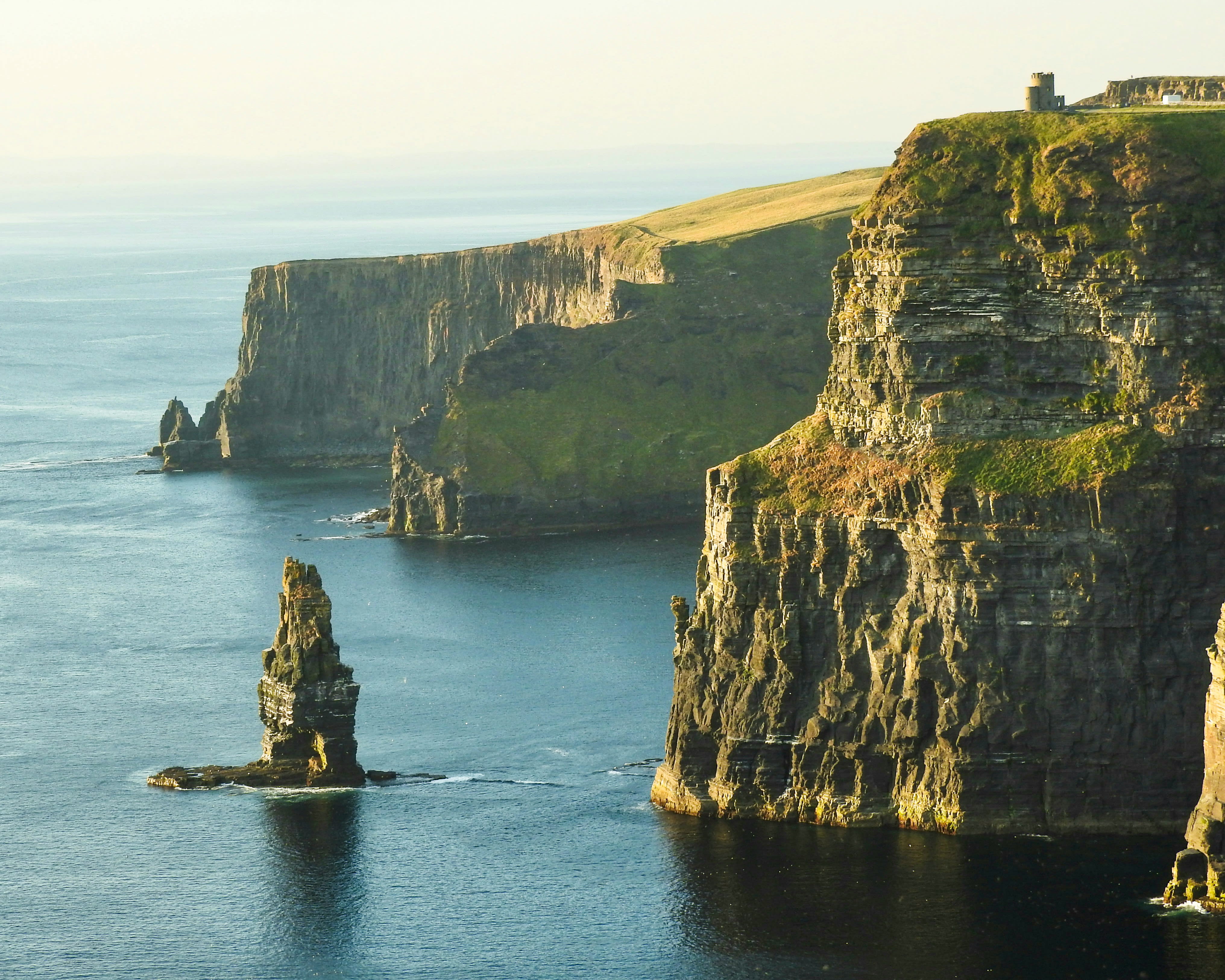
Ireland is equal parts moody coastline, storybook villages, and soul-stirring tradition. Here are some of the best ways to spend your days on a trip to Ireland.
Dublin
Trinity College: Step into the Long Room Library at Trinity College to see the Book of Kells, then watch its vivid story unfold in an immersive animated film.
Guinness: Go behind the scenes at the Guinness Storehouse with a VIP tasting and exclusive skyline views from a private perch.
Irish Museum of Modern Art (IMMA): Wander the galleries and peaceful gardens of IMMA, Dublin’s hub for cutting-edge Irish art inside a historic 17th-century complex.
Teeling Distillery: Book a private tasting at Teeling Distillery to sample bold, small-batch Irish whiskeys with expert insight.
Live music: Catch an intimate live set at Whelan’s or The Sugar Club, where Dublin’s music scene shines on small stages.
Dublin Bay: Sail across Dublin Bay on a private yacht, toasting with champagne as you glide past the rugged Howth coastline.
Dublin 8: Explore Dublin’s Creative Quarter to find local fashion, artisan studios, and galleries spotlighting fresh Irish design.
Historic pubs: Join a guided walk through historic pubs, hearing stories and uncovering hidden corners most visitors overlook.
Double decker bus: It’s touristy, sure, but ride the top deck of a double-decker bus for a breezy and surprisingly useful lay of the land to return later on foot.
St. Stephen’s Green: Stretch your legs, especially with kids in tow. This peaceful loop winds past ponds, statues, and playgrounds right in the heart of the city.
The West
Galway culture: Browse the Galway City Museum, the Latin Quarter’s indie galleries and boutiques, then drop into the Galway Arts Centre and Kennys Bookshop.
Kylemore Abbey: Tour the Victorian Walled Garden at Kylemore Abbey, then step into the Gothic chapel.
Inis Meáin: Take a private boat or helicopter to Inis Meáin, the most remote of the Aran Islands, for windswept walks and the tasting menu at Inis Meáin Restaurant & Suites.
Cliffs of Moher: Skip the crowds with a golden hour hike led by a local guide.
Kinvara: Tour Dunguaire Castle at dusk, then head into town for a cozy fireside dinner in this storybook seaside village.
Connemara pony trek: Ride native Connemara ponies through the Maumturk Mountains or along Omey Island’s empty beaches.
Killarney
Muckross House: Visit Muckross House and farms. Kids love the baby animals and demos, while adults can dive into a guided tour of the Victorian estate.
Private tour: Book a private half-day tour through Moll’s Gap and the Gap of Dunloe, combining gentle hikes with a boat ride across the lakes.
Killarney National Park: Boat from Ross Castle to Innisfallen Island’s 7th-century monastery, and Lord Brandon’s Cottage. Walk or take a pony and trap through the Gap.
Torc Waterfall: Visit Torc Waterfall early or around dusk for fewer crowds, then climb the woodland steps for sweeping views toward Muckross Lake.
The Ring of Kerry: Catch golden hour at Ladies View, then continue to Moll’s Gap, or rent e-bikes to cruise the park’s quiet lanes between Muckross and Dinis Cottage.
Southern Ireland
Blarney Castle & Gardens: Kiss the Blarney Stone, then wander the castle’s ruins and whimsical gardens, home to poison plants, fairy glades, and quiet forest paths.
Lewis Glucksman Gallery: Visit this architectural gem in Cork with thoughtful contemporary exhibitions by Irish and international artists.
Food tour: Take a private food tour through Cork city, sampling artisan cheeses, handmade chocolates, and family recipes at the historic English Market.
Charles Fort: Walk the ramparts of Charles Fort in Kinsale with a private guide who brings its coastal defenses and layered history to life.
Kinsale: Browse Kinsale’s colorful laneways lined with indie boutiques for hand-thrown ceramics, bespoke jewelry, and locally crafted finds.
Sandycove Beach: Hike the coastal trail from Kinsale to Sandycove Beach for sea views and a picnic spot that feels far from everything.
Where to eat in Ireland
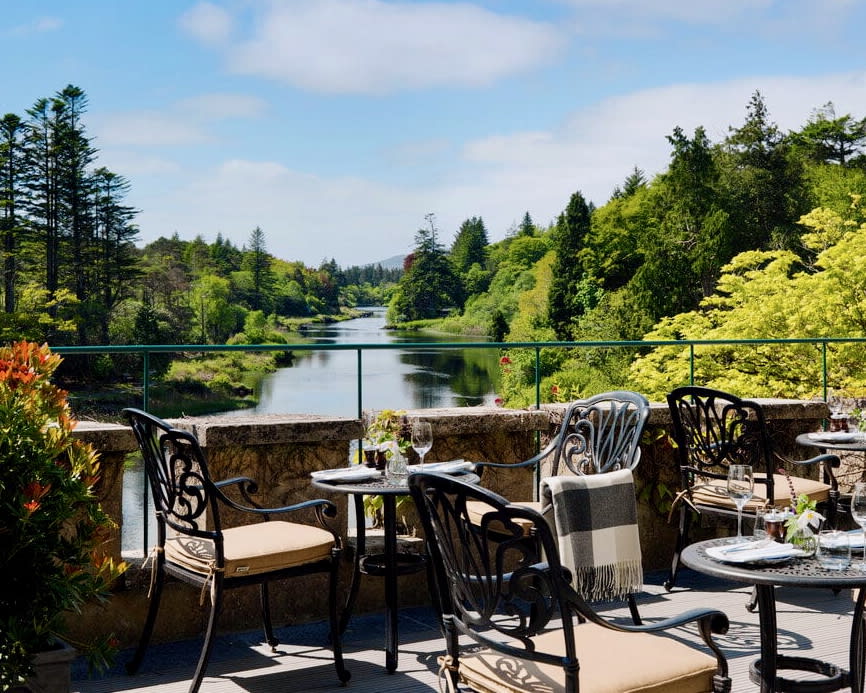
Image courtesy of Ballynahinch Castle Hotel
From coastal seafood shacks to candlelit castle dinners, Ireland’s food scene is far more than stews and spuds. Stop in at these standout spots to sip, savor, and linger.
For more restaurant recommendations across Ireland, check out these guides from Fora Advisors Nicole Sansone, Julie Middlebrook-Levin, Connie Norwell, and Alyssa Gordon.
Dublin
Patrick Guilbaud: Ireland’s only two-Michelin-starred restaurant, offering an elegant blend of French technique and Irish ingredients.
The Winding Stair: A literary-themed gem overlooking the River Liffey, where traditional Irish dishes get a refined upgrade.
The Temple Bar: This vibrant pub is as famous for its live traditional music and cobblestone charm as it is for its photoready red exterior.
Dax Restaurant: A contemporary French-Irish dining experience with a focus on sustainability and seasonal produce.
Forest Avenue: This intimate, neighborhood Irish restaurant offers tasting menus using the best seasonal ingredients with creative flair and elegant presentation.
Bastible: Known for inventive dishes and a relaxed vibe, Bastible serves seasonal Irish fare with unexpected twists.
Fallon & Byrne: Part gourmet food hall, part wine bar, and part restaurant.
The Vintage Kitchen: A cozy, modern spot with a focus on local ingredients and innovative dishes that reflect Ireland’s changing culinary scene.
The Rolling Donut: A Dublin institution famous for its fresh, handmade donuts with flavors ranging from classic jam to inventive seasonal creations.
The West
Aniar (Galway): A Michelin-starred Irish experience with Nordic precision and a menu that changes daily.
Blackrock Cottage (Salthill): Housed in a restored 1800s cottage just steps from the water, this bistro blends cozy charm with polished plates.
Kai (Galway): An easy favorite for brunch and beyond, Kai is bright, relaxed, and always seasonal with a menu that leans colorful and creative.
Dillisk on the Docks (Galway): Polished and ingredient-forward, this dockside restaurant focuses on sustainability and Irish flavors.
Ballynahinch Castle Dining Room (Connemara): Tucked inside one of Ireland’s dreamiest castles, this elegant dining room is made for slow meals.
Rúibín (Galway): Modern and unfussy, Rúibín serves bold, globally inspired dishes that feels both of-the-moment and welcoming.
Killarney
The Peregrine: Inside one of Killarney’s most historic hotels, The Peregrine is bright and grand with soaring ceilings, and a menu that’s elegant without being over the top.
The Tan Yard: This contemporary, casual-chic grill and seafood spot focuses on fresh Irish produce and has quickly become a town favorite.
Celtic Whiskey Bar & Larder: Part whiskey bar, part casual eatery, this is the place to go if you want to dive into Ireland’s whiskey culture.
Rozzers Restaurant: Tucked just outside town, this local favorite puts a creative spin on seasonal offerings along with personal service and a warm, intimate atmosphere.
Quinlans Seafood Bar: Casual but quality, daily landings determine the seafood focused menu.
Southern Ireland
Ichigo Ichie (Cork): A tiny, Michelin-starred gem with a carefully curated omakase menu, dedicated to seasonal, locally sourced seafood.
Market Lane (Cork): Vibrant and welcoming, this bistro champions farm-to-table ingredients from local producers.
Fishy Fishy Café (Kinsale): A beloved local institution known for sustainable seafood cooked with flair.
Coppinger’s (Kinsale): A stylish, seafood-centric restaurant known for its vibrant flavors and elegant plating.
Day trips
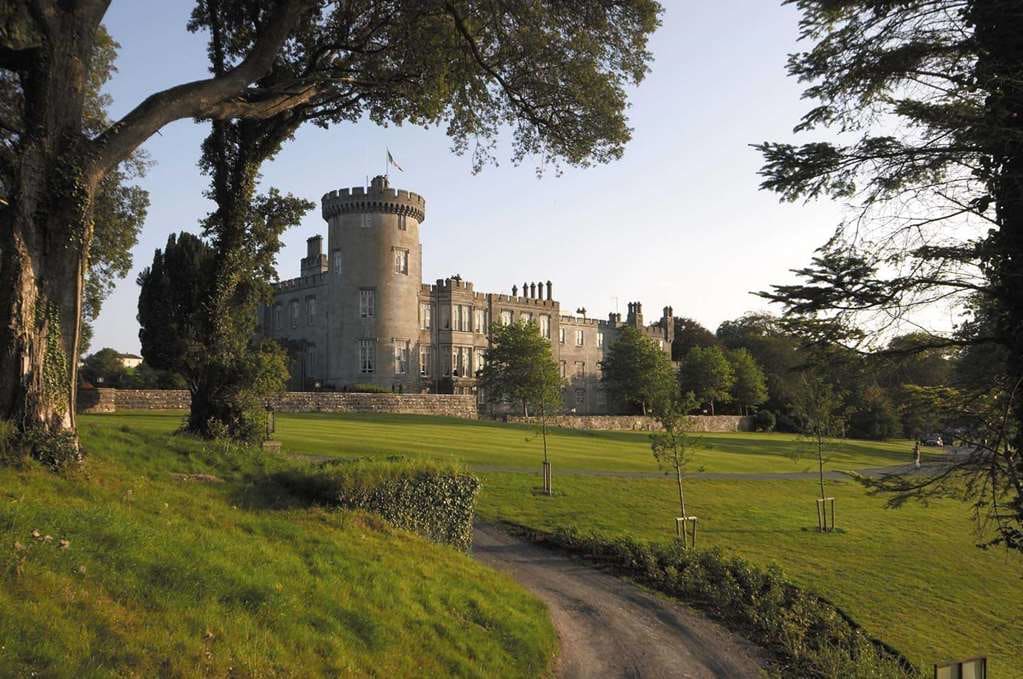
Image courtesy of Dromoland Castle
Ireland’s castles and culture-rich towns make for perfect day trips to explore beyond the main hubs. Here are a few standout stops that are worth the detour.
Lough Eske Castle (10 min from Donegal Town): A forest-fringed retreat in the northwest with lake views, wooded trails, and a quietly luxurious vibe ideal for off-the-radar travelers.
Dromoland Castle (15 min from Shannon Airport): A storybook-style estate with five-star polish that’s great for golf, spa time, and candlelit dinners before your flight home.
Ashford Castle (45 min from Galway): A landmark stay near Connemara, where falconry, afternoon tea, and lakefront grandeur meet high-end comfort.
Park Hotel Kenmare (1 hr from Killarney): A refined wellness escape in a charming town on the Ring of Kerry, perfect for spa lovers and slow travelers.
Kilkenny (1.5 hrs from Dublin): A walkable medieval city packed with crafts, castle tours, and cozy corner pubs, easy to do in a day or linger overnight.
Belfast (2 hrs from Dublin): Northern Ireland’s capital pairs political history with modern culture, from the Titanic Museum to street art and coastal routes.
If not Ireland…
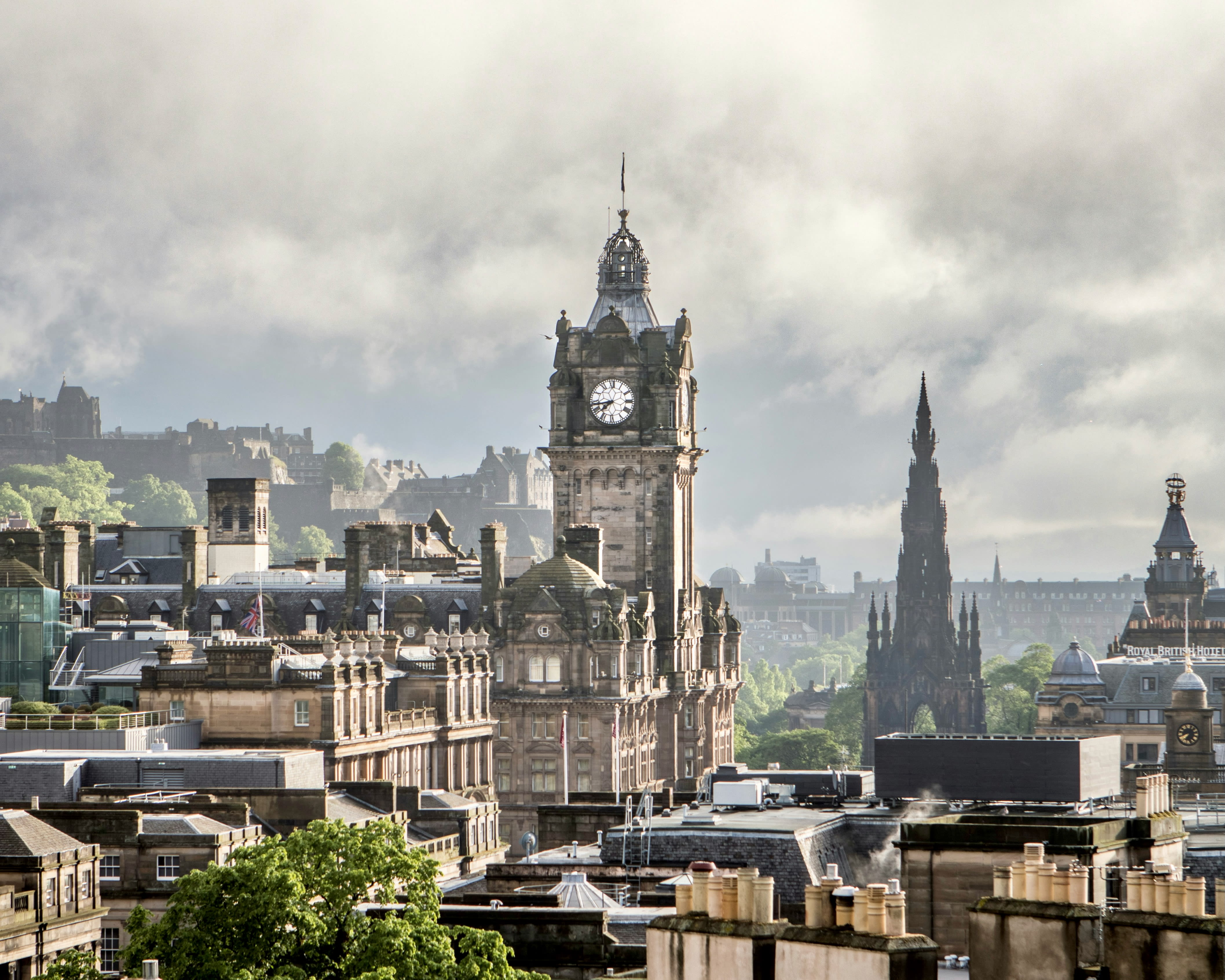
If Ireland’s misty cliffs, pub culture, and beautiful landscapes strike a chord, check out these alternative destinations.
Scotland: Ireland’s natural sibling, with rugged Highlands, ancient castles, and whisky-soaked villages. Edinburgh’s Gothic edges and remote lochs deliver that same windswept romance.
The Lake District, England: Literary hills, dry stone walls, and countryside charm wrapped in slow travel and fireside tea.
South Island, New Zealand: All the drama of Ireland’s coastlines but on a grander, more remote scale. Fjords replace cliffs, and stone cottages give way to alpine lodges.
The Nordics (Norway or Iceland): Moody skies, raw nature, and a quiet, cinematic beauty. Chase waterfalls, soak in geothermal springs, or settle into a cozy boutique hotel.
Andalucía, Spain: Swap Guinness for sherry and trad sessions for flamenco nights for a trip that’s richly rooted, deeply local, and full of texture.