


Curator’s statement
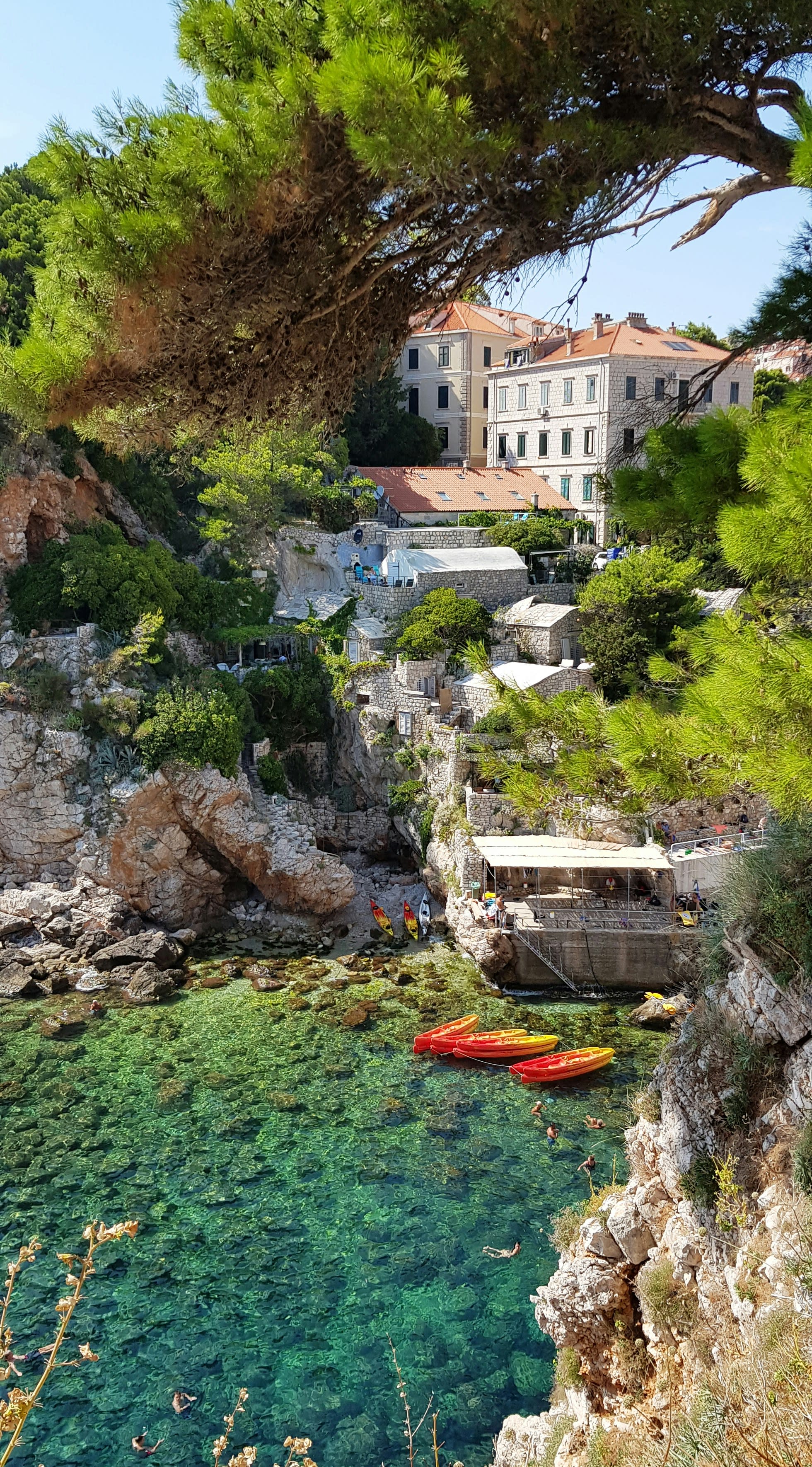
I’ve been to Dubrovnik three times, and I’m yearning to go back! Dubrovnik is one of those places that gets under your skin and never really leaves. The people are warm and welcoming, the food is extraordinary, and the activities are genuinely endless, which matters when you’re traveling with teens who need to stay engaged and inspired. But what makes Dubrovnik truly unforgettable is the city itself. Walking the ancient stone walls feels like stepping through a portal in time, a kind of magic that’s hard to put into words and impossible to forget. And yet for all its grandeur, it never feels overwhelming. It’s wonderfully navigable, which makes it the perfect destination for families who want to explore without the stress.
The Fora Difference
Book with Kristin Zovich to access exclusive perks and experiences on your trip.

Killer perks
Free upgrades, spa credits and more—we got you

Personalized recs
Customized travel planning for your style

Insider knowledge
Expert advice from people who’ve actually been there
Where to stay in Dubrovnik
Unlock perks by contacting Kristin Zovich to book your trip.
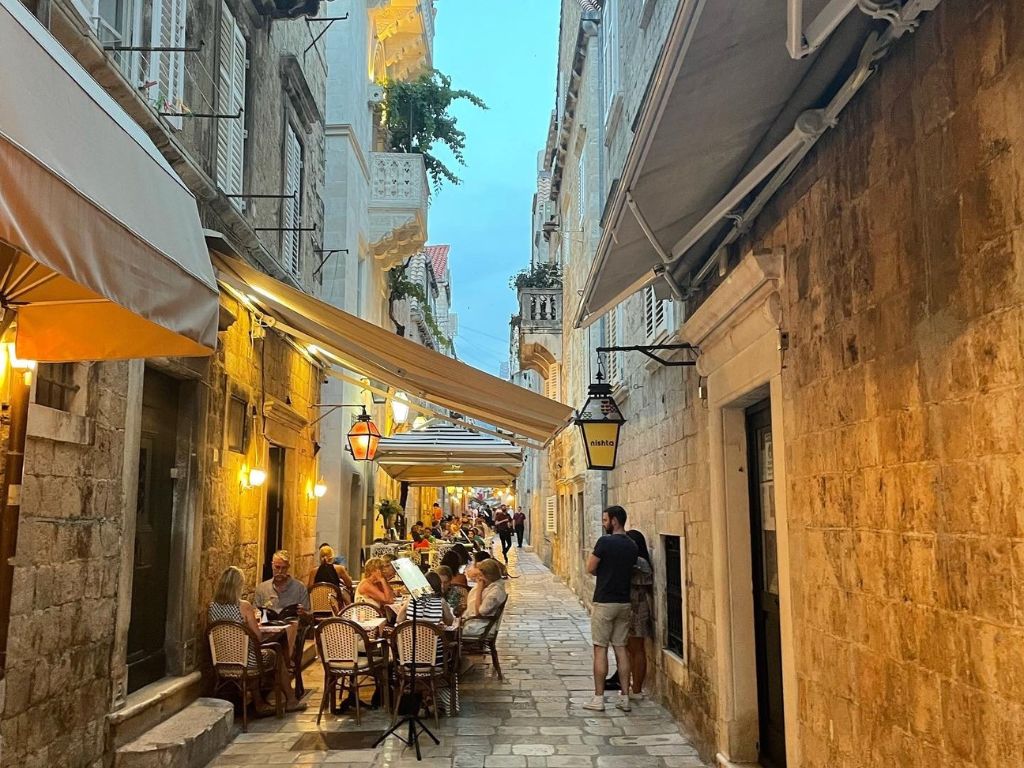
Restaurants are plentiful inside the walls
Dubrovnik rewards the curious traveler, and nowhere is that more true than at the table. My non-negotiable on every visit is Gianni, a small ice cream shop inside the fortified city walls that has become something of a ritual for our family. Their lavender honey gelato, made from two ingredients that Croatia is genuinely known for, is so extraordinary that I found myself going back three times in a single trip. No regrets either, considering how much time I spent meandering the cobblestone alleys and winding neighborhoods above the city, working it off one beautiful detour at a time. For a more elevated dining experience, Nautika and Panorama are both two of the finest meals I’ve had anywhere in the world. Nautika sits dramatically at the base of the city walls with the Adriatic stretching out before you, while Panorama perches high above the city, accessible only by taxi or cable car, which is an experience in itself. The views, the service, and the food at both are simply unforgettable.
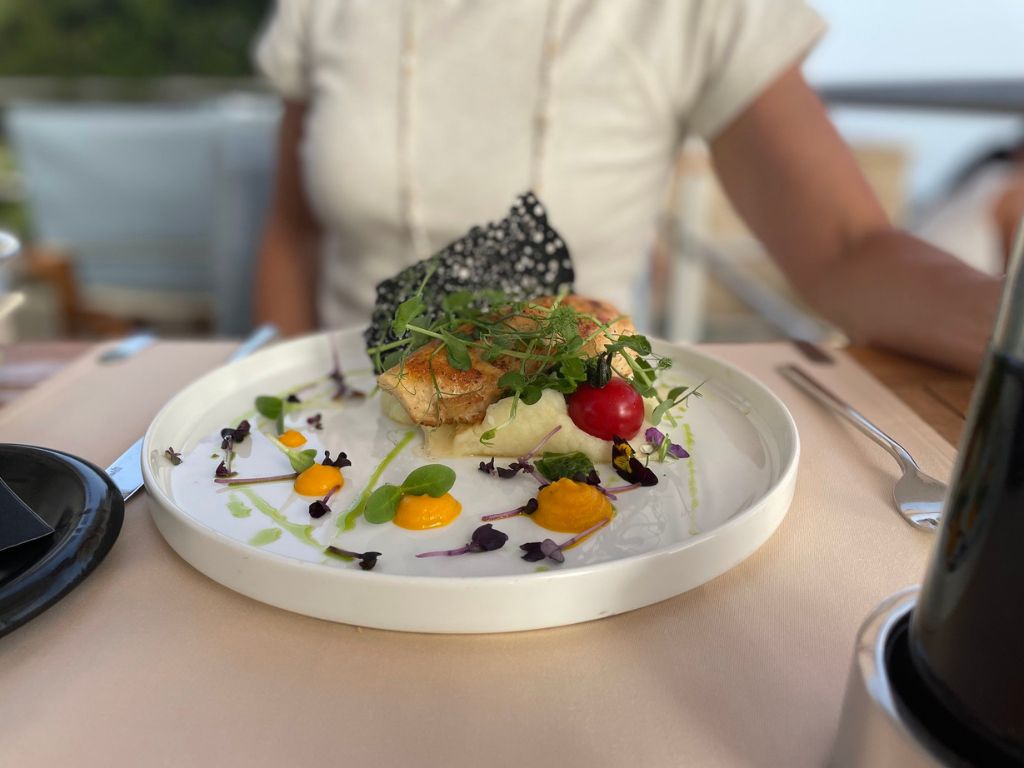
Incredible food at Panorama
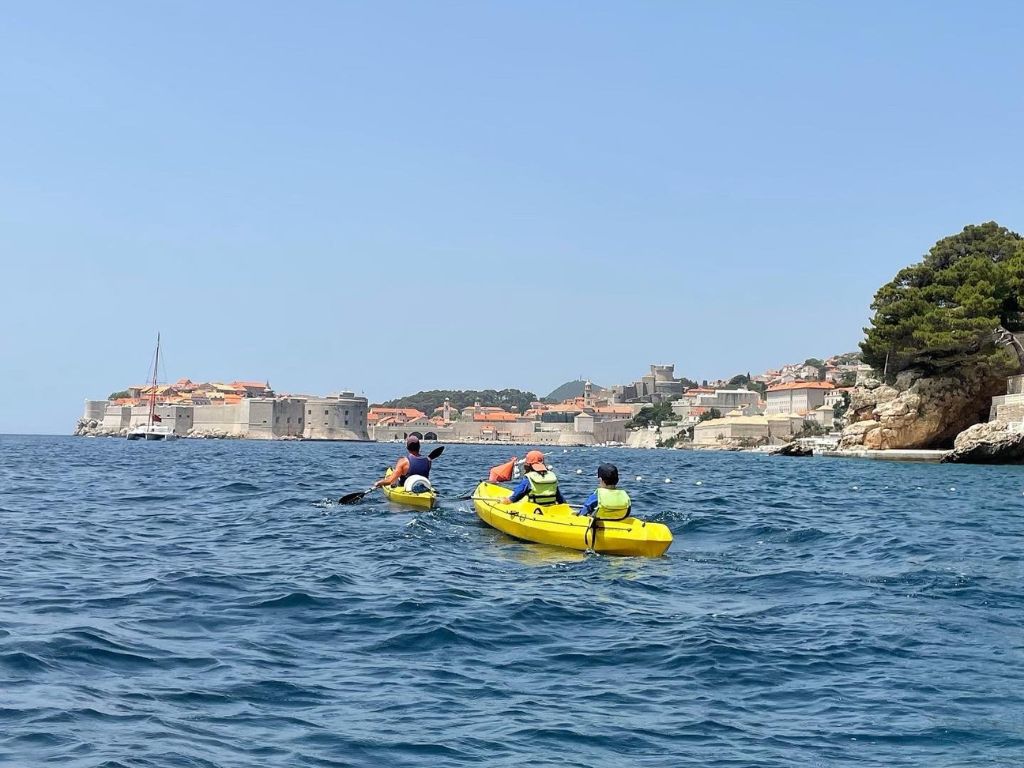
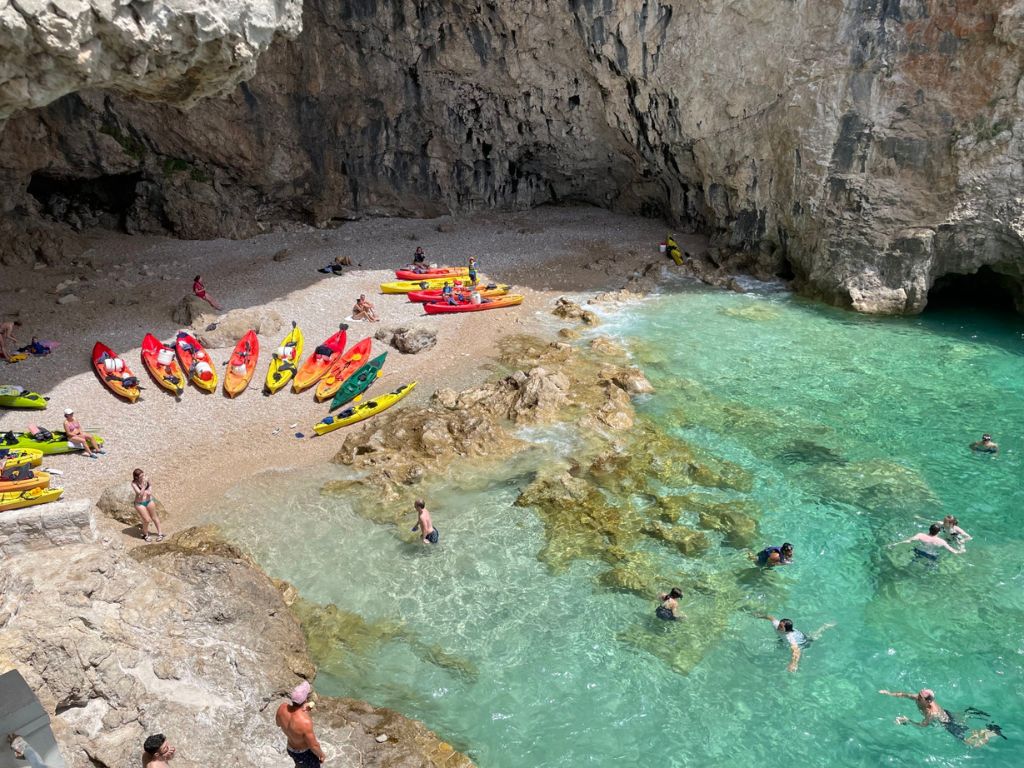
The activities in Dubrovnik with teens are where this destination truly shines. We spent a half-day on a private boat tour exploring the coastline, snorkeling inside the famous Blue Caves, and stopping at a private beach club, the kind of afternoon that feels almost too good to be real. Another highlight was our kayak tour around the island of Lokrum, where we paddled into a hidden beach completely inaccessible by land, and swam in some of the clearest water I have ever seen. These are the kinds of experiences that teens talk about when they get home.
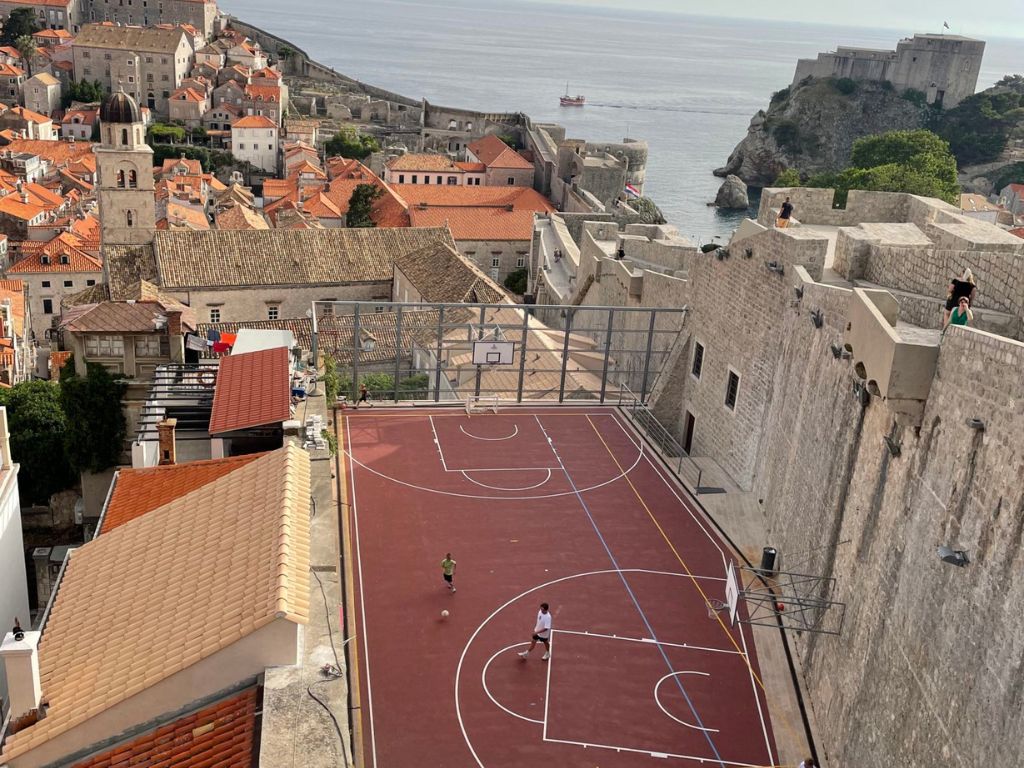
Walking the ancient fortified walls of the Old City is an absolute must and deserves a dedicated two hours minimum. The walls wind around the entire perimeter of the city, delivering sweeping views of the terracotta rooftops and the Adriatic at every turn, and we made sure to stop midway for a cocktail and soda at one of the small bars tucked along the route. After the walls, don’t skip the winding cobblestone streets and alleyways that climb above the Old City, quieter, less trafficked, and in many ways more charming than the main drag below. And for something completely unexpected, seek out the basketball court embedded directly into the ancient stone of the city walls. It is the most unique court in the world, and our teens could not resist a pickup game.
A beach day at Banje Beach rounds out the perfect Dubrovnik itinerary. Just outside the Old City gates, it offers stunning views back toward the walls and easy access to water sports, loungers, and that quintessential Adriatic shimmer. Dubrovnik is one of those rare destinations where every kind of traveler, the foodie, the adventurer, the history lover, the teen who just wants to jump off something into clear blue water, walks away completely satisfied. It delivers on every level, every single time.
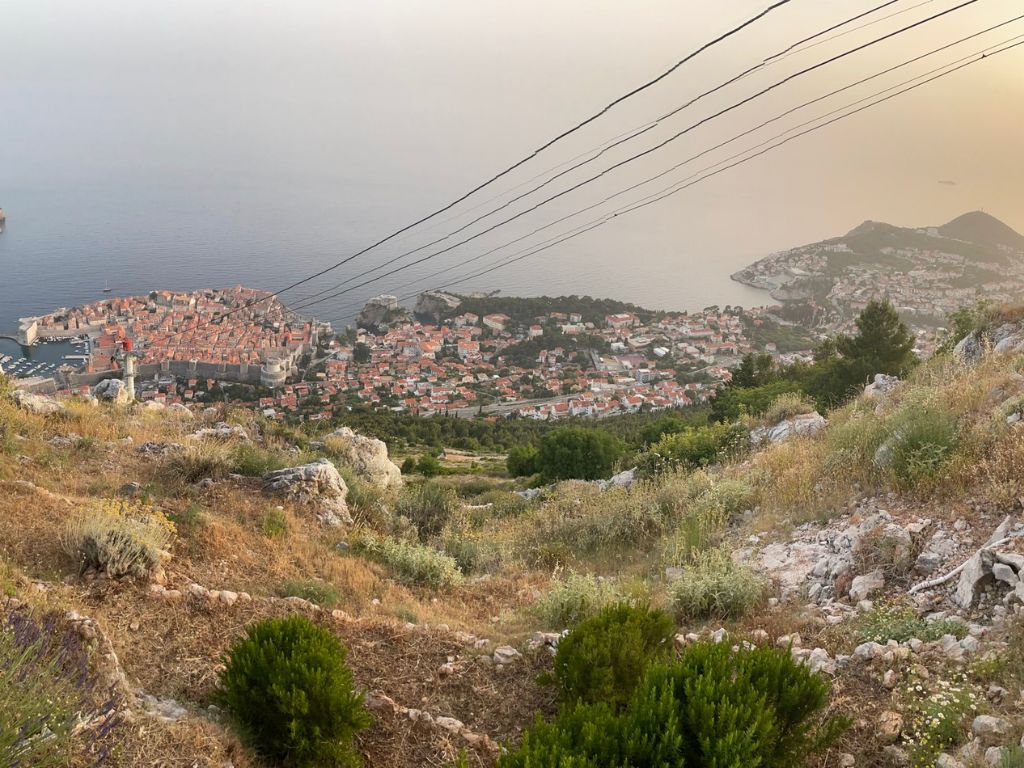
The view of the Old City from Panorama Restaurant
Need to know
Getting around: Uber operates in Dubrovnik and is generally reliable, affordable, and easy to use. Traditional taxis are also widely available, though always confirm the fare before you get in. Once inside the Old City walls, everything is on foot, which is part of the charm.
Watch your step: The limestone cobblestones that make Dubrovnik so visually stunning become genuinely slippery when wet. Wear comfortable, rubber-soled shoes with good grip, especially if you plan to walk the walls or explore the hillside neighborhoods above the city. This is not the trip for new sandals or smooth-soled footwear. Keep this in mind for your luggage, also, as suitcases with wheels don’t always roll easily on uneven stones.
Tipping: Tipping is appreciated but not obligatory in Croatia. A general rule of thumb is 10% at restaurants for good service, rounding up for taxis, and a few euros per person for tour guides or boat crews who go above and beyond. Service charges are not typically added automatically, so it’s always a kind gesture to leave a little something.
Local food and drink worth knowing: Croatia has a wonderful food culture that goes well beyond the tourist menus. Fresh seafood is exceptional! You must try the local catch, usually grilled within watching distance, alongside their popular minced meat called “cevapcici” (che-vap-chee-chee). Blitvah is a very local side dish made with stewed Swiss chard with or without potatoes, and lots of olive oil. I now make this on rotation during the summer because it’s so divine. Peka, a slow-cooked meat and vegetable dish prepared under a bell-shaped lid, is quintessentially Croatian and deeply satisfying. On the drinks side, look for Rakija, a fruit brandy that locals drink with great enthusiasm and pride. It’s personally like moonshine to me. For wine lovers, Croatian wines made from indigenous grapes like Plavac Mali are excellent and largely undiscovered by the wider world. And of course, finish with a lavender honey scoop at Gianni.
Beat the crowds: Dubrovnik is one of the most visited cities in Europe, and the Old City walls in particular can feel overwhelmingly crowded during peak summer hours. Walk the walls early in the morning or later in the afternoon for a dramatically better experience and cooler temperatures.
Respect the residents: Dubrovnik is a living, breathing city, not just a tourist attraction, and its residents feel that distinction deeply. Keep noise levels down in residential areas, especially in the evenings, and be mindful that the narrow alleyways above the Old City are people’s actual neighborhoods. A little awareness goes a long way, and locals genuinely appreciate it.
Currency and payments: Croatia adopted the Euro in 2023, making it much easier for travelers than in previous years. Credit cards are widely accepted, but it’s always worth having a small amount of cash on hand for smaller vendors, market stalls, and the occasional café that prefers it.
Best time to visit: Late May through June and September through early October are the sweet spots—warm enough for swimming and outdoor dining, but without the intensity of July and August crowds. If you are traveling with teens, shoulder season also tends to mean shorter lines for popular activities like the cable car and wall walk.
For more travel inspiration and insider recommendations, check out our Dubrovnik page.


Travel Advisor
Kristin Zovich

Kristin Zovich

Get in touch with Kristin Zovich
Did you like this guide? Reach out to customize and book your own experience. Or, just to chat about travel in general.