

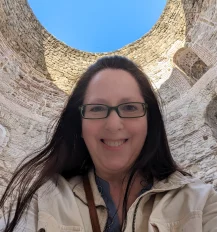
Curator’s statement
Antarctica is a destination that reshapes your sense of scale and stillness—towering cliffs, untouched landscapes, and a quiet filled with unexpected sounds. From the pop of ice drifting in the water to the breath of a whale breaking the silence, every moment feels both intimate and immense. It’s remote, humbling, and profoundly perspective-shifting. I guide travelers through this extraordinary place with firsthand knowledge, practical insight, and a deep respect for the experience.
The Fora Difference
Book with Robin Franko to access exclusive perks and experiences on your trip.

Killer perks
Free upgrades, spa credits and more—we got you

Personalized recs
Customized travel planning for your style

Insider knowledge
Expert advice from people who’ve actually been there
Where to stay in Antarctica
Unlock perks by contacting Robin Franko to book your trip.
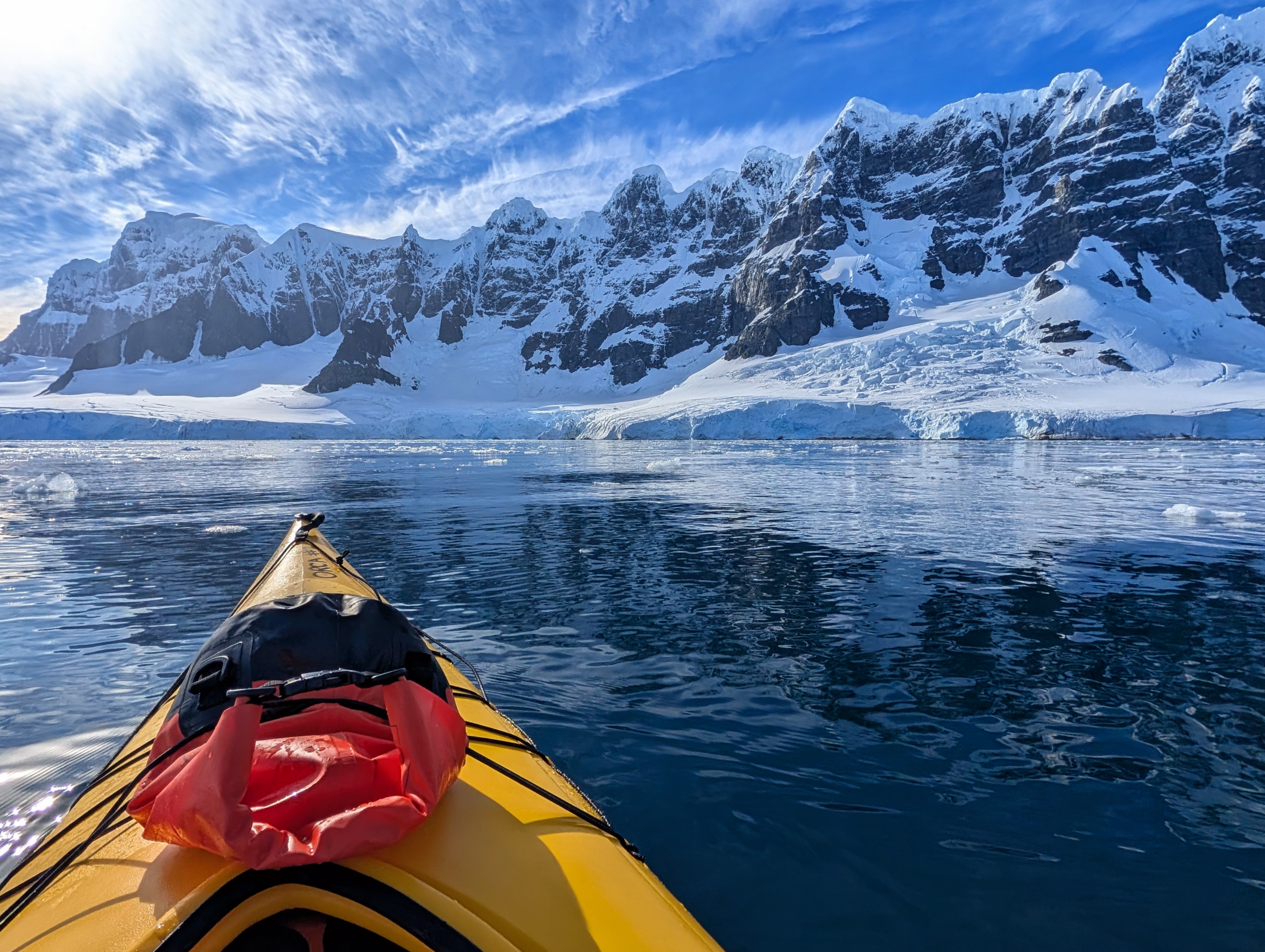
Traveling to Antarctica involves a series of choices that shape the experience in meaningful ways. The season runs from late October through March, and each month brings its own rhythm—early‑season ice, peak‑season wildlife, late‑season whales. Wildlife follows a predictable arc: penguins returning from the sea in November, chicks and pups in January, molting colonies and abundant whales in February and March. Costs reflect these patterns, with late December to mid‑February commanding the highest fares.
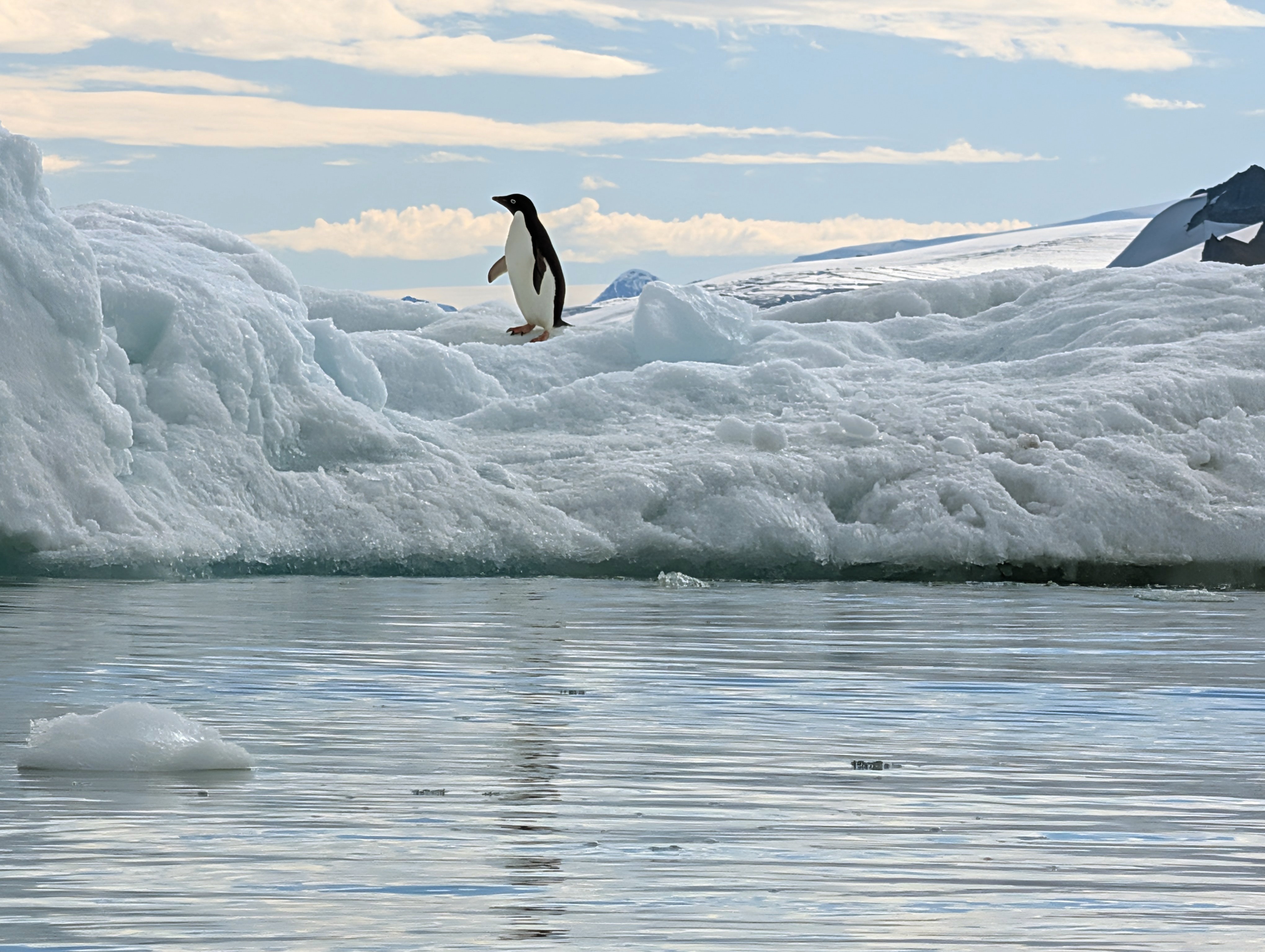
Adelie penguin
Vessel size is one of the most important decisions. Ships carrying fewer than 100 guests offer the most flexibility and time ashore, while vessels between 200 and 500 must rotate guests through landings. Ships with more than 500 passengers cannot make landings at all. These limits exist to protect the environment: no more than 100 guests may be on land at any site at a time, and operators follow strict protocols to preserve the region’s fragile ecosystems.
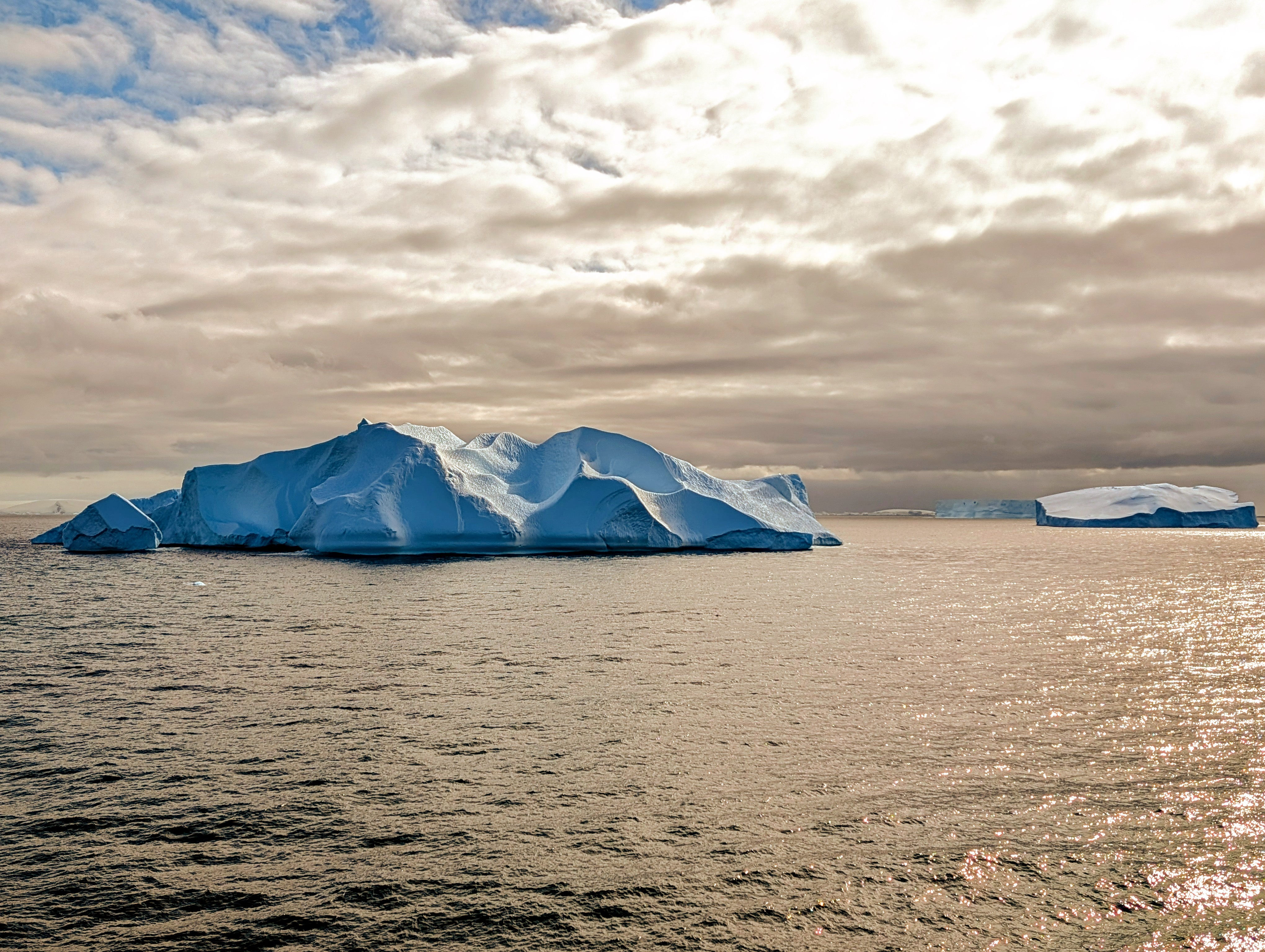
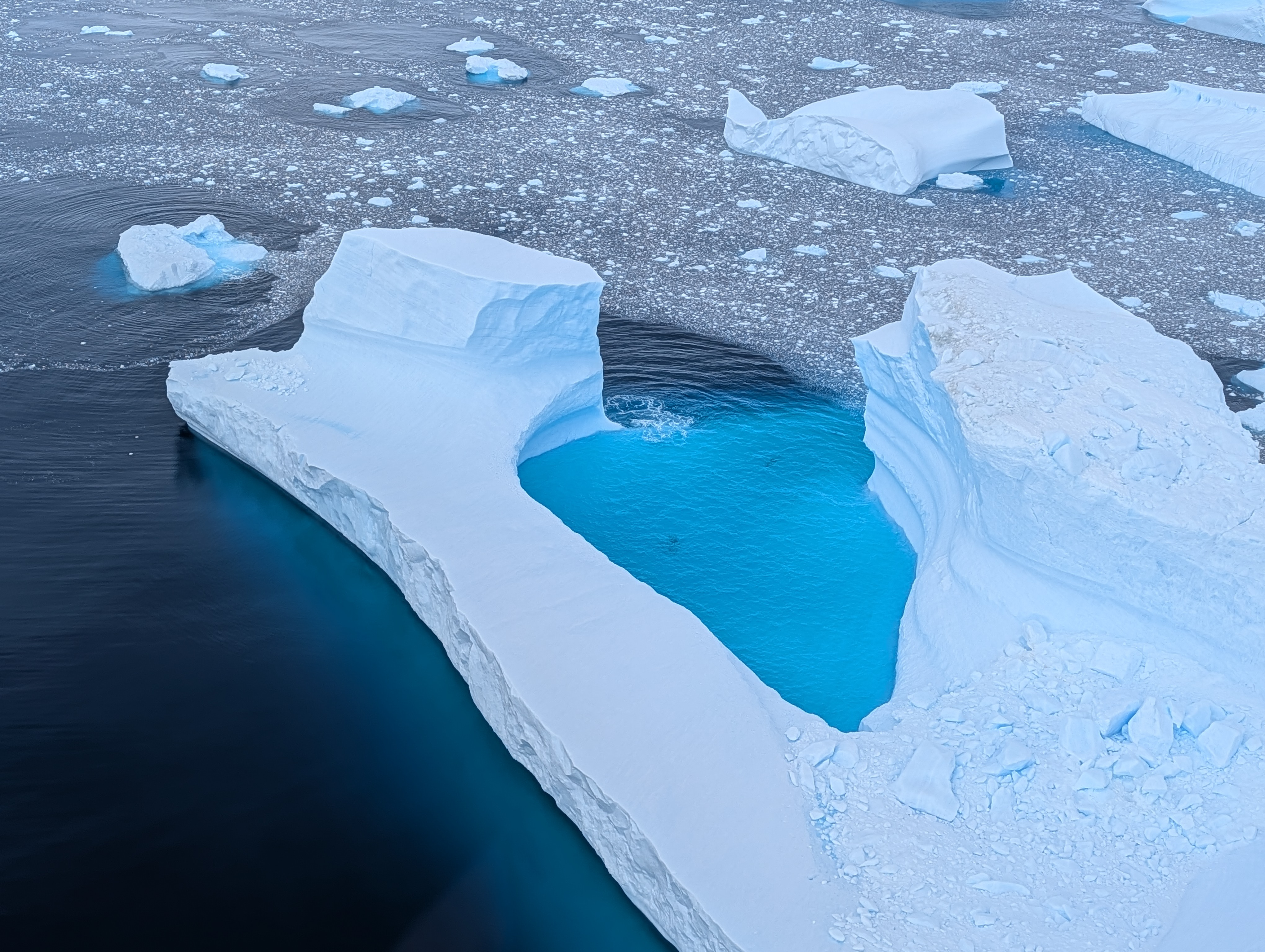
Blue iceberg
Itineraries vary widely. Some focus on the peninsula. Others include the Falkland Islands and South Georgia, or cross the Antarctic Circle. A few depart from New Zealand to explore the remote Ross Sea. Fly‑over options can shorten time at sea but introduce weather‑dependent variables. Understanding these choices helps match the journey to your goals, comfort level, and sense of adventure.
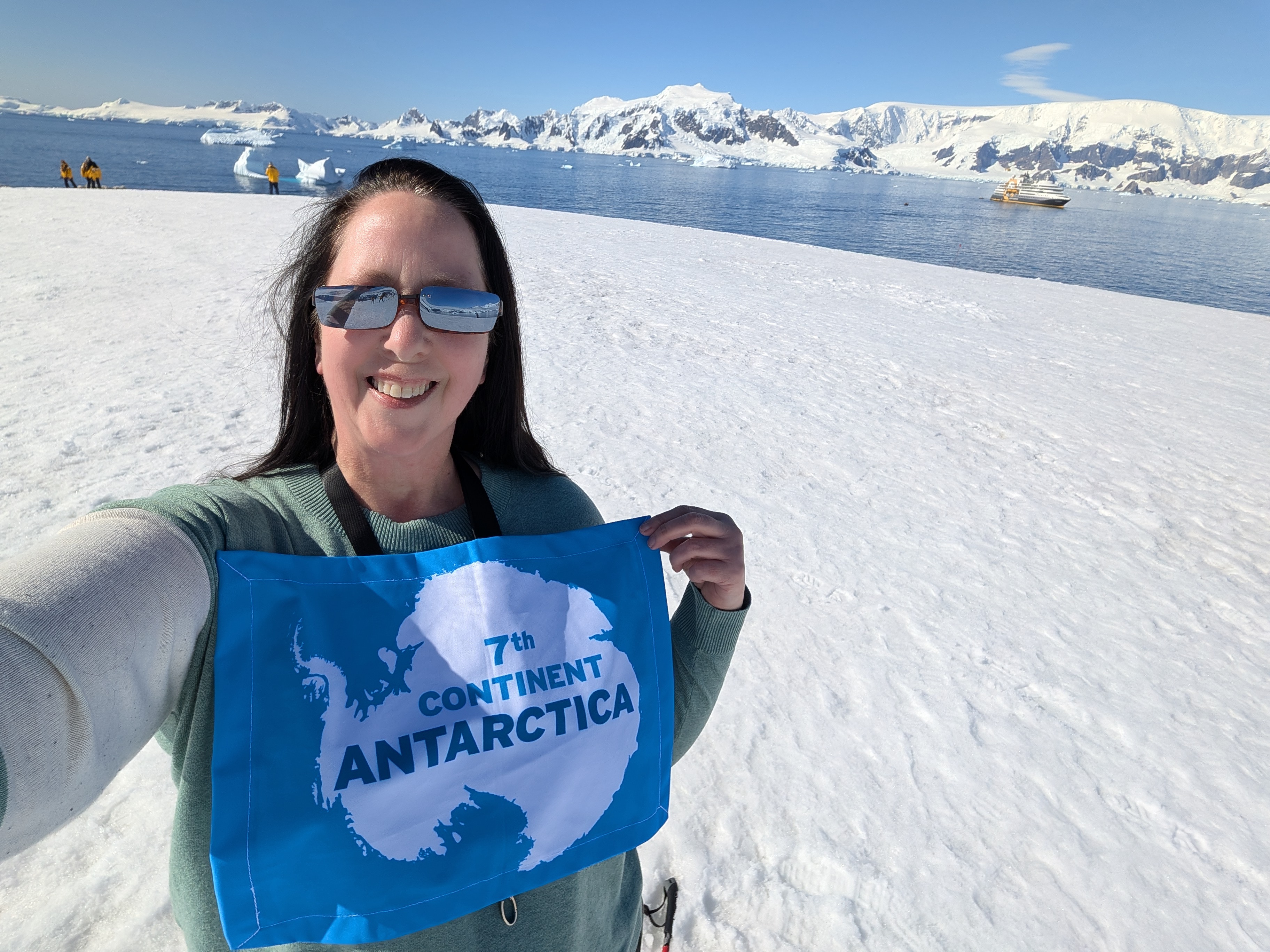
7th continent selfie
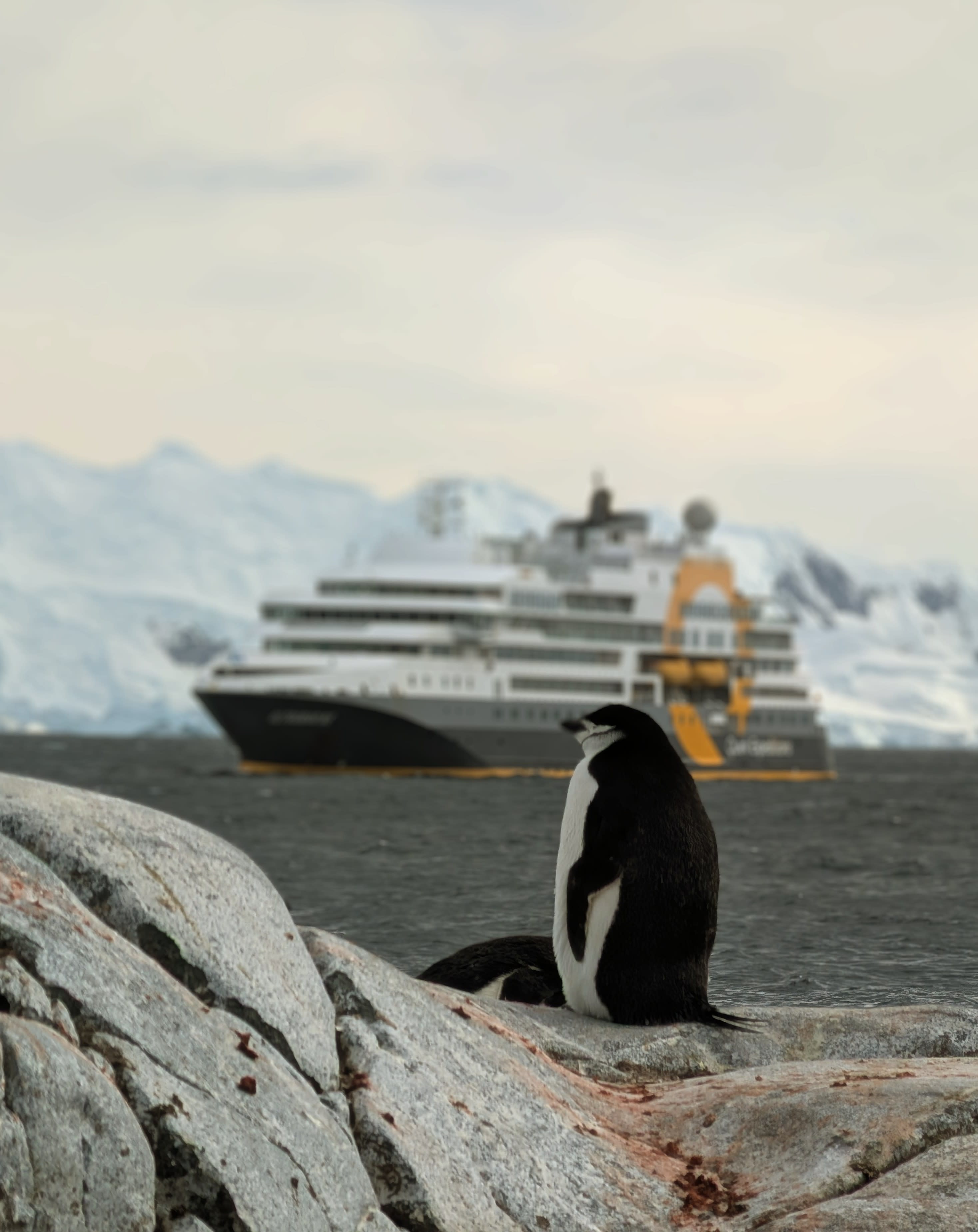
I traveled with Quark Expeditions on their Epic Antarctica voyage—a once‑per‑season itinerary that links the Falkland Islands, South Georgia, the Antarctic Peninsula, and a crossing of the Antarctic Circle. It’s a 21‑day expedition (23 days including charter flights through Buenos Aires and Ushuaia) that offers a depth of experience few itineraries match. Quark has focused exclusively on the polar regions since 1991, and their small, purpose‑built ships—ranging from the 138‑guest Ocean Explorer to the 199‑guest Ultramarine—blend comfort with true expedition capability. Their expertise, flexibility, and respect for the environment shaped every day of the journey.
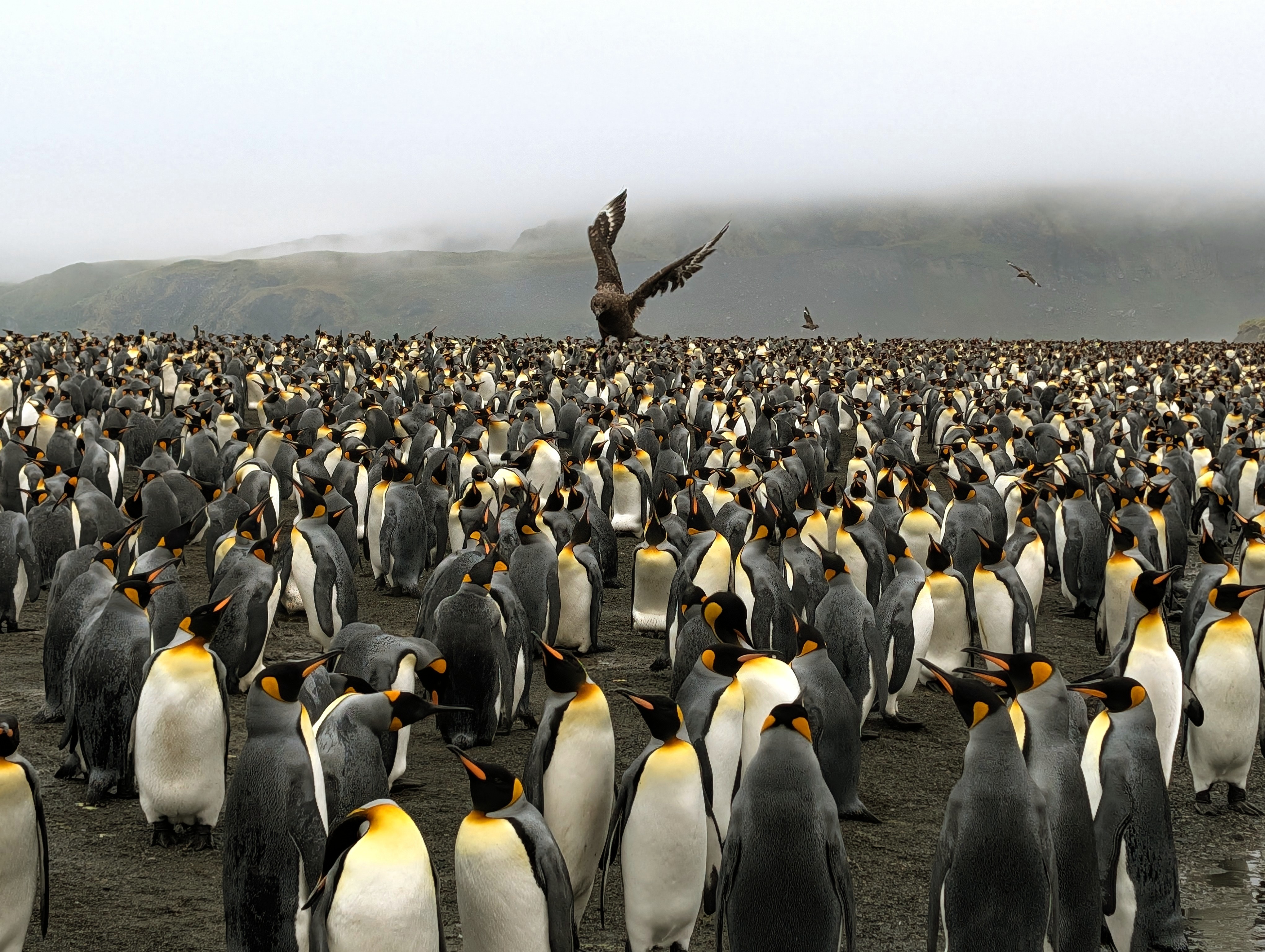
Danger from above at King penguin colony
Antarctica is ideal for travelers who value discovery, learning, and the thrill of the unexpected. It suits those who appreciate wildlife, geology, and remote landscapes, and who are comfortable with plans that shift based on weather and ice. This is not a destination for rigid itineraries. It’s for people who find joy in moments that can’t be scripted—a whale surfacing beside the ship, a perfect landing window opening after a storm, or a colony of penguins behaving exactly as they do in documentaries. If you’re drawn to places that change how you see the world, Antarctica delivers that in abundance.
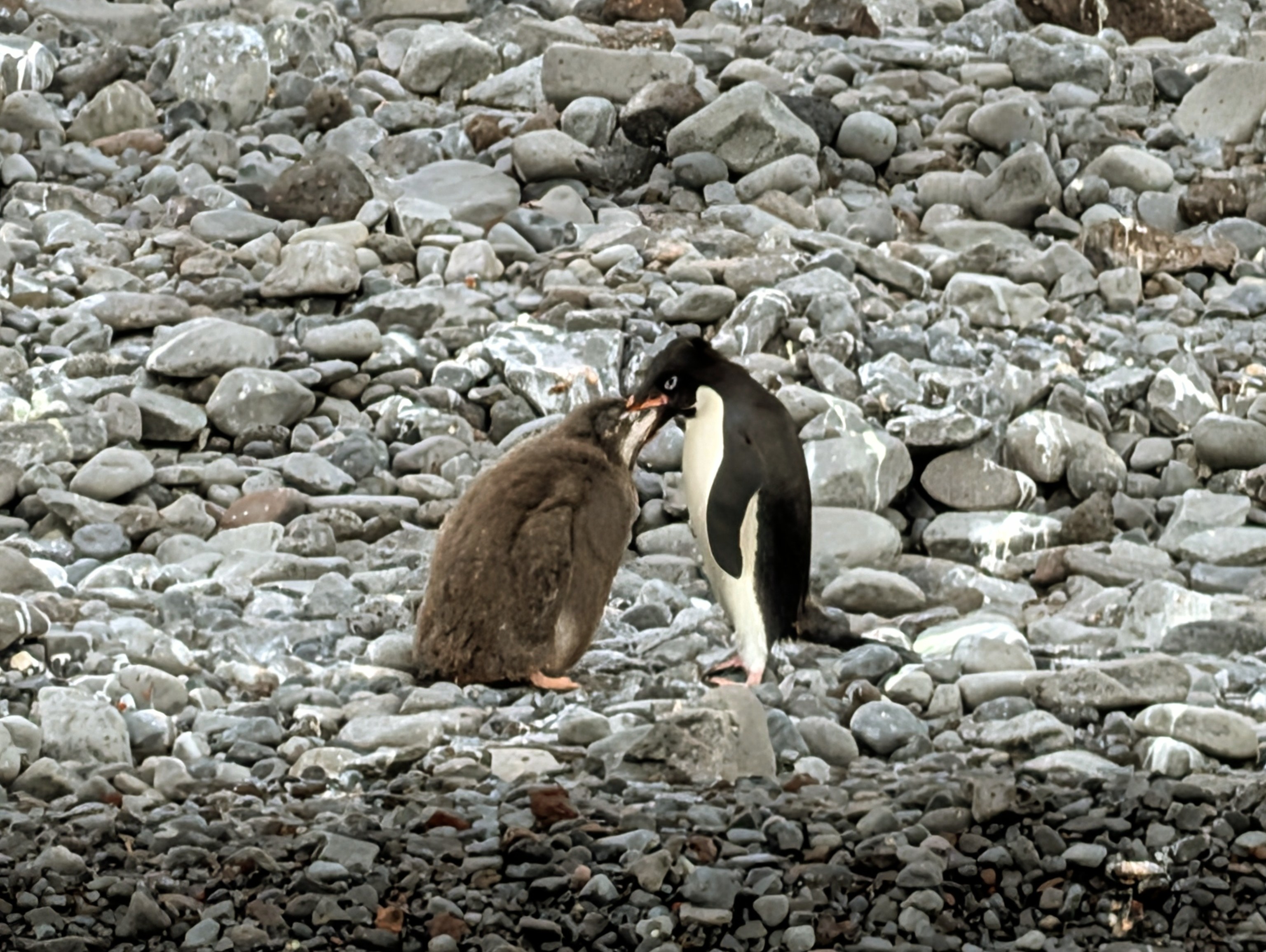
Gentoo penguin and chick
It’s also an exceptionally welcoming destination for solo travelers. Many operators offer cabin‑sharing programs that eliminate the solo supplement, and the nature of expedition travel creates an easy sense of community. I shared a cabin on the Ultramarine and met fellow solo travelers who have since become friends—proof that Antarctica attracts like‑minded people who are curious, open, and eager to experience something extraordinary.
If you’re drawn to places that change how you see the world, Antarctica delivers that in abundance.
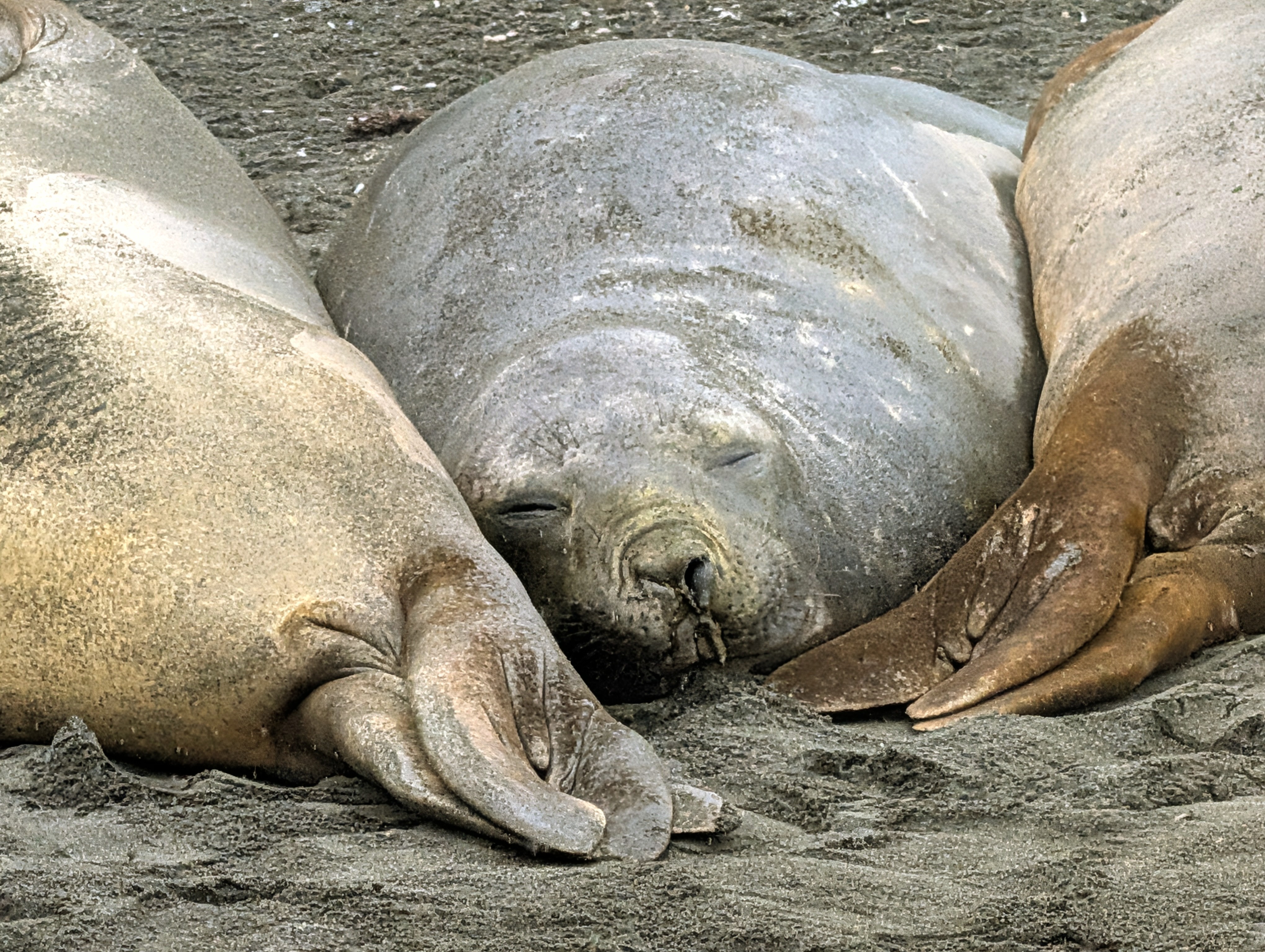
Slumbering juvenile elephant seals
Need to know
A few realities help set expectations and make the experience more rewarding:
Weather shapes the day, and landings are never guaranteed.
Wildlife encounters are unscripted and vary throughout the season.
Internet access is limited, encouraging you to be fully present.
Days are active, with a mix of landings, zodiac cruises, and learning opportunities.
Gear matters—especially layers, gloves, and waterproof protection.
The Drake Passage is part of the story, whether calm or lively.
Environmental protocols are strict and essential.
Smaller ships offer more time off‑ship and greater flexibility.
The expedition team adds depth, context, and safety to every moment.
These practical insights make for a smooth expedition and a noticeable difference:
Prioritize layering over bulk. Temperatures shift quickly.
Bring both waterproof gloves and lighter gloves for photography.
Use a dry bag for cameras and essentials during zodiac rides.
Pack extra memory cards—connectivity won’t support large uploads.
Treat sea days as part of the experience, not downtime.
Stay flexible. The best moments often come from last‑minute pivots.
Follow wildlife and environmental guidelines closely.
Comfortable socks matter more than you think.
Embrace the disconnect. It’s part of what makes Antarctica special.
Trust the expedition team—they read the environment in ways you can’t from a deck.
For more travel inspiration and insider recommendations, check out our Antarctica page.


Travel Advisor
Robin Franko

Robin Franko

Get in touch with Robin Franko
Did you like this guide? Reach out to customize and book your own experience. Or, just to chat about travel in general.