




Curator’s statement
East Africa has a special place in my heart—I lived in Uganda in my twenties and worked across the continent as a nurse. When I returned after nearly twenty years with my husband, I wanted to design a trip that went beyond the typical safari-plus-Zanzibar formula. We spent a month traveling through Tanzania and Kenya, and this trip report covers the East Africa portion: four nights on safari in the Serengeti, a week on Kenya’s Diani Beach, and time exploring Zanzibar. If you’re considering combining safari with the East African coast, this is what I learned about making that combination work.
The Fora Difference
Book with Nomadtique to access exclusive perks and experiences on your trip.

Killer perks
Free upgrades, spa credits and more—we got you

Personalized recs
Customized travel planning for your style

Insider knowledge
Expert advice from people who’ve actually been there
Where to stay
Unlock perks by contacting Nomadtique to book your trip.
Part one: The Serengeti, Mbuzi Mawe Serena Camp
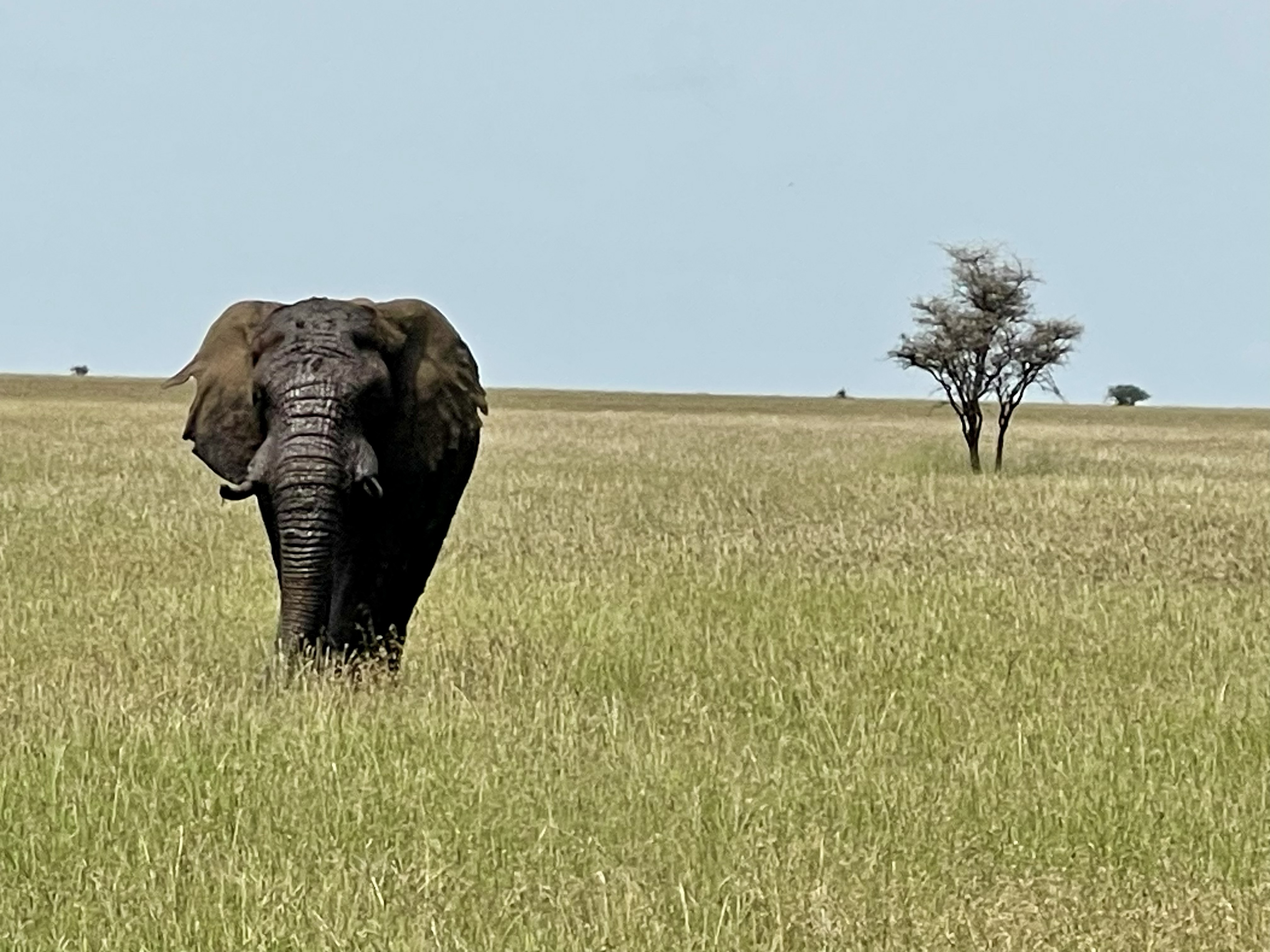
Photo by Summer Hartley
Getting there: Bush planes and first impressions
We flew from Arusha into the Serengeti on a bush plane—a small aircraft seating roughly twelve passengers, including the pilot. For first-time travelers, this is an experience worth preparing for. The planes are compact, boarding feels like organized chaos, and you’re required to visually confirm your luggage is in the hull before takeoff. The flight takes about an hour, depending on your camp’s location, and the landing strip is a grass field in the savannah.
The magic starts immediately upon landing. Porters rush to grab luggage and sort it by camp or lodge, and within minutes you’re in your safari vehicle with your driver. That drive from the airstrip to camp is your first game drive—there’s no transition period. You’re watching giraffes, zebras, and wildebeest within moments of stepping off the plane.
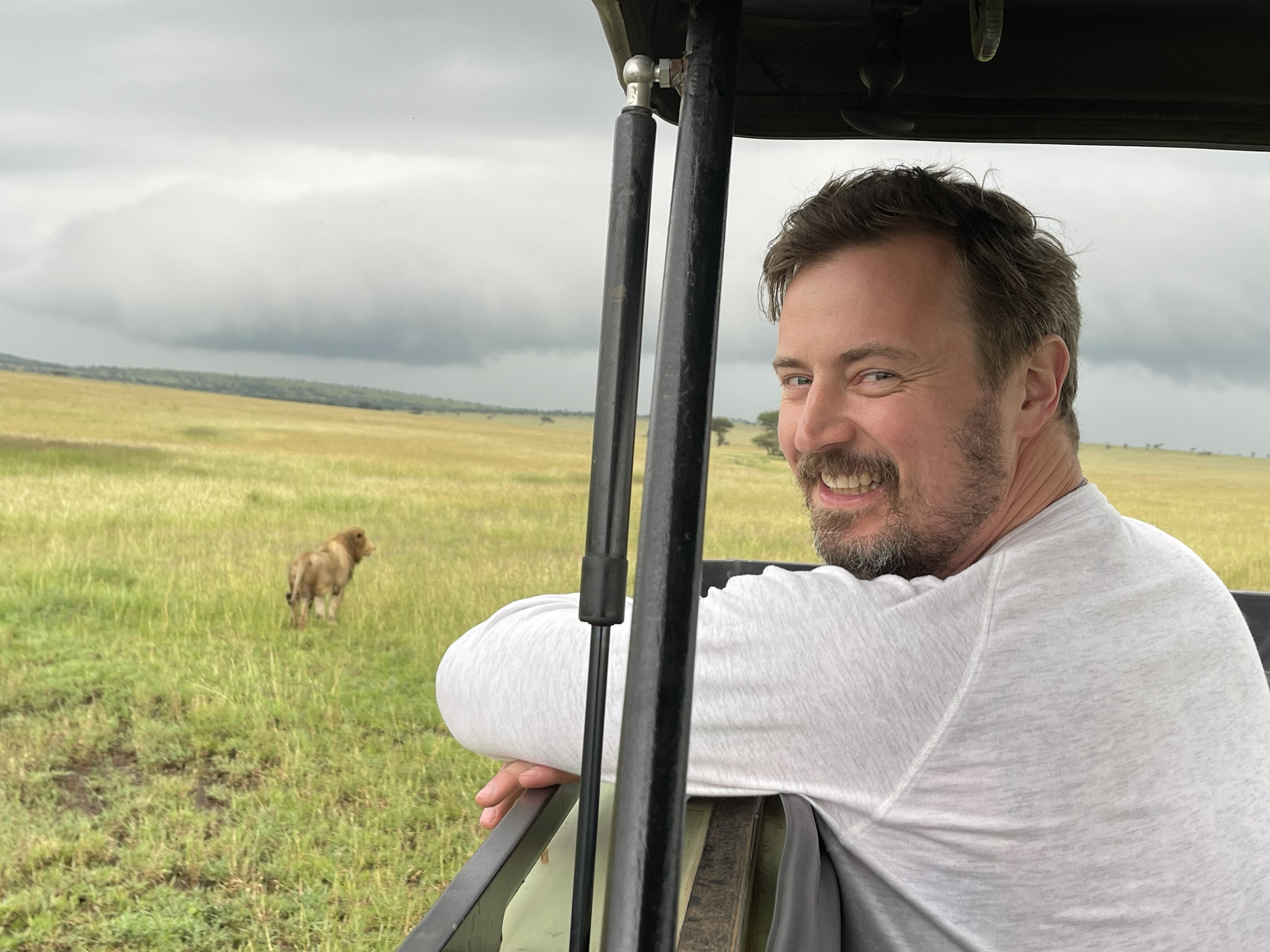
Photo by Summer Hartley
Camp life at Mbuzi Mawe Serena
We stayed four nights at Mbuzi Mawe Serena Camp, and the experience exceeded my expectations for a tented safari camp. Each tent is essentially a glamping suite—your own sitting area, full bathroom, and a private patio looking out onto the bush. All meals, drinks, and game drives are included in the stay, which removes any logistical friction from the daily rhythm.
The food presentation was a standout. In the dining tent, each course was served under giant silver tray covers, which staff lifted in unison to reveal the meal. It brought a sense of occasion to every dinner. The camp bar hosted nightly sundowners, and by the second evening, the staff knew us by name and had learned our drink preferences without being asked.
We had the same private driver for the entire stay, which I would strongly recommend requesting. By the second day, he understood our interests—we wanted to stay out longer, go deeper into the park, and prioritize predator sightings over checking off a list. One day, the camp packed a bush lunch for us so we could stay out from dawn until dusk without returning to camp.
Wildlife encounters worth mentioning
The Big Five were all accounted for, but the moments I would describe to a client are more personal than that. One morning, we startled a pack of about twenty female lions who bounded through the tall grass of the savannah—the way they moved through the golden reeds looked like dolphins leaping through ocean waves. On another drive, we watched a male lion walking his cub down to a stream for water, completely unhurried. We spotted a leopard draped across a high tree branch, and later watched another leopard stalk prey through the brush, though we didn’t witness the kill.
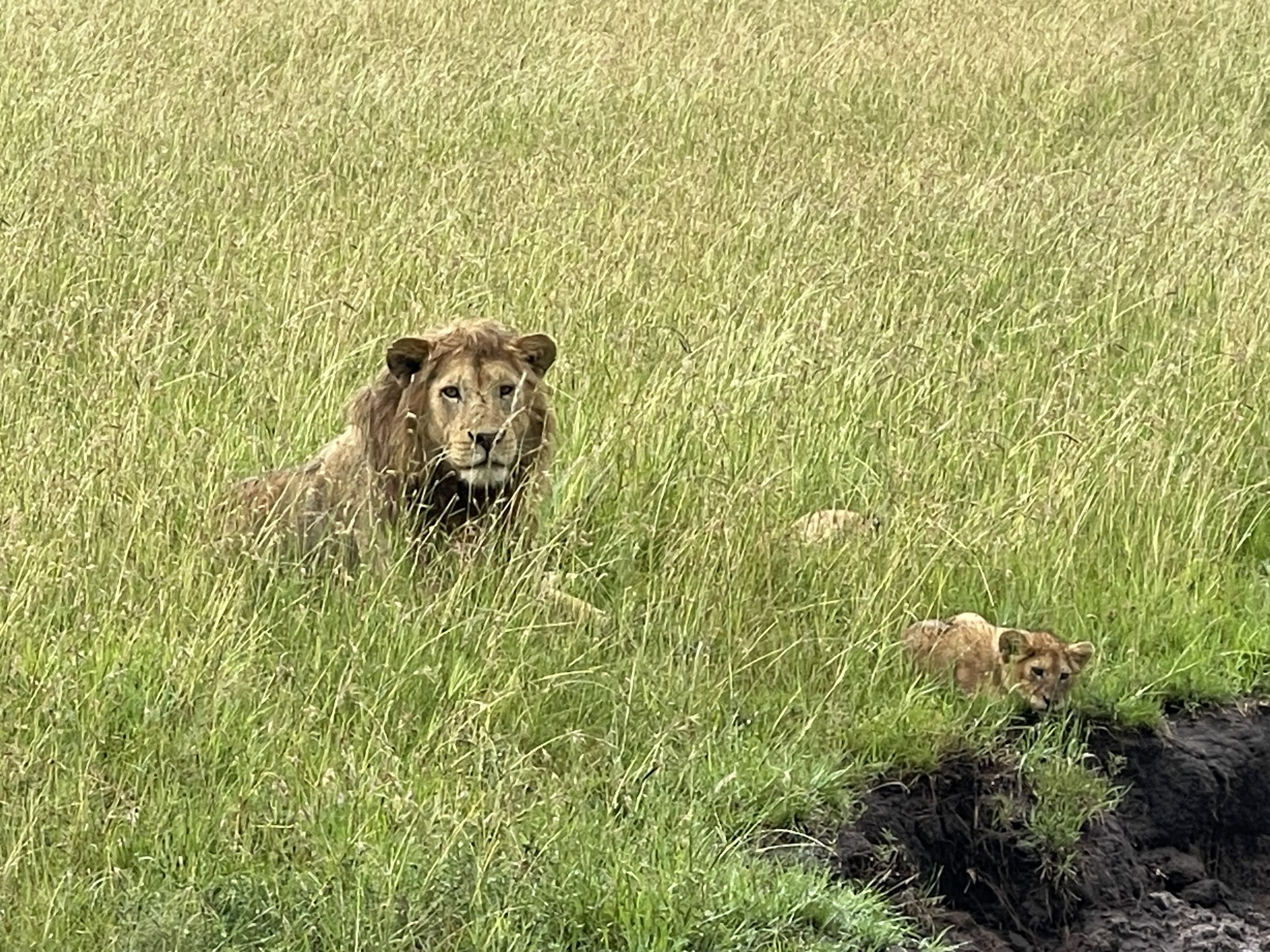
Photo by Summer Hartley
The sunrise hot air balloon: An experience I would recommend to every client
The highlight of our Tanzania stay was the sunrise hot air balloon safari operated by Serengeti Balloon Safaris. Pickup was at 5 a.m. from camp, and the drive to the launch site functioned as a night drive—we spotted a hyena crossing the road in the predawn darkness, which you would never see during daytime game drives.
At the launch site, tea and small cookies shaped like hot air balloons were served while the balloon was inflated. Once airborne, the experience was transformative. Watching the sun rise over the Serengeti while giraffes, zebras, and elephants moved across the plains below—all in near-total silence—was beyond anything I had imagined.
After landing, the team assembled a full champagne breakfast in the bush: white linen tablecloths, sparkling wine, a hot meal served in the middle of the open savannah with no structure or civilization in sight. They call it the “Out of Africa” experience, and the description is earned.
I would recommend this to every client booking a Serengeti safari. Book well in advance, as it sells out during peak season.
Part two: Diani Beach, Kenya, the coastal addition most itineraries skip
Why Diani Beach belongs in an East Africa itinerary.
After the Serengeti, we took a bush plane back to Arusha and then arranged a private driver to take us north into Kenya, down to Diani Beach on the country’s southern coast. Most East Africa itineraries pair the Serengeti directly with Zanzibar, bypassing the Kenyan coast entirely. Having now done both, I believe Diani Beach deserves a place in the conversation—particularly for clients who want an authentic coastal experience rather than an island resort.
Diani Beach stretches over ten kilometers along Kenya’s southern coastline, with fine white sand and the warm turquoise water of the Indian Ocean. The Swahili architecture, the seafood, the pace—it all feels distinctly Kenyan in a way that Zanzibar, with its own unique cultural blend, does not. We stayed for a week, which was the right amount of time to genuinely decompress after safari.
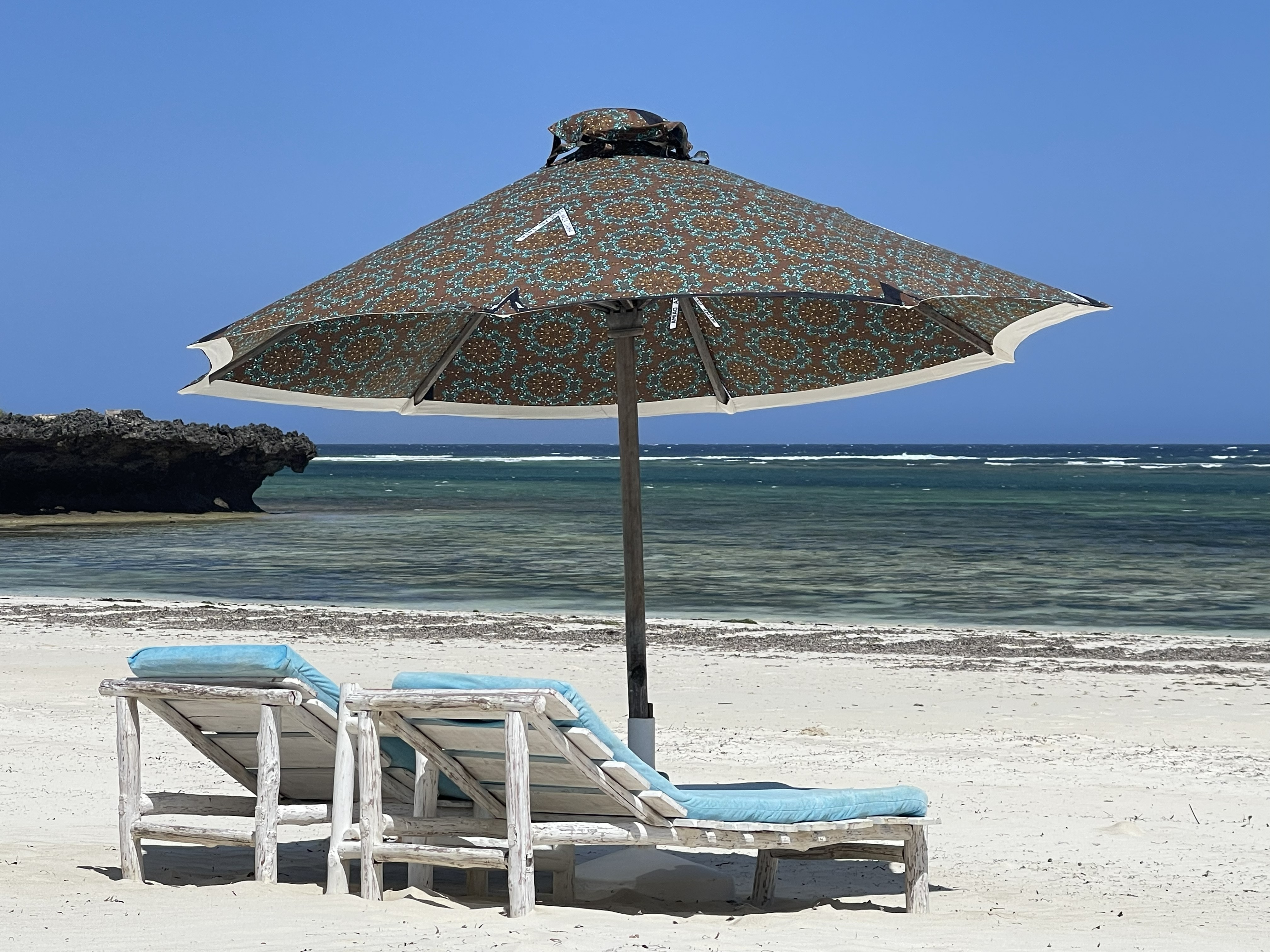
Photo by Summer Hartley
Where I would book clients
We personally stayed in a private gated villa with a pool and full-house staff including a chef, which is an excellent option for families or couples who want seclusion and flexibility. For clients who prefer a resort experience, I would recommend two properties:
Chale Island Beach Resort is located on its own island south of Diani Beach. The resort offers a day package that includes private beach access, pool use, and lunch—ideal for travelers staying elsewhere who want to experience the property. The Mkoko Sunset Deck bar is an above-water deck with live evening entertainment and stunning Indian Ocean sunset views. A charming logistical detail: when the tide is low, instead of taking a boat to the island, a tractor pulls a trailer with passenger seating across the exposed seabed.
Nomad Beach Resort is Chale Island’s sister property, situated closer to Diani Beach. It’s a boutique hotel with exceptional restaurants featuring fresh-caught fish. The food quality was outstanding when we visited for lunch. One note for advisors: beachfront tables can attract persistent beach vendors, so interior seating or the Chale Island property may be preferable for clients who want uninterrupted dining.
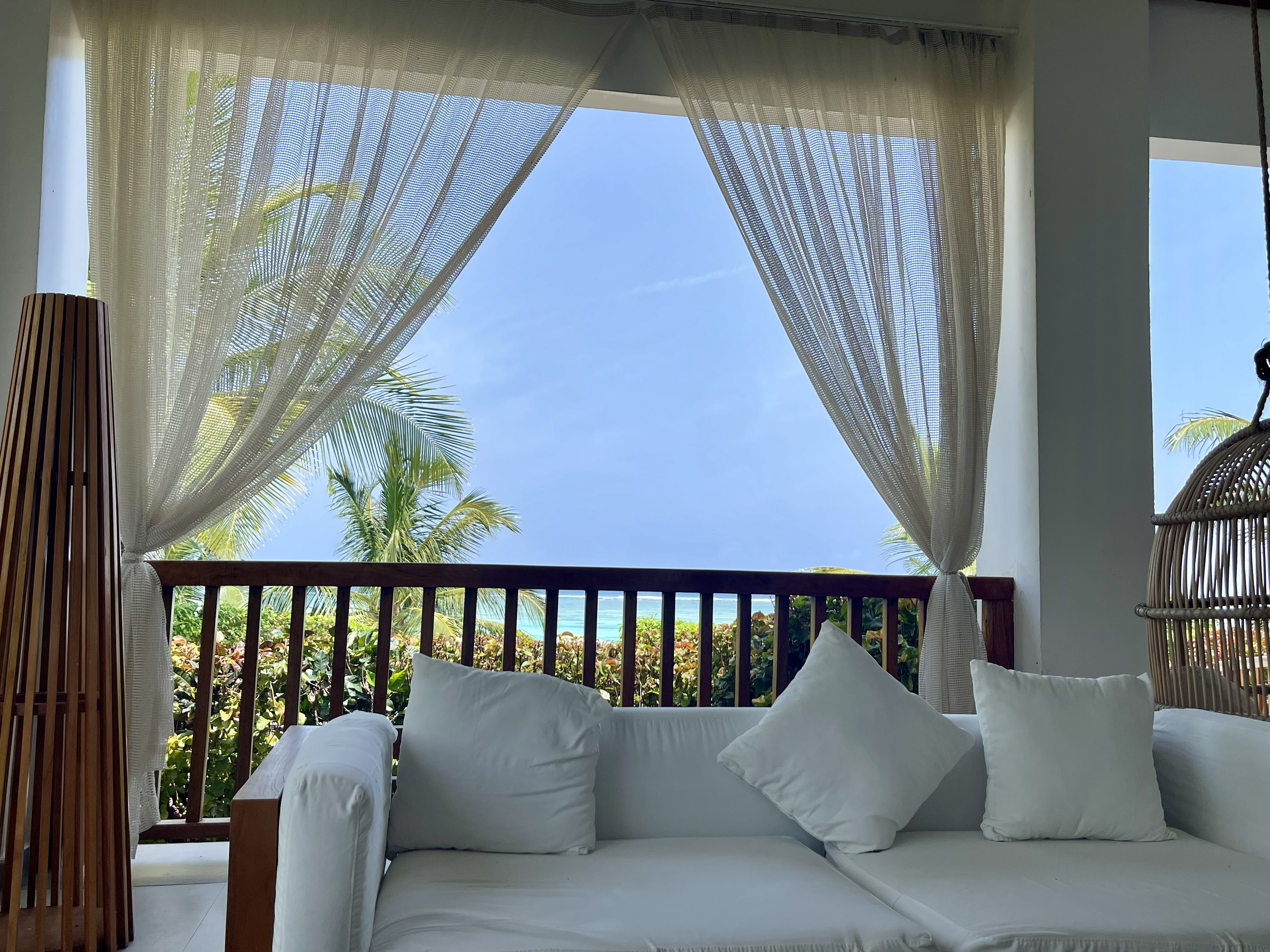
Photo by Summer Hartley
The dining highlight: Ali Barbour’s Cave Restaurant
Ali Barbour’s Cave Restaurant is set inside a natural coral cave that opens to the night sky above. The setting is unlike any other restaurant I’ve encountered in East Africa—or anywhere. It’s the kind of place that makes an evening feel like an event with table-side flambe experiences. I would build a dinner here into any Diani Beach itinerary.
Part three: Stone Town, spice markets & island life in Zanzibar
Getting to Zanzibar: Fly, don't ferry.
We flew from Mombasa to Dar es Salaam, overnighted at the Element by Marriott near the Slipway Shopping Centre, and then took the public ferry to Zanzibar the next morning. I would not recommend this routing to any client. The ferry experience—even in business class—was chaotic, with aggressive solicitation from locals and disorganized boarding. Fly instead. Direct flights connect Zanzibar to Arusha, Dar es Salaam, Mombasa, and Nairobi, making the ferry entirely unnecessary.
If overnighting in Dar es Salaam, the Slipway area is a comfortable, expat-friendly neighborhood with good restaurants. We had an excellent dinner at Namaste Indian Restaurant on the Msasani peninsula.
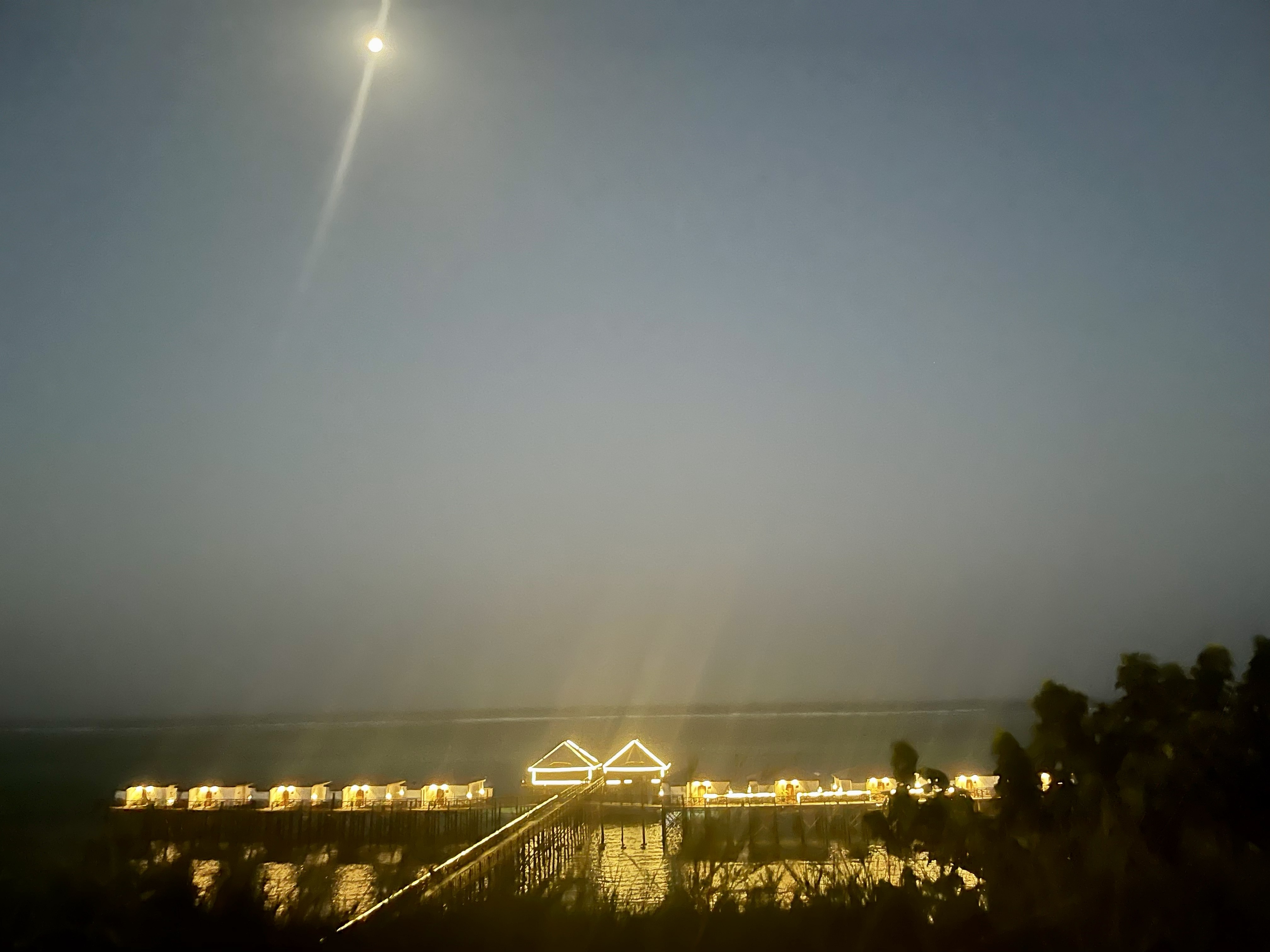
Photo by Summer Hartley
Le Méridien Zanzibar, Autograph Collection
We stayed at Le Méridien Zanzibar, Autograph Collection and were upgraded to a suite with a private plunge pool. The suite was spacious and beautifully designed—predominantly white with blue accents that mirrored the ocean visible from the floor-to-ceiling windows. The open-concept layout included a large soaking tub positioned in front of the windows, a deck with swinging chairs and loungers overlooking the water, and a generous closet and bathroom area with chaise lounges for lounging. Staff used a doorbell system to announce themselves before approaching along the private walkway, which preserved the suite’s feeling of seclusion. The hotel provided boutique, all-natural toiletries throughout the stay.
The rooftop and oceanfront restaurants served excellent lobster and fresh prawns. For quieter meals, the in-room dining was reliable and easy.
The Rock Restaurant: Reservations and timing tips
The Rock Restaurant is one of Zanzibar’s most iconic dining experiences, and reservations are essential—book as far in advance as possible. My recommendation: time your dinner to begin slightly before sunset. Eat as the light changes over the water, then move to the restaurant’s back deck for a post-dinner cocktail and watch the sun fully set over the Indian Ocean. On our evening there, we also witnessed a moonrise from the same vantage point, which was extraordinary.
Exploring Zanzibar town
Beyond the marquee dining experiences, Zanzibar town rewards slow, unstructured exploration. We spent days wandering the narrow streets of Stone Town, browsing the spice market, eating Indian food (the Indian culinary influence in Zanzibar is excellent and pervasive), getting foot massages at small streetside shops, and sitting in waterfront bars watching the dhow boats come in. The pace was a world apart from safari—and that contrast was exactly the point.
How the three segments fit together
The sequencing of this trip is intentional, and I would advise clients to preserve the order.
Serengeti first: The safari is the most physically demanding and mentally stimulating portion. Early mornings, long drives, dust, and the alertness required for wildlife viewing make this the right way to begin, while energy is high.
Diani Beach second: The Kenyan coast serves as the decompression zone. It’s the transition from high-intensity safari to full relaxation. The beach, the food, and the slower pace prepare you for the final leg without feeling like you’ve abruptly shifted gears.
Zanzibar last: The island is the trip’s natural conclusion. The cultural atmosphere, the Indian Ocean setting, and the fully relaxed pace make it the right place to end before the journey home.
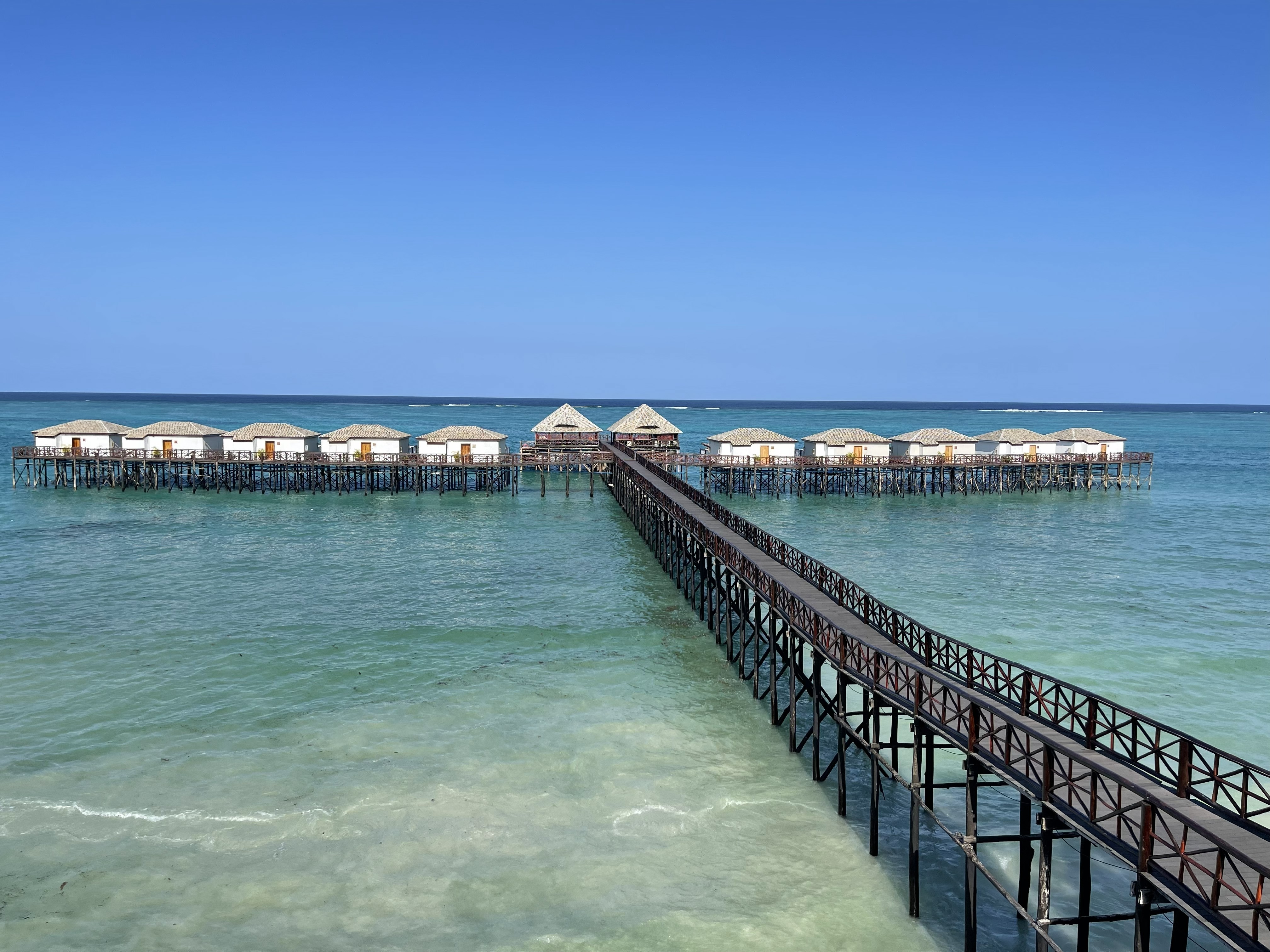
Photo by Summer Hartley
Need to know
Practical notes
Book the Serengeti hot air balloon well in advance. Serengeti Balloon Safaris operates the experience. The 5 a.m. pickup includes a night drive to the launch site, adding nocturnal wildlife sightings as a bonus.
Request the same private driver for the full safari stay. Continuity with one driver who learns your preferences transforms the quality of the game drives.
Fly to Zanzibar—do not take the ferry from Dar es Salaam. The ferry is chaotic regardless of class. Direct flights are available from Arusha, Dar es Salaam, Mombasa, and Nairobi.
Ali Barbour’s Cave Restaurant and The Rock Restaurant both require reservations. Build these into the itinerary early—they are among the most distinctive dining experiences in East Africa.
Diani Beach is best accessed through Ukunda Airport. Flights connect from Nairobi and Mombasa. Avoid the road-and-ferry route from Mombasa if possible.
For more inspiration and insider recommendations, visit our Tanzania and Kenya pages.


Travel Advisor
Nomadtique


Summer Hartley

Get in touch with Nomadtique
Did you like this guide? Reach out to customize and book your own experience. Or, just to chat about travel in general.