

Curator’s statement
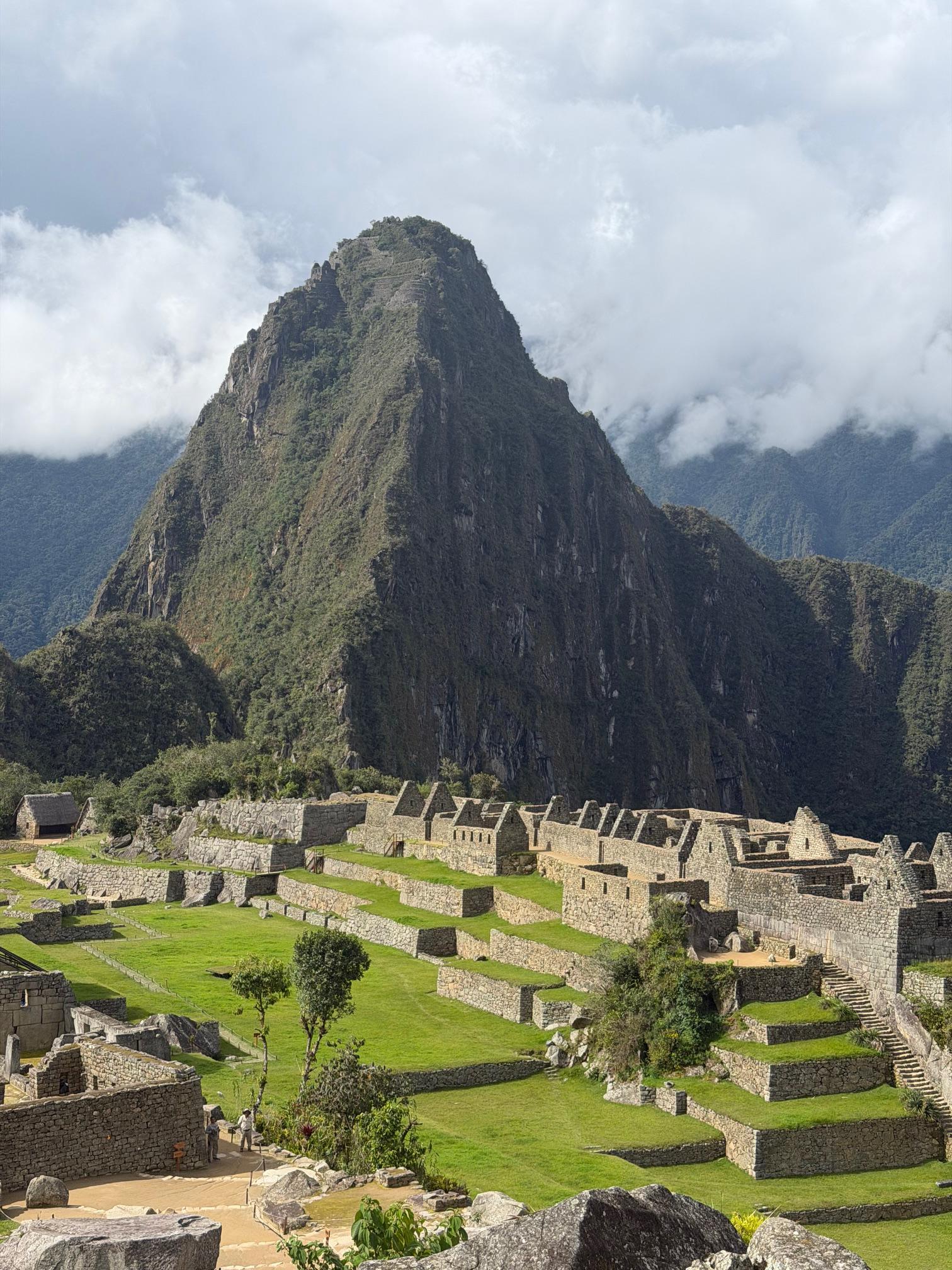
Peru is one of those rare destinations that truly unfolds in layers—coastal energy in Lima, sacred stillness in the Andes, and the awe of Machu Picchu rising through the clouds. What makes it special to me is how dramatically the experience shifts from region to region, yet still feels cohesive when thoughtfully planned. It’s a country where food, culture, history, and landscape are all important—and when the pacing is right, the journey feels seamless rather than rushed. Peru isn’t just a bucket-list trip; when curated well, it’s a place you will want to come back to again and again.
The Fora Difference
Book with Melanie Pink Travel to access exclusive perks and experiences on your trip.

Killer perks
Free upgrades, spa credits and more—we got you

Personalized recs
Customized travel planning for your style

Insider knowledge
Expert advice from people who’ve actually been there
Where to stay
Unlock perks by contacting Melanie Pink Travel to book your trip.
Peru is a destination where pacing and positioning make all the difference. The biggest mistake I see travelers make is trying to rush through it—treating it as a quick Machu Picchu stop rather than a layered, immersive journey. When designed well, Peru flows beautifully.
I recommend beginning in Lima for two nights to adjust, recover from travel, and explore one of the most dynamic culinary cities in the world. The oceanfront neighborhoods of Miraflores and Barranco offer a polished, design-forward base, and Lima’s markets and restaurants set the tone for how seriously Peru takes its food.
From there, I strongly prefer three nights in the Sacred Valley before Machu Picchu. The lower altitude allows for easier acclimatization, and the region itself is incredibly rich—Moray’s agricultural terraces, the Maras salt mines, artisan villages, and immersive cultural experiences like a Pachamama ceremony.
For Machu Picchu, I always recommend a minimum of two nights, ideally three if time allows. The train experience matters, guide quality matters, and timing your visit (morning vs. afternoon light) dramatically impacts the experience. The right logistics make what could feel overwhelming feel effortless.
I also love finishing with two nights in Cusco. The city has a different energy—cobblestone streets, boutique hotels, vibrant markets, and a mix of Incan and colonial architecture that gives the journey a cultural crescendo.
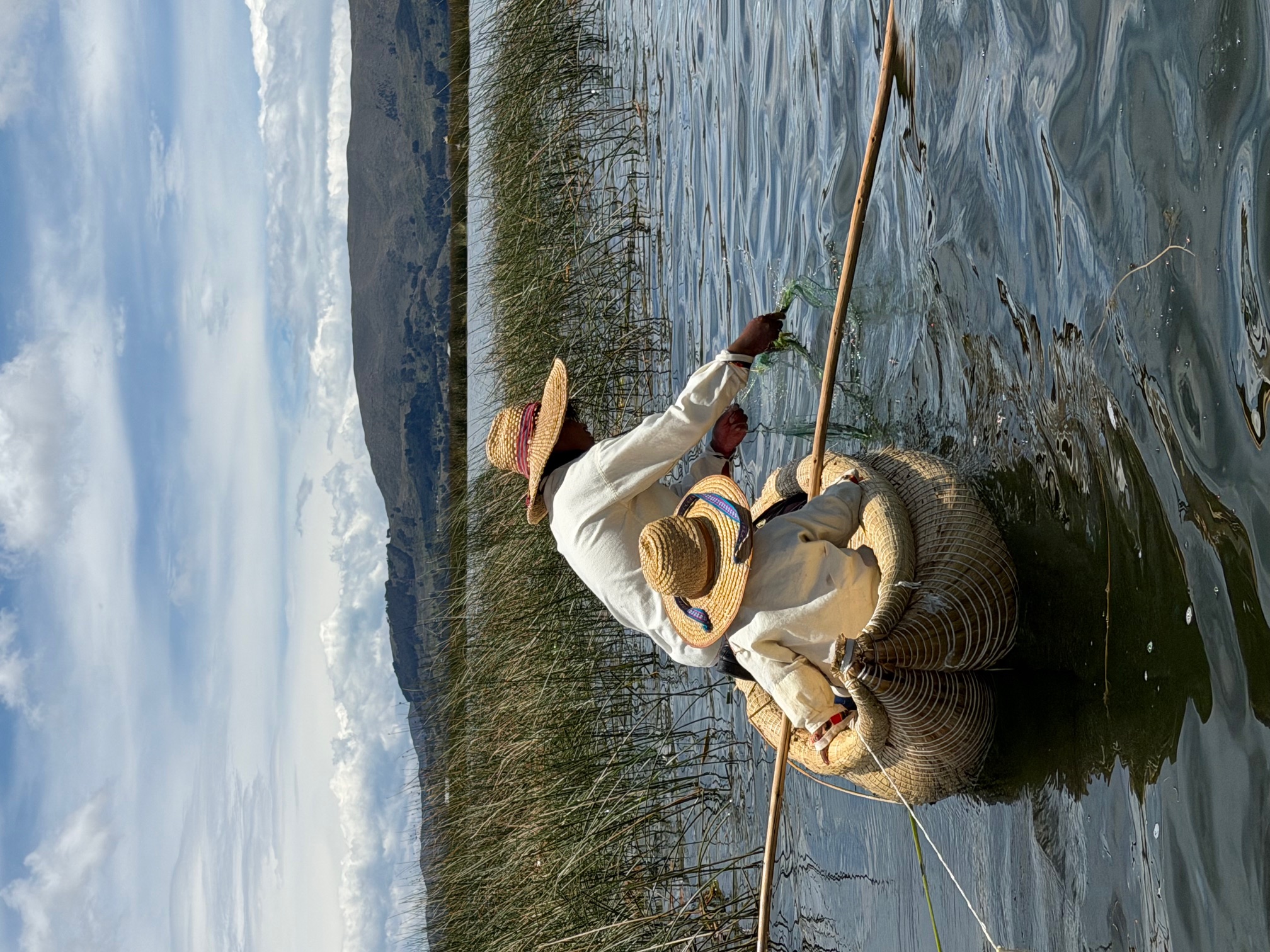
For travelers who want something truly exceptional, I highly recommend adding Tinajani Canyon and Titilaka on Lake Titicaca. Tinajani feels like a private conservation escape—safari-style tents, hot tubs under the stars, complete stillness. Titilaka is soulful, quiet luxury on the water and one of the most special properties in Peru.
Peru is a destination that rewards thoughtful design. When planned properly with the right routing, hotels, guides, and timing, Peru feels layered, intentional, and incredibly special.
Need to know
Peru is incredibly rewarding, but there are a few things that make a significant difference in how the trip feels.
First, altitude matters. Planning the route correctly—typically starting in Lima and moving to the Sacred Valley before Cusco—allows for smoother acclimatization and a far more enjoyable experience. Hydration, pacing, and thoughtful scheduling are key.
Second, Machu Picchu requires advance planning. Entry permits, train tickets, and top guides sell out well in advance, especially during peak season (May–September). The best hotels in the Sacred Valley and near Machu Picchu also book early, particularly for summer and holiday travel. Peru is not a last-minute destination if you want it done well.
The dry season (May–October) offers the clearest skies in the Andes, while shoulder months (April and October) can provide fewer crowds with beautiful conditions. The rainy season (November–March) brings lush landscapes and fewer visitors, but flexibility is important. I visited in rainy season and had the most amazing time with great weather and very few crowds—so, if you are willing to risk it, this season could be right for you. Let's talk!
Peru is a destination where logistics truly shape the experience—private transfers, knowledgeable local guides, well-timed train departures, and balanced pacing transform what could feel busy into something seamless.
For more inspiration and insider recommendations, visit our Lima and Cusco pages.


Travel Advisor
Melanie Pink Travel


Melanie Pink

Get in touch with Melanie Pink Travel
Did you like this guide? Reach out to customize and book your own experience. Or, just to chat about travel in general.