



Tom Podmore/Unsplash
Mykonos, the Amalfi Coast, Ibiza, St. Tropez. Those classic European summer vacation destinations still hold sway, with their “it-could-only-be-here” mix of beaches, food, history, and vibes. But there’s also room for error when it comes to making a good trip into an extraordinary one, from choosing the right hotel to finding those off-the-beaten-path restaurants where you just might experience the best grilled fish of your life.
Whether you're eyeing an iconic European island or a quiet coastal town on the rise, the insider tips in this travel guide will help you get it right.
GREECE
Now: Mykonos
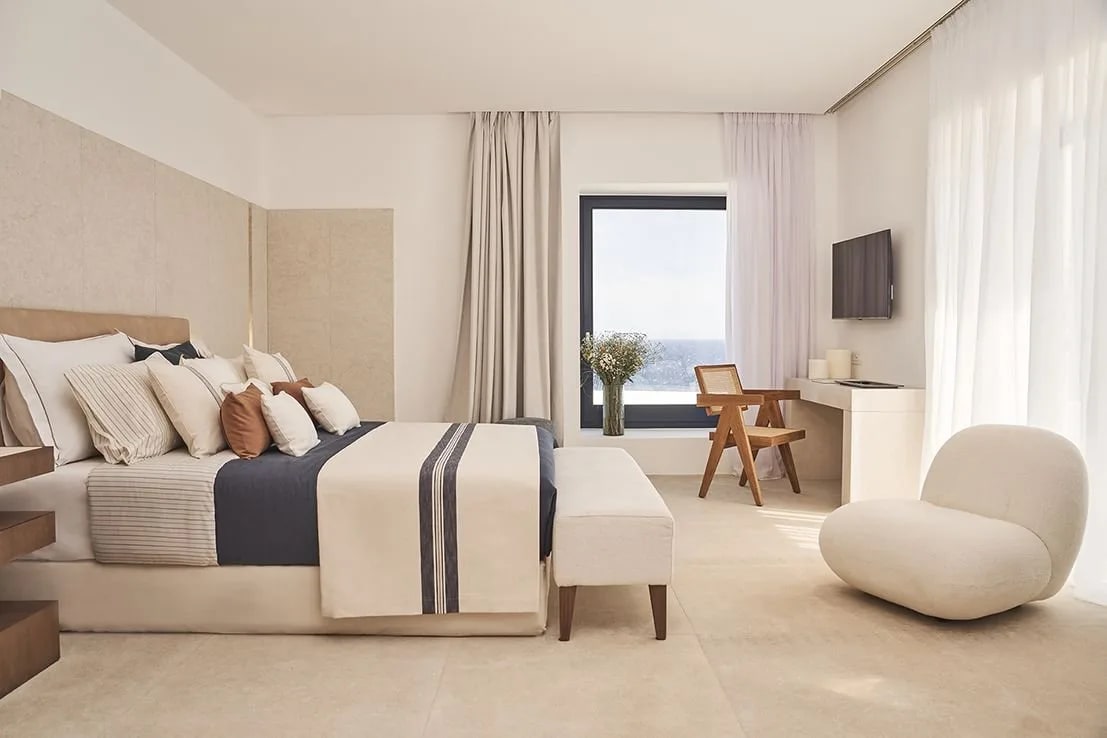
Image courtesy of Cali Mykonos
This sun-drenched Cycladic island has built its reputation on summer revelry—and it more than delivers, if you know how to navigate it.
The daytime hangs: Psarou Beach remains one of the most desired stretches of sand in Greece, its see-and-be-seen restaurant Nammos still captures a well-heeled, late-lunch crowd. Paradise and Super Paradise skew younger and louder, with their hedonistic clubs and partygoers. They’re worth a visit, but probably not where you’ll want to spend an entire day.
The must-visit shops: The family behind Liontis has been handcrafting stylish leather sandals for decades. For a broader but well-edited selection of bohemian resortwear, scope out Jardín.
The essential dinner spots: Tucked into Mykonos Town, Katrin has been drawing regulars for more than 50 years with its red-wine braised octopus, lobster pasta, and zucchini flowers. Dinner in the courtyard at Interni morphs into an all-night party when the kitchen gives way to a DJ around 11, and the crowd rarely leaves before dawn.
The places to stay: As an antidote to the party atmosphere, book into Cali Mykonos, set above a private cove and featuring a sleek infinity pool. Kalesma, meanwhile, offers low-slung villas and a hushed atmosphere.
Next: Naxos
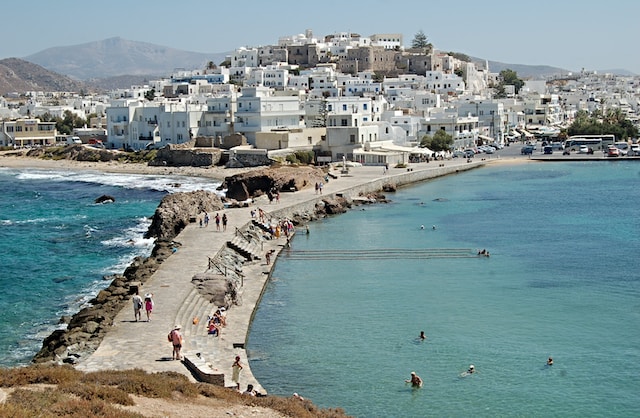
The largest of the Cyclades trades the frenzy of its neighbor for soft-sand beaches, mountain villages, and a farming tradition that shows up in every taverna on the island.
The daytime hangs: Plaka beach offers soft sand and crystal-clear water, with tavernas right on the shore. For a more structured afternoon, DIO Beach Club gives the island’s charm a contemporary edge. Reserve a sunbed, fresh seafood, and a menu that runs from midday to midnight. Agios Prokopios is the calmer, family-friendly beach option.
The must-visit shops: The family behind Pagonis has been handcrafting leather shoes, sandals, and bags since 1940. Out in the village of Halki, Fish & Olive Gallery is worth the drive to pick up ceramics by Katharina Bolesch and jewelry by Alexander Reichardt, plus local wines. While you’re there, stop into the Vallindras Distillery next door, a legacy producer of kitron, the island’s signature liqueur.
The essential dinner spots: Just behind the Portara, Naxos Apothecary serves a modern bistro menu built around small island producers. In Old Town, an outpost of Metaxi Mas is a no-reservations fixture frequented by locals for the zucchini balls, pasticcio, and spicy meatballs.
The places to stay: With just ten villas and suites built in classic Cycladic white near Agios Prokopios, Naxian Collection is the kind of small, unhurried property where the staff knows your name and the only sounds you hear at night are the wind and waves.
ITALY
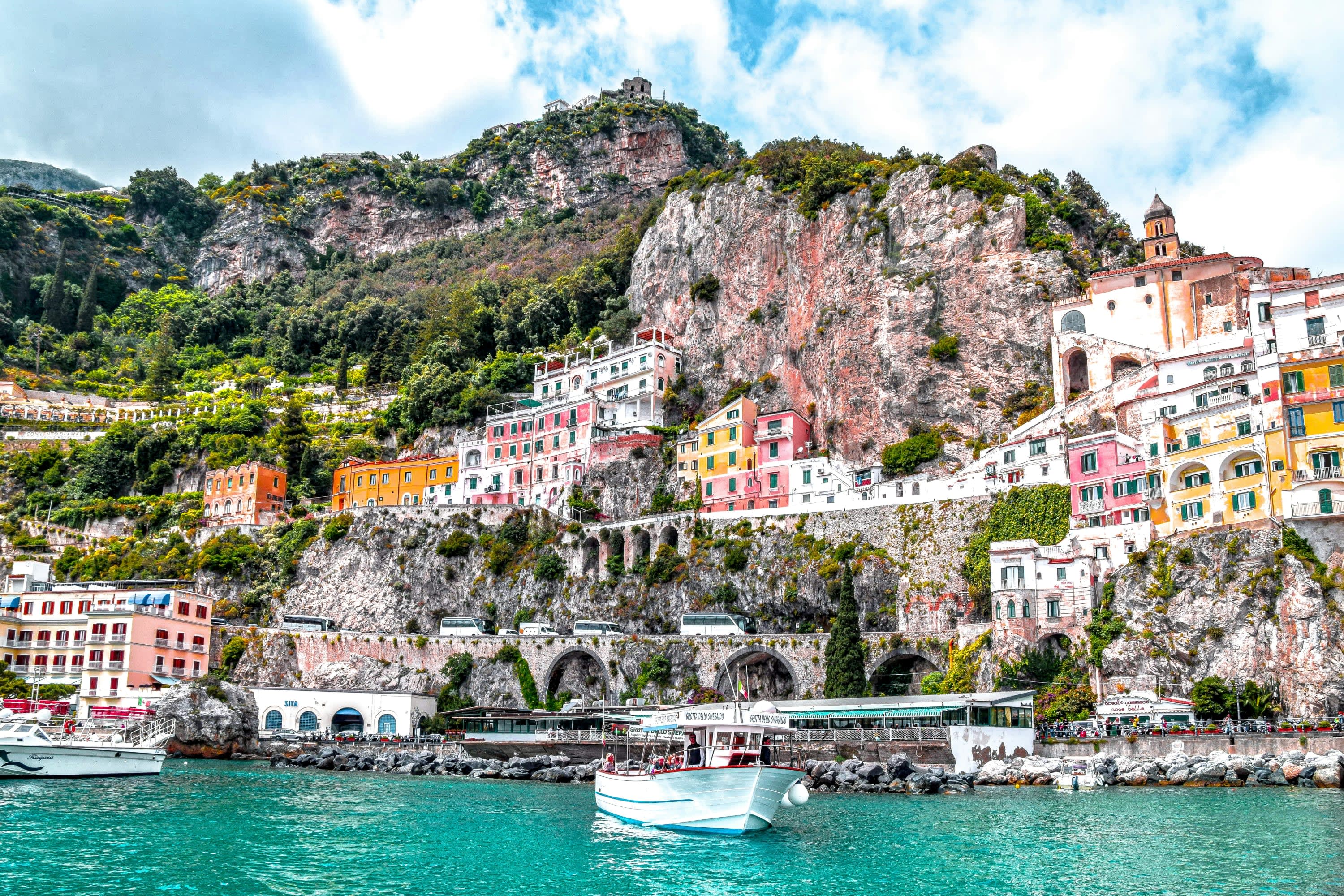
Now: Amalfi Coast
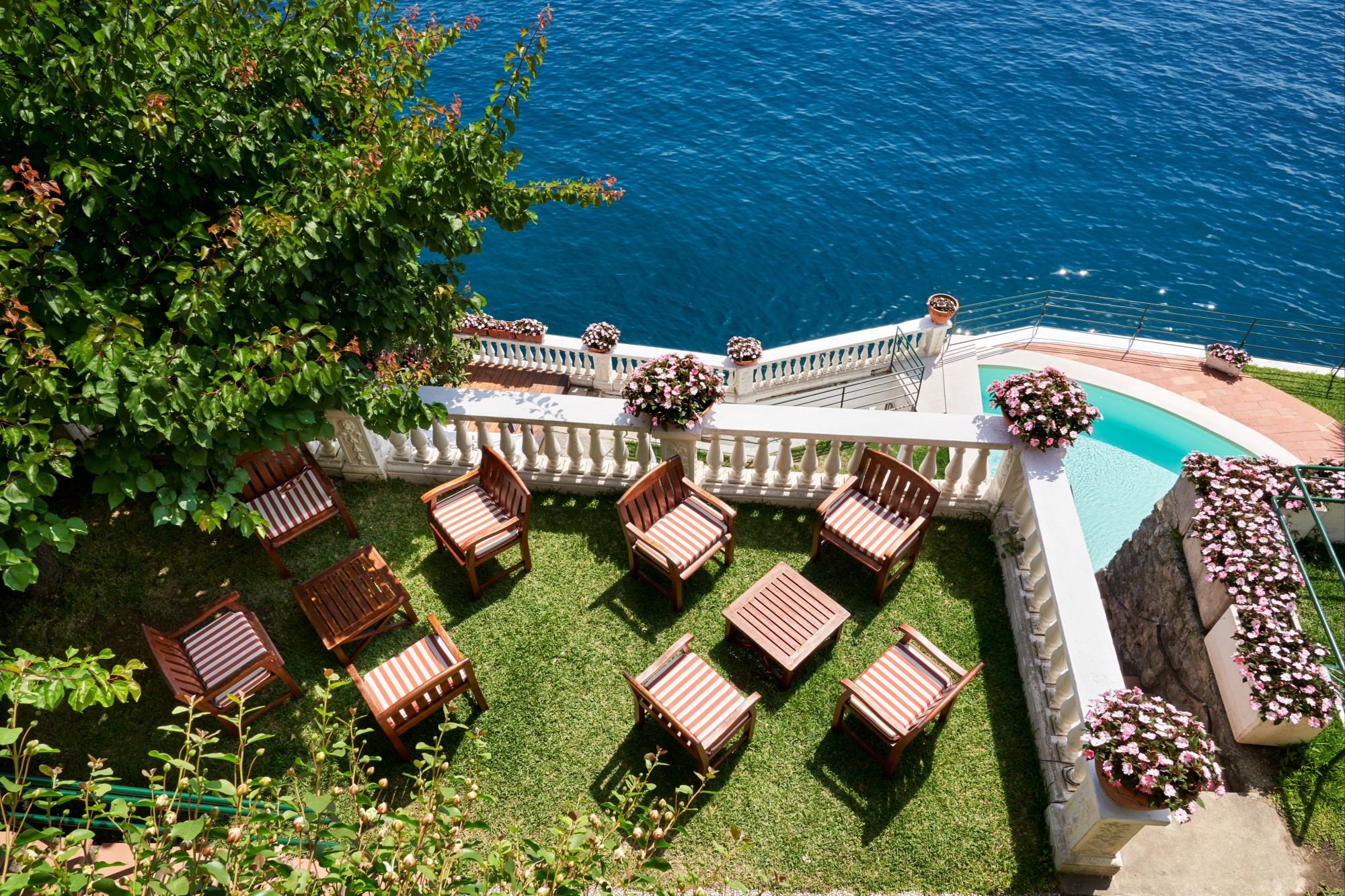
Image courtesy of Palazzo Avino
Small decisions have outsized impact here. Nailing your choices for which town to base yourself in and which hotel to stay at makes all the difference.
The daytime hangs: Take a boat to Arienzo Beach Club, where you can sip a classic Aperol spritz beneath an iconic orange-striped umbrella. For a more low-key experience, opt for Marina di Praia, a secluded cove in Praiano to swim in calm, clear water and sunbathe amid far fewer crowds. Da Adolfo, reached via a free wooden boat shuttle (look for the one with the red fish) from Positano’s main pier, stands as the insider’s lunch pick for fresh mozzarella, spaghetti alle vongole, and a catch-of-the-day chalked on a blackboard. But the reservation everyone will be clamoring for this summer is Le Sirenuse Mare Nerano, the storied hotel’s long-awaited beach club.
The must-visit shops: In Positano, La Bottega di Brunella has been making hand-embroidered linen clothing for decades. Vietri sul Mare is worth a detour for the bright, hand-painted ceramics it’s been producing since the 16th century. Leave room in your bag for artisanal limoncello from Antichi Sapori d’Amalfi.
The essential dinner spots: A family-run, Michelin-recognized institution, Positano’s Da Vincenzo serves some of the coast’s best seafood and pasta in a fuss-free environment. For something more exclusive, Maestro’s at Villa Treville opens its terrace to non-guests by reservation only, with views over Positano and food that more than justifies the effort of getting a table.
The places to stay: Choosing a hotel here is really about choosing a town and committing to it since the coast’s notoriously slow summer traffic makes moving between them a full undertaking. In Positano, Il San Pietro perches on the cliffs just south of town, its private terraces and seamless blend of craftsmanship and contemporary design. Palazzo Avino anchors Ravello with a clifftop pool and sweeping views that make the winding drive up worth every minute. Tucked into the cliffs between Amalfi and Positano, the recently opened Furore Grand Hotel feels removed from the seasonal congestion.
Next: Puglia’s Salento Coast
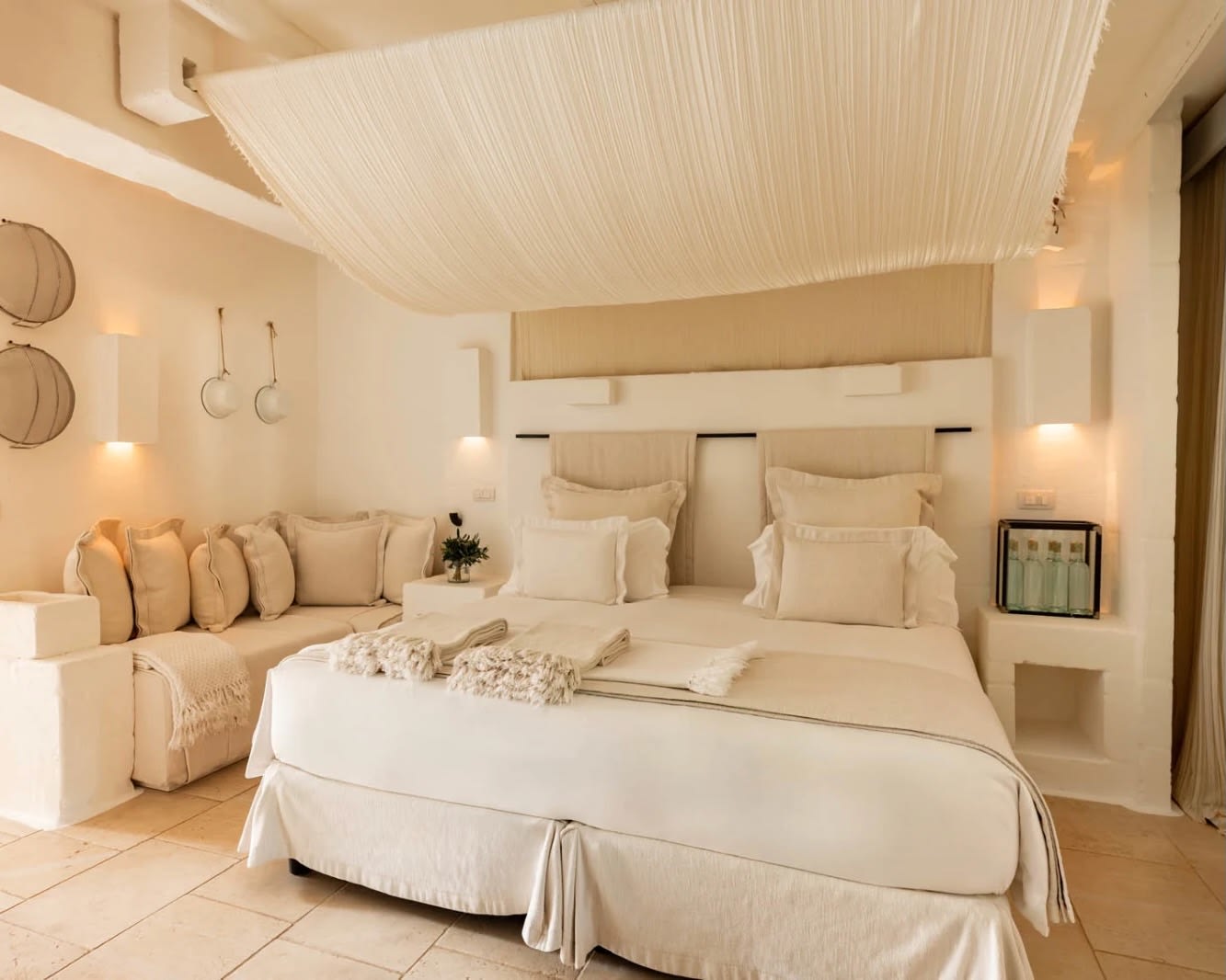
Image courtesy of Borgo Egnazia
The heel of Italy’s boot delivers the same pleasures as the Amalfi Coast—sun, sea, and excellent seafood—with considerably more breathing room.
The daytime hangs: On the Ionian Sea, Gallipoli pairs a baroque old town with the beach clubs of Baia Verde. On the Adriatic side, the ancient walled city of Otranto is quieter still, with emerald and turquoise water that rivals anything to the north. Cala dell’Acquaviva—a small rocky cove on the eastern coast between Santa Cesarea Terme and Tricase. The water, fed by both salt and spring water, is strikingly fresh. Baia Verde broadly skews young and party-focused—beach clubs, DJ sets, aperitivo crowds that stay well into the evening. G Beach is the quieter, more upscale counterpoint, set inside the Punta della Suina natural park and catering to a more discerning crowd looking for exclusivity rather than a scene.
The must-visit shops: Wander the old-town streets of Lecce, the region’s baroque capital, to peruse the shelves of its ateliers and independent boutiques. Ninaleuca is the standout for hand-embroidered garments made right in their Lecce atelier, each piece inspired by local folk patterns. Liberrima is part indie bookshop, part Apulian wine and food shop, stocking olive oil and orecchiette that make excellent gifts.
The essential dinner spots: In Gallipoli, Trattoria La Puritate is the seafood institution worth knowing. Order the crudo di mare to start, then the linguine with small prawns and cherry tomatoes, and don’t leave without the theatrical gamberoni al sale. In Otranto, LaltroBaffo builds its seasonal menu around local ingredients: marinated anchovies with almond pesto, sea urchin spaghetti, and a wine list that takes the region seriously.
The places to stay: Built to look like a traditional Puglian village, Borgo Egnazia runs a seamless beach club shuttle that turns the transfer into part of the ritual: alfresco terraces, slow lunches, rosé in hand. For the full masseria experience, Masseria San Domenico’s 15th-century farmhouse sits buried in ancient olive groves with a thalassotherapy spa and private beach five minutes away. Canne Bianche takes the whitewashed aesthetic in a more contemporary direction.
SPAIN
Now: Ibiza
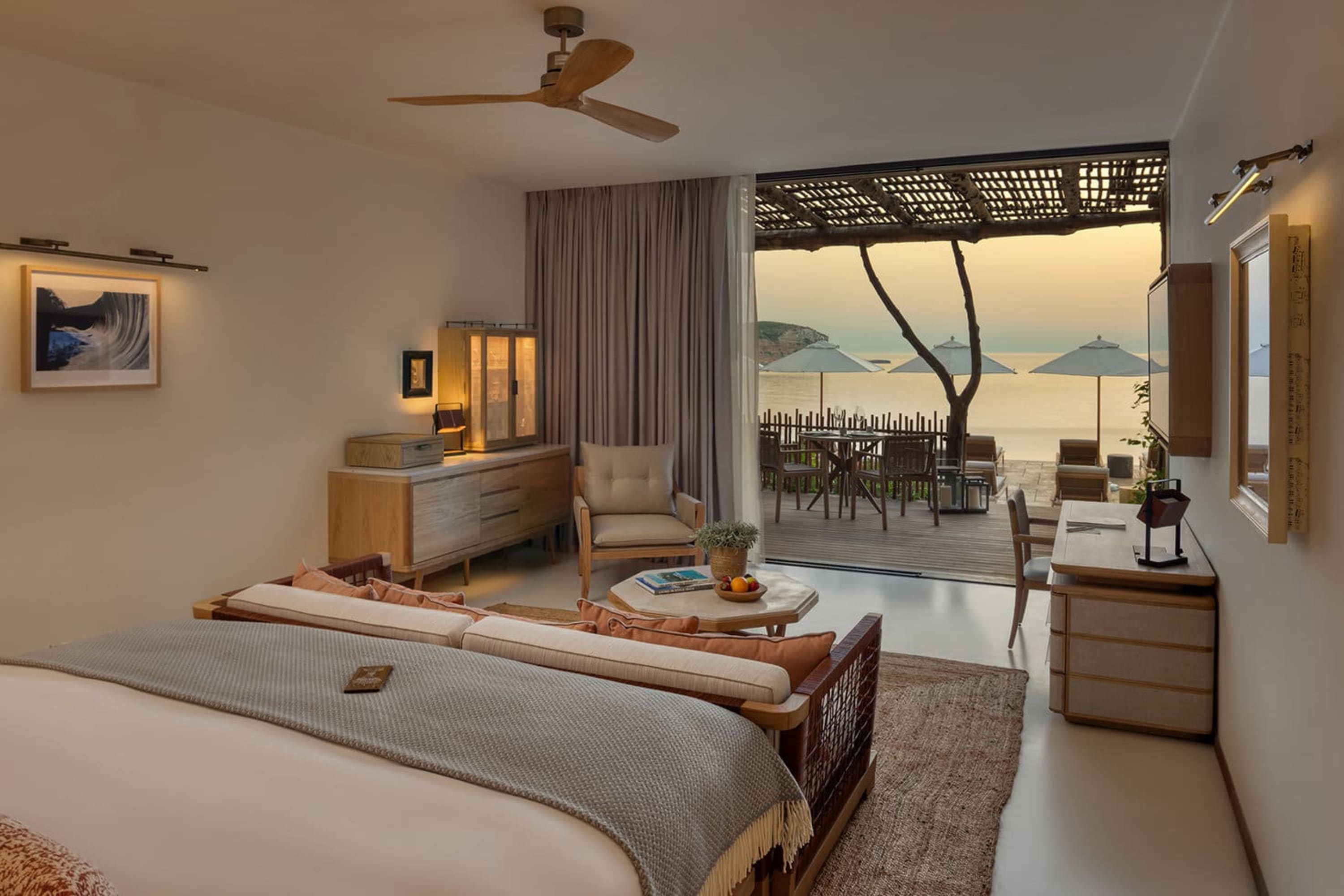
Image courtesy of Six Senses Ibiza
Europe’s marquee party island contains more than makes the headlines: world-class clubs in the south, design-forward calm in the north.
The daytime hangs: In the south, Playa d’en Bossa and Ibiza Town remain the centers of gravity for the island’s legendary nightlife. Ushuaïa and Hï attract international crowds for their electric energy and lineups of celebrated DJs. At Blue Marlin Ibiza, the yachts dock and the DJs start by noon; deep house music builds until the whole beach is moving. The north, by contrast, has settled into a more design-forward, low-key scene. Every Sunday, Cala Benirrás welcomes drummers for a sunset ritual set against a backdrop of pines.
The must-visit shops: The fluid prints and a sun-faded palette of garments at Paula’s Ibiza have come to define the island at its most effortless. In the old town, Rialto Living fills a 19th-century building with ceramics, textiles, perfume, books, and clothing arranged like a well-edited apartment. Out in San Carlos, local artisans and food vendors come together at the Saturday market at Las Dalias, an open-air warren that’s been shaping the island’s style since the 1950s.
The essential dinner spots: Los Enamorados, a 200-year-old finca in Portinatx, strings lanterns across its terrace and sends out charred flatbreads, slow-cooked tagines, and other Ibicencan staples infused with North African flavors. In Sant Llorenç, La Paloma’s jasmine-draped garden has been fueling the island’s creative set for years with its organic, wood-fired menu. On the east coast, El Bigotes has been serving essentially one thing since the 1970s: bullit de peix, a slow-cooked Ibizan fish stew that’s reason enough to secure a reservation.
The places to stay: Trade proximity to the clubs for the space and calmer pace of Six Senses Ibiza. Its robust wellness program, biodynamic farm, and holistic spa make it one of the island’s most intentional resorts. The bohemian Nômade Temple Ibiza runs on spiritual energy and also sits well outside the main nightlife circuit. Closer to Ibiza Town, on a sandy stretch of Talamanca Bay, Nobu Hotel Ibiza Bay shines with its signature restaurant and a social scene that thrums with round-the-clock energy.
Next: Formentera
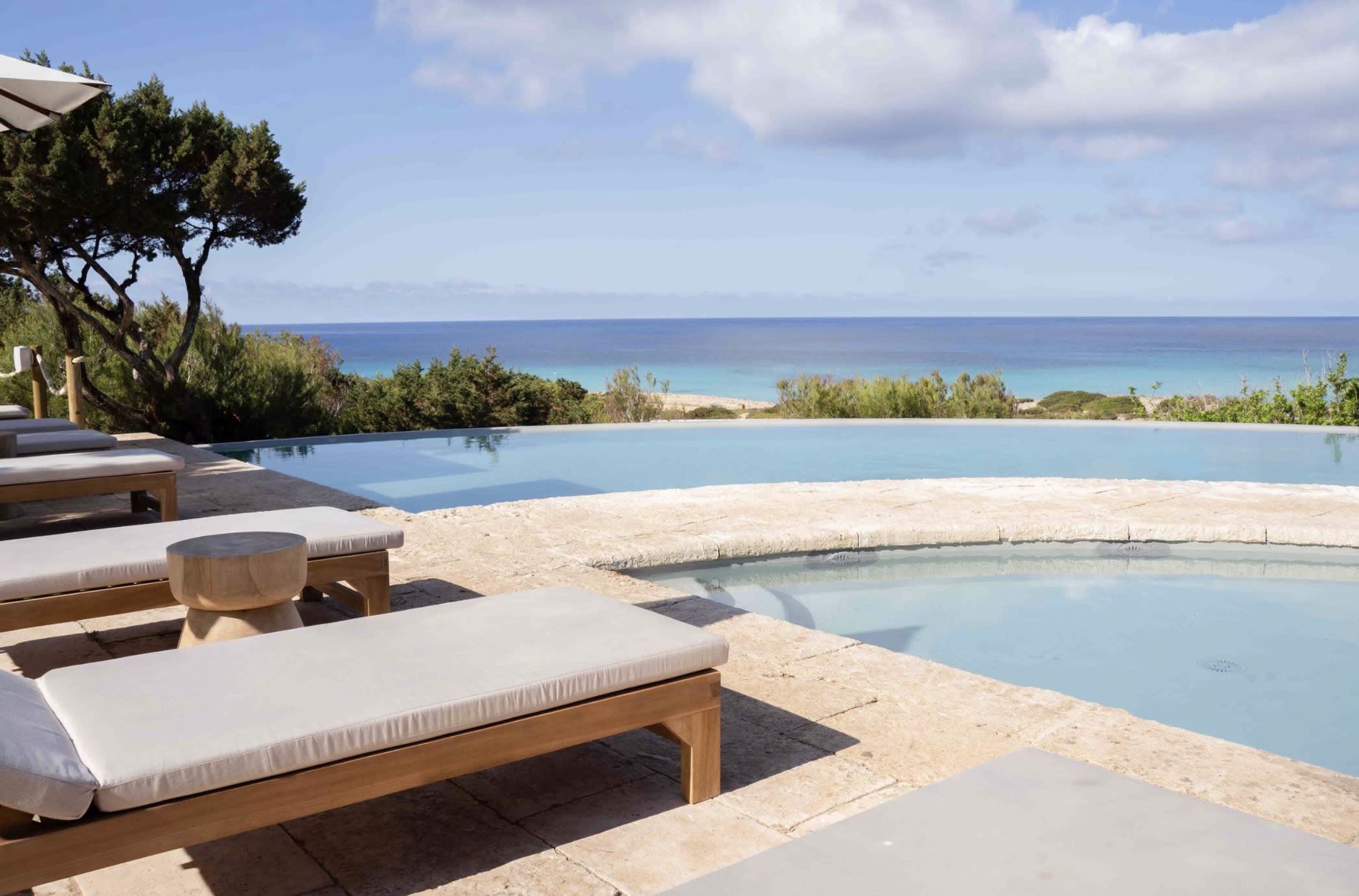
Courtesy of Dunas de Formentera
Ibiza’s smaller, flatter neighbor trades the mega-clubs for sandbars, leisurely lunches, and an unhurried pace that’s becoming harder to find anywhere else in the Med.
The daytime hangs: At the island’s northern tip, Ses Illetes captivates with impossibly clear water, white sand, and the kind of stillness that Ibiza stopped offering years ago. Beso Beach is the move for a solid food program and a crowd that skews more relaxed-chic than all-out. Cocooned in a sheltered cove on the west coast, Cala Saona turns pink in the late afternoon light—its small beach bar serving the right wine at the right hour. Take advantage of the gentle, pine-shaded paths and rent a bike to experience a quintessential Formentera afternoon.
The must-visit shops: Shopping here is deliberately limited, but Sant Francesc Xavier’s main street has a handful of artisan jewelers and small boutiques selling locally made pieces and natural-material textiles. The weekly market at Es Pujols hosts makers showing off their ceramics and handwoven goods.
The essential dinner spots: Perched at the edge of Platja Illetes, Juan y Andrea operates with feet-in-the-sand informality and serves a grilled catch and lobster rice that has regulars returning year after year. Sant Ferran institution Fonda Pepe is a simple bar-restaurant terrace where the hierbas ibicencas flows and the local crowd has been gathering for decades.
The places to stay: Two of the island’s most considered resorts sit on Platja de Migjorn, Formentera’s longest and least-hurried stretch of sand. Gecko Hotel & Beach Club reflects its setting with 27 rooms finished in raw stone, natural timber, and woven textures, plus a beach club that channels the island’s tempo. The eco-luxe Dunas de Formentera is a bit bigger at 45 rooms, but there’s still a sense of calm that lends itself to sunset walks and slow meals in the open-air restaurant.
FRANCE
Now: St. Tropez
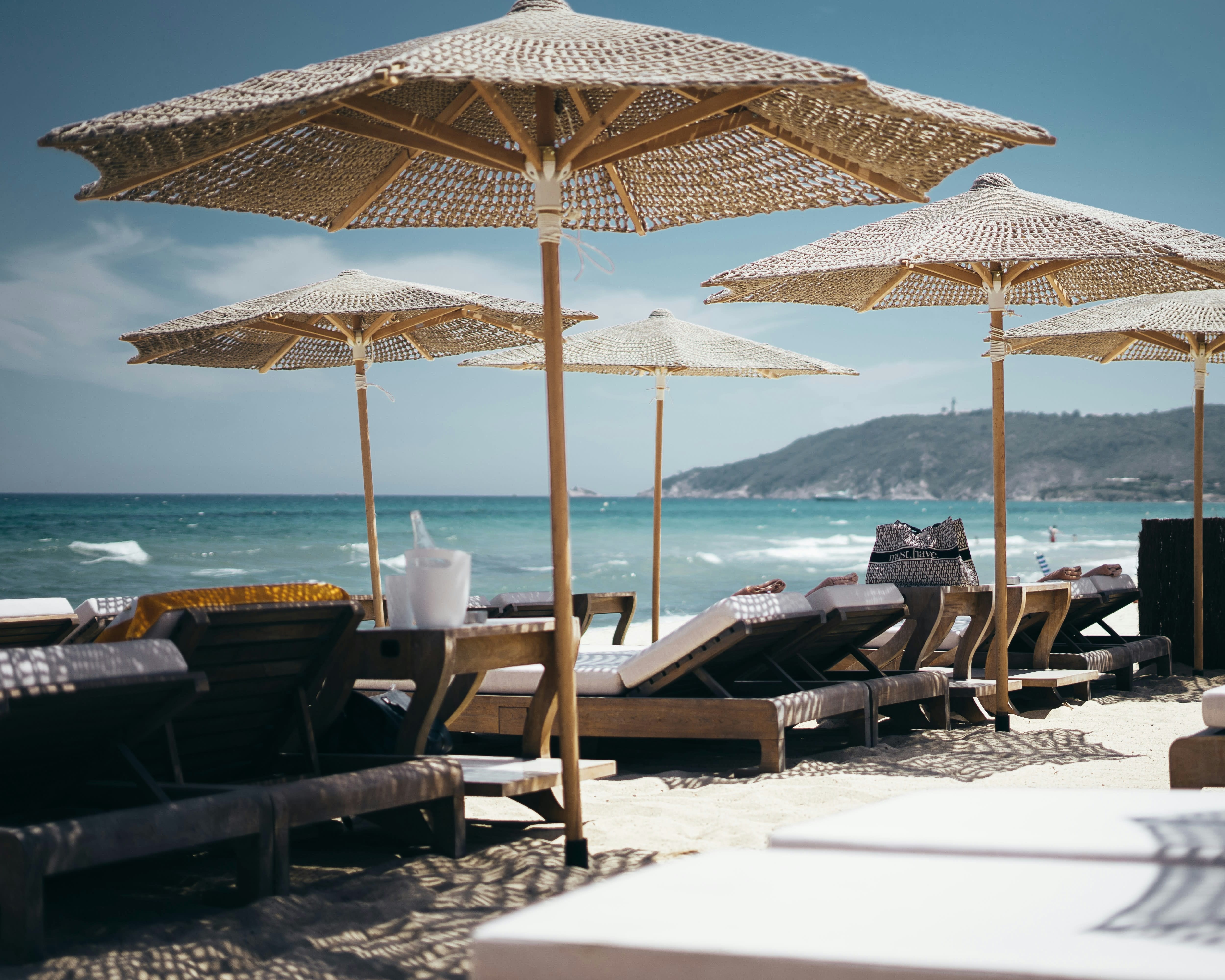
The Pampelonne Beach action dictates the summer social calendar in this French Riviera town, so the key is to decide on your preferred beach club early and ensure your spot.
The daytime hangs: Founded in 1955, Club 55 sets the benchmark for long lunches of grilled fish and rosé. Nikki Beach skews younger and louder, with DJs and champagne parades. Shellona strikes a balance between the two. For a more subdued outing, pop into Musée de l’Annonciade, a 16th-century chapel converted into a museum holding an exceptional collection of Post-Impressionist and Fauvist work, or spend a morning browsing antiques and other wares at the twice-weekly Place des Lices.
The must-visit shops: St. Tropez’s original sandalmaker K Jacques counts Pablo Picasso and Brigitte Bardot among its clientele, and swim brand Vilebrequin, which got its start here in the 1970s, still maintains its original boutique. The covered market of Galeries Tropéziennes has a trove of Provençal ceramics, linen tablecloths, regional soaps, and lavender products from local vendors worth scoping out.
The essential dinner spots: Beach clubs double as the dinner scene, but when it’s time for a change of pace, consider Arnaud Donckele’s three-Michelin-star kitchen at La Vague d’Or, which builds seasonal menus from Provençal produce and local fish, or Salama, an understated Moroccan spot for tagines and bastilla.
The places to stay: A cluster of former fishermen’s houses on the old port, Hotel La Ponche has been the bohemian antidote to St. Tropez’s glitter since Picasso was a regular at the bar. Inside a converted 18th-century mansion in the old town’s back streets, the Hôtel Villa Cosy is all about discretion, with a private garden and individual terraces for each of its 25 rooms.
Next: Biarritz
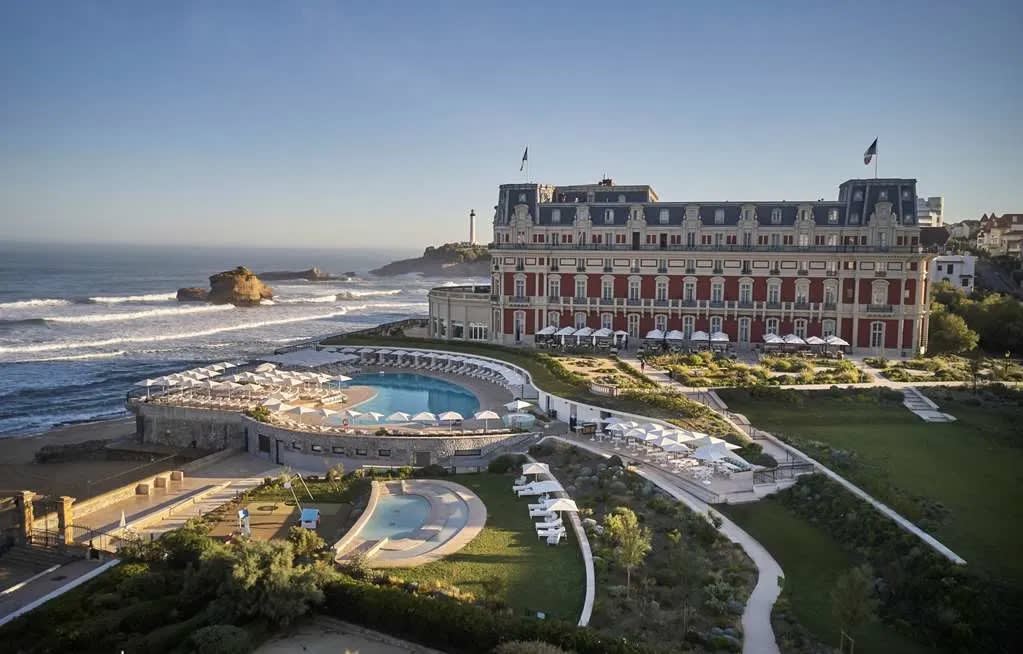
Courtesy of Hôtel du Palais Biarritz, The Unbound Collection by Hyatt
This town on the Atlantic coast embraces its layered identity, blending Belle Époque elegance and imperial history with an unpretentious surf culture and a Basque culinary scene that holds its own.
The daytime hangs: “Biarritz doesn’t have beach clubs in the same way as St. Tropez or Mykonos,” explains French native and Fora Advisor Celine Raymond-Kubler. “Instead, everyone gravitates to La Grande Plage, where you’ll find a kids’ club, surf shops, and the city’s iconic colourful striped tents available to rent—perfect for giving families some much-needed shade. For a buzzier atmosphere, head 15 minutes down the coast to Blue Cargo on Plage d’Ilbarritz. Fresh bites by day give way to a bar and dancefloor after sunset.” Above all, Biarritz is a stylish surf town. “That heritage is woven into
everyday life, from the surf shops lining the promenade to the world-class competitions held on La Grande Plage each summer.” Spend time at La Côte des Basques to see where European surf culture took root.
The must-visit shops: “Halles de Biarritz, the town’s vibrant covered market, is packed with local charcuterie, cheese, and fresh seafood,” says Celine. “It’s the true pulse of Basque food culture.” Maison Adam is the definitive place to try a traditional gâteau Basque and the region’s original macarons.
The essential eats: Celine’s insider pick for seafood is Le Korner by Laminak. “The cozy side-market spot is famed for its extraordinary mussels, scallops, and ethereal sauces. It’s well worth the queue!” Bar Mada is a tiny, buzzy neighborhood gem for inventive French-Italian cooking and a brilliantly curated wine list, and for a special evening, AHPÉ offers a seasonal tasting menu with exceptional value.
The place to stay: “Originally built by Napoleon III for Empress Eugénie, the Hôtel du Palais Biarritz is a true grand palace right on the seafront,” says Celine. “It’s a dramatic setting, and the brasserie terrace at sunset is a highlight in its own right.”
PORTUGAL
Now: The Algarve
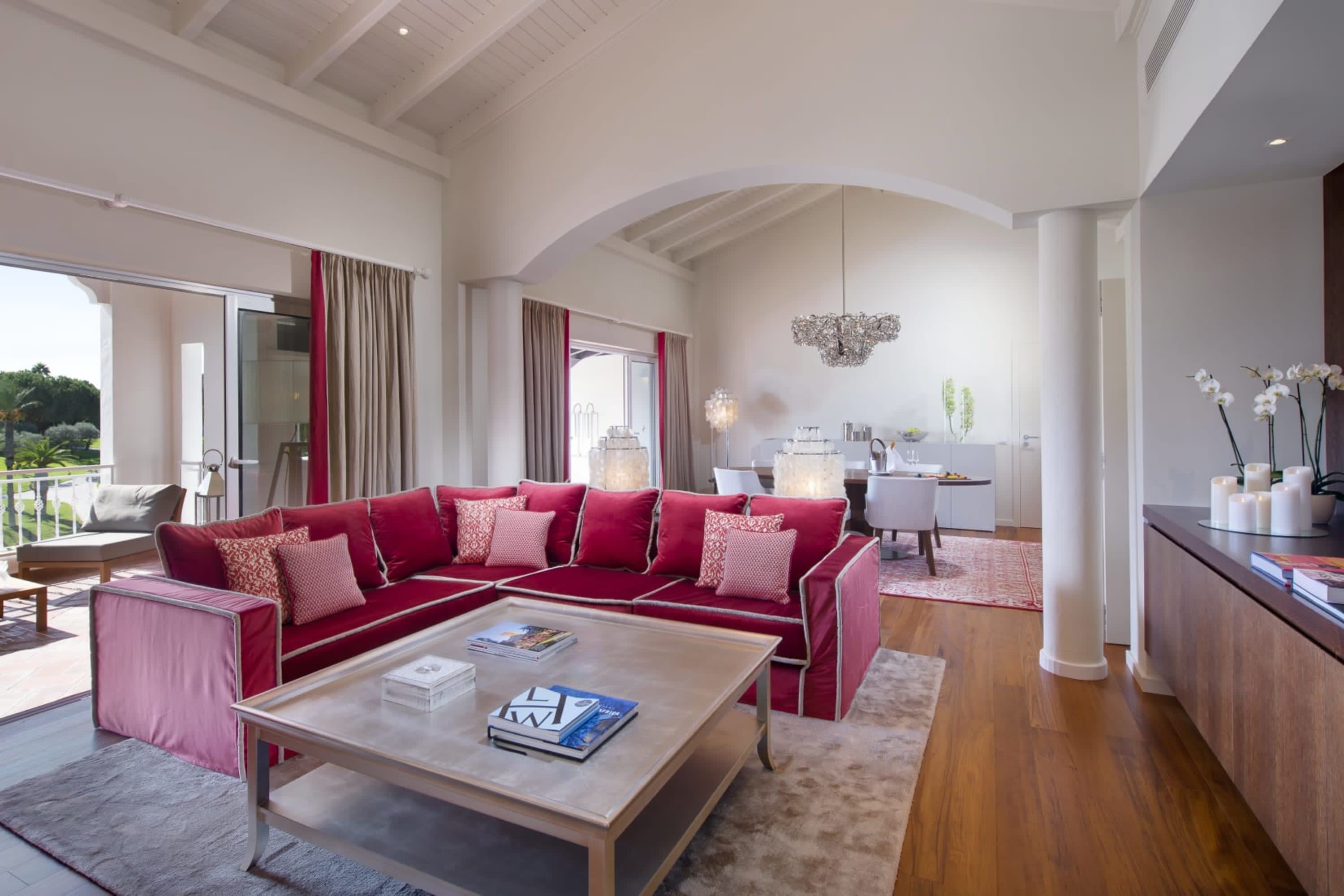
Image courtesy of Vila Vita Parc Resort & Spa
Portugal’s southernmost coast divides neatly in two: the wild western cape, where the Atlantic hits hardest, and the quieter eastern stretch of estuaries, river towns, and salt marshes.
The daytime hangs: The limestone formations, sea arches, and grottos of Praia da Marinha deliver some of the coast’s most dramatic scenery—no sun loungers, no infrastructure, just one of Europe’s most naturally spectacular stretches of sand. At Vilamoura marina, Purobeach runs a polished beach club operation with a pool, DJs, and Mediterranean food that keeps the afternoon moving well into the evening. In Vale do Lobo, WELL Beach Club is home to stellar sushi, a massive pool, and platform beds that provide unobstructed Atlantic views. Duna Beach Club sits in the dunes of Lagos Bay on Meia Praia, with 120 traditional Algarve sun shades along the beachfront and jet skis and paddle boats on the water for anyone who gets antsy staying horizontal.
The must-visit shops: On the road between Albufeira and Lagos, you can buy artfully made majolica pieces from Porches Pottery. (The hand-painted blue-and-white ceramic pieces are the kind of purchase that actually survives the trip home.) In Loule, the 1908 Moorish Revival market hall fills on Saturday mornings with vendors selling regional produce, dried figs, carob, spices, and handmade goods.
The essential dinner spots: Seasonality drives the region’s culinary scene at every level. The menu at family-run Noélia & Jerónimo depends entirely on the morning catch, which makes it a favorite among local chefs. In Almancil, Austa pairs dishes like salt-baked vegetables and copper-grilled fish with small-batch Atlantic ingredients. In Faro’s old town, ATO’s chef Sean Marsh riffs on what nearby producers bring in—perhaps bluefin tuna crudo one day, slow-cooked pork with local greens the next. And at Al Sud above Lagos, Louis Anjos translates the Sagres auction into tasting menus that might move from raw red prawns to delicately poached grouper.
The places to stay: Positioned walking distance from Tavira’s covered market and the Roman bridge, Palácio de Tavira is a baroque palace with 36 rooms and an azulejo-tiled courtyard. Vila Vita Parc stretches across 170 acres of cliffside gardens above a private beach, with enough amenities (multiple pools, a full spa, and the two-Michelin-star Ocean) on property to occupy a full week.
Next: Comporta
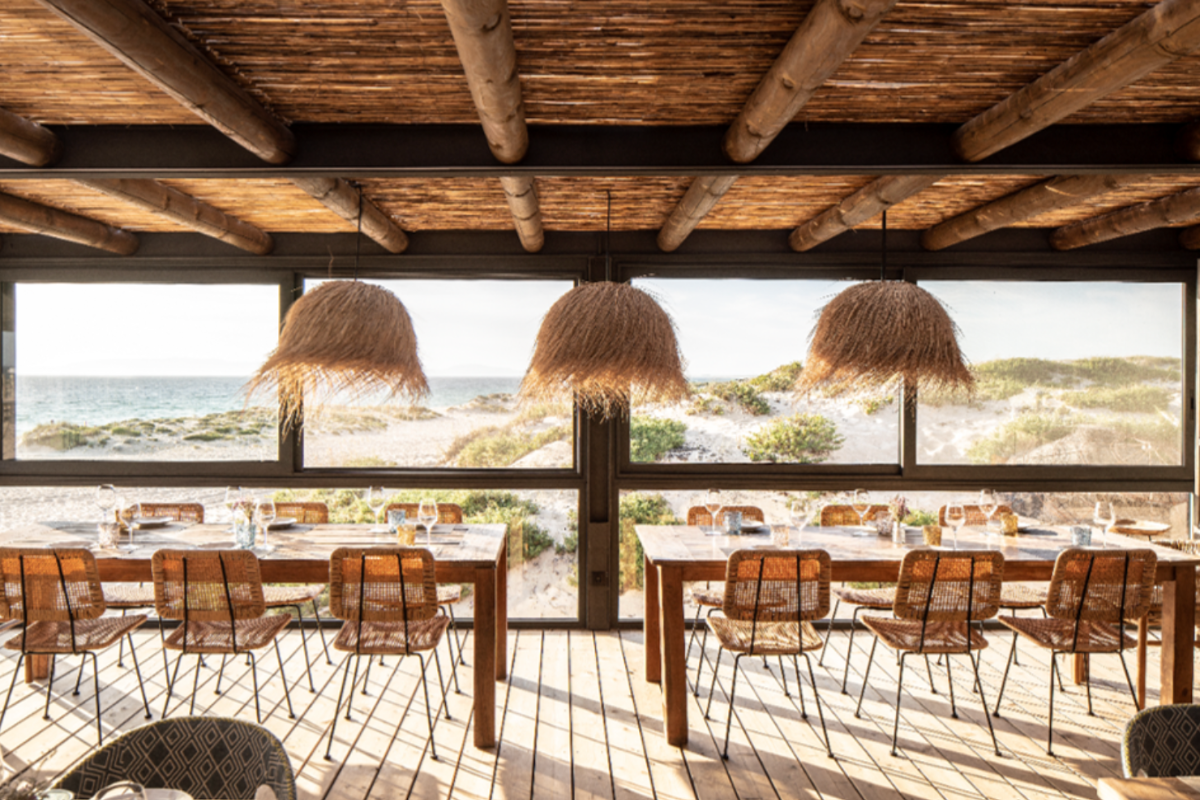
Image courtesy of Sublime Comporta
An hour south of Lisbon, this European version of the Hamptons is where Lisbon’s creative set has convened for years. And while the secret is out, the easygoing atmosphere that started it all remains intact.
The daytime hangs: Run by a collective from Lisbon’s art and fashion worlds, Água Qlub fosters a contemporary-cool atmosphere with its rotating cultural program and a crowd that looks like they’re simultaneously on holiday and plotting their next creative endeavor. Simple beach bars and surf schools make Praia de Comporta the choice spot for locals and travelers seeking a laid-back but lively atmosphere. At golden hour, Cavalos na Areia’s beachside horseback rides become the ritual Comporta’s most devoted visitors treat as non-negotiable.
The must-visit shops: Comporta’s shopping scene is as considered as it is distinctive. Rice, Portuguese designer Marta Mantero’s atelier, offers a refined mix of ceramics, textiles, homewares, and one-of-a-kind decorative pieces inspired by the surrounding rice fields. Each summer, Casa da Cultura transforms a former rice barn into a rotating gallery-market spotlighting emerging Portuguese designers across fashion, accessories, art, and craft. Lavanda completes the trio with handmade linens, baskets, and furniture, shaped by its founder’s enduring love affair with the region.
The essential dinner spots: Locals and Lisbon weekenders turn to Comporta Café for reliably good Portuguese cooking. Among the newer arrivals, Musgo has quickly become a favorite for natural wines and wood-fire cooking in a spare but beautiful room. On the fine-dining end of the spectrum, Cavalariça impresses with both its cooking (creative small plates) and setting (a refurbished horse stable in the village).
The places to stay: Architect Miguel Câncio Martins designed Quinta da Comporta around an original terracotta grain-store courtyard in Carvalhal. Rooms in the whitewashed buildings offer rice-field rooftop views, and a spa of reclaimed timber specializes in rice-inspired treatments. Another atmospheric option: the Patrícia Urquiola-designed Sublime Comporta. Private plunge pools, a spa, and organic gardens that supply the Torre restaurant on the grounds keep the days pleasantly self-contained.
THE BALKANS
Now: Dubrovnik
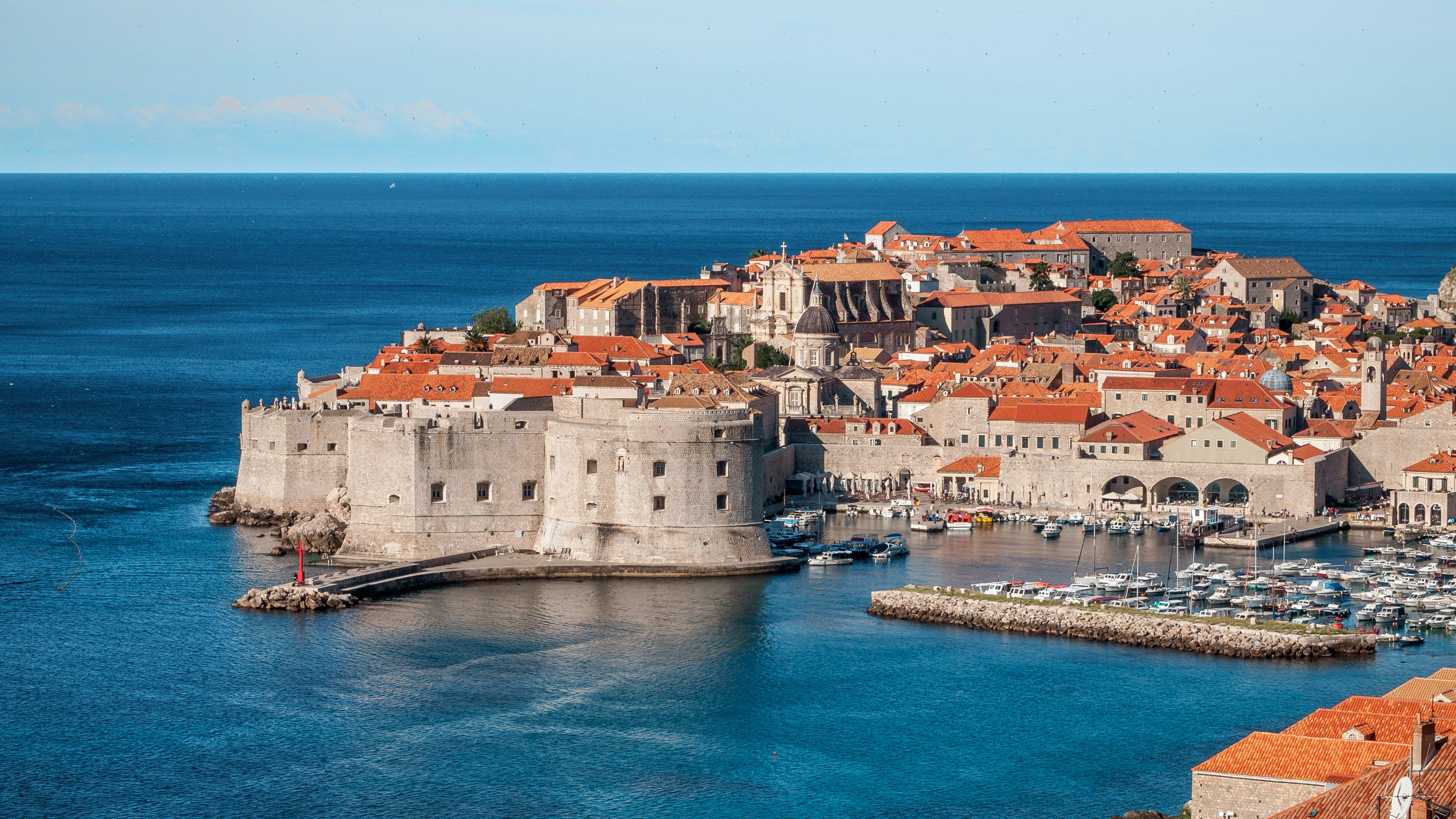
The best version of this city belongs to early risers who appreciate the quiet stone alleys, soft morning light, and the medieval old town before the cruise ships arrive.
The daytime hangs: The Elafiti Islands are the easiest escape — a short boat ride from the harbor. Lopud is the most appealing for a day trip, with a sandy beach (rare for this stretch of coastline) and a handful of low-key restaurants.
The must-visit shops: Dubrovnik’s old town holds an unexpected concentration of centuries-old shops and boutiques selling goods with hyperlocal provenance. The Franciscan Monastery Pharmacy has been dispensing handmade herbal creams, rose oil, and lavender water from its own formulas since 1317. At Croata, the silk neckties come with a history lesson: Croatia invented the cravat in the 17th century, and the name stuck across every European language. Uje Oil Bar packs Croatian olive oil, honey, and regional products into a well-designed old-town space. Medusa, a long-running jewelry atelier in the old town, makes contemporary pieces with a strong Dalmatian sensibility.
The essential dinner spots: On a terrace built directly into the city walls, 360° pairs modern European food with harbor views and one of Croatia’s deepest wine lists. On the Stradun, Proto is a local go-to for fresh, simply prepared Adriatic seafood. Kopun, on the quiet square of Gunduličeva Poljana, goes furthest into local heritage cooking, adapting recipe books of the old Dubrovnik Republic.
The places to stay: Close enough to reach the old town by water taxi, far enough to leave it behind, Villa Dubrovnik is a stylish base with 56 terraced rooms and direct sea access. Hotel Excelsior, located along the waterfront and a short walk from the Pile Gate, is known for the kind of attentive, old-world service that earns repeat visits.
Next: Bay of Kotor, Montenegro
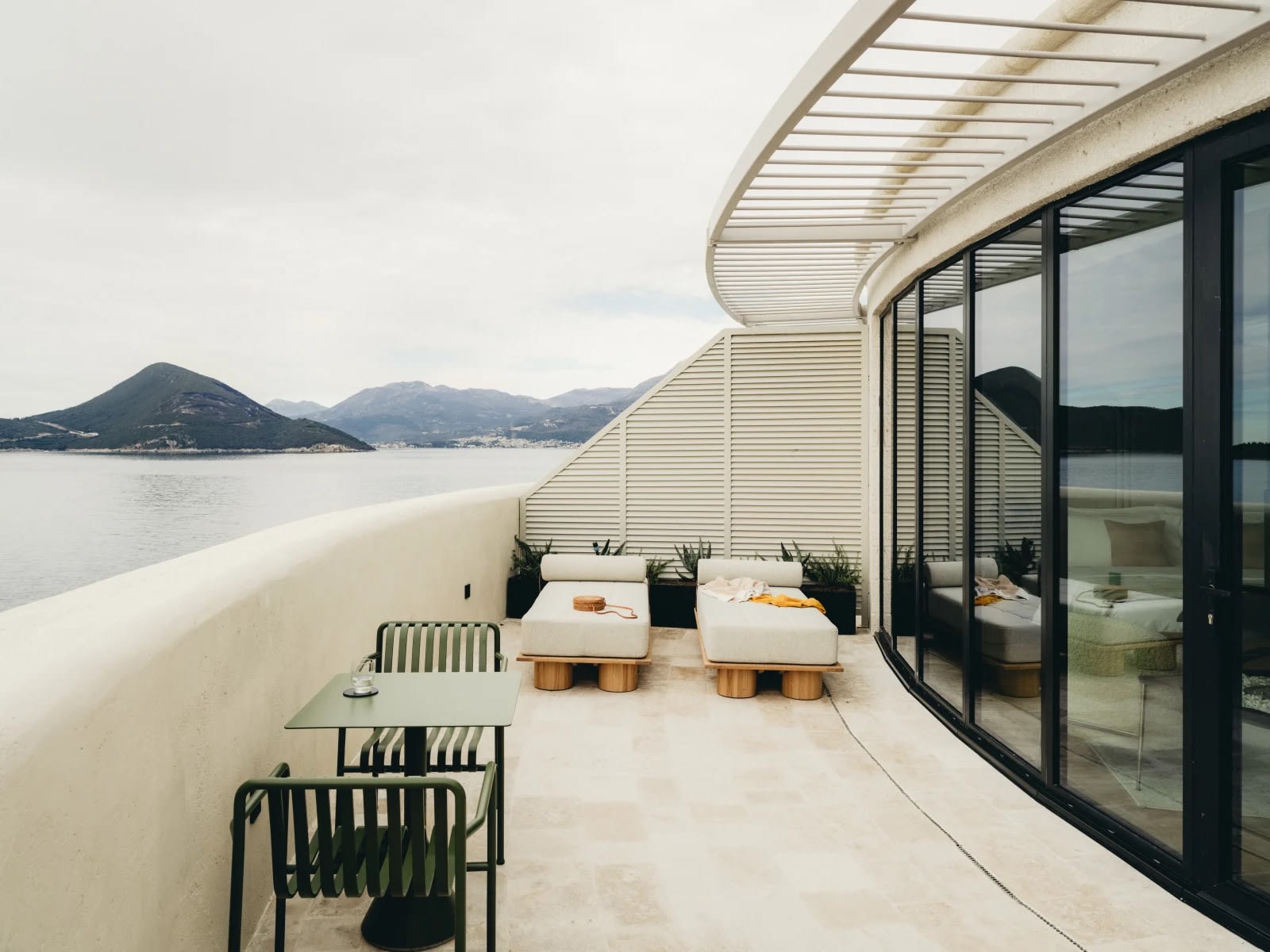
Courtesy of Mamula Island by Banyan Tree
Further down the coast, a fjord-like setting and medieval towns deliver similar drama with far less competition for a quiet spot on the water.
The daytime hangs: Kotor and Perast are built for the slow, steady exploration of their fortified walls, Venetian-era churches, and remarkably clear water. For a swim, Žanjice Beach on the Lustica Peninsula is the most secluded stretch near Kotor—only accessible by boat, but worth the effort. Just north of the city, the aristocratic village of Dobrota lines the shore with baroque palaces where locals have been swimming from stone jetties beneath the mountains for centuries.
The must-visit shops: The lanes off Kotor’s main square still hold a handful of silver filigree ateliers where the craft—practiced here for centuries—is still made by hand. Several small wine shops carry Vranac, Montenegro’s indigenous red grape; take home a bottle of Plantaže. For a more unexpected souvenir, duck into one of the antique dealers in the old town to leaf through maps and engravings of the bay.
The essential dinner spots: Oysters have been cultivated in these waters since the 15th century. At Ljuta, a few producers still serve them directly at the water’s edge, with local wine and the mountains behind you. Galion sits on the waterfront, just outside Kotor’s city walls, and its Adriatic fish is one of the city’s most reliably excellent dinners. In an old mill at the water’s edge near Morinj, Catovica Mlini serves rustic Montenegrin cooking — the sort of place that circulates by word of mouth and rewards the effort of finding it.
The places to stay: Flanked by water on all sides, Mamula Island by Banyan Tree converts an 1853 Austro-Hungarian island fortress at the mouth of the bay into 57 contemporary suites. The Hyatt Regency Kotor Bay delivers a more conventional resort experience—waterfront position, panoramic bay views, multiple pools—for those who want the setting without a boat ride.