





Curator’s statement
Paris is far more accessible than its reputation suggests. Since the 2024 Olympics and Paralympics, the city has invested significantly in its infrastructure, and today, the flat streets around the Louvre, the smooth Seine riverbanks, the grand Champs-Élysées, and much of the Marais are rollable, navigable, and beautiful. I’ve planned month-long stays for couples, honeymoons, and multi-generational family trips here, and I know that once we choose the right hotel location, Paris stops feeling like a logistics problem and starts feeling like exactly the holiday you came for. The Eiffel Tower, the Louvre, and a cruise on the Seine all await you!
The Fora Difference
Book with Radiant Routes to access exclusive perks and experiences on your trip.

Killer perks
Free upgrades, spa credits and more—we got you

Personalized recs
Customized travel planning for your style

Insider knowledge
Expert advice from people who’ve actually been there
Where to stay
Unlock perks by contacting Radiant Routes to book your trip.
Day 1: Bonjour! Parisian arrival on the Seine
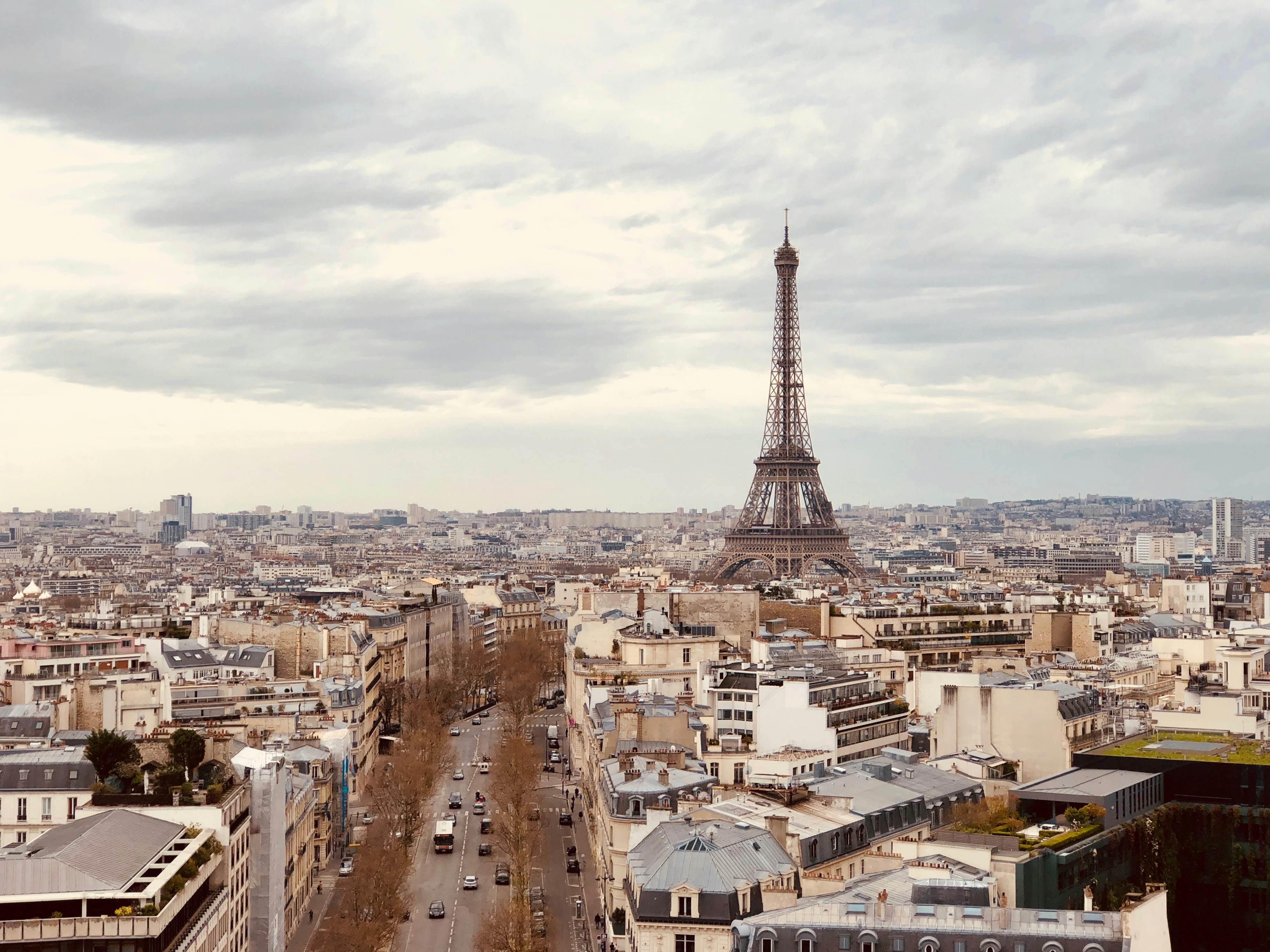
From Charles de Gaulle Airport, you’ll be transferred to the city of lights by an accessible shuttle service. Check into your accessible room, unpack, and then take your first evening slowly: walk the Rue de Rivoli west toward the Place de la Concorde as the light drops, turn south to the Seine, and find a riverside spot to enjoy the view. The river at dusk, with the bridges lit and the Bateaux Mouches sliding past, is as Parisian as anything in the guidebooks. Stop for a glass of wine at a local bistro before settling in for the night.
Day 2: Explore Paris with a guided tour
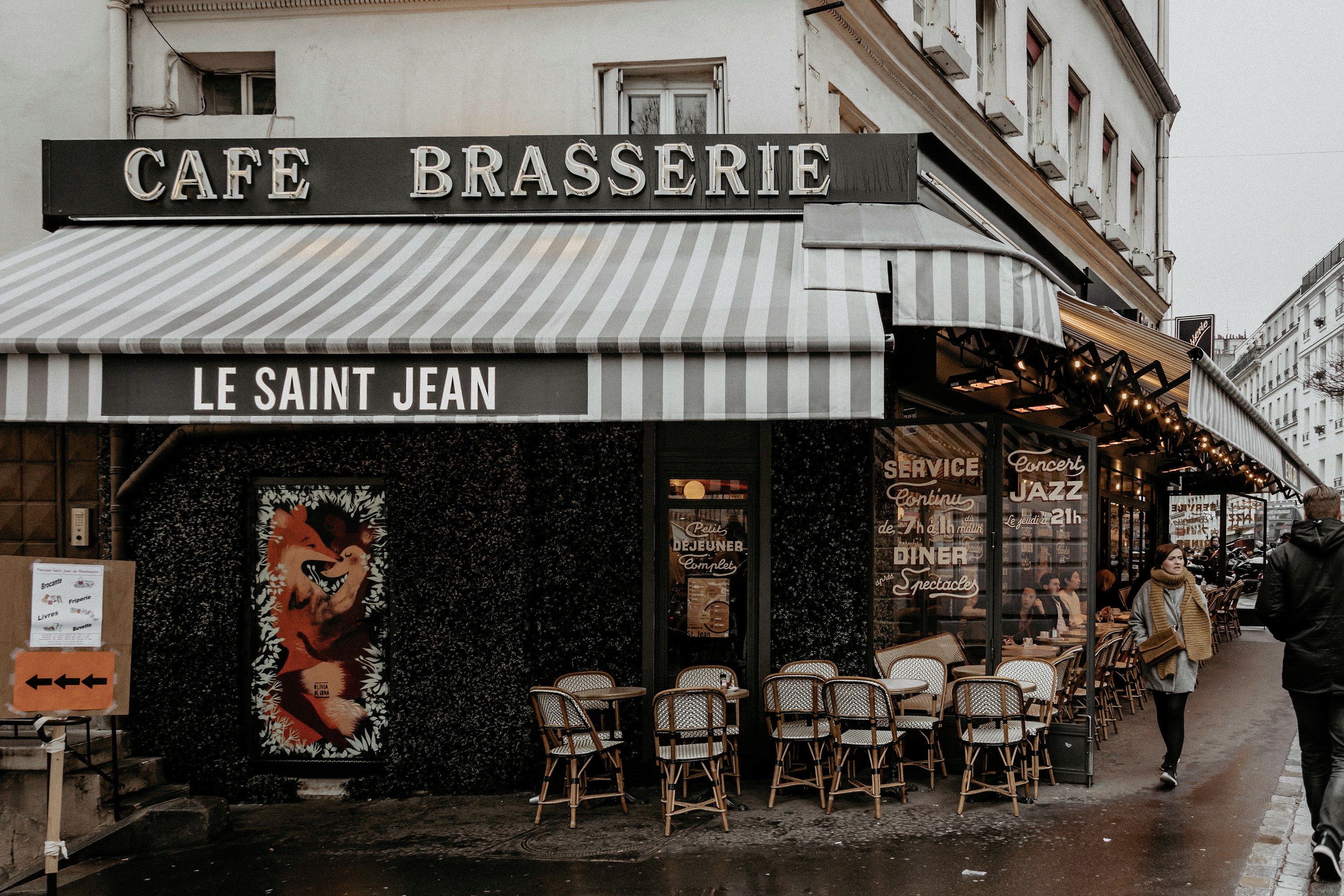
There is no better way to see Paris than through a guided tour. You’ll start the day on a wheelchair-accessible tour taking you through the historic centre, past iconic landmarks, and uncovering hidden gems along the way. You’ll leave knowing where everything is, which streets are smooth, which corners to avoid, and exactly how the city is laid out. On the way back, stop at any boulangerie you pass and pick up a croissant. In Paris, almost every croissant is the best croissant you’ve ever had. That evening, make your way to Le Reflet in the Latin Quarter through private transfer. This warm, welcoming neighbourhood restaurant has step-free access and the most delicious French cooking. Order the plat du jour, take your time, and let the city settle around you.
Day 3: The Louvre, the Tuileries, and Notre-Dame
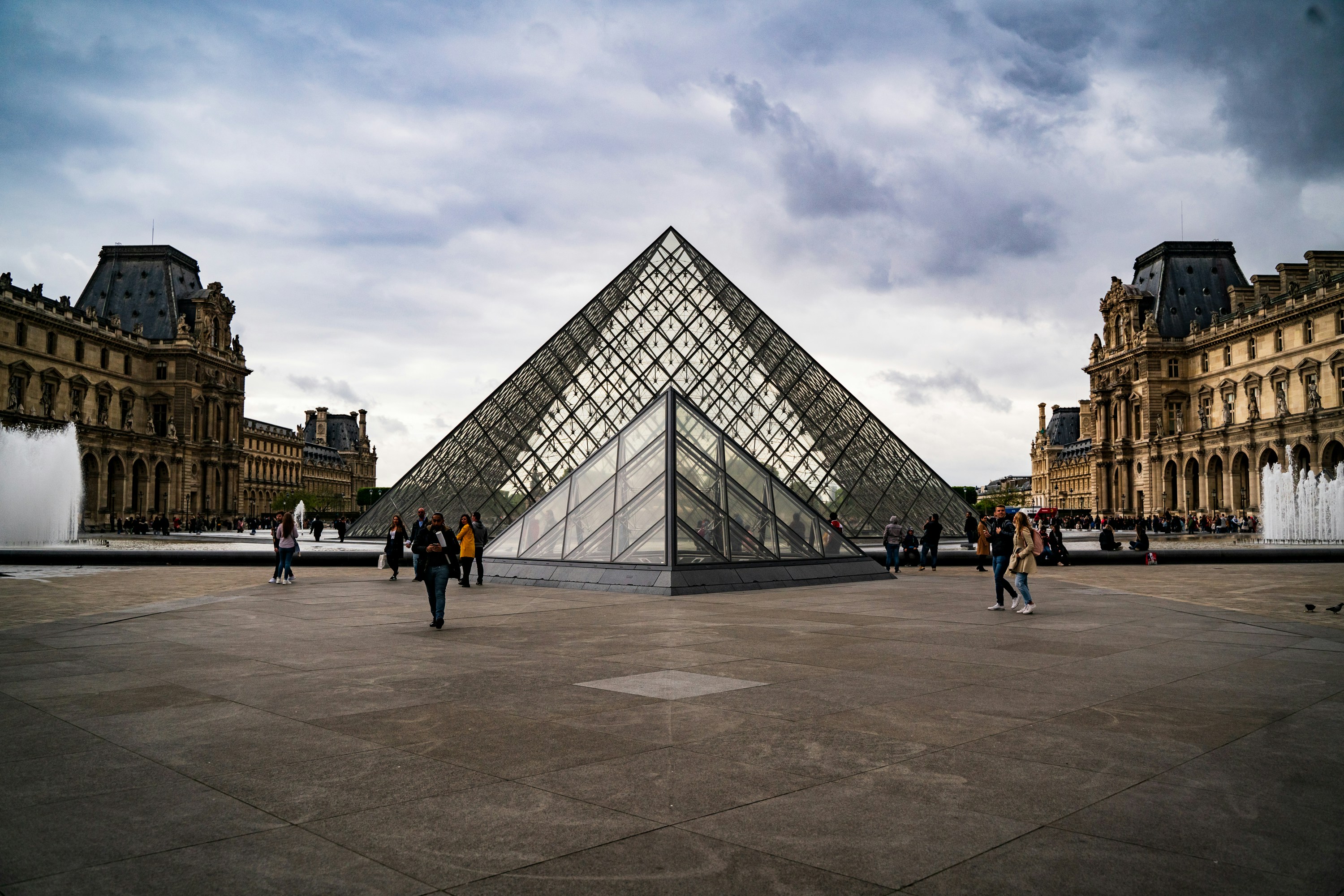
Head to the Louvre first thing. Little tip: pick up the accessibility map at the information desk. It shows all 18 lifts and 20 wheelchair platforms, covering around 95% of the permanent collection. Give yourself a generous morning here, then emerge into Jardin Des Tuileries, where the central gravel path is compacted and rollable. For lunch, double back toward Rue de Rivoli and try Café Marly, which sits inside the Louvre’s Richelieu wing with a step-free terrace looking out over the pyramid courtyard. In the afternoon, make your way to Notre Dame: the cathedral plaza and exterior are fully accessible as the restoration continues. Pick up something sweet from one of the bakeries on the Île de la Cité before you head back. The island has a handful of excellent patisseries tucked between the tourist shops, and they’re worth finding.
Day 4: Café culture, the Eiffel Tower, and the Seine at night
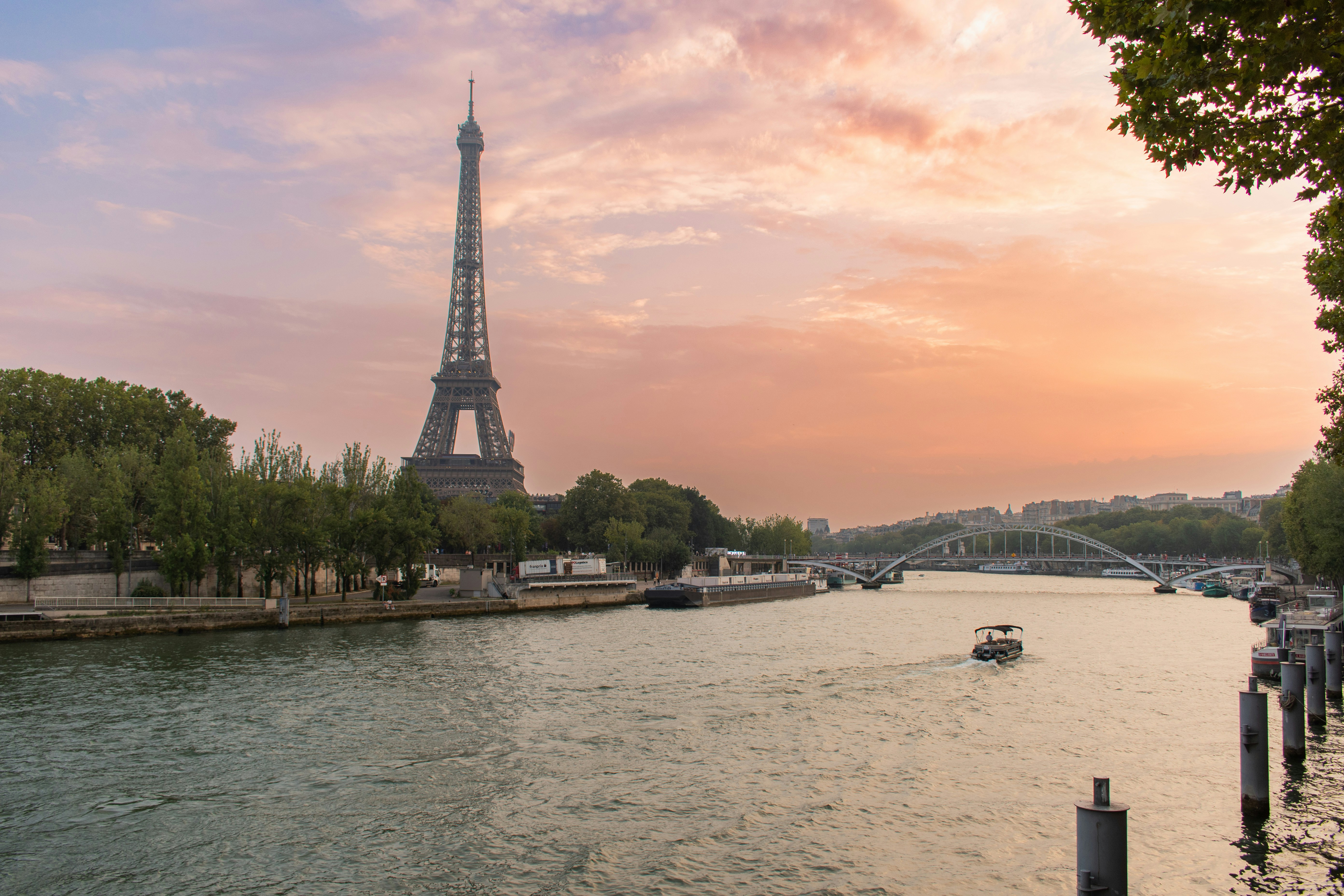
We've saved the best for last! Start the morning at a Left Bank café, choose a terrace, order a café crème and let the morning drift by. When you're ready, roll along the Seine to Shakespeare and Company, the legendary English-language bookshop on the Left Bank: the ground floor is step-free and beautifully chaotic, stacked floor to ceiling with secondhand and new books. From there, take an accessible taxi to the Eiffel Tower for your dinner reservation at dinner at Madame Brasserie, a restaurant on the first floor of the tower. Then board a river cruise on the Seine, the boats are fully ramped with dedicated wheelchair spaces, and watch the illuminated city slide past from the water. The bridges, the riverbanks, the monuments lit gold against the dark: it is, without question, the right way to end a Paris trip.
Day 5: Parisian farewell
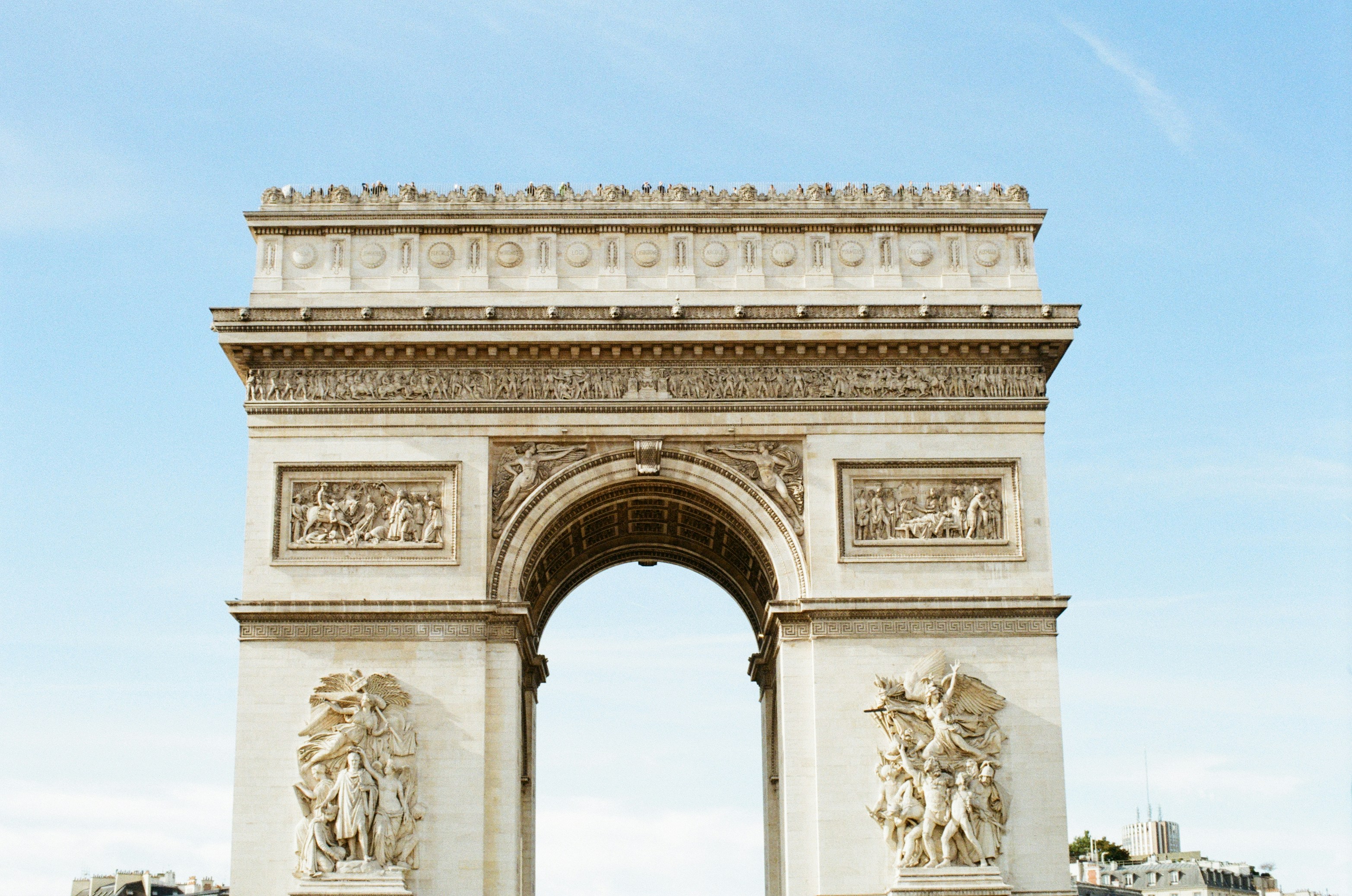
And just like that, it’s time to say au revoir! Your departure transfer is arranged, comfortable, and completely stress-free, so there’s nothing left to do but sit back, watch the city blur past the window one last time, and make absolutely sure you have a baguette for the journey.
Need to know
Metro Line 14 is your most reliable underground option, fully step-free at every stop, covering a useful central arc of the city. For everything else, use the Paris buses: all are ramp-equipped. For longer journeys, use G7 Horizon for their dedicated accessible taxi service. A note on cobblestones: they’re concentrated in the Latin Quarter, parts of Montmartre, and some of the smaller Marais lanes.
One practical detail that Paris gets right: the city’s automatic public toilets, sanisettes, are distributed throughout the city, free to use, and designed to be fully wheelchair accessible. Look for the green-and-grey freestanding units on major streets and near tourist sites. They self-clean between uses, they’re well-maintained, and knowing they’re there makes a day of exploring feel considerably more relaxed.


Travel Advisor
Radiant Routes


Jaimie Voss

Get in touch with Radiant Routes
Did you like this guide? Reach out to customize and book your own experience. Or, just to chat about travel in general.
For more travel inspiration and insider recommendations, check out our Paris page.