


Curator’s statement
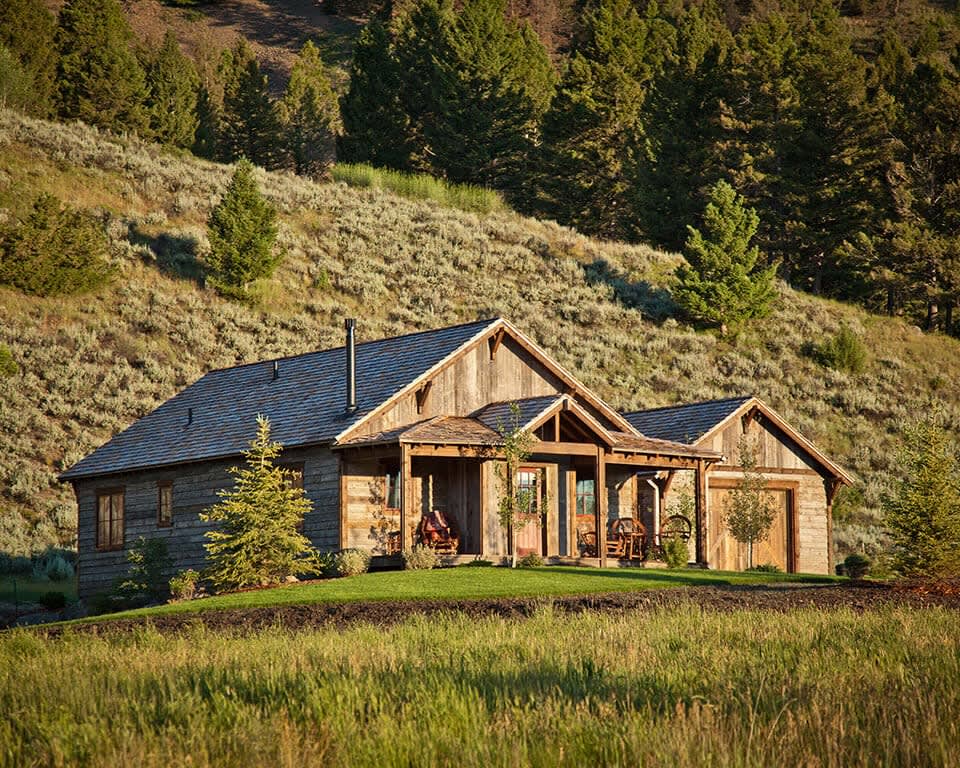
Spain is the perfect intersection of gastronomy, culture, and history. For spring breakers looking for the perfect week-long getaway, Madrid and Barcelona are the perfect place to go without feeling too overwhelmed. The weather is cool, but seeing these cities off-season has its own charm that is hard to find during the height of summer tourist season.
The Fora Difference
Book with The Travel Club to access exclusive perks and experiences on your trip.

Killer perks
Free upgrades, spa credits and more—we got you

Personalized recs
Customized travel planning for your style

Insider knowledge
Expert advice from people who’ve actually been there
Where to stay
Unlock perks by contacting The Travel Club to book your trip.
Day 1: Explore Gaudi and the Gothic Quarter
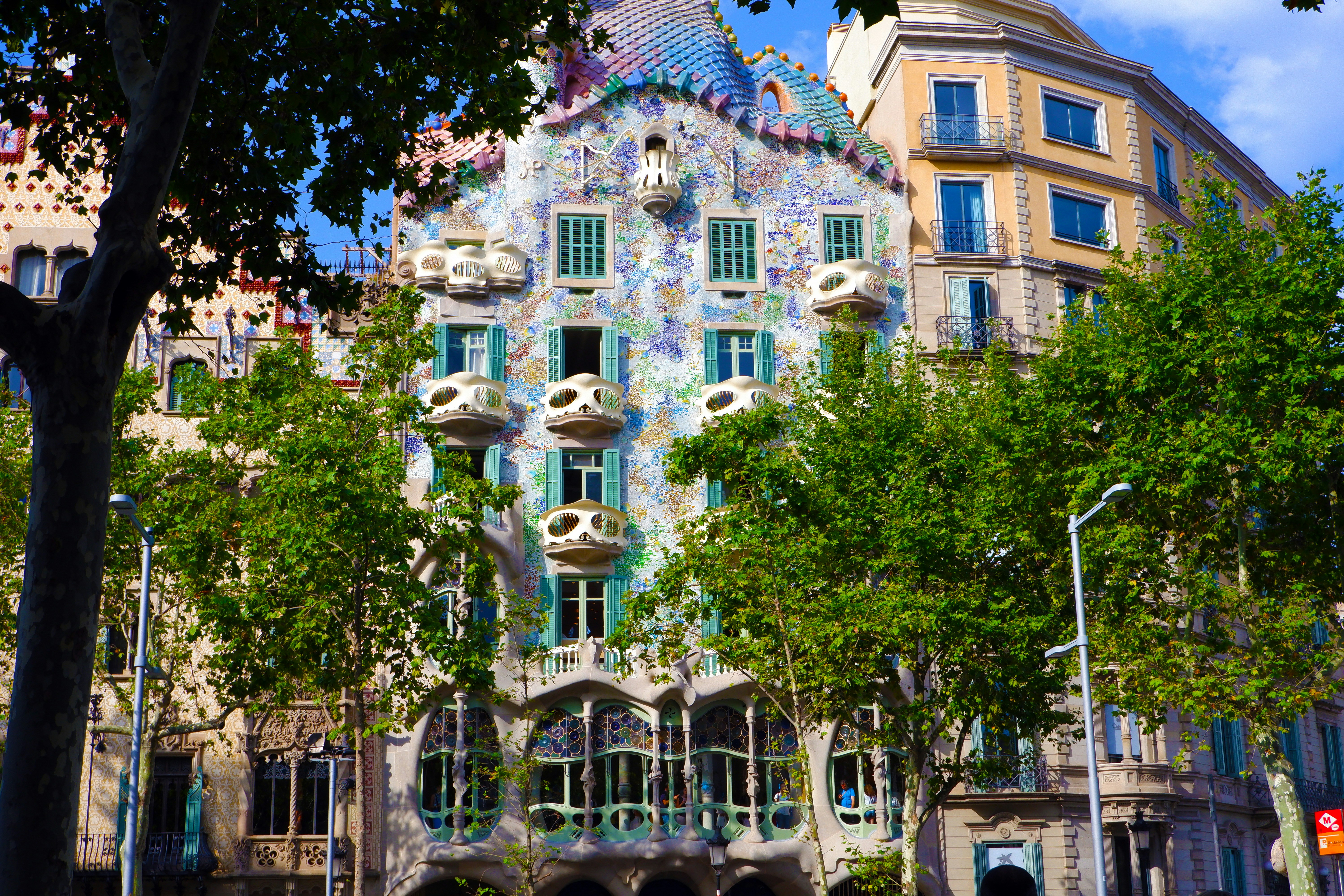
Take in the beauiful Gaudi architecture in Barcelona.
Barcelona, with its blend of modernist architecture, Mediterranean coastline, and vibrant culture, is a city for every traveler. Home to landmarks like the Sagrada Família, Park Güell, and bustling La Rambla, it offers a rich historical backdrop alongside contemporary flair. Whether you're an art enthusiast captivated by Gaudí’s work or a foodie eager to savor world-class cuisine, Barcelona seamlessly merges tradition with modernity.
Head to Passeig de Gràcia to admire Casa Batlló and La Pedrera, both showcasing Gaudí’s unique creativity.
Wander through the historic Gothic Quarter, where narrow, winding streets lead to hidden squares and stunning architecture.
Visit the Barcelona Cathedral and explore the nearby Plaça del Rei and El Call, Barcelona’s medieval Jewish quarter.
Park Güell
In the afternoon, visit the surreal landscapes of Park Güell, a public park designed by Antoni Gaudí, known for its colorful mosaic benches, whimsical architecture, and panoramic city views. It started as a planned garden neighborhood and later became one of the city’s most iconic Gaudí sites.
L'Eixample & La Sagrada Família
When you're ready, head to the L'Eixample neighborhood to see the famous La Sagrada Família, a massive basilica designed by architect Antoni Gaudí. It’s famous for its wild, nature-inspired design and the fact that it’s still under construction more than a century after it began.
Pro tip: For the Sagrada Familia, modest attire is required, so both men and women must cover their knees and shoulders. Guests who don’t meet the dress code may be refused entry.
Stop by the nearby Estrella Damm's Old Brewery and discover how the beer was started over 140 years ago. Feel free to join a brewery tour, or simply enjoy a beer tasting for an easy afternoon. Open 9 am– 2 pm, and 4-6 pm.
Day 2: A day in Montjuïc
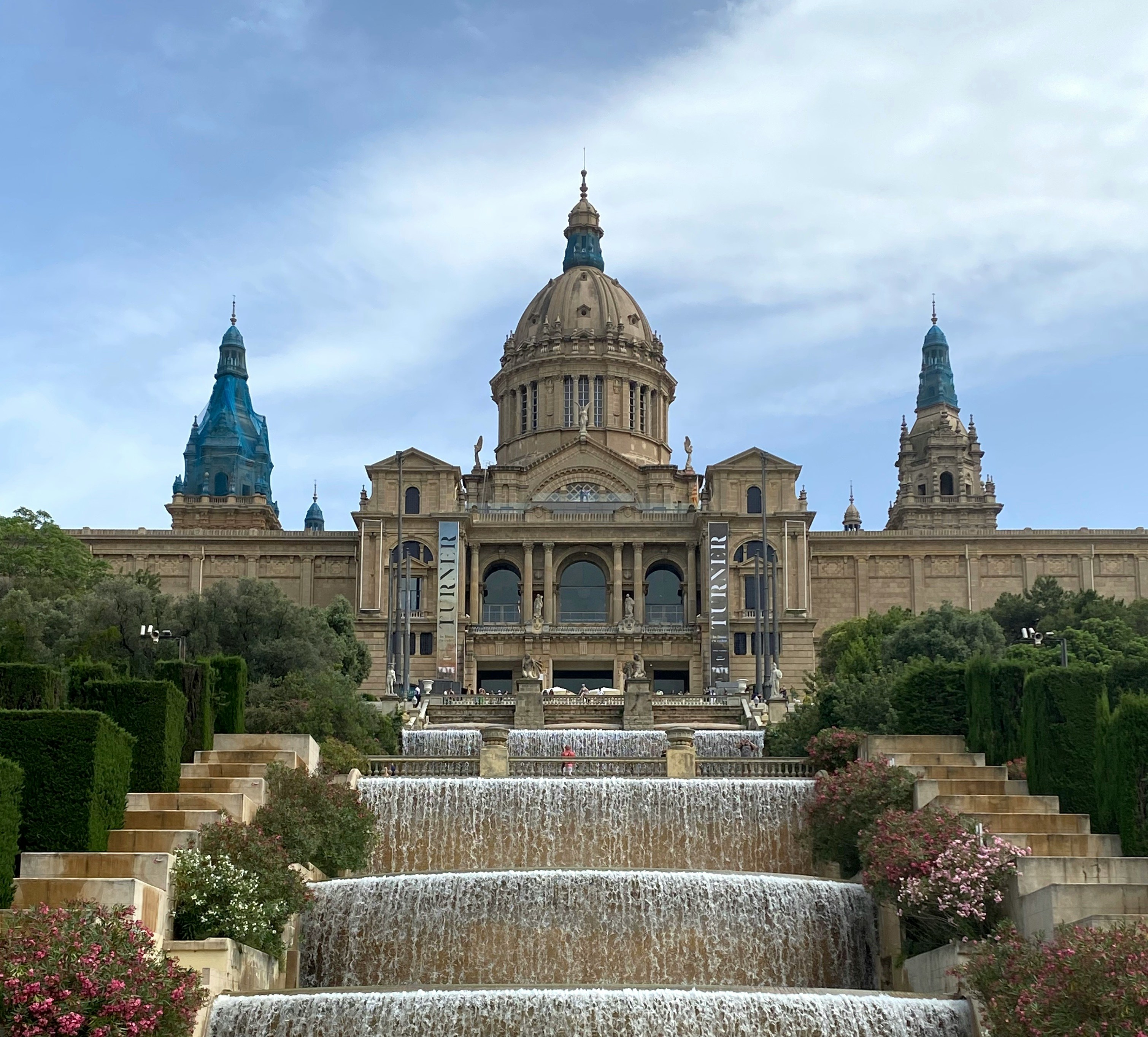
Montjuïc
Today, spend the day exploring Montjuïc (Catalan for “Jewish Mountain”) is where Barcelona’s story began. Perched above the Mediterranean, it’s been strategically important for centuries, crowned by the 17th-century Montjuïc Castle and marked by darker chapters of political imprisonment and executions, including during the Spanish Civil War.
Highlights of this area
Start at the Magic Fountain and walk up the steps towards the Museu Nacional d'Art de Catalunya. Whether you go into the museum is up to you, but this gorgeous area and architecture is worth a visit if you've got some time.
From the museum, walk 13 minutes and take the Montjüic cable car up and enjoy the views of the Montjüic Castle, Mirador viewpoint, and the sea.
At the top, takes some time to walk along the fortifications of Montjüic Castle. Dating back to the 1600s, the Castle was established as a defensive fort and played a pivotal role in Catalan defense against both Spanish and French rule, especially during the War of Spanish Succession.
In the evening, enjoy a traditional flamenco show.
Day 3: Explore El Born
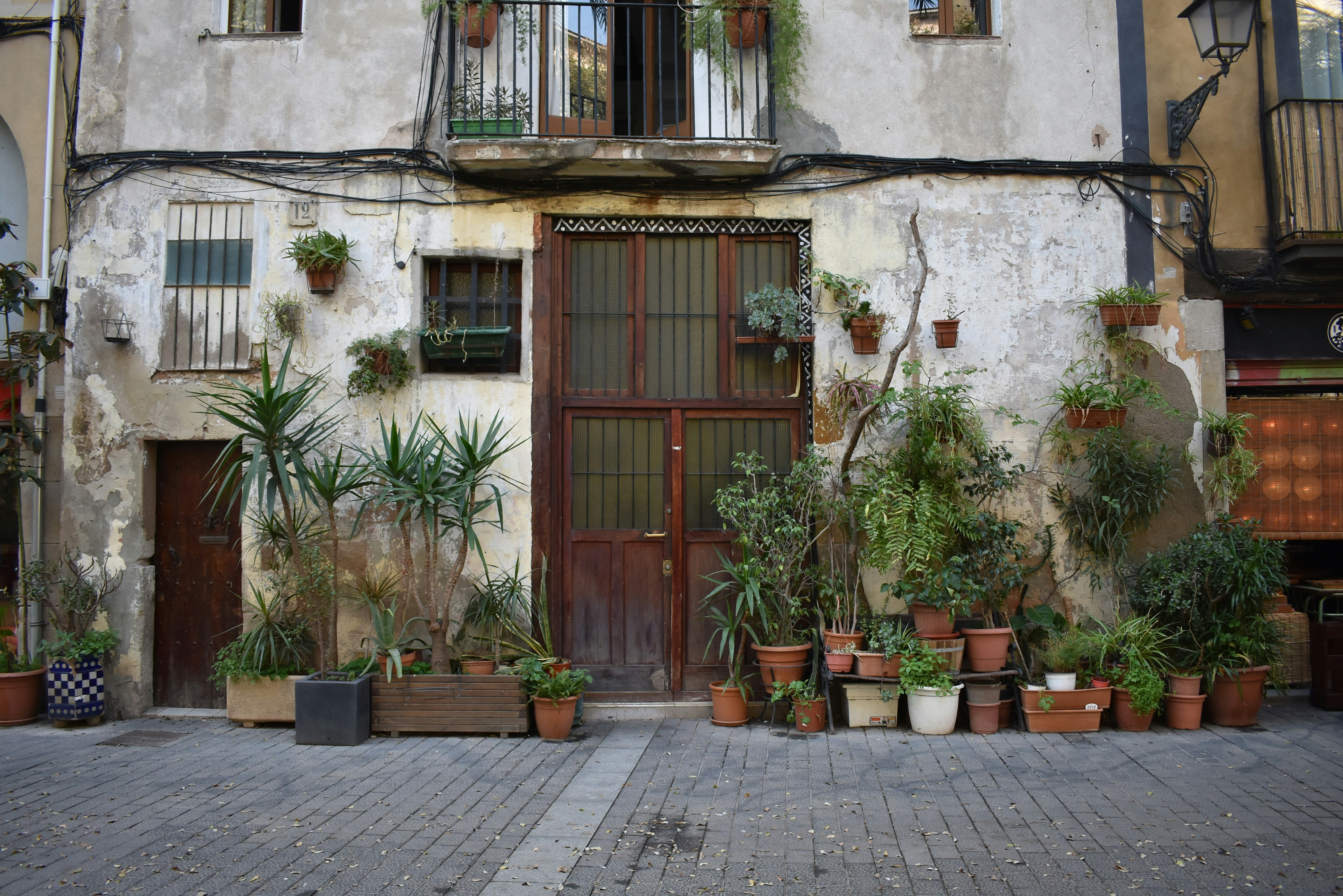
El Born neighborhood
Picasso Museum
Start your morning at the Picasso Museum, exploring one of the largest collections of Picasso’s work with over 4,000 pieces. The Picasso Museum is the best place in Barcelona to see how Picasso became Picasso, with an unusually deep collection of his early years (plus the famous “Las Meninas” series). It’s set inside a cluster of beautiful medieval mansions in El Born, so the building and neighborhood vibe are part of the experience.
If you're up for a second museum, head towards nearby MOCO Museum for contemporary art and installations.
Afternoon in El Born
For lunch, embark on an award-winning culinary experience food tour with a local guide through the Gothic Quarter and El Born.
After your food tour, you may enjoy wandering through El Born for some shopping. Wander through the charming streets of Carrer de la Princesa and Carrer dels Flassaders, home to trendy boutiques like Mimi Scholer, known for stylish apparel, before enjoying dinner in the area.
Day 4: Explore Madrid's cultural history
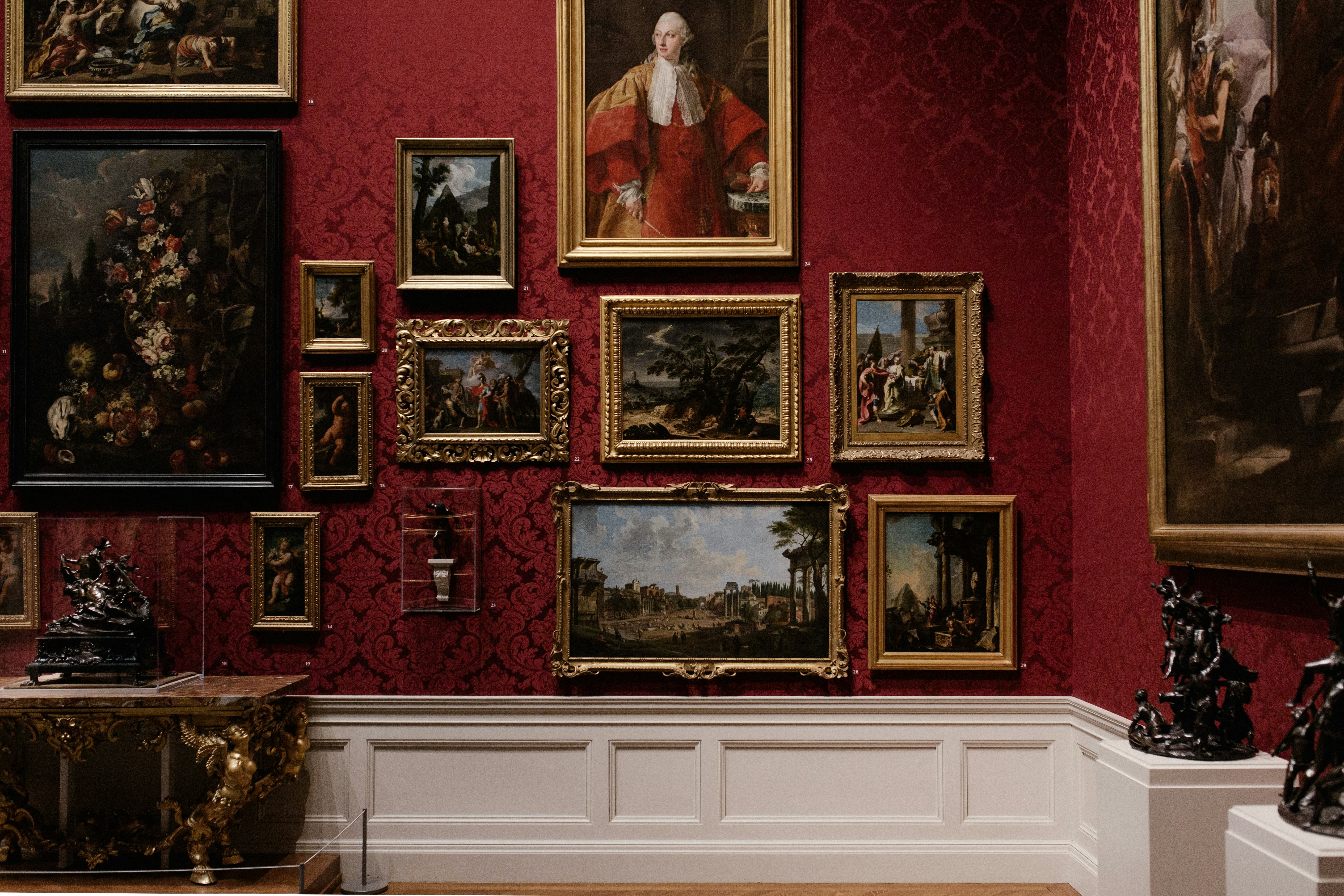
The Prado
Spend the day exploring Madrid’s wonderful collection of museums. We recommend one or two of the following.
Museo Nacional del Prado, Spain’s most important art museum, best known for its exceptional collection of Spanish paintings (especially Velázquez and Goya) plus major works by artists like El Greco, Titian, Rubens, and Bosch, largely shaped by Spain’s historic royal collections.
Explore contemporary art at the Museo Nacional Centro de Arte Reina Sofía. It’s most famous for housing Pablo Picasso’s Guernica, one of the most important anti-war paintings of the 20th century. The museum also has major works by Dalí, Miró, and other Spanish and international artists, with a focus on art from the 1900s to today.
Visit the Museo Nacional Thyssen-Bornemisza, known for its vast collection spanning from roughly the 13th to the 20th century It’s especially valuable because it “fills the gaps” between Madrid’s other big museums: you’ll see everything from Old Masters to Impressionists and modern art, with strong works by artists like Caravaggio, Rembrandt, Monet, Degas, Van Gogh, Hopper, and more.
In the evening, go on a tapas tasting tour with a local guide and learn about the distinctive culinary differences between regional cuisines.
Day 5: Explore Madrid's colorful neighborhoods
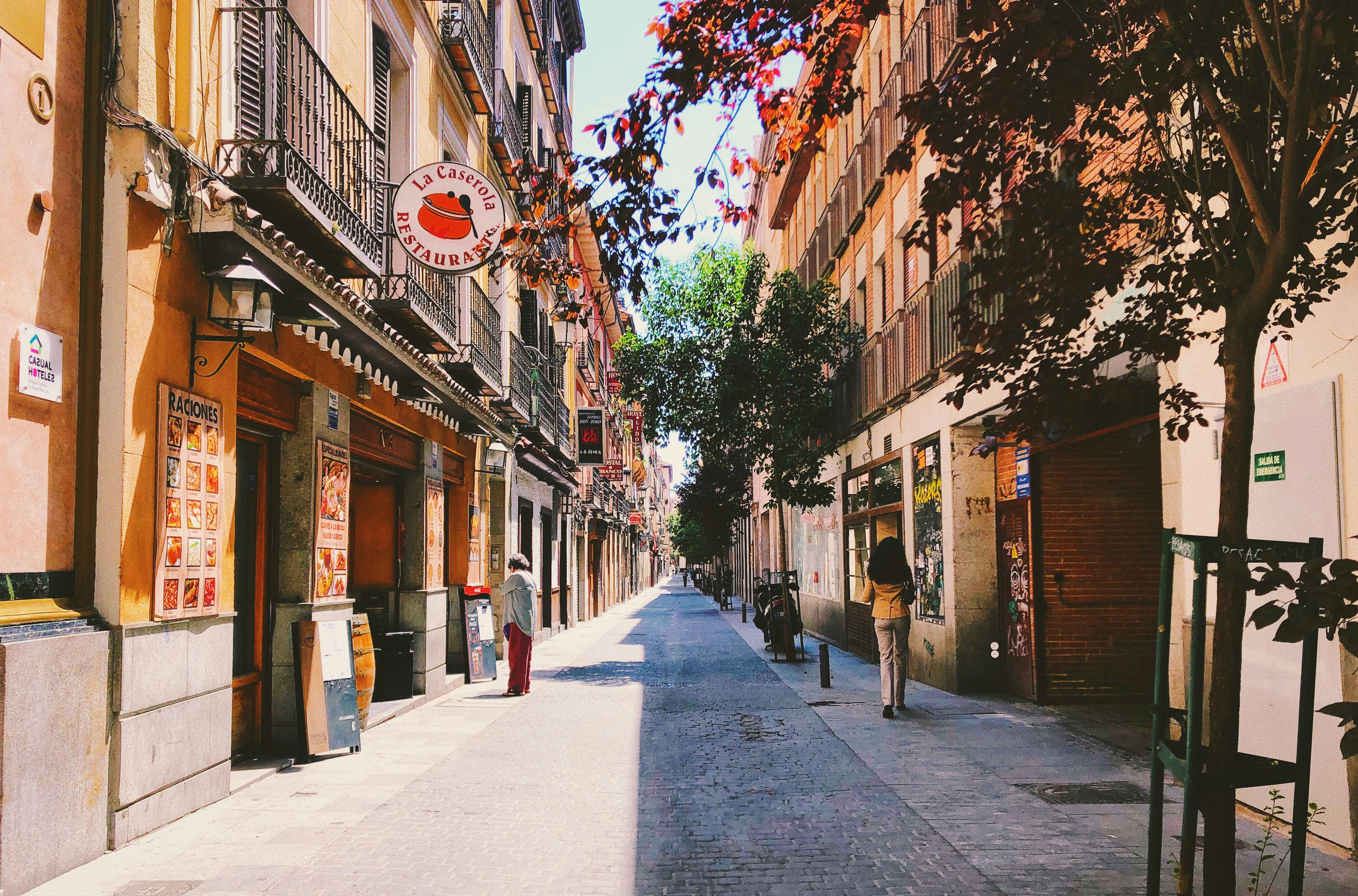
Spending the morning exploring Sol-Gran Vía and Austrias, and La Latina.
Sol-Gran Vía and Austrias offer a blend of iconic landmarks, elegant architecture, and upscale shopping, appealing to history enthusiasts, architecture lovers, and fashionistas alike.
La Latina, dating back to the Middle Ages, offers a lively atmosphere with winding streets, public squares, and an abundance of tapas bars, making it perfect for travelers seeking an authentic Madrid experience rich in history and culture.
Highlights of the area
Enjoy street performers and souvenir shopping at Plaza Mayor while savoring refreshments al fresco.
Tour the Royal Palace of Madrid, the official residence of Spain’s monarchy, though the royal family doesn’t live there today. It’s used for state ceremonies and is one of Europe’s largest royal palaces, packed with over-the-top rooms and collections that show off Spain’s imperial-era power.
Admire the architectural splendor and cultural significance of Catedral de la Almudena, a historic cathedral and must-visit in Madrid.
Immerse yourself in contemporary culture at Matadero, a former slaughterhouse turned hub for multimedia works and artistic expression.
Visit El Rastro, Madrid’s most famous open-air flea market, held every Sunday and public holiday.
Evening in Chamberí
In the evening, wander the charming streets of the Chamberí district. Renowned as a foodie's paradise, it boasts an abundance of trendy tapas bars, bustling markets, and Michelin-starred restaurants. Characterized by its local charm and absence of tourists, Chamberí's allure lies in its authentic atmosphere and culinary delights.
Need to know
Understanding local customs can help you make the most of your time in Spain. We've put together a few tips below.
In Spain, siesta is still observed in some areas, with many shops and restaurants closing from around 2 pm to 5 pm before reopening in the evening.
Sobremesa, the tradition of lingering after meals for conversation, is common, especially after late dinners, which typically start around 9 or 10 pm.
Coffee culture in Barcelona centers around strong coffees like café solo (espresso) or cortado (espresso with a splash of milk). Cappuccinos or café con leche are typically enjoyed in the morning, and espresso is common throughout the day.
On Sundays, most local shops close, though restaurants and tourist spots often stay open.
There is no tipping custom in Spain, including taxis and restaurants. However, rounding up or leaving small change is common for good service.
Madrid and Barcelona are both highly walkable. Taxis and Ubers are readily available and a comfortable way to navigate the city.


Travel Advisor
The Travel Club


Joanie Wang
Get in touch with The Travel Club
Did you like this guide? Reach out to customize and book your own experience. Or, just to chat about travel in general.