

Curator’s statement
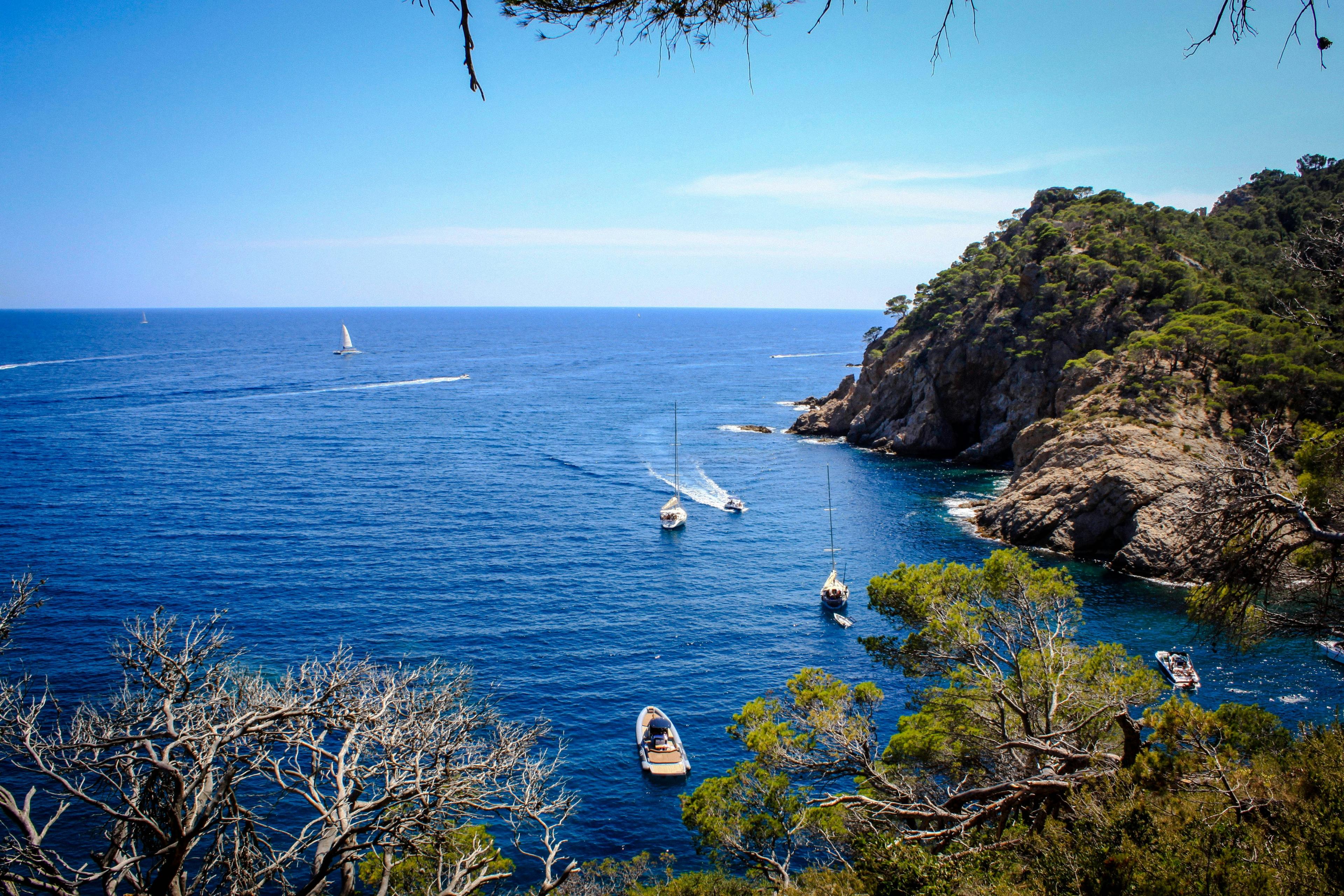
Every time I’m in Catalonia, I think: “We should move here!” This large region in northeast Spain has everything in abundance: beaches, national parks, villages and dramatic scenery—plus exceptional food and wine. The craggy, pine-clad Costa Brava coastline is dotted with white villages, free from the ravages of mass tourism. Less than an hour inland and you’re in unspoiled nature. It’s perfect for hiking, cycling, or just relaxing. I’m always thrilled when clients ask me about this region and love planning itineraries to help them experience Catalonia beyond Barcelona.
The Fora Difference
Book with Jill Petzinger to access exclusive perks and experiences on your trip.

Killer perks
Free upgrades, spa credits and more—we got you

Personalized recs
Customized travel planning for your style

Insider knowledge
Expert advice from people who’ve actually been there
Where to stay
Unlock perks by contacting Jill Petzinger to book your trip.
Day 1: Exploring the Costa Brava
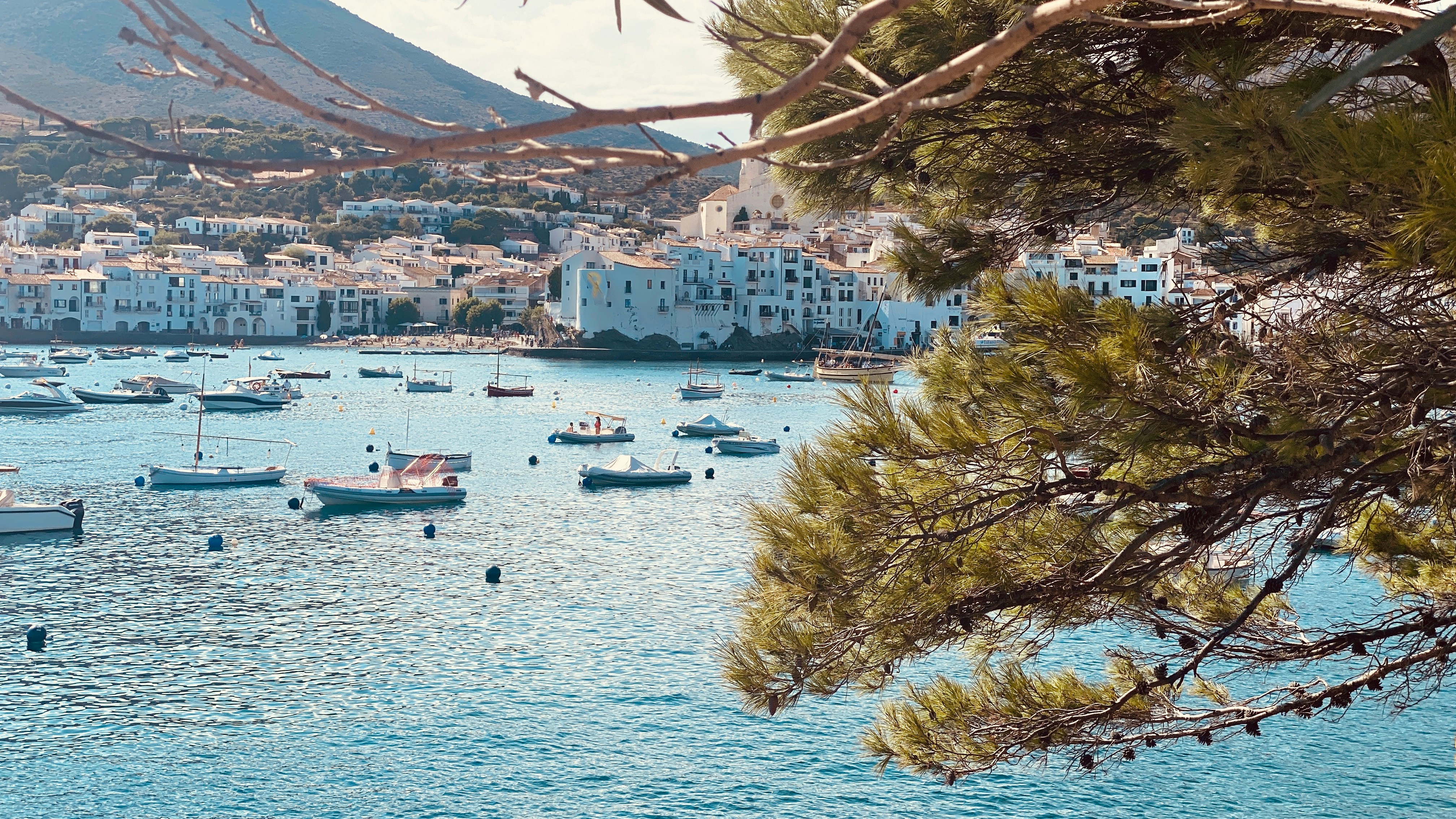
Cadaques. Credit: Unsplash
Head north from Barcelona to meander up the most charming stretch of Spain’s Mediterranean coast with its forests, rocky coves and cliffs and a string of gorgeous little towns all the way to the French border.
The whole drive is about 200km (124 miles), a 3.5hr drive, so you can take your time, stop for lunch, dip your toes in the sparkling sea. I recommend these four towns below on your way up the coast, ending up in Cadaques or one of the hotels a short distance inland.
Tossa de Mar: Stroll the old town, walk to the lighthouse at the end of the main beach. If you’re into botanical gardens, the lovely Jardi Botanic Marimurta is in Blanes, 30 minutes south of Tossa de Mar.
Callella de Palafruguell: Wander the cobblestone streets of this picturesque fishing village before a swim in the crystal clear water.
Begur: This ancient town overlooks the coast from its hill one mile inland. Don’t miss the view from the medieval castle before heading down to any of the idyllic coves, such as Sa Tuna.
Cadaques, aka “the pearl of the Costa Brava”: Whitewashed houses, blue shutters, and vivid blooms. This bohemian town’s most famous inhabitant was Salvador Dali—check out the collection in his nearby Port Lligat villa. The largest Dali museum is in Figueres, an hour inland from here.
Tips:
Keep your bathing suit and towel ready to take a dip on the way
Make dinner reservations ahead during summer weekends
The team from Disfrutar in Barcelona (voted World’s Best Restaurant 2024) has a great, casual restaurant in Cadaques, called Compartir—easier to reserve than Disfrutar.
Day 2: Olot & Garrotxa Volcanic National Park
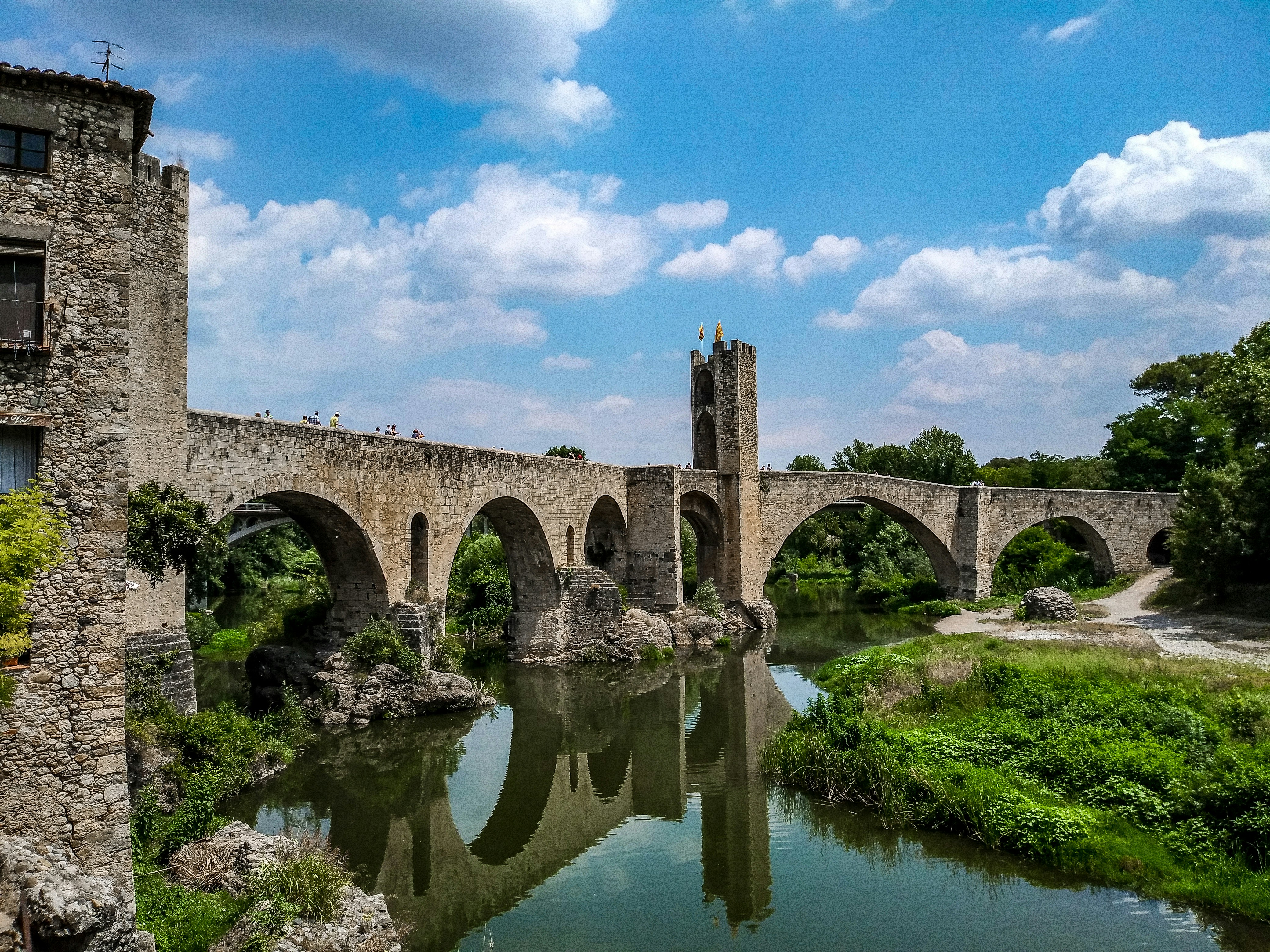
Medieval bridge at Besalu
You may want to visit Dali Museum in Figueres this morning before heading to the town of Olot in the Garrotxa Volcanic Natural Park.
In Olot, explore the lively historic centre before heading around the back of the former bull ring and up through a beautiful old cemetery, where a lava-stone path will bring you to the hilltop. You can walk down into the green crater of one of the many extinct volcanoes that dot the landscape—the panoramic views are impressive.
Tips:
If you stay the night in Olot, take a hot air balloon ride over the volcanic landscape early the next morning.
Stop in Besalu on the way to Olot to see a perfectly preserved medieval town.
Day 3: The best of medieval Girona
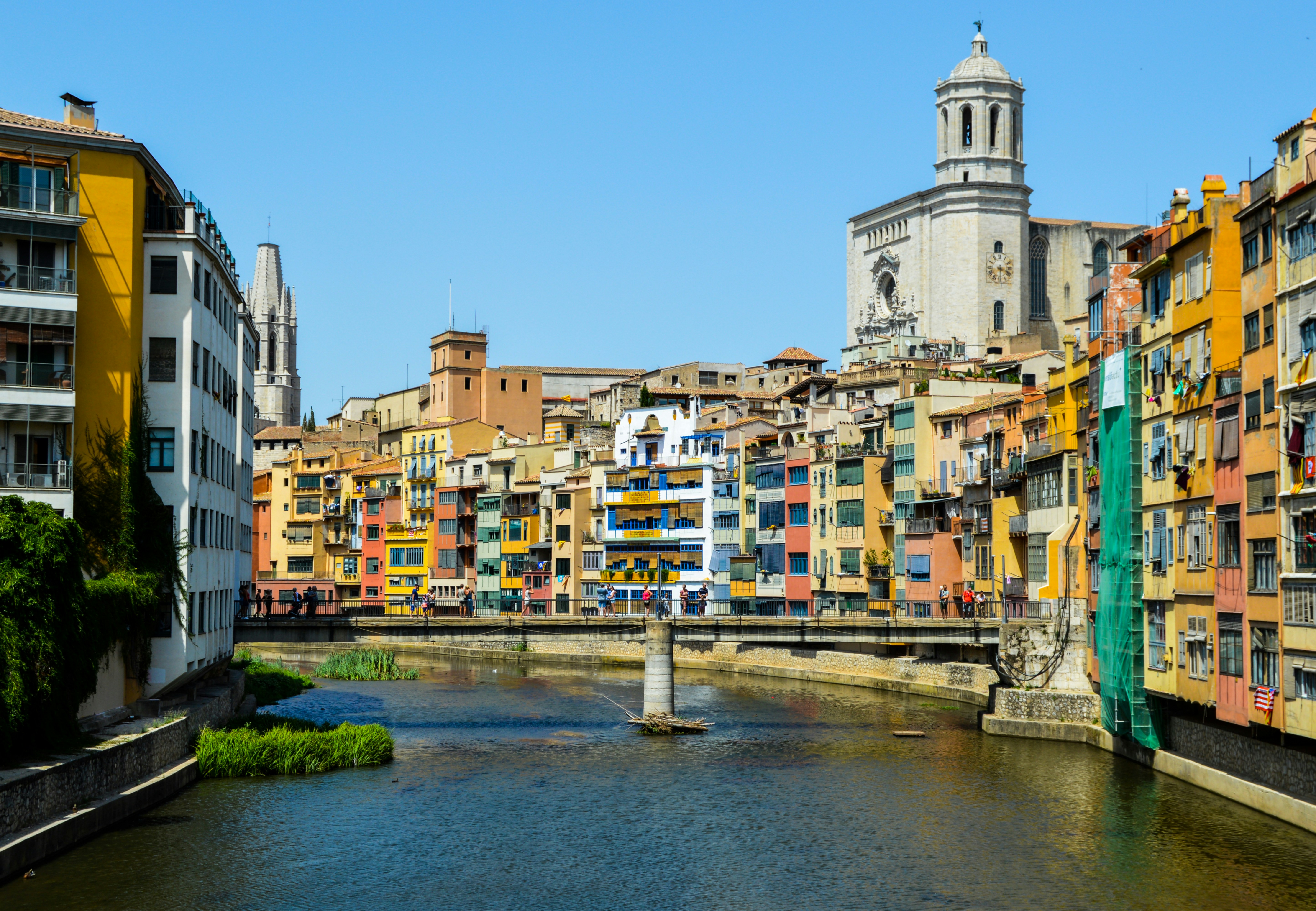
Girona riverbank and cathedral. Credit: Lucas Gallone/ Unsplash
Girona has been a key strategic stronghold as far back as Roman times and oozes history in its ancient alleyways and cobblestone plazas. You’ll see why it was a filming location for Game of Thrones! I recommend grabbing a seat at a table on one of the covered terraces to enjoy an aperitif to soak up all that atmosphere.
It’s easy to get a good feel for the town in one day: an hour-long walk along the top of the medieval city walls gives you a bird’s eye view. Don’t miss the epic 12th Century Baroque cathedral, the Arab Baths, and the narrow alleyways of the old Jewish quarter.
If you have time for a second night in Girona, great! Otherwise, the drive back to Barcelona takes about 1.5 hours (100km/62miles).
Tips:
The renowned three-Michelin star restaurant El Celler de Can Roca is closed until April 2027–but the chef brothers have opened a lovely hotel near town called Espirit Roca, which is open.
Palau Fugit hotel in a converted 18th Century palace is the place to stay in town, with uber-cool 60s interiors.
Get a pic on the city’s iconic bridge: the Pont de les Peixateries Velles, which was designed by Gustave Eiffel (of Eiffel Tower fame).
Need to know
Late spring and September are a great time to visit this region.


Travel Advisor
Jill Petzinger

Jill Petzinger

Get in touch with Jill Petzinger
Did you like this guide? Reach out to customize and book your own experience. Or, just to chat about travel in general.
For more inspiration and insider recommendations, visit our Spain page.