

Curator’s statement
Traveling through the Balkans with my family felt like discovering one of Europe’s last truly authentic regions—where your money goes further and you’re not fighting crowds of selfie-taking tourists. What stood out most was the warmth of the people; everywhere we went, we felt genuinely welcomed, and our child was met with kindness, smiles, and little gestures that made a big difference. It’s a place that feels safe, grounded, and deeply human—despite of and not defined by their often dark history. I left especially connected to Sarajevo, with Mostar close behind, and I already know we’ll be back.
The Fora Difference
Book with TRAVEL By Lacey to access exclusive perks and experiences on your trip.

Killer perks
Free upgrades, spa credits and more—we got you

Personalized recs
Customized travel planning for your style

Insider knowledge
Expert advice from people who’ve actually been there
Where to stay
Unlock perks by contacting TRAVEL By Lacey to book your trip.
Day 1: Arrival
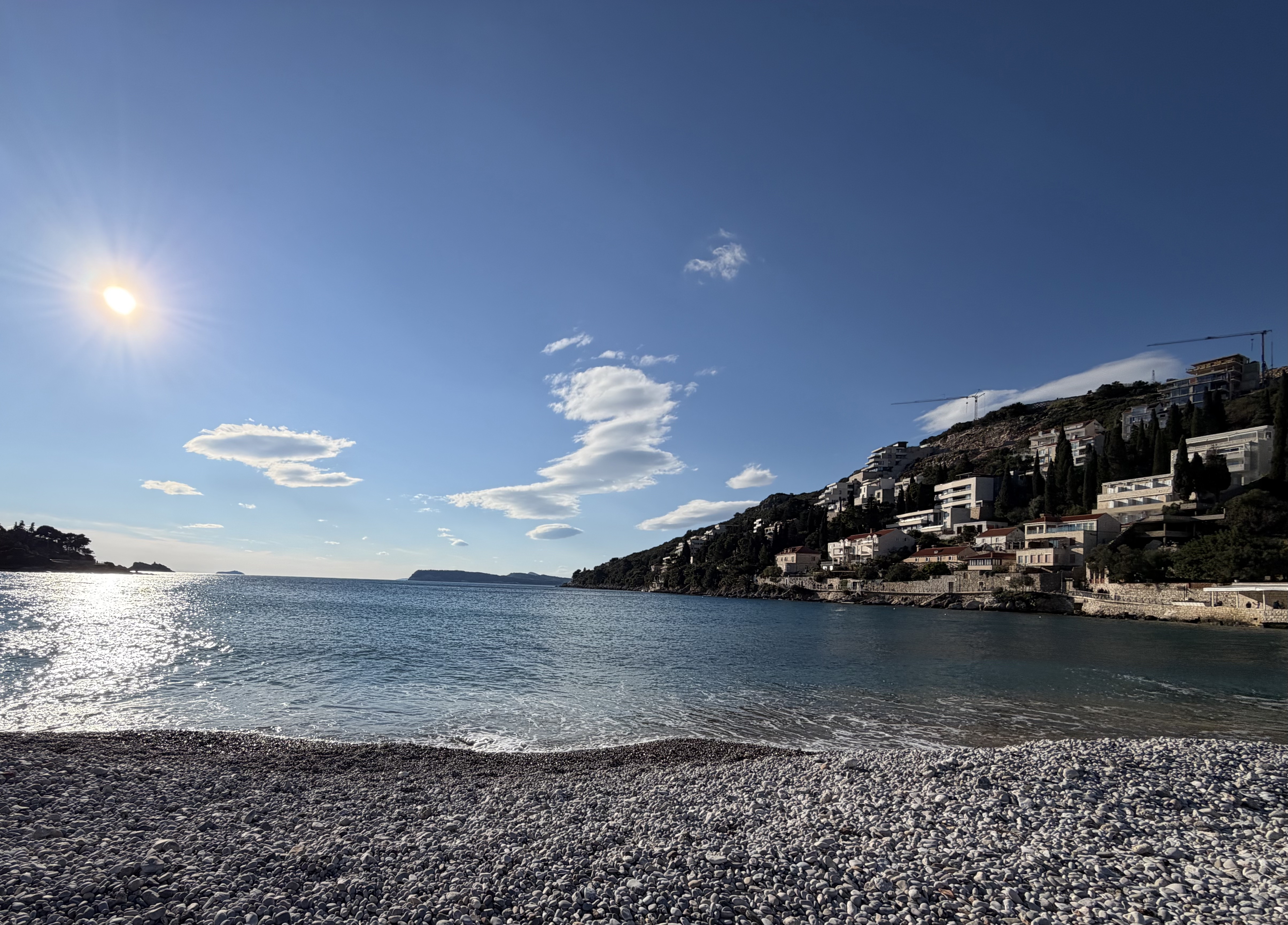
Lapad Beach
Arrive in Dubrovnik and transfer to your hotel. The hotel offers airport transfers (approximately $70 for a car or $120 for a minivan), though rideshares are also easy. Getting into Old Town is simple via bus or a quick Uber (~€8 each way).
Enjoy a day outside the city by visiting Trsteno Arboretum—a peaceful garden setting with shaded paths and sea views.
If time allows, explore Dubrovnik’s Old Town—the city walls and gondola are very easy to access—and there is a lovely playground right outside the Pile gate.
For dinner, consider Kopun, known for its signature dish (slow-cooked rooster with oranges) in a memorable setting near the famous “shame steps” from Game of Thrones. For a more relaxed setting, head to the Lapad promenade and beach area. If it is rainy, try the Pikula indoor play area, which is about €10 for two hours of supervised soft play.
Day 2: Day trip to Kotor, Montenegro
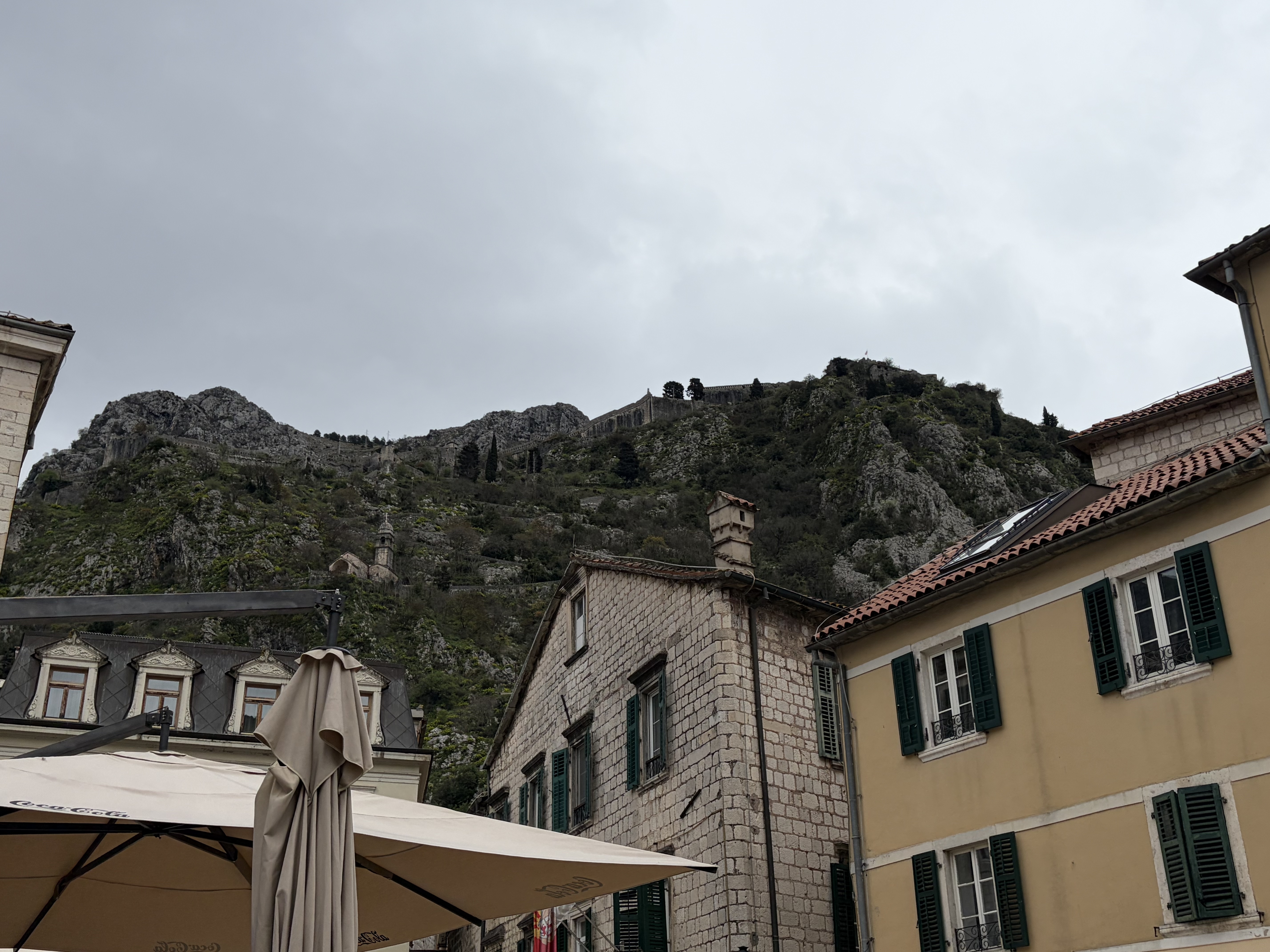
Kotor
Take a scenic drive to Kotor.
Explore the medieval Old Town and enjoy free time to climb the fortress or relax along the bay.
Return to Dubrovnik for the evening. If staying near the hotel, the adjacent Taj Mahal restaurant is a convenient option for authentic Balkan cuisine, and the hotel’s piano bar is a nice low-key evening option.
Day 3: Dubrovnik to Mostar
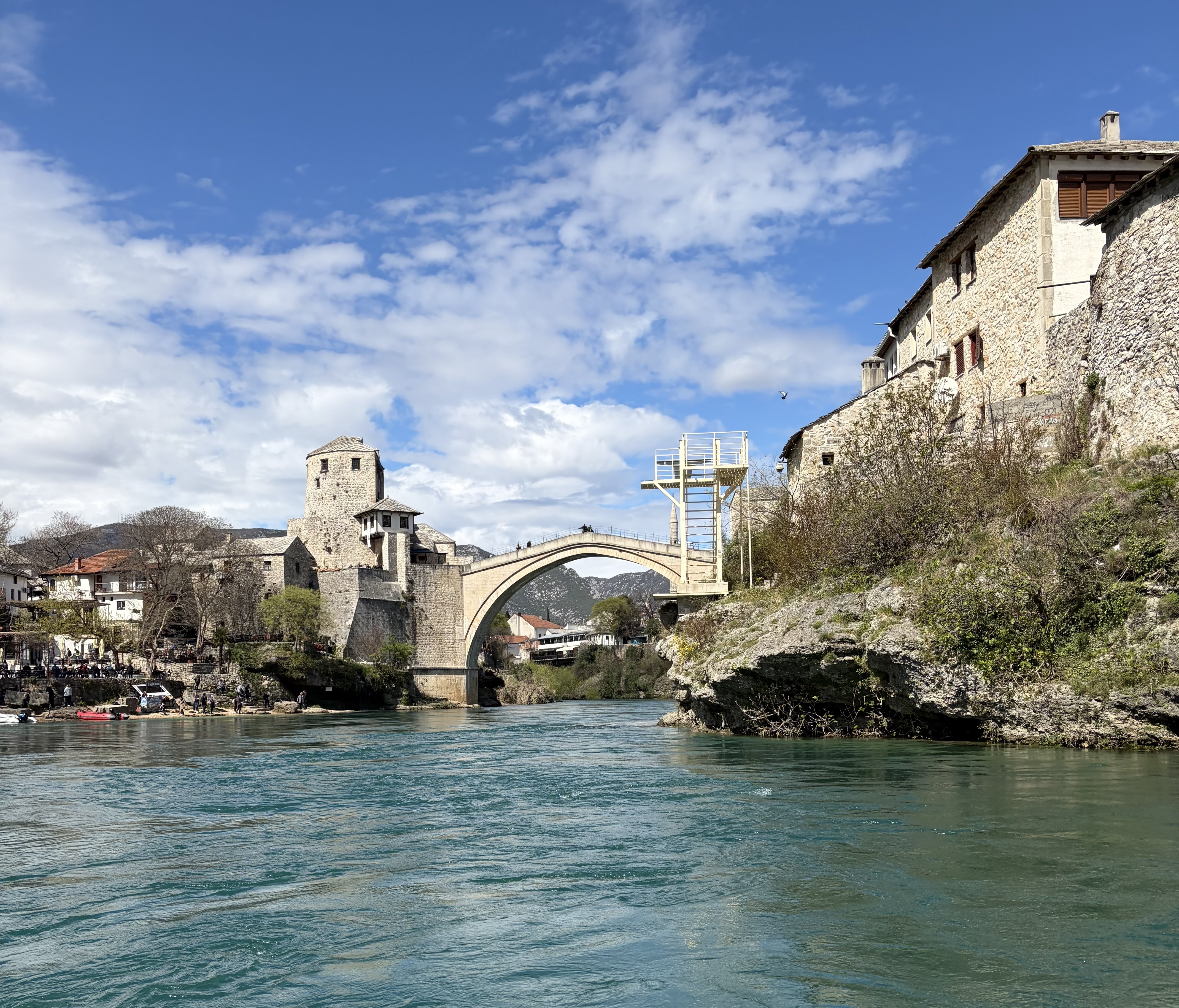
Stari Most from the river
Travel to Mostar, often considered the cultural heart of the Balkans.
The town is compact and very walkable, though quite hilly—comfortable shoes are essential.
Explore the Old Town, including Stari Most. The area is lively but easy to navigate, with many gelato shops and similarly priced souvenirs.
A short boat ride on the river (about €10, often free for kids) is a great way to capture unobstructed photos of the bridge.
You may also experience a traditional Bosnian coffee ritual—best enjoyed slowly, allowing the grounds to settle before drinking.
Day 4: Mostar to Sarajevo
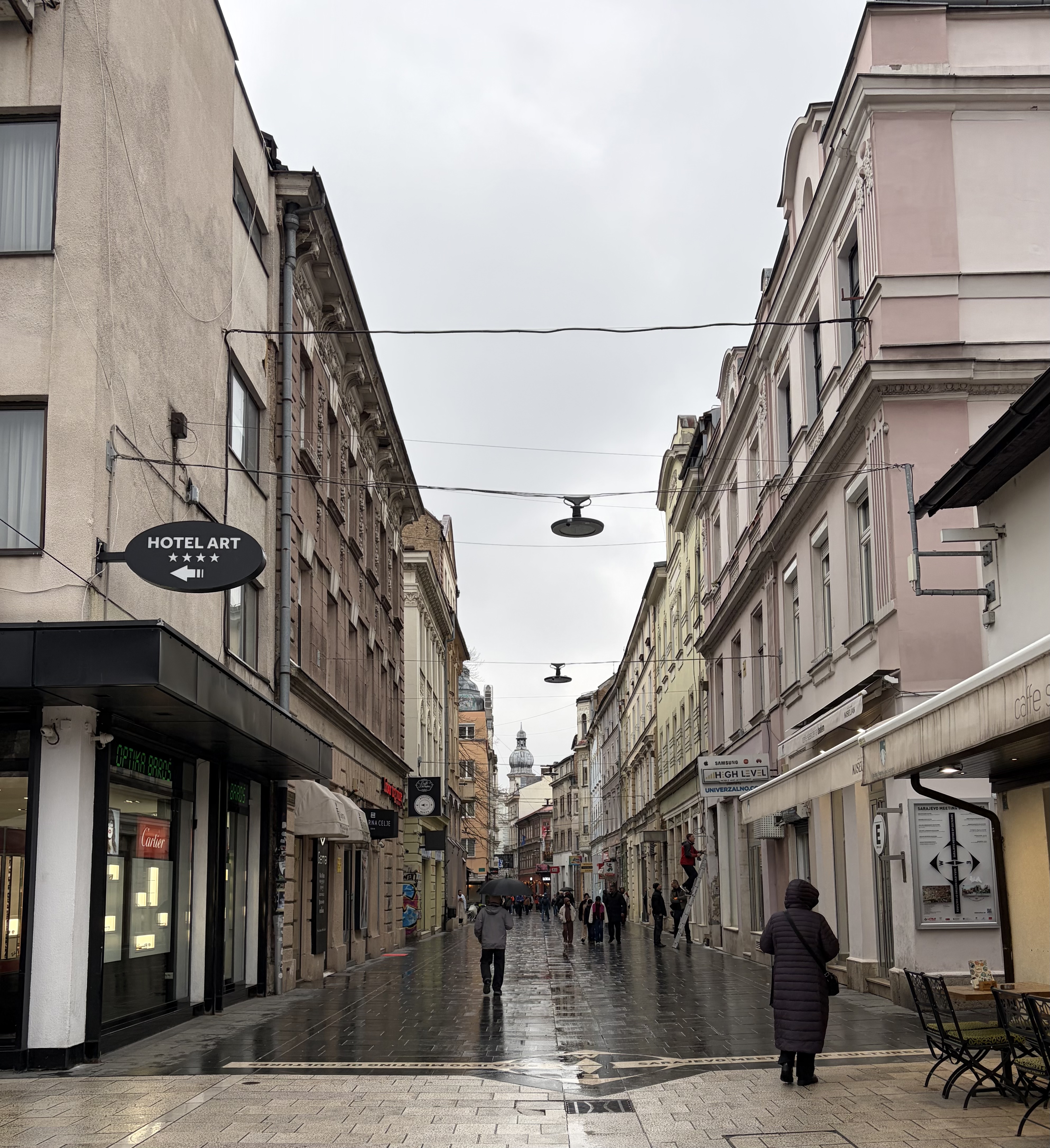
Ferhadija street: where East (Ottoman-style architecture) meets West (Austro-Hungarian Western-style architecture)
Travel to Sarajevo, stopping at Tito’s Bunker along the way. Take a tour of the cave, but be aware there are no restrooms in the bunker and it involves steps and walking around underground. The passages are well-lit but definitely not barrier-free.
In Sarajevo, the location of Hotel Sahat is excellent—right in the Old Town near the Latin Bridge and the site of Archduke Franz Ferdinand’s assassination, which sparked World War I.
Get oriented with a guided walking tour. If you see items you wish to purchase from vendors, it is okay to bargain gently—but haggling is not a full-contact sport here.
One of the best ways to experience a culture is to take an authentic cooking class. Companies will also work with food preferences and allergies.
In the afternoon, visit the War Childhood Museum—a powerful but thoughtfully presented museum that is appropriate for children and provides meaningful context without being overwhelming. Sarajevo, where the Ottoman and Austro-Hungarian empires meet, and the city reflects a rich blend of both cultures.
I recommend trying a traditional hammam experience at Sultana Spa for something authentic or Amman Spa for a more private, modest setting.
Sarajevo is one of the best places on this itinerary for shopping and food. You’ll find a mix of Turkish, Ottoman, and Austro-Hungarian influences. Try local specialties like cevapi with cheese; portions are large and well-priced, and light bargaining is sometimes acceptable in markets.
Day 5: Sarajevo to Zlatibor, Serbia
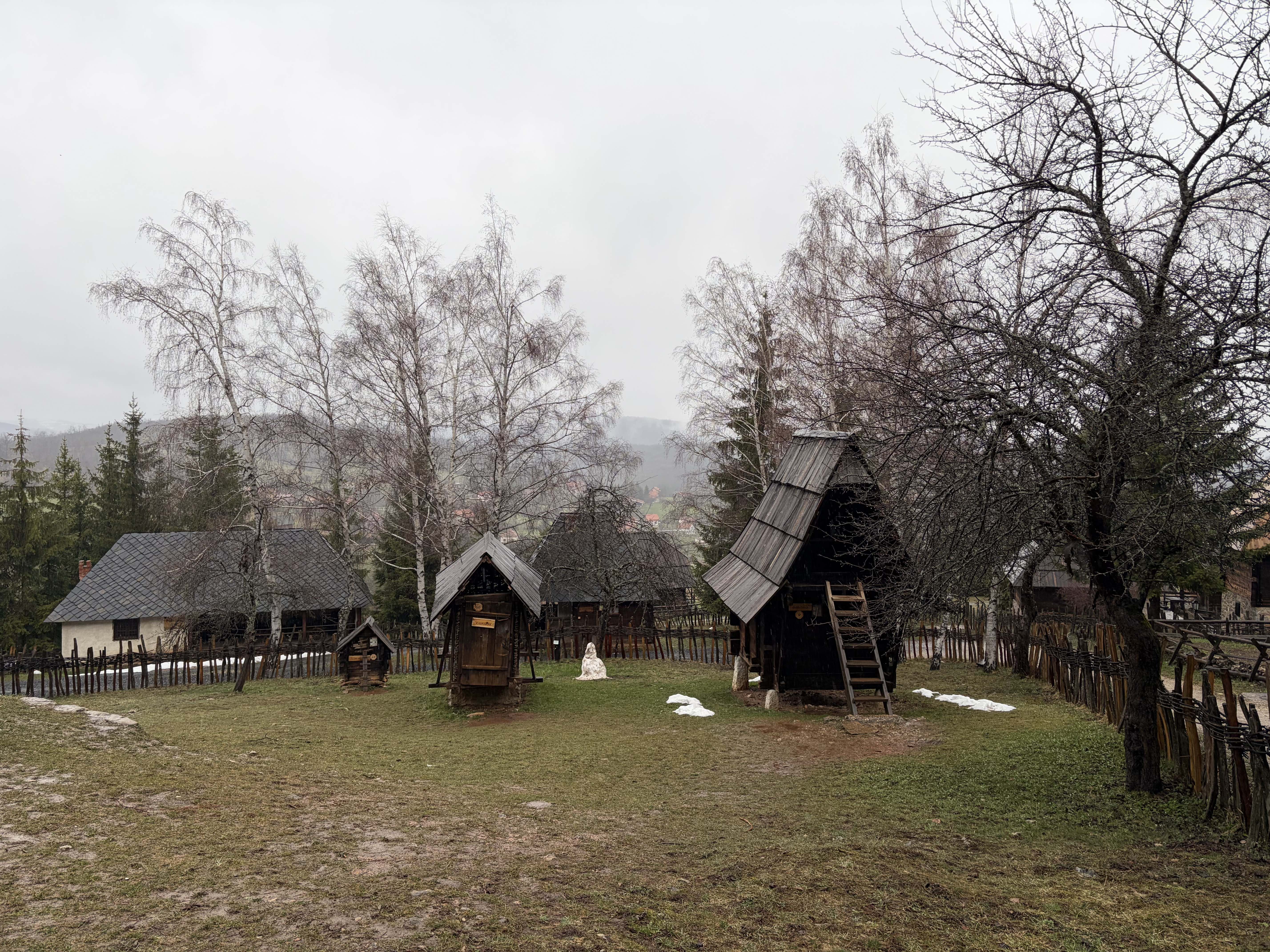
Sirogojno Open-Air Museum
Travel into Serbia with a stop in Višegrad to see its historic bridge.
Continue to Zlatibor, a mountain region known for its nature and traditional culture. Explore the surrounding area, including Sirogojno Open-Air Museum for a look at traditional village life and crafts.
Enjoy a scenic heritage train ride through Mokra Gora—a highlight for kids.
Local specialties to try in this region include burek and cevapi.
Day 6: Zlatibor to Belgrade
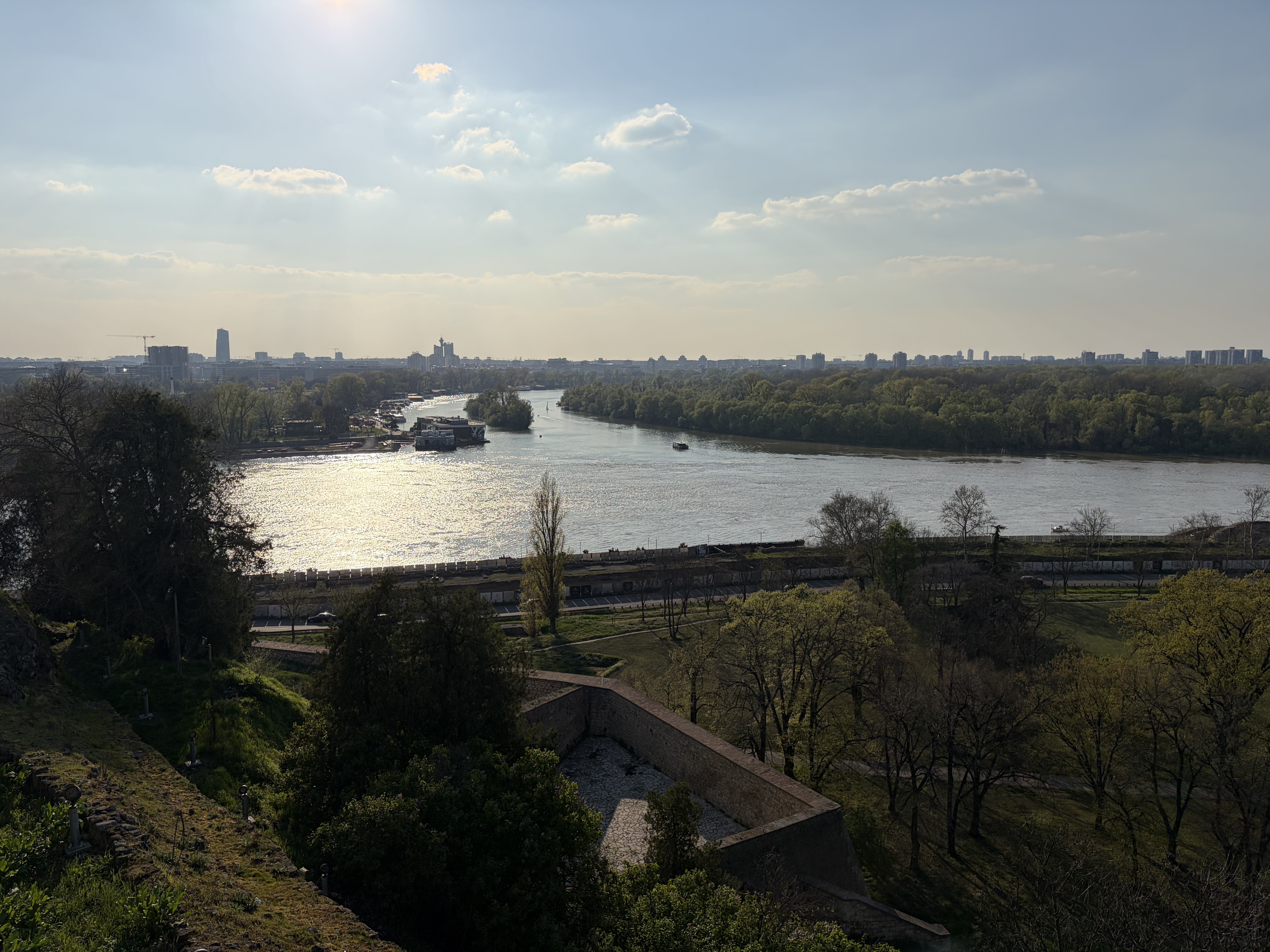
River view from the Belgrade Fortress
Travel to Belgrade (Beograd, meaning “White City”), and stop halfway for a bite at Restoran Brana—they have a play space indoors and outside.
Take a guided walk including Republic Square and Belgrade Fortress, where the Danube and Sava rivers meet. Do be mindful of pickpockets in busy areas like the fortress and main square.
Stay at Hotel Moxy, which is well-located and particularly family-friendly, with a lively common area, games like foosball, and convenient luggage lockers. Breakfast is a strong self-serve setup, and private airport transfers can be arranged (~$50).
For a casual meal, consider Cafe Za Druga.

A note from TRAVEL By Lacey
The city is large, clean, and very walkable. All public transportation in Belgrade is free!
Day 7: Depart Belgrade
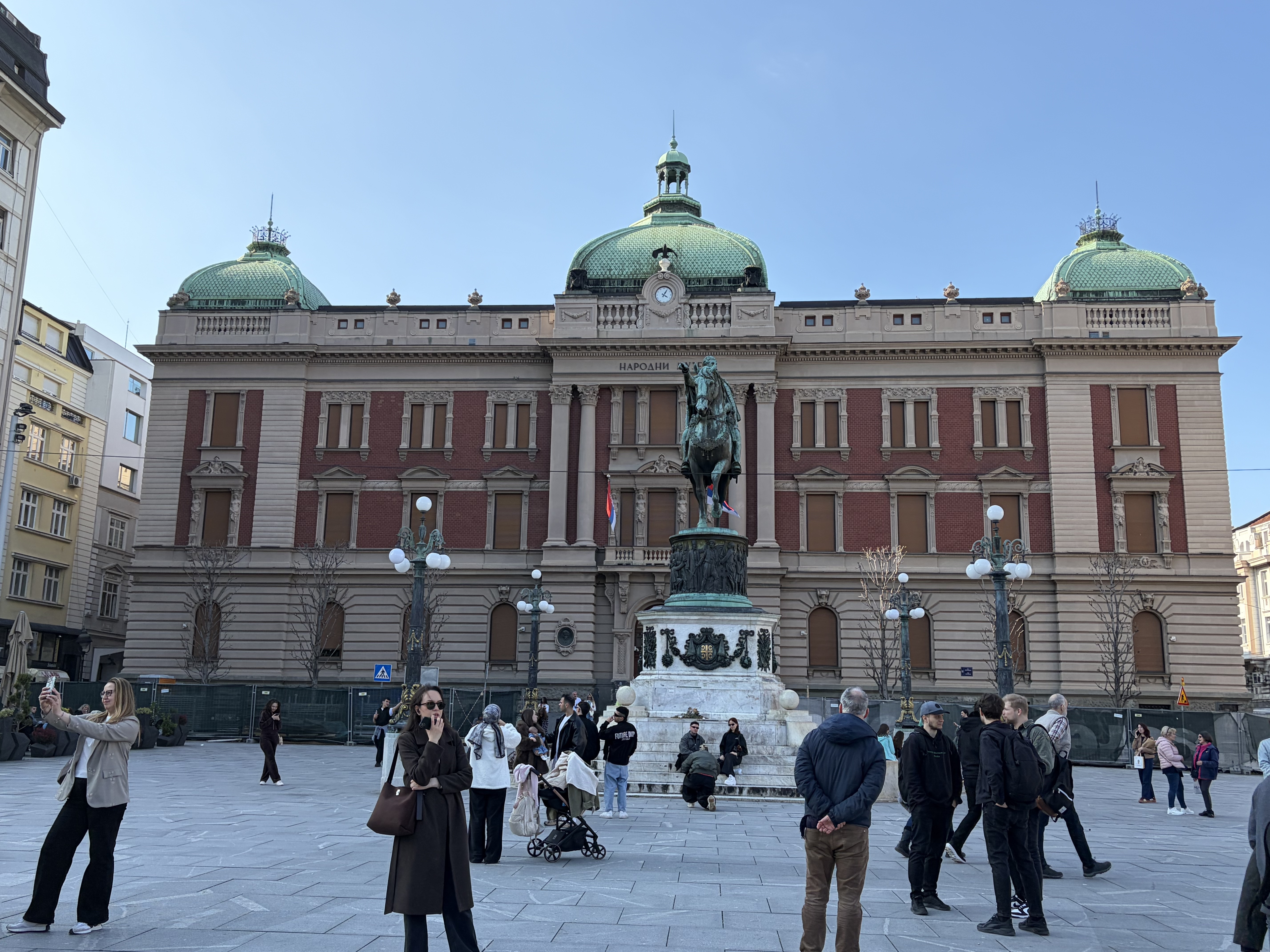
Republic Square, Belgrade
Have a last meal at Tri Sesira, and depart from Belgrade by transport, tram, or bus.
The airport is modern, manageable, and about 20 minutes from the city center, though amenities for kids and airport lounges are limited.
Need to know
This region is generally very safe, including for solo travelers and families with children. People are welcoming, and children are especially well received.
It’s recommended to carry some cash throughout the trip—Euros are widely used in Croatia and Montenegro, while local currency is used in Bosnia and Herzegovina and Serbia.
Tipping is not required, but rounding up is appreciated.


Travel Advisor
TRAVEL By Lacey

Lacey Hayes

Get in touch with TRAVEL By Lacey
Did you like this guide? Reach out to customize and book your own experience. Or, just to chat about travel in general.
For more inspiration and insider recommendations, visit our Croatia, Montenegro, and Serbia pages.