

Curator’s statement
Some places you simply visit. Others, you feel. Bhutan belongs firmly to the latter. One of the last remaining Buddhist kingdoms, tucked between China and India, it had an impact on me I hadn’t anticipated. There’s a depth and calm to Bhutan that’s hard to put into words - subtle, powerful, and quietly transformative. It’s a destination that naturally resonates with travelers who value meaning as much as beauty. The country offers a rare balance: deep-rooted culture through Buddhist temples and centuries-old fortresses, nature in the form of multi-day trekking routes as well as shorter hikes suitable for day trips, and a culinary scene that feels refreshingly distant from Western customs. Everyday life is simple and grounded, yet hospitality and luxury are delivered at the highest level—thoughtfully, never loudly.
The Fora Difference
Book with Noboru Travel to access exclusive perks and experiences on your trip.

Killer perks
Free upgrades, spa credits and more—we got you

Personalized recs
Customized travel planning for your style

Insider knowledge
Expert advice from people who’ve actually been there
Where to stay in Bhutan
Unlock perks by contacting Noboru Travel to book your trip.
Things to do in Bhutan
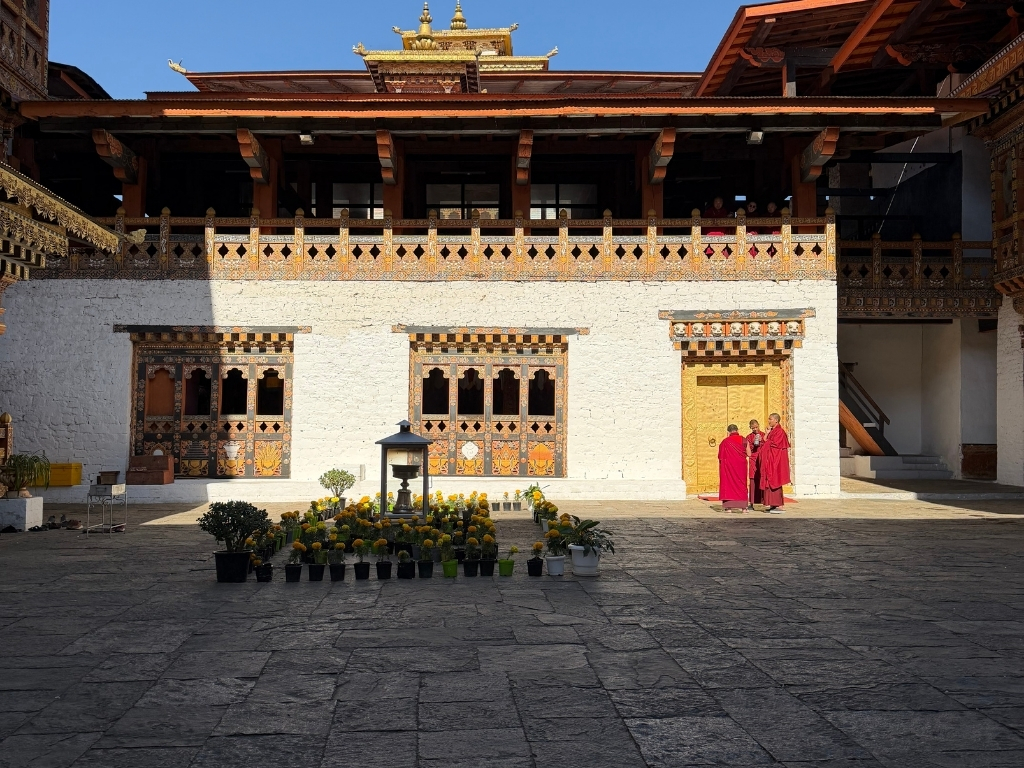
Monks at Punakha Dzhong
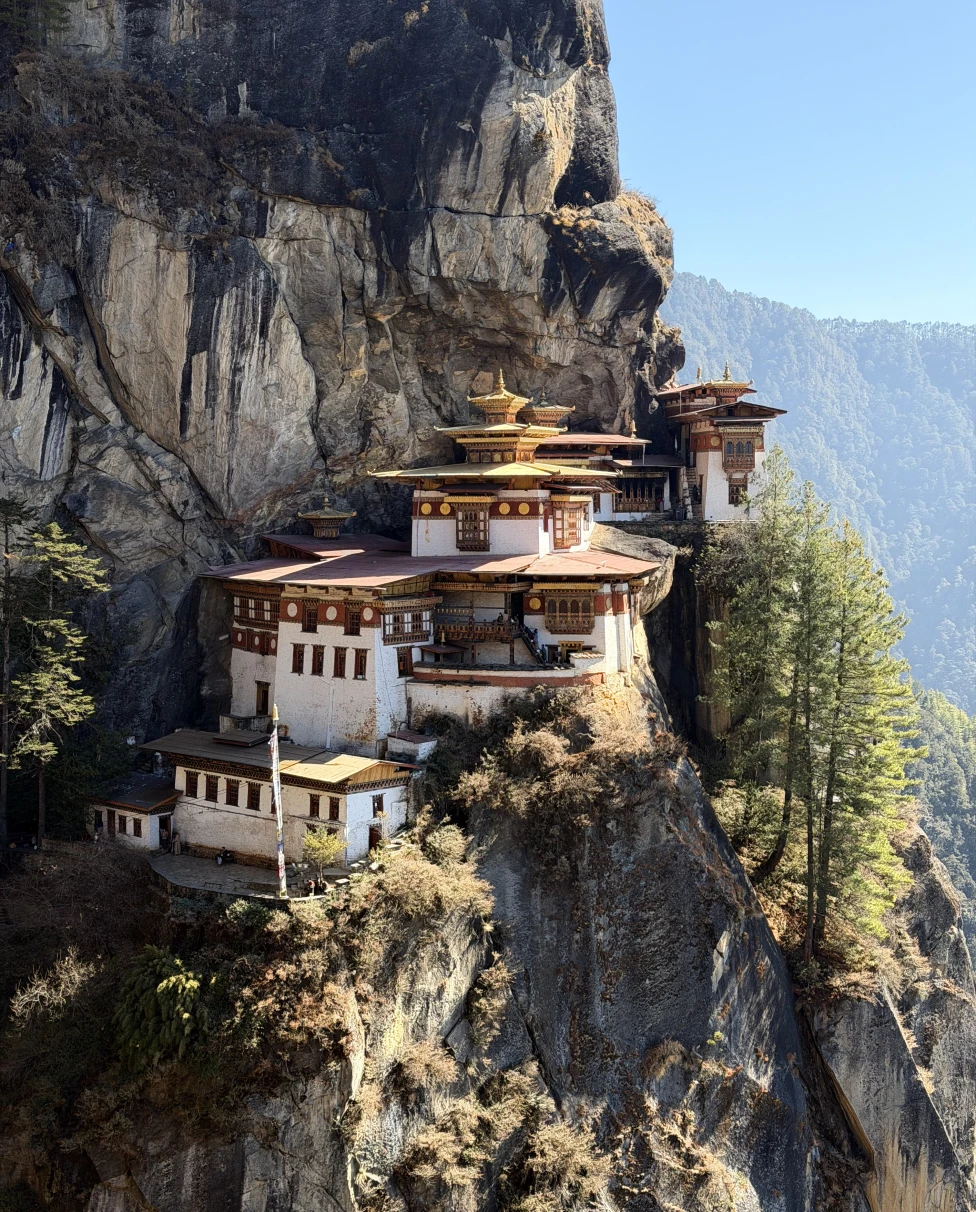
Visit Paro Dzong and hike to Tiger’s Nest: Start with Paro Dzong, an impressive fortress-monastery that sets the cultural context of Bhutan. From there, hike to Tiger’s Nest, dramatically perched on a cliff-an experience that is as physically rewarding as it is spiritually grounding.
Try a traditional astrology reading: Astrology plays a meaningful role in Bhutanese life, influencing everything from travel dates to major life decisions. A traditional reading offers insight into local beliefs and provides a thoughtful, personal moment during your journey.
Join a butter tea-making ceremony: Butter tea is an essential part of daily life in Bhutan and very different from Western tea traditions. Participating in its preparation offers a simple but intimate glimpse into Bhutanese hospitality and routine.
Try archery, the country’s national sport: Archery in Bhutan is both competitive and deeply social, often accompanied by music, celebration, and friendly rivalry. Trying it yourself adds a playful and cultural dimension to the trip.
Visit the Dochula Pass: At over 3,000 meters, Dochula Pass offers panoramic Himalayan views on clear days. The 108 memorial chortens create a quiet, reflective stop between destinations.
Enjoy a sundowner: As the day winds down, a sundowner in Bhutan is less about spectacle and more about stillness. Whether overlooking valleys or mountains, it’s a moment to slow down and take in the surroundings.
Visit the famous fertility temple, Chimi Lhakhang: Known for its unconventional symbolism, this temple is deeply rooted in local tradition. Visits are light-hearted yet meaningful, reflecting Bhutan’s unique blend of spirituality and everyday life.
Visit the Buddha Dordenma: Overlooking Thimphu, the massive Buddha Dordenma statue is both striking and serene. The surrounding area offers a calm space for reflection and sweeping city views.
Enjoy a traditional hot stone bath: After a day of hiking or sightseeing, a hot stone bath is the ultimate way to unwind. Heated river stones release minerals into the water, creating a deeply relaxing and restorative experience.
Places to eat & drink in Bhutan
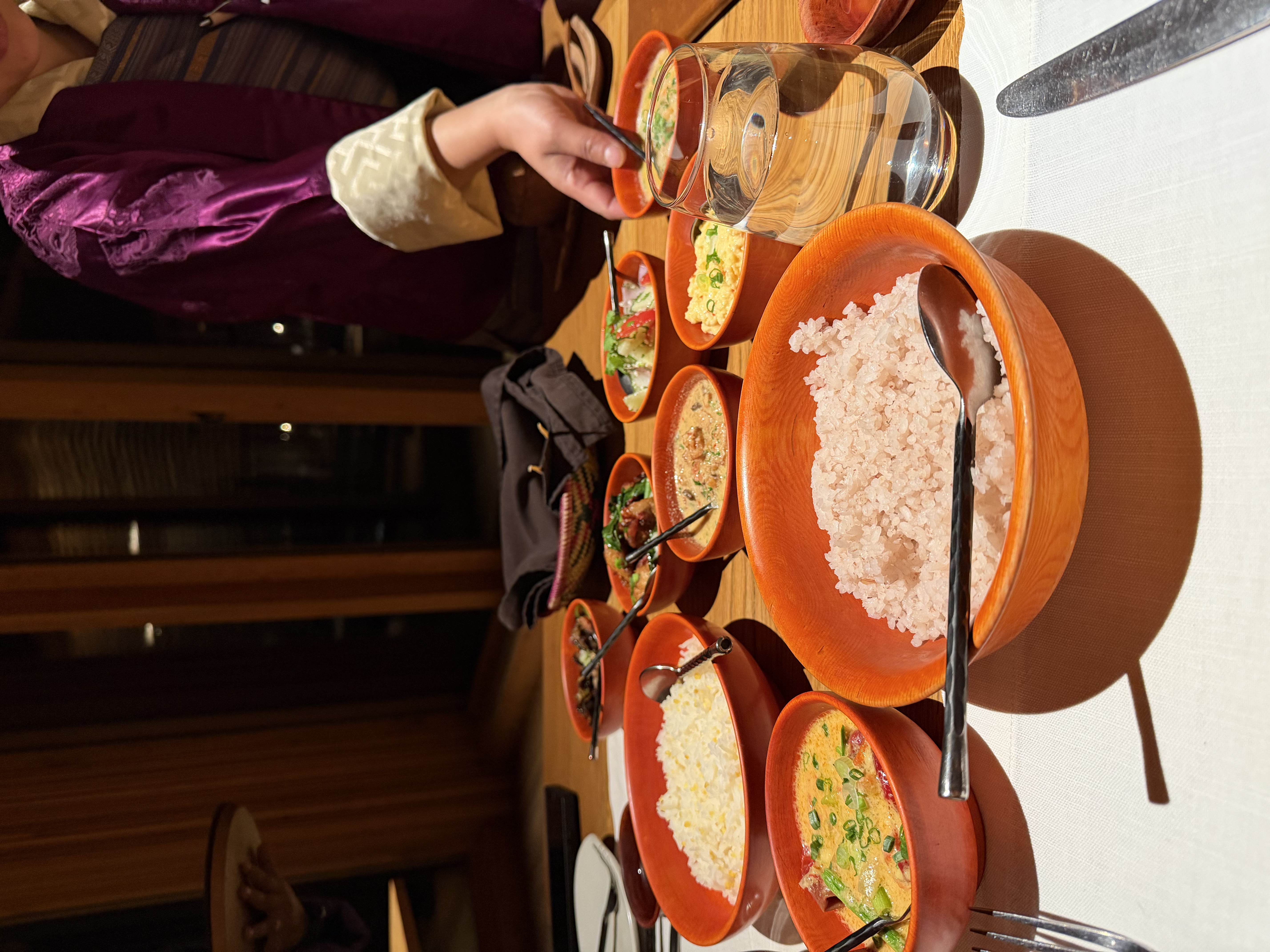
Traditional Bhutanese dinner
One of my most memorable meals in Bhutan was at Sonam Trophel Restaurant in Paro. This is where traditional Bhutanese cuisine truly shines—simple, honest dishes, prepared with care and full of flavor. It’s the kind of meal that helps you understand the country better, especially as the restaurant has been owned by the same family for generations.
Many of Bhutan’s ultra-luxury properties operate on a full-board basis, and this is something to fully embrace. Dining isn’t an afterthought here—it’s part of the experience. Meals are unhurried, seasonal, and often tailored to your preferences, making it well worth staying in and enjoying what the property has to offer.
At Zhiwaling Heritage in Paro, the restaurant focuses on refined Bhutanese and international dishes in a serene setting, while the Mad Monk Bar adds a more playful contrast. It’s known for creative cocktails and a relaxed atmosphere-perfect for a pre- or post-dinner drink.
In Punakha, andBeyond Punakha River Lodge offers a more interactive culinary experience. Guests can observe live cooking, join informal classes, and gain insight into local ingredients and techniques, adding a hands-on layer to the journey.
For those interested in contemporary wellness-focused cuisine, Six Senses Thimphu delivers on every level. Thoughtful menus, beautifully presented dishes, and a strong emphasis on balance and quality make dining here a highlight in its own right.
Need to know
Independent travel is not permitted. You must travel with a licensed tour guide, practically at all times. The system is designed to protect culture and manage tourism’s impact. Hence, a well-chosen guide is a crucial part of your journey.
Bhutan is a premium destination, and they are not expecting backpackers anytime soon. Multiple ultra-luxury hotel brands are present in the country and while there are some boutique accommodations, it’s safe to account for €20k+ for a week-long trip for two.
Carbon-negativity. Bhutan is the only carbon-negative country in the world—absorbing more carbon than it produces.
Their airport is one of the most challenging in the world. Paro International Airport is considered one of the most challenging airports in the world to land at. Surrounded by steep Himalayan peaks and a narrow valley, only a handful of specially trained pilots are certified to fly there, relying on visual approaches rather than radar.
Gross National Happiness: National success is measured by Gross National Happiness (GNH) rather than GDP. This philosophy evaluates progress through four pillars: sustainable development, environmental conservation, cultural preservation, and good governance. GNH looks at things like mental wellbeing, community vitality, time balance, education, and trust in institutions—not just income.


Travel Advisor
Noboru Travel

Eva Szoradi

Get in touch with Noboru Travel
Did you like this guide? Reach out to customize and book your own experience. Or, just to chat about travel in general.
For more inspiration and insider recommendations, visit our Bhutan page.