


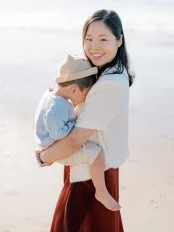


Curator’s statement
I was born in Korea, and it will always hold a special place in my heart. I visit often, not just to see my parents, but to stay connected to a culture that’s constantly evolving. As Korea gains international recognition as a must-visit destination, what I love most is how it blends deep-rooted traditions with cutting-edge modernity. But there’s more to Korea than meets the eye. It’s a country that moves fast: trends, trains, conversations. But don’t let that intimidate you. If you take the time to engage, ask a question, or simply show curiosity, you’ll often be met with genuine warmth and a surprising eagerness to connect. Koreans love nothing more than when visitors embrace their culture. That might mean trying live octopus with a shot of soju, ordering a bubbling bowl of kimchi stew at a neighborhood spot, belting out a song at a late-night noraebang (karaoke), or unwinding in a jjimjilbang (a traditional bath house) after a long day of exploring. These everyday moments are where Korea’s spirit really shines and I hope to share a bit of that beauty through my own lens, the places I love, and the ways I enjoy experiencing them. Below are some of my favorite spots and how I like to explore.
The Fora Difference
Book with Wonnie Baik to access exclusive perks and experiences on your trip.

Killer perks
Free upgrades, spa credits and more—we got you

Personalized recs
Customized travel planning for your style

Insider knowledge
Expert advice from people who’ve actually been there
Where to stay in Seoul, South Korea
Unlock perks by contacting Wonnie Baik to book your trip.
Things to do in Seoul, South Korea
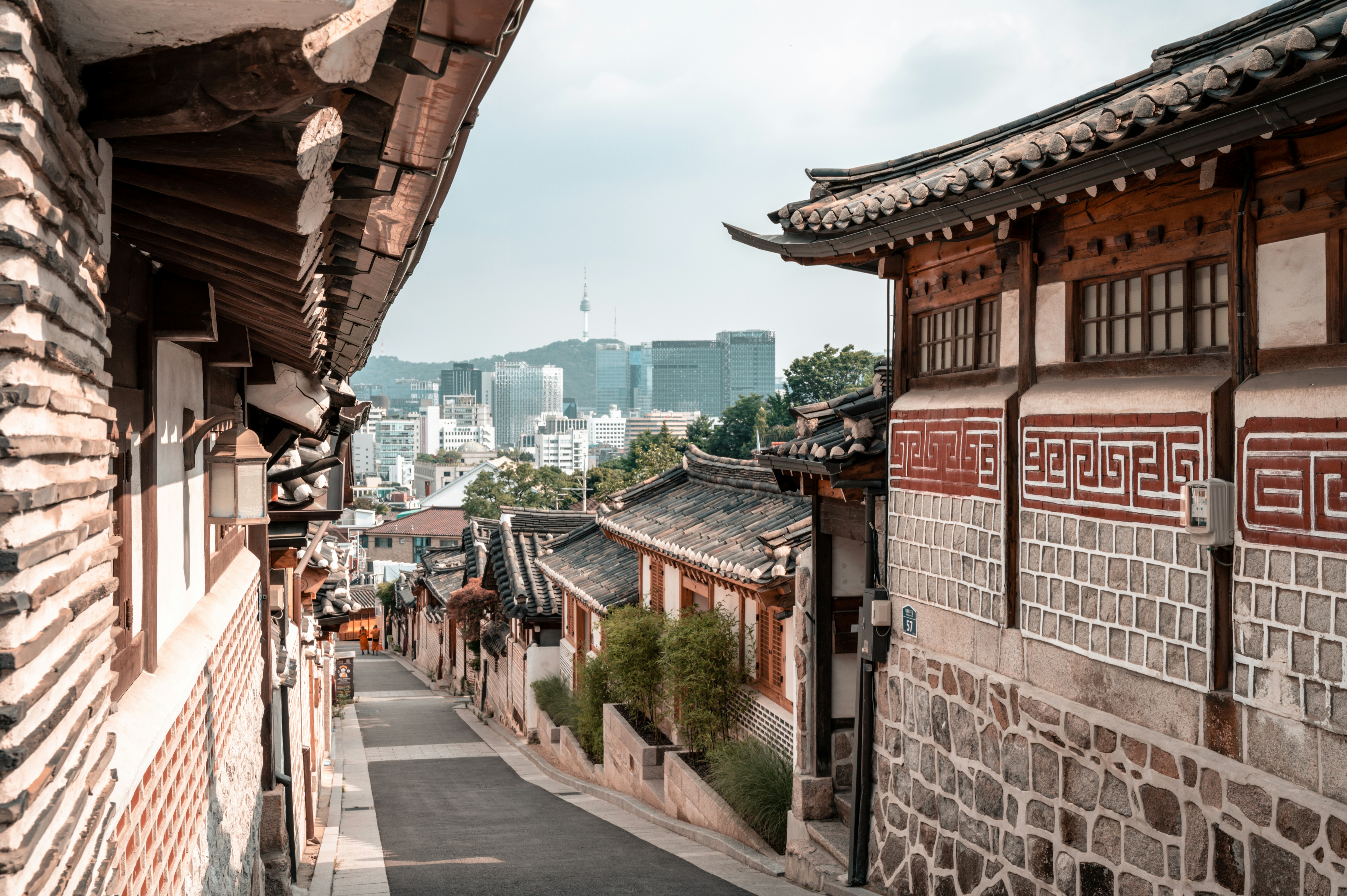
Bukchon Hanok Village
Sights
Seoul is a city where the past and present collide. You can step out of a centuries-old palace and into a sleek skyscraper, then stumble upon a quiet, hanok-lined alleyway all in the same afternoon. I always recommend starting at Gyeongbokgung Palace, the grandest of Seoul’s five palaces, especially for its vibrant changing of the guard ceremony. Nearby, Changdeokgung Palace is a personal favorite, partially for its Secret Garden, which still feels like a hidden retreat despite its popularity. To fully immerse yourself, consider renting a hanbok (traditional Korean attire) from one of the nearby shops. It’s a fun and memorable way to explore, plus it grants you free entry to the palaces and makes for some truly stunning photo opportunities.
From there, walk over to Bukchon Hanok Village, where traditional Korean homes once owned by royalty and high-ranking officials line the hillside streets. The narrow alleyways offer some of the best views in the city, and it’s one of the few places where you can really get a sense of what Seoul once looked like. Along the way, stop for tea at one of the cafes that blend tradition with a modern twist. A few popular spots include O’Sulloc Teahouse Bukchon, Tea Therapy, and Delphic.
Not far from Bukchon, Insadong is a great spot to explore traditional Korean culture and pick up some unique souvenirs. It’s known for its artsy boutiques, galleries, calligraphy shops, and traditional crafts. One keepsake I recommend is a personalized, hand-carved dojang (Korean name stamp), a small but beautiful way to bring home a piece of Korean heritage.
If you’re looking to go beyond the palaces and hanok streets, don’t miss Cheonggyecheon Stream, an urban renewal success story. This restored stream runs through downtown and is a great spot for a mid-day walk or evening stroll. For panoramic city views, Namsan and N Seoul Tower are well worth the climb (or cable car ride). And if contemporary design is more your speed, Dongdaemun Design Plaza (DDP) showcases architecture, fashion, and art in one bold, futuristic space.
Museums
As I’ve grown older, I’ve found myself developing a deeper appreciation for where I come from. One place that always helps me reconnect is the National Museum of Korea, where I can explore the country’s layered history and see how its past continues to shape the present. The museum rotates its exhibitions regularly, and I’ve been especially drawn to its displays of Moon Jars, whose quiet, imperfect beauty reflects the idea that beauty doesn’t have to be perfect to feel meaningful.
For a deeper dive into Korean art, I always recommend the Leeum Samsung Museum of Art. Beautifully curated, it seamlessly bridges traditional and contemporary works. The collection includes everything from Joseon-era ceramics and Buddhist relics to pieces by modern masters like Kim Whanki and global artists like Anish Kapoor. Even the museum itself is a piece of architectural art in its own right.
On the other hand, the National Museum of Modern and Contemporary Art (MMCA) offers a broader, more dynamic snapshot of Korea’s evolving art scene. It’s one of the best places to experience contemporary Korean voices through multimedia installations, video art, photography, and socially engaged pieces. MMCA feels more experimental and expansive, great for those who want to see how Korea’s artists are responding to today’s cultural and political landscape. It’s also a hub for discovering emerging talent and engaging with art that pushes boundaries.
And of course, I never leave without a stop at the museum shops. They’re always beautifully curated with ceramics, books, and design-forward finds that make the perfect gifts, or just something special for yourself.
K-Beauty
If you’ve ever wondered how Koreans achieve that effortless glow, it’s not just genetics. Skincare is a way of life here, and Seoul is one of the best places to experience it firsthand. While social media is full of viral K-beauty recommendations, it’s worth approaching them with a bit of caution as many of those spots cater more to tourists than locals. For a more effective and authentic experience, consider working with a translator or local guide. That small investment can open doors to trusted clinics and treatments you might otherwise miss. Otherwise, I do have a shortlist of beauty influencer recommendations I trust and am happy to share.
For me, this connection to Korean beauty is deeply personal. My mom introduced me to the classic Korean skincare routine when I was young, sparking a lifelong love of self-care. But beauty culture in Korea goes far beyond skincare. From scalp clinics and hair spas to professional makeup services and even comprehensive health checkups that are far more accessible than in the US, Seoul approaches wellness holistically, taking self-care to a whole new level.
And no visit is complete without a trip to a jjimjilbang, or Korean bathhouse. There’s nothing quite like soaking in a hot bath, indulging in a classic Korean body scrub, and walking out with baby-soft skin and a deep sense of renewal. It’s a ritual that locals swear by, and once you try it, you’ll understand why.
One last tip? Leave room in your suitcase. You’ll want to stock up at Olive Young, Korea’s ultimate beauty and wellness store. It’s where locals shop, and it’s easy to spend hours there. Rather than relying on influencer buzz, locals often use the app Hwahae, which ranks products based on real reviews and ingredients. It’s one of the best ways to see what’s actually worth buying.
Shopping
Shopping in Seoul is always evolving, which is why it’s so fun and easy to shop ’til you drop. One of my favorite areas is Seongsu, often called the Brooklyn of Korea. It’s full of converted warehouses turned cafés, design-forward boutiques, and flagship stores from brands like KITH, ADER error, and Musinsa Standard. What really makes Seongsu exciting is the pop‑up culture as trends shift constantly. One minute it’s bag charms, the next it’s shoelace charms, mood rings, or stickered phone cases. Right now, you’ll see lots of custom jewelry, puffer tote bags, and everything Y2K reimagined. It’s the place to see what’s trending before it lands anywhere else.
If I’m short on time or want everything in one place, I head to The Hyundai Seoul. It’s sleek, easy to navigate, and mixes Korean and global brands under one aesthetic roof. Plus, the basement food hall is worth a stop on its own.
For those who are feeling adventurous enough to shop where locals go, Dongdaemun’s wholesale markets are a fun place to hunt for trendy clothing and the cutest accessories at a fraction of retail prices. It’s fast-paced and a little chaotic, but that’s part of the experience. If you’re traveling with kids, I also recommend exploring Namdaemun Market, especially its wholesale children’s clothing sections. You’ll find adorable pieces you won’t see elsewhere, often at great prices.
One of my top tips? Do your duty-free shopping at the malls. Most major department stores like Lotte, Shinsegae, and Hyundai have dedicated duty-free sections. Not only is the selection better and the pricing more competitive, but if the products are made in Korea, you can take them with you immediately. Just bring your passport and flight info, and they’ll take care of the rest.
Places to eat & drink in Seoul, South Korea
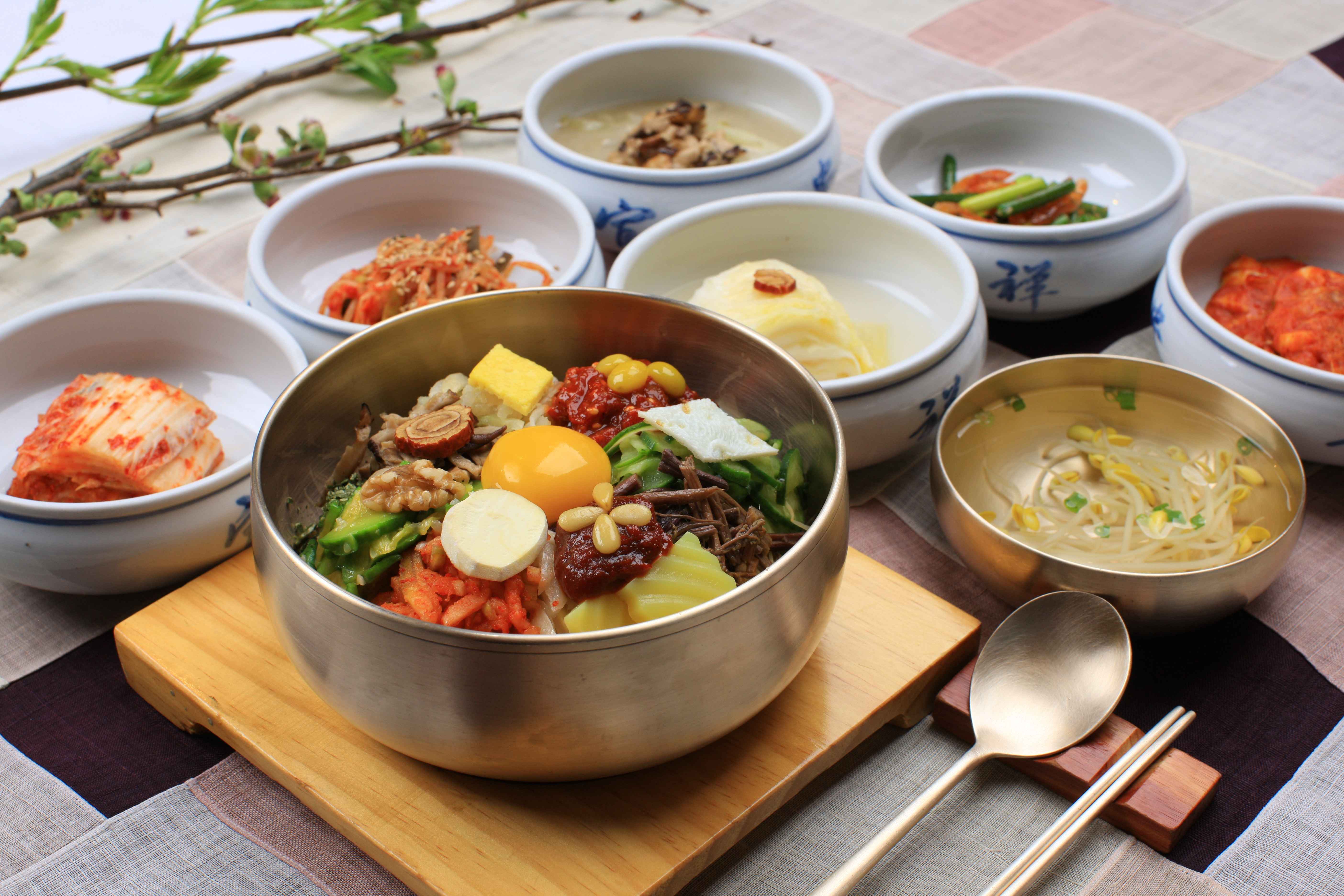
Bibimbap: A classic Korean mixed rice dish
Food is at the heart of Korean culture, and Seoul is a dream for anyone who loves to eat. From traditional markets to tucked-away neighborhood gems and chef-loved hotspots, the city serves flavor in every form. While food shows and social media have helped put many places on the map, I always try to strike a balance between those buzzy spots with the deeply loved places locals return to again and again.
One of my favorite ways to eat through Seoul is by following the locals, and few do it better than Sung Si Kyung, a beloved Korean ballad singer who’s become an unexpected culinary guide. His recommendations lean into nostalgia and comfort: places like Pildong Myeonok, known for its cold buckwheat noodles, or Hadongkwan, which has been serving rich, clear gomtang beef broth since the 1930s. These are places that don’t need trends to stay relevant.
Personally, I never leave Seoul without a meal at Byeokjae Galbi, a place I grew up going to for Korean BBQ and cold noodles. Their galbi is still one of my favorites, especially wrapped in lettuce with all the fixings.
And here’s a slightly controversial take: when I crave pasta, I sometimes love it more in Korea than in Italy. Korean interpretations often balance savory, sweet, and a little unexpected kick. One spot currently on my list is Pono Buono.
When I want to see just how far Korean cuisine can be pushed in the best way, I look to spots like Mingles, where traditional flavors are reimagined with precision and care. Onjium is another standout known for royal court cuisine, but also for the view overlooking Gyeongbokgung Palace. Then there are places like Evett, Joo Ok, and 7th Door that are further proof of how Korean cuisine is evolving yet still grounded in its roots.
If you’re looking for where locals actually eat, skip the tourist lists and turn to Naver Maps, where everyday Koreans share honest, photo-filled reviews. Some of my most memorable meals have come from following those breadcrumbs into small, family-run spots with food that’s anything but ordinary. Just a heads-up if you’re planning to visit Gwangjang Market, it’s had some bad press recently for price gouging and inconsistent portions. If it’s on your list, try to go with a local or a guide who can help you navigate and avoid the tourist traps.
And sometimes, the best meal isn’t in a restaurant at all. There’s something so comforting about walking along the Han River, grabbing a pack of instant ramen from the convenience store, and cooking it right there using the self-serve machines. It’s simple, unpretentious, and one of the most local things you can do. Sit by the water, watch families and bikers go by, and soak in a moment that feels uniquely Korean. Whether you’re after a Michelin star or a smoky street cart, Seoul has a way of feeding both your stomach and your soul.
Need to know
A few things to know before you go because Korea does things a little differently, and that’s honestly part of the charm. It’s one of those places where tradition and technology live side by side. Things run incredibly efficiently, but there are also very specific systems and unspoken rules that might catch first-time visitors off guard.
First, Google doesn’t really work here the way you’re used to. Korea operates on its own digital ecosystem, and Naver functions as their version of Google, Maps, and Yelp all in one. I recommend downloading the Naver Map app ahead of time (you can switch it to English in settings). It offers more accurate directions, subway routes, walking paths, and restaurant listings.
Uber technically exists, but it isn’t widely used. Instead, locals rely on Kakao T, Korea’s ride-hailing app. It’s efficient, gives multiple taxi options, and lets you pay directly in-app. Especially helpful late at night or in areas where hailing a cab can be tricky.
For restaurant reservations, Catch Table is a great tool for booking popular spots without needing to call. One thing to note: the global version can be limited without a Korean phone number. That’s why I like picking up an eSIM at the airport that includes a local number as it makes navigating apps like this much smoother.
There are also a few everyday cultural differences worth knowing. Public trash bins are rare due to strict waste separation rules, so it’s best to dispose of garbage before leaving restaurants or convenience stores. Also, mind your manners. Korea is big on etiquette, even in everyday interactions. It’s customary to remove your shoes when entering someone’s home, and you’ll sometimes be asked to do the same at traditional restaurants or guesthouses. And public spaces? Surprisingly quiet. Even during rush hour, people tend to keep conversations low and avoid taking phone calls on the subway. Just be mindful and follow the local flow as it’s part of what makes being here feel so respectful and intentional.
And while I love Seoul, don’t limit yourself to just the capital. Hop on a high-speed train and you’ll find yourself in Busan, Korea’s vibrant port city known for its seaside charm. Think beaches, coastal temples, fresh seafood markets, and a slightly more relaxed pace. One other place I always recommend? Jeju. This island feels like a completely different world. Often called the “Hawaii of Korea,” it’s where things slow down in the best way. Jeju is full of dramatic coastlines, waterfalls, black sand beaches, and some of the freshest seafood you’ll ever have. There’s something really grounding about being there, and it's absolutely worth the quick flight if you're looking to experience Korea’s natural side. And while there are plenty of places to stay on the island, my favorite hotel in all of Korea just happens to be in Jeju. I don’t usually gatekeep... but reach out, say hello, and I just might share.


Travel Advisor
Wonnie Baik
Wonnie Baik

Get in touch with Wonnie Baik
Did you like this guide? Reach out to customize and book your own experience. Or, just to chat about travel in general.
For more inspiration and insider recommendations, visit our Seoul page.