



Curator’s statement
Luxembourg City surprised me in the best possible way. It is a place where Roman foundations, medieval fortifications, and modern European life exist side by side, all within a city that feels intimate and calm. I loved how walkable and atmospheric it was, yet how much history is hidden beneath the surface. This is a destination for travelers who enjoy layered stories, dramatic viewpoints, and places that still feel quietly undiscovered.
The Fora Difference
Book with Megan Carter to access exclusive perks and experiences on your trip.

Killer perks
Free upgrades, spa credits and more—we got you

Personalized recs
Customized travel planning for your style

Insider knowledge
Expert advice from people who’ve actually been there
Where to stay in Luxembourg City
Unlock perks by contacting Megan Carter to book your trip.
Things to do in Luxembourg City
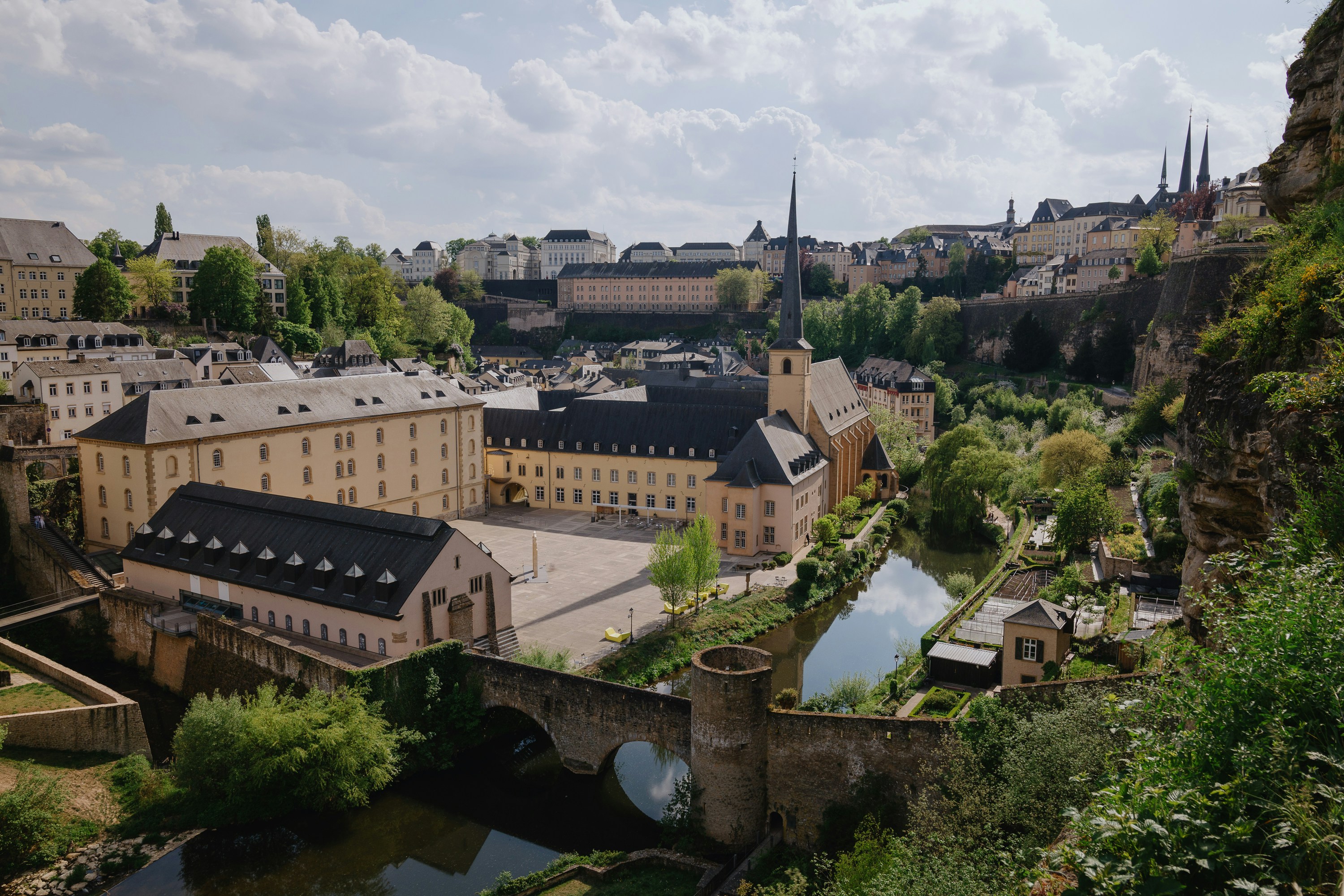
The Grund
Casemates du Bock (guided tour recommended): The Casemates du Bock are a network of 17th-century underground tunnels carved into the cliffs where Luxembourg City was founded. I recommend the guided tour if you want to learn about Luxembourg’s fascinating past from a local, as it explains how these fortifications earned the city its nickname, the “Gibraltar of the North.”
Luxembourg City History Museum: Located in the old town, this museum focuses on how Luxembourg evolved over centuries of conquest and change. I found it beautifully designed, with incredible historical documents and antiquities that helped connect everything I had seen around the city.
Wander the Grund: The Grund is a historic neighborhood in the valley below the old city, once home to craftsmen, mills, and religious communities. I walked through it slowly and found it extremely romantic, and almost fairytale-like, with stone bridges, riverside paths, and a peaceful atmosphere far removed from the upper city.
Ride the panoramic elevators: These modern glass elevators connect the fortified upper city with the lower valleys and neighborhoods. I used them often, and they made navigating the city easy while offering sweeping views that instantly explain Luxembourg’s dramatic geography.
Chemin de la Corniche (the balcony walk): This scenic promenade follows the old defensive walls and overlooks the Grund and Alzette River. We walked the Corniche every day and saw a completely different view each time, from rolling fog to glowing sunsets, making it one of the most atmospheric walks I have experienced in Europe.
Palais Grand-Ducal: The Palais Grand-Ducal is the official residence of Luxembourg’s Grand Duke and is still in active use today. Even seeing it from the outside adds important context to the city’s unique political history, and interior visits are only possible during limited summer dates.
MUDAM Luxembourg: Luxembourg’s contemporary art museum is housed in a striking building designed by I. M. Pei. I loved the contrast it provides to the medieval city center and how it reflects Luxembourg’s modern, forward-looking identity.
Casemates de la Pétrusse: Running beneath the Pétrusse Valley, these casemates form another major layer of the city’s defenses. They felt quieter and more immersive to me, and walking through them really showed how deeply military strategy shaped Luxembourg’s landscape.
Weekend market at Place Guillaume II: Held in the city’s main square, this market showcases local produce and regional specialties. I loved stopping here to see everyday Luxembourgish life and enjoy the contrast with the city’s centuries-old fortifications.
Places to eat & drink in Luxembourg City
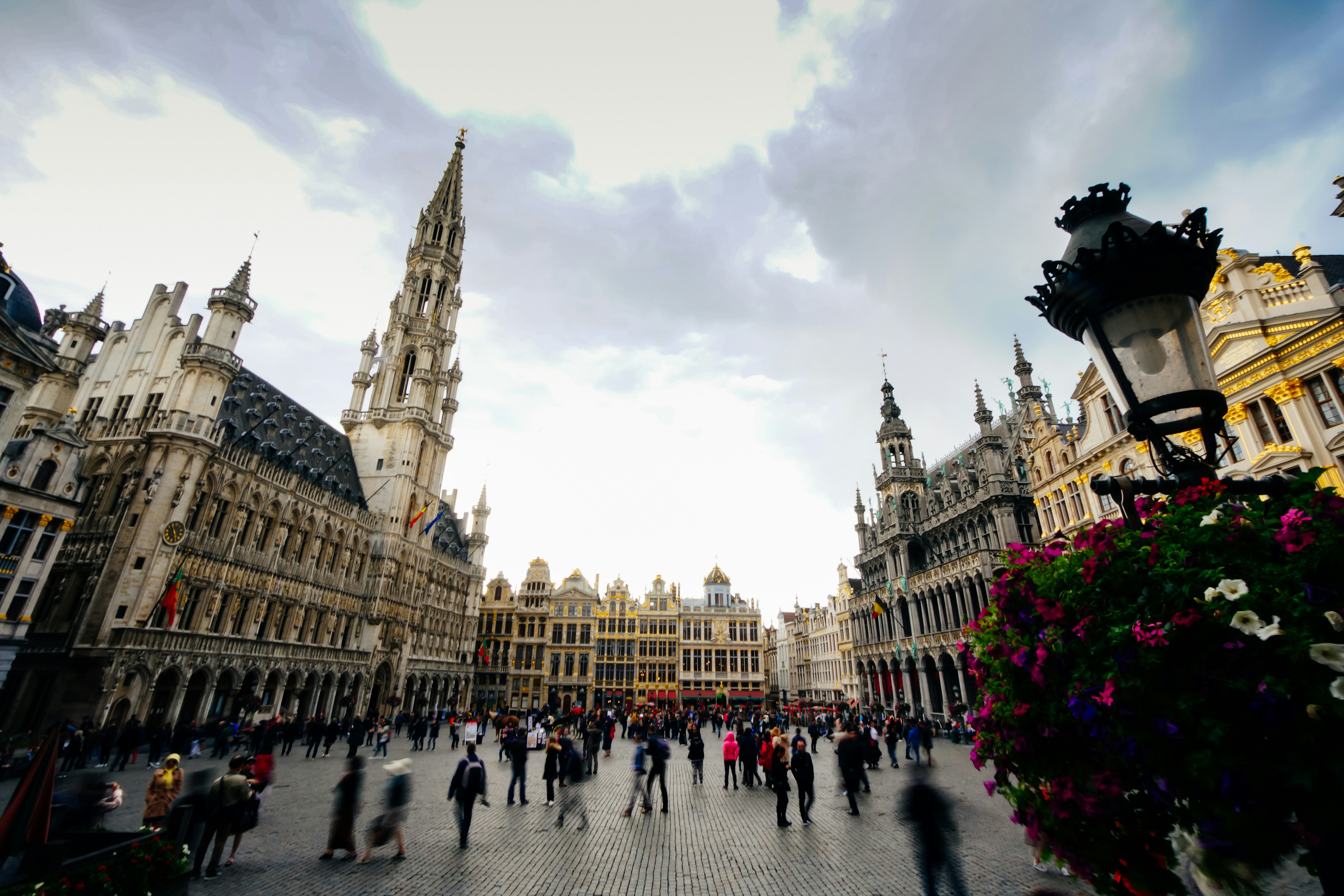
Place Guillaume II (main square)
Onesto: A modern Italian restaurant known for fresh pasta and warm hospitality. This felt like an easy, comforting choice after a long day of exploring the city.
Restaurant Clairefontaine: One of the city’s most refined dining experiences, offering elegant French cuisine with a focus on quality ingredients. Ideal for a celebratory or slower evening meal.
Brasserie du Cercle: Located right on Place d’Armes, this historic brasserie is a great place to try traditional Luxembourgish cuisine in a lively, central setting. I recommend ordering Judd mat Gaardebounen, the national dish of Luxembourg, made with smoked pork collar and broad beans, which gives a real taste of local food culture in a very approachable way.
La Cristallerie: A Michelin-starred restaurant set in a beautiful, formal space. I recommend this if you want a truly elevated dining experience that matches Luxembourg’s understated luxury.
Flow: A contemporary restaurant with a lighter, modern feel. This is a great option if you want something relaxed yet polished, especially for lunch or an early dinner.
Lloyd Coffee Eatery: A favorite for breakfast or coffee, serving excellent espresso and well-done brunch dishes. I loved starting the day here before heading out to explore.
Mosconi: A Michelin-starred Italian restaurant that balances precision with warmth. This was one of my favorite meals in the city and perfect for travelers who love refined but approachable dining.
Bonne Nouvelle: A charming wine bar and restaurant with classic flavors and a welcoming atmosphere. This is a local favorite and will leave you feeling like part of a family.
De Gudde Wëllen: A lively bar and cultural space known for its creative energy and local crowd. This was a fun stop for drinks and a glimpse into Luxembourg’s younger, artistic scene.
Need to know
Getting around is easy: Luxembourg City is very walkable, but there are real elevation changes. Comfortable shoes are a must, and the city’s public elevators make moving between upper and lower levels effortless.
Public transport is free: Buses, trams, and trains are free nationwide, which makes exploring the city and nearby areas incredibly simple.
Language is a non-issue: Luxembourgish, French, and German are all official languages, and English is widely spoken, especially in hotels, restaurants, and museums.
Plan palace visits ahead: The Palais Grand-Ducal is still an active residence and only opens to visitors during limited summer dates. Check hours in advance.
Guided tours are worth it: Especially for the casemates and historic sites, where much of the story is underground or easy to miss without context. Luxembourg has a fascinating, and complicated history. A local guide makes it easy to understand!
Perfect for a long weekend: Ideal on its own or paired with Belgium, France, or Germany for a culture-rich stop that still feels calm and uncrowded.
Consider extending beyond the city: Luxembourg is dotted with fairytale castles, medieval villages, and forested valleys. Renting a car turns the country into a fantastic short road trip, with distances that make exploring easy and unrushed.


Travel Advisor
Megan Carter

Megan Carter

Get in touch with Megan Carter
Did you like this guide? Reach out to customize and book your own experience. Or, just to chat about travel in general.
For more inspiration and insider recommendations, visit our Europe page.