
Curator’s statement
Hong Kong is a city that should have stopped making sense decades ago. A former British colony wedged between China and the South China Sea, rebuilt into one of the world’s most dense and electric urban landscapes and somehow still holding onto the traditions that make it unlike anywhere else. I spent a few days here last month and found myself oscillating between world-class museums, and Michelin-starred dim sum, hikes with ocean views and neon-lit night markets, all within a single city’s reach. This is a city that rewards curiosity, and I wrote this guide for travelers who want to feel its full pulse.
The Fora Difference
Book with Ricardo Navamuel to access exclusive perks and experiences on your trip.

Killer perks
Free upgrades, spa credits and more—we got you

Personalized recs
Customized travel planning for your style

Insider knowledge
Expert advice from people who’ve actually been there
Where to stay in Hong Kong
Unlock perks by contacting Ricardo Navamuel to book your trip.
Things to do in Hong Kong
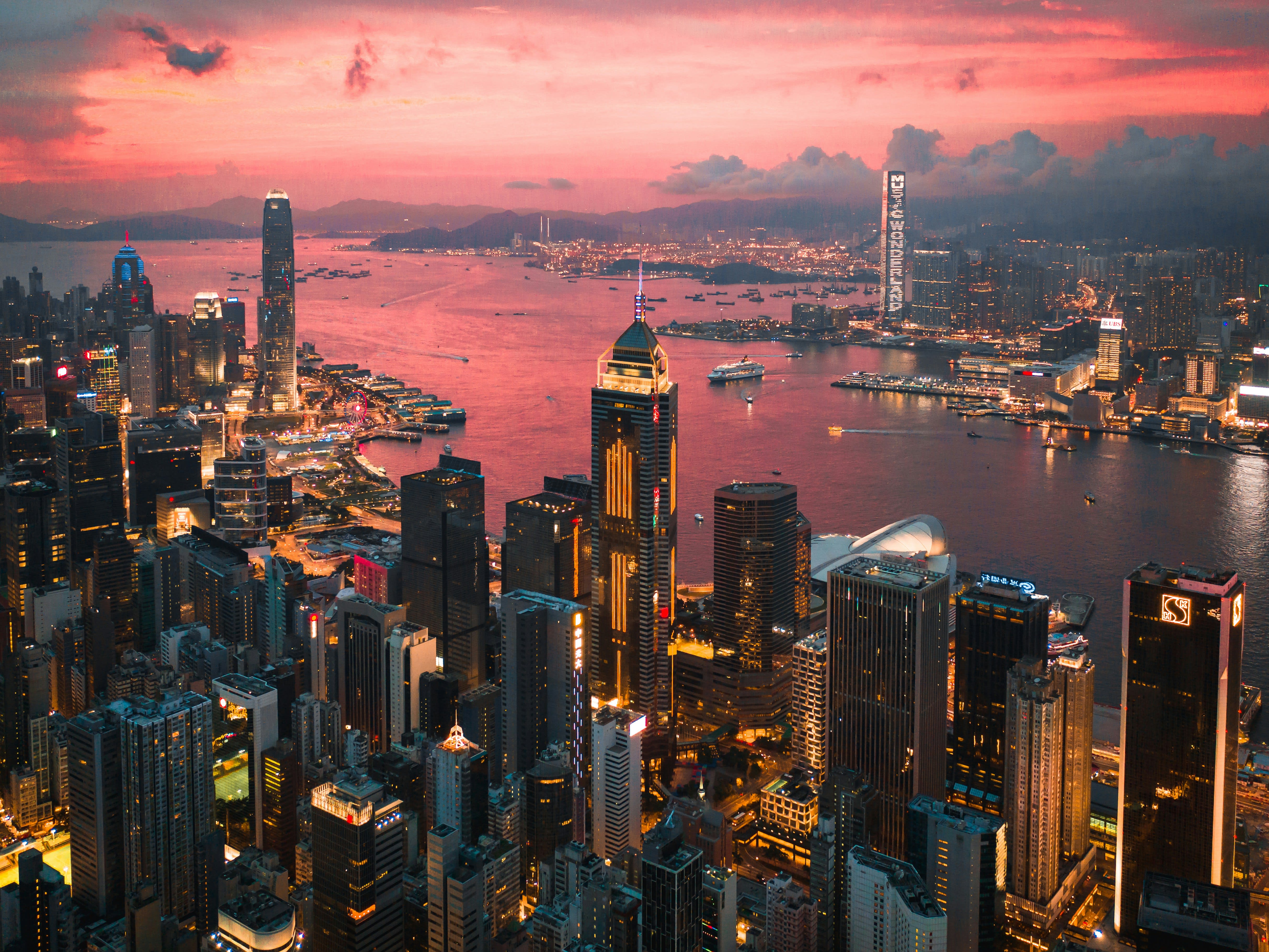
Victoria Peak
Take the Peak Tram up for one of the world’s most recognizable city panoramas. The 30-degree incline tram has been climbing since 1888. The view from the ridgeline at 552 meters shows you exactly why Hong Kong is called the jewel of Asia. Go at dusk and stay for the light-up. Bring a light jacket. The summit is noticeably cooler than the city below.
M+ Museum
Opened in 2021 on the West Kowloon Cultural District waterfront, this 65,000-square-meter building is Asia’s first global museum of contemporary visual culture. The archive of 20th and 21st century Hong Kong art alone is worth the trip. Don’t miss the outdoor LED façade. It becomes a screen after dark and can be seen from the Star Ferry crossing.
Tian Tan Buddha (Big Buddha)
The Buddha sits at 34 meters on Lantau Island, accessible by a 268-step climb. The climb alone is part of the ritual. You arrive at the summit with a different energy than if you’d flown in. Ngong Ping Village at the base has tea houses and a cable car experience (the Ngong Ping 360) that gives you aerial views of the island and sea en route. Arrive early to avoid the tour groups.
Dragon’s Back hike
Hong Kong’s most celebrated trail, and for good reason. The 8.5-kilometer route from Shek O to Big Wave Bay crests along a ridge that looks out over the South China Sea on one side and the city skyline on the other. The trail is well-marked, moderate difficulty, and the kind of natural contrast (forest, ridgeline, beach) that you would not believe exists twenty minutes from Central. Best done in the cooler months, October through March.
Victoria Harbour boat ride
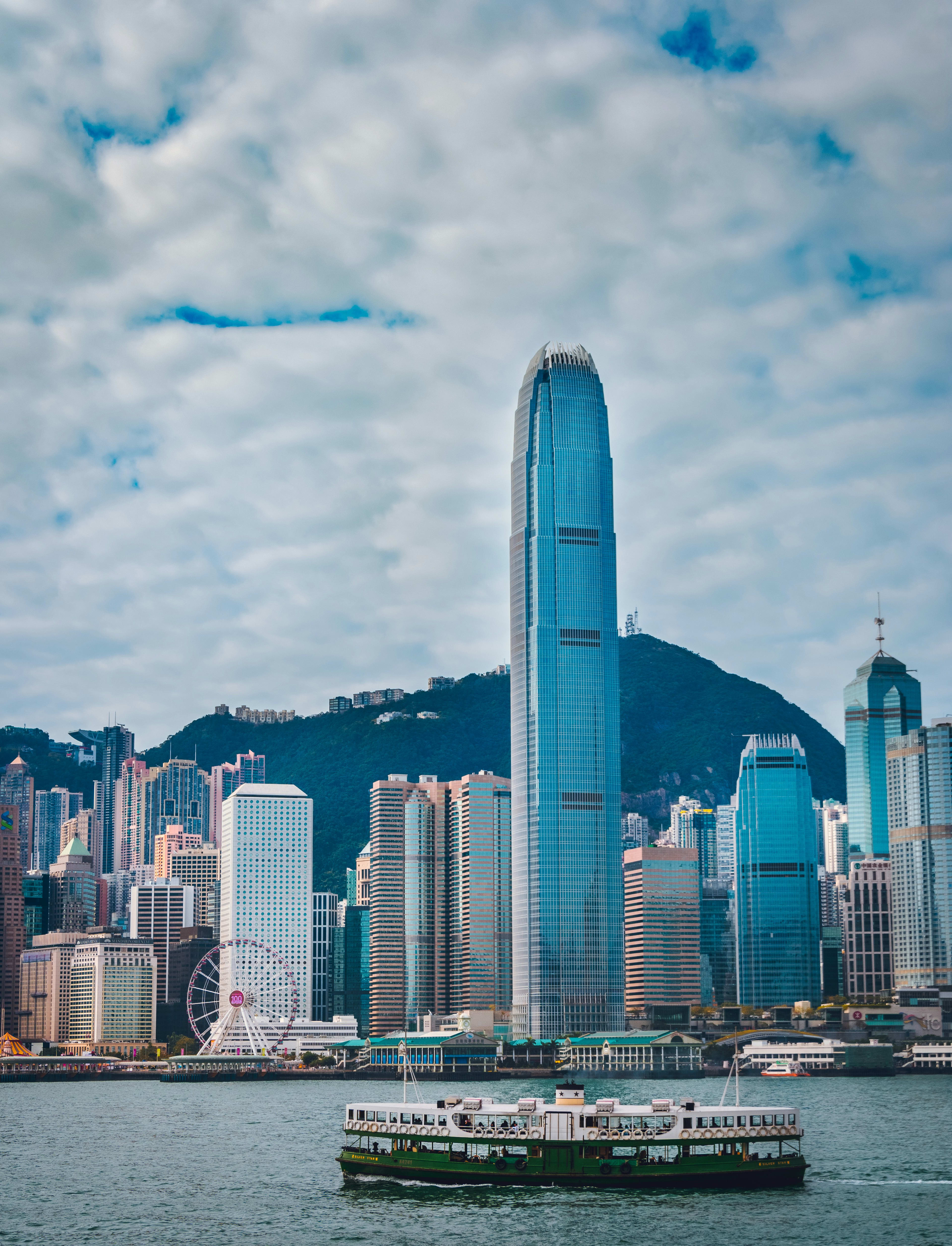
The Star Ferry crossing between Tsim Sha Tsui and Central is one of the world’s most affordable and iconic transit experiences, less than a dollar, twelve minutes, and a completely different perspective on the skyline. For something more leisurely, Aqua Luna offers chartered junk sailings along the harbor at sunset, departing from Central and Tsim Sha Tsui piers. The light show runs every night at 8 p.m. and is best watched from the water.
Temple Street Night Market
Kowloon’s most atmospheric night market runs north from Temple Square in Yau Ma Tei. Rub shoulders with fortune tellers, second-hand watch vendors, and locals eating dai pai dong noodles at plastic tables. The energy is pure Kowloon: loud, messy, alive. Come hungry. The food stalls along the southern end are some of the best street-eating in the city.
Man Mo Temple
One of Hong Kong’s oldest temples, built in 1847, dedicated to the Taoist gods of literature (Man) and war (Mo). The thick incense coils hanging from the ceiling fill the interior with a fragrance you’ll associate with this temple every time you smell it afterwards. Located on Hollywood Road in the Central-Western district, it sits comfortably between antique shops and contemporary galleries.
Tai Kwun—Centre for Heritage and Art
A converted police compound from the colonial era, now one of Hong Kong’s most thoughtfully programmed arts venues. Three Grade I-listed buildings house rotating exhibitions, performances, and a cluster of restaurants and bars that make it as much a neighborhood anchor as a destination. The contrast between colonial architecture and contemporary art programs is genuinely surprising.
PMQ (Former Police Married Quarters)
Hollywood Road’s creative hub was once housing for married police officers. Today, it’s a showcase for Hong Kong design, fashion, and craft. Browse independent Hong Kong designers, catch a workshop, or simply sit in the courtyard with a cold drink and watch the neighborhood move past. A model for how heritage adaptive reuse should feel.
Places to eat & drink in Hong Kong
Spring Moon
The Peninsula’s flagship Cantonese restaurant holds a Michelin star and is one of the city’s most respected dim sum programs. The moon gate interior and white tablecloth service are deliberate throwbacks to the golden age of hotel dining. Order the baked whole abalone puff and the steamed razor clam with black bean.
Holt’s Café (Rosewood Hong Kong)
Named after the Rosewood founder’s grandfather, this ground-floor café bridges Hong Kong’s colonial coffee house culture with modern all-day dining. Theafé latte with condensed milk is a signature. The duck-leg congee is worth building a morning around. Strong natural light, fast service, consistently excellent.
Tim Ho Wan
The Sham Shui Po original that became the world’s cheapest Michelin-starred restaurant. Queues are real. The space is cramped, and the siu mai, har gow, and baked pork buns are still reference-point Cantonese dim sum done with discipline. Go early, go hungry, go without pretension. This is the food that Hong Kong runs on.
The Aubrey
The 25th-floor izakaya inside the Mandarin Oriental is currently one of Hong Kong’s most talked-about openings. Omakase-format Japanese small plates, an exceptional cocktail program built around Japanese whisky, and harbor views through floor-to-ceiling windows. Reservations are difficult. This is a bucket list dinner.
Aqua Luna Bar
The harbor-facing terrace bar at the end of Tsim Sha Tsui pier. The perch puts you above the water with the skyline immediately across the harbor. The cocktail menu leans Italian-aperitivo. The wine list is thoughtful, and the ferry traffic below is a constant theatre. Best at golden hour before the 8 p.m. light show.
Mott 32
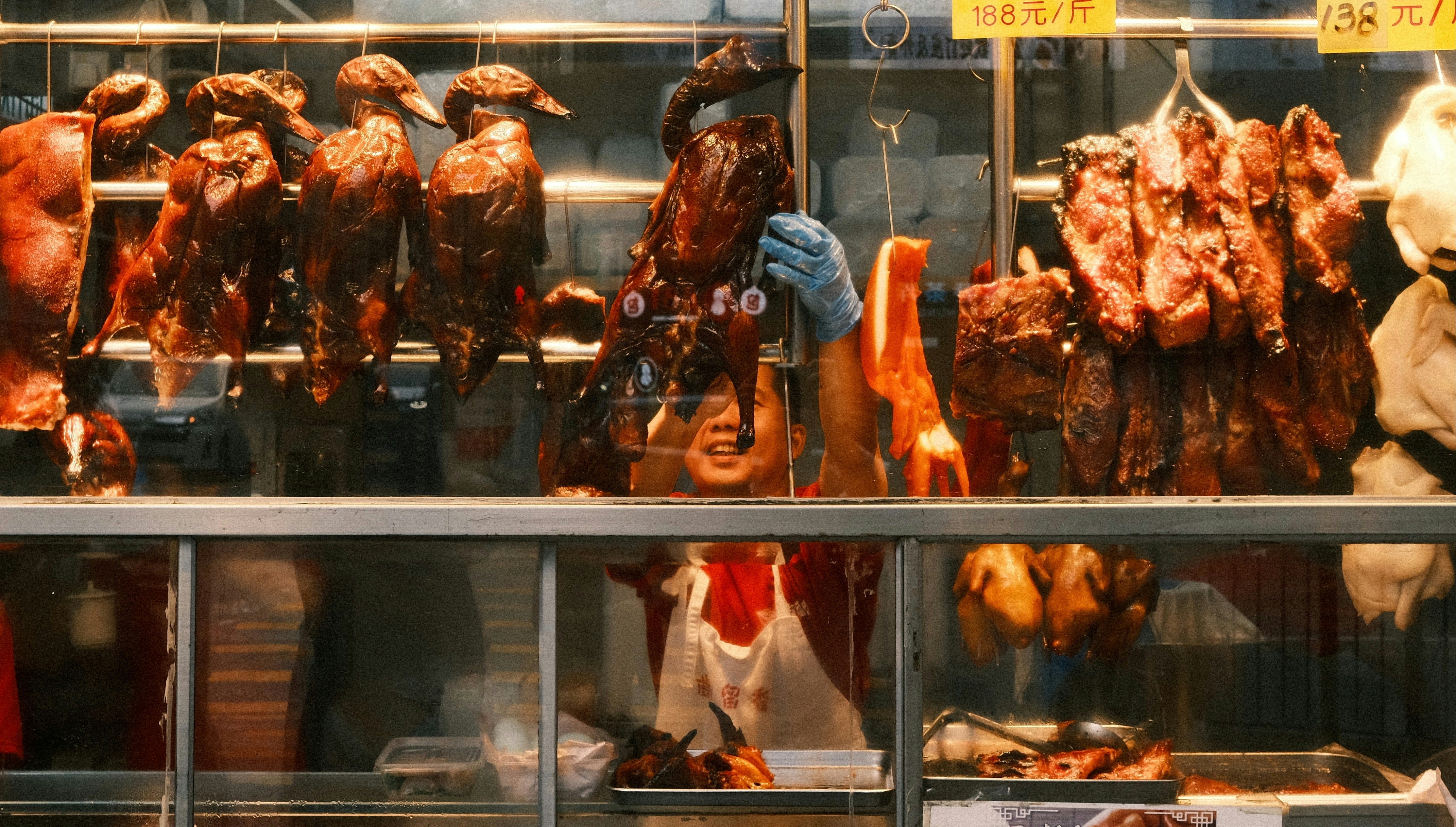
Vancouver-born, Hong Kong-soaked. The menu is modern Chinese with a strong emphasis on Cantonese roasting. Their char siu is a city-wide reference point. The basement space in the basement of a Central office building is moody, candlelit, and consistently excellent. A favorite of the finance crowd, which is how you know the quality is real.
Ho Lee Fook
Son of a traditional dai pai dong, this Temple Street spot was reborn as a hip Cantonese kitchen and became an instant hit. The food is bold and fun: steamed whole fish, pork chops, fried rice, egg tarts with a modern twist. Open late, always buzzing.
Kam’s Roast Goose
Michelin-starred Cantonese roast meat shop near Causeway Bay. The goose is lacquered with a secret five-spice glaze, roasted to mahogany, and carved to order. Fast, cheap (by Michelin standards), and one of those meals that redefines what you think Cantonese cooking can do.
Need to know
Get an Octopus Card at the airport. It works on the MTR, bus, tram, ferry, and most convenience stores. It will save you enormous friction.
Download Citymapper. It handles Hong Kong’s layered transit system better than Google Maps.
The MTR is exceptionally fast and clean. Use it. The Star Ferry and trams are for pleasure, not necessity.
Hong Kong humidity is real. Even in “cool” months, bring layers for the air conditioning and nothing cotton for outdoor activities.
For a break from the city, take the ferry to Lantau Island for the Big Buddha and Tung Chung. It genuinely feels like a different Hong Kong.


Travel Advisor
Ricardo Navamuel

Ricardo Navamuel

Get in touch with Ricardo Navamuel
Did you like this guide? Reach out to customize and book your own experience. Or, just to chat about travel in general.
For more travel inspiration and insider recommendations, check out our Hong Kong page.