




Curator’s statement
Egypt is one of the world’s most iconic destinations—from the majestic pyramids and Great Sphinx of Giza, to the extraordinary temples and tombs lining the Nile, and the beautiful resort coast of the Red Sea. It makes an ideal winter escape thanks to its mild, sunny climate. This itinerary begins with three days in bustling Cairo, followed by a four-day Nile cruise exploring Egypt’s most important ancient sites, and finishes with time to unwind by the Red Sea for those who enjoy a beach escape. Egypt can be traveled independently, but booking through a trusted DMC (Destination Management Company) greatly enhances the experience—offering smoother logistics, expert guides, and deeper historical insight. If traveling independently, I strongly recommend booking guided tours in Cairo in particular. Egypt’s history is incredibly rich, and having expert context makes a meaningful difference.
The Fora Difference
Book with Laurent Belamich to access exclusive perks and experiences on your trip.

Killer perks
Free upgrades, spa credits and more—we got you

Personalized recs
Customized travel planning for your style

Insider knowledge
Expert advice from people who’ve actually been there
Where to stay
Unlock perks by contacting Laurent Belamich to book your trip.
Day 1: Ancient capitals, fallen colossi & the first pyramid
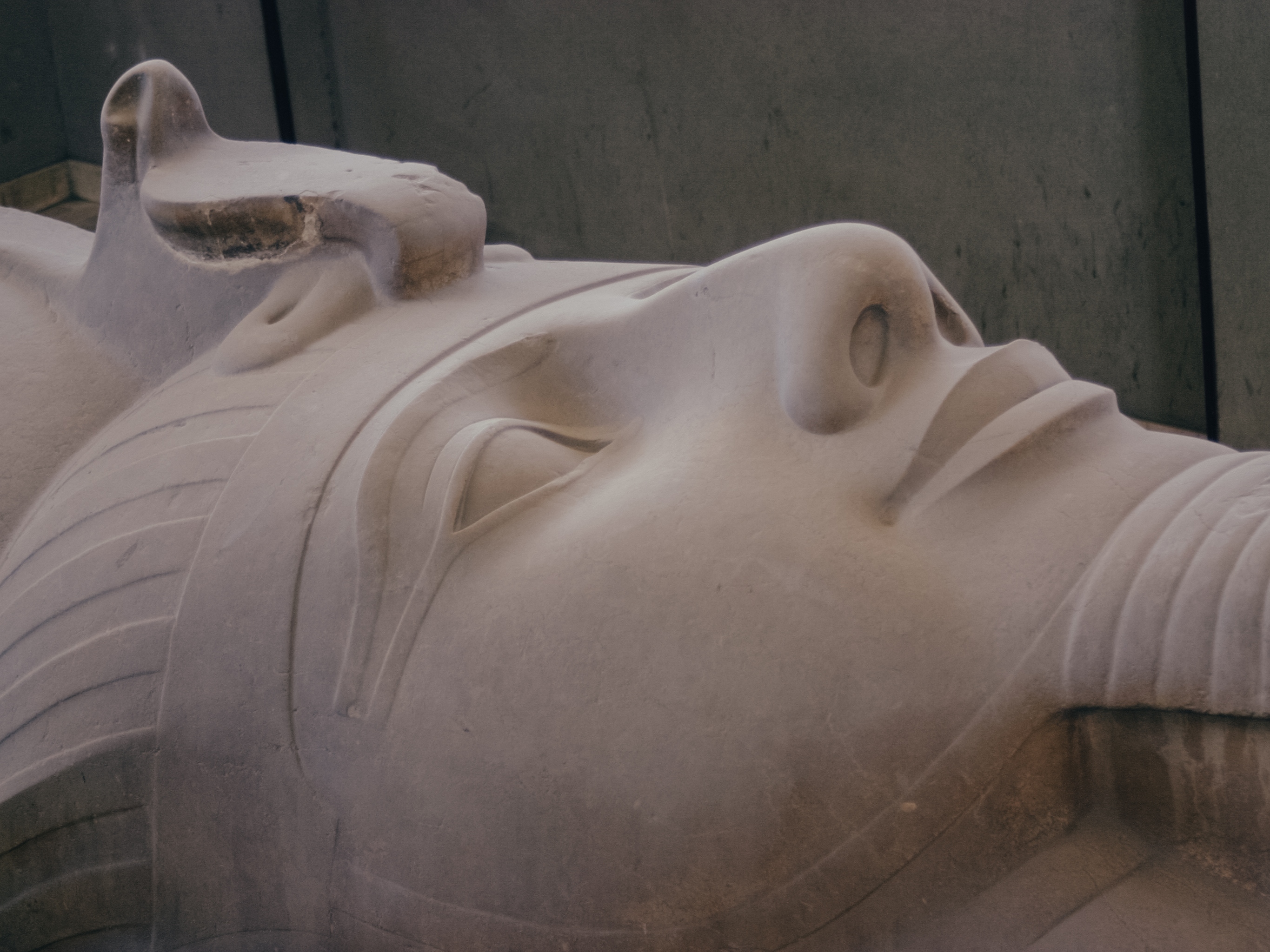
Ramesses II, Mit Rahina
Mit Rahina and Saqqara: Before visiting the pyramids of Giza, Mit Rahina and Saqqara are excellent introductions to ancient Egyptian civilisation. They form part of Ancient Memphis, Egypt’s first capital, whose necropolis stretched from Saqqara to Giza.
Mit Rahina, located around 20 km south of Cairo, is home to the impressive Colossus of Ramesses II, a massive limestone statue now lying on its back, as well as the beautifully preserved Alabaster Sphinx, one of the largest alabaster statues ever discovered
Nearby Saqqara is a vast ancient burial ground and the site of the Step Pyramid of Djoser—the earliest large-scale stone structure in Egypt and the first pyramid ever built. Predating the pyramids of Giza, it rises over 60 metres and consists of six stacked levels, marking a major leap in architectural history.
Day 2: Timeless pyramids, desert rides & museum wonders
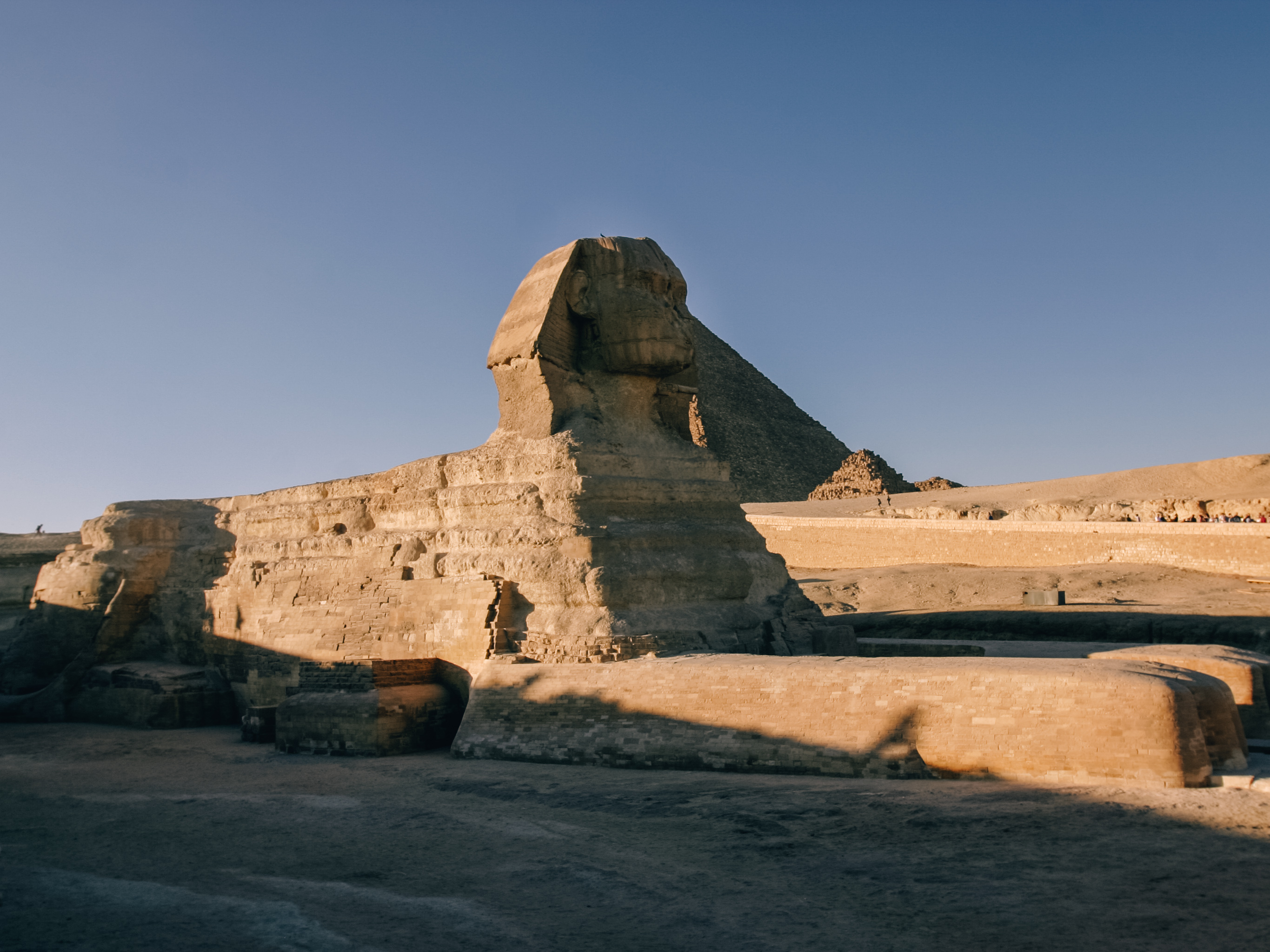
Sphinx Giza
Giza: The Pyramids of Giza and the Great Sphinx are the most iconic monuments of ancient Egypt—awe-inspiring and unforgettable.
Camel rides near the pyramids divide opinion, but they do offer a unique perspective away from the main entrance. The official panoramic viewpoint is also not to be missed, offering the classic view of all three pyramids aligned.
A highlight of the day is the Grand Egyptian Museum (GEM). Newly opened, it showcases Egypt’s treasures on an unprecedented scale, including—for the first time—the full collection of Tutankhamun’s tomb objects displayed together across multiple galleries. The museum’s viewing terrace offers spectacular views towards the pyramids. Advance booking is essential, as capacity is limited.
Day 3: Bazaars, citadels & Cairo’s many layers
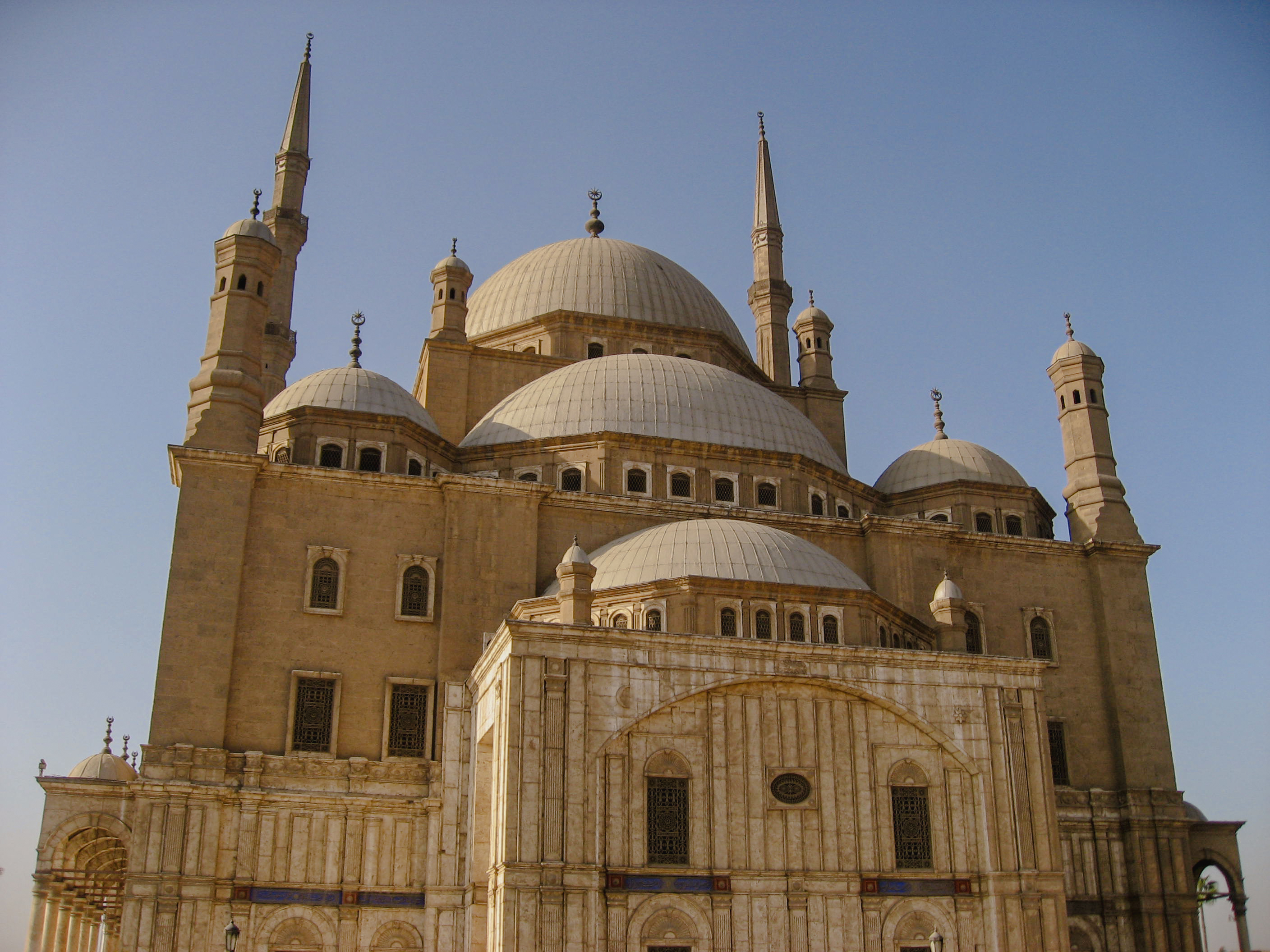
The Citadel of Saladin
Exploring Cairo: Your final day in Cairo is best spent wandering and absorbing the city’s energy.
Visit Khan el-Khalili Bazaar, a vibrant place to shop for souvenirs, spices, and perfumes. Cairo is particularly famous for its perfume sellers—I really enjoyed visiting one of them. They’ll explain the intricate details of scent composition and can recreate almost any perfume you like.
The Citadel of Saladin is another highlight, dominated by the striking Mosque of Muhammad Ali (the Alabaster Mosque).
Coptic Cairo offers a quieter, largely pedestrian experience and is home to some of the world’s oldest Christian sites, including the famous Hanging Church.
If time allows, the Egyptian Museum in Tahrir Square remains open. While many headline artifacts—including Tutankhamun’s treasures and the Royal Mummies—have moved to newer museums, it still houses an extensive and fascinating collection.
Day 4: Colossal columns, glowing temples & setting sail
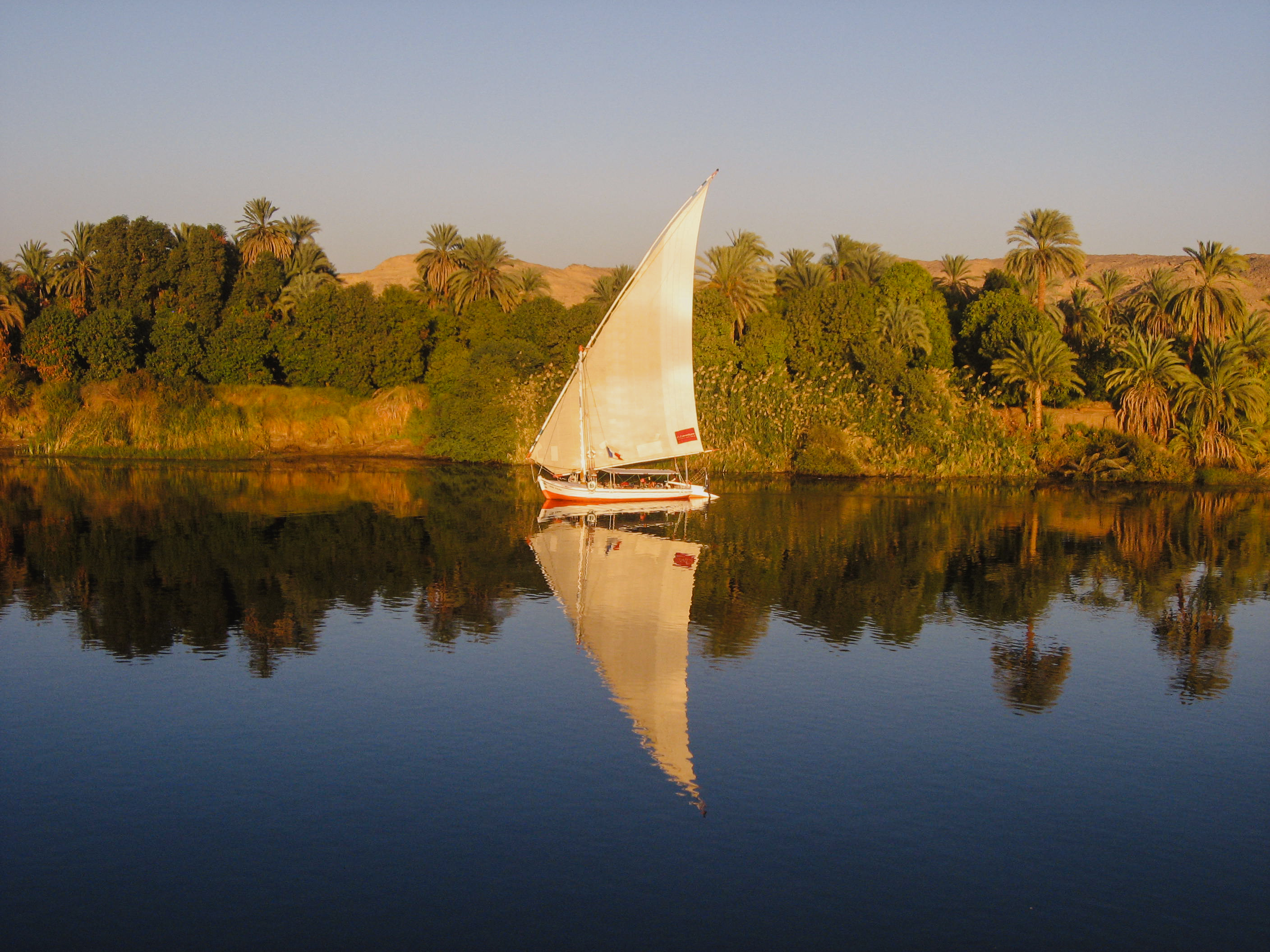
Begin the Nile Cruise (Luxor to Aswan).
Embark around lunchtime, followed by visits to Karnak Temple and Luxor Temple, which are connected by the majestic Avenue of the Sphinxes.
Karnak is a vast complex, famous for its Great Hypostyle Hall, with more than 130 carved columns covered in intricate hieroglyphics. Among the ruins, the two obelisks are favourites of mine—especially Hatshepsut’s iconic pink granite obelisk, nearly 30 metres tall and the tallest standing ancient obelisk in Egypt.
Luxor Temple sits within the city and is beautifully preserved, with elegant colonnades and statues. It’s especially atmospheric in the evening when it’s beautifully lit.
Day 5: Hidden tombs, royal stories & slow Nile sailing
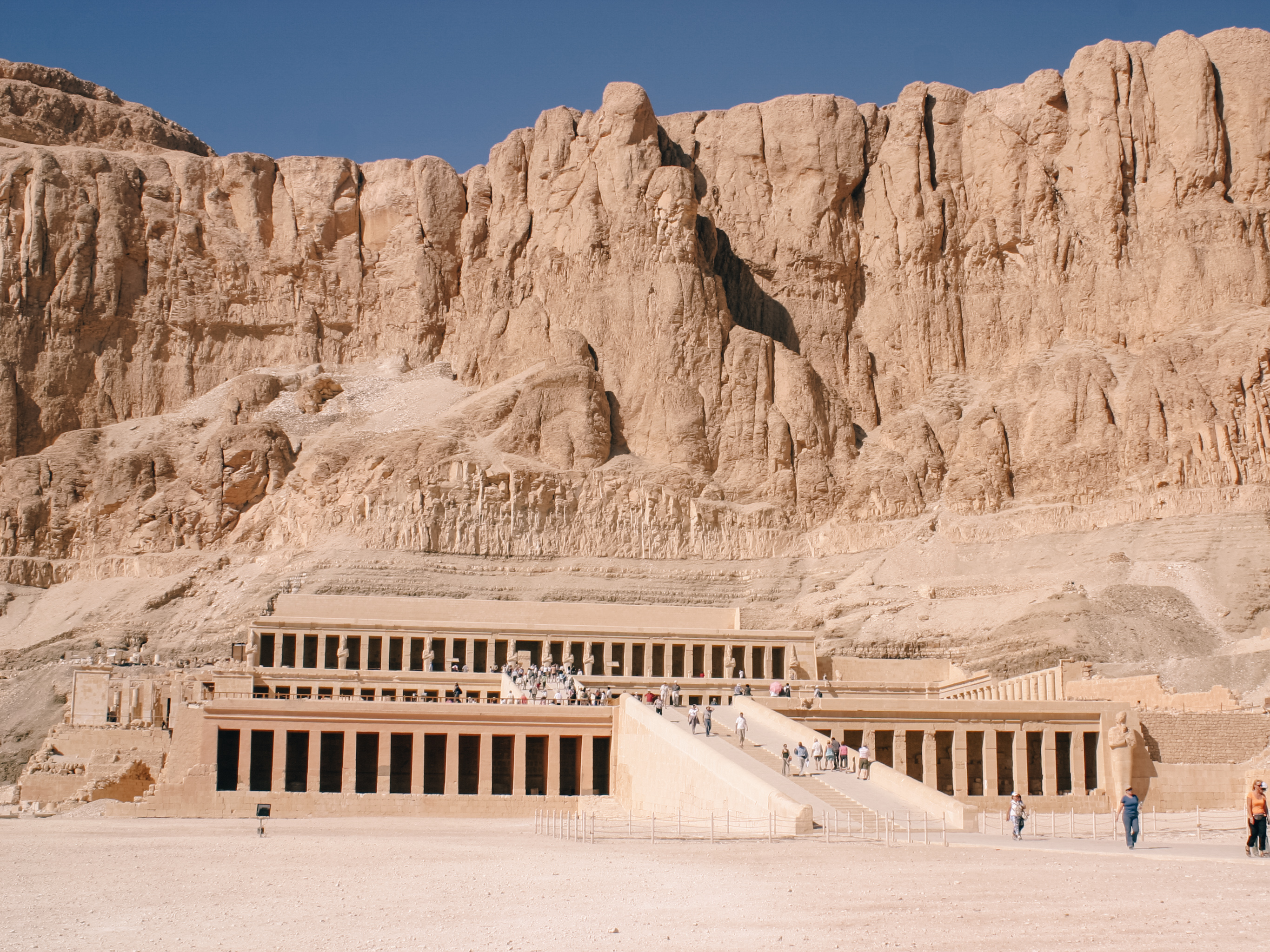
Valley of the Kings: The Valley of the Kings, on the west bank near Luxor, is a vast royal burial ground. Pharaohs abandoned the tradition of large pyramids and instead chose to hide their tombs deep within a desert valley, avoiding the attention of grave robbers. The valley became world-famous with the discovery of Tutankhamun’s nearly intact tomb. Seti I’s tomb and Hatshepsut’s mortuary temple were particularly striking with beautiful decorations.
Sail the Nile in the afternoon and enjoy the beautiful scenery.
Day 6: Falcon temples, twin gods & river rhythm
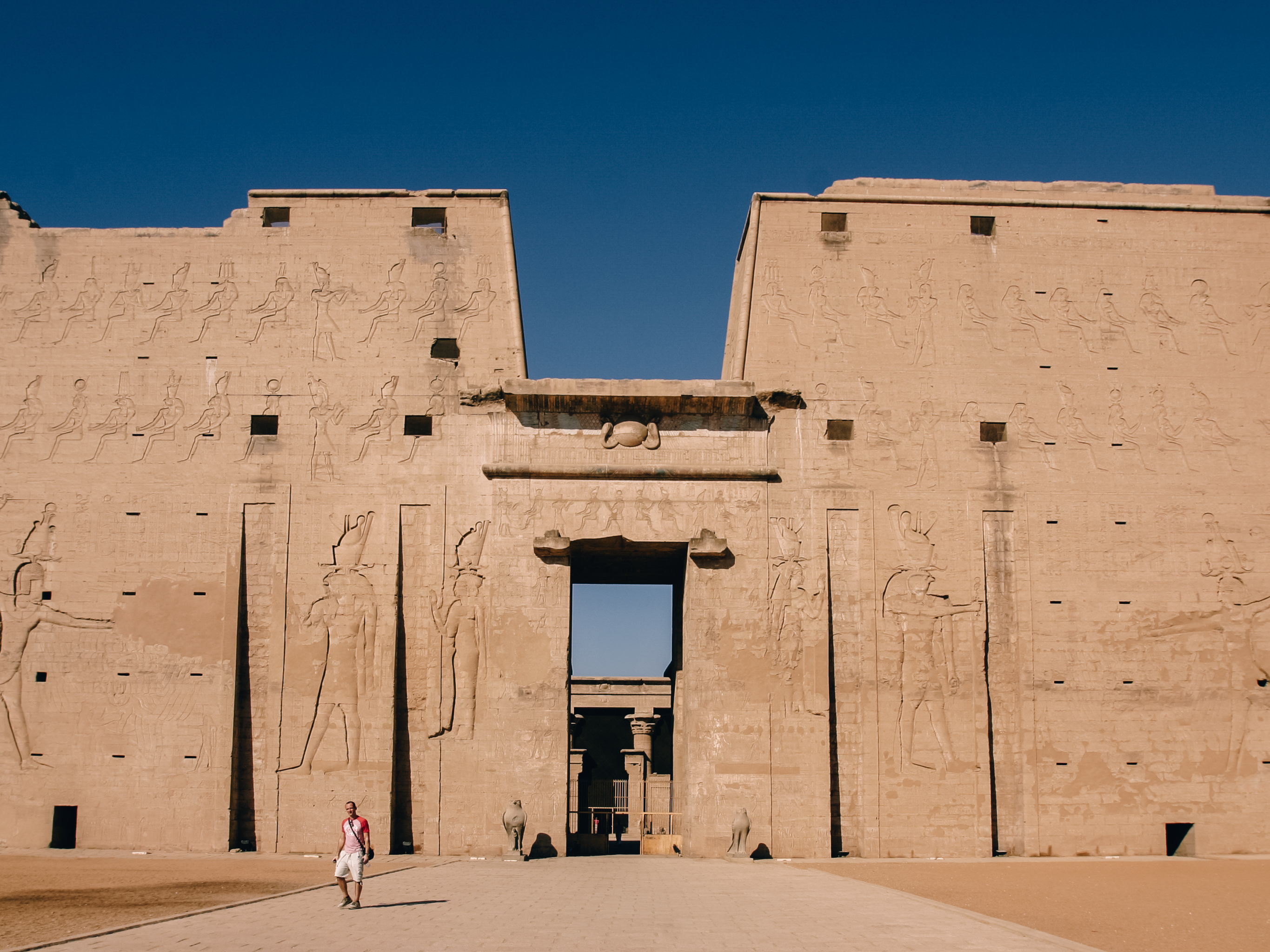
Temple of Edfu
Temples of Edfu and Kom Ombo: The Temple of Edfu is one of my favourite temples in Egypt. Dedicated to the falcon god Horus, it is one of the best-preserved temples in the country, having remained buried for centuries until its excavation in the 19th century. Its monumental entrance is guarded by two massive granite falcon statues, and the sanctuary features beautifully carved walls.
In the afternoon, sail to Kom Ombo Temple. Unusually, it is dedicated to two gods—Sobek (the crocodile god) and Horus the Elder. Its most distinctive feature is its perfect symmetry, designed to give equal space to both gods, and it contains one of the oldest known depictions of surgical instruments.
Day 7: Island temples, sacred stories & felucca sails
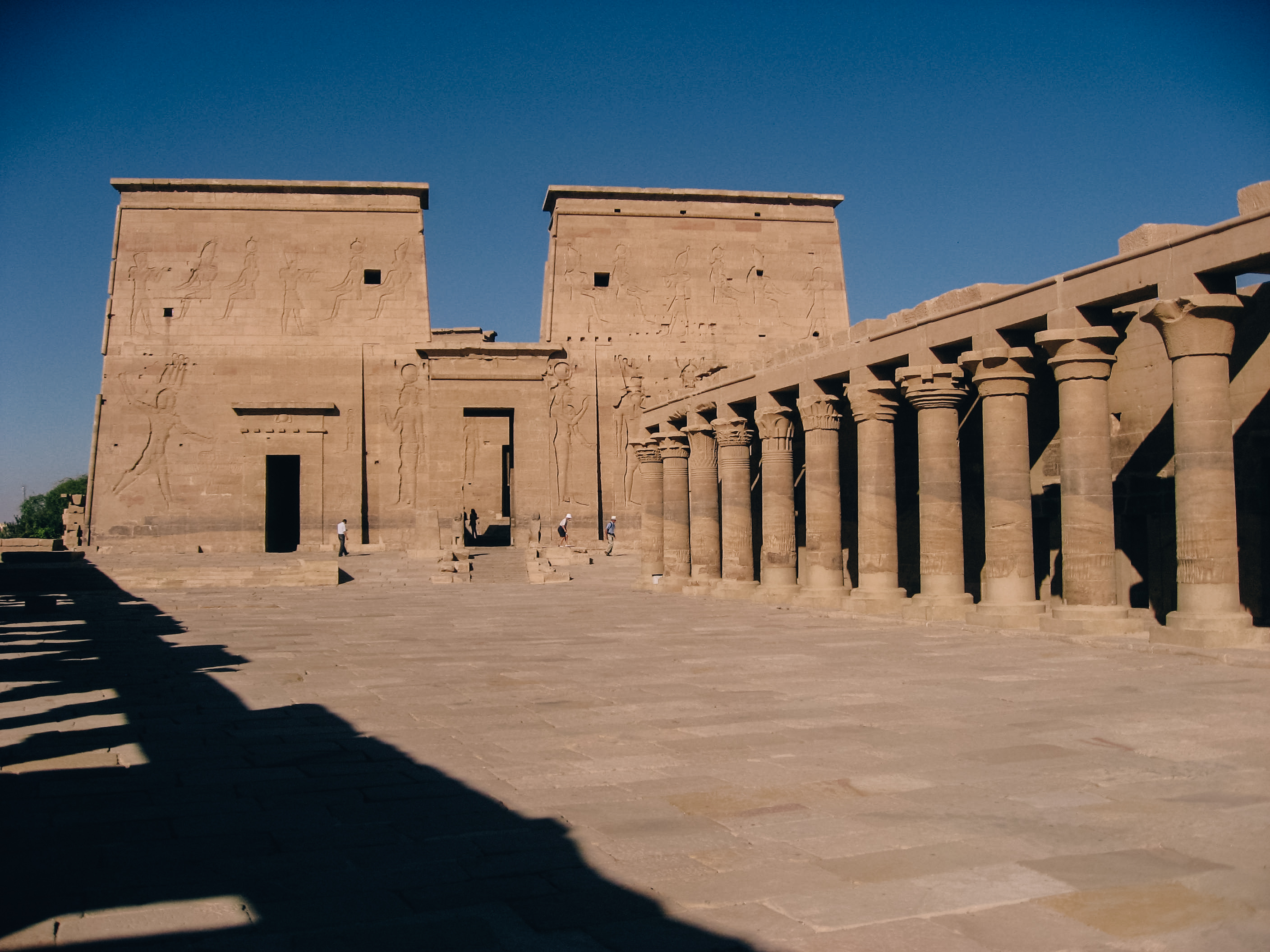
Philae Temple
Philae Temple: In the morning, sail to Aswan and visit Philae Temple—the last temple you’ll visit, and one of the most beautiful. Often called the “Jewel of the Nile”, it’s set on an island and only accessible by small boat. Dedicated to Isis, the temple has a distinctive Greco-Roman architectural style and contains the last known dated hieroglyphic inscription in Egypt.
The afternoon is at leisure, with the option to experience sailing on the Nile by traditional felucca.
Day 8-12: Beach time
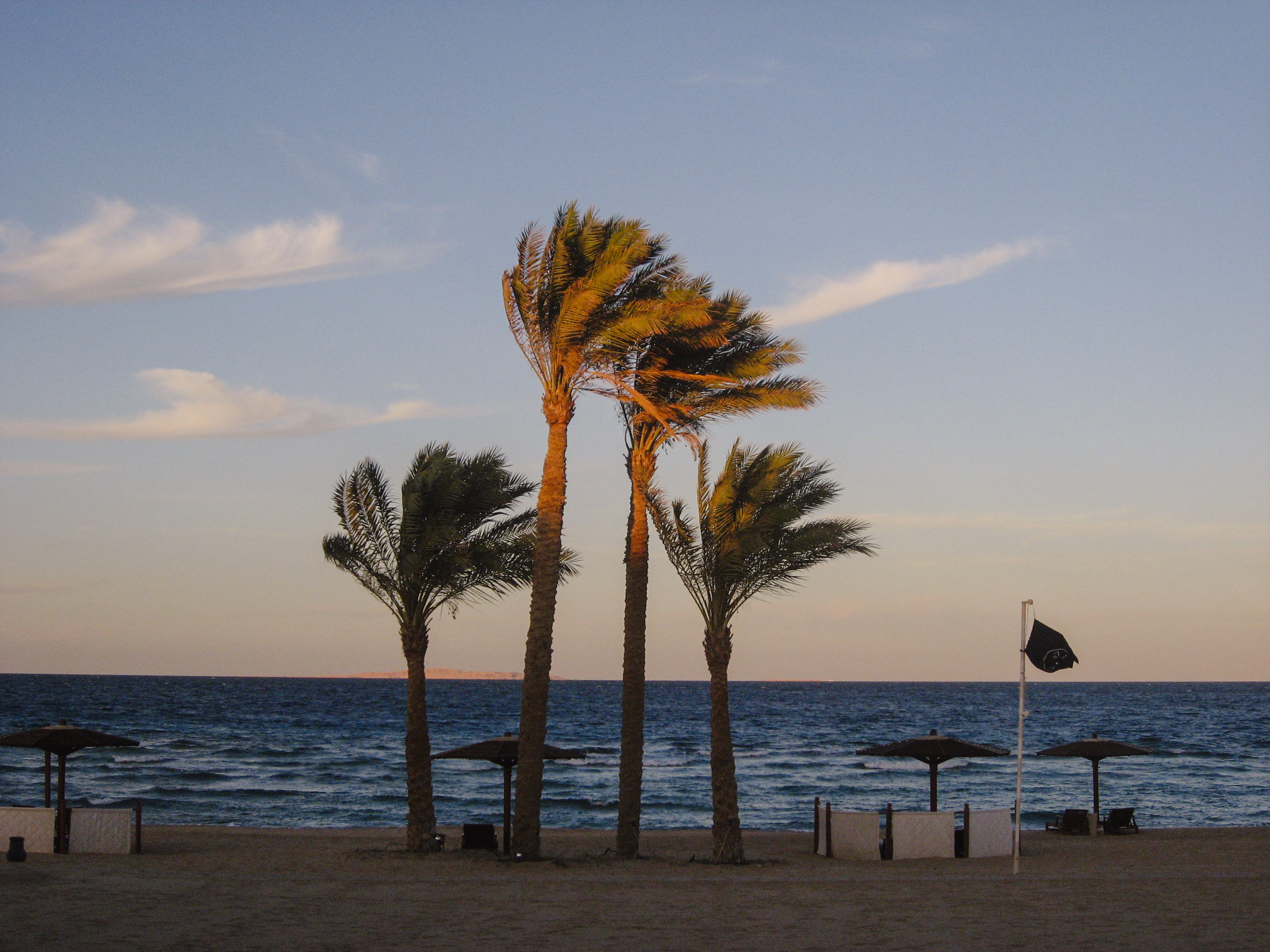
View from Oberoi
Finish your stay in Egypt with time at the beach. Options along the Red Sea include Sharm El Sheikh, a lively resort with vibrant nightlife, or the more serene and chic resorts of El Gouna and Sahl Hasheesh near Hurghada. I opted for the more relaxed atmosphere of The Oberoi Sahl Hasheesh, which was perfect for total relaxation.
Need to know
Giza: Go early to avoid the crowds. Lunch at 9 Pyramids Lounge offers fantastic views.
Grand Egyptian Museum: Book tickets online as early as possible.
Khan el-Khalili: Best atmosphere from late afternoon; mornings are the quietest.
Snorkelling: Sharm El Sheikh has direct access to coral reefs from the beach; in the Hurghada area, you’ll usually need to take a boat.


Travel Advisor
Laurent Belamich

Laurent Belamich

Get in touch with Laurent Belamich
Did you like this guide? Reach out to customize and book your own experience. Or, just to chat about travel in general.
For more inspiration and insider recommendations, visit our Egypt page.