


Curator’s statement
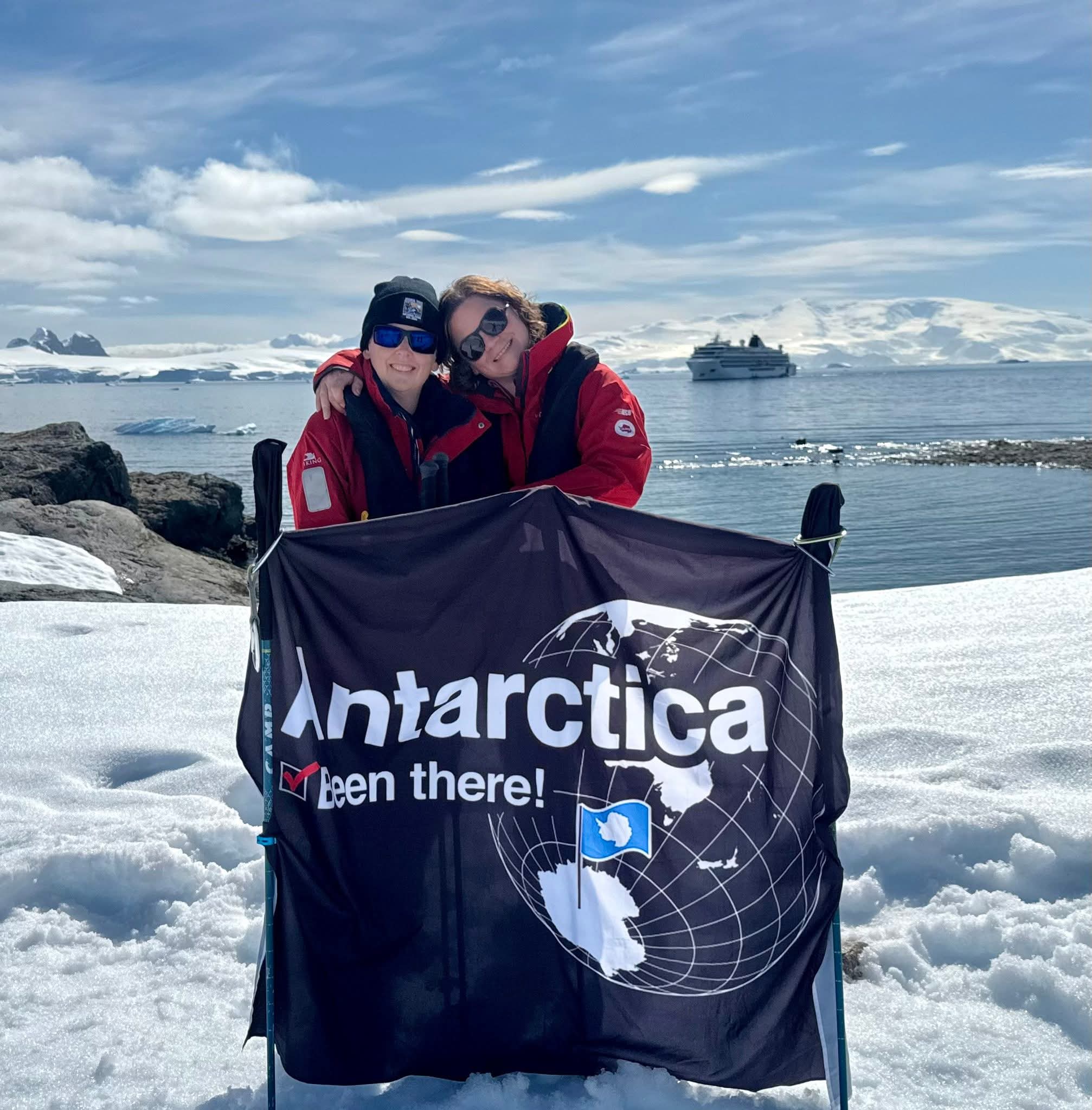
Antarctica feels different from anywhere else I’ve traveled. It’s one of the few places on Earth that still feels truly untouched—vast, quiet, and humbling in a way that’s hard to put into words. Standing there, watching penguins tend their chicks or hearing a humpback breathe beside our boat, I felt both small and incredibly present. It’s not just a destination—it’s an experience that shifts your perspective and stays with you long after you leave.
The Fora Difference
Book with Kari Bonafilia to access exclusive perks and experiences on your trip.

Killer perks
Free upgrades, spa credits and more—we got you

Personalized recs
Customized travel planning for your style

Insider knowledge
Expert advice from people who’ve actually been there
Where to stay
Unlock perks by contacting Kari Bonafilia to book your trip.
The ship
When people talk about Antarctica, they usually start with the penguins.
If you’re considering a trip to Antarctica, I think you should start with the ship.
There are real differences between expedition lines—how they manage landings, how strong the guide team is, how smooth things feel when you’re operating in one of the most remote places on Earth.
From January 6–17, 2026, I sailed aboard Viking Octantis not just to see Antarctica—but to understand how Viking delivers it.
What I found was an expedition experience that feels thoughtful, calm, and extremely well-executed. In Antarctica, that matters.
Landings & why the process matters
We had four landings during our voyage, along with zodiac cruising, kayaking, and time on the Special Operations Boat (which carries 12 guests at a time). The rhythm of the days felt intentional. Active, but never frantic.
Antarctica is carefully protected. Under IAATO guidelines, only 100 passengers can be ashore at once. On a ship with around 378 guests, that means everything has to run smoothly—and it did.
Boarding was organized in waves from The Hangar. Occasionally there was a short wait—but never confusion or chaos. I actually appreciated seeing how seriously conservation is taken. You feel that you’re visiting somewhere that is preserved on purpose.
One of our most memorable stops was Port Lockroy, operated by the UK Antarctic Heritage Trust. It’s home to the southernmost post office in the world—and yes, you can mail postcards—but what stayed with me was the reminder that Antarctica isn’t just wildlife. It’s history, research, and stewardship.
Wildlife
Wildlife was better than I imagined. We saw:
Gentoo penguins with chicks
Chinstrap penguins (we called them the “spicy” ones—they love a little drama)
Minke whales
Orcas
Albatross gliding effortlessly alongside the ship
Humpbacks—adults and calves—close enough to hear
The Special Operations Boat
The Special Operations Boat is a real highlight. With only 12 guests onboard, it feels intimate and nimble. And then there was the humpback moment.
Twelve of us were drifting quietly, QuietVox headsets on. A humpback surfaced ten feet away. You could hear the exhale—that deep, powerful breath—in the cold air. Then it slipped beneath us and swam directly under the boat. Our guide whispered excitedly into our headsets, almost reverent. Guests pointed like little kids seeing something impossible.
No one said anything for several seconds. That silence is Antarctica.
The Drake Passage
We encountered 20-foot waves on the way south. The ship handled them beautifully. I wasn’t seasick at all.
On the way back, we had relatively calm seas, also known as the “Drake Lake.”
If you’re considering flying over the Drake, I wouldn’t skip the passage. Watching albatross trail the ship and feeling the gradual shift as Antarctica comes into view is part of the experience.
Staterooms
We booked a Veranda cabin and I’d choose it again. Plenty of storage, a comfortable sitting area by the window, and a beautiful bathroom with heated floors (which feels especially good after a cold landing).
If kayaking is important to you, upgrading may be worth it—higher cabin categories get earlier booking windows and those reservations go quickly.
Dining
Dining was consistently strong. Manfredi's was a standout, and The Restaurant offered elegant plated dinners. The World Café buffet—the default option most evenings—was high-quality and varied (including made-to-order grill cuts and lobster tails).
Personally, I enjoy the ritual of a seated dinner each night. On expedition sailings, you’ll need reservations for that. Some people love the flexibility. It just depends on your style. Crowding was never an issue anywhere onboard.
The Hide (and why I loved it)
The Hide is a speakeasy-style space on Level 1 at the very front of the ship—one of the best spots on board during the Drake Passage. You’re close to the water. It feels immersive.
Each evening a different expedition staff member shared stories about their life in fieldwork while we sipped specialty whiskey or scotch. It felt cozy and authentic.
The expedition team & overall feel
The expedition team was approachable, knowledgeable, and genuinely enthusiastic. Marine biologists, bird experts, whale specialists—they were accessible and happy to answer questions.
Viking calls itself the “thinking person’s cruise,” and that feels accurate here. The atmosphere is calm, curious, and quietly social. You can connect with others—or find a quiet corner with binoculars and a book.
The Nordic spa was also a real highlight for me. Sauna, heated loungers, snow grotto—the perfect reset after being out in the elements.
Logistics
The itinerary included a one-night pre-cruise stay at the InterContinental Buenos Aires. Comfortable, well located, and a nice way to ease into the journey before the charter flight to Ushuaia, which was seamless.
Gear fitting onboard was efficient, parkas were warm and practical, and the Wi-Fi onboard was better than I expected for such a remote location.
Viking Octantis is ideal for:
Active travelers
Guests who value education and thoughtful design
Those who want comfort without flash
It’s not the right fit for families with children (Viking is 18+ only) or travelers looking for casinos or big nightly shows. This is expedition-first—with comfort layered in.
Final thoughts
If someone asks me whether Antarctica is worth it, my answer is unequivocally yes. If they ask whether the ship matters, I’d say even more so. Antarctica magnifies everything—how landings are managed, how strong the expedition team is, how stable the ship feels in the Drake. Viking Octantis delivers Antarctica in a way that feels thoughtful, calm, and beautifully executed.
And when you’re traveling to the end of the world, that’s exactly what you want.
Need to know
Antarctica requires more preparation than a typical cruise—but it’s very manageable with the right guidance.
Layering is everything. You’ll spend time on deck wildlife spotting, even when you’re not on a landing, so warm, windproof outerwear and good gloves matter. The gear Viking provides (waterproof pants, boots, and parka) is solid, but I recommend bringing high-quality base layers and wool socks. It was very warm on board, so we did not need heavy sweaters. I recommend merino wool items.
Excursions like kayaking can fill quickly, so cabin category and booking timing matter if that’s important to you.
The Drake Passage is part of the experience—I recommend coming prepared with motion remedies just in case, even though modern expedition ships handle it well.
Finally, build in a little extra flexibility before and after your cruise. We arrived in Buenos Aires three days prior to embarkation and enjoyed the extra time exploring the city. Weather governs everything in Antarctica, and allowing breathing room in your schedule makes the entire journey feel relaxed rather than rushed.
For more inspiration and insider recommendations, visit our Antarctica page.


Travel Advisor
Kari Bonafilia

Kari Bonafilia

Get in touch with Kari Bonafilia
Did you like this guide? Reach out to customize and book your own experience. Or, just to chat about travel in general.