



Curator’s statement
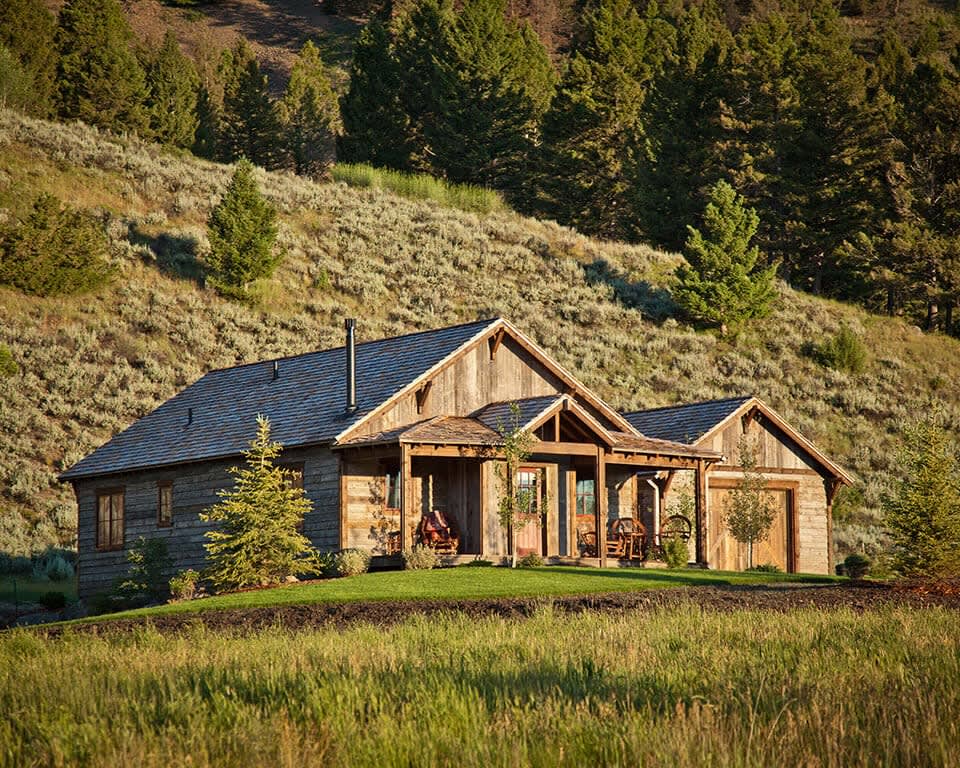
At Casa D’Mina, we allowed ourselves to move at the pace of the place, connecting with its authenticity and unhurried local rhythm.
The Fora Difference
Book with Irene Zamora to access exclusive perks and experiences on your trip.

Killer perks
Free upgrades, spa credits and more—we got you

Personalized recs
Customized travel planning for your style

Insider knowledge
Expert advice from people who’ve actually been there
Where to stay
Unlock perks by contacting Irene Zamora to book your trip.
The Camino de Santiago is a transformative journey. One that reshapes the way you walk through life.
For travelers who wish to discover the world at the rhythm of their footsteps. For those who seek spaces of silence, brief encounters accompanied by a Buen Camino, and the chance to walk while feeling history beneath their feet.
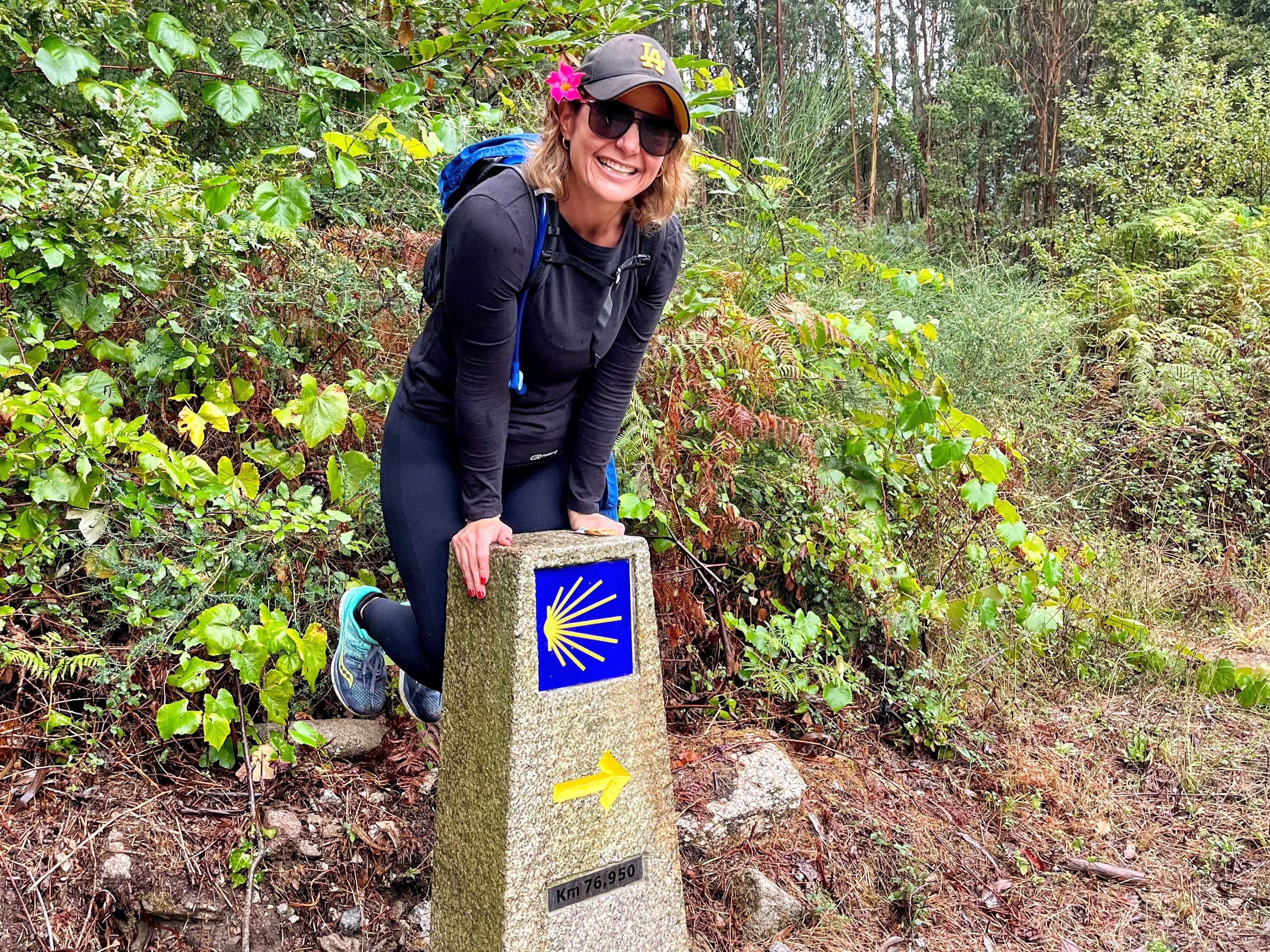
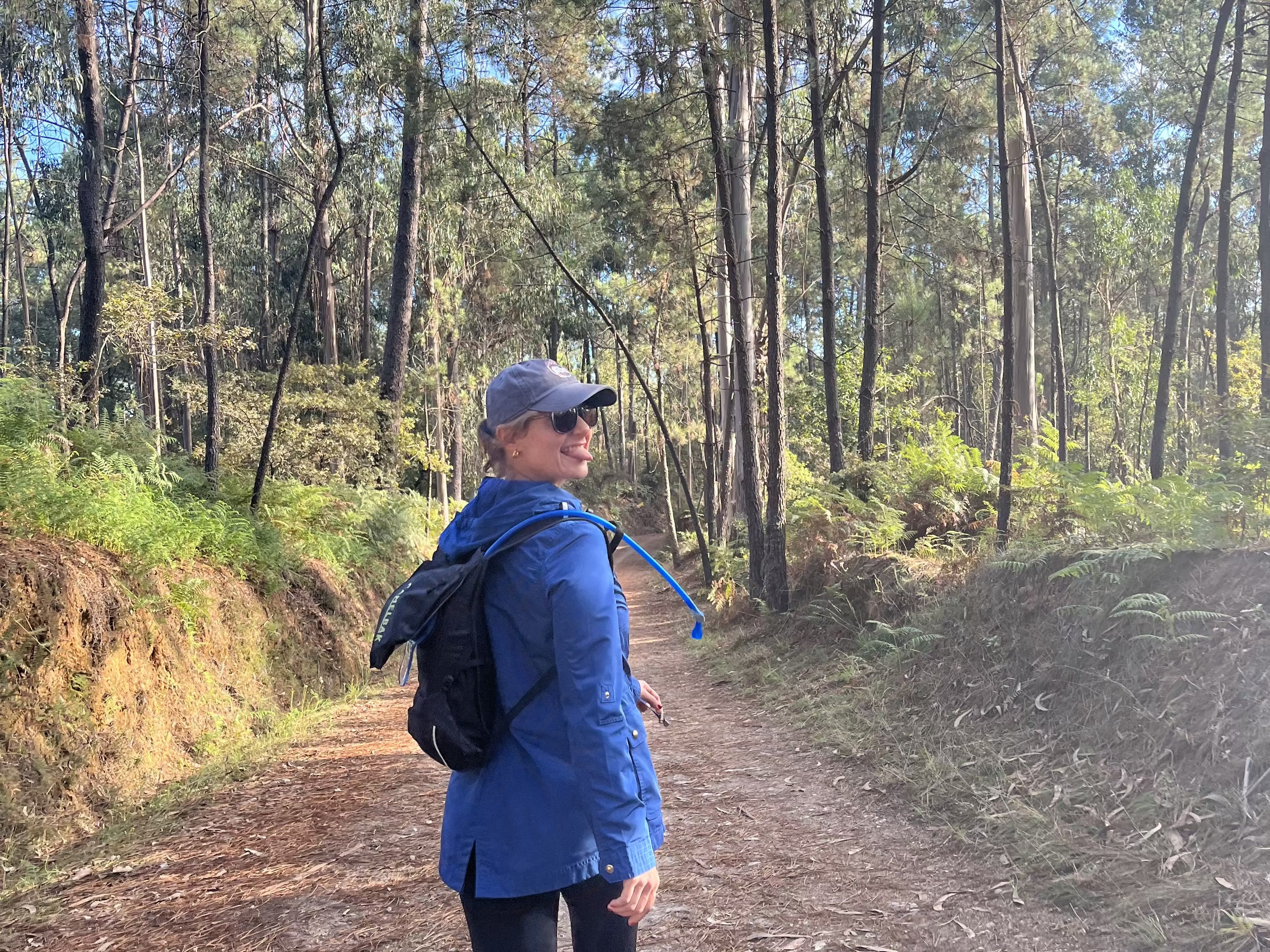
There are many ways to walk the Camino and many possible routes. We chose the Portuguese Way, starting in Tui, walking 118 kilometers over five days, with stages designed to cover 20 to 25 km per day. Early mornings become a ritual: walking in the soft morning light, arriving in time for lunch, resting in the afternoon, and leaving space to experience the authenticity of each village.
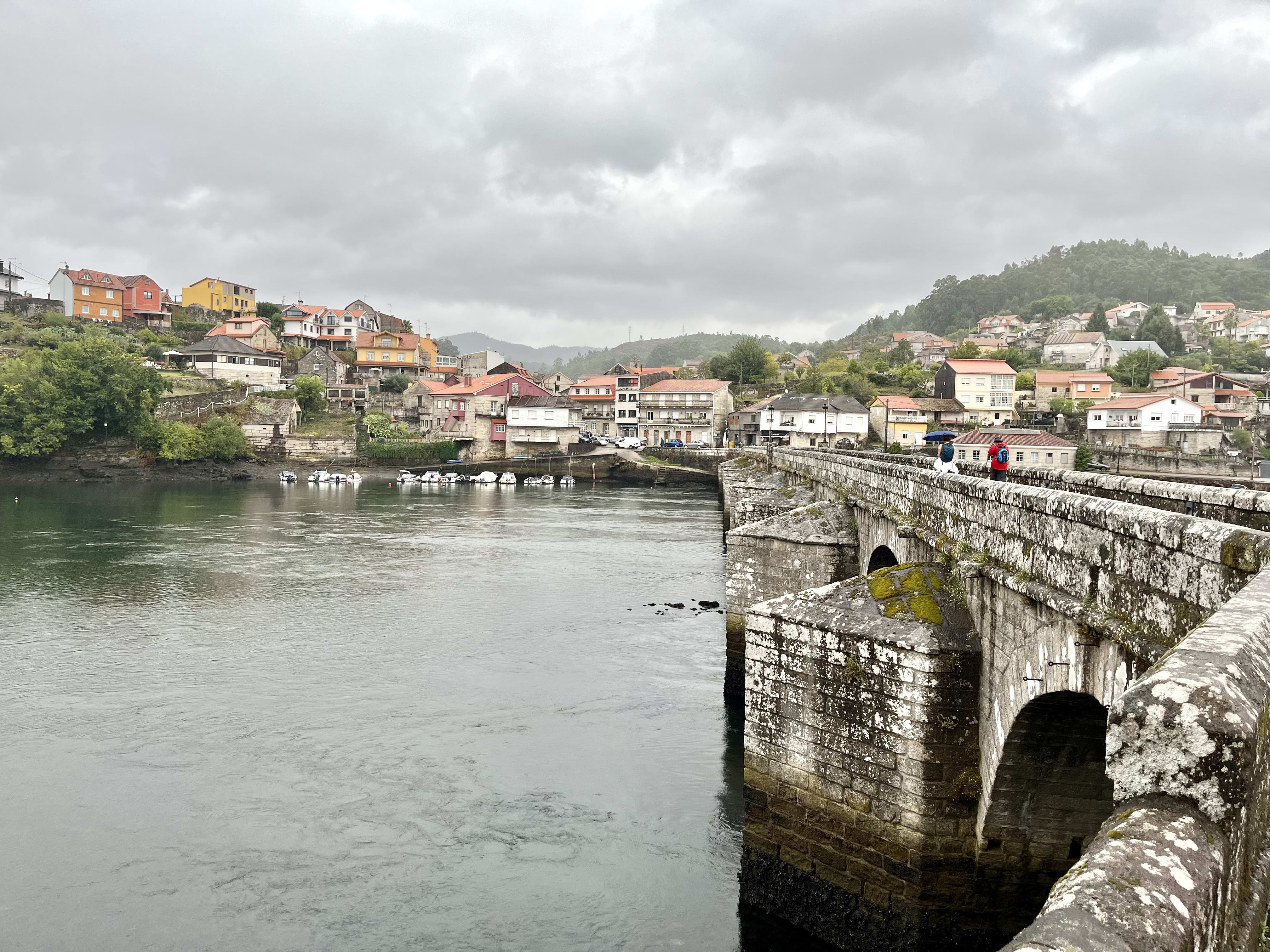
Our route took us through O Porriño, Redondela, Pontevedra, Caldas de Reis, and Padrón, until reaching Santiago de Compostela. But the Camino—like any deep process—does not end where we think it will.
We flew from Madrid to Vigo and spent the night in Tui, beginning the journey with a delicious dinner, the kind that marks the start of something important. The first day was an honest welcome: green paths along the Louro River, followed by an industrial stretch that connected us with everyday life. The Camino does not idealize—it integrates.
The second day invited us to open our senses. More nature, more air. A violinist accompanying the footsteps of the pilgrims made me smile and think: this is magic. Arriving in Redondela, beneath the railway viaducts.
Here the Camino widens: local Albariño wine, seafood, and in this estuary, the cultivation of oysters, clams, and mussels. We stayed at Casa D’Mina, connecting deeply with the authenticity and local rhythm.
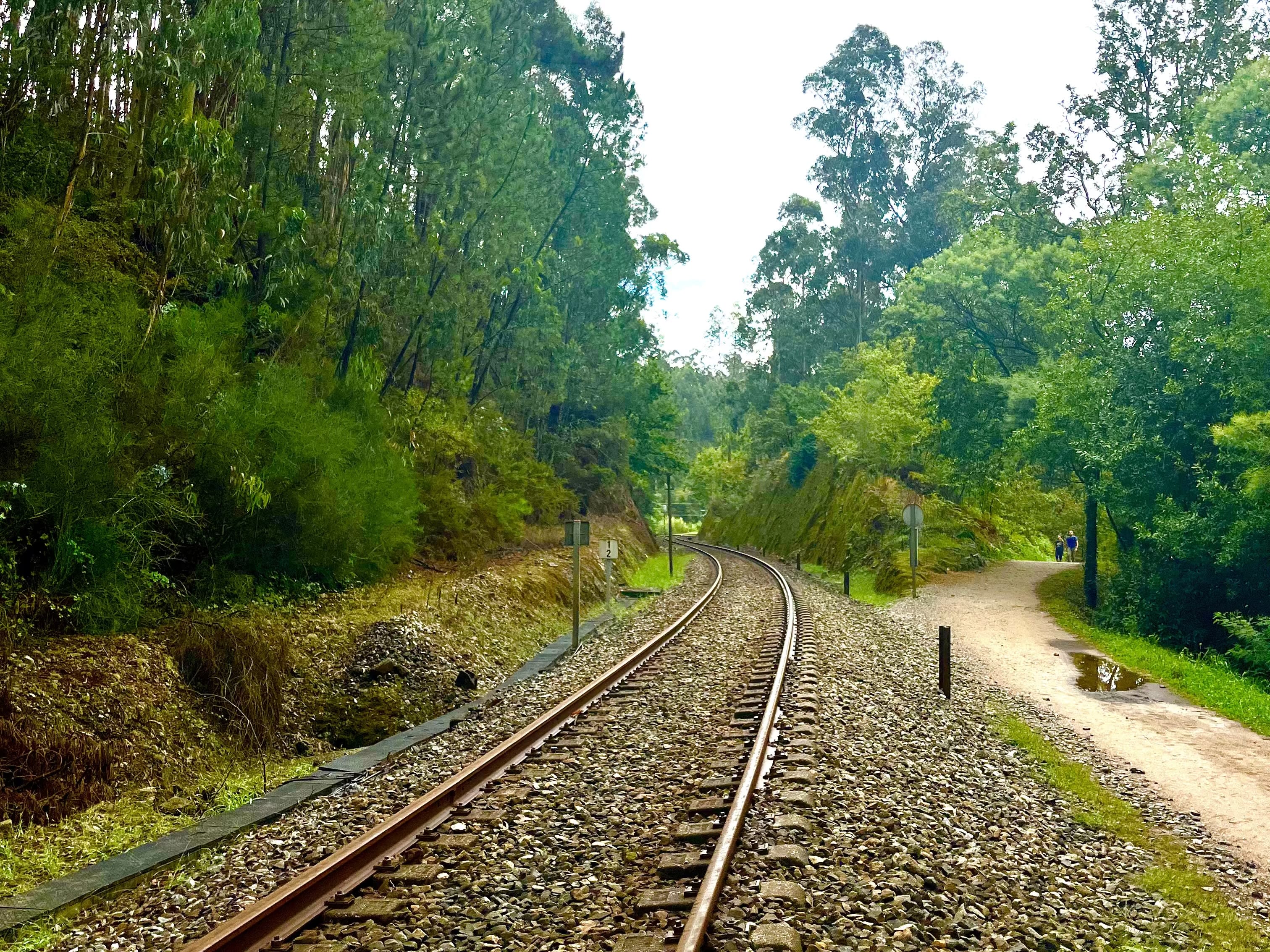
Pontevedra appears as the perfect stop halfway along the Camino. This is no coincidence. Historically, it was a key place of passage and refuge for pilgrims, and it still holds that quality today: a pedestrian, harmonious city where body and mind find balance. It is where the Camino stops feeling like effort and begins to feel like enjoyment. Its seasonal cuisine and local ingredients embrace tradition with elegance. Not to be missed: A Tafona, by Lucía Freitas, where gastronomy becomes an experience.
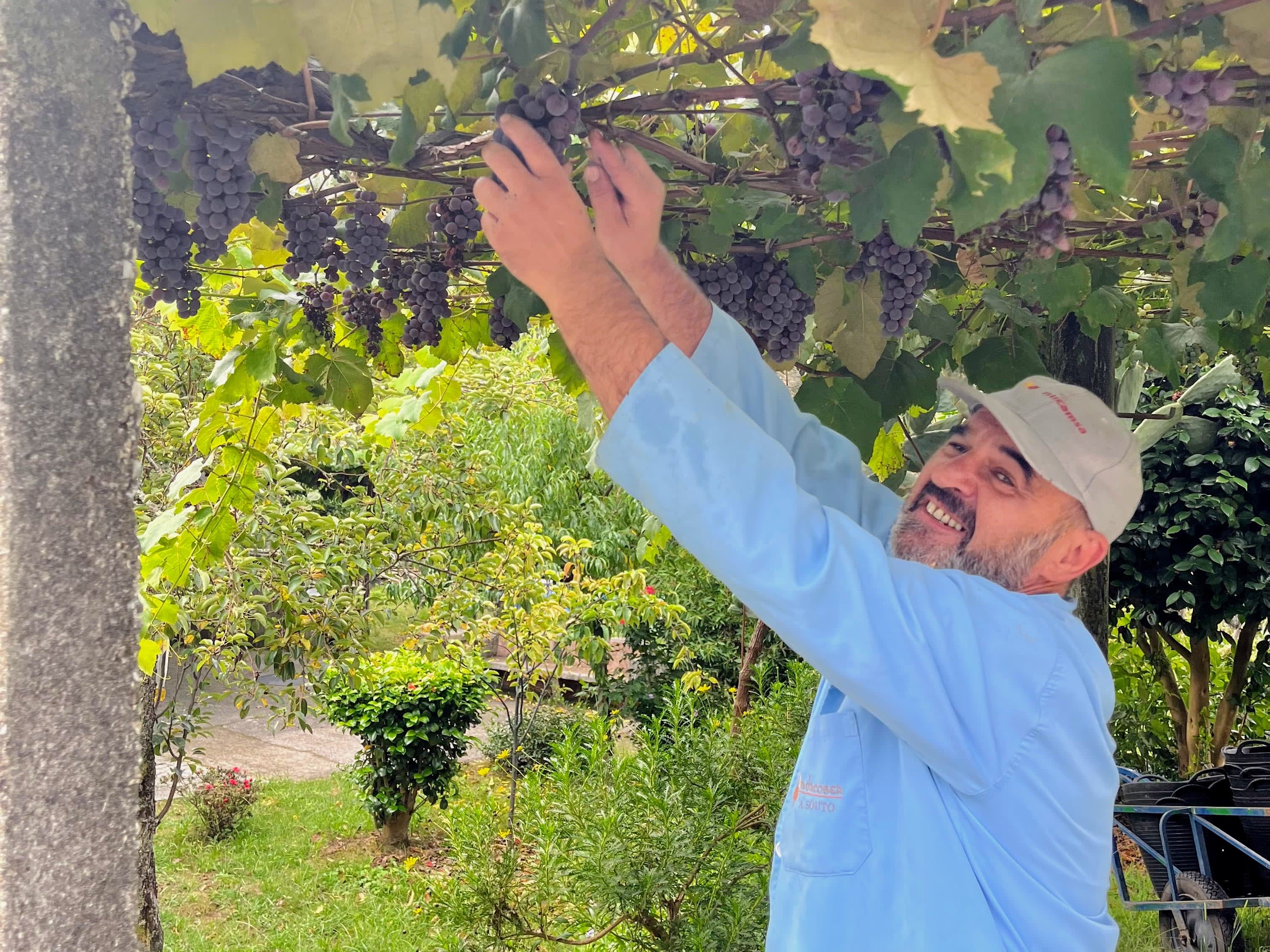
On the next stretch, the land embraces you. Vineyards, rural paths, and the constant greeting of Buen Camino lead to Caldas de Reis, an ancient Roman thermal town. For more than two thousand years, its waters have emerged from the earth as a symbol of healing and pause. We stayed at Torre do Río, on the banks of the Umia River. Here, the Camino invites release: the body rests, the steps integrate, and silence becomes fertile.
Next came Padrón, land of the iconic peppers, where everything revolves around sharing. Padrón does not hold you—it prepares you.
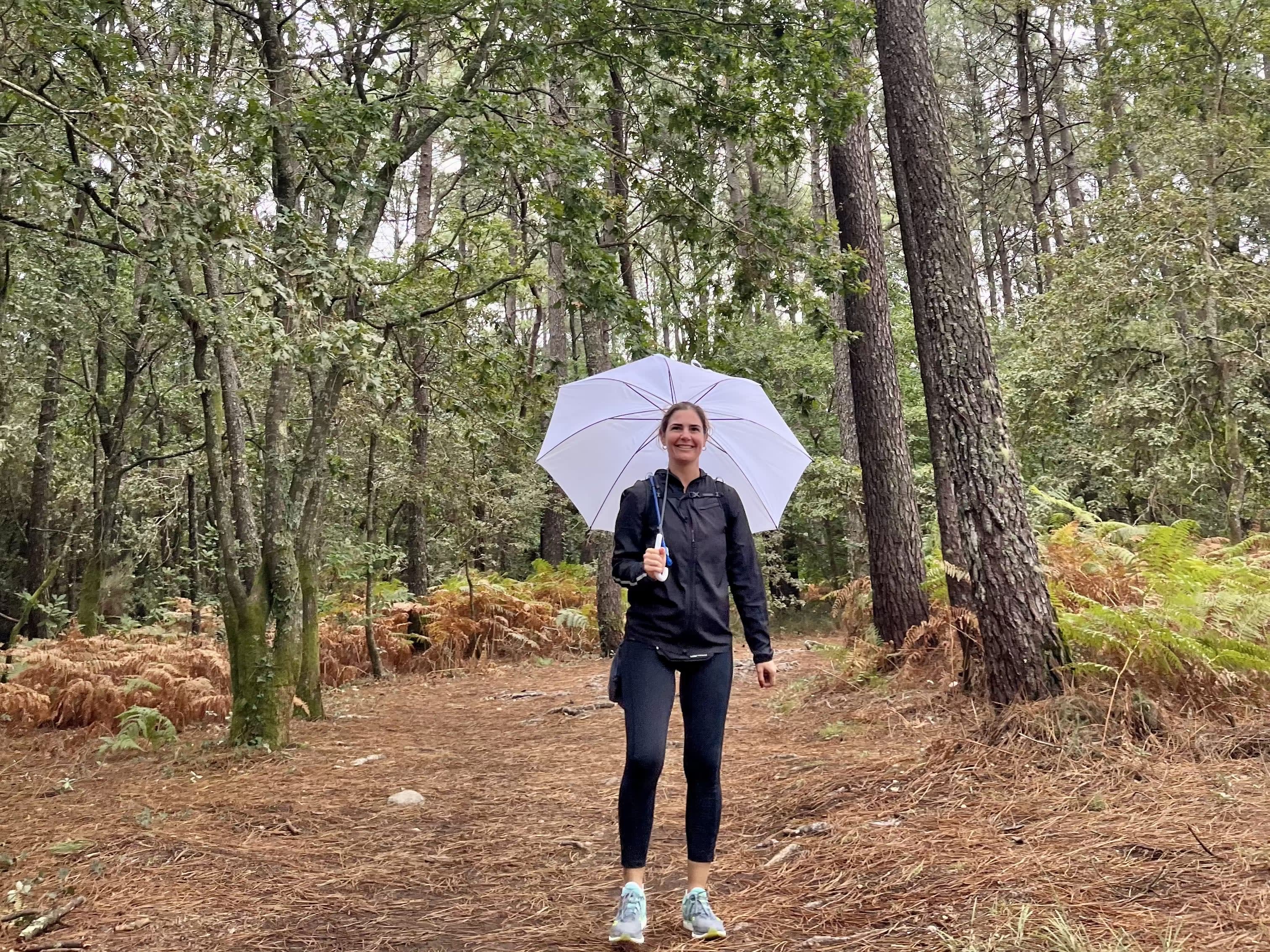
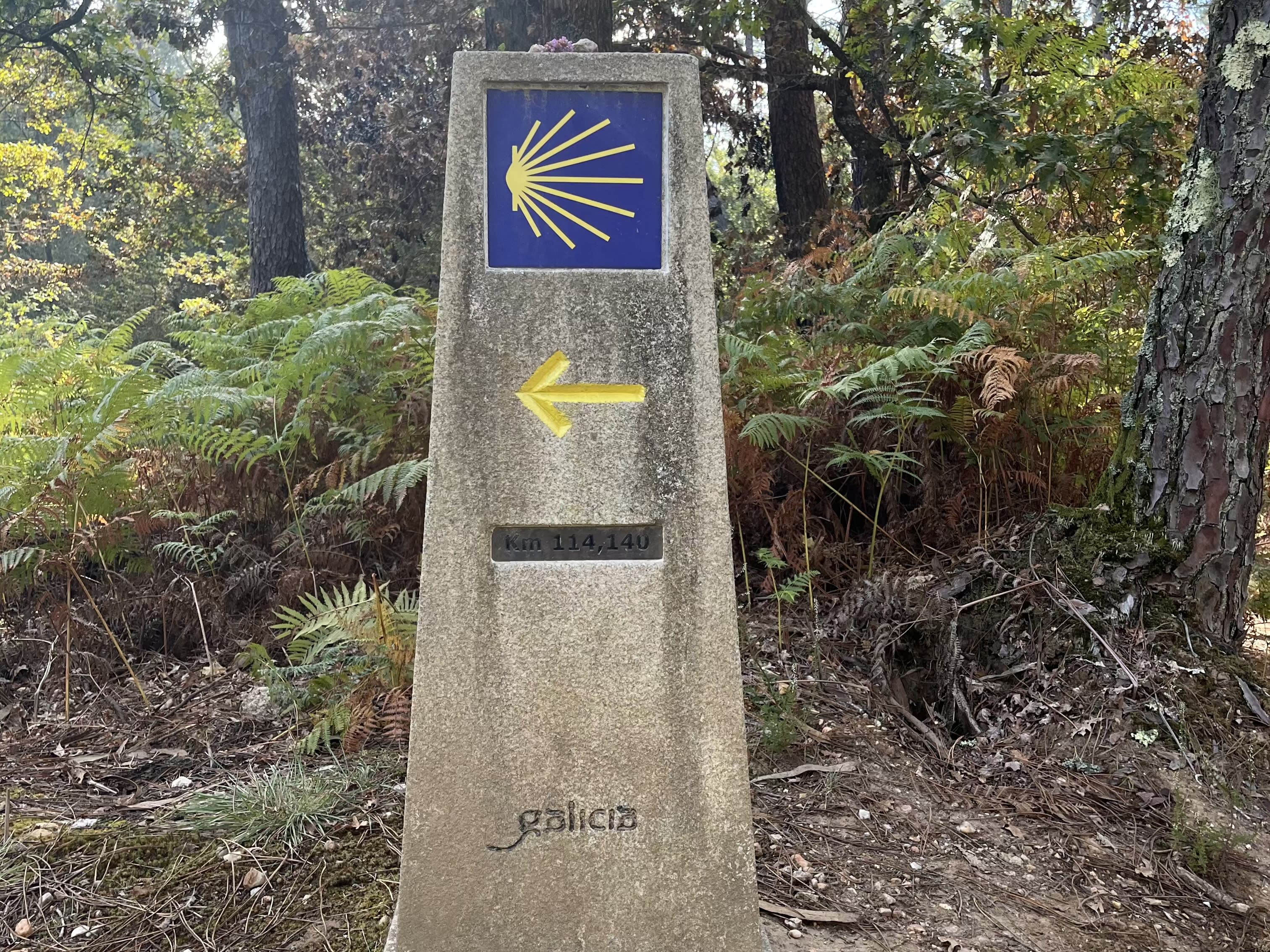
The scallop shells marking the kilometers now show single digits. Not much remains. Arriving at the Cathedral of Santiago transforms you. No one is the same person who began the Camino. Because the Camino gives a lot… and sometimes it also takes a little. And in that exchange, something finds its place.
Historically, however, the Camino did not end in Santiago. For medieval pilgrims, the true ending was Fisterra—Finis Terrae—, the place where the known world came to an end. There, facing the Atlantic Ocean, rituals of closure were performed. That is why we continued on to Fisterra. Returning to Santiago, beside the Cathedral stands the Parador de Santiago, an iconic place to stay and enjoy brunch overlooking the square. On weekends, Santiago is everything: joy, groups of walkers toasting to the next Camino, celebrating what has been shared.
When the Camino ends, it asks you to walk it again.
That is why, in 2026, I will walk it once more—this time along a new route, accompanied by 12 women. If you feel the call, you are invited. Write to me.
Need to know
Walking the Camino does not require athletic training, but it does ask for an active lifestyle. Being accustomed to regular movement—ideally four times a week or more—allows the body to adapt more naturally to the daily rhythm of walking long distances, day after day.
Choosing the right season is essential. I especially recommend May–June or September, when the weather is mild, the landscapes are alive, and the Camino offers a more balanced experience—neither too crowded nor too demanding.
Another important thing to remember is that packing light is helpful, but not essential. Along the Camino, there is a reliable luggage transfer service that picks up your suitcase from your hotel each morning and delivers it to your next destination.
This allows you to walk carrying only a small daypack, making the experience gentler on the body and more accessible—especially for those who want to fully enjoy the journey without physical strain.
The Camino adapts to you. You don’t need to simplify your comfort to live the experience fully—you only need to keep walking.
Starting early each morning helps you walk in cooler temperatures, arrive in time for lunch, and leave the afternoon open for rest, recovery, and quiet exploration of each place.
Above all, walk at your own pace. The Camino is not about speed or distance, but about listening—to the body, to the land, and to what unfolds along the way.
We also recommend booking a physiotherapy-style recovery massage along the way, focused on muscle release and recovery after consecutive days of walking.
For more inspiration and insider recommendations, visit our Portugal page.


Travel Advisor
Irene Zamora

Irene Zamora
Get in touch with Irene Zamora
Did you like this guide? Reach out to customize and book your own experience. Or, just to chat about travel in general.