
Curator’s statement
Many people think an Irish ancestral journey begins on Irish soil—a flight, a rental car, a churchyard, a grave, maybe a pint “in honor of the ancestors.” It is meaningful. But after more than fifteen years of researching my own Irish family history, I know that without careful preparation, those moments rarely reach their full depth. The emotional moment should not be the beginning—it should be the reward.
The Fora Difference
Book with Marie Collins Vaughan to access exclusive perks and experiences on your trip.

Killer perks
Free upgrades, spa credits and more—we got you

Personalized recs
Customized travel planning for your style

Insider knowledge
Expert advice from people who’ve actually been there
Where to stay
Unlock perks by contacting Marie Collins Vaughan to book your trip.
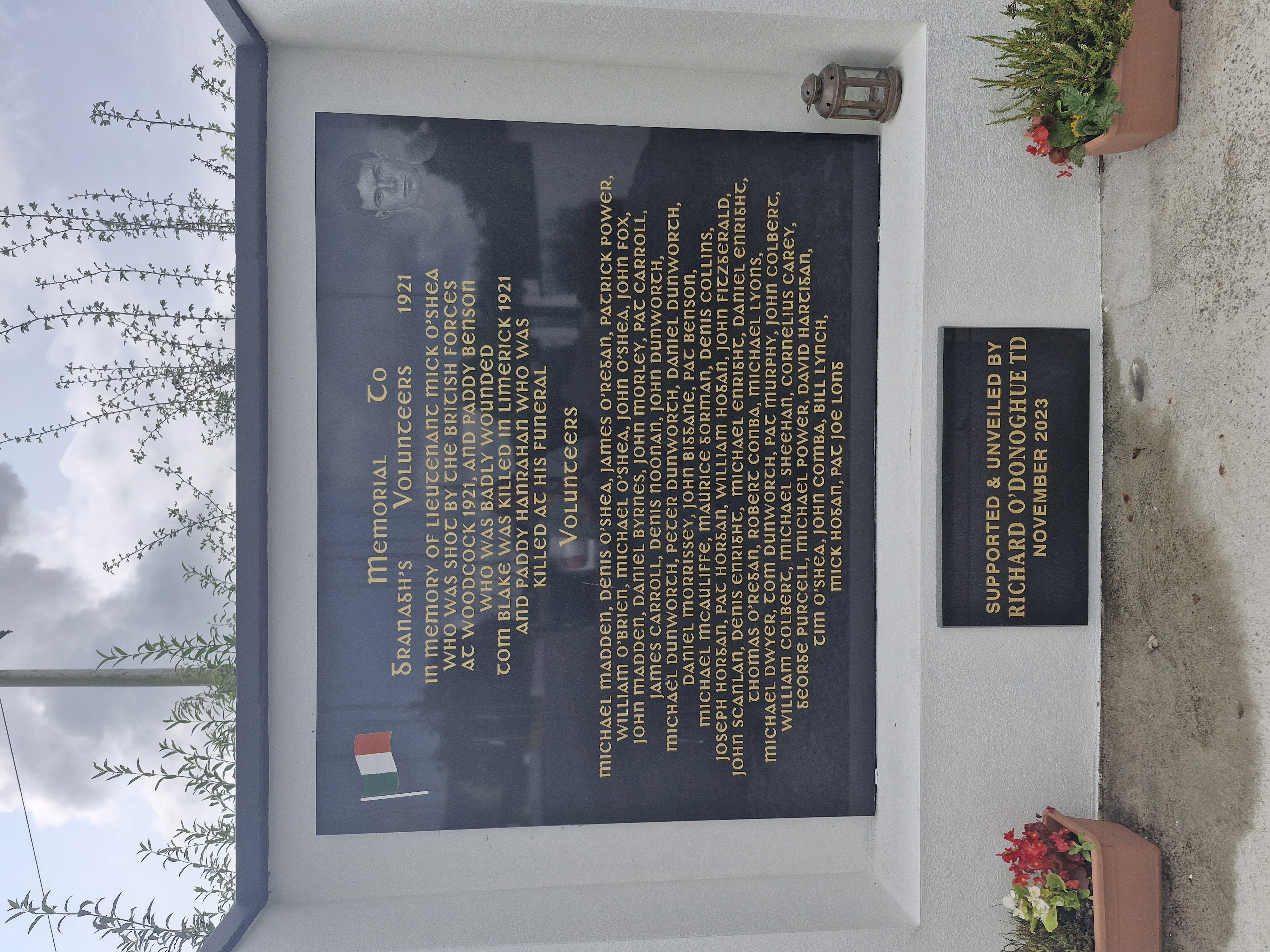
My own personal genealogical journey through Ireland wasn’t designed to find my ancestors—that work was already done. It was designed to meet them mentally and emotionally through place. Years of Irish genealogy research revealed to me that Irish family history lives not only in records, but in landscape, movement, and inherited cellular memory. Walking the places my ancestors walked transformed information into understanding—and changed how I now guide Irish ancestry travel.
County Limerick
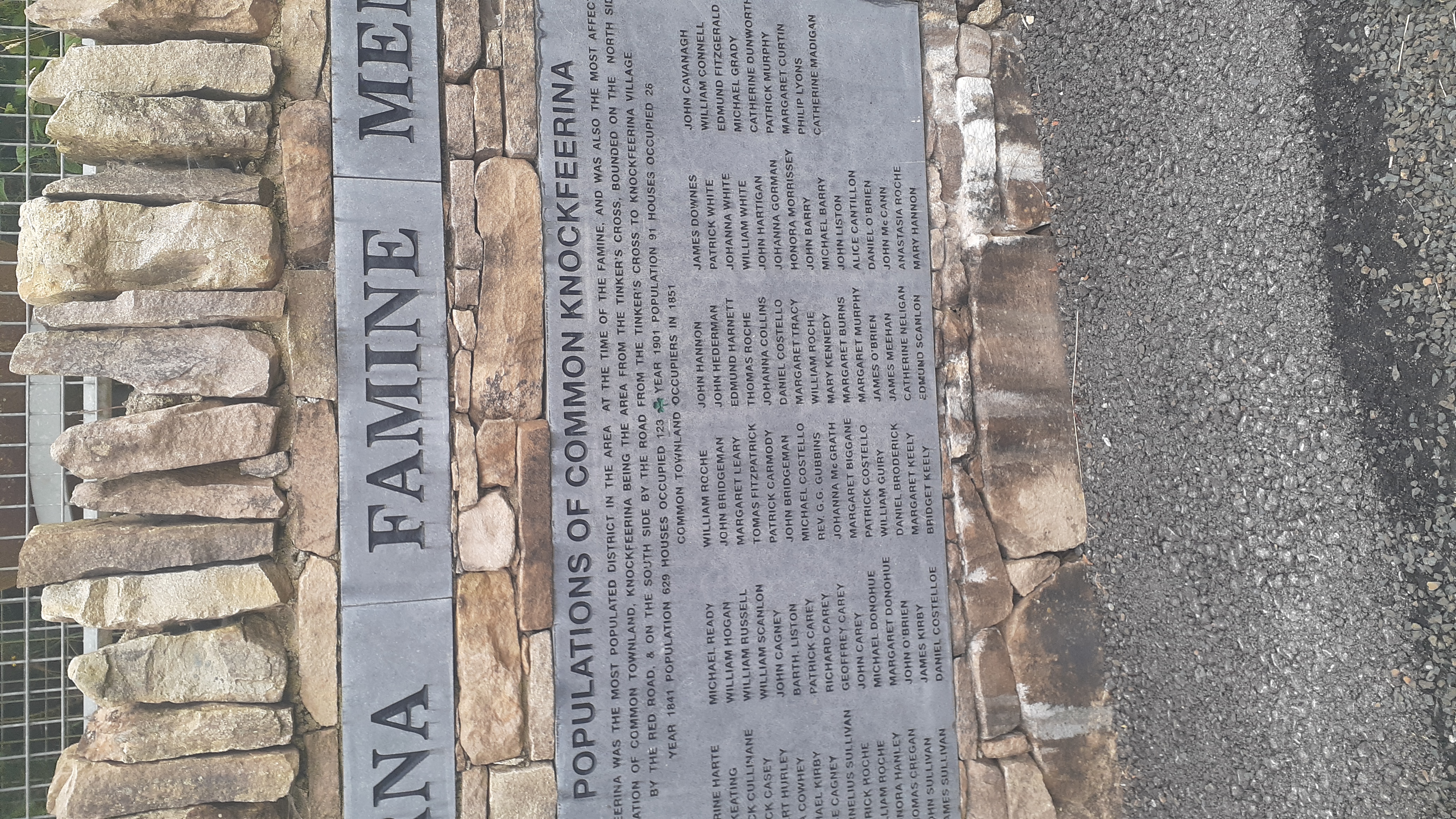
For me, that trip began in County Limerick, where townlands, parish churches, schools, and burial grounds appeared again and again in land records and family references. Standing at Knockfierna, famine history merged with older traditions—the Hill of Truth and the Hill of the Fairies. In Ballingarry, a family eviction I had known only through a brief remark from my father became real. In Bruree, the “place of kings,” I uncovered a possible ancestral connection to High King Brian Boru, still searching for documented evidence.
The Tralee journey
Driving from Bruree to Tralee via Charleville, with stops at Milford and Kilbrin Graveyard, was one of the most emotional days of the journey. Passing Dromtarriff Community Centre, the surrounding landscape felt uncannily familiar—not recognizable, but known. On that stretch of road, distance, terrain, and isolation finally explained why some branches of my family stayed while others left.
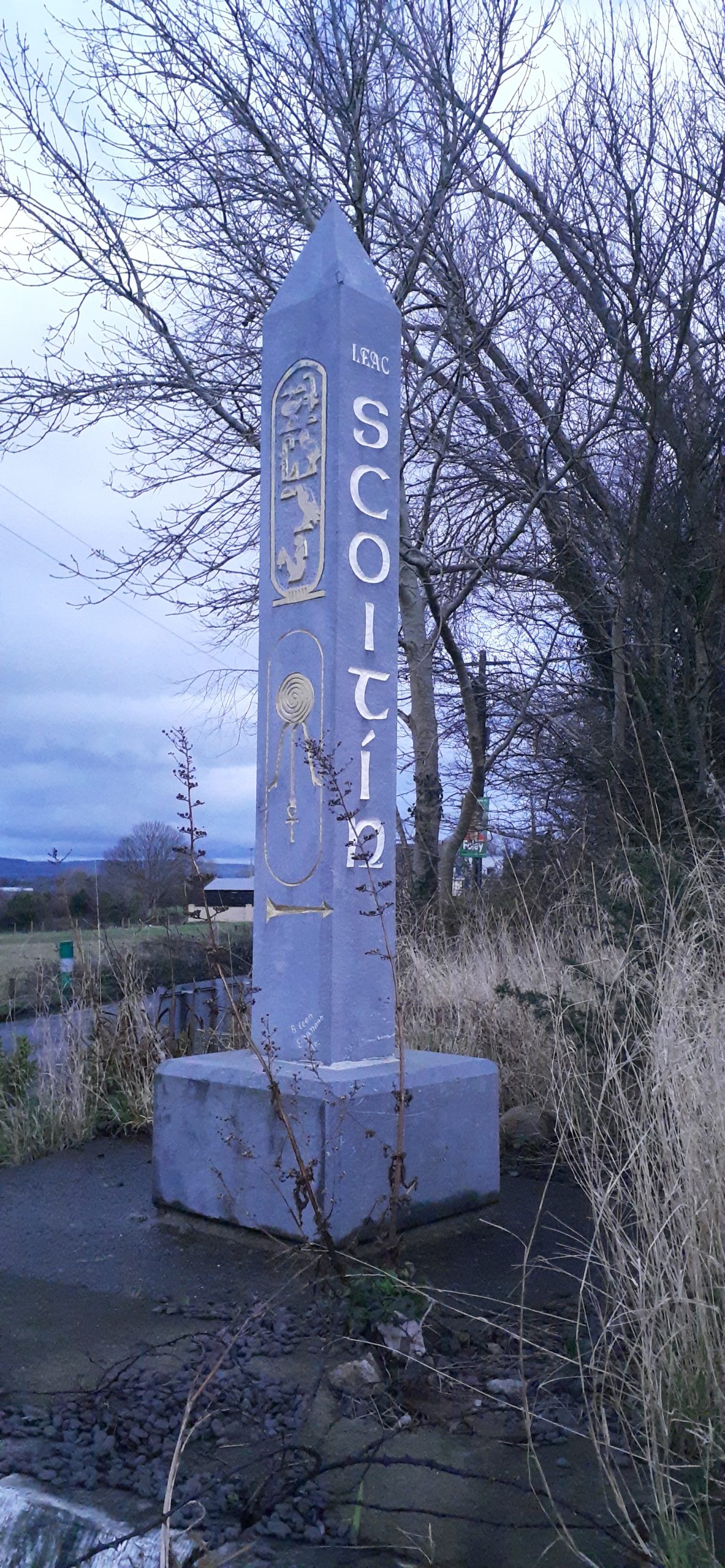
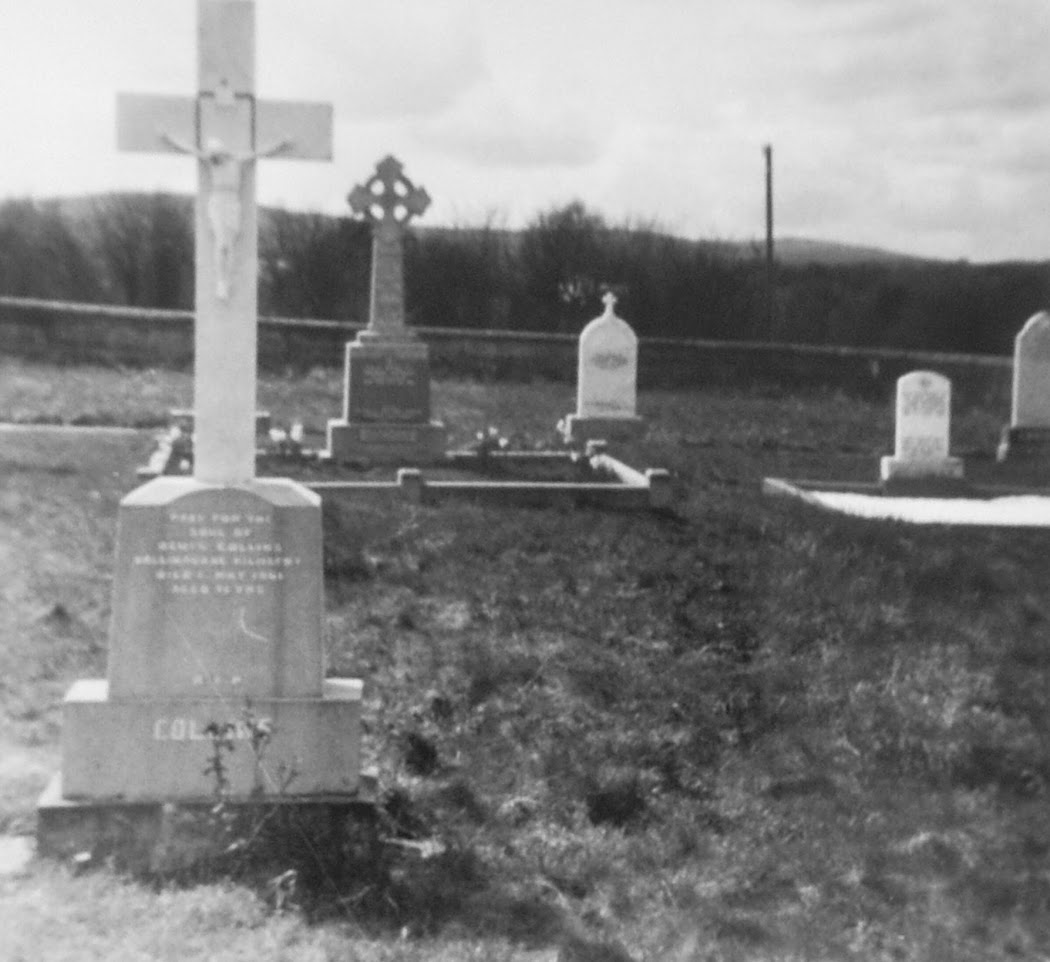
In Tralee, standing at the grave of the Egyptian princess Scota, traditionally linked to the Collins family, I was struck by a quiet inversion of lives. She lies far from her homeland, while I now spend much of my life in Egypt. The sense of exile and longing felt tangible. Looking toward the Slieve Mish Mountains, where legend places her battle with the Tuatha Dé Danann, it became clear how deeply memory—personal, ancestral, and mythic—is embedded in the Irish landscape.
Cork
Cork marked the shift from endurance to departure. In Cobh, Ireland’s emigration story sharpened, placing individual family choices within one of the largest migrations in history. Cork Gaol revealed how poverty, resistance, and circumstance shaped ordinary lives, turning abstract emigration into something emotionally tangible. And there I could not help but remember a similar visit to the prison museum at Saladin's Citadel in Cairo, where I have been many times.
Heading north
The journey north to Donegal and Derry was the most demanding. I found my ancestral home—a whitewashed cottage on the Atlantic edge—and could finally understand both my family’s relationship with the sea and the terror of events like the Great Wind of 1839. Near Culdaff, at the Bocan Stone Circle, folklore and place converged once again, and I pictured my ancestors, mainly the girls playing around them. A chance conversation with a local man preserved a memory absent from any archive: his great-grandfather had bought my family’s fishing boat when they emigrated.
That moment confirmed what Irish ancestry research ultimately teaches: living memory often survives where records do not.
In sum
For my clients, the most meaningful part of an Irish ancestral journey is often not an archive or monument, it’s the emotional connection to the land and the places. But meeting Irish cousins in a village pub or community hall, sharing music, stories, and craic—a personal homecoming is a bonus that stays with them long after they leave Ireland.
Need to know
Irish ancestry travel becomes meaningful only when the research comes first. Records establish facts; place provides understanding. The depth of the experience depends entirely on how much groundwork has been done—and how carefully it is overseen—before you ever book a flight.
Although I have lived and worked in Egypt for many years, I am now dedicating my time more equally between my two passions: Ireland and Egypt. This dual perspective makes me uniquely placed not only to guide travelers in Egypt but also to design deeply immersive Irish ancestry experiences.
My Irish ancestry trips are not about finding your roots on the journey. By the time we travel, your family history has already been thoroughly researched. You will already know your ancestors through verified records, genealogist collaboration, and my careful oversight.
The trip is about experiencing your family story in Ireland: walking the land they knew, seeing the townlands they inhabited, and connecting emotionally to the lives they led. It also includes the unforgettable opportunity to meet living Irish cousins and distant relatives, whether in a local pub, community hall, or village gathering—bridging generations and creating personal connections that no document or record alone can provide.
This approach ensures that each visit is profoundly personal, highly emotional, and grounded in meaning—not guesswork. It is about fully inhabiting your heritage, understanding your place within it, and leaving with memories, insights, and connections that endure long after the journey ends.
If my own journey in the footsteps of my Irish ancestors ignites something in you, even if you can't name it—drop me an email or a message. Let’s talk. Keeping memories alive is a passion of mine, and everyone has a story worth preserving. Let’s breathe life into your family story together—in Ireland. Come on home!
For more inspiration and insider recommendations, visit our Ireland page.


Travel Advisor
Marie Collins Vaughan
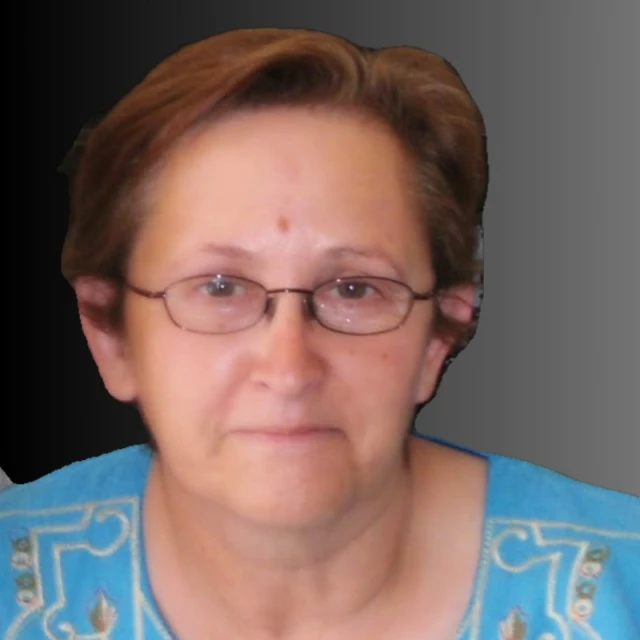
Marie Collins Vaughan

Get in touch with Marie Collins Vaughan
Did you like this guide? Reach out to customize and book your own experience. Or, just to chat about travel in general.