





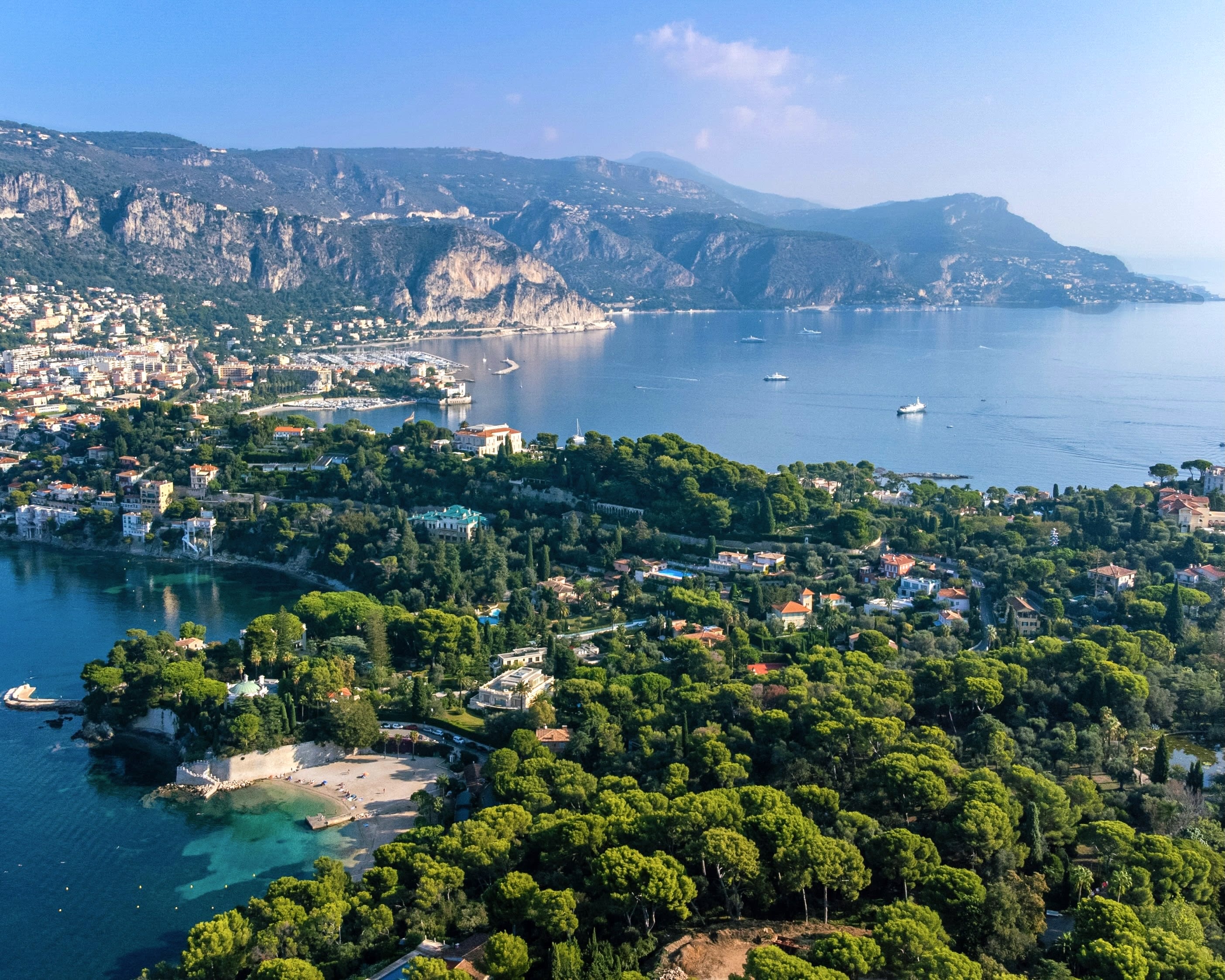
The South of France tends to conjure visions of postcard-perfect coastlines, dazzling luxury resorts, and a polished sense of style that marries old-world glamour with Mediterranean ease. That reputation largely derives from the French Riviera, or Côte d’Azur, the iconic span of coastline that stretches from Toulon to Menton, including the country of Monaco.
Against a backdrop of abundant sunlight and impossibly blue water, life in the region follows a gentle rhythm that’s largely dictated by the pursuit of pleasure—a quality that’s drawn for well over a century, artists, royals, and celebrities for well over a century. Mornings belong to the markets and the sea, afternoons organize themselves around rosé and shared plates, and evenings bring late dinners that easily segue into casino visits and rooftop cocktails. But beyond the superyachts and grand beachfront hotels, there are charming hilltop villages, family-run bistros, and quiet coves that most visitors never find.
This guide focuses on the French Riviera, with all the details you need to enjoy the region in its full, nuanced glory.
Need to know
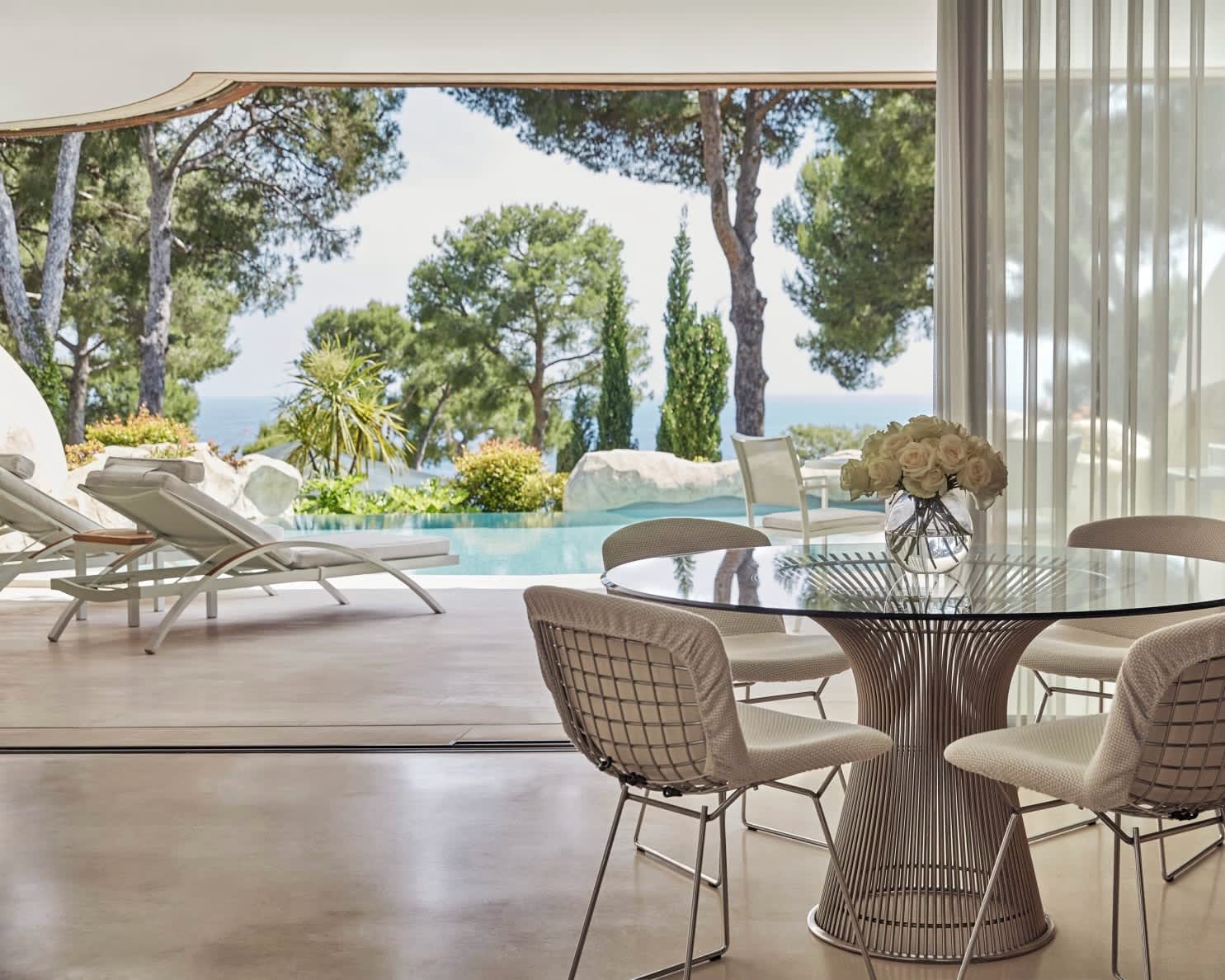
Image courtesy of Grand-Hotel du Cap-Ferrat, A Four Seasons Hotel
The French Riviera is less a single destination than a loose collection of regions. Here’s the essential information you need to get oriented.
Currency: France uses the Euro (EUR), with credit and debit cards widely accepted. Though cash is useful for markets, smaller vendors, and rural areas, ATMs in villages can run out of cash on market days. Restaurant bills include a service charge, (service compris), but rounding up or leaving a small additional tip for exceptional service is common.
Languages: French is the official language, even in Monaco. Making the effort to use it—even imperfectly—is genuinely appreciated. English is widely spoken in major tourist areas, but less so in smaller towns and rural areas.
Key phrases: bonjour (hello), merci (thank you), s'il vous plaît (please), excusez-moi (excuse me), oui/non (yes/no), je ne parle pas français (I don't speak French), parlez-vous anglais? (do you speak English?)
Airports: The French Riviera is served by two main international airports. Nice Côte d'Azur (NCE) is the primary hub, with seasonal nonstop flights from eastern North American cities like Boston, New York, and Washington D.C. Marseille Provence (MRS) offers a year-round direct connection to Montreal, making it a reliable entry point for Canadian travelers.
Transportation: The TGV high-speed train connects Paris to cities throughout the Riviera and Provence. A rental car makes sense for exploring Provence's villages and countryside, but is best avoided during summer along the coast due to traffic, lack of parking, and expensive gas. Most towns are walkable, bike rentals are widely available, and rideshare apps work well in larger cities. Ferries and boats between coastal towns are a scenic alternative.
Best time to visit: Mid-May through September is the sweet spot—warm, sunny, and at its most vibrant. June to July is peak lavender season, but brings hot temperatures and crowds well into August. Winter (November–March) is often overlooked but stays temperate and sunny by European standards, making for a low-key festive or off-season escape with real appeal.
Ideal length of stay: Five to 10 nights gives the French Riviera room to breathe. Five to seven days works well with a single base and day trips out. Longer trips up to 10 days allow you to split time between two or three areas without feeling rushed.
Signature dishes and drinks:
Bouillabaisse: Marseille's iconic saffron-scented fish stew
Ratatouille: A slow-cooked Provençal vegetable stew of eggplant, zucchini, tomato, and pepper
Socca: Nice's beloved street food—a thin, crispy chickpea pancake cooked in a wood-fired oven and finished with cracked black pepper
Salade niçoise: In its original form, a salad strictly composed of tomatoes, tuna, anchovies, hard-boiled egg, and olives, with no cooked vegetables in sight
Pissaladière: A thick, focaccia-like tart layered with caramelized onions, anchovies, and black olives for one of Nice's most satisfying street snacks
Tapenade: A deeply savory spread of crushed olives, capers, anchovies, and olive oil served on bread as an aperitif staple
Pan bagnat: An oil-soaked sandwich packed with all the components of a Niçoise salad
Aïoli: A robust, garlicky Provençal mayonnaise served as a popular condiment
Soupe au pistou: A hearty vegetable soup finished tableside with pistou—Provence's answer to pesto, made with basil, garlic, and olive oil
Tarte Tropézienne: Saint-Tropez's signature dessert—a pillowy brioche filled with a rich cream
Pastis: The anise-forward aperitif, served long with cold water
Provençal wines: Pale and dry rosés as the regional standard, serious reds from Bandol, and crisp whites from Cassis
What to wear: The signature style across the French Riviera hews toward effortless staples: linen shirts, lightweight trousers, and breezy sundresses that easily shift from a morning market stroll to a leisurely lunch. Flat sandals or espadrilles are ideal for cobbled village streets and promenades alike. Pack a light layer for cooler evenings, and polished outfits for dinner in town or at your resort.
Travel tips:
Seasonality: While it’s a year-round destination, summer can be crowded, so making reservations in advance is essential. Locals tend to go on vacation for the month of August, so expect business closures. Beach clubs and restaurants may not be open in cooler months or will change hours of operation accordingly.
Driving and parking: Remote and hilltop villages have no real public transit and limited parking that can fill by 9 a.m. in summer. Toll roads can add up fast, and some don’t take cash anymore, so have a credit card ready.
Skin protection: 50+ SPF sunblock is necessary for the summer sun, and mosquito repellant is needed near wetlands.
Health: Pharmacies can easily handle minor ailments, with trained clinicians on staff to assess you and recommend treatment, and prescription-grade products sold over the counter.
A closer look at the French Riviera
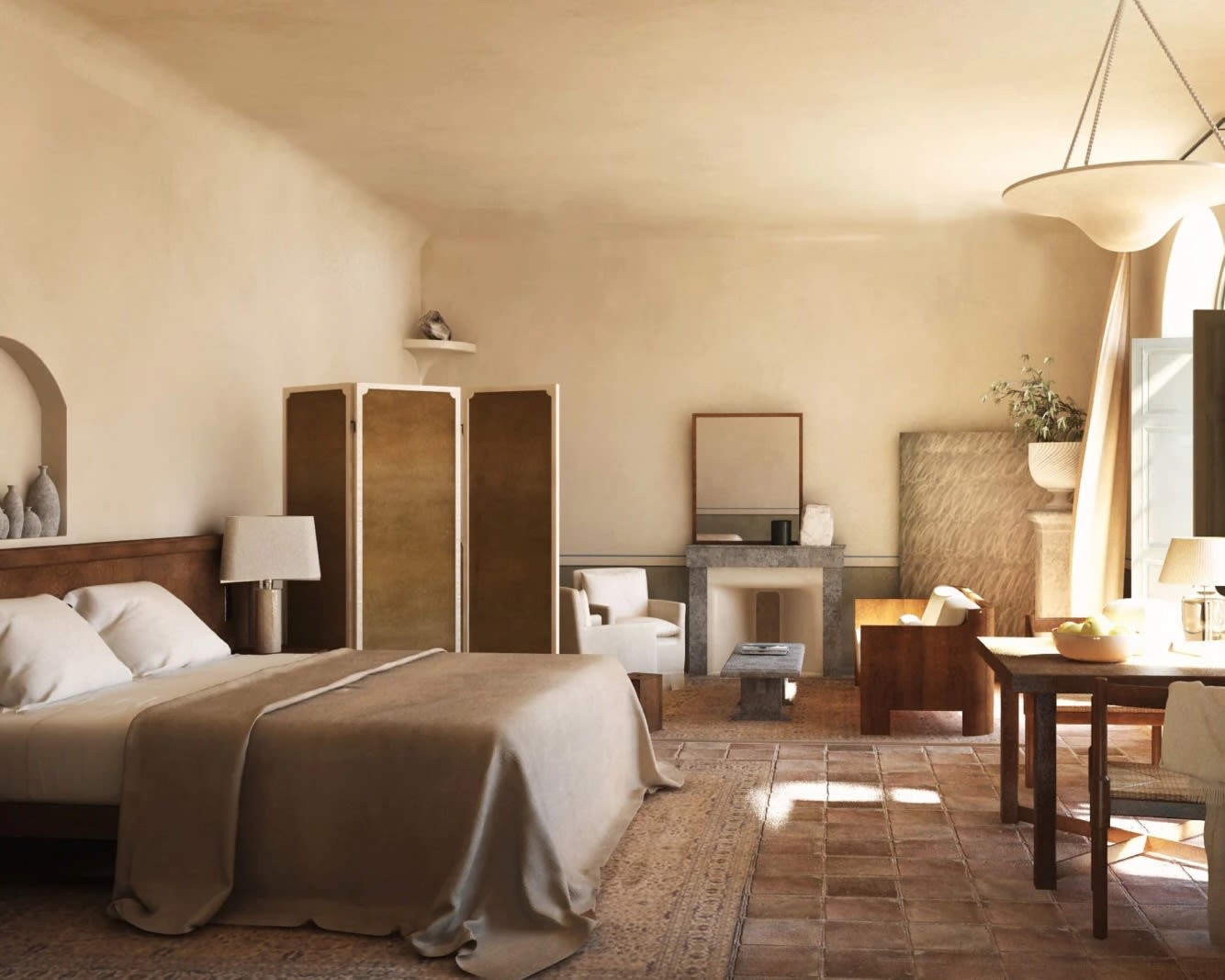
Hotel Du Couvent, a Luxury Collection Hotel
The French Riviera encompasses a series of towns across the southeastern coast of France, as well as the principality of Monaco. The largest city on the Riviera, Nice is the most lively and richly layered—grand 19th-century architecture, an old town with its own distinct street food culture, and a bustling promenade that belongs as much to locals as it does to visitors. Antibes feels more grounded, with its immaculate beaches, working marina and slower pace. Polished Cannes is defined by its palm-lined Croisette, beach clubs, and luxury hotel scene—and, of course, the marquee film festival. Saint-Tropez shifts between quiet village charm by day and a more social, high-gloss energy after dark. Saint-Jean-Cap-Ferrat offers an exclusive, glamorous experience, with coastal paths, grand villas, and understated elegance. Monaco stands apart for its compact size and high-end atmosphere, anchored by marinas, casinos, and world-renowned restaurants.
Where to stay
Hotel Du Couvent, a Luxury Collection Hotel (Nice): A 17th-century convent in the heart of Nice's old town where stylish-yet-subdued decor keeps the focus on its historic bones.
Fora’s Marriott STARS partner perks include a $100 hotel credit, welcome amenity, daily breakfast, an upgrade, and extended check-in/out whenever possible.
Cap d’Antibes Beach Hotel: Set on a rocky Cap d'Antibes peninsula, this elegant retreat embodies breezy Mediterranean living with its seamless indoor-outdoor flow, minimalist design, and direct beach access.
Fora Perks include daily breakfast, welcome amenities, an upgrade, and extended check-in/out whenever possible.
Carlton Cannes, a Regent Hotel: A multi-year renovation recently added two new wings, an enclosed garden, and Cannes' largest hotel infinity pool while preserving the legendary façade and twin Belle Époque cupolas that have anchored the Croisette since 1913.
Fora’s IHG Destined partner perks include a $100 hotel credit, welcome amenity, daily breakfast, an upgrade, and extended check-in/out whenever possible.
Airelles Collection (Saint-Tropez): The Château de La Messardière commands the hillside above Saint-Tropez with panoramic sea views and luxurious suites. In the heart of the town, the Pan Dei Palais brings an intimate, contemporary boutique sensibility.
Fora Perks include a $100 food and beverage credit, daily breakfast, an upgrade, and extended check-in/out whenever possible.
Lou Pinet (Saint-Tropez): Whitewashed bungalows tucked into a pine grove on the edge of town provide a discreet atmosphere for exploring the Riviera.
Fora Perks include a welcome amenities, an upgrade, and extended check-in/out whenever possible.
Grand-Hotel du Cap-Ferrat, A Four Seasons Hotel: Setting the standard for Côte d'Azur luxury since 1908 with a clifftop pool, manicured gardens, and attentive service.
When you book Four Seasons with Fora, you’ll enjoy exclusive Four Seasons Preferred Partner benefits.
Hôtel Hermitage Monte-Carlo: A Belle Époque landmark in the heart of Monaco, balancing imperial grandeur with a warm ambiance that keeps the hotel from feeling stiff.
Fora Perks include a $100 food and beverage credit, daily breakfast, an upgrade, and extended check-in/out whenever possible.
Hôtel de Paris Monte-Carlo: The most storied address in Monaco offers contemporary interiors and personalized service for an ultra-luxe experience.
Fora Perks include a $100 food and beverage credit, daily breakfast, an upgrade, and extended check-in/out whenever possible.
The Maybourne Riviera (Roquebrune-Cap-Martin): This modernist clifftop retreat above Monaco features panoramic views, a dramatic infinity pool, and Michelin-starred dining.
Fora’s Maybourne Illustrated partner perks include a €100 hotel credit, welcome amenity, daily breakfast, an upgrade, and extended check-in/out whenever possible.
Cruising the French Riviera
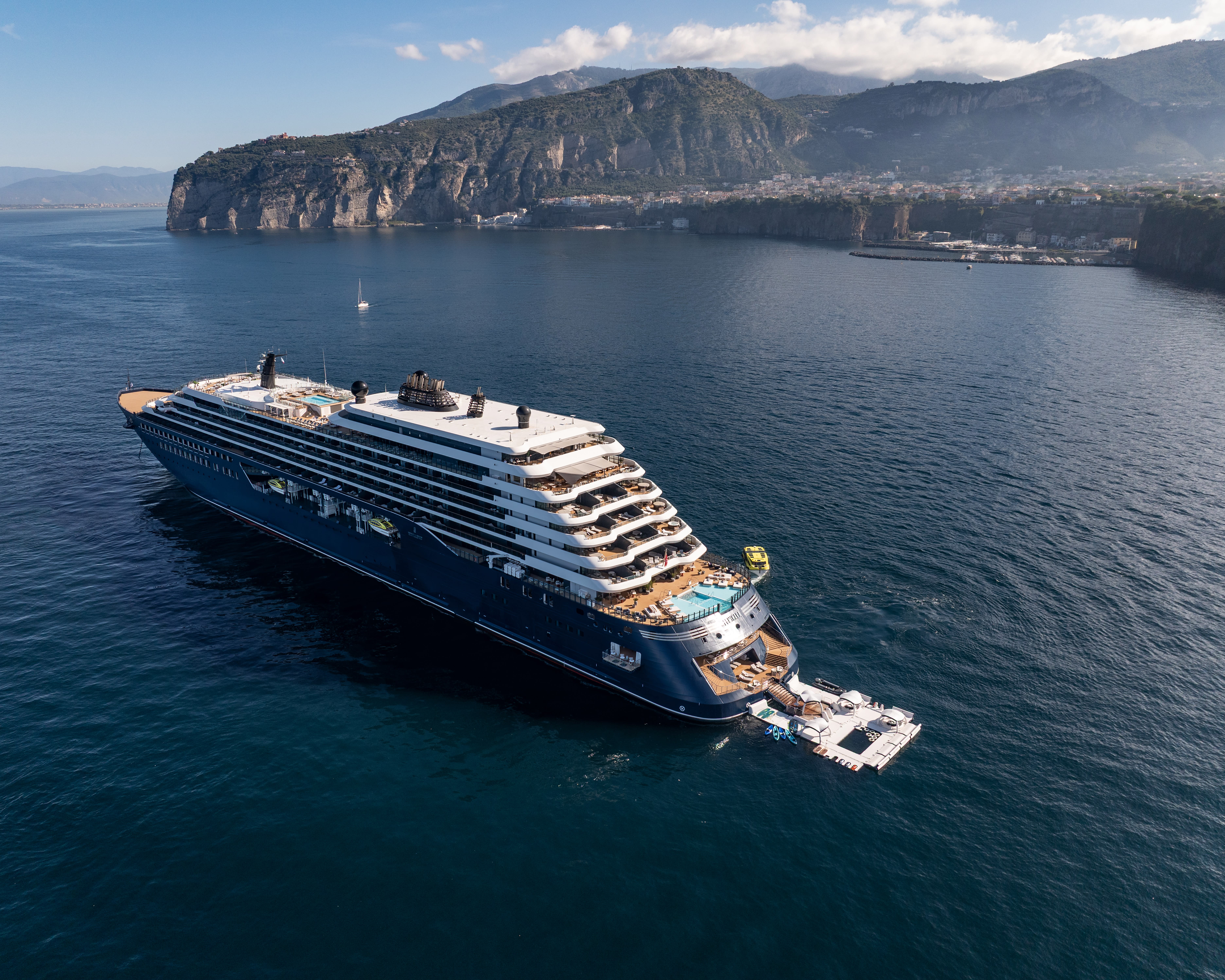
Image courtesy of Ritz Carlton Yacht Collection
Most Mediterranean itineraries, including popular sailings from cities like Barcelona and Rome, include at least one stop along the French Riviera. Access has become increasingly restricted in some coastal ports, with passenger caps for cruise ship dockings becoming more common. Choose a smaller ship for an intimate experience and more comprehensive exploration of this stretch of coastline.
Popular itineraries
Western Mediterranean: Cities like Cannes and Nice feature on many Western Med itineraries, offering a mix of coastline, culture, and cuisine.
France intensive: Focusing exclusively on French ports means visiting both large cities like Nice and Cannes and smaller towns like Port Vendres and Sete.
Notable cruise lines
The Ritz-Carlton Yacht Collection: Intimate superyachts bring gracious service and luxury to the French Riviera, along with extended port stays.
Fora’s STARS Program partner perks include $250 shipboard credit per suite, welcome amenity, exclusive shore excursion options, enhanced recognition on board, and more.
Azamara: A port-intensive line known for extended shore excursions, including overnight stays. Midsize ships, a club-like atmosphere, and inclusive pricing make for a relaxed experience.
Fora Perks include up to $200 shipboard credit per stateroom on select voyages. Virtuoso Voyages Hosted Benefits also available on select sailings.
Windstar Cruises: Small sailing ships and motor yachts access quaint, less-frequented ports that larger vessels can't. Its informal, yacht-style atmosphere suits the Riviera well.
Fora Perks include up to $300 shipboard credit per stateroom on select voyages.
History and culture
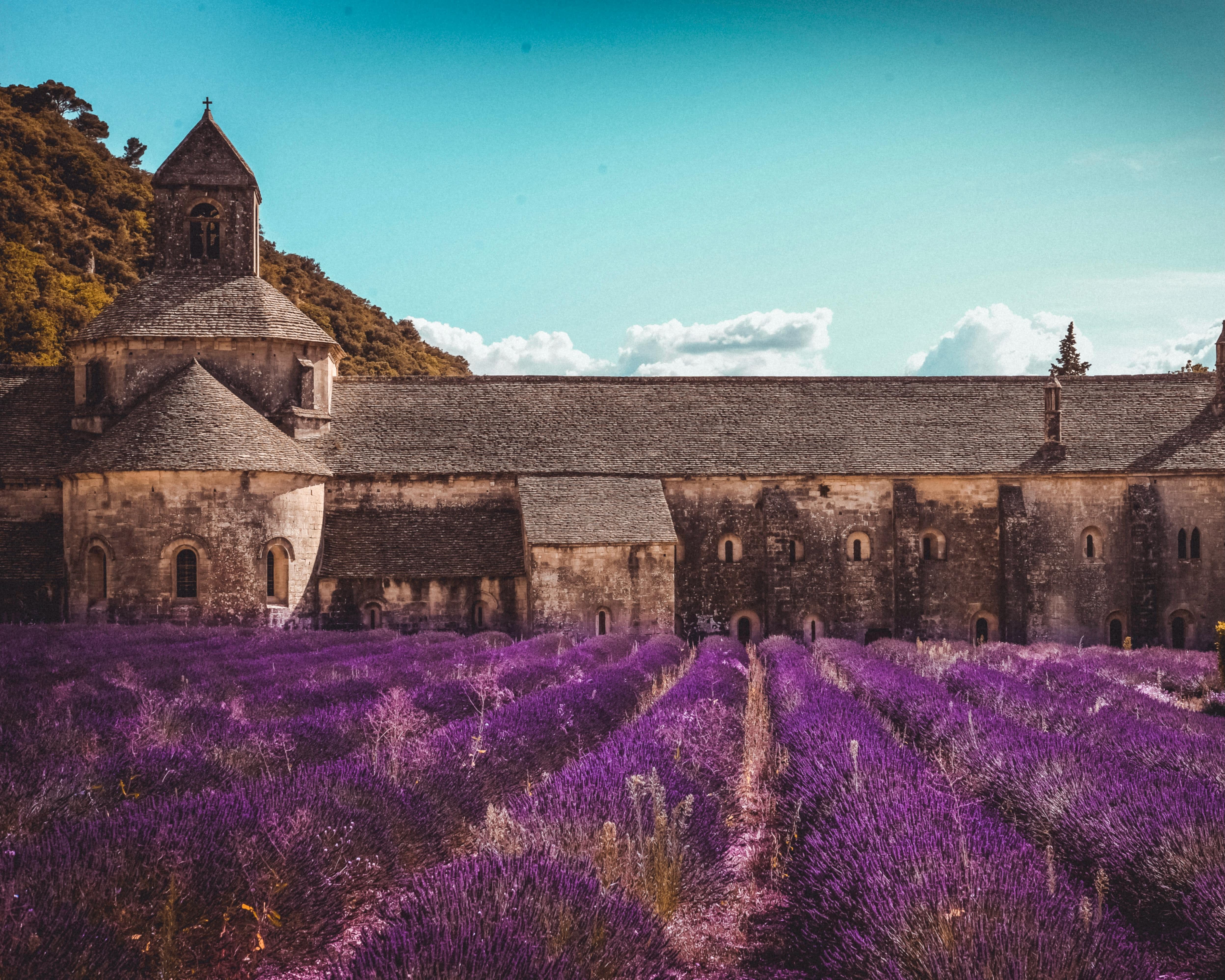
The French Riviera's earliest known inhabitants left prehistoric paintings dating back over 27,000 years in the Cosquer Cave near Marseille. The Greeks established trading colonies along the coast as early as 600 BCE, founding Massalia—modern Marseille. The Romans followed, and their presence across Provence can still be seen in the Pont du Gard aqueduct, the amphitheater in Arles, and the remarkably intact temple in Nîmes. The medieval period brought troubadour culture, as well as a literary and musical tradition that elevated romantic poetry and laid the groundwork for much of Western European literature. The Papacy relocated to Avignon in the 14th century, and the Palais des Papes remains one of the largest Gothic buildings in Europe.
The Côte d’Azur found its modern identity in the 19th century, when European aristocracy and artists—Matisse, Picasso, and Renoir among them—were drawn by the quality of light and the warm climate. This creative legacy is woven into the region's galleries, festivals, and public spaces, from the Fondation Maeght in Saint-Paul-de-Vence to the Musée Picasso in Antibes.
Cultural celebrations and events
Nice Carnival (February–March): Among the world’s oldest carnivals, the two-week celebration fills the Promenade des Anglais with costumed parades and the Bataille de Fleurs, where flower-covered papier-mâché floats make their way along the seafront.
Cannes Film Festival (May): For two weeks, the Croisette becomes the center of international cinema with red carpet screenings, celebrity arrivals, and energetic parties.
Monaco Grand Prix (late May–early June): The famous Formula 1 circuit that threads through the principality's streets, past the casino and through the tunnel.
Bastille Day (July 14): France's national holiday is celebrated with fireworks and illuminated displays across the coast's harbors and hilltop villages.
Lavender season (late June–early August): A highlight in Provence when the Luberon and Valensole Plateau turn purple, paired with village markets and festivals.
Fête de la Saint-Pierre (late June): A traditional coastal celebration in towns like Antibes and Saint-Tropez honoring fishermen with boat processions and gatherings.
Marseille International Fair (late September–early October): One of France's largest public fairs, bringing together food, art, and design across this sprawling exhibition.
What to do in the French Riviera
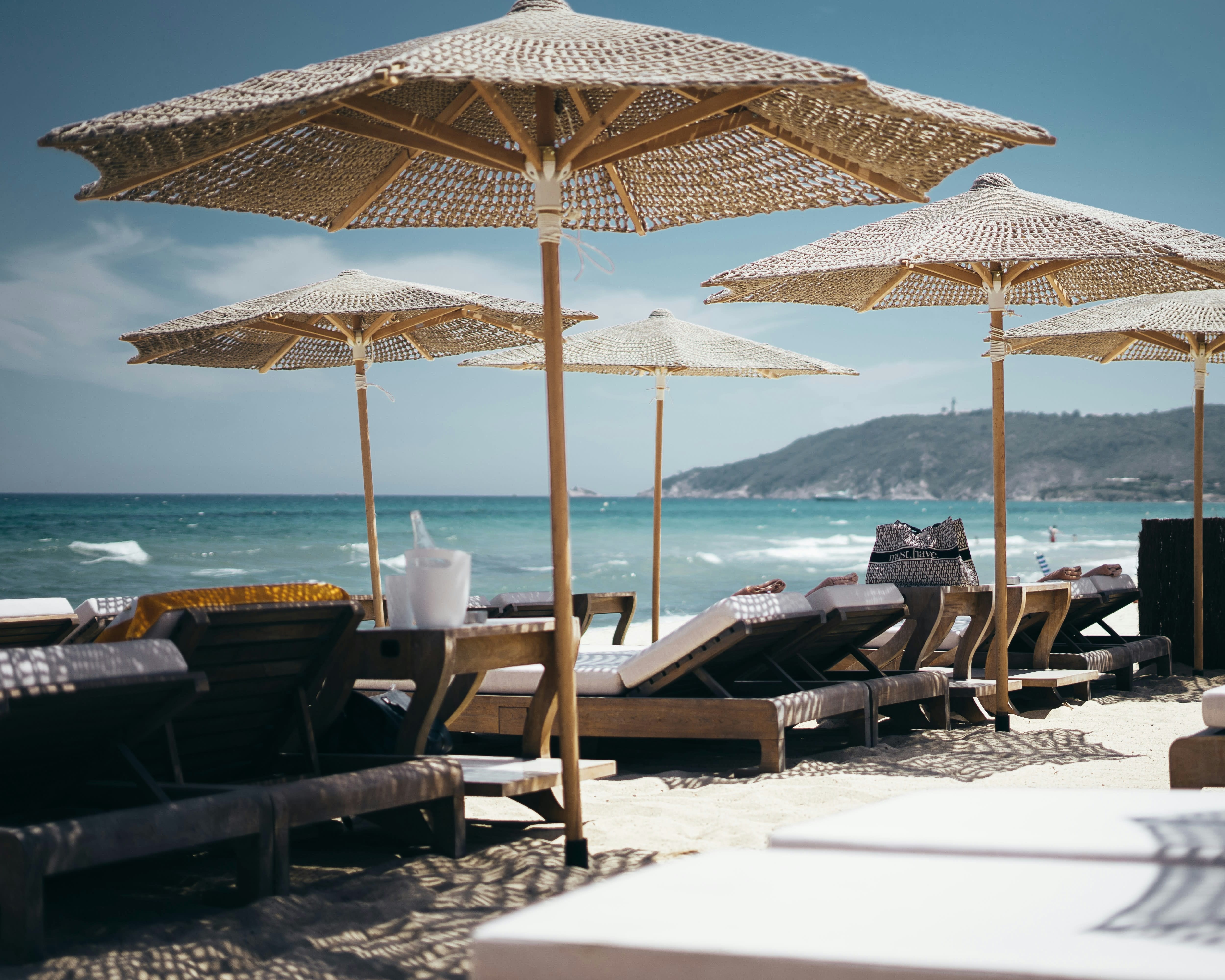
Outside of the glamorous French Riviera, the South of France offers natural drama, sensory experiences, and seaside pleasures that reward both the active and the unhurried.
Boating: Charter a sailboat or yacht out of Antibes, Saint-Tropez, or Nice to experience the Riviera’s best capes, inlets, and hilltop villages.
Calanques National Park: Hike the dramatic limestone cliffs, or take a boat tour to see the captivating turquoise inlets between Marseille and Cassis.
Verdon Gorge: Europe's deepest canyon, which cuts through the limestone plateau northeast of Aix-en-Provence, is well-suited for kayaking, hiking, and scenic drives.
Lavender fields: The Luberon and the Valensole Plateau put on one of Provence's most iconic displays from late June through early August.
Wine tasting: Enjoy tastings of Bandol or Châteauneuf-du-Pape, and visit wineries across the sprawling Côtes de Provence rosé country.
Truffle hunting: Join a guided hunt from November through March in the Luberon and Périgord-adjacent areas of Provence.
Perfume making: Join a workshop and blend your own fragrance in Grasse, the hilltop town above Cannes that’s been the center of the French perfume industry for centuries.
Beach clubs
From the fine sands of Saint-Tropez to the rocky coves of Antibes, the Riviera's beach club culture is as much about the scene as the sea. These seasonal hotspots can fill up quickly across two timings—the calm sitting early in the day and the lively service in late afternoon.
Castel Plage (Nice): Nice's most atmospheric beach club, with a sun-bleached terrace and views stretching across the Baie des Anges to Antibes
La Plage du Martinez (Cannes): The beach club extension of the Hôtel Martinez along the Croisette with polished teak, sea breezes, and a Jean Imbert food menu
La Guérite (Cannes–Île Sainte-Marguerite): An island institution accessible only by boat, where stylish crowds have been letting loose on its pine-shaded terrace since 1902
Club 55 (Saint-Tropez): Understated simplicity, wooden tables set in the sand, and a loyal, in-the-know crowd
Loulou Ramatuelle (Saint-Tropez): Light, airy, and distinctly Riviera in mood, with striped umbrellas, soft neutrals, and a relaxed elegance
Bagatelle Beach (Saint-Tropez): Champagne fuels a stylish, high-energy crowd that revels in the Riviera’s joie de vivre
Plage de Passable (Saint-Jean-Cap-Ferrat): A family-run cove with sunset views, sheltered waters, and tiered sunbeds
Paloma Beach (Saint-Jean-Cap-Ferrat): This iconic cove has drawn the international jet set for decades with its crystalline water, cliff-framed setting, and grilled fish lunch
Royal Riviera Beach (Saint-Jean-Cap-Ferrat): The only private sandy beach on the Cap, reserved for Royal Riviera hotel guests to ensure a calm, well-serviced experience
La Note Bleue (Monaco): Monaco's most beloved beach club, with a great kitchen and an evening program of jazz, soul, and Brazilian rhythms
La Môme Riviera (Roquebrune-Cap-Martin): A secluded cove below the clifftop Maybourne Riviera hotel
Where to eat in the French Riviera
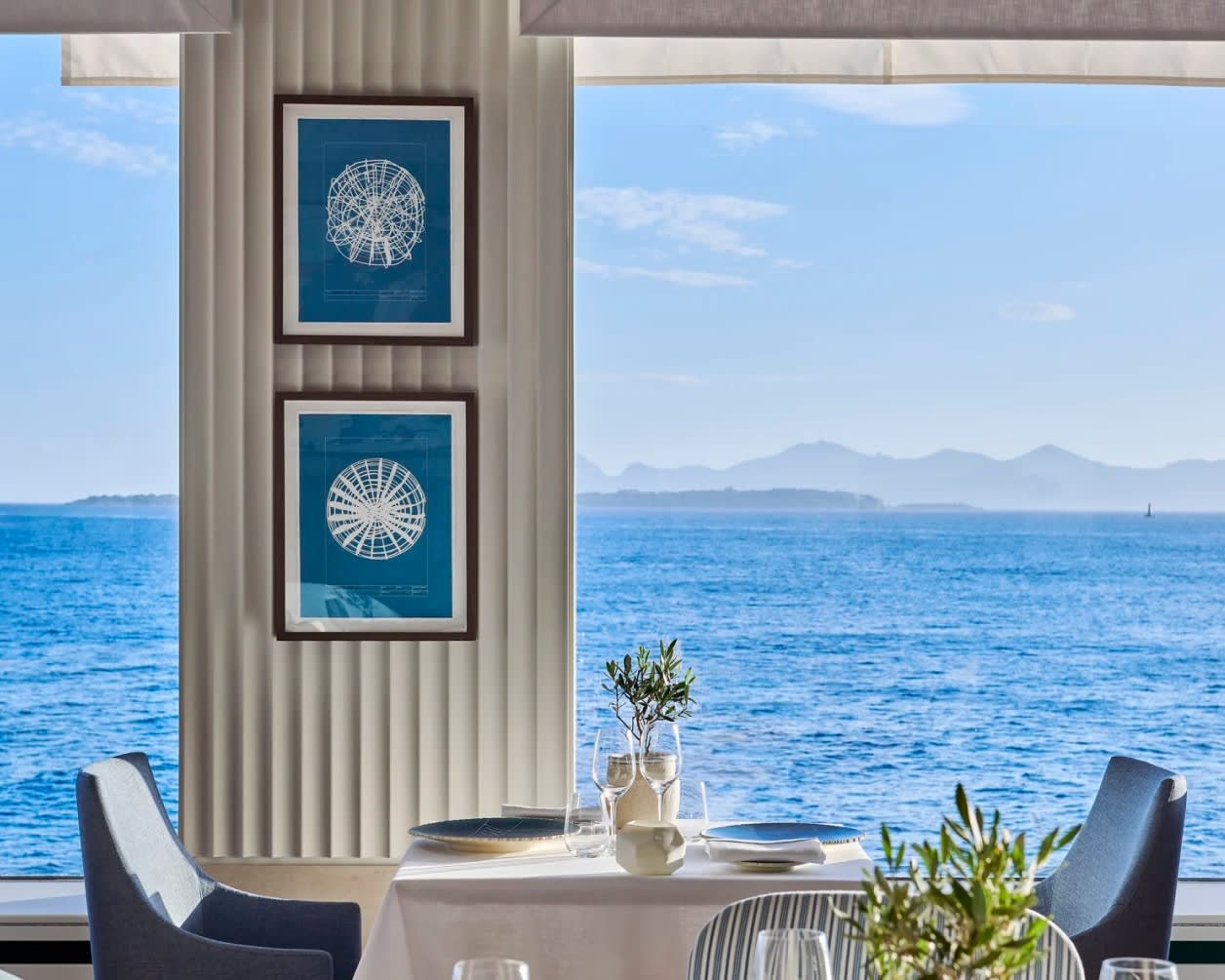
Image courtesy of Louroc at Hôtel du Cap-Eden-Roc
The food scene along the French Riviera balances seaside simplicity with polished French dining.
Nice
Flaveur: Two brothers infuse Mediterranean ingredients with the flavors of their Caribbean childhood to create a two-Michelin-starred tasting menu.
JAN: Ingredients like biltong, rooibos, Cape spices put a South African twist on classically precise French dishes.
Les Agitateurs: Bright, ingredient-driven cooking leans into delicate local fish, vegetable-forward plates, and sharp, clean flavors.
Le Chantecler at Hôtel Le Negresco: Meticulously sourced local fish, meat, and seasonal produce form the building blocks of the polished tasting menus served in a grand Belle Époque dining room.
Nuances: Tasting menus play with contrasts—hot and cold, crisp and creamy—often within a single dish.
Séjour Café: A cozy, art-filled bistro where bookshelves and framed prints set the mood for market-driven seasonal cooking.
Olive & Artichaut: A focused, ever-changing menu that highlights the day’s market offerings.
Le Plongeoir: A dramatic perch—reached by a narrow walkway over the sea—treats diners to fish, shellfish, and pasta with unmatched views.
Lavomatique: A former laundromat in the Old Town now serving creative small plates, often with bold sauces and global influences.
Antibes
Louroc at Hôtel du Cap-Eden-Roc: Provençal and Mediterranean ingredients form the base of sophisticated regional dishes served against a backdrop of sunset views.
Le Figuier de Saint-Esprit: A family-operated spot in the heart of old Antibes, serving market-fresh French classics.
La Passagère at Hôtel Belles Rives: Striking sea views match the caliber of the seafood-centric dishes coming from this Michelin-starred restaurant’s kitchen.
Maison de Bacon: Open since 1948, this Cap d'Antibes institution has earned a following for its panoramic views and Provençal seafood.
Les Pêcheurs at Cap d'Antibes Beach Hotel: An intimate beachside restaurant serving up a seafood-forward Mediterranean menu.
Cannes
La Palme d'Or at Hôtel Martinez: An unabashed tribute to cinema where Provençal seafood and locally sourced ingredients are the stars.
La Môme Cannes: A festive, music-driven option where bold Med-Italian dishes, a social atmosphere, and a well-dressed crowd makes every meal feel like an occasion.
Riviera at Carlton Cannes: An elegant brasserie bringing market-driven French cooking to one of the most coveted terraces on the Croisette.
Zuma Cannes: Robata-grilled meats, izakaya-style Japanese sharing plates, and a reliably glamorous scene on the Palm Beach waterfront.
Le Mido: A combination of Japanese techniques and Peruvian flavors results in Nikkei dishes as polished as their setting.
Fred l'Ecailler: Decades of consistently pristine oysters, plateau de fruits de mer, and a no-nonsense approach to seafood have established this spot as a Cannes stalwart.
L'Affable: Subtle Asian influences underpin an otherwise classically French menu.
Saint-Tropez
La Vague d’Or at Cheval Blanc St-Tropez: A Michelin-starred dining destination where Mediterranean ingredients shine in precisely prepared tasting menus.
Dior Des Lices: Garden-set restaurant blending fashion house polish with relaxed Riviera dining.
Le Patio by Le Yaca: Classic French cuisine in a tucked-away courtyard that’s easy to linger in.
Chez Camille: Unpretentious seafood dishes capture the essence of traditional coastal dining.
La Muña: Hillside restaurant with sweeping views and upscale Japanese-Peruvian fare.
Les Moulins de Ramatuelle: A historic windmill provides a fittingly rustic setting for Provençal specialties.
L'Opéra: Live music, DJs, and a high-energy crowd create a theatrical atmosphere for contemporary Mediterranean cuisine.
Saint-Jean-Cap-Ferrat
La Table du Royal at Hotel Royal Riviera: This gastronomic dining room delivers a polished, seasonal menu rooted in Mediterranean produce.
Quai 28: A friendly, unpretentious harborside spot in the village where the daily catch dictates what’s offered.
La Véranda at Grand-Hôtel du Cap-Ferrat: Reliable Mediterranean bistro favorites best enjoyed on the Aleppo-pine–shaded terrace.
Plage de Passable (Restaurant): The beach club's kitchen serves a fresh, seasonal Mediterranean menu steps from the water.
Monaco
Le Louis XV at Hôtel de Paris: Alain Ducasse's three-Michelin-starred flagship remains Monaco's most lauded restaurant.
L'Abysse at Hôtel Hermitage: A Mediterranean omakase built on locally caught fish and informed by French and Japanese techniques.
Blue Bay Marcel Ravin at Monte-Carlo Bay Hotel: This deeply personal spot weaves together Chef Marcel Ravin's Martiniquais roots and Mediterranean ingredients.
La Môme Monte-Carlo at Port Palace Hotel: A rooftop restaurant with Riviera energy, DJ sets, and a modern Mediterranean menu.
Amazónico: Plush green booths, a plant-filled interior, and leopard-print accents set the mood for Latin and Asian-inflected dishes.
GAIA: A sleek, modern dining room drawing on Greek and Mediterranean traditions, with fresh seafood, sharing plates, and a calm sophistication.
Maya Bay: Thai and Japanese influences meet in an artfully designed setting.
Day trips from the French Riviera
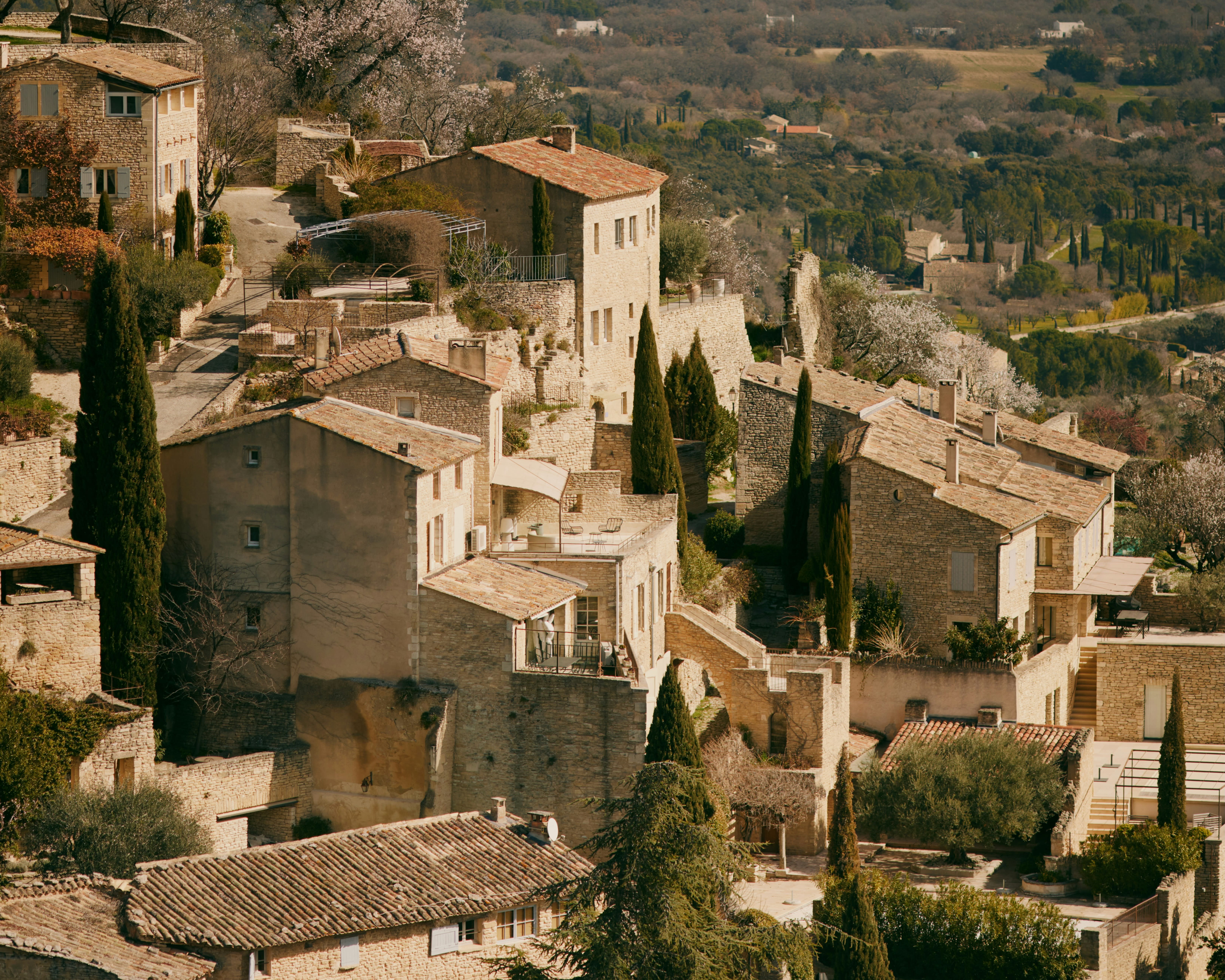
Venture beyond your chosen home base to get a fuller sense of the area’s history and textures.
Èze (30-minute drive from Nice): This medieval hilltop village above the Mediterranean provides one of the most dramatic vantage points along the entire French Riviera. Stone lanes, a cactus garden at the summit, and views down the coast add to its picturesque nature.
Saint-Paul-de-Vence (45-minute drive from Nice): Generations of creative figures like Matisse and Chagall settled in this medieval village after finding inspiration in its vibrant landscapes and kinship among its residents. The Fondation Maeght houses one of Europe's finest collections of modern art.
Avignon (1-hour drive from Marseille): The history of this walled medieval city is ever-present, thanks to landmarks like the14th-century Palais des Papes and the Gothic buildings around the Place de l'Horloge. The famous Pont Saint-Bénézet bridge, market squares, and summer festivals bolster its charm.
Arles (1-hour drive from Marseille): One of the most consistently underrated towns in the south deserves a visit for its still-operational Roman amphitheater, streets that inspired Van Gogh's most productive period, and Provençal market culture.
Gordes (1-hour drive from Marseille): Between the stone buildings cascading down a limestone hillside, surrounding countryside filled with lavender fields, abbeys, and one-room borie cabins, this historic village makes a strong case for its reputation as the Luberon Valley’s most photogenic destinations.
Trips to add on
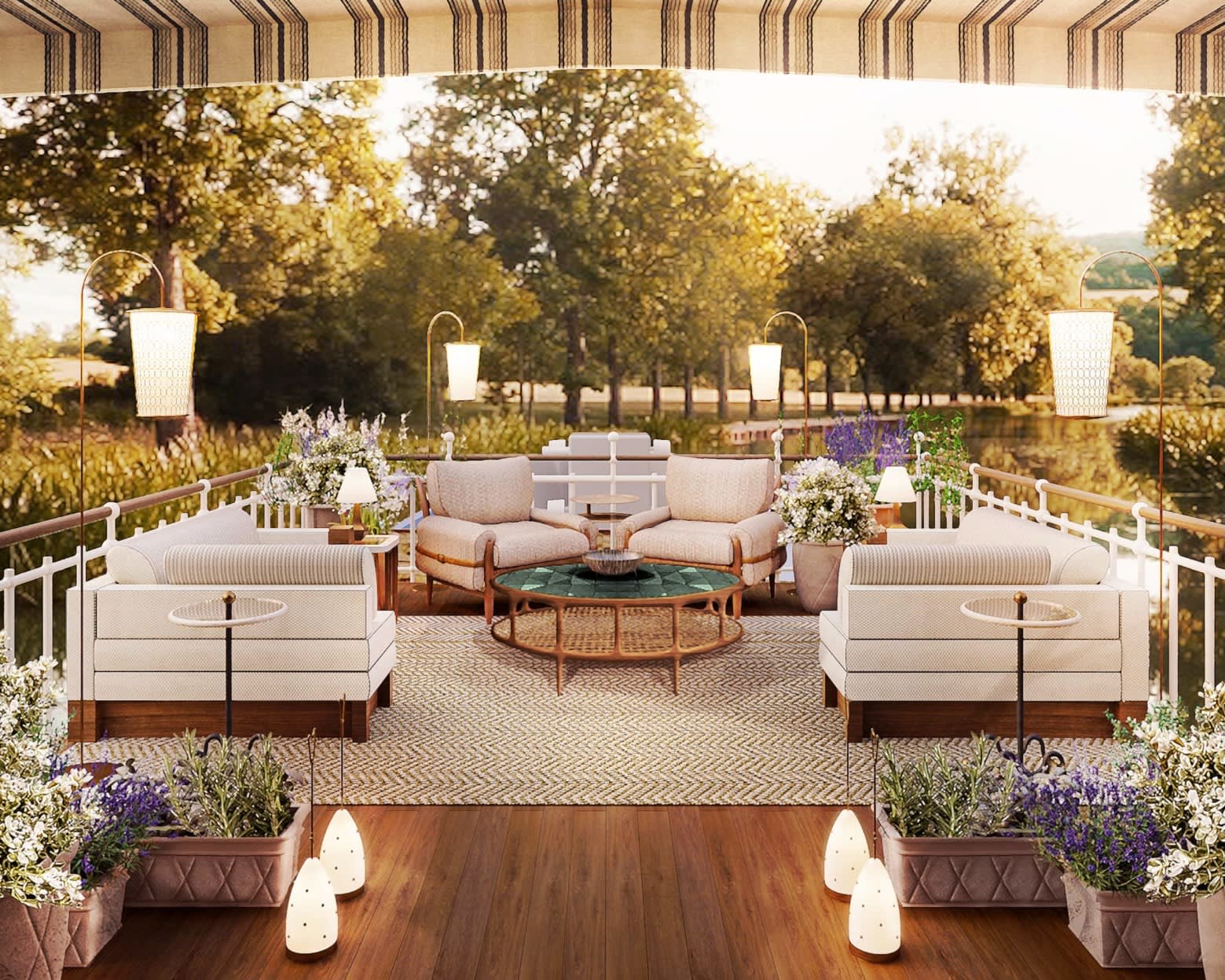
Image courtesy of Belmond Cruises Les Bateaux
From medieval cities to cosmopolitan capitals, these add-ons pair naturally with a stay in the French Riviera and are easy to reach by train or short flight.
Provence, France (1–3 hour train or drive): Lavender fields, hilltop villages, and open-air markets, and rosé, best explored from a base in the Luberon Valley or the Alpilles
Paris (3-hour train): A natural bookend to any French itinerary, filled with museums, Seine-side walks, and world-renowned landmarks
Lyon, France (2-hour train): France's gastronomic capital and one of its most underrated cities, with hidden passageways, Renaissance quarters, and a robust food market culture
Barcelona, Spain (2.5-hour train): Gaudí's architecture, the Gothic Quarter, and an afternoon ritual of tapas and vermouth
Switzerland (3.5-hour train): Geneva's lakeside polish, Zermatt's mountain scenery, and Zurich’s cosmopolitan style—all within a half day’s journey
Rhône River cruise: Uniworld, AmaWaterways, and Belmond's Les Bateaux each bring their own distinct style, service, and level of intimacy to itineraries that wind past Roman ruins and Provençal villages
If not the French Riviera…
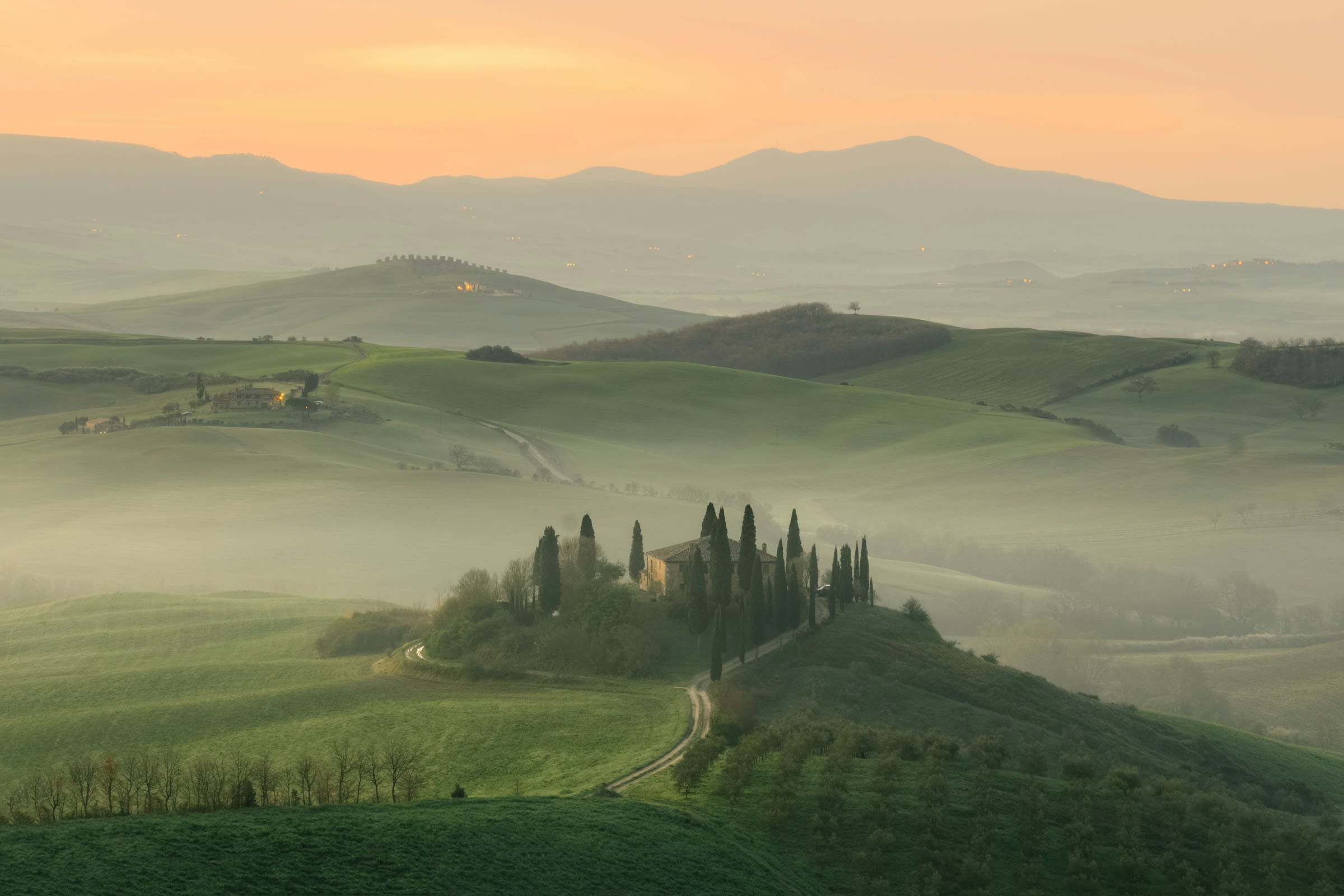
These destinations share the Côte d’Azur’s appetite for sun, beauty, and showing off their unique character.
Italian Riviera: The rugged Ligurian coast extends from Cinque Terre's clifftop villages to Portofino’s glamorous harbor to the relaxed sophistication of Genoa.
Mykonos, Greece: Whitewashed Cycladic architecture, a renowned beach club scene, and a social energy that goes toe-to-toe with Saint-Tropez for vibrant, high-energy vibes.
Bodrum, Turkey: An understated alternative to Saint-Tropez, complete with a medieval castle overlooking the harbor, excellent seafood, and a growing nightlife scene.
Florence, Italy: For those drawn to Provence’s art and history—Florence delivers with Renaissance grandeur at the Uffizi, artisan workshops, and a satisfying restaurant scene.
Tuscany, Italy: The region’s rolling hills, exceptional wine, and hilltop villages like Montalcino and Montepulciano echo the rural appeal of Provence.
Cadaqués, Spain: A remote fishing village on the Costa Brava, with a deep artistic legacy and wildly beautiful scenery.
San Miguel de Allende, Mexico: A vibrant arts scene, excellent restaurants, and a warm, colorful character that draws comparisons to Provence's more artistic small towns.