




Photo: Getty Images/Unsplash
Los Angeles doesn’t work the way most cities do. There’s no center—no single neighborhood that orients the rest, no obvious place to begin. Instead, it has a collection of worlds running at the same time: surfers waiting for the right wave in Malibu while the 405 backs up ten miles inland, lunchtime taquería queues starting in Boyle Heights while movie deals are getting done in Beverly Hills, a jazz trio warming up at a club in Leimert Park as a bonfire gets snuffed out on Dockweiler Beach, right under the LAX flight path.
The landmarks are worth seeing, but a deeper, truer L.A. lies in the spaces just beyond them. A hike up Runyon Canyon yields views of the whole basin spread below. A visit to the wholesale flower market before dawn, the late-night Korean barbecue in Koreatown that doesn't close until 3 a.m.
Need to know
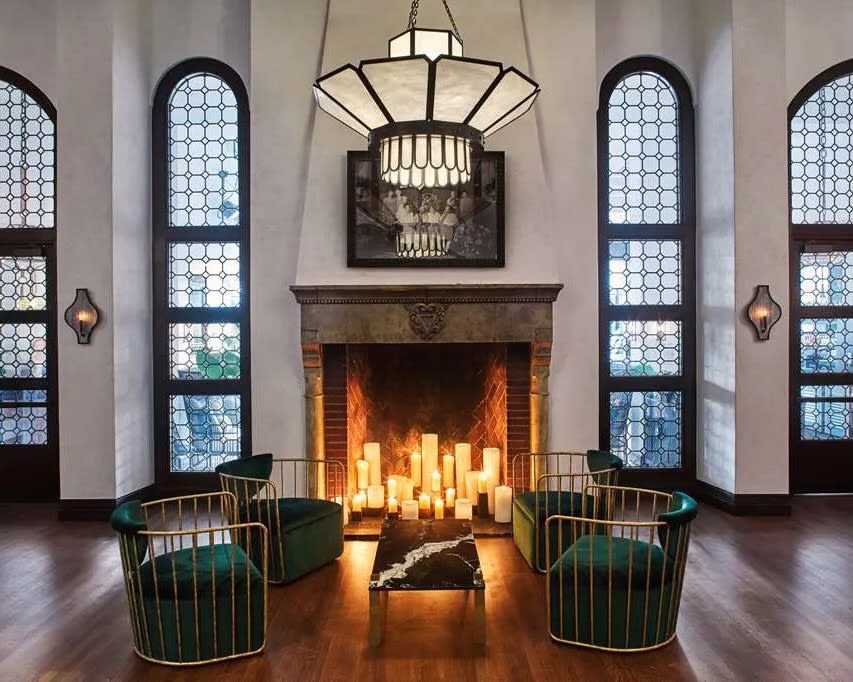
Image courtesy of Hotel Figueroa, an Unbound Collection by Hyatt
Getting around Los Angeles requires planning. The city covers roughly 500 square miles, runs on cars, and lacks the predictable grid that makes navigation intuitive in similarly dense cities. Understanding the basics of how it’s laid out and how it moves will save time, reduce frustration, and open up parts of town that many visitors never reach.
Airports: Los Angeles International (LAX) is the primary gateway and one of the busiest airports, with nonstop service across the globe. For a smoother experience, Hollywood Burbank (BUR) and John Wayne Airport (SNA) are worth considering. Both are smaller, easier to navigate, and connected to cities across the United States.
Transportation: Rental cars remain the most practical way to move around. Rideshares are common, but be aware that LAX pickups are a slow, complicated affair. The metro system is growing but still limited in reach. Some areas have highly walkable pockets: Santa Monica’s Third Street Promenade; Pasadena’s Old Town; and West Hollywood’s Melrose Avenue and Sunset Strip. Bike rentals and scooters can also be a good option, especially in cities like Venice.
Best time to visit: Los Angeles is a year-round destination, but it has a few seasonal patterns worth knowing. The infamous “June Gloom” refers to a marine layer that frequently keeps skies gray and cool along the coast. Late summer and early fall (August–October) can see uncomfortably high temperatures, and fire season in October and November often coincides with strong Santa Ana winds.
Ideal length of stay: Three days covers a focused visit, but a full week is a more comfortable timeframe for exploring the urban sprawl. How long to stay also depends on what you’re after—for example, you’re planning to hit up one of the theme parks versus bopping around to different beaches, museums, and restaurants.
Signature dishes and drinks:
Tacos: Arguably L.A.’s defining food staple, with enough variety across taquerías and their menus to fill every meal of your itinerary multiple times over
French dip sandwich: A hot, crusty French roll stuffed with thinly sliced roast beef, topped with melted cheese, and served with au jus for dipping; arguably created by Philippe the Original or Cole’s P.E. Buffet
Korean BBQ: Tabletop grilling, banchan side dishes, and late-night hours
Pastrami sandwich: Beef (usually brisket) that’s cured and smoked before getting thinly sliced and served on on double-baked rye bread
Chicken and waffles: Pieces of fried chicken served atop waffles, often drenched in maple syrup
Cobb salad: The original combination of chicken, bacon, egg, avocado, tomato, and blue cheese invented at Hollywood’s Brown Derby in 1937
Chopped salad: A power-lunch classic of crisp lettuce, salami, chickpeas, and provolone cut into small pieces and tossed in a tangy dressing; popularized by La Scala in Beverly Hills
Craft coffee: One of the country’s most developed specialty coffee cultures, with roasters and cafés across every neighborhood
Moscow Mule: The combination of vodka and ginger beer served in a copper mug; invented in the 1940s on the Sunset Strip
What to wear: Angelenos dress for occasion first, weather second. Attire skews casual without being careless—jeans and a clean shirt take you most places, though finer restaurants and some rooftop bars expect a more elevated look, especially in the evening. Lightweight layers handle the coastal morning fog that burns off by midday, though it’s smart to bring a light jacket to account for air-conditioned restaurants and cooler nights. Comfortable walking shoes matter, particularly if you're covering multiple neighborhoods in a day. Beachwear always stays at the beach.
Travel tips:
Laws: L.A. encompasses dozens of municipalities, including cities like Santa Monica, Beverly Hills, and West Hollywood, which all have their own local laws.
Parking: Parking rules will change from neighborhood to neighborhood. Structures and private lots can fill up, but check for validation discounts at garages.
Traffic: Mileage is rarely useful as a gauge for how long it will take to get somewhere, as traffic can occur any time of day, even middle of the night. Always budget for extra time, especially during weekday rush hours.
Cash: Some of the city’s best taco trucks, pupuserías, and markets are cash-only. ATMs are widely available across the city.
Safety: While L.A. is generally safe, it’s a major urban center, so some areas see increased crime and pickpocketing.
Downtown Los Angeles
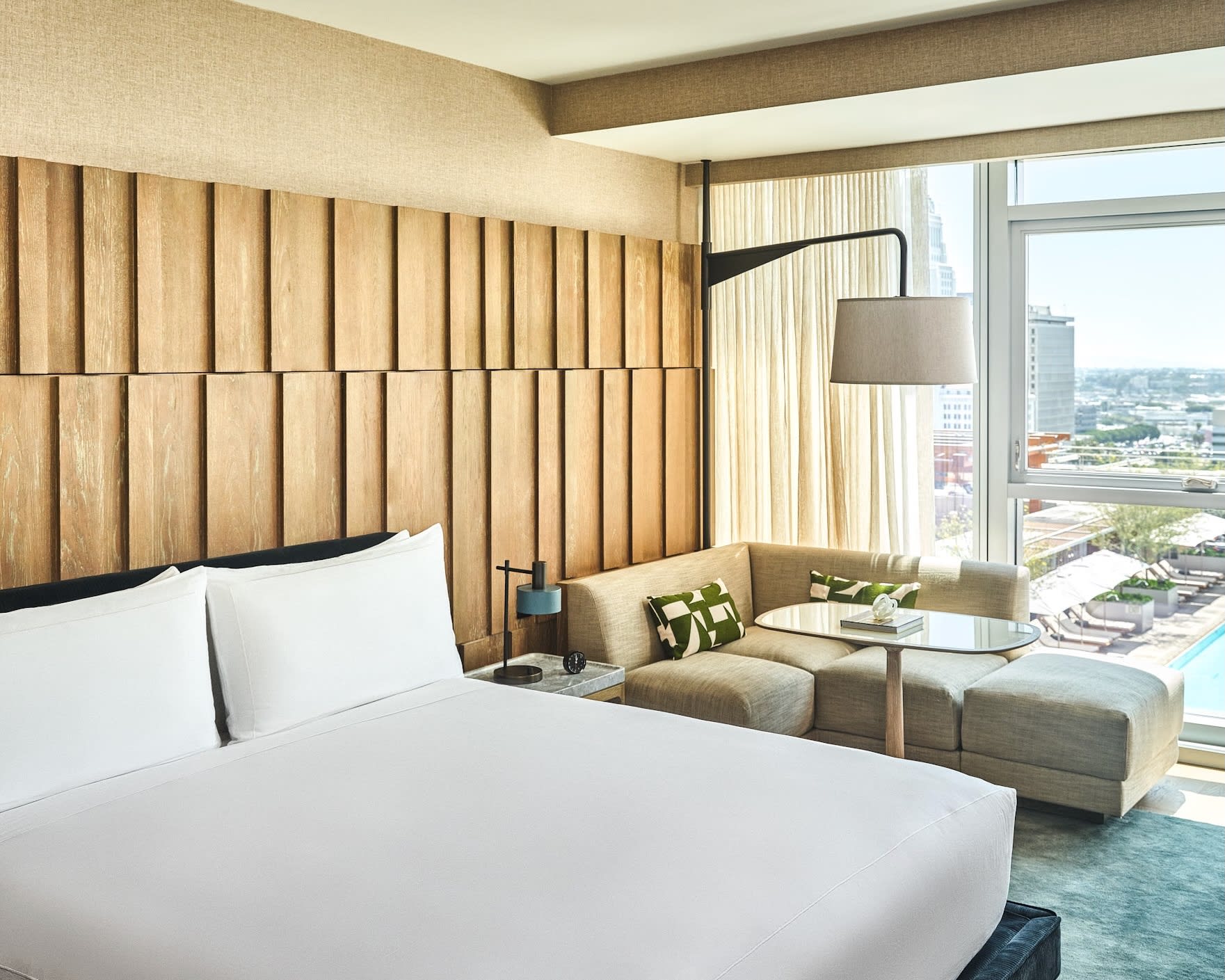
Image courtesy of Conrad Los Angeles
Downtown L.A. (or DTLA) packs more variety into a few square miles than many cities manage across a much larger footprint. The Walt Disney Concert Hall—an angular, Frank Gehry-designed masterpiece— sits a few blocks from decades-old Filipino bakeries and the city’s original wholesale flower markets. Just to the east, some of the city’s hottest restaurants, independent galleries, and studio spaces occupy the converted warehouses of the Arts District. To the north is Little Tokyo, where you’ll find exceptional ramen, Japanese grocery stores, and community institutions that have drawn generations.
Where to stay
Conrad Los Angeles: One tower of the Frank Gehry-designed Grand L.A. complex, connected directly to The Broad and Walt Disney Concert Hall, houses 305 rooms and suites with interiors by Tara Bernerd and five food and beverage concepts by José Andrés.
Fora’s Hilton for Luxury partner perks include a $100 hotel credit, daily breakfast, an upgrade whenever possible, and double Hilton Honors points.
Downtown Los Angeles Proper Hotel: The 1926 Commercial Club of Southern California—whose members included Cecil B. DeMille and Harry Warner—was transformed by Kelly Wearstler into a hotel with Mexican Modernist interiors, a stained-glass doorway by Judson Studios, and a rooftop pool and Mediterranean restaurant.
Fora Perks include a $100 hotel credit, daily breakfast, an upgrade, and extended check-in/out whenever possible.
The Hoxton Downtown LA: A 1922 Beaux-Arts building built for the city’s streetcar company still bears its original chevron floors and delicate molding, but a renovation added a buzzy lobby, rooftop Peruvian restaurant and pool terrace, and 174 compact guest rooms that come with complimentary breakfast bags.
Fora Perks include a welcome amenity, an upgrade, and extended check-in/out whenever possible.
Hotel Figueroa, an Unbound Collection by Hyatt: Founded in 1926 by the YWCA as a haven for solo female travelers—a history the property still honors through a rotating exhibition of works by local female artists—the Spanish Colonial building sits a short walk from Crypto.com Arena and L.A. LIVE.
Fora’s Hyatt Privé partner perks include a hotel credit, welcome amenity, daily breakfast, an upgrade, and extended check-in/out whenever possible.
JW Marriott Los Angeles L.A. LIVE: With 878 rooms in two towers connected directly to Crypto.com Arena, L.A. LIVE, and the Los Angeles Convention Center, this luxe option is the most practical base for concertgoers and convention visitors.
Fora’s Marriott LUMINOUS partner perks include a welcome amenity, daily breakfast, an upgrade, and extended check-in/out whenever possible.
Silver Lake Pool & Inn: The 54-room Palisociety property near Sunset Junction features mid-century interiors by Electric Bowery, a courtyard pool, and Marco Polo, a coastal Italian restaurant that draws as many locals as hotel guests.
Fora Perks include a welcome amenity, an upgrade, and extended check-in/out whenever possible.
Freehand Los Angeles: Flexibility and affordability are the biggest selling points for this handsomely designed option, where 167 rooms are private and 59 have a shared format with custom cedar bunks and privacy screens. The James Beard Award-nominated rooftop bar, Broken Shaker, is another draw.
Fora Perks include a waived daily facility fee.
Beverly Hills
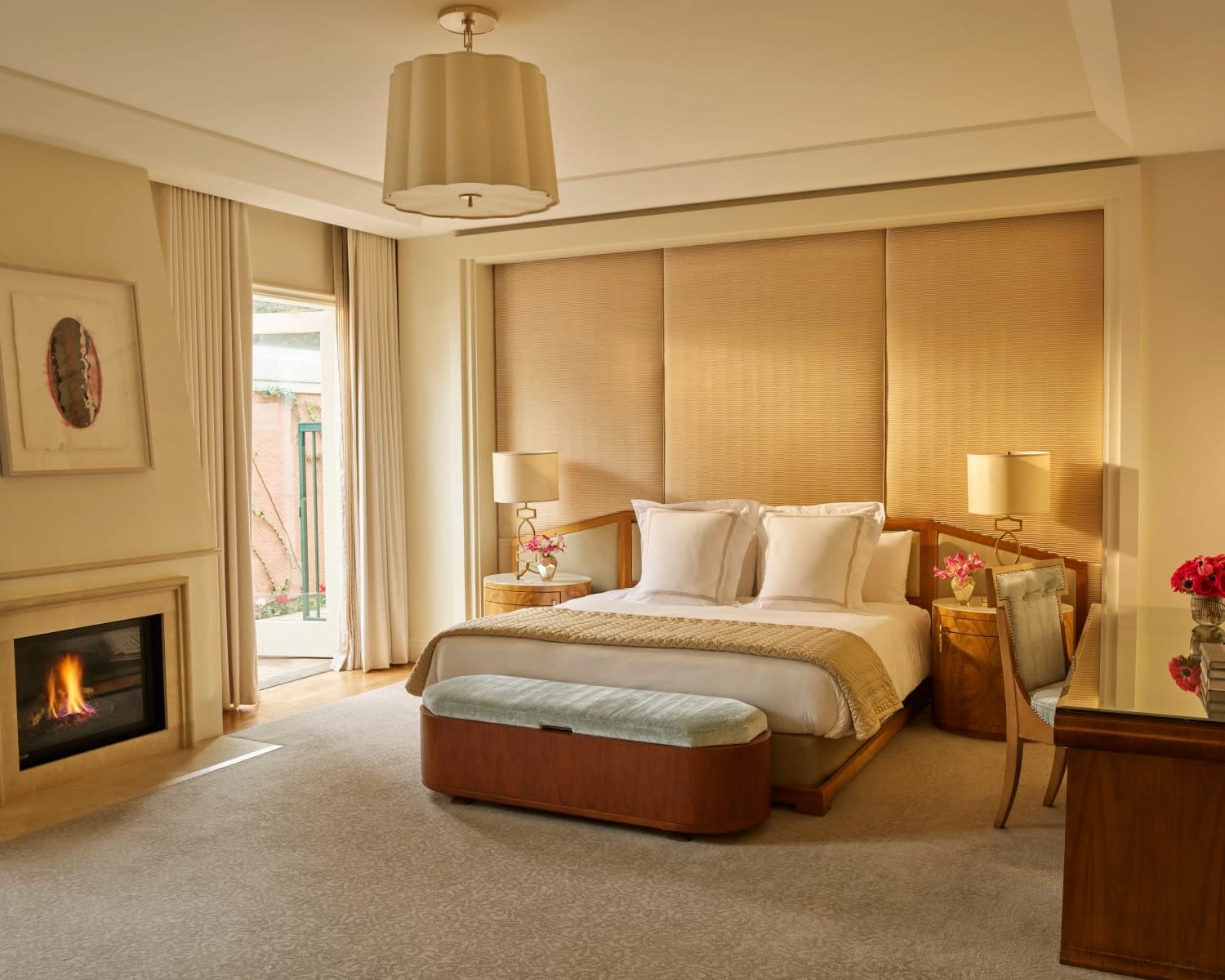
Image courtesy of The Beverly Hills Hotel
Rodeo Drive is worth a walk for the spectacle, but the surrounding Golden Triangle—with hotel bars and restaurants that have built decades-long followings—is where most of the real time goes. North of Sunset, the winding residential streets past gates and hedges are worth an afternoon drive.
Where to stay
The Beverly Hills Hotel: Set among banana palms, the iconic pink stucco building and its bungalows have been a fixture on Sunset Boulevard since 1912. Carve out time for at least one meal at The Polo Lounge, a favorite of Hollywood legends like Marlene Dietrich, Frank Sinatra, and Dean Martin.
Fora’s Dorchester Diamond Club partner perks include a $100 hotel credit, daily breakfast, and an upgrade whenever possible.
Beverly Wilshire - Beverly Hills, A Four Seasons Hotel: Planted at the foot of Rodeo Drive since 1928, the Beaux-Arts building telegraphs its pedigree through its marble lobby, rooftop pool, and service calibrated to one of the most exacting clienteles in the country.
When you book Four Seasons with Fora, you’ll enjoy exclusive Four Seasons Preferred Partner benefits.
The Maybourne Beverly Hills: This refined convivial property overlooking Beverly Canon Gardens holds two of the neighborhood's most distinctive bars: Dante Beverly Hills, the first West Coast location of the New York aperitivo institution, and The Whisky Bar, which reportedly stocks the largest Macallan collection in North America.
Fora’s Maybourne Illustrated partner perks include a $100 hotel credit, welcome amenity, daily breakfast, an upgrade, and extended check-in/out whenever possible.
Sofitel Los Angeles at Beverly Hills: At the corner of La Cienega and Beverly Boulevard—a short walk from both Rodeo Drive and the Sunset Strip—this 295-room hotel channels its French origins through Riviera-inspired décor, a Provençal herb garden, and a lushly planted outdoor patio that gives the property a resort feel in the middle of the city.
Fora’s Accor Preferred partner perks include a $100 hotel credit, daily breakfast, an upgrade, and extended check-in/out whenever possible.
The Peninsula Beverly Hills: The signature touches—a fleet of Rolls-Royces for guest transport, daily afternoon tea in The Living Room, a calm rooftop pool, one of the highest staff-to-guest ratios in Beverly Hills—add up to one of the most considered stays in the city.
Fora’s Peninsula PenClub partner perks include a $100 hotel credit, welcome amenity, daily breakfast, an upgrade, and extended check-in/out whenever possible.
West Hollywood
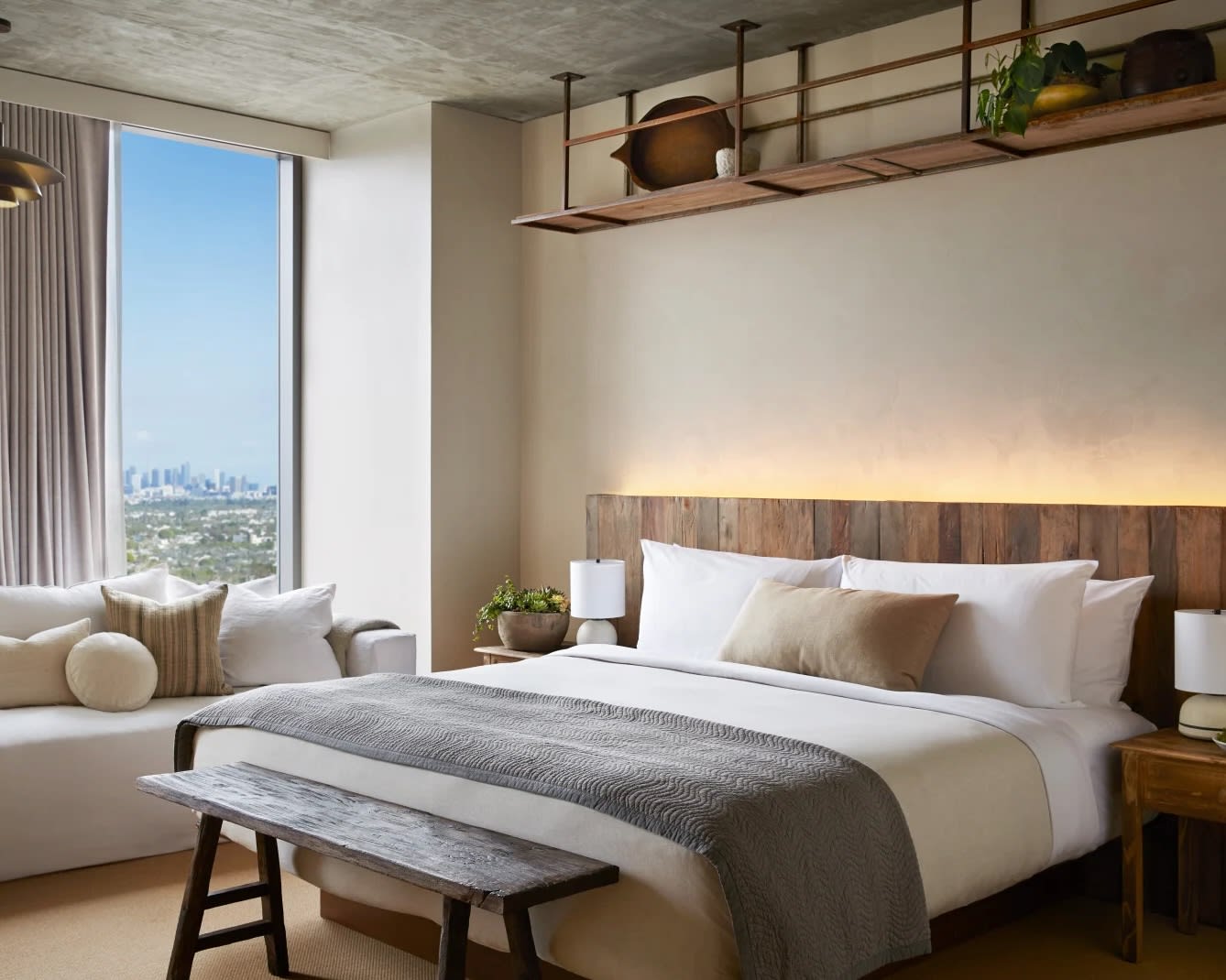
Image courtesy of 1 Hotel West Hollywood
West Hollywood is denser, more walkable, and more reliably alive after dark than most of L.A., with most of the action concentrated around three main arteries. Santa Monica Boulevard anchors one of the country’s most established LGBTQIA+ communities. The Sunset Strip, from Doheny to Laurel Canyon, holds onto the indie-rock roots it established in the 1960s but has also become a destination for its see-and-be-seen rooftop bars. Melrose Avenue tempts the stylish set with its vintage shops, independent boutiques, and the Pacific Design Center's showrooms.
Where to stay
Palihouse West Hollywood at Beverly Hills: A character-filled 1926 residential building has been converted into suites that feel more like a proper apartment than a standard hotel room, thanks to their kitchenettes and living areas, plus a shared garden courtyard.
Fora Perks include a welcome amenity, an upgrade, and extended check-in/out whenever possible.
Sunset Tower Hotel: Best known for the Tower Bar—a longtime gathering spot for the city's film and media industry—this Art Deco building was once home to Howard Hughes, John Wayne, and Bugsy Siegel.
Fora Perks include a $100 food and beverage credit, daily breakfast credit, an upgrade, and extended check-in/out whenever possible.
1 Hotel West Hollywood: The Strip’s nature-forward outlier trades gloss for reclaimed wood, living walls, and a genuine sustainability program, with a rooftop pool above the Hollywood Hills.
Fora Perks include a $150 hotel credit, daily breakfast credit, an upgrade, and extended check-in/out whenever possible.
The Valorian Los Angeles, Curio Collection by Hilton: The 2025 overhaul of the former Mondrian West Hollywood preserved the dramatic 30-foot mahogany entrance doors and commanding Sunset Strip position, adding the White Rabbit Sky Lounge where the Skybar once was.
The Westside
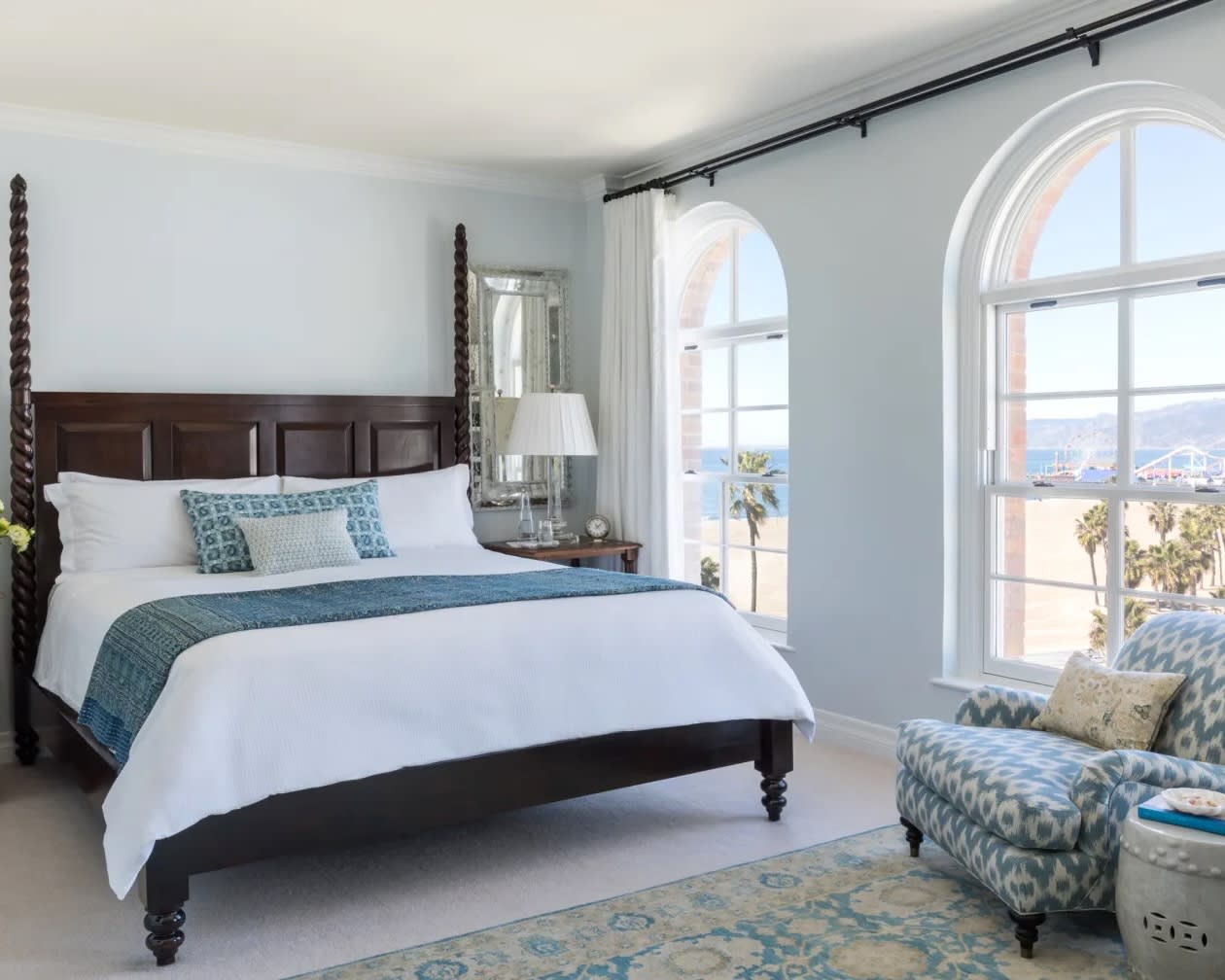
Image courtesy of Casa Del Mar
This is where the city meets the ocean, and the pace changes accordingly. Santa Monica has the most navigable structure since the pier, the farmers market on Arizona Avenue, and the shops along Montana Avenue are all within walking distance of one another. Venice runs looser: The canals (a few blocks inland from the boardwalk) are worth a quiet afternoon, Abbot Kinney's mile of boutiques and restaurants is good for a slow few hours, and the boardwalk is best absorbed briefly. Culver City, a few miles inland, has built one of the city's strongest concentrations of restaurants and galleries on a foundation of film history that goes back to the silent era when MGM's original backlot was there.
Where to stay
Fairmont Miramar Hotel & Bungalows (Santa Monica): The 80-foot Moreton Bay Fig shading the entrance—a Santa Monica historic landmark with a 120-foot canopy—has stood longer than the hotel itself, which opened on the Santa Monica bluffs in 1921 and added its charming poolside bungalows after a Depression-era change in ownership.
Fora’s Accor Preferred partner perks include a $100 hotel credit, daily breakfast, an upgrade, and extended check-in/out whenever possible.
Regent Santa Monica Beach: Opened in 2024 as the brand’s first Americas property, this $150 million beachfront overhaul of the former Loews Santa Monica gives most rooms a direct Pacific view and brings the first West Coast Guerlain spa to the Westside.
Fora’s IHG Destined partner perks include a $100 hotel credit, welcome amenity, daily breakfast, an upgrade, and extended check-in/out whenever possible.
Casa Del Mar (Santa Monica): The 1926 Italian Renaissance Revival building launched as an exclusive beach club, and the double staircase, coffered ceilings, and mosaic tile floors have survived intact—as has the general air of exclusivity.
Fora’s Preferred Platinum partner perks include a $100 spa credit, welcome amenity, daily breakfast credit, an upgrade, and extended check-in/out whenever possible.
Santa Monica Proper Hotel: Kelly Wearstler puts a coastal-modern spin on the Proper formula, creating an escape that's lighter and breezier than her Downtown L.A. work, but no less beautifully designed. Two other twists: a rooftop pool and a Recovery Suite running cold plunge, sauna, and red-light therapy.
Fora Perks include a $100 food and beverage credit, daily breakfast, welcome amenity, an upgrade, and extended check-in/out whenever possible.
The Shay Hotel (Culver City): This design-conscious base has built a genuine neighborhood following through rooftop yoga, a gallery series, and DJ events, with Zaytinya, José Andrés Group's Mediterranean mezze concept, as the main dining draw.
Fora’s Hyatt Privé partner perks include a hotel credit, welcome amenity, daily breakfast, an upgrade, and extended check-in/out whenever possible.
The Culver Hotel: The 46-room, 1924 Renaissance Revival building has a footnote even more memorable than its inclusion on the National Register of Historic Places: it's where the 100 Munchkins from The Wizard of Oz stayed while filming at the adjacent Culver Studios.
Cruising from Los Angeles
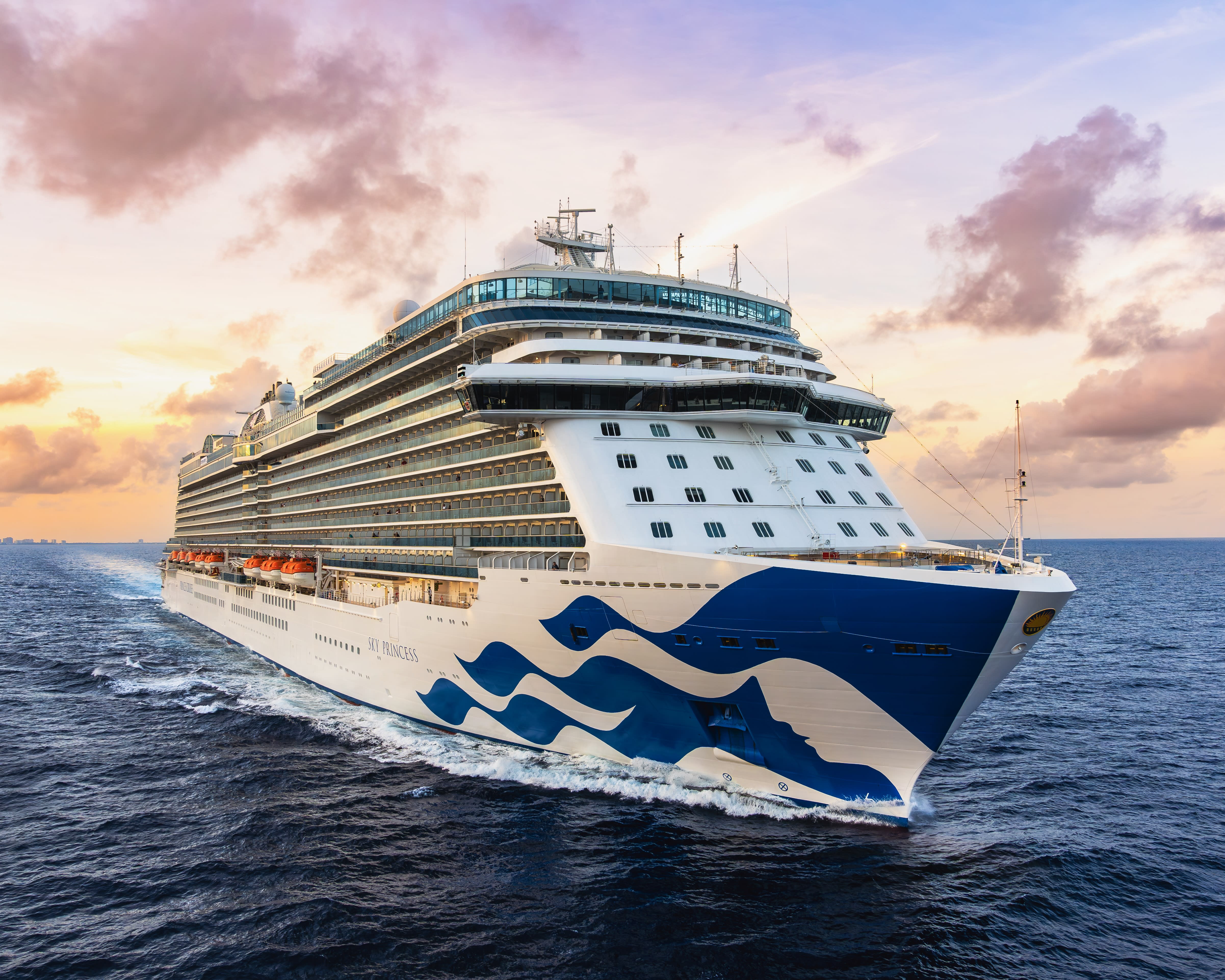
Image courtesy of Princess Cruise Line
L.A. is one of the major cruise departure points on the West Coast, with itineraries ranging from long-weekend sailings to Mexico and extended Panama Canal crossings to Pacific routes reaching Hawaiʻi, the South Pacific, and world cruise departures. The city has two distinct cruise ports—one in San Pedro and one in Long Beach—which are close in proximity but serve different ships and cruise lines, so confirm which terminal your sailing departs from. Travelers departing in June should expect morning fog that typically burns off by midday and doesn't affect sailings.
Popular itineraries
Mexican Riviera (3–7 days): Warm weather, good beaches, and a relaxed Pacific coast character across ports like Ensenada, Cabo San Lucas, and Puerto Vallarta.
Pacific Coast (4–7 days): Roundtrip sailings and one-way routes between L.A. and Seattle or Vancouver combine scenic coastlines, popular wine regions, and major cities.
Hawai’i (14–16 days): Island hopping and volcanic landscapes make for a longer but more genuinely transportive sailing roundtrip from the West Coast.
Panama Canal (14–16 days): One-way repositioning sailings between L.A. and Florida combine Pacific and Caribbean ports with a transit through the engineering marvel.
Alaska (16 days): Longer and less common than departures from Seattle or Vancouver, it’s great for those who want to combine convenience with glacier and wildlife time.
South Pacific and Asia (20+ days): The longest and most ambitious sailings reach French Polynesia, New Zealand, Australia, Japan, and beyond.
Notable cruise lines
Princess Cruises: The most established premium cruise operator from L.A., with the most extensive itinerary offerings to Mexico, Hawai’i, the South Pacific, and beyond.
Fora Perks include up to $100 shipboard credit per stateroom on select sailings.
Virgin Voyages: The adults-only brand brings a genuinely different approach to Mexican Riviera, Panama Canal, and Pacific Coast sailings—all-inclusive pricing, no children, and ship design that’s far bolder than a traditional cruise ship.
Fora Perks include up to $200 Sailor Loot per stateroom.
Regent Seven Seas Cruises: The all-inclusive ultra-luxury line operates Mexican Riviera and Panama Canal sailings with intimate ships and a high staff-to-guest ratio.
When you book with Fora, you’ll enjoy exclusive benefits that vary by sailing.
Royal Caribbean: Large-ship amenities and a competitive price point make it a reliable year-round choice for first-timers and families looking to sail on Mexican Riviera itineraries.
Fora Perks include a specialty dining experience for balcony cabins and above, plus a spa treatment for Junior Suites and above on select sailings.
History and culture
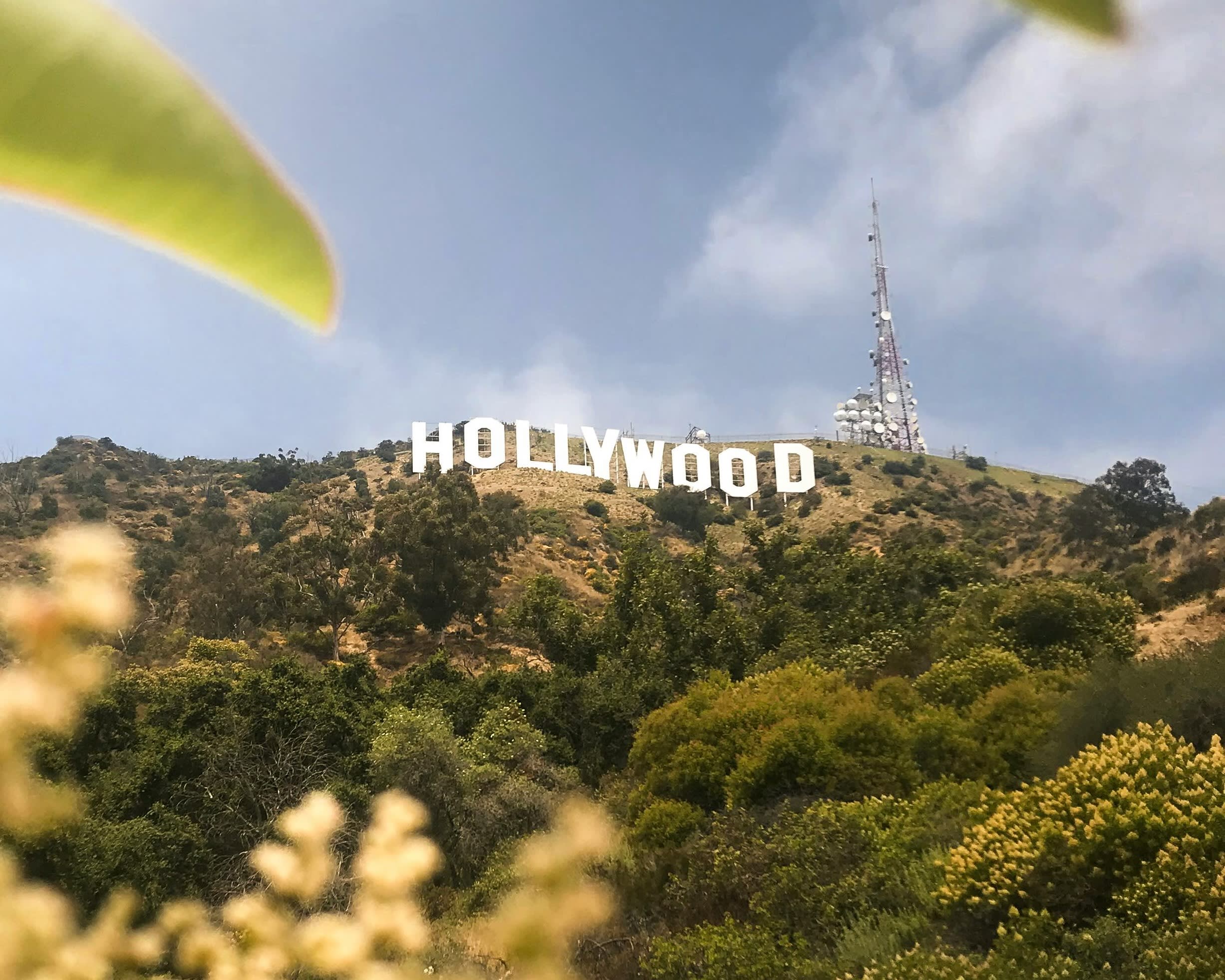
Los Angeles began as the ancestral homeland of the Tongva people, who lived along the coast and inland valleys for thousands of years before Spanish missionaries arrived in 1781. The colonial period brought forced displacement and cultural erasure—a history the city is only beginning to acknowledge in meaningful ways.
From that contested foundation, Los Angeles grew into a sprawling metropolis built by successive waves of immigration, industry, and reinvention. The film industry arrived in the early 20th century and permanently fused the city's identity with the act of movie-making.
Today its cultural landscape reflects Mexican, Korean, Italian, Armenian, Ethiopian, and many other communities—each of which has influenced the city’s food, music, architecture, and civic life. From the Zoot Suit Riots to the 1965 Watts Uprising to the 1992 uprising following the Rodney King verdict, historic events are central to understanding the identity of Los Angeles. The Getty, LACMA, and the Broad trace one version of the city's cultural ambitions, while the murals of East L.A., the jazz history of Central Avenue, and the lowrider culture of the San Gabriel Valley tell several others.
Cultural celebrations and events
Tournament of Roses and Rose Bowl (January 1): Since 1890—rain or shine—Pasadena has kicked off the New Year with a procession of elaborate floral floats, marching bands, and equestrian units, with throngs of onlookers lining the 5.5-mile route.
Lunar New Year (January or February): The Golden Dragon Parades through Chinatown and the San Gabriel Valley are filled with lion dances and fireworks.
L.A. Times Festival of Books (April): One of the largest literary festivals in the country brings together author panels, publisher booths, and a mix of readers.
Nisei Week Japanese Festival (August): A Little Tokyo tradition since 1934 celebrates Japanese culture with parades, taiko drumming, and traditional dance.
Día de los Muertos (October 31–November 2): Hollywood Forever Cemetery hosts one of the largest Day of the Dead celebrations featuring altars, food, and live music.
Hollywood Christmas Parade (November): Celebrity grand marshals, marching bands, and floats have kept this tradition going since the 1920s.
What to do in Los Angeles
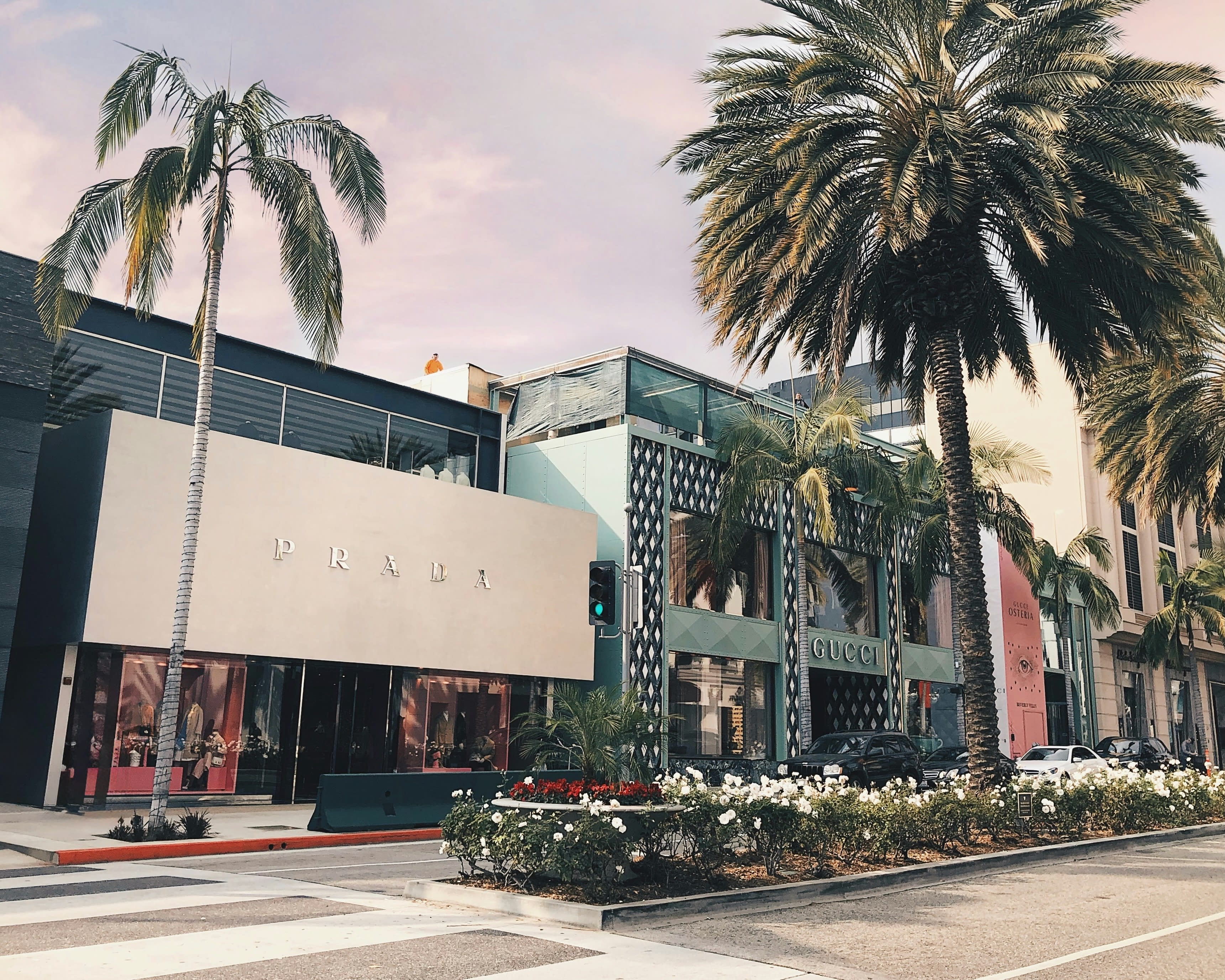
Try to criss-cross too many neighborhoods in one day and you’ll spend most of your time staring at tail lights and not much else. Instead, group your must-sees by area and build separate days around each cluster.
Museums: The Los Angeles County Museum of Art (LACMA) anchors the city as the largest museum in the western United States. The Getty Center's hilltop campus is worth a half-day for the architecture, the gardens, and the European paintings collection.
The Huntington Library, Art Museum, and Botanical Gardens (Pasadena): A 120-acre campus encompasses three art museums, 16 botanical gardens, and a research library whose holdings include a Gutenberg Bible and a first folio of Shakespeare. Gainsborough’s “Blue Boy” is part of the permanent collection, the Chinese Garden is among the largest classical Chinese gardens outside China, and the whole place warrants at least a half-day.
Hiking: Runyon Canyon and Griffith Park are the most centrally located, and their trails give casual hikers the opportunity to soak up city views from the top.
Santa Monica: The pier has been operating since 1909 and Pacific Park’s amusement rides are a blast for families. Third Street Promenade is the main shopping drag; Montana Avenue has more independent shops and better restaurants.
Venice: The famed boardwalk draws street performers, bodybuilders, and serious people-watchers, but for something quieter, the canals a few blocks inland are a charming walk. Abbot Kinney’s mile of boutiques, galleries, and restaurants suits a slower morning or afternoon.
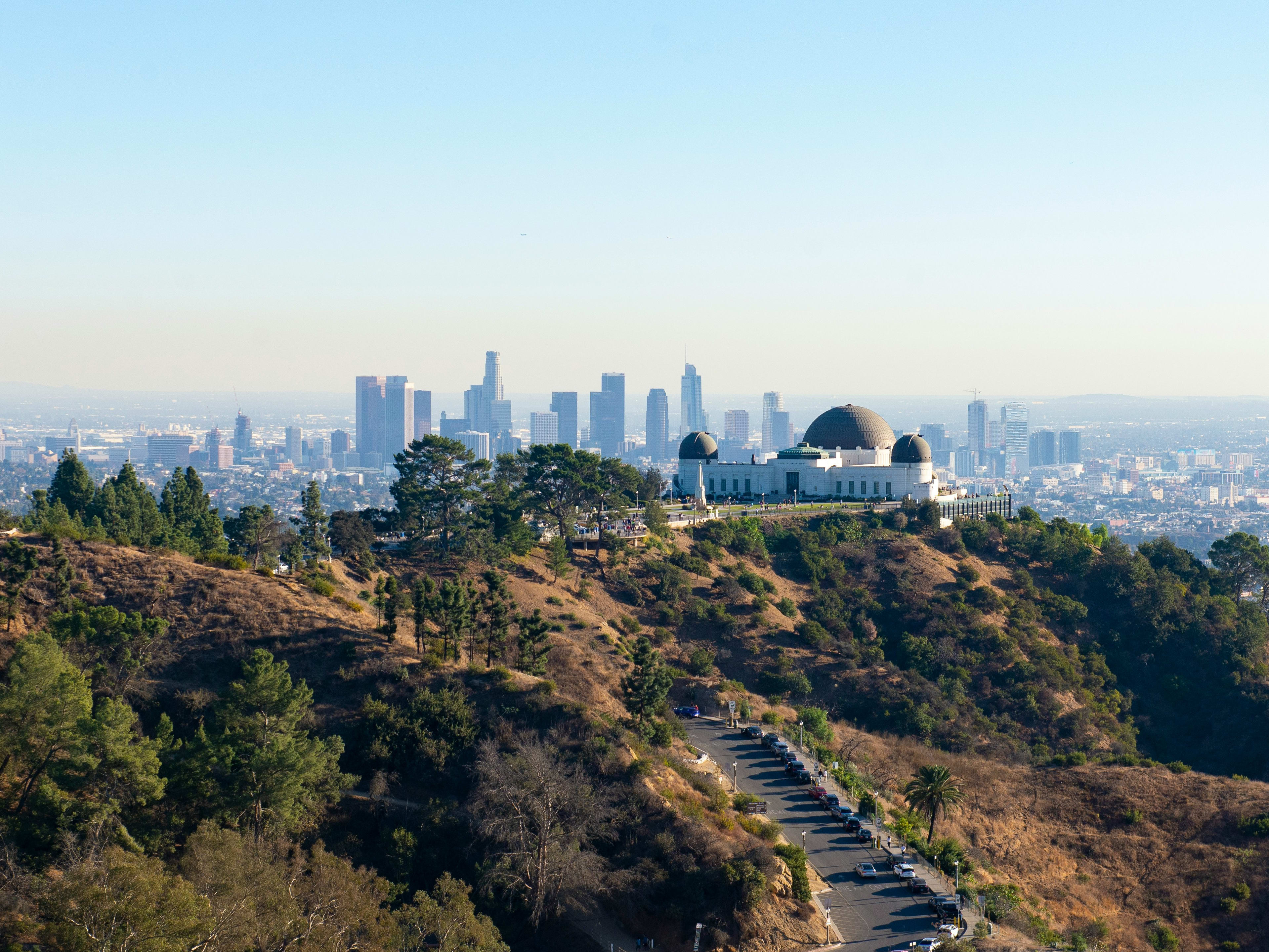
Griffith Observatory: The hilltop observatory is free to enter, with views stretching to the Pacific on clear days and the Samuel Oschin Planetarium running regular shows inside. Go at sunset if the schedule allows.
Dodger Stadium: Open since 1962, the ballpark sits above the city with views of the San Gabriel Mountains beyond the outfield. Though the food options have improved significantly in recent years, the Dodger Dog remains the thing to get.
Film and TV industry: Warner Bros. offers studio lot tours in Burbank covering the working backlot, props, and sets from current productions. Ticket tapings for shows like Jeopardy!, The Price is Right and Wheel of Fortune are available through network websites, typically free but requiring advance booking.
Where to eat in Los Angeles
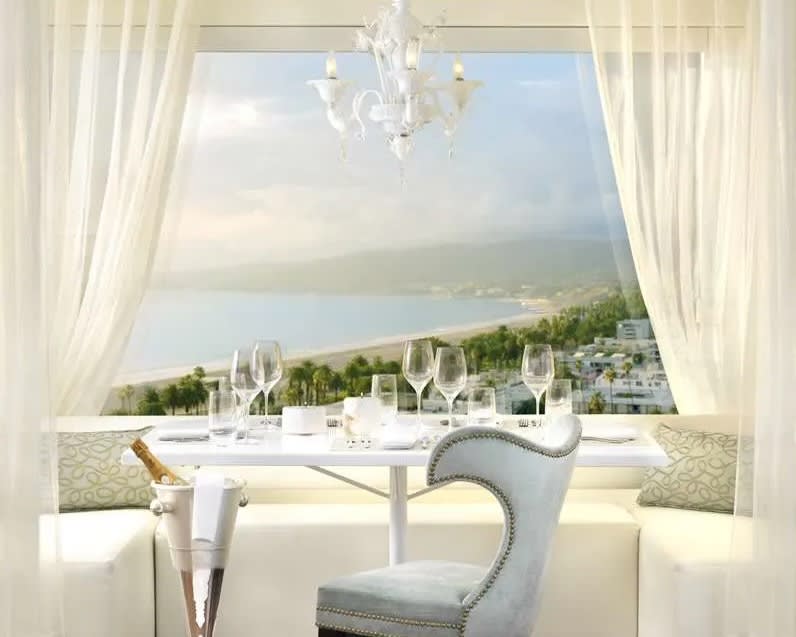
Image courtesy of The Penthouse at The Huntley
L.A. has one of the most varied restaurant cultures in the country, drawing on deep Mexican, Korean, Persian, Ethiopian, and Japanese traditions. A generation of chefs has made the city a serious fine dining destination, and the newest wave continues to push it further.
Downtown Los Angeles
Girl & the Goat: James Beard Award-winning chef Stephanie Izard's Arts District restaurant does the same shareable, protein-forward menu she pioneered in Chicago—goat liver mousse, wood-grilled broccoli, goat empanadas—in a high-energy room that keeps going late.
Holbox: Chef Gilberto Cetina Jr.'s Mexican seafood counter inside the Mercado La Paloma food hall earned a Michelin star in 2024, partly on the strength of its ceviches and aguachiles, both made from exceptional sourced seafood.
Bavel: Chefs Ori Menashe and Genevieve Gergis draw on their combined Middle Eastern heritage for a menu of hummus, malawach (flaky Yemenite flatbread), and wood-fired meats in a soaring, plant-filled Arts District room.
Bestia: Menashe and Gergis’s Italian-leaning Arts District restaurant—the one that put the neighborhood on the culinary map in 2012—is known for its 60-plus varieties of house-made charcuterie, handmade pastas, and wood-fired preparations. The reservations calendar fills within minutes of opening each month.
Badmaash: This Downtown kitchen specializes in dishes that bridge between classic Indian preparations and Canadian comfort food, including the brilliant chicken tikka poutine.
Sonoratown: A small, no-frills counter serving Sonoran-style Mexican food, including paper-thin flour tortillas that envelope fillings like beef tapa and carne asada.
Grand Central Market: This indoor market hall has been operating since 1917 at the corner of Broadway and Hill, with more than 30 vendors hawking Thai food, Mexican breakfast, Ethiopian stews, and specialty coffee.
The ROW DTLA: Spend an afternoon grazing the restaurants and cafés of this redeveloped warehouse complex south of the Arts District.
Orsa & Winston: Chef Josef Centeno’s Michelin-starred counter runs a five-course Japanese-Italian omakase tasting menu that changes daily, with 20 seats and no à la carte option.
Redbird: Chef Neal Fraser’s restaurant occupies the former rectory of Vibiana, a 19th-century cathedral on 2nd Street. The architectural setting is worth the visit alone, and the modern American menu (grilled hamachi collar, heritage pork chop with polenta and pear mostarda) is seriously delicious.
Baroo: Chef Kwang Uh and Mina Park’s fermentation-driven Korean tasting menu was named Restaurant of the Year by the L.A. Times in 2024. The doenjang risotto and wood-aged preparations reflect a deep commitment to preservation techniques applied to contemporary Korean cooking.
Beverly Hills
La Scala: The Italian restaurant on North Cañon has been turning out the same chopped salad since 1956—salami, chickpeas, and provolone in a tangy dressing—and remains one of the city’s most reliable power-lunch rooms.
Avra: This Greek seafood taverna has an airy, white-on-white room and a strong lunch following; the whole fish preparations and raw bar are the draws.
Crustacean: The Euro-Asian restaurant is famous for its whole Dungeness crab and garlic noodles, whose exact recipe is a closely guarded family secret.
Ocean Prime: Well-prepared classic cuts and fresh seafood make this polished American steakhouse a reliable choice for private dining and special occasions.
Il Cielo: The vine-covered garden patio is among the more enchanting outdoor dining settings in Beverly Hills.
The Roof Garden at The Peninsula: The Peninsula’s rooftop offers alfresco dining with city and hills views and a loyal following for weekend lunches.
Tempura Endo: The 10-seat counter serves a tempura omakase with pristine seasonal sourcing and a menu that builds from lighter to richer preparations.
Nozawa Bar: The one-Michelin-star omakase counter hidden behind Sugarfish Beverly Hills operates on Kazunori Nozawa’s terms: fish sourced daily, no à la carte, no substitutions.
Jon & Vinny's: Jon Shook and Vinny Dotolo’s casual Italian spot—pizza, pasta, a strong natural wine list—has been packed since it opened and remains a neighborhood staple.
Funke: At Evan Funke’s Beverly Hills restaurant, pasta makers hand-roll and shape fresh pasta throughout service in the open kitchen of a three-story 1930s Art Deco building.
West Hollywood
BBCM (The Butcher, The Baker, The Cappuccino Maker): This café's large outdoor patio is a popular all-day hang, but the breakfast and brunch menus are what most people come for.
Dialog Cafe: This West Hollywood coffee and brunch spot has a faithful morning following, particularly with the creative industry crowd.
Cecconi's: This solid Italian restaurant has a strong weekend brunch and a covered patio that stays busy year-round.
Dan Tana’s: This red-booth, checkered-tablecloth Italian restaurant has been feeding the entertainment industry since 1964, and the veal parmigiana and chicken marsala remain delightfully unchanged.
Gracias Madre: This plant-based Mexican restaurant on Melrose takes cues from the Pacific coast of Mexico and California's farms to create its signature tamales, mole, and margaritas.
Sushisamba: The Japanese-Brazilian-Peruvian fusion restaurant has a multi-level open-air rooftop on the Sunset Strip best suited for groups and a night out.
Night + Market: Chef Kris Yenbamroong brought Southern and Northeastern Thai cooking—fermented, funky, fiercely spiced—to WeHo with now-signature dishes like the crispy rice salad (nam khao tod) with fermented pork sausage.
Jinpachi: This small, focused sushi counter imports fish directly from Japan.
Somni: Chef Aitor Zabala’s 14-seat counter earned three Michelin stars in 2025—seven months after reopening in West Hollywood—with a 20-plus course progression rooted in his Catalan-Basque background and Southern California ingredients
The Westside (Santa Monica and Culver City)
The Penthouse at The Huntley: Californian cuisine comes with a side of panoramic Pacific views.
Holy Basil: This Thai kitchen focuses on central and Northern Thai preparations, including several good vegetarian options.
Bread Head: This bakery and café turns out exceptional sandwiches and pastries.
Shirubē: This Japanese izakaya in Santa Monica has a thoughtful sake list and a menu of small plates—yakitori, karaage, and seasonal preparations—designed for an evening of drinking and sharing.
Cafe Vida: The California-Mexican spot has several Westside locations and is good for a reliable quick lunch or casual dinner of bowls, burritos, and seasonal salads.
Pasta Sisters: This family-run Italian spot in Palms makes fresh pasta daily, offering a tightly edited menu that changes with what’s available.
Mayura Indian Restaurant: This South Indian restaurant has been turning out dosas, idlis, and curries from the Kerala and Tamil Nadu traditions for over 20 years.
Kusano: This small, focused Japanese counter has a seasonal menu and a low-key atmosphere that contrasts with the more elaborate omakase options elsewhere in the city.
Alibi Room: This casual bar has partnered with Roy Choi’s Kogi Korean BBQ to serve tacos, burritos, and quesadillas alongside a full bar.
Tehran Market: This Persian market on Westwood Boulevard has a prepared food counter—ghormeh sabzi, tahdig, and kebabs on weekends—and one of the best selections of Iranian pantry ingredients in the city.
Vespertine and Destroyer: Jordan Kahn’s two-Michelin-star tasting menu restaurant is housed in a twisted steel building designed by Eric Owen Moss, where guests move between rooms as the meal progresses. Destroyer next door is the same chef’s daytime café, offering composed breakfast and lunch plates.
Other areas
26 Beach (Marina del Rey): Regulars can’t get enough of this diner’s encyclopedic menu of burgers and breakfast dishes.
Guelaguetza (Koreatown): This family-owned restaurant has been the standard-bearer for Oaxacan cooking in Los Angeles since 1994, with the tlayudas and mole negro as its standout dishes.
Jitlada (East Hollywood): Housed in an unassuming strip-mall, this spot serves fiery Southern Thai fare, including kua kling, a fiercely dry curry of turmeric-rubbed beef with chiles that’s reportedly one of the hottest dishes in the city.
Kismet (Los Feliz): Sara Kramer and Sarah Hymanson’s vegetable-forward California-Mediterranean restaurant shifts with the seasons. The rabbit for two (when available) is a proper feast, and the dining room is among the more relaxed on this list.
Langer's (Westlake): The No. 19—hot pastrami, Swiss cheese, coleslaw, and Russian dressing on double-baked rye—is the move at this deli, an L.A. institution since 1947.
Philippe (Chinatown): More than a century on Alameda Street has made this cafeteria-style operation a genuine L.A. institution. Alongside Cole's, which sits a few blocks away, it claims to have invented the French dip sandwich.
Dunsmoor (Glassell Park): A wood-fired hearth and pre-industrial American cooking traditions inform Chef Brian Dunsmoor’s menu, including cornbread with hatch chile, trout stuffed with shrimp, and slow-cooked heritage meats.
Porto's Bakery and Café (multiple): Angelenos have been queuing up for the Cuban-American family bakery’s potato balls, cheese rolls, and guava-and-cheese pastry since the original location opened in the 1970s.
Playa Provisions (Playa del Rey): Four connected venues—diner, fish house, ice cream counter, and cocktail bar—make this good for groups or anyone who wants to spend a few hours eating through the menu.
Messob (Little Ethiopia): On Fairfax Avenue, this Little Ethiopia restaurant serves traditional stews on injera—both meat and vegetarian—in a casual, welcoming room.
Day trips from Los Angeles
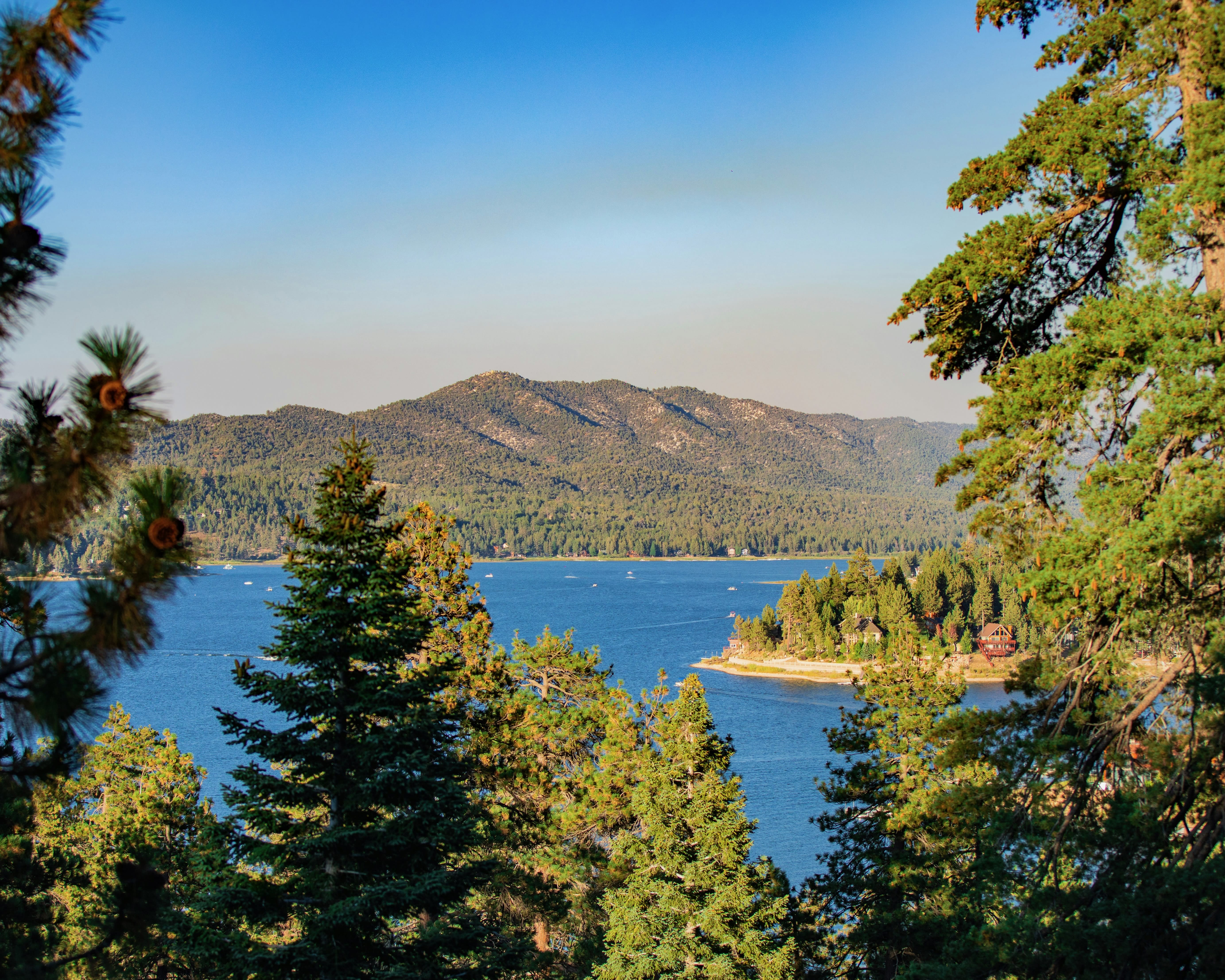
Find beaches, mountain towns, offshore islands, and national forest all within a few hours in any direction.
Other LA neighborhoods: A day in Santa Monica, Venice, or Downtown can feel like a change of scene if your base is on the other side of town.
Disneyland: A full day here disappears quickly across the two parks, where you’ll find Marvel and Star Wars themed lands in addition classic rides like Pirates of the Caribbean and Space Mountain.
Malibu: Seafood shacks, Zuma Beach, and clifftop vineyards stretch along the Pacific Coast Highway north of the city.
Catalina Island: A short crossing from Long Beach or San Pedro takes you to a car-free island with clear water, hiking trails, and Art Deco charm.
Big Bear Lake: This mountain town encourages activity year-round—skiing and snowboarding in winter, boating and hiking in summer. Nearby Lake Arrowhead adds a nearby extension.
Channel Islands: Five largely undeveloped islands offer sea caves, endemic wildlife, and a remoteness that’s rare this close to a major city.
Trips to add on
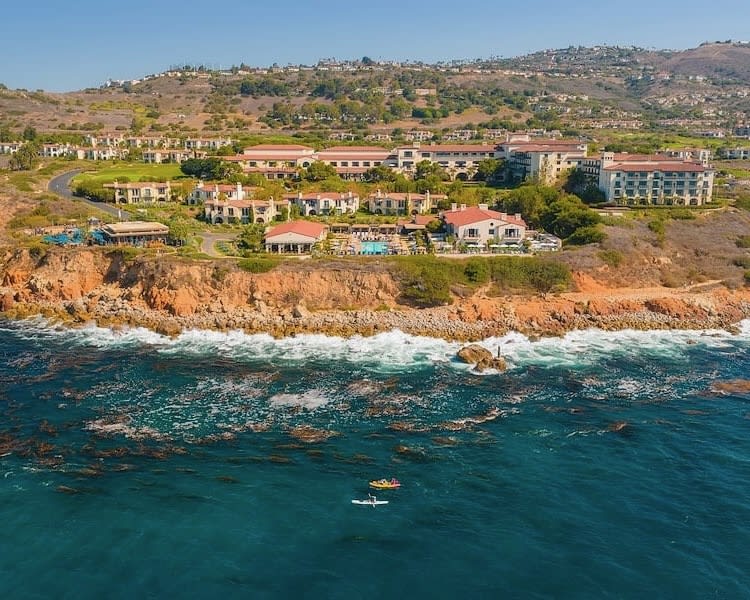
Image courtesy of Terranea Resort
L.A. sits at the western edge of a region with strong regional destinations, and its position on the Pacific makes it one of the best U.S. departure points for long-haul routes that require a connection from anywhere east of the Rockies.
Terranea Resort (45-minute drive): This clifftop resort in Palos Verdes sits above a stretch of rugged coastline with tide pools, a sea cave, and a full spa—close enough to reach without a flight but far enough from the city to feel like a different world.
Ojai (1.5-hour drive): A small arts town in a sun-baked inland valley with boutique hotels, wellness retreats, and olive farms is the kind of place worth a slow overnight rather than a rushed day trip.
Santa Barbara (2-hour drive): Spanish architecture, a walkable waterfront, and a wine country that starts about 30 minutes north in the Santa Ynez Valley make Santa Barbara one of California’s most complete short trips.
Santa Ynez Valley (2.5-hour drive): The Danish village of Solvang and the gallery-lined streets of Los Olivos are springboards for a valley full of wineries, tasting rooms, and farm stands.
Palm Springs and Joshua Tree (2.5-hour drive): Palm Springs has mid-century modern architecture, a strong hotel scene, and serious desert heat from June through September. Joshua Tree National Park, another 45 minutes east, is a different landscape entirely—stark granite formations and twisted trees across a high-desert plateau.
San Diego (3-hour drive): A strong food scene, the world-class San Diego Zoo, and walkable neighborhoods like Little Italy and North Park make San Diego a logical extension. Beach towns to the north—Oceanside and Carlsbad—are worth a stop, as is family-friendly Legoland.
Mammoth Lakes (5-hour drive): The drive into the Sierra Nevada is long, but Mammoth Mountain has some of California's best skiing in winter and strong hiking and mountain biking from late spring through fall.
Yosemite National Park (6-hour drive): The valley floor with El Capitan and Half Dome is the main event, but the high country above the valley is worth the extra effort if time allows.
Los Cabos, Mexico (2.5-hour flight): The southern tip of Baja California has desert landscapes, turquoise water, and a well-developed resort infrastructure on the Sea of Cortez side, with a more rugged Pacific coast to the west.
Asia, Australia, and South Pacific (8–13 hour flight): Los Angeles is one of the best-connected gateways to the Pacific, perfect for a stopover. Nonstop flights to destinations like Bangkok, Osaka, and Tahiti aren't easily reached without a connection from the East Coast.
If not Los Angeles…
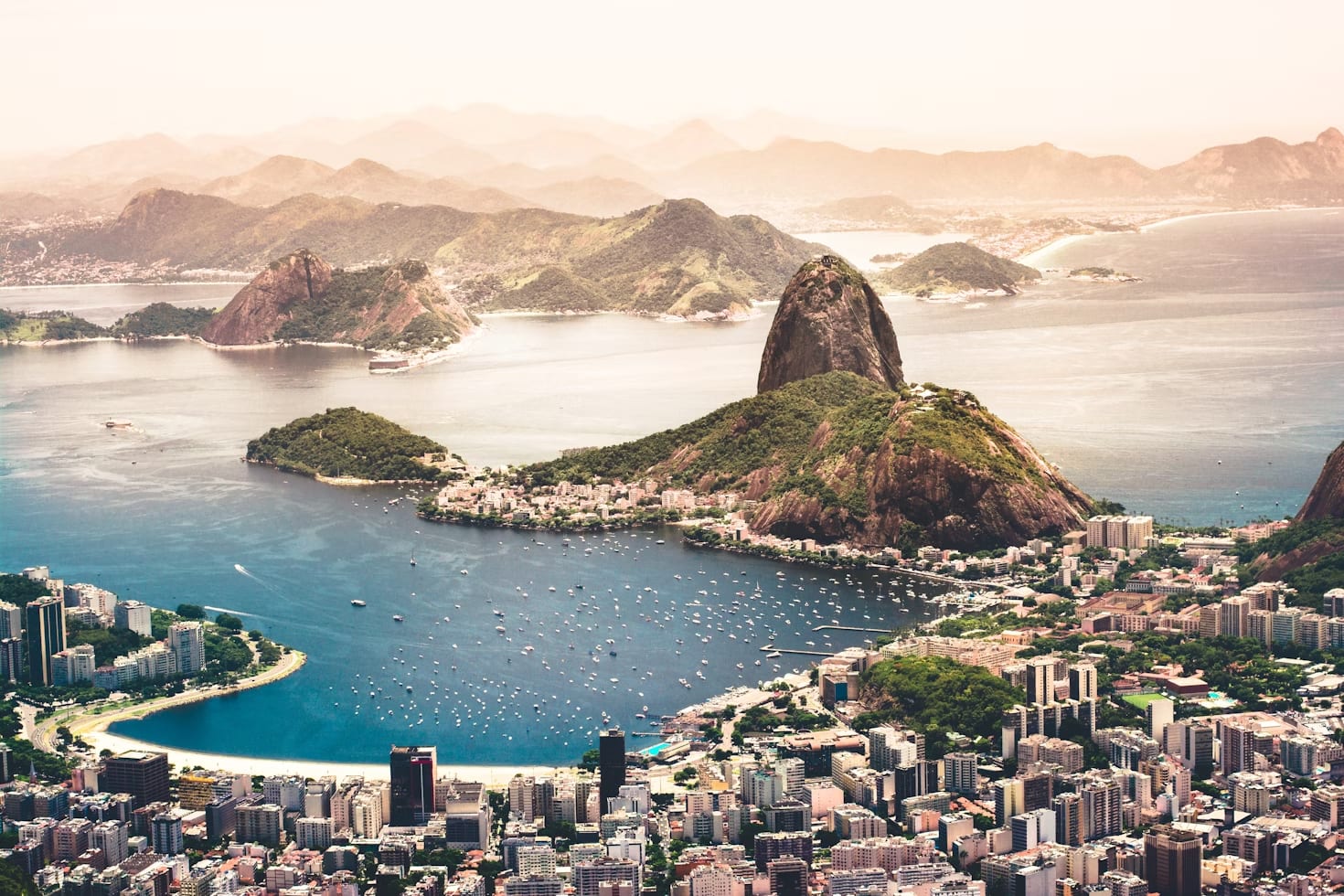
What draws people to L.A.—the coastline, the food, the sense that the city runs on its own logic—shows up in each of these, just at a different frequency.
Rio de Janeiro, Brazil: Granite mountains meet the Atlantic at Copacabana and Ipanema, but the neighborhoods of Santa Teresa and Leblon add real cultural depth beyond the postcard scenery.
Sydney, Australia: The harbor organizes Sydney's geography, with the Opera House, Bondi Beach, and a serious restaurant scene spread across neighborhoods that take real time to explore.
Barcelona, Spain: Gaudí's architecture, a Mediterranean coastline, and one of the most celebrated food cultures in Europe make Barcelona an alternative for travelers drawn to L.A.'s combination of built environment and eating.
Miami, Florida: Warm water, Art Deco architecture along Ocean Drive, and a Latin-inflected food and music scene give Miami a different kind of coastal energy—more compressed, more walkable, and more humid.
Mexico City, Mexico: CDMX has world-class museums, a globally renowned restaurant scene, and leafy, walkable neighborhoods like Condesa and Roma—a compelling choice for travelers who loved L.A.'s Mexican cultural influence and want to go deeper.