




Image courtesy of Nayara Tented Camp
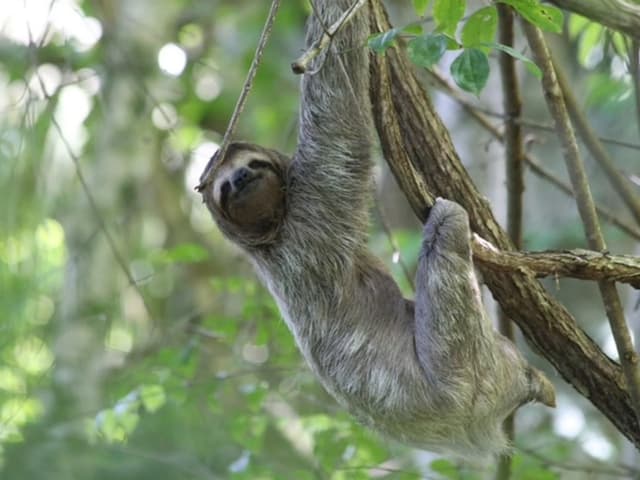
Costa Rica’s reputation for impressive landscapes and wildlife is what brings most people here, but it turns out, that reputation is an understatement. Cloud forests dissolve into Pacific surf, volcanoes rise above Caribbean lowlands, and animals show up in combinations that feel improbable. You might spot toucans, tapirs, howler monkeys, and resplendent quetzals—all within a single morning. Each region has its own rhythm: quiet Central Valley mornings, long stretches watching wildlife from a canopy platform, and beach towns that wrap up the day early.
The phrase pura vida gets repeated so often enough to feel like a cliché, but spend a week here and the philosophy’s ubiquity makes a lot more sense. The more you internalize it, the more likely you are to embrace the country’s easygoing spirit—and the less pressure you’ll feel to see everything in one trip.
Need to know
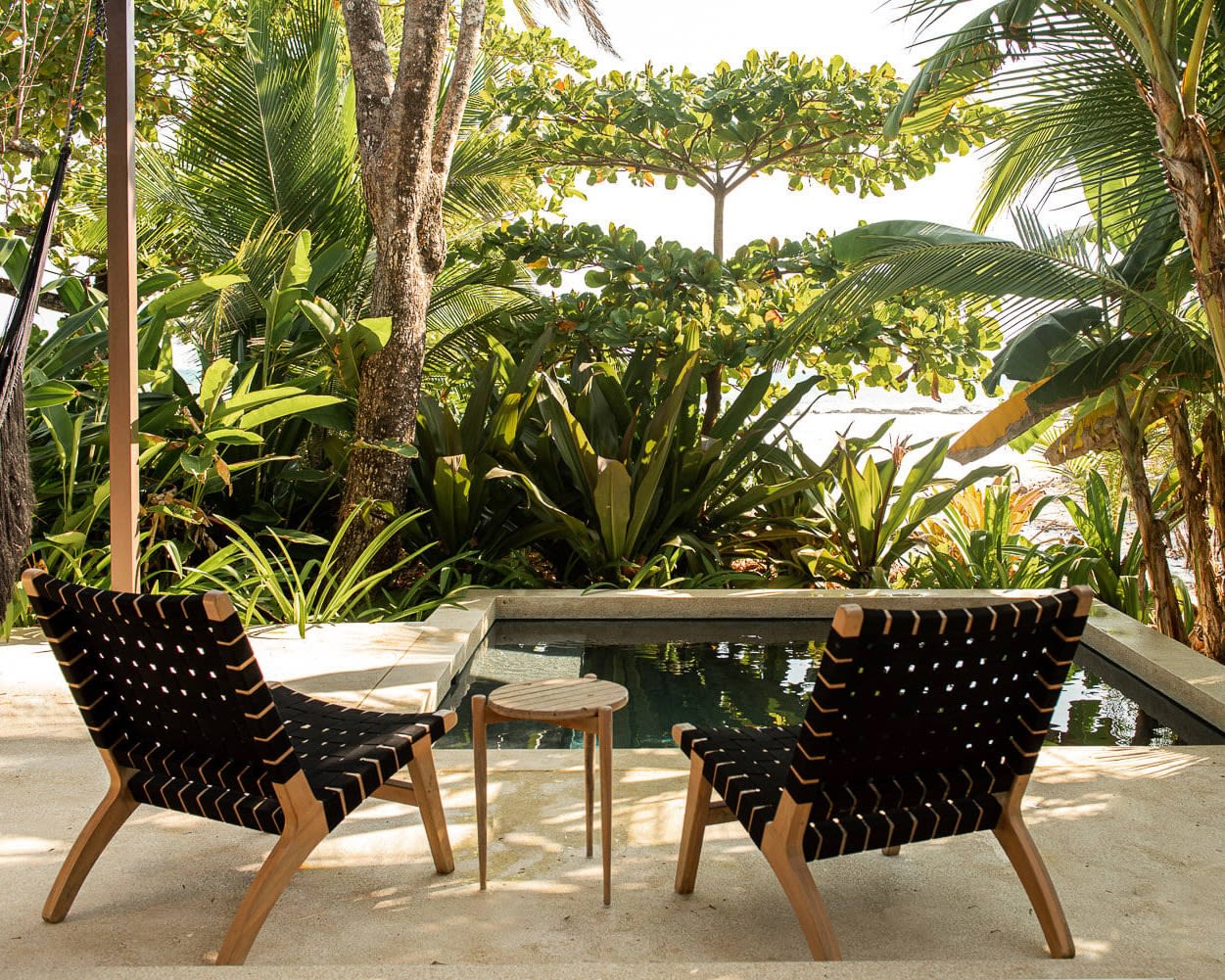
Image courtesy of Hotel Nantipa - A Tico Beach Experience
Costa Rica’s small footprint packs in an outsized range of terrain and climates. Knowing a few practical basics before you arrive will make moving between them considerably smoother.
Currency: Costa Rica’s official currency is the Colón (CRC), though U.S. dollars are widely accepted. Cards are increasingly common in tourist areas, but cash is essential for smaller markets and rural destinations. ATMs can be found across the country.
Languages: Spanish is the official language, and English can be limited outside of tourist areas. Learning a handful of basic phrases goes a long way as locals genuinely appreciate the effort.
Key phrases: hola (hello), gracias (thank you), por favor (please), perdón (excuse me), cómo está? (how are you?), sí/no (yes/no), no hablo español (I don't speak Spanish), habla inglés? (do you speak English?)
Airports: Costa Rica is served by two main international gateways, San José (SJO) and Liberia (LIR). Both airports have year-round service from major North American hubs, including New York, Los Angeles, and over one dozen more.
Transportation: Renting a car is the most practical way to explore Costa Rica, though road quality can vary and driving after dark is discouraged. Many lodges offer private transfers, which can be a smart option for longer distances or more remote destinations. If you’re staying at a remote property, confirm accessibility as it may be limited.
Best time to visit: Costa Rica’s dry season (December–April) is the most popular window, with reliable sunshine and easier access to roads and trails. The green season (May–November) brings fewer tourists and daily rainfall, which is heaviest in September and October. Shoulder months on either end of the dry season offer a reasonable middle ground.
Ideal length of stay: Four days gives you a solid getaway, while a full week allows for more meaningful exploration across different landscapes. Ten days is ideal to cover more ground or simply slow down.
Signature dishes and drinks:
Gallo pinto: The national breakfast of rice and beans cooked together and served with eggs, fresh tortillas, and Lizano sauce on the side
Casado: A plate of rice, beans, plantains, salad, and your choice of meat or fish
Ceviche: Fresh seafood cured in lime juice with onion, cilantro, and pepper
Olla de carne: A slow-cooked beef stew loaded with yucca, corn, and plantains
Tamales: Seasoned maize dough filled with meat, wrapped in banana leaves, and steamed
Chifrijo: A beloved bar snack of rice, beans, crispy fried pork, and pico de gallo, layered in a bowl and eaten with tortilla chips
Copo: Shaved ice drenched in kola syrup, condensed milk, and powdered milk
Batidos: Fresh fruit blended with water or milk, with cas (sour guava) and guanábana (soursop) among the most popular flavors
Agua de pipa: Cold coconut water straight from the shell
Agua dulce: A warm drink made from raw cane sugar dissolved in water or milk
Coffee: Bright, well-balanced, and considered among the best in the world
Guaro sour: A tart, citrusy cocktail using guaro, Costa Rica’s signature sugarcane spirit
Chiliguaro: Costa Rica’s answer to a Bloody Mary is a spicy shot of guaro, tomato juice, lime, and hot sauce
What to wear: Costa Rica’s climate shifts fast between regions and elevations, so versatility matters most. Lightweight, breathable fabrics handle the heat and humidity on both coasts, and a packable rain jacket comes in handy for the region's higher rainfall. Sturdy sandals or water shoes work well for the beach, but decent hiking footwear is worth the luggage space if you're heading into the rainforest or to any volcano. The dress code is relaxed no matter where you go. Beach towns run casual all day, and even nicer restaurants rarely expect more than clean clothes and closed-toe shoes.
Travel tips:
Health and safety: Sunscreen and mosquito repellent are non-negotiables, particularly in rainforest areas and along the coast.
Wildlife: Animals are best observed from a respectful distance. Feeding or approaching is discouraged everywhere and prohibited in the national parks.
Altitude: Many inland regions sit at high elevations, so pace yourself and drink more water than seems necessary.
Driving: Outside the major routes, roads can be unpaved, steep, or cross rivers. A 4x4 is worth the upgrade, and always allot more driving time just in case.
Volcano views
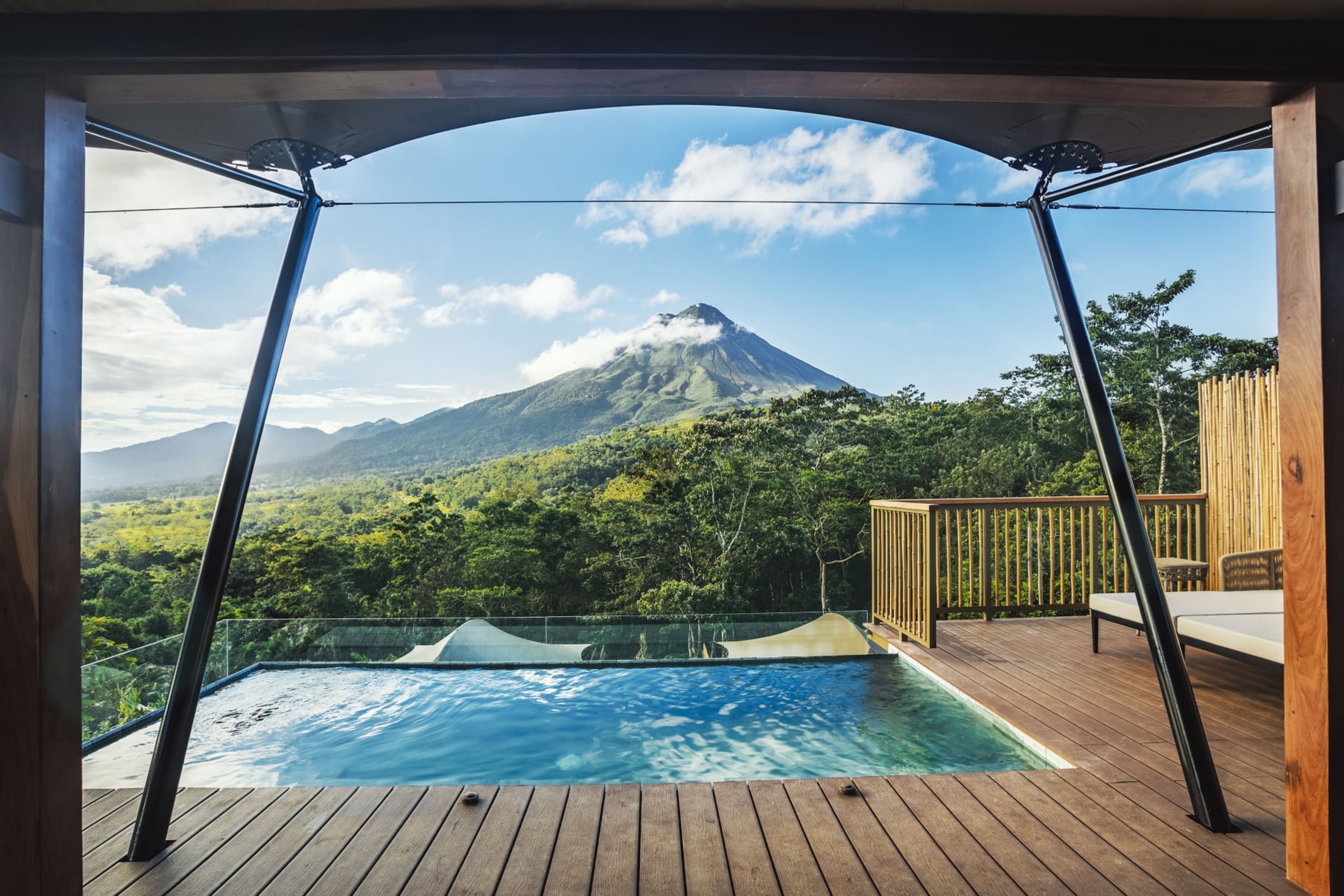
Image courtesy of Nayara Tented Camp
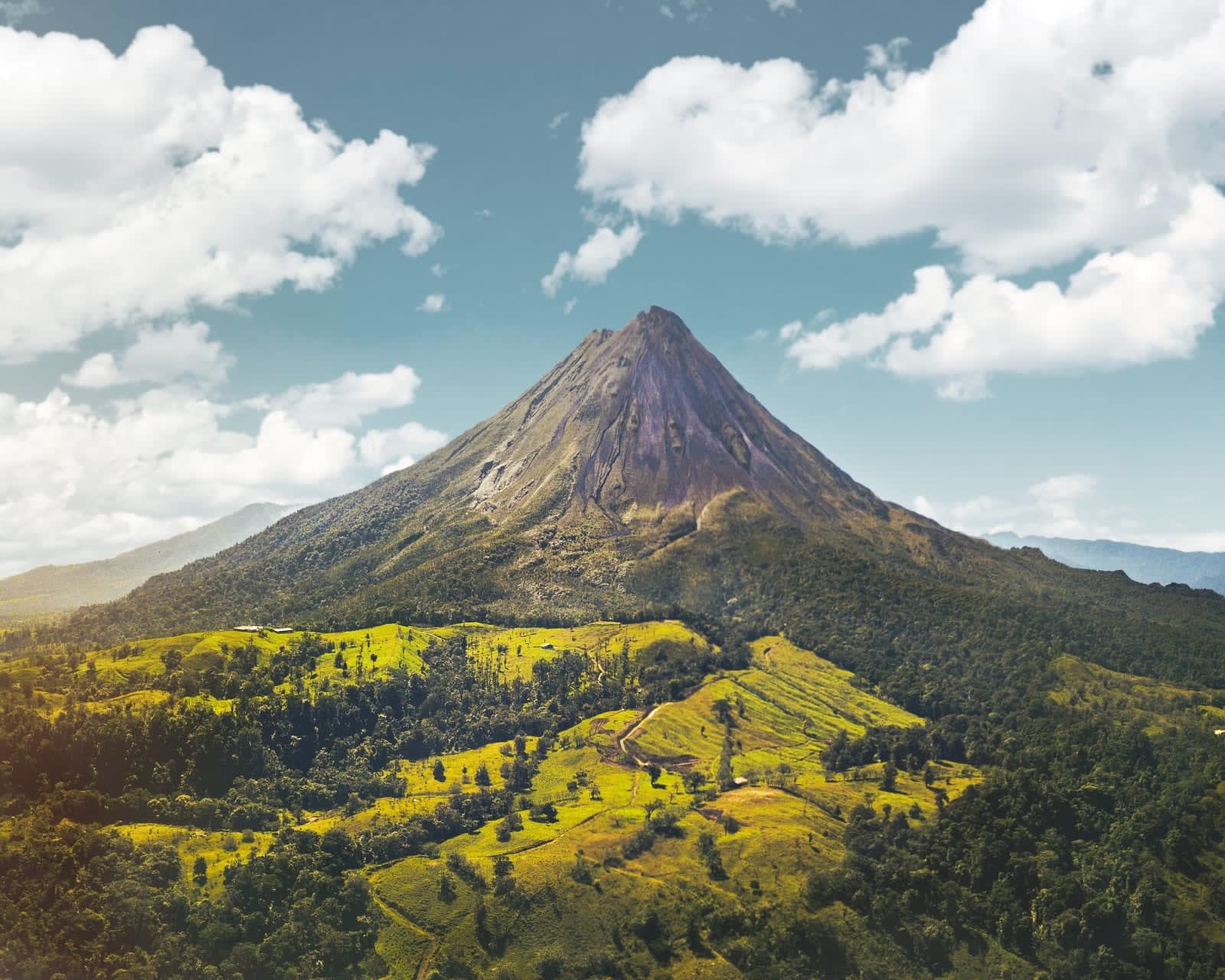
One of Costa Rica’s draws is the Arenal volcano—a near-perfect cone that, on a clear day, dominates the landscape and stops you mid-sentence. Properties in this region are designed to maximize the view at every turn, with infinity pools, open terraces, and hot spring access oriented toward the peak. Some are sprawling resorts, others are small and intimate, but views are always the centerpiece.
Where to stay
Nayara Tented Camp: One of the most atmospheric stays near Arenal Volcano National Park, with luxury safari-style tents tucked amid trees and direct views of the volcano. Each guest is assigned a dedicated personal naturalist, who leads nighttime frog walks, sloth sanctuary tours, and early-morning birding on the property’s own restored rainforest grounds. Sister property Nayara Springs is adults only, while Nayara Gardens is family-friendly.
Fora Perks include a $100 hotel credit, daily breakfast, an upgrade, and extended check-in/out whenever possible.
Tabacón Thermal Resort & Spa: The property is built around the Arenal region’s only natural thermal river, fed directly by the volcano and winding through 900 acres of private rainforest. Hotel guests also get exclusive access to Shangri-La Gardens, an adults-only section with six mineral pools and its own bar.
Fora Perks include a $100 hotel credit, daily breakfast, an upgrade, and extended check-in/out whenever possible.
The Springs Resort and Spa at Arenal: This polished, family-friendly resort has 28 hot spring pools spread across hillside terraces, jungle vegetation, and a river-level canyon. Five restaurants, an on-site animal sanctuary, and an adventure center at the water’s edge mean you’ll run out of days before you run out of things to do.
Fora Perks include a $125 spa credit, daily breakfast, exclusive on-site experience, an upgrade, and extended check-in/out whenever possible.
Senda Monteverde Hotel: Guests have free, uncrowded access to the adjacent Aguti Wildlife Reserve—quieter and far less trafficked than the famous Monteverde reserve a few miles away. El Sapo Restaurant sources from an on-site nursery; happy hour features local artisanal cheese and craft cocktails by the fire.
Fora’s withIN by SLH partner perks include a hotel credit, daily breakfast, an upgrade, and extended check-in/out whenever possible.
Amor Arenal: Each of the 31 canyon casitas at this adults-only hideaway features its own private spring-fed plunge pool—heated and adjustable—and an outdoor shower open to the rainforest. A meditation platform is suspended over the jungle canyon.
Rainforest and cloud forest
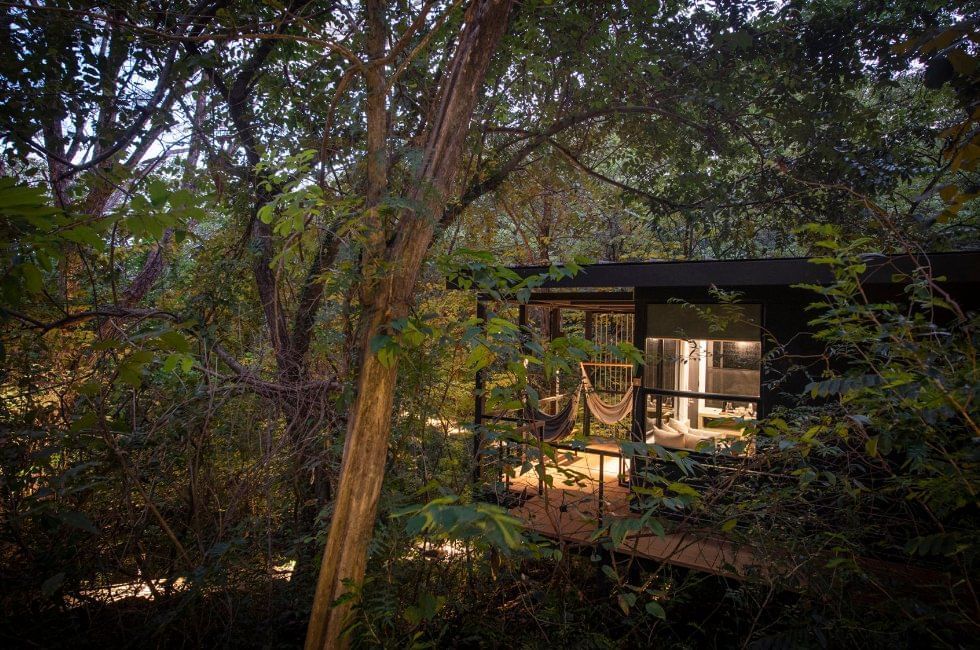
Image courtesy of Rio Perdido Hotel & Thermal River
The biggest distinction between hotels in these settings is altitude. Rainforest properties sit at low elevation, where the air is dense, humid, and alive with sound. Cloud forest lodges sit higher up in the mist, where temperatures drop and the canopy feels closer and quieter. Both offer extraordinary access to biodiversity, and the best properties blend seamlessly into their surroundings. Expect open-air architecture, nature guides on staff, and breakfast with the sound of birds.
Where to stay
Rio Perdido Hotel & Thermal River: Set within a 600-acre tropical dry forest reserve in Guanacaste, the hotel’s 38 bungalows overlook a canyon where a cool river meets a natural thermal one—a combination that makes for unusually good swimming. The adventure infrastructure is entirely on-site: Guinness record-holding zip lines, canyon canyoning platforms, over 20 miles of trails, and cliffside yoga pods suspended 43 meters above the forest floor.
Fora’s withIN by SLH partner perks include a hotel credit, daily breakfast, an upgrade, and extended check-in/out whenever possible.
Origins Lodges: Both properties sit near Bijagua in the northern volcanic highlands, not far from Tenorio Volcano National Park and the turquoise Rio Celeste. A strong option for couples, Origins Floral’s seven circular lodges draw on Maleku indigenous architecture—natural ventilation, volcanic-stone outdoor showers, and a fire-heated plunge pool on every terrace—with a French-influenced restaurant and a Maleku-inspired spa. Origins Astral is better suited for families, given its seven aerial villas, each of which has a private plunge pool, and the dedicated kids’ club.
Fora Perks include a $100 hotel credit, welcome amenity, an upgrade, and extended check-out whenever possible.
Beaches
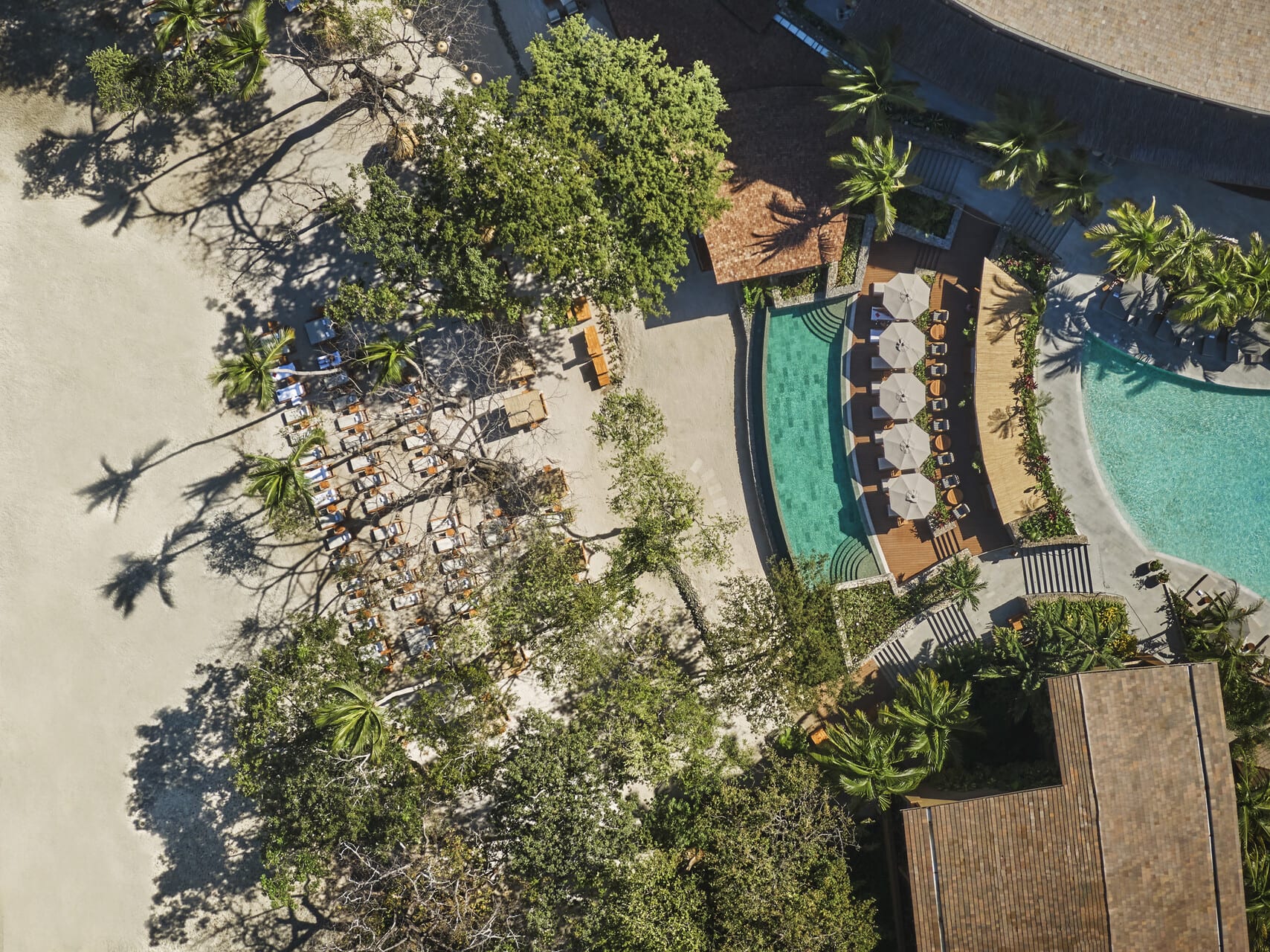
Courtesy of Four Seasons Resort Peninsula Papagayo
The Peninsula Papagayo is Costa Rica’s most polished resort corridor. This is the destination for travelers who want a beach vacation first and an adventure option available when the mood strikes. Expect calm Pacific waters, consistent sunshine, and large-scale luxury resorts with a full suite of amenities.
Where to stay
Nekajui, a Ritz-Carlton Reserve: One the newest Ritz-Carlton Reserve properties, this luxury resort opened in 2025 with 107 ocean-facing rooms—including three treetop tents with private plunge pools—plus five restaurants and a private beach club.
Fora’s Marriott STARS partner perks include a $100 hotel credit, welcome amenity, daily breakfast, an upgrade, and extended check-in/out whenever possible.
Four Seasons Resort Peninsula Papagayo, Costa Rica: Few properties on the peninsula cover as much ground: two beaches, five restaurants, an Arnold Palmer golf course, and a purpose-built wellness shala elevated above the jungle canopy. Scarlet macaws and white-faced monkeys are routine sightings on the 45-acre grounds.
When you book Four Seasons with Fora, you’ll enjoy exclusive Four Seasons Preferred Partner benefits.
Andaz Peninsula Papagayo Resort, Costa Rica, by Hyatt: The 153-room hotel runs at a livelier pace than its Peninsula Papagayo neighbors, with four pools and a dining program that ranges from Southeast Asian small plates at OSTRA to toes-in-the-sand casual at the Andaz Beach House. Marina Papagayo—the largest marina in Central America—is a short ride away for guests who want serious watersports alongside the beach.
Fora’s Hyatt Privé partner perks include a hotel credit, welcome amenity, daily breakfast, an upgrade, and extended check-in/out whenever possible.
Coastline
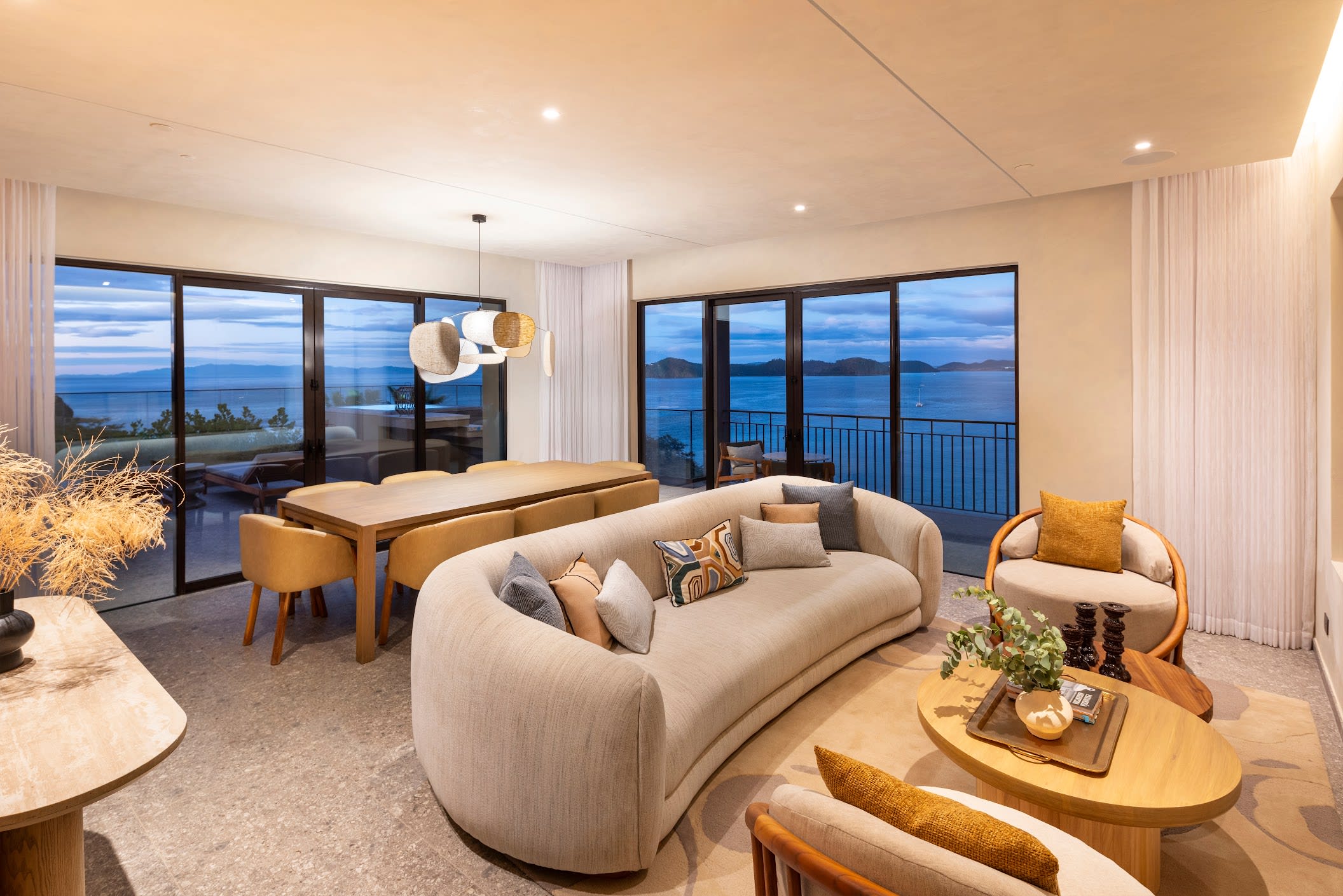
Image courtesy of Waldorf Astoria Costa Rica Punta Cacique
The Guanacaste coast spreads across a series of distinct beach towns. Tamarindo draws a younger, more social crowd; Flamingo is quieter and more residential; Sámara skews relaxed and family-friendly. Accommodations range from boutique hotels to luxury resorts, and the overall feel is polished but more genuine and local than some other nearby areas.
Where to stay
Waldorf Astoria Costa Rica Punta Cacique: Perched on a 300-foot cliffside above Playa Penca, this refined option wows with 10 pools cascading from the clifftop toward a secluded beach below. The spa draws on Chorotega indigenous ingredients and techniques, and the on-site café is run by acclaimed Costa Rican barista Ricardo Azofeifa.
Fora’s Hilton for Luxury partner perks include a $100 hotel credit, daily breakfast, an upgrade whenever possible, and double Hilton Honors points.
W Costa Rica - Reserva Conchal: The W’s private Zona Azul Beach Club puts Playa Conchal—a shoreline made of crushed white shells with unusually clear water—within easy reach. An AWAY Spa with a champagne bar, a Robert Trent Jones II golf course, and the brand’s signature nightlife programming make it one of the livelier options on the Guanacaste coast.
Fora’s Marriott LUMINOUS partner perks include a welcome amenity, daily breakfast, an upgrade, and extended check-in/out whenever possible.
The Westin Reserva Conchal, an All-Inclusive Golf Resort & Spa: Sitting directly on Playa Conchal's crushed-shell shoreline, this large-scale all-inclusive has nine restaurants—including La Sabana, which focuses on traditional Costa Rican cooking with locally sourced ingredients—and a rotating daily activities program that runs from Spanish lessons and Tai Chi to beach volleyball and nature walks. Families who want a semi-private experience within the larger resort can upgrade to the Family Club Lounge tier.
Fora’s Marriott LUMINOUS partner perks include a welcome amenity, an upgrade, and extended check-in/out whenever possible.
Casa Chameleon Hotel Las Catalinas: Twenty-one adults-only villas, each with its own private saltwater plunge pool and ocean views, perch above Playa Danta in Las Catalinas—a car-free beach town where cobblestone streets give way to 26 miles of hiking and mountain biking trails. The on-site restaurant, Sentido Norte, holds two MICHELIN Keys and a separate listing in the MICHELIN Guide.
Fora Perks include one daily cocktail at sunset, daily breakfast, welcome amenity, an upgrade, and extended check-in/out whenever possible.
Surf towns
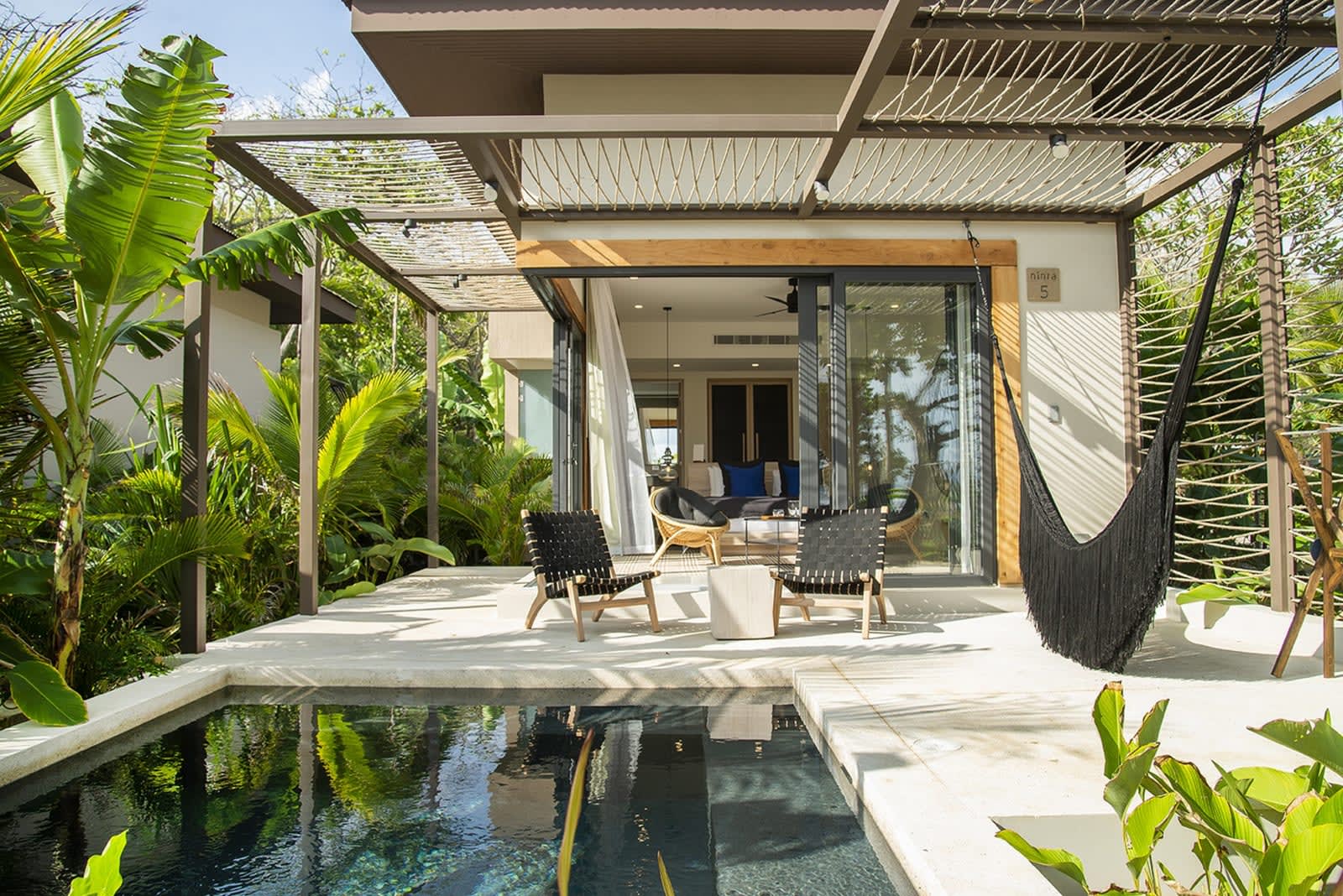
Image courtesy of Hotel Nantipa
Active and informal, Costa Rica’s beach towns operate based on tide tables rather than resort schedules. Nosara draws the wellness crowd, Santa Teresa the stylish surf set, and Manuel Antonio those who want wildlife alongside the waves. Properties here tend to be smaller and more characterful, with yoga studios, farm-to-table menus, and an easy-going atmosphere.
Where to stay
Hotel Nantipa - A Tico Beach Experience: Twenty-nine bungalows and beachfront villas are threaded through 5.7 forested acres, with 450 feet of direct Pacific beachfront and a 270-square-meter infinity pool at the center of the property. Manzu Restaurant sits right on the sand; the best surf breaks are a short walk.
Fora Perks include a $100 hotel credit, daily breakfast, an upgrade, and extended check-in/out whenever possible.
Surf Synergy All-Inclusive Surf Retreat: At this week-long, all-inclusive surf retreat near Jacó, every guest gets a dedicated 1:1 coach, daily video and drone analysis of their sessions, and access to six beaches chosen based on conditions and skill level. The thermal recovery circuit—ice baths, sauna, and a traditional temazcal—is included in the rate.
Fora Perks include 50% off packages, one additional free massage, and extended check-in/out whenever possible.
Hotel Harmony: Right behind Playa Guiones—one of Costa Rica’s most consistent surf breaks, and at the heart of Nosara’s Blue Zone—this unpretentious option executes simple things well. You’ll find 24 rooms and two private villas, a saltwater pool, a dedicated yoga studio, and a restaurant that sources from its own nearby farm.
The Gilded Iguana: This laid-back Nosara institution wins hearts with its lively open-air bar, reliably delicious food, and a genuinely local feel that’s more casual than polished—but that's precisely the appeal.
Arenas Del Mar: One of the few Costa Rican hotels to hold both a five-star rating and the CST's Five Leaf certification (the country’s highest sustainability designation), this eco-resort is located within an 11-acre private rainforest reserve with direct access to two beaches: one calm and restaurant-equipped (Playitas), one that leads on foot to Manuel Antonio National Park (Espadilla). Two on-staff naturalist guides lead wildlife tracking, and sloths and monkeys are often spotted on the property itself.
Adventure spots
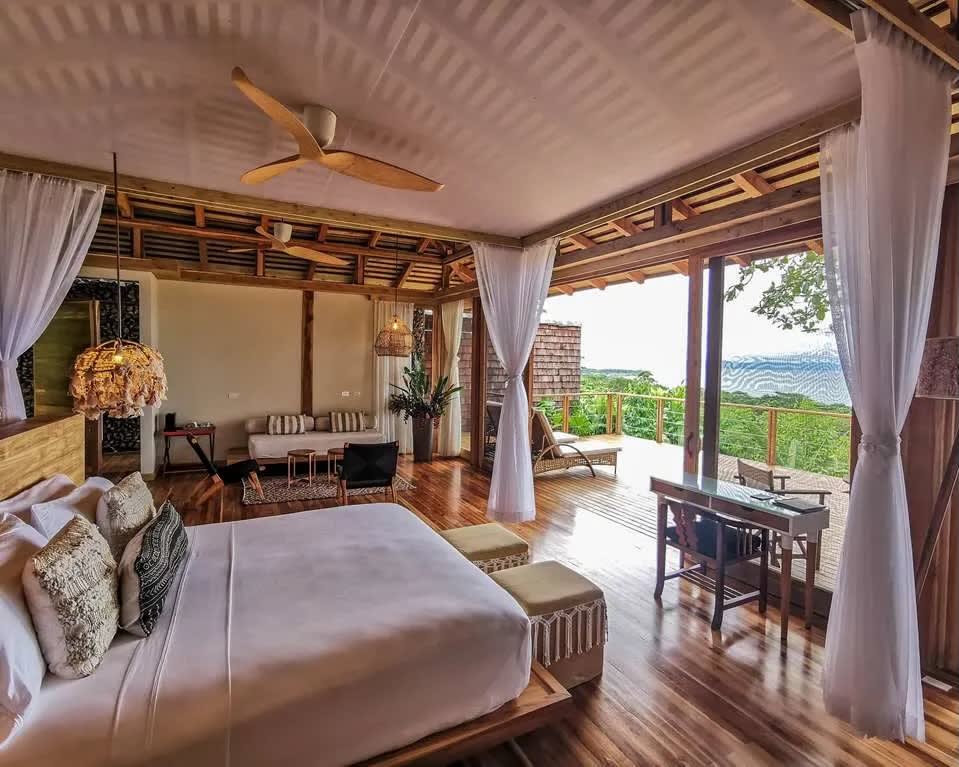
Image courtesy of Lapa Rios Lodge
The Costa Rican properties best suited for adrenaline-pumping fun are often remote and designed around access to the landscape. Zip-lining, white-water rafting, night hikes, and wildlife tracking fill the days, and the expert guides on staff are the real asset.
Where to stay
Lapa Rios Lodge: Sustainability forms the backbone of this luxury hotel, located within a 1,000-acre private rainforest reserve deep in the Osa Peninsula. Four full-time naturalist guides, all from the area, lead a wide range of activities, from early-morning birding to full-day hikes into Corcovado National Park.
Fora Perks include a $50 spa credit, daily breakfast, private candlelit dinner, an upgrade, and extended check-in/out whenever possible.
Pacuare Lodge: Surrounded by an 840-acre protected rainforest in the Caribbean lowlands, this welcoming hotel is accessible only by whitewater raft or aerial tram and powered entirely by on-site hydroelectric turbines and solar panels. The standout experience here is the Cabécar Indigenous Hike, which introduces guests to an active indigenous community in the Talamanca Mountains.
Fora Perks include daily breakfast, a romantic dinner, an upgrade, and extended check-in/out whenever possible.
Cruising to and around Costa Rica
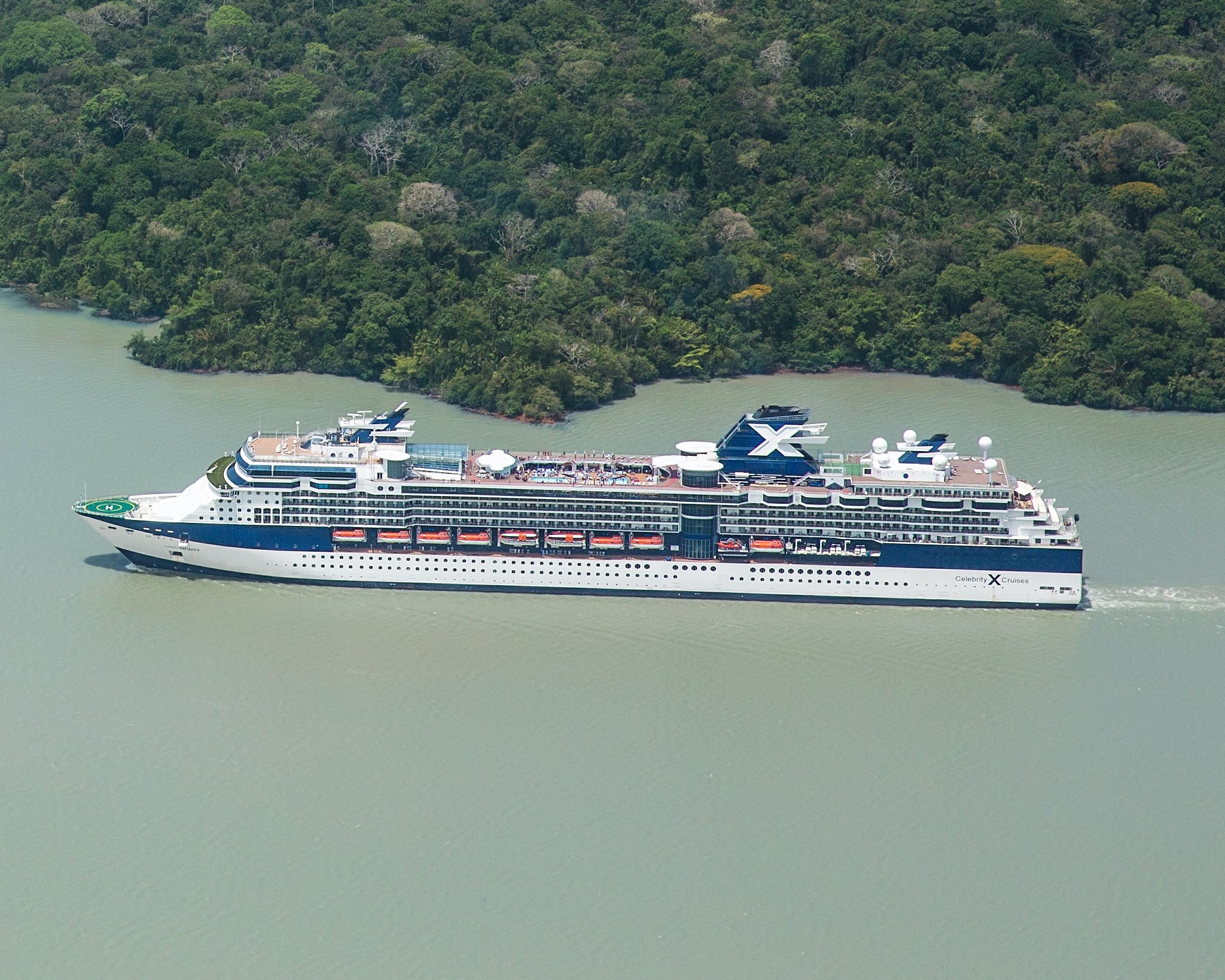
Image courtesy of Celebrity Cruises
Costa Rica frequently appears on both Caribbean and Pacific cruise itineraries. On the Caribbean side, Puerto Limón serves as the primary port with rainforest canopy tours, river wildlife cruises, and Afro-Caribbean culture. On the Pacific side, Puntarenas and Puerto Caldera sit close together but serve as distinct ports, both offering access to surf towns like Manuel Antonio, coffee plantations, and rich marine life. Choosing between itineraries is less about which port is better and more about which version of Costa Rica you want to experience.
Popular itineraries
Caribbean: Itineraries calling at Puerto Limón tend to combine Costa Rica with Mexico, Panama, Colombia, or the islands. This is a strong choice for anyone who wants to pair the rainforest and river wildlife with watersports and white sandy beaches.
Pacific coast: Sailings that stop at Puntarenas or Puerto Caldera typically run along the western coast, with ports in Mexico, Guatemala, or further south into South America. This is the best option for digging into surfing, coffee, history, and culture.
Panama Canal: Full and partial Panama Canal transits often include Costa Rica as a port of call on either the Caribbean or Pacific side. This extended 10–14 day voyage covers some of the most biodiverse coastlines on the planet.
Notable cruise lines
Silversea: This ultra-luxury line brings small-ship intimacy and expedition-grade access to Costa Rican wildlife and coastlines.
Virtuoso Voyages Hosted Benefits available on select sailings.
Celebrity Cruises: Celebrity’s modern fleet and premium onboard experience combine well with their destination enhanced shore excursions.
Fora Perks include up to $200 onboard credit per stateroom on select sailings.
Norwegian Cruise Line: Norwegian’s freestyle approach to dining and scheduling lends itself to a more relaxed vacation.
Fora Perks include up to $300 shipboard credit per stateroom on select sailings.
National Geographic x Lindblad Expeditions: The gold standard for naturalist-led travel on small expedition vessels along Costa Rica’s Pacific coast.
Fora Perks include up to $200 onboard credit per stateroom.
History and culture
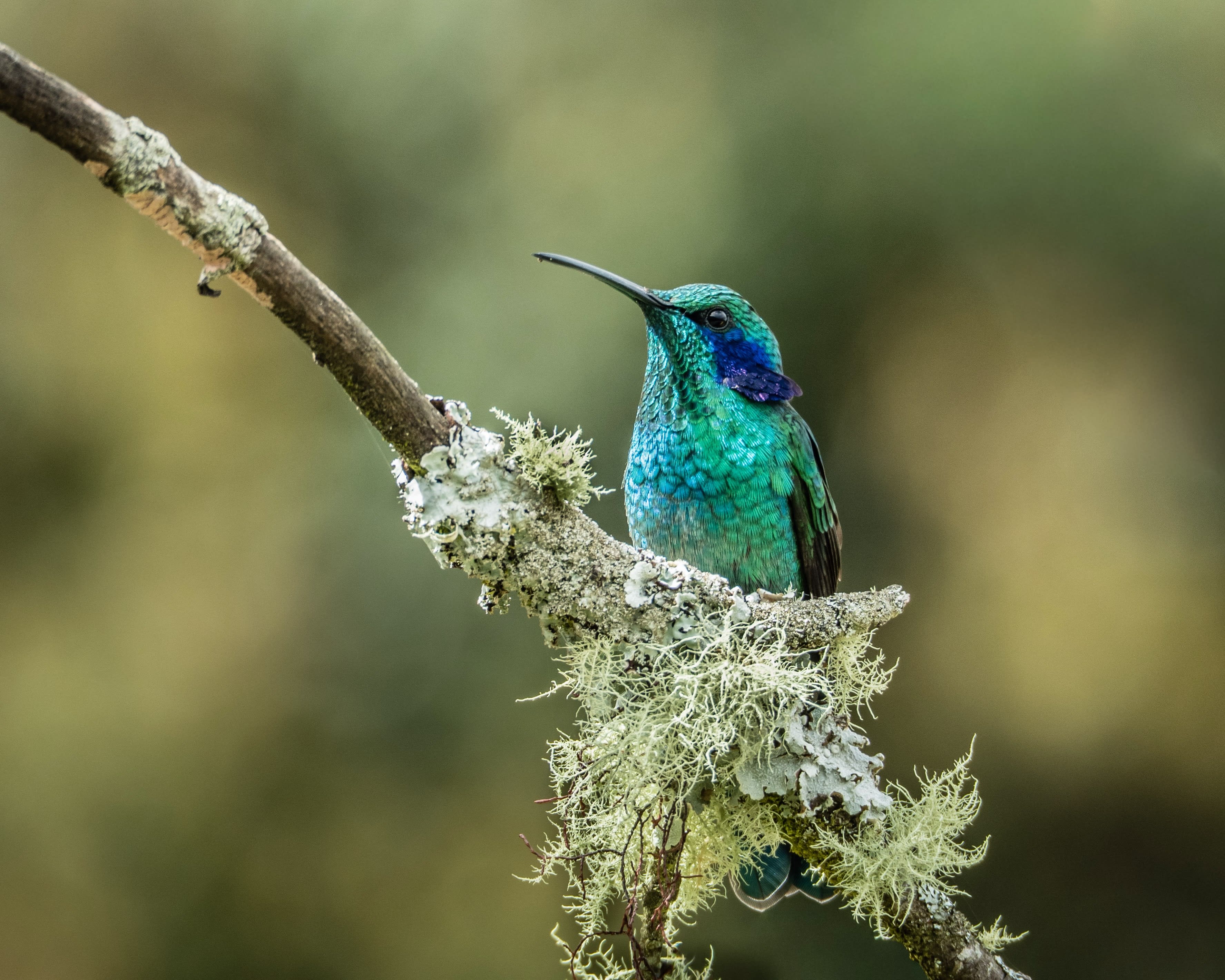
Costa Rica’s history begins with its indigenous peoples—the Bribri, Chorotegas, and Boruca, among them—who built communities in this region thousands of years before the Spanish arrived in the early 16th century. Without the gold or labor force that enriched other Spanish territories, the area developed slowly through farming their own land and forging a more egalitarian social structure than much of Latin America. Independence came peacefully in 1821, and the country’s military was entirely abolished in 1948. In doing so, resources were redirected into education and healthcare, a decision that continues to shape the nation’s identity to this day.
Costa Ricans take great pride in their democracy, literacy rate, and environmental record, with over one quarter of the country protected as national parks or reserves. The national expression pura vida, meaning pure life, reflects a cultural orientation toward simplicity, gratitude, and the natural world that visitors consistently find disarming and real.
Cultural celebrations and events
Envision Festival (February, Osa Peninsula): A four-day gathering on the Pacific coast for music, art, yoga, and sustainability programming.
Día de los Boyeros (March, San Antonio de Escazú): A celebration outside the capital of San José honoring the country’s ox-cart drivers with parades and live music.
Semana Santa (March–April, nationwide): Holy Week is taken seriously, with processions, religious reenactments, and a noticeable quieting of the usual pace.
Día de la Independencia (September 15, nationwide): Independence Day is observed nationwide with parades, traditional dance, and cultural performances.
Festival de la Luz (December, San José): A nighttime parade of illuminated floats through the streets that signals the start of the holiday season.
Where to eat in Costa Rica
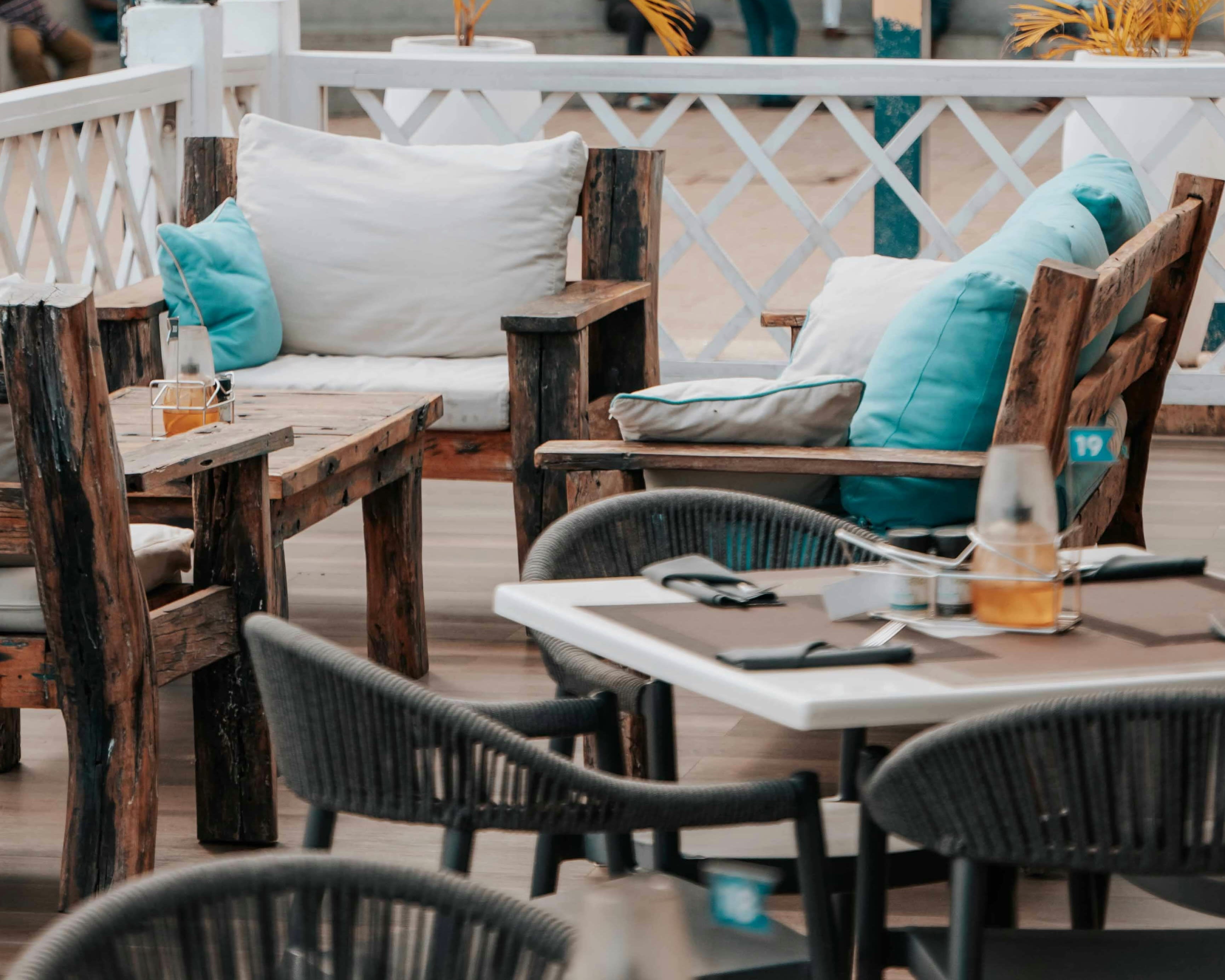
Every facet of Costa Rica’s food scene is rooted in simplicity and freshness, from local, family-run sodas to a growing number of chef-driven restaurants.
Soda Mediterranea (Playas del Coco): An unassuming, Mediterranean-inflected menu with specialties that include grilled fish of the day, handmade pasta, and fresh vegetables.
Taller de Pizza da Domenico (Playas del Coco): A serious pizza operation where the dough and technique yield impressive pies.
Hacienda Blu (Playa Panama): A laid-back beachside spot that does burgers, seafood, and steaks equally well.
Father Rooster (Playa Ocotal): A well-loved spot for straightforward American cooking, cold drinks, and leisurely pace.
Soluna Beach Bistro (Playa Ocotal): A reliable Mediterranean option with a relaxed, easygoing vibe.
Peninsula CR (Playa Panama): The go-to for well-executed versions of classic steakhouse fare.
Trips to add on
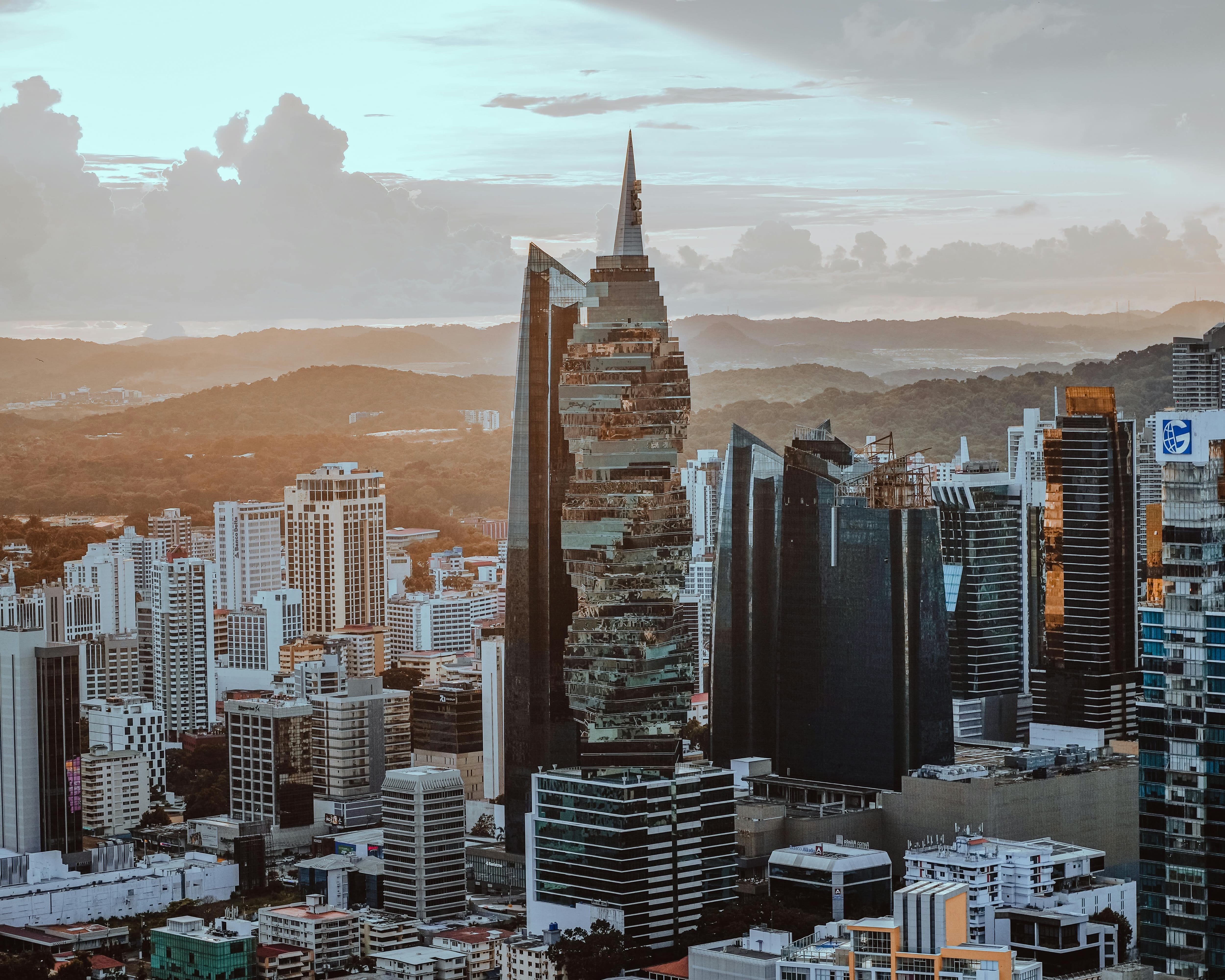
From Caribbean islands and untouched jungles to cosmopolitan cities, these destinations layer naturally onto any Costa Rica itinerary.
Bocas del Toro, Panama (1-hour flight): A laid-back Caribbean archipelago of stilted villages, clear water, and colorful reefs.
Tortuguero, Costa Rica (1-hour flight or 3-hour boat ride): A remote Caribbean coastal destination that’s one of the world’s most significant sea turtle nesting sites with rainforest canals and zero roads.
Panama City, Panama (1.5-hour flight): A compact city that balances a UNESCO-listed historic district, a gleaming skyline, and the engineering marvel of the Panama Canal.
Guatemala (1.5-hour flight): One of Central America’s most culturally rich destinations, with the historic grandeur of Antigua, the volcanic shores of Lake Atitlán, and a living Maya heritage that runs through the markets, textiles, and ceremonies of the highland communities.
Isla del Caño, Costa Rica (2-hour boat ride): A protected biological reserve off the Osa Peninsula with some of the best snorkeling and diving in Central America.
Belize (2-hour flight): English-speaking, easygoing, and ecologically extraordinary, with one of the largest barrier reef systems and Maya ruins throughout the jungles.
Nicaragua (3-hour drive): Historic cities like Granada and León, volcanic landscapes, and a less developed version of the Central American experience.
If not Costa Rica…
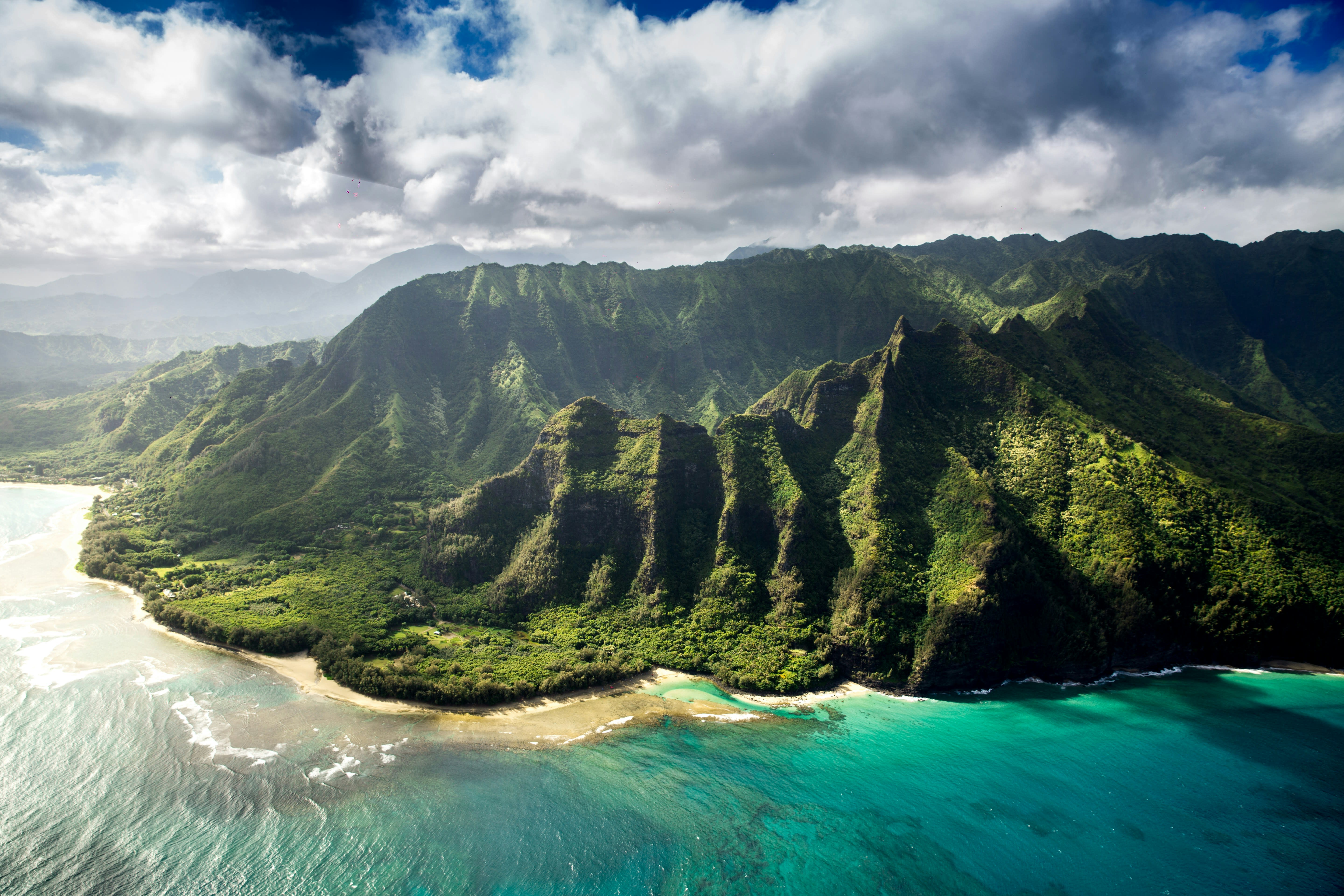
Sharing Costa Rica’s commitment to nature, wildlife, and outdoor adventure, these destinations offer immersive, ecology-driven experiences worth flying for.
New Zealand: Two islands of staggering geographic variety, from the fjords of Milford Sound to the geothermal Rotorua, and the urban vibrancy of Auckland.
Thailand: Jungle interiors, limestone coastlines, and a cultural depth that encourages slow travel, with varied wildlife and tropical landscapes akin to Costa Rica, plus ancient temples.
Sri Lanka: A compact island that packs in extraordinary variety: misty tea highlands, ancient Buddhist ruins, and a coastline that shifts in character from one shore to the next.
Hawaiʻi: Volcanic landscapes, tropical rainforest, and marine life offer the combination of natural drama and warm Pacific culture.
Madagascar: The island’s wildlife evolved in near-total isolation, which is why the lemurs, the baobabs, and the chameleons here look and behave like nothing you’ve encountered before.