





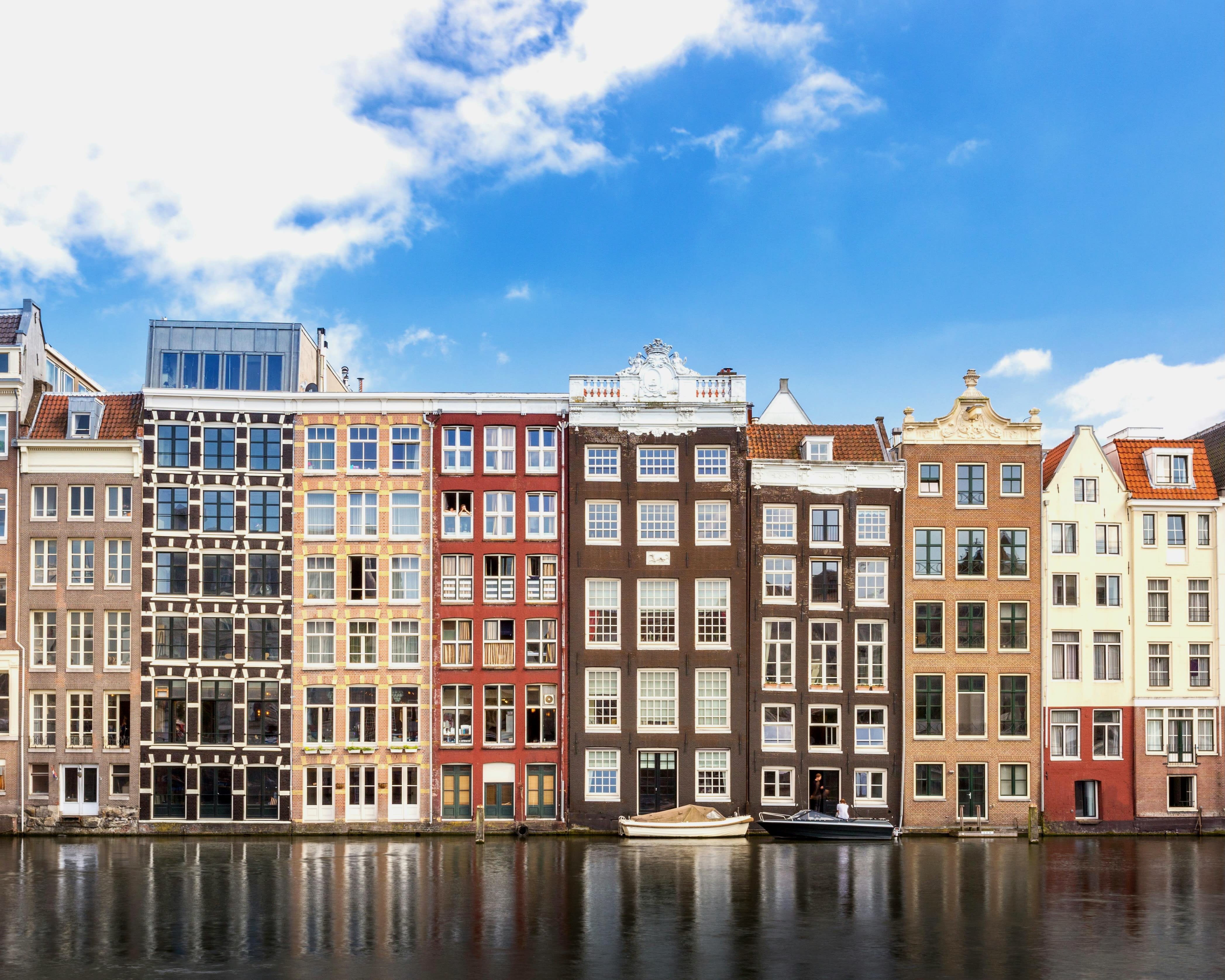
Amsterdam is a city that unabashedly celebrates its contrasts—old and new, grand and intimate, polished and gritty. No two streets feel quite the same, and neither do any two hours of the day. By day, the Dutch capital moves by bicycle and canal boat and slows down over long lunches in the Jordaan. At night, it comes alive again as residents socialize late into the evening in De Pijp. World-class art institutions sit alongside neighborhood markets, and centuries-old canal houses share blocks with cutting-edge design shops.
Year-round, the city rewards those who wander without a strict agenda. A wrong turn down a cobblestone alley is as likely to yield a discovery worth investigating as any pre-planned itinerary item. So whether you’re visiting Amsterdam for the art legacy, progressive spirit, or charming countryside, this destination guide will give you expert-backed ideas for where to stay, what to do, and how best to experience the city beyond its most photographed corners.
Need to know
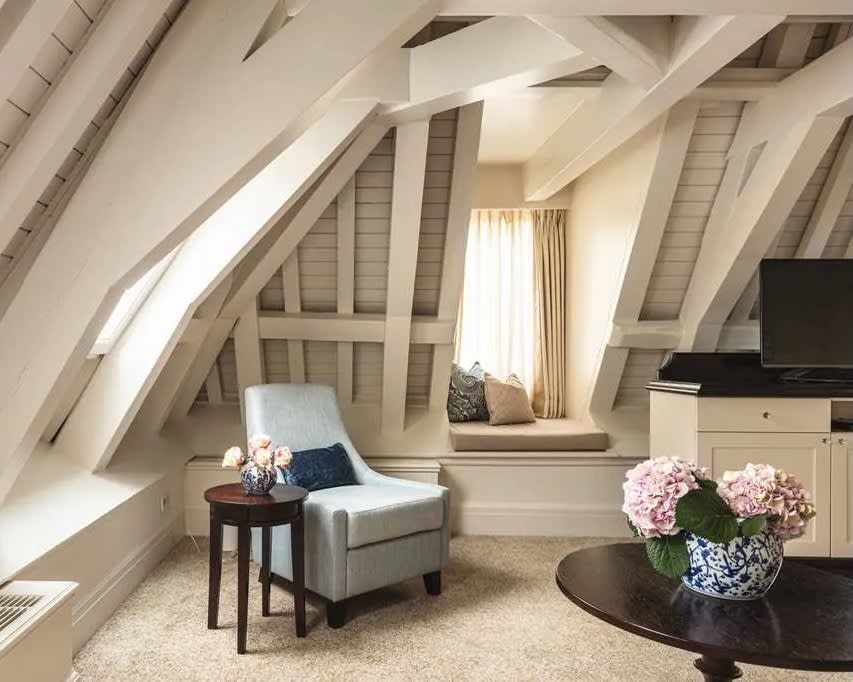
Image courtesy of Waldorf Astoria Amsterdam
Amsterdam’s compact size and logical layout make it a relatively easy destination to navigate. Use the city’s canals as natural waypoints to help you get your bearings as you walk and bike around town.
Currency: The Netherlands uses the Euro (EUR). Credit and debit cards are widely accepted in hotels, restaurants, and shops, and mobile payments are common. Still, carrying a small amount of cash is helpful for street food, public transport, and tips.
Languages: Dutch is the national language, though English is widely understood in hotels, restaurants, and tourist areas. Learning a few basic Dutch phrases is always appreciated.
Key phrases: hallo (hello), dank je wel (thank you), alsjeblieft (please), sorry (excuse me/sorry), hoe gaat het? (how are you?), ja/nee (yes/no), ik spreek geen Nederlands (I don’t speak Dutch), spreekt u Engels? (do you speak English?).
Airports: Amsterdam Airport Schiphol (AMS) is the main international gateway and a major European hub. Nonstop flights connect to over two dozen North American cities, including New York City, Vancouver, and Mexico City. The airport offers a wide selection of dining, shopping, and lounges, making it convenient for long layovers.
Transportation: Most of Amsterdam is easily covered on foot, with trams, buses, and metro lines providing reliable backup for inclement weather and longer distances. Bikes dominate the streets—rental options are plentiful, and hotels often provide them—but be mindful of theft and local traffic rules. Trains from Schiphol Airport reach the city center in minutes. Rideshares and taxis are available, too, though metered fares can be expensive. Narrow canal-side streets are easier to navigate on foot or by bike.
Best time to visit: Amsterdam is enjoyable year-round, though spring (March–May) and fall (September–November) are ideal for mild weather and fewer crowds. Tulip season is popular, from mid-March to mid-May, peaking in mid-April. Summers (June–August) can get hot and crowded. Winter (December–February) brings shorter, gray days and a wetter climate.
Ideal length of stay: Four days gives time to explore the city’s canals, museums, and food. A full week is best for day trips to the countryside or to add on nearby European cities.
Signature dishes and drinks:
Stroopwafel: Thin waffle cookies with warm caramel syrup in the middle
Bitterballen: Crispy, deep-fried bites filled with beef ragout and a side of mustard
Raw herring: A classic street snack served with chopped onions and pickles
Poffertjes: Mini, fluffy pancakes finished with butter and powdered sugar
Patat or friet: Thick cut fries served in a paper cone with sauces like mayonnaise, curry ketchup, or peanut satay sauce
Stamppot: Comforting mashed potatoes blended with vegetables
Dutch cheese: Predominantly semi-hard cow’s milk varieties, with Gouda (rich and on the softer side) and Edam (drier and a bit more tart) being the most popular
Kibbeling: Bite-sized battered, fried white fish served with garlic sauce or remoulade
Dutch beer: World-renowned lagers like Heineken and Amstel, plus local craft brews
Jenever: Traditional juniper-forward spirit; similar to gin
Koffie verkeerd: A milk-forward coffee similar to a latte, with more milk than espresso
What to wear: Amsterdam’s weather can shift quickly, so pack layers. Light sweaters, breathable tops, and a reliable rain jacket are smart, year-round options. Comfortable walking shoes are essential for cobblestones and biking paths. The city leans smart-casual for dinners and bars, while daytime exploring calls for relaxed, practical pieces.
Travel tips:
Coffee shops: Be aware that “coffee shops” legally sell cannabis, while “cafés” are for coffee and light bites.
Alcohol: Legal drinking age is 18. Beer, wine, and spirits are widely available in restaurants, bars, and shops.
Biking: Bikes have right of way on dedicated lanes; always stay alert when walking in crowded streets and near canals.
Air conditioning: Most hotel rooms do not have air conditioning, so plan accordingly.
Amsterdam
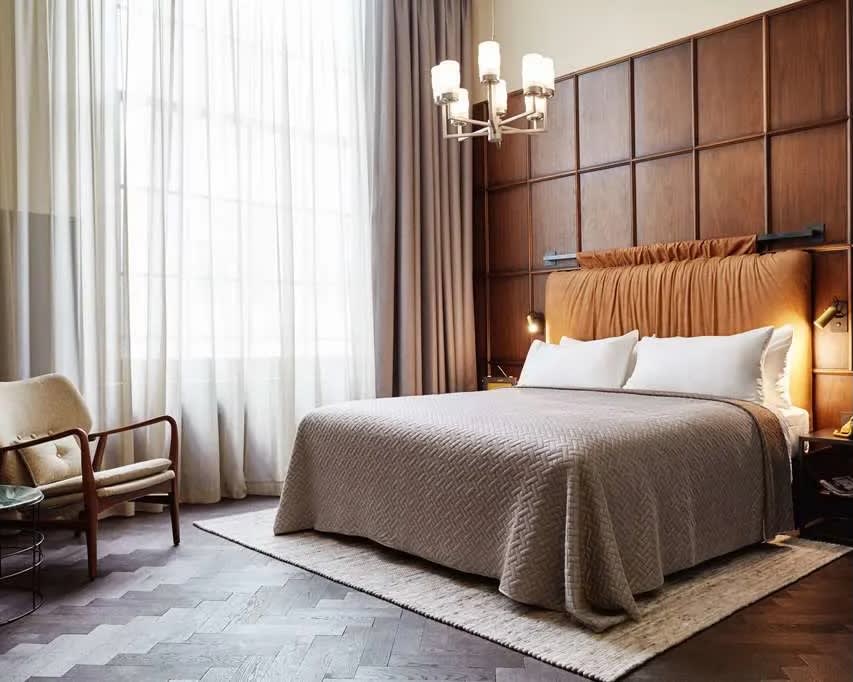
Image courtesy of The Hoxton, Amsterdam
Amsterdam is a city of distinct neighborhoods, each with its own character and pace. The area around Centraal Station is the city's busiest—open squares, major shopping, and organized chaos that comes with being the transit hub of the Netherlands. The Nine Streets (De 9 Straatjes) thread through the canal belt with independent boutiques, vintage shops, and a canalside café culture the city is known for. De Jordaan is Amsterdam at its most charming, filled with narrow lanes, hidden courtyards, and a gallery scene that rewards wandering without a plan. De Pijp runs livelier and more local, built around the Albert Cuyp Market, international restaurants, and a neighborhood-style nightlife scene.
Where to stay
InterContinental Amstel Amsterdam: This landmark delivers polished European elegance and Amstel River views. Gilded ceilings, sweeping staircases, and canal-facing suites create a timeless stay rooted in Amsterdam’s heritage.
Fora’s IHG Destined partner perks include a $100 hotel credit, welcome amenity, daily breakfast, an upgrade, and extended check-in/out whenever possible.
Pulitzer Amsterdam: Spread across a series of interconnected canal houses in the historic center, this 225-room retreat feels intimate and distinctly local. Its thoughtful design and hidden courtyards cultivate a quietly sophisticated atmosphere.
Fora Perks include a $100 food and beverage credit, daily breakfast, an upgrade, and extended check-in/out whenever possible.
Waldorf Astoria Amsterdam: Set within a row of stately canal palaces, this luxury option caters to travelers who appreciate discreet, high-touch service. Spacious suites, a tranquil spa, and polished dining give the property an air of quiet sophistication.
Fora’s Hilton for Luxury partner perks include a $100 hotel credit, daily breakfast, an upgrade whenever possible, and double Hilton Honors points.
Pillows Grand Boutique Hotel Maurits at the Park: Calm and contemporary, this boutique hotel overlooking Oosterpark balances modern comfort with a residential feel. Light-filled rooms, refined dining, and green surroundings create a relaxed, design-led escape.
Fora’s withIN by SLH partner perks include a $100 hotel credit, daily breakfast, an upgrade, and extended check-in/out whenever possible.
De L’Europe Amsterdam: Planted on the Amstel River since 1896, De L'Europe has established itself as one of the city's most storied addresses and wears its history warmly. Art-filled interiors show off works by Dutch Masters, and its beloved pub, Freddy's Bar, honors the hotel's most famous former regular.
Fora Perks include a $100 food and beverage credit, daily breakfast, an upgrade, and extended check-in/out whenever possible.
Mandarin Oriental Conservatorium, Amsterdam: A former music conservatory near the Museum Quarter now serves as one of the city’s most polished hotels. The original building’s bones can still be seen in the property’s high ceilings and graceful proportions, but natural tones, dark hardwood floors, and travertine stone bring the guest rooms firmly into the present.
Fora’s Mandarin Oriental Fan Club partner perks include a $100 hotel credit, daily breakfast, welcome amenity, an upgrade, and extended check-in/out whenever possible.
The Hoxton, Amsterdam: Its canal-side location might be the main draw on paper, but the hotel’s real appeal is its buzzy lobby and restaurant, which function as natural gathering places for both guests and locals. Rooms are compact and well-designed, making this a strong fit for travelers who want a stylish base with a social atmosphere built in.
Fora Perks include a welcome amenity and an upgrade whenever possible.
The Hoxton, Lloyd Amsterdam: Design-forward and slightly off the beaten path, this converted shipping office near the cruise port leans bold and artistic. Spacious rooms, playful interiors, and a neighborhood feel appeal to travelers drawn to Amsterdam’s creative edges.
Fora Perks include a welcome amenity and an upgrade whenever possible.
Kimpton De Witt Amsterdam: Centrally located near the city’s main train station, this modern boutique property shows off its fun personality with playful decor elements (patterned tile floors, eclectic artwork), nightly socials, and complimentary in-room plant program.
Fora’s IHG Destined partner perks include a $100 hotel credit, welcome amenity, daily breakfast, an upgrade, and extended check-in/out whenever possible.
Cruising to and around Amsterdam
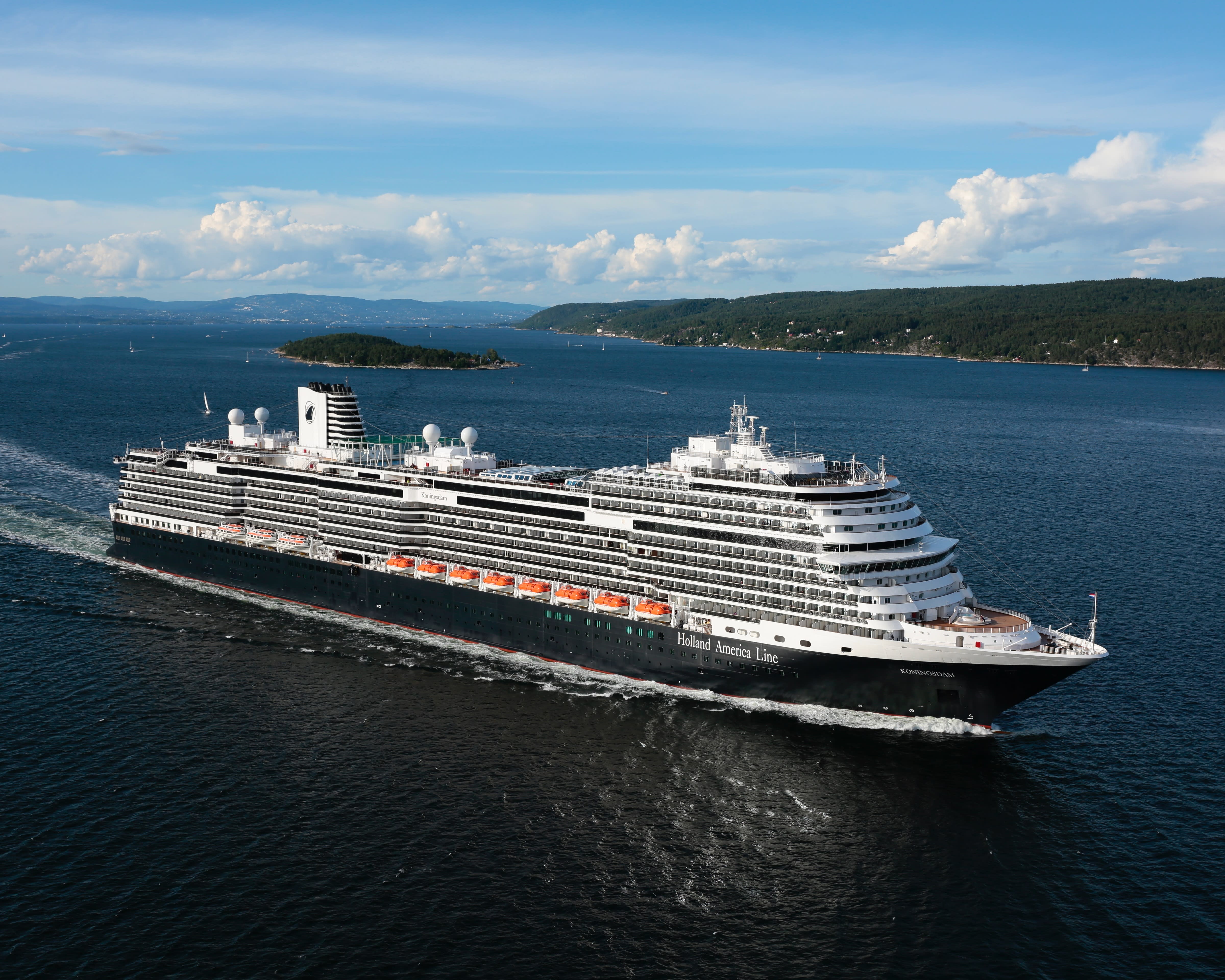
Image courtesy of Holland America Line
Amsterdam is a key hub for river cruising, connecting travelers to other parts of the Netherlands, Germany, and beyond. While port access is conveniently in the city center, new laws have pushed more ocean cruises to depart from nearby port cities like Rotterdam or IJmuiden, adding travel time to pre- and post-cruise transportation.
Popular river cruise itineraries
Netherlands: Spring-focused sailing is centered on canals, windmills, and tulip fields. One-week itineraries include visits to Keukenhof and smaller towns for classic scenery.
Rhine River: A one-week journey between Basel and Amsterdam takes travelers through vineyard-covered hills, medieval towns, and storybook castles.
Amsterdam to Budapest: Over a two-week period, this slow-travel route winds along the Rhine, Main, and Danube rivers linking the Netherlands, Germany, and Austria with Hungary.
Popular ocean cruise itineraries
British Isles: Rugged coastlines, historic ports, and storybook castles are prime reasons to take a loop around Scotland, Ireland, and England.
Northern Europe: Routes through Scandinavia, the Baltics, and Northern Atlantic highlight fjords, design-forward cities, and cooler climates.
Western Mediterranean: Itineraries through this iconic region explore sun-soaked ports and layers of history. The variety of roundtrip and one-way sailings available adds flexibility.
Notable river cruise lines
Viking Cruises: This refined operator is known for culturally focused itineraries and a calm, adults-only atmosphere. Long port stays, guided excursions, and elegant Scandinavian design create a thoughtful, immersive way to explore Europe’s rivers.
Fora Perks include up to $200 onboard credit per stateroom on select departures.
AmaWaterways: Premium ships with well-designed staterooms and a strong culinary focus elevate the onboard experience. Included excursions, active options like guided biking, and warm service are among this brand’s strengths.
Fora Perks include up to $250 shipboard credit per stateroom.
Tauck River Cruising: Behind-the-scenes access and expert-led storytelling are baked into every itinerary—all at one upfront price. Thoughtful pacing, exclusive events, and polished service make this high-end line ideal for travelers seeking depth and ease.
Avalon Waterways: This operator’s Panorama Suites feature wall-to-wall, floor-to-ceiling windows with beds angled toward the view, so the river is the first thing you see in the morning. On shore, the daily Classic, Active, or Discovery excursion options give travelers genuine choice in how they spend their time.
Fora Perks include free prepaid gratuities on select departures.
Notable ocean cruise lines
Holland America Line: Operating for more than 150 years, Holland America brings serious depth to its European sailings. The onboard experience is polished and unhurried, with destination-focused programming enriching travelers’ understanding of the ports they’re visiting.
Fora Perks include a $100 shipboard credit per stateroom on select sailings.
Norwegian Cruise Line: No fixed dining times, no assigned seating, and no dress code pressure give this brand a genuinely different baseline from its peers. A similar flexibility runs through the onboard programming, with options that range from Broadway productions to comedy clubs to live music, so travelers can find entertainment to suit their mood.
Fora Perks include up to $300 shipboard credit per stateroom on select sailings.
Celebrity Cruises: The premium brand’s Edge Series ships—several of which sail European itineraries—push the premium cruise format in a more contemporary direction. The experience skews adult-focused, with a wellness-forward AquaClass cabin category onboard and shore excursions designed to go deeper than the standard port tour.
Fora Perks include up to $200 onboard credit per stateroom on select sailings.
History and culture
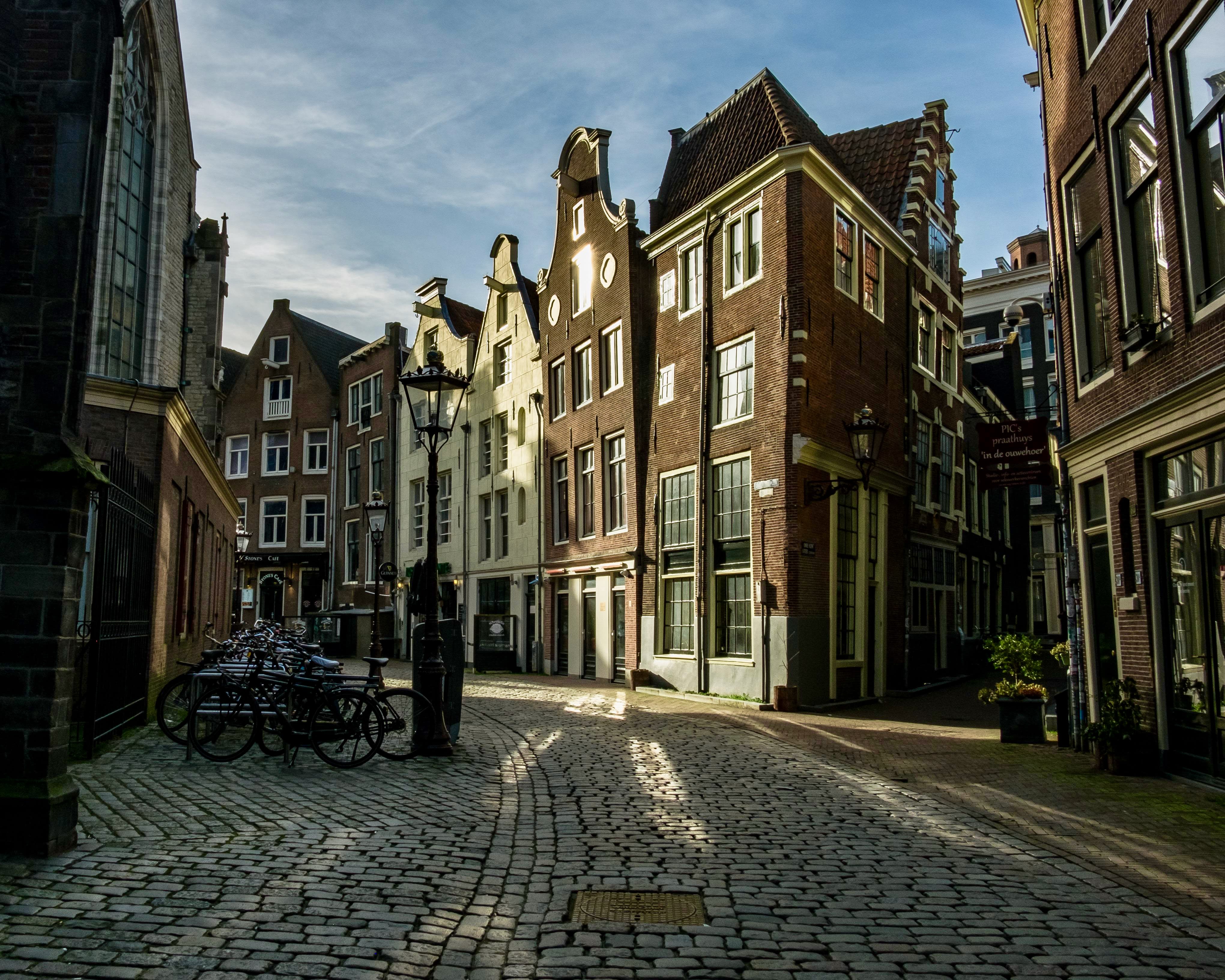
Amsterdam began as a small 13th-century fishing settlement built around a dam on the Amstel River. Growing steadily into a maritime powerhouse during the 17th-century Dutch Golden Age, its canals, merchant houses, and civic institutions reflected immense wealth. That prosperity was deeply entangled with colonial expansion and the transatlantic slave trade—a legacy that’s openly acknowledged in citywide museums, memorials, and public dialogue.
Cultural values of tolerance, civic responsibility, and collective decision continue to shape daily life, from neighborhood markets to shared canal spaces. Landmarks like the Anne Frank House speak to the city’s resilience and the moral reckoning that took place after World War II. The Rijksmuseum and Hermitage Amsterdam trace centuries of artistic and social change.
Cultural celebrations and special events
National Tulip Day (January): Kick off the tulip season by visiting Dam Square, which gets transformed with tens of thousands of vibrant tulips.
Tulip Festival (March to May): The city celebrates spring with blooms throughout public parks, streets, and cultural spaces.
King’s Day (April 27): To celebrate the king’s birthday, canals fill with boat parades, streets host music performances, and everyone wears orange.
Amsterdam Fringe Festival (September): Experimental theater, dance, and performance art take over unexpected venues across the city.
Amsterdam Light Festival (December to January): Winter nights come alive with striking light installations by international artists.
What to do in Amsterdam
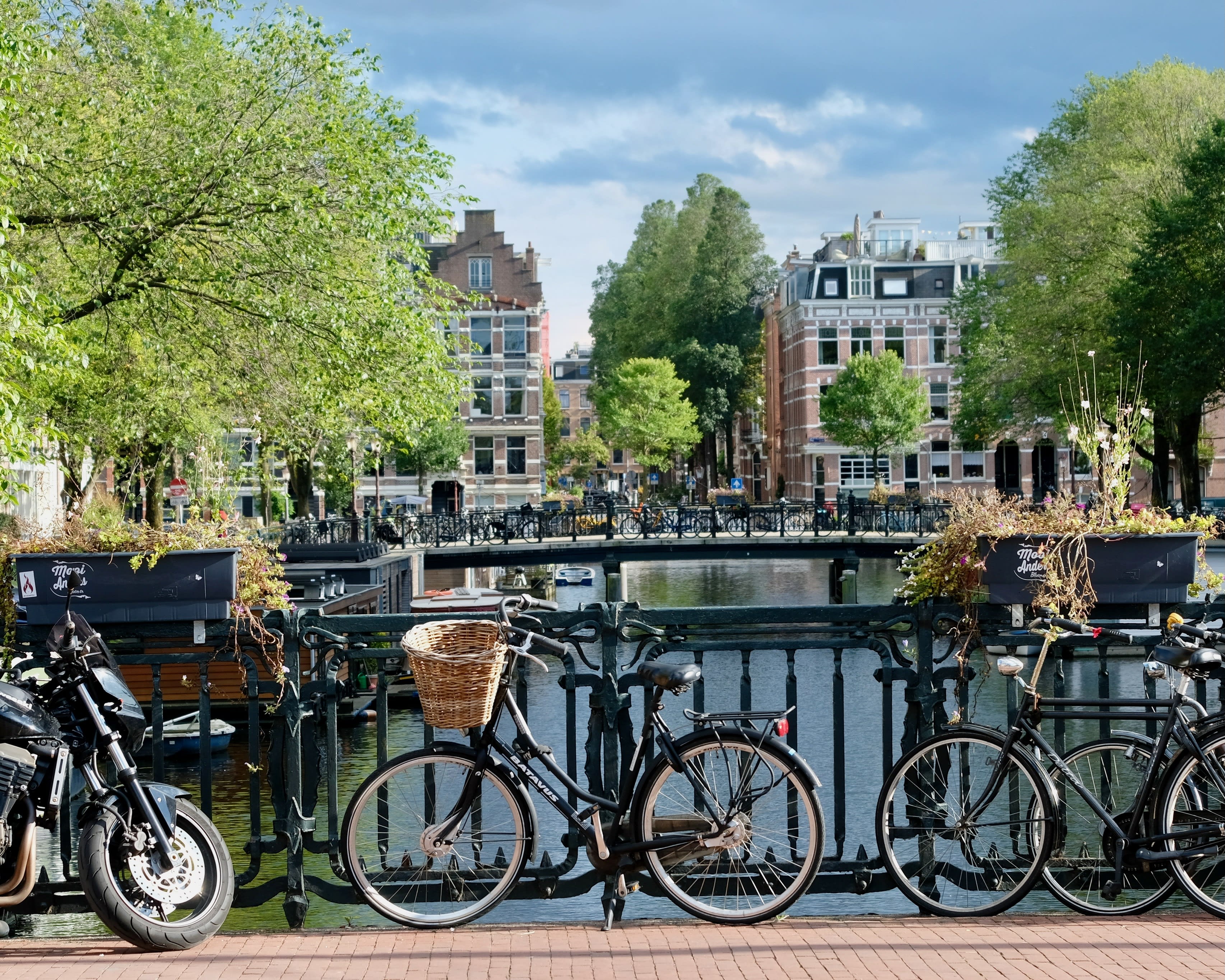
Amsterdam brims with everyday pleasures and iconic moments, from canal cruises to world-class museums and lively café culture.
Anne Frank House: One of Amsterdam's most visited and most sobering sites, his preserved canal house is where Anne Frank and her family hid during World War II. Timed tickets are essential, so it’s worth planning ahead.
Museumplein: The grand cultural square is anchored by the Rijksmuseum and its landmark Rembrandt collection, the Van Gogh Museum, and the modern Stedelijk Museum.
Brouwerij ’t IJ brewery: This beloved local brewery, housed inside a working windmill, produces small-batch craft beers and offers tastings of their seasonal and year-round brews.
National Maritime Museum: The collection here spans the country's seafaring past, with a floor that confronts the legacies of the slave trade and the Dutch East India Company
Canal cruise: These excursions are one of the best ways to see the city, whether you choose a private boat with champagne or a shared group tour with interactive narration.
Amsterdam Book Market: On Fridays, sellers pop up along the canals to tempt bibliophiles with everything from antique hardcovers and vintage paperbacks to illustrations perfect for framing.
Albert Cuyp Market: Browse vintage clothing, Dutch cheeses, and specialty stalls, then grab brunch or coffee in De Pijp afterward.
Floating tulip market: These stalls may lean touristy, but it’s hard to resist the bevy of colorful flowers and classic Dutch souvenirs lining the canal.
Dam Square: The Royal Palace (Koninklijk Paleis) anchors this lively square—the historic heart of the city that continues to buzz with shops, cafés, and street life.
Jordaan: The charming neighborhood is known for its narrow streets, independent shops, cozy cafés, and excellent guided food tours.
Red Light District: A longstanding part of the city's fabric, this residential neighborhood is best experienced briefly and respectfully—not treated as a tourist attraction.
City parks: Green escapes are woven into daily life, from the lively lawns of Vondelpark to the more local feel of Rembrandtpark, Westerpark, and Oosterpark.
Where to eat in Amsterdam
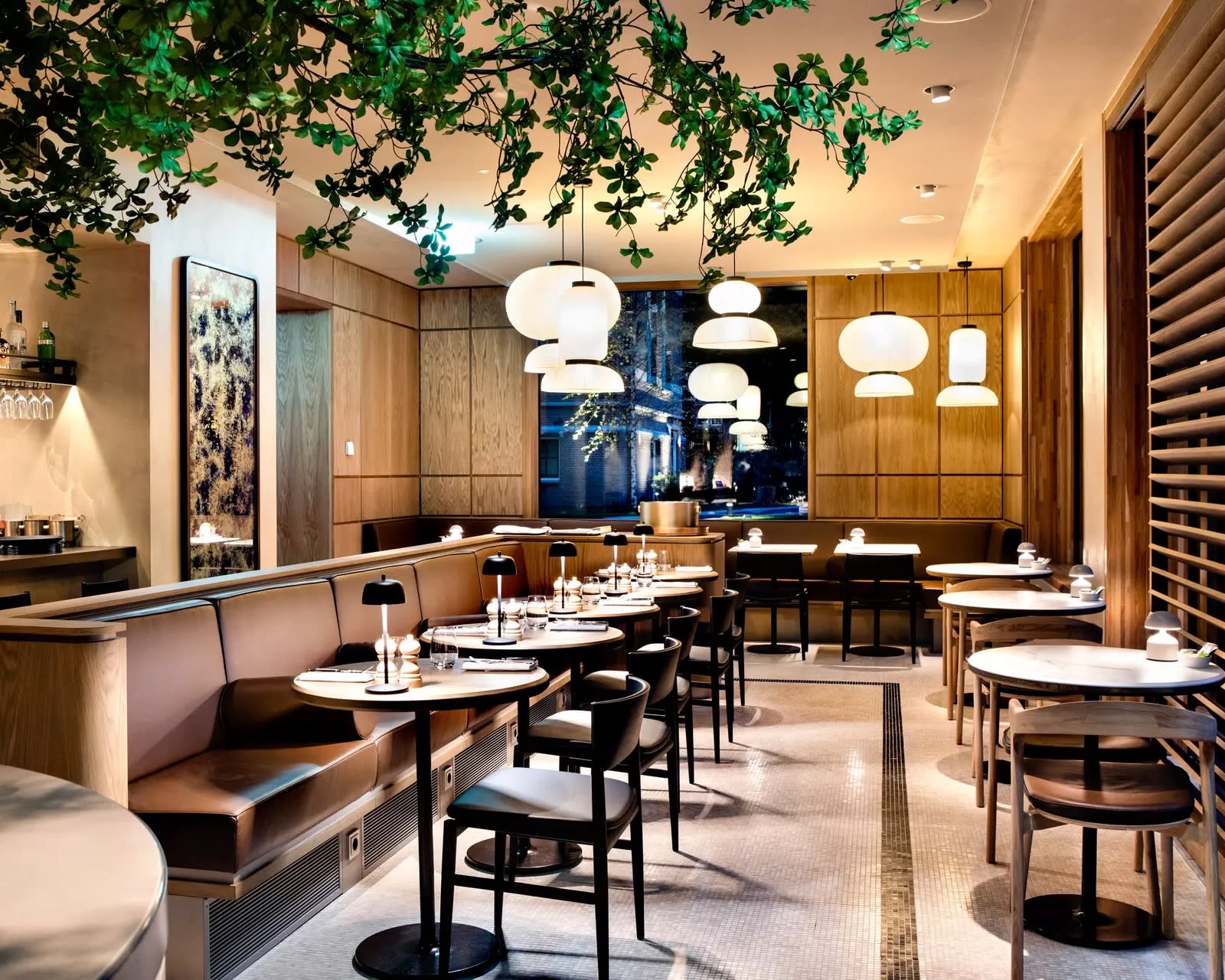
Image courtesy of Pillows Grand Boutique Hotel Maurits at the Park
Amsterdam’s food scene displays comfort and creativity as traditional Dutch flavors meet global influences.
Vegan Junk Food Bar: Playful, plant-based comfort food with bold flavors and colorful presentation in a fun, casual setting.
Kaasbar Amsterdam: A cheeky, interactive cheese bar where Dutch and European cheeses glide by on a conveyor belt.
Albert Heijn: The go-to Dutch grocery chain is ideal for grabbing picnic supplies, snacks, fresh baked goods, and excellent ready-to-eat options.
De Drie Graefjes: A beloved bakery-café has developed a reputation for generously sized cakes and strong coffee. With multiple locations around town, it’s a cozy, unfussy option for an afternoon sugar fix between sightseeing stops.
Spring Café Brasserie at Pillows: The elegant park-side setting provides a relaxed yet polished backdrop for the kitchen’s light, seasonal cooking.
Restaurant Flore at De L’Europe Amsterdam: Rooted in sustainability and innovation with an ever-present plant-based tasting menu.
Restaurant de Kas: A former greenhouse feels like a fitting setting for an elegant farm-to-table menu that highlights seasonal ingredients.
Men Impossible: This casual, brick-lined space has earned a following for its plant-based ramen with rich, deeply flavored broths.
Madre: From its pastor-style potato tacos to a barbacoa riff that uses artichokes, this Mexican vegetarian kitchen impresses bold, well-executed flavors and a menu that goes well beyond the expected.
BunBun: The gourmet cinnamon buns at this small-batch bakery come in rotating flavors like pistachio and cheesecake.
Vegan Temple Bar: Turn to this casual, welcoming plant-based spot for a comfort food-forward menu and a neighborhood feel that makes travelers feel at home.
FEBO: Open at any hour, this Dutch institution dispenses hot snacks from a wall of coin-operated vending machines open at any hour.
Vlaamse Frites and Fabel Friet: Properly crispy, thick-cut frites are served in a paper cone alongside a selection of Dutch sauces.
Day trips
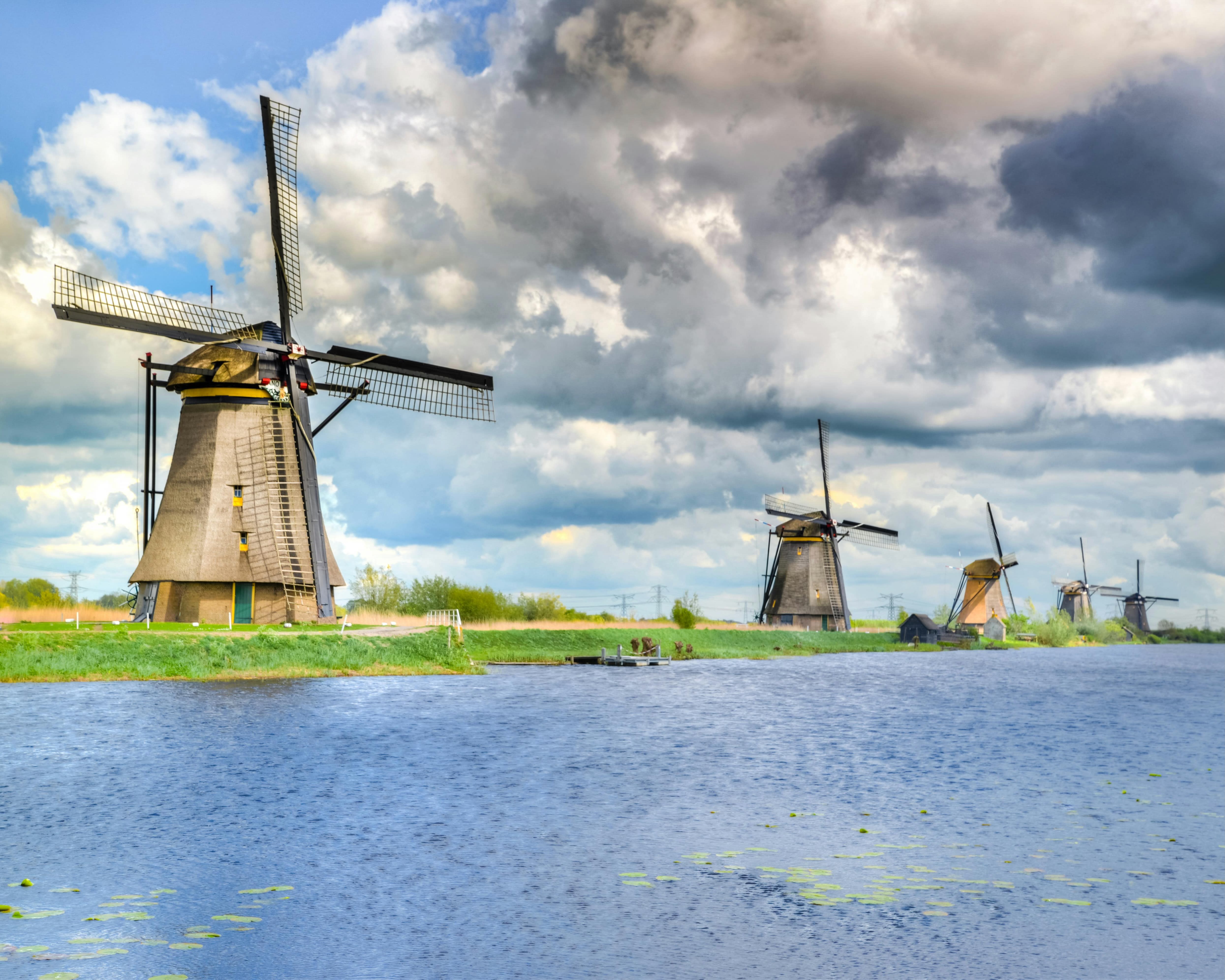
Bold architecture, tulip fields, and seaside escapes—these day trips add range and contrast to an Amsterdam stay without requiring an overnight bag.
Utrecht (30 minute train): A lively university city with a layered history, Utrecht centers on its unique sunken canals lined with cafés and terraces.
Zandvoort (40 minute train): This seaside town delivers wide sandy beaches and Circuit Zandvoort, adding Formula 1 energy to a laid-back seaside escape.
Keukenhof (40 minute drive): If you’re visiting in spring, head to this thoughtfully designed garden to see millions of tulips in vivid hues.
The Hague (50 minute train): Home to Dutch government institutions and the U.N.’s International Court of Justice, this city on the North Sea coast is also a destination for its world-class museums, leafy streets, and strollable promenade.
Delft (1 hour train): Intimate and picturesque, this picturesque city of canals and historic squares is known for its iconic blue-and-white pottery and a compact center that’s perfect for slow walks and café stops.
Rotterdam (1 hour train): Modern, ambitious, and architecturally striking, this port city stands out for its postwar design—from the Cube Houses to the Markthal,—and a thriving food scene.
Eindhoven (1.5 hour train): Former industrial spaces reimagined as galleries, concept stores, and cafés give this Dutch design hub a distinctly creative, forward-thinking energy.
Trips to add on

From design-forward cities to global capitals, these destinations are easy add-ons to any Amsterdam trip.
Belgium (1.5–2 hour train): Bruges delivers storybook canals, cobbled lanes, and quiet charm, while Brussels adds grand architecture, museums, and a strong food scene. Antwerp rounds it out with fashion, art, and a creative edge anchored by its historic port.
Düsseldorf, Germany (2 hour train): The sleek riverside city is known for contemporary art, cutting-edge architecture, and an elegant shopping scene along Königsallee. Balance gallery-hopping and Altstadt beer halls with long walks along the Rhine River.
Paris, France (3.5 hour train): Spend days moving between museums, neighborhood cafés, and leafy gardens, with evenings defined by wine bars and twilight strolls along the Seine.
London, England (4–4.5 hour train): This global capital still possesses a neighborhood soul. Pair royal landmarks and world-class museums with markets, theater, and world-class dining. Each district feels distinct, making it easy to tailor the experience to your pace and interests.
Luxembourg (5 hour train): Scenic but often overlooked, this petite country blends medieval fortifications with green valleys and modern design. Its compact size makes it ideal for a relaxed, one- or two-night stop focused on walking, history, and countryside views.
If not Amsterdam…
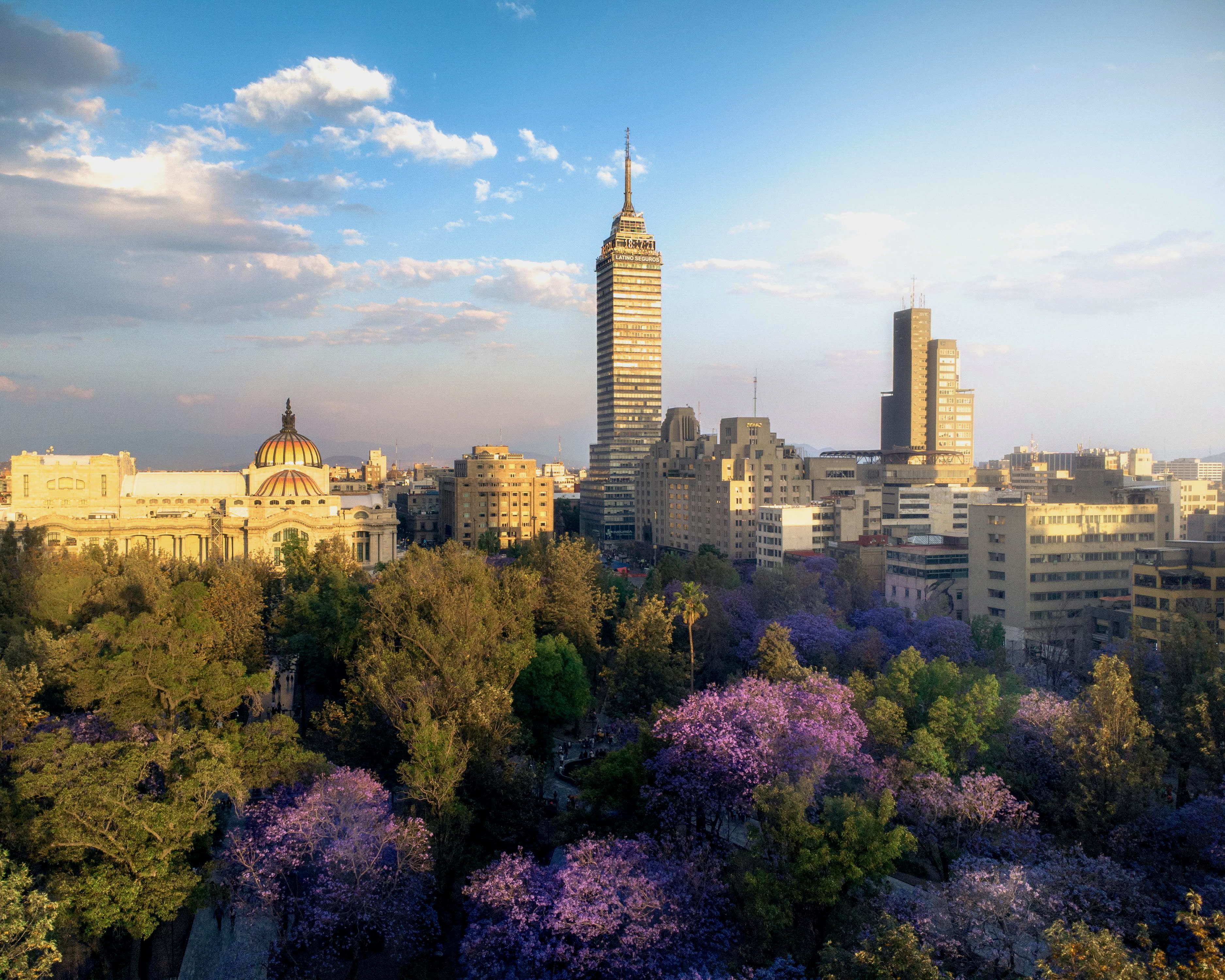
Echoing Amsterdam’s creative spirit, walkability, and urban life, these cities offer their own distinct rhythms and cultural layers.
Copenhagen, Denmark: Bike-first streets, swimmable harbor fronts, and waterside cafés shape daily life here, where contemporary design and an easygoing pace make the city feel both livable and quietly polished.
Hong Kong: Ferries cut across the harbor and neighborhoods rise steeply from the water, creating a dynamic city that feels like a constant discovery, no matter how many times you visit.
Mexico City, Mexico: Leafy neighborhoods and expansive parks soften the scale of this vast metropolis, making it easy for travelers to settle into a city defined as much by its everyday rhythm as its world-class museums and restaurants.
New York City, U.S.A.: The global city might be known for its bright lights, Broadway shows, and nonstop momentum, but its diverse neighborhoods and local hangouts are where the city’s true rhythm comes into focus.