




Curator’s statement
Dharamsala is where the rugged beauty of the Himalayas meets a profound sense of spiritual stillness. You will find that the unique blend of Tibetan culture and serene mountain landscapes creates an energy you can’t find anywhere else in the world. Whether it’s waking up to the sound of temple bells or hiking through cedar forests, it’s a place that forces you to slow down and truly reflect.
The Fora Difference
Book with Tenzin Topden to access exclusive perks and experiences on your trip.

Killer perks
Free upgrades, spa credits and more—we got you

Personalized recs
Customized travel planning for your style

Insider knowledge
Expert advice from people who’ve actually been there
Where to stay in Dharamsala
Unlock perks by contacting Tenzin Topden to book your trip.
Things to do in Dharamsala
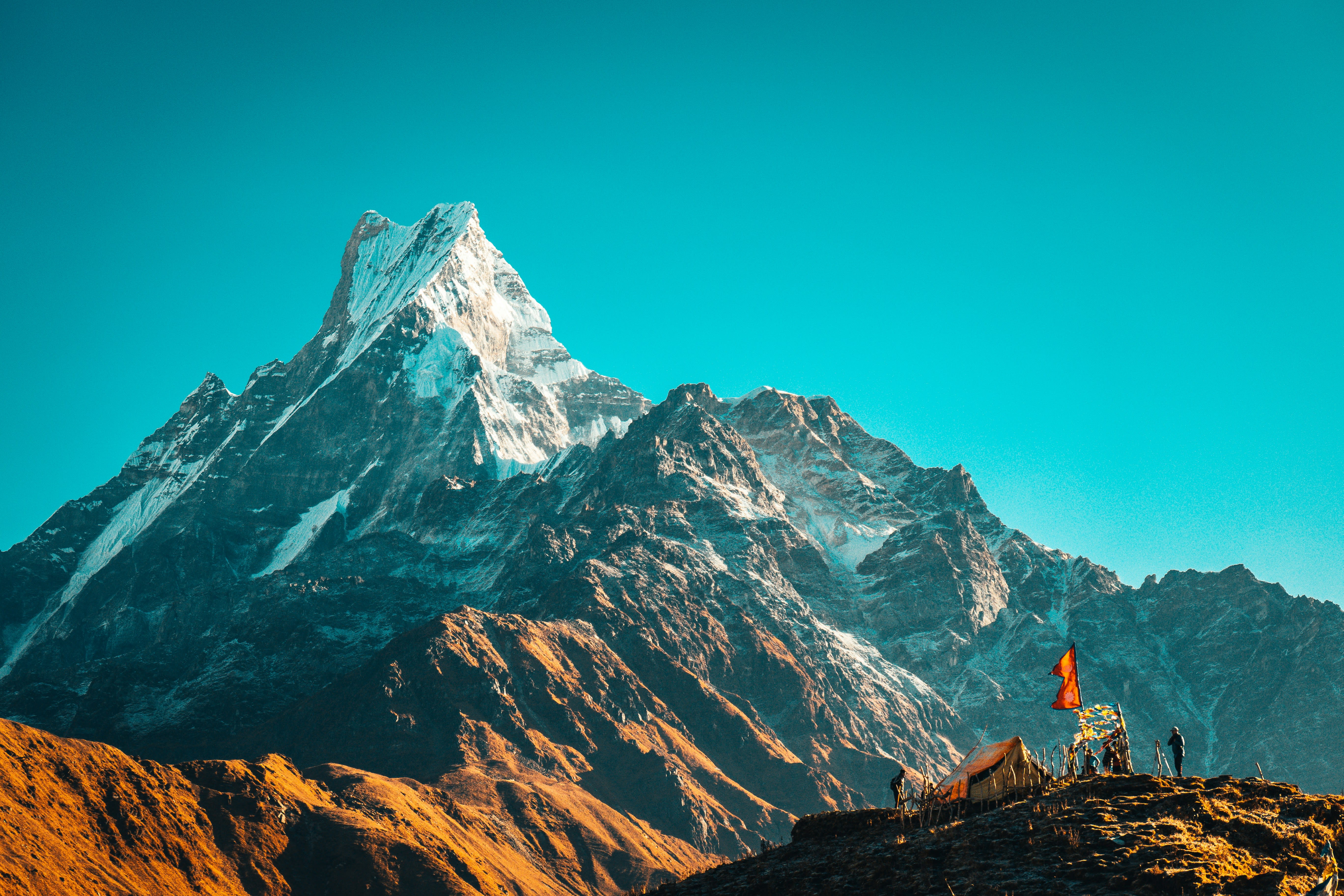
Hike to Triund: This trek offers some of the most breathtaking views of the Dhauladhar range and the Kangra Valley. It’s a rewarding climb that ends with a stunning ridge-top view of the snow-capped peaks against the clouds.
Visit the Dalai Lama Temple: As the spiritual heart of McLeod Ganj, this temple offers a profound sense of peace whether you are joining the monks in prayer or walking the kora path. If you’re lucky enough to catch a public teaching, the experience of being in the Dalai Lama’s presence is truly life-changing.
Go cafe-hopping: McLeod Ganj is a foodie paradise where you can spend afternoons sipping ginger lemon honey tea and eating momo in cozy, art-filled spaces. Each cafe has its own unique vibe, often serving as a meeting point for travelers and locals from all over the world.
Explore Dharamkot (Little Israel): Located just above McLeod Ganj, this hippie-town is famous for its relaxed atmosphere, yoga studios, and Israeli cuisine. It’s the perfect place to escape the main town’s bustle and enjoy a more bohemian, mountain-village lifestyle.
Visit the Tibet Museum: Located in Ganchen Kyishong, this museum provides a moving and essential look into the history of Tibet and the resilience of its people. It is a must-visit to truly understand the cultural and political context of the community living in Dharamsala.
Wander through Norbulingka Institute: Dedicated to preserving Tibetan literary and artistic forms, this institute is a masterpiece of traditional architecture and lush gardens. Watching the artisans practice thangka painting and woodcarving is an incredibly serene and educational experience.
Reflect at Tushita Meditation Centre: This world-renowned center offers a silent sanctuary for those looking to explore Buddhist philosophy and meditation. Even if you aren’t doing a full retreat, the energy of the grounds provides a powerful space for quiet contemplation and mental clarity. You can also join their morning walk-in meditation sessions.
Places to eat & drink in Dharamsala
Welcome Restaurant: This humble, hidden gem is my absolute favorite hole-in-the-wall Tibetan food spot. You cannot leave without trying their Chutse (chive) momo and shapta (fried meat) with tingmo (steamed dough). Some have given this establishment the nickname, the “monk restaurant”, as many of its patrons are monks and nuns, who no doubt dine here due to the incredibly fair prices.
Juniper Terrace: Perfect for a slow morning, this cozy cafe serves some of the best coffee in McLeod Ganj. Its sister shop is the much smaller Juniper Cafe. The balcony seating offers a peaceful retreat with a sweeping view of the valley that makes it hard to leave. And you’ll be accompanied by Lucy, the shop’s sweet resident dog.
Barako Cafe: Another new, top-tier spot for coffee lovers, Barako is run by a Tibetan and Filipino couple known for its excellent sourdough bread (there’s a huge, transparent glass where you can see them making fresh bread). The owner is also deeply dedicated to preserving the Tibetan language, often spending his time authoring and translating books for all ages. His passion transforms the coffee shop into a vibrant community hub, where you might stumble upon a film screening or a literary event designed to empower local youth and professionals. Barako recently added drip coffee to their menu (not too common in the area), so that’s another reason to visit if you’re a coffee snob. Plus, if you have work to do, there’s a workstation with built-in power outlets and USB ports for your laptop. It’s a great place to sit with a book or catch up on work while looking out at the mountain peaks.
Nick’s Italian Kitchen: A beloved vegetarian staple since the ‘90s, Nick’s is famous for its vibrant energy and consistent quality. While the wood-fired pizzas and pastas are great, the real stars are their homemade cakes and pastries—best enjoyed on the terrace during sunset.
Lung Ta Japanese Restaurant: Run by a wonderful Japanese and Tibetan couple, this restaurant is a gem. They serve incredible, all-vegetarian Japanese set menus that change daily—their okonomiyaki is really good!
Need to know
March to June offers the most pleasant weather for trekking. However, if you want to avoid the crowds and see the mountains at their greenest, the “shoulder” months of October and November provide crisp air and incredibly clear views of the Dhauladhar range.
Whatever you do, avoid visiting between July and September. Dharamsala receives some of the heaviest rainfall in the country during the monsoon. It doesn’t just “shower”—it can rain relentlessly for days, causing frequent power outages, trail closures, and unpredictable landslides. For the best experience, stick to the clear skies of spring or autumn.
For first-time visitors, I would recommend taking a flight from Delhi to Kangra Airport. It is a quick one hour and 15 to 30 minutes and there are usually 2–3 flights per day. While the bus and train are cheaper, I always encourage first-timers to fly as it saves you from a grueling 10–12 hour overnight journey. You’ll arrive fresh and ready to explore rather than spending your first day recovering from the road. The car ride from the airport to McLeod Ganj is about 40 minutes.
McLeod Ganj is home to a very bold population of macaques. Keep your windows latched at your guesthouse and avoid carrying visible food or plastic bags while walking—they’re experts at “re-allocating” snacks from unsuspecting travelers!
When visiting monasteries or the Dalai Lama Temple, remember to walk clockwise around stupas and prayer wheels.
Almost everyone in India—from high-end boutiques to street-side chai stalls—uses Unified Payments Interface (UPI) for instant digital payments via QR codes. Traditionally, this required an Indian bank account and SIM card, leaving foreigners stuck with physical cash. But foreigners can now access the system via the UPI One World wallet. They can set this up at authorized counters (usually at major international airports like Delhi or Mumbai) by showing their passport and visa. They load the wallet using their foreign credit/debit card or cash, and then they can scan QR codes just like a local.


Travel Advisor
Tenzin Topden
Get in touch with Tenzin Topden
Did you like this guide? Reach out to customize and book your own experience. Or, just to chat about travel in general.
You can expect a response from Tenzin Topden within 1–2 business days. You’ll also be subscribed to our traveler newsletter (you can unsubscribe at any time).
For more inspiration and insider recommendations, visit our India page.