

Curator’s statement
Patagonia is a destination where effort and reward are deeply connected. I have explored this region firsthand, hiking its trails, experiencing its lodges, and navigating its changing weather, which has shaped how I design trips here. The landscapes are dramatic and humbling, but the experience is best when thoughtfully paced and well-supported. With the right planning, Patagonia offers an unmatched blend of adventure, beauty, and comfort.
The Fora Difference
Book with Journeys with JB to access exclusive perks and experiences on your trip.

Killer perks
Free upgrades, spa credits and more—we got you

Personalized recs
Customized travel planning for your style

Insider knowledge
Expert advice from people who’ve actually been there
Where to stay in Patagonia
Unlock perks by contacting Journeys with JB to book your trip.
Things to do in Patagonia
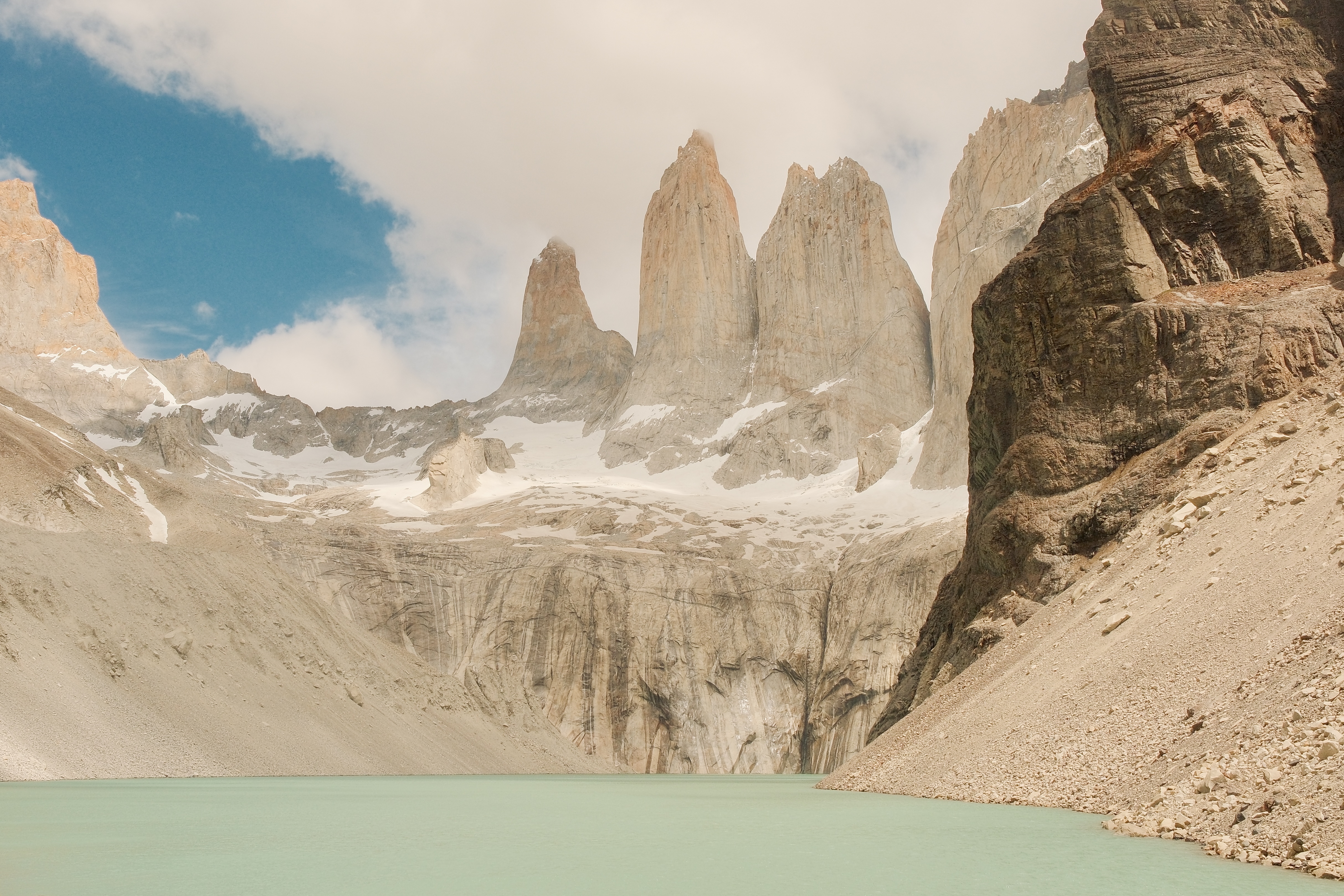
The rewarding view of the Mirador Las Torres (Base of the Towers) hike, captured by me!
Hike to the Base of the Towers in Torres del Paine National Park: One of Patagonia’s most iconic hikes, this full-day trek rewards the effort with a dramatic viewpoint overlooking the granite towers and glacial lake below. The hike is demanding and weather dependent, which makes early starts, proper pacing, and preparation especially important.
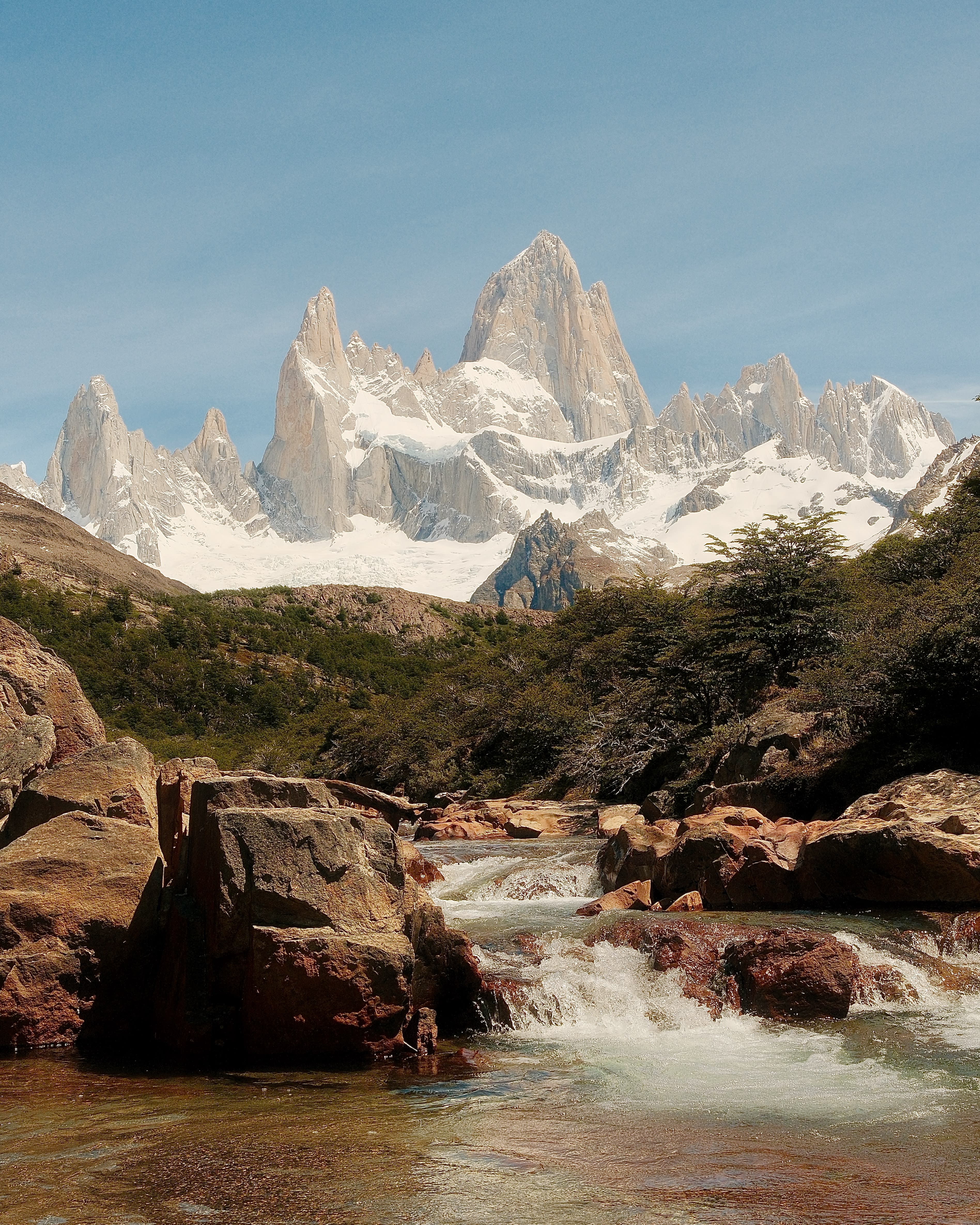
Laguna de los Tres in El Chaltén: This is one of the most memorable hikes in Patagonia and my preferred route for experiencing Mount Fitz Roy. I recommend ascending via Laguna de los Tres for the head-on Fitz Roy views, then descending via Laguna Capri, which offers a quieter trail and a beautiful change in perspective. This loop-style approach balances effort, scenery, and flow exceptionally well.
Upsala and Spegazzini Glacier boat tour: This boat excursion offers a powerful perspective on Patagonia’s scale, gliding past massive icebergs and towering glacier walls that are impossible to appreciate from land. It is an excellent way to experience the Southern Patagonian Ice Field while giving your legs a rest between hiking days.
Scenic drives in Torres del Paine National Park: Some of the most memorable moments in Torres del Paine happen between hikes. Scenic drives through the park reveal sweeping views of lakes, waterfalls, and granite peaks, with frequent pullouts that make it easy to stop and take in the scale of the landscape. One highlight not to miss is the boardwalk at Explora Patagonia, which offers an elevated, immersive view of the surrounding scenery and is especially beautiful in changing light.
Wildlife spotting and photography: Patagonia is home to guanacos, condors, foxes, and pumas. These wildlife sightings and photographic opportunities are some of my favorite parts of this trip.
Punta Arenas: An excellent base for wildlife excursions to see penguins and sea lions in their natural habitat. Boat trips to nearby islands offer close but respectful viewing of large penguin colonies, often alongside sea lions and seabirds. This is a rewarding way to experience Patagonia’s marine wildlife and pairs especially well with travel days or lighter activity days.
Places to eat & drink in Patagonia

A delicious meal at Rio Serrano Hotel + Spa captured by me!
Río Serrano De Agostini Resto Bar: Located near the southern edge of Torres del Paine, this is a relaxed and scenic stop that pairs well with driving days through the park. It is a great place to pause for a meal or drink while taking in views of the surrounding landscape, or if staying here, you can opt-in for half-board, full-board, or all-inclusive experience.
Masay Pizza: A casual favorite in Puerto Natales that is perfect after long travel or hiking days. The atmosphere is laid back, the pizza is reliable, and it is an easy, satisfying option without feeling touristy.
Paisa High Mountain Coffee: An excellent stop for quality coffee and a calm start to the morning before a hike. It is especially popular with hikers looking for something warm and grounding before heading out on the trails.
Patagonicus Chaltén: This is a solid choice for a relaxed dinner after a full day outdoors. The menu is hearty and comforting, making it a good reward after demanding hikes in the Fitz Roy area.
Laborum Pizzería: A dependable and casual option that fits well into an active itinerary. It is ideal for nights when you want something easy, filling, and unfussy after a long day on the trails.
La Birre del Rancho: A laid-back spot for craft beer and casual bites, perfect for winding down in the evening. It attracts a mix of hikers and locals and has a relaxed, social energy without feeling overwhelming.
Ruta 9 Burgers: A casual and satisfying stop in Punta Arenas that works perfectly after travel days or wildlife excursions. The burgers are hearty, the atmosphere is relaxed, and it’s an easy, unfussy option that feels well-earned after time outdoors.
Need to know
Patagonia rewards flexibility and thoughtful planning. Weather can change quickly, often shifting from sun to wind to rain to snow within the same day, so the best itineraries include buffer days, varied activity levels, and at least one true rest day. Dressing in layers is essential, and sunscreen is a must even on cooler days due to strong UV exposure.
Some travelers may experience mild altitude-related symptoms, especially on longer hikes or sustained climbs. Staying hydrated, pacing yourself, and listening to your body makes a meaningful difference. Glacier-fed water along the trails is generally safe to drink, and many hikers refill directly from fast-flowing streams. Use common sense when refilling and bring a bottle that is easy to access while moving.
If you are not an avid hiker, preparing in advance can significantly improve your experience. Incorporating regular cardio and leg-focused workouts in the weeks leading up to the trip helps build endurance and makes longer hikes far more enjoyable. Even moderate preparation can change how these trails feel once you are on them.
Trekking poles are highly recommended for stability, particularly on longer hikes like the Base of the Towers or Laguna de los Tres. Trail runners or well-broken-in hiking boots both work well depending on personal preference. Comfort matters more than style here, so prioritize functional clothing and gear over aesthetics.
Early starts matter. Beginning hikes before 7 am helps avoid crowds and offers better light and calmer conditions. For those who want a more ambitious experience, it is possible to reach the peak at sunrise, but this requires a very early start, often around 1 am, and is physically demanding. While sunrise can be stunning on a clear day, it is not necessary to have an incredible experience. Weather and visibility should always be checked before heading out. Laguna de los Tres, in particular, is less forgiving in cloudy conditions and is best saved for an exceptional weather window to fully appreciate the Fitz Roy views.
There is little to no cell service once on the trails, so it is important to download maps in advance using tools like AllTrails or offline navigation apps. Bringing a camera is highly recommended, as the scenery changes constantly and rewards those who are prepared.
On the Base of the Towers hike in Torres del Paine National Park, there is a refugio partway up the trail where hikers can rest, eat, and use the bathroom. Food is available on site, and wifi can be purchased if needed. For travelers who prefer a slower pace, it is also possible to stay overnight at the refugio and split the hike across two days, allowing for better recovery and more flexibility with weather and visibility.
Booking well in advance is strongly recommended, especially during peak season. Patagonia’s most sought-after properties have limited inventory and fill quickly, particularly luxury lodges such as Explora Patagonia and Hotel Río Serrano. Planning early helps ensure access to preferred accommodations, better room categories, and more flexibility when building the overall itinerary.
Planning intentional recovery is just as important as planning the hikes themselves. Massages or spa time on rest days can be a welcome reset between demanding outings and help maintain energy throughout the trip. A helpful mindset on more challenging hikes is to break the effort into small pieces. When it starts to feel tough, tell yourself you only have five more minutes to go, even if it is actually longer. Patagonia rewards persistence.
Finally, cash is rarely needed. Credit and debit cards are widely accepted throughout the region, and contactless payment is common. However, some shops will give you a discount by paying in cash.


Travel Advisor
Journeys with JB

Jea Breshears

Get in touch with Journeys with JB
Did you like this guide? Reach out to customize and book your own experience. Or, just to chat about travel in general.
For more inspiration and insider recommendations, visit our Argentine Patagonia page.