




Curator’s statement
Aruba surprised me. I visited the island for a destination wedding with my wife, Diana, and a large group of friends, and what I expected to be a laid-back beach trip turned into one of the most well-rounded Caribbean experiences we’ve had. Between off-roading through the rugged north coast in a UTV, snorkeling off a catamaran in open water, watching a sunset wedding ceremony on Eagle Beach, and eating our way through the island’s unexpectedly diverse restaurant scene, Aruba delivered something for everyone in our group. It’s the kind of island that rewards you for getting off the resort and exploring—and I’d recommend it to anyone looking for a Caribbean vacation with more depth than just a pool and a buffet.
The Fora Difference
Book with Keith Davis to access exclusive perks and experiences on your trip.

Killer perks
Free upgrades, spa credits and more—we got you

Personalized recs
Customized travel planning for your style

Insider knowledge
Expert advice from people who’ve actually been there
Where to stay in Aruba
Unlock perks by contacting Keith Davis to book your trip.
Things to do in Aruba
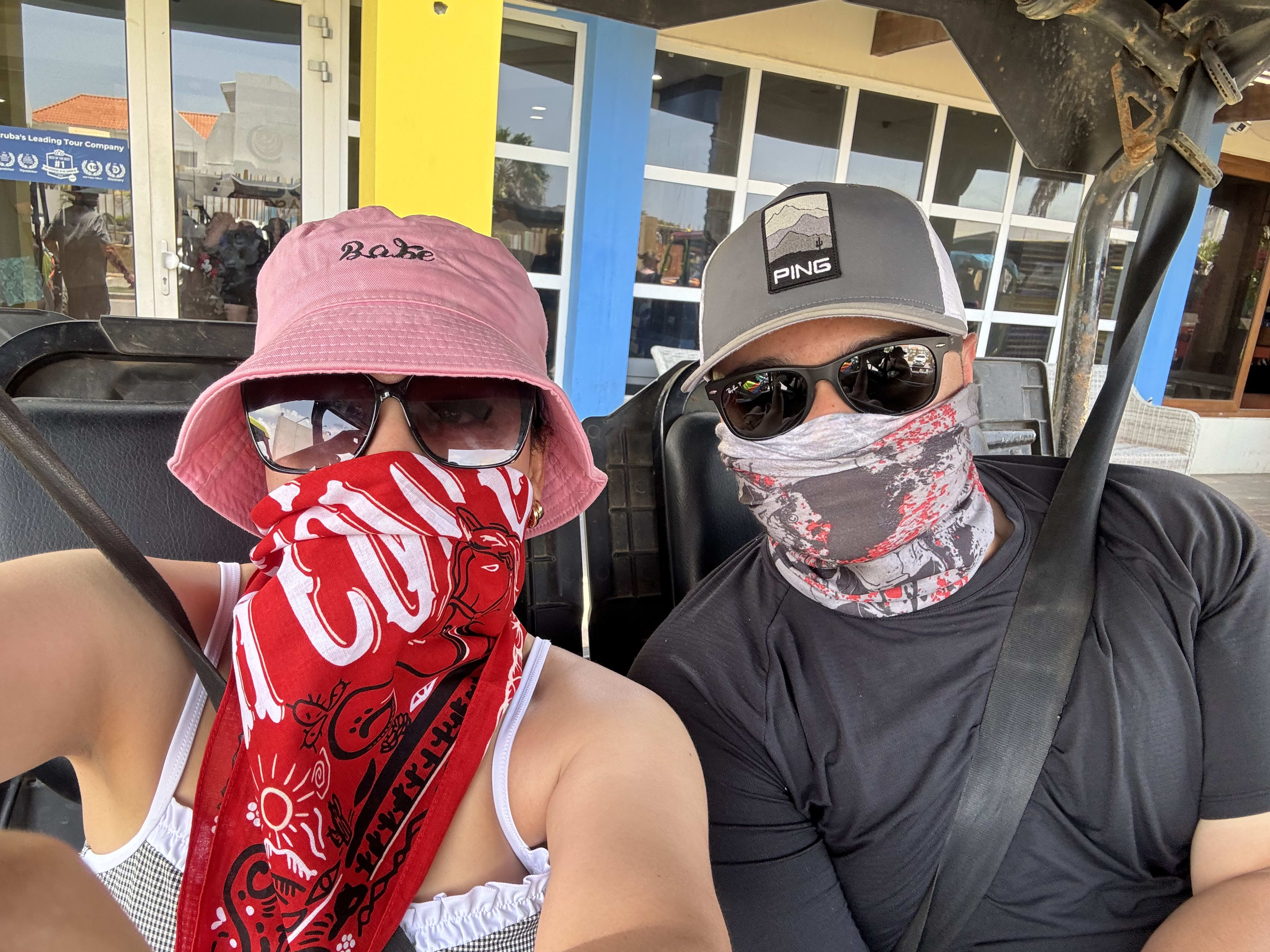
UTV off-roading on the North Coast, preparing for the dust and wind
UTV off-roading on the north coast
This was the highlight of our entire trip. We rented UTVs through ABC Tours and spent a morning tearing through Aruba’s rugged north side—a completely different landscape from the calm resort beaches on the west coast. The terrain is raw and rocky, with crashing waves, natural bridges, and hidden swimming holes you’d never find on your own. We stopped at several beaches along the way to cool off and swim.
A few tips from experience:
Wear water shoes and sunglasses (there are no windshields on the UTVs) and bring sunblock and a packed lunch.
Couples can do 2-seaters, but the 5-seater is more cost-effective if you’re traveling with a group.
If your group has been to Aruba before, you can rent the vehicles without a guided tour and explore at your own pace.
Eagle Beach
Eagle Beach is one of the most beautiful beaches in the Caribbean, and it lives up to its reputation. The sand is wide, white, and soft, and the water is that impossibly clear turquoise you see in photos. What makes it stand out from Palm Beach (the busier hotel strip) is the space—it never feels overcrowded, even during peak season. We attended a sunset wedding ceremony right on Eagle Beach, and the setting was absolutely stunning. It’s also home to the iconic fofoti (divi-divi) trees that lean sideways from the constant trade winds, which make for great photos. If you’re choosing between the two main beach areas on the island, Eagle Beach is the one for relaxation and beauty.
Catamaran cruise and snorkeling
Our group did an afternoon catamaran cruise that included an open bar, a light lunch with wraps and fresh fruit, and multiple snorkeling stops in open water. It was one of those experiences where everyone—from the most adventurous to the most laid-back—had a great time. You can snorkel to your heart’s content or just sit on the boat with a drink and enjoy the view. The water clarity in Aruba is exceptional, so even casual snorkelers will see plenty of fish and coral. Book through a reputable local operator and don’t skip this one, especially if you’re traveling with a group.
Arikok National Park
If you want to see Aruba’s wild side, Arikok National Park covers roughly 20% of the island and features desert-like terrain, volcanic rock formations, ancient cave paintings, and dramatic coastal blowhole formations. You can drive through parts of it in a regular vehicle, but a UTV or 4x4 rental gives you access to the more remote trails and beaches. The natural pool—a rock-rugged enclosed swimming area on the coast—is one of the most popular stops, though it it requires a rugged vehicle to reach. It’s a great way to see a side of Aruba that most resort guests never experience.
The Butterfly Farm
This is a surprisingly fun and peaceful stop, especially if you’re traveling with family or just want a break from the beach. The Aruba Butterfly Farm is a tropical garden filled with hundreds of exotic butterfly species from around the world. Guided tours run throughout the morning and explain the butterfly life cycle and the different species you’ll see. One nice perk: your admission ticket is good for your entire stay on the island, so you can come back as many times as you want.
Aruba Aloe Factory and Museum
Aruba has been cultivating aloe vera for over 160 years, and the Aruba Aloe factory in Hato offers a free guided tour that walks you through the harvesting process, the history of the island’s aloe industry, and the production of their skincare products. It’s a quick stop—about 30 to 45 minutes—but genuinely interesting. The gift shop at the end has high-quality aloe products that make great souvenirs. It pairs well with a visit to the butterfly farm, which is nearby.
Downtown Oranjestad
Aruba’s capital city is compact, colorful, and worth a few hours of your time. The Dutch colonial architecture is photo-worthy, and the Renaissance Marketplace along the marina has a mix of shops, restaurants, and bars.
If you’re a shopper, the main street has duty-free options for jewelry, watches, and local goods. For something more local, wander the side streets where you’ll find smaller restaurants and bars with a more authentic island vibe. The trolley that runs through town is a fun (and free) way to get around.
Palm Beach strip
If Eagle Beach is for relaxation, Palm Beach is for energy. This is where the major resorts are lined up—Ritz-Carlton, Hyatt, Marriott, Hilton—and the strip is walkable with plenty of restaurants, beach bars, water sports operators, and nightlife within a short distance.
Even if you’re not staying on Palm Beach, it’s worth an evening stroll to take in the vibe, grab dinner, and people-watch. The beach itself is gorgeous, with calm, shallow water that’s great for families.
Places to eat & drink in Aruba
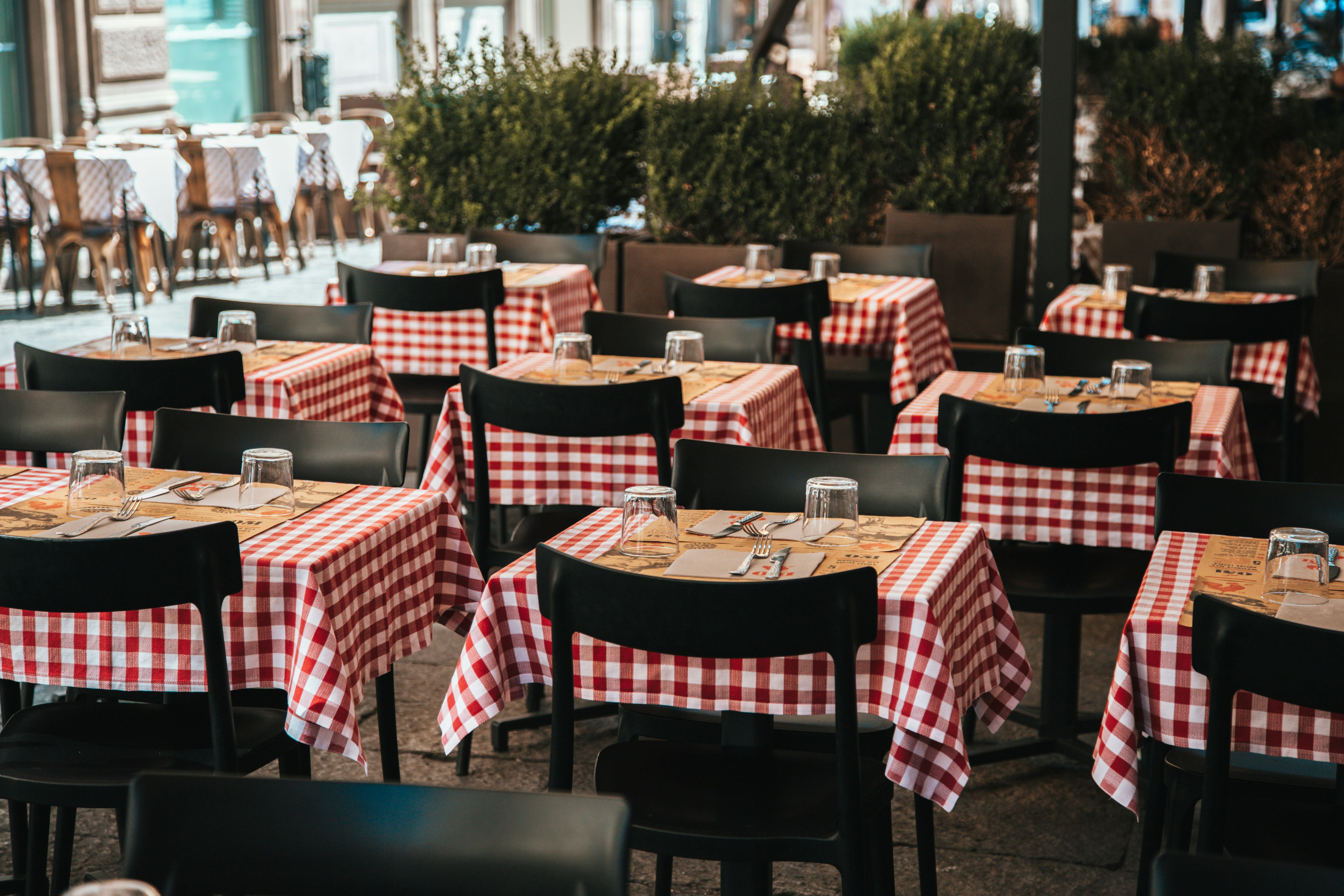
Gianni’s Restaurant
We had our wedding reception dinner here and it set the bar for dining on the island. Gianni’s is an upscale Italian restaurant that handles large group dinners exceptionally well—the private dining setup, the service, and the food quality were all top-notch. It’s the kind of place where you dress up a little, take your time, and enjoy a proper multi-course meal.
If you’re celebrating something special in Aruba, this is the spot. Make reservations well in advance, especially for groups.
Barefoot Restaurant
Barefoot is one of those restaurants where the setting alone makes the meal memorable. You’re literally dining with your feet in the sand, steps from the water, with tiki torches and the sound of waves as your backdrop. The menu leans toward seafood and Caribbean-inspired dishes—the grouper, peppered tuna, and Dutch crab cakes are all standouts. It’s upscale enough for a date night but relaxed enough that you won’t feel out of place in resort wear. Reservations are a must.
Pincho’s Grill & Bar
Pincho is built on a pier over the water in Oranjestad, and as the sun goes down, blue lighting illuminates the ocean beneath your table. It’s easily one of the most romantic dining settings on the island. The menu is focused on grilled meats and seafood, and the portions are generous. The fish dishes in particular are exceptional—some of the freshest you’ll find in Aruba.
Get there early for sunset views and expect a wait if you don’t have a reservation.
Elements on Eagle Beach
Sitting right on Eagle Beach, Elements focuses on simple, sustainable cooking with an emphasis on fresh ingredients and ocean views. It’s a great lunch or early dinner option if you’re spending the day on the beach and don’t want to go far. The atmosphere is laid-back and breezy, and the menu changes seasonally. It’s the kind of place that feels effortless but delivers quality food in a beautiful setting.
Flying Fishbone
If you want the quintessential Aruba dining experience, Flying Fishbone in Savaneta lets you dine with your feet literally in the ocean. Tables are set right in the shallow surf, with the waves lapping against your ankles as you eat. The menu features creative seafood and international dishes, and the sunset here is one of the best on the island. It’s adults-only for the beachfront seating, making it ideal for a couples’ night out.
This is one of the most popular restaurants in Aruba, so reservations far in advance are essential.
2 Fools and a Bull
For a completely different dining experience, 2 Fools and a Bull is a chef’s table concept inside a converted Aruban cunucu house in Palm Beach. Only 17 guests are seated around a single U-shaped bar while two chefs prepare a five-course tasting menu in an open kitchen. There’s no set menu—the courses change based on what’s fresh and available. It’s interactive, entertaining, and the food is outstanding.
If your group likes fine dining with personality, this is a must-book. Seats fill up fast, so reserve as early as you can.
Wilhelmina
Tucked into a quiet courtyard in downtown Oranjestad, Wilhelmina feels like a discovery. The menu features premium meats, fresh seafood, and refined plating in an intimate setting with warm lighting and polished service. It’s the kind of restaurant that doesn’t rely on a beachfront location to impress—the food and atmosphere do all the work. A great option for a group dinner date or date night away from the hotel zone.
Local food trucks and snack bars
Don’t sleep on Aruba’s casual food scene. Across the island, you’ll find food trucks and small snack bars serving local favorites like pastechi (a fried pastry stuffed with cheese, meat, or seafood), keshi yena (stuffed cheese), and fresh fish plates for a fraction of what you’d pay at a sit-down restaurant.
These spots are where locals eat, and the food is honest and flavorful. Ask your hotel concierge or villa host for their favorite spots—the best ones aren’t always on Google.
Need to know
No currency exchange needed. Aruba is very tourist-friendly and accepts U.S. dollars everywhere—credit, debit, and cash. The local currency is the Aruban florin, but you’ll rarely need it. Bring some cash for tips and food trucks, but your card will work at virtually every restaurant, shop, and tour operator.
U.S. Customs is handled in Aruba. One of the biggest perks of flying to Aruba from the U.S. is that you clear U.S. Customs before you board your return flight. That means when you land back home, you walk off the plane and go straight to baggage claim—no immigration lines. Plan to arrive at Queen Beatrix International Airport about three hours before your departure to get through both Aruban and U.S. security.
Complete the ED card before you go. Aruba requires all visitors to fill out an Embarkation/Disembarkation form online at least one week before arrival. It’s quick and easy, but don’t forget it—you’ll need to show confirmation at the airport.
Pack reef-safe sunblock from home. Aruba requires reef-safe sunscreen by law, and sunblock on the island is expensive. We went through about three bottles in a week on our trip. Skip the spray—the constant trade winds blow it right off you. Lotion-based SPF 50 or higher is the way to go. Sun Bum reef-safe is a solid option. Pack at least one bottle per person for a five-day trip.
Bring water shoes. The north coast beaches and some swimming holes are rocky, and you’ll be grateful to have water shoes for the UTV excursion and any off-the-beaten-path beach stops. Pack sunglasses with a strap, too—the wind in Aruba is no joke.
It’s hot and windy year-round. Aruba sits just outside the hurricane belt and enjoys consistent sunshine and trade winds. The temperature hovers around 82–88°F throughout the year, which means there’s no real “bad” time to visit. The trade winds keep things comfortable but also mean the island is drier and more arid than you might expect for the Caribbean. Pack light, breathable clothing.
Do not take sand or shells home. It’s illegal to remove sand or shells from Aruba for conservation purposes. They do check luggage, and there is a fine. Leave the souvenirs on the beach.
Villa stays are worth considering for groups. If you’re traveling with a large family or group of friends, renting a villa can be more cost-effective and more fun than booking multiple hotel rooms. We stayed at Merlot Villas with our wedding group and the communal living setup—shared kitchen, pool, and gathering spaces—made the trip feel more like a family reunion than a standard vacation. Passenger vans can be arranged to get the group around the island together.


Travel Advisor
Keith Davis

Keith Davis

Get in touch with Keith Davis
Did you like this guide? Reach out to customize and book your own experience. Or, just to chat about travel in general.
For more inspiration and insider recommendations, visit our Aruba page.