




Curator’s statement
This two-week immersion is designed to showcase the two faces of Japan: its high-octane modern future and its deeply preserved imperial past. From the neon-lit corridors of Tokyo and the spiritual stillness of Mount Fuji to the ancient temple-lined streets of Kyoto, this trip captures the country’s most iconic landscapes, offering first-time travelers a seamless blend of world-class cuisine, breathtaking nature, and Japanese hospitality.
The Fora Difference
Book with Tenzin Topden to access exclusive perks and experiences on your trip.

Killer perks
Free upgrades, spa credits and more—we got you

Personalized recs
Customized travel planning for your style

Insider knowledge
Expert advice from people who’ve actually been there
Where to stay
Unlock perks by contacting Tenzin Topden to book your trip.
Day 1 (Tokyo): Arrival & the neon glow of Shinjuku
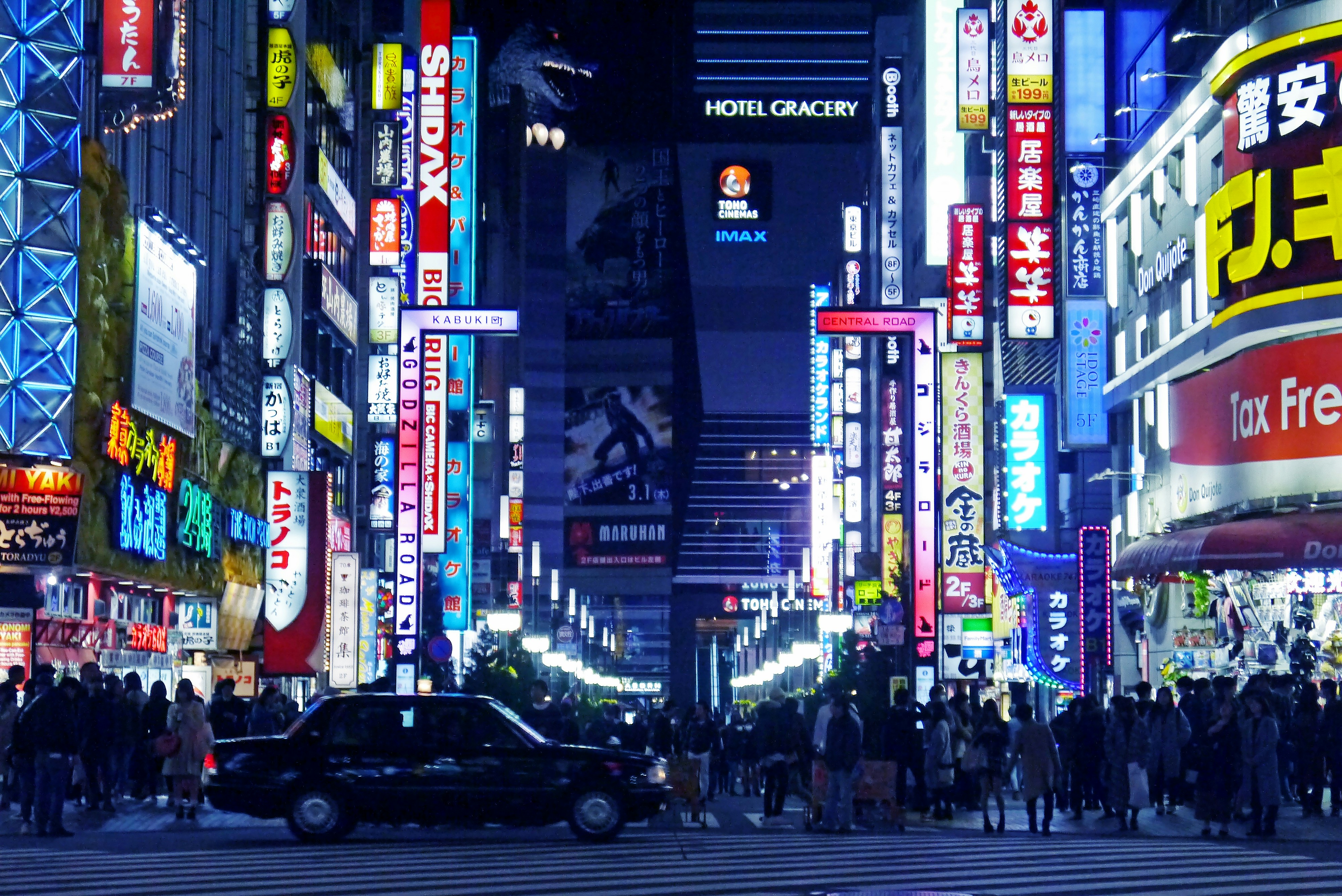
Shinjuku at night
Upon arriving in Tokyo, take it slow and explore the neighborhood around your hotel to ease into the local atmosphere. I recommend heading to Shinjuku or Ikebukuro, as they are fantastic gateways to Japan's vibrant pop culture and nightlife. Ikebukuro is a major hub for anime and manga that feels slightly less overwhelming than Akihabara, while Shinjuku’s Kabukicho district offers the quintessential Tokyo experience of neon lights and cozy izakayas.

A note from Tenzin
Shinjuku Station is notoriously complex; always use the specific exit recommended by Google Maps to avoid getting lost and losing time.
Day 2 (Tokyo): Historic temples & sky-high views in Asakusa
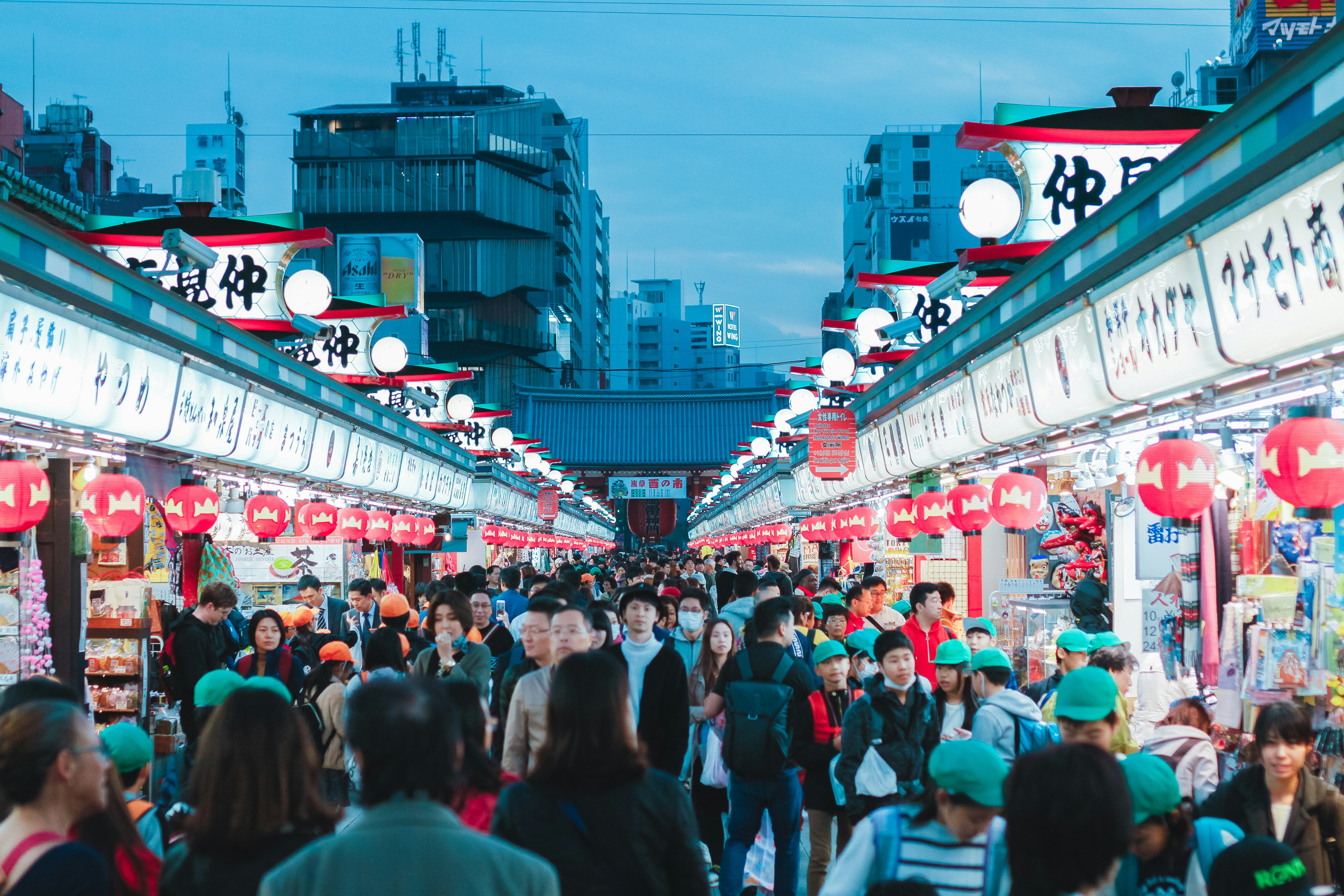
Nakamise Shopping Street in front of Senso-ji Temple in Asakusa
Spend your second day immersing yourself in the traditional charm of Asakusa, home to Senso-ji, Tokyo’s oldest temple. I suggest strolling down Nakamise Street for local snacks before visiting the temple, or even taking a rickshaw ride to explore the surrounding area. Afterward, cross over to the Sumida riverside for a coffee at a local favorite like Coffee Wrights before ending your day at the Tokyo Skytree for panoramic city views.
A note from Tenzin
If you want to catch the sunset from the Skytree, be sure to book your tickets well in advance.
Day 3 (Tokyo): Cultural hubs & the anime epicenter
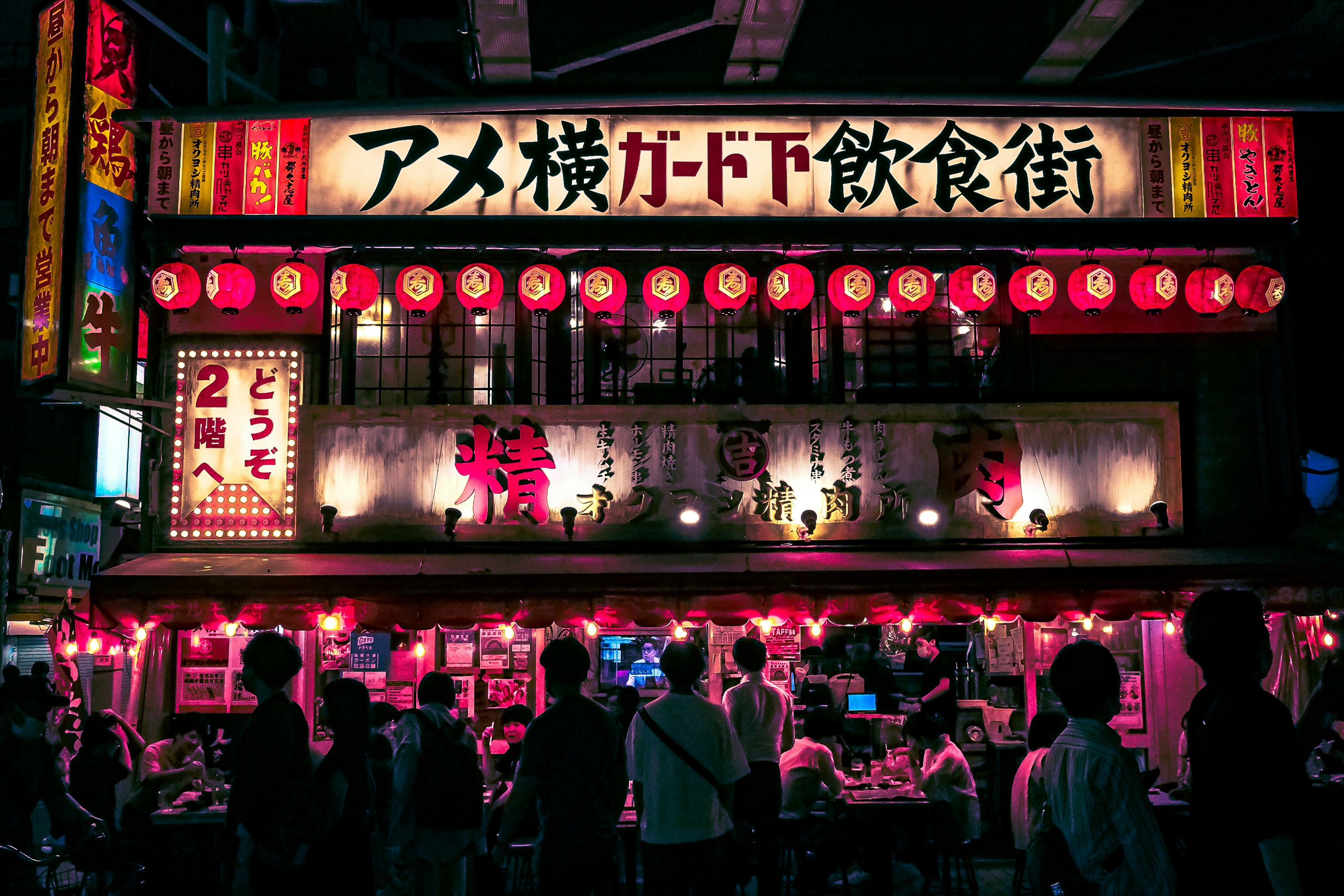
Ameyoko Market at night
This day focuses on the leafy cultural hub of Ueno Park and the well-preserved "old Tokyo" feel of the Yanaka District. Ueno is perfect for visiting world-class museums or enjoying seasonal festivals, while Yanaka offers a slower pace with its artisan shops and pre-war architecture. Since you are in the area, a visit to Akihabara is essential to experience the world's most famous electronics and gaming district. Cap off the evening at Ameyoko Market, a lively street market under the railway tracks that is perfect for casual food sampling.
Day 4 (Tokyo): Fashion, shrines & the Shibuya scramble
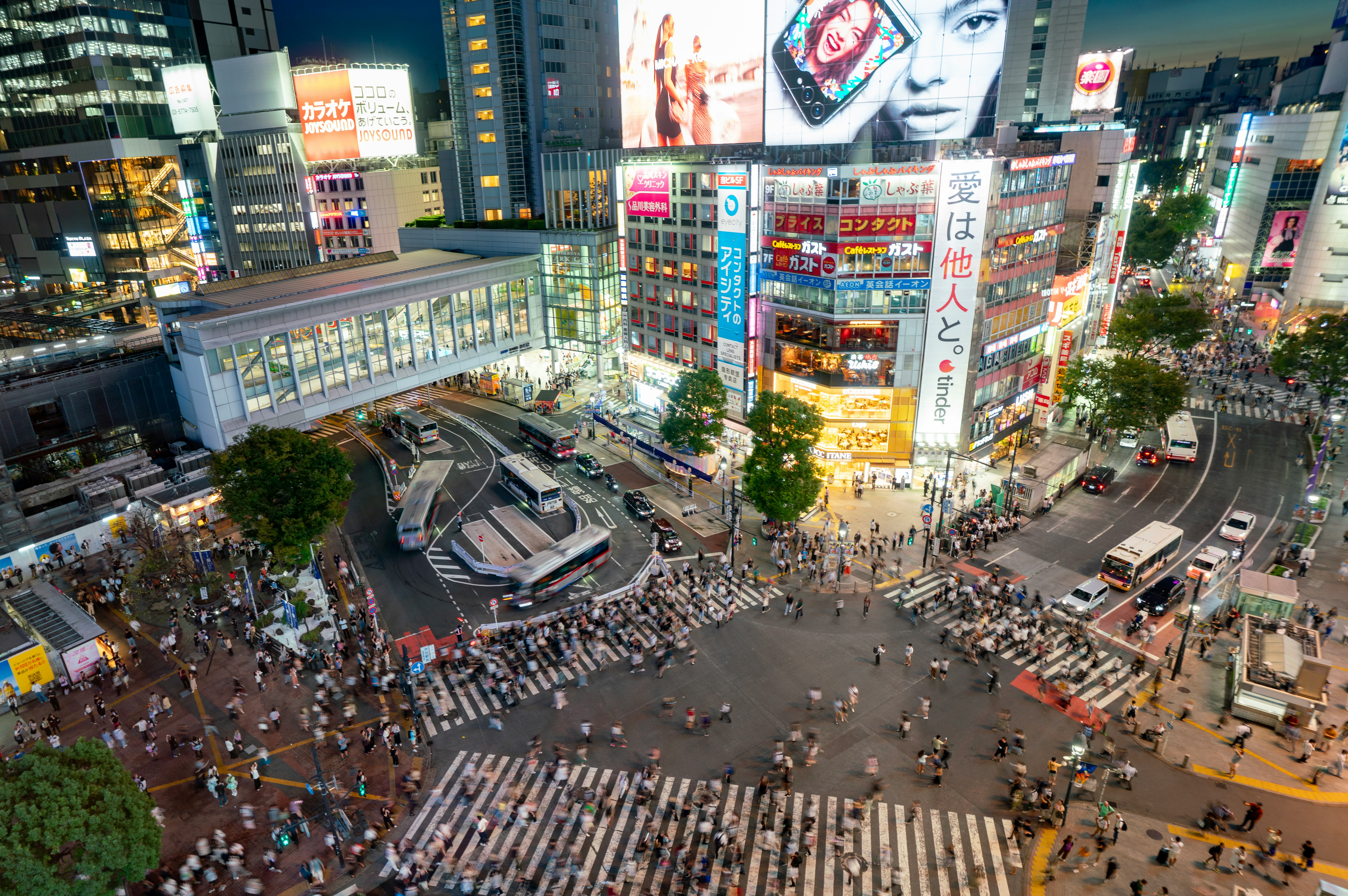
The famous Shibuya Crossing
Start with the serene Meiji Jingu Shrine to find some morning peace before heading into the high-energy fashion districts of Harajuku, Aoyama, and Omotesando. You can experience the "kawaii" culture of Takeshita Street and then walk through the upscale boulevards of Aoyama, which is one of my favorite areas for urban walking and design-focused cafes. End your day at the famous Shibuya Crossing, viewing the "scramble" from an elevated spot like Shibuya Sky.
A note from Tenzin
1. For the best view of the crossing without the crowds of a rooftop, try the Starbucks at Shibuya Tsutaya where there's a giant window, but keep in mind it is a very popular spot.
2. The Shibuya Sky Observation Deck is a rooftop ledge offering 360-degree panoramas over Tokyo. You get a sick view as it’s open-air, but you MUST book tickets in advance (weeks or even months if you want to catch the sunset) as they only offer timed-entry tickets. Most people capture the moment as they move up and down the escalator.
3. A lesser-known spot for tourists to hang out in the evening is Miyashita Park, right across from the Shibuya Station train tracks. It’s on top of a building and there’s even a skatepark and a small soccer field. My friends and I used to buy drinks from the konbini (convenience store) and just hang out there late into the evening.
4. If you happen to visit the Shibuya neighborhood on a weekend, definitely check out the farmers market at the UN University in the morning. You get plenty of fresh produce there, as well as interesting homemade treats at the different stalls.
Day 5 (Tokyo): Markets, palaces & the grandeur of Tokyo Station
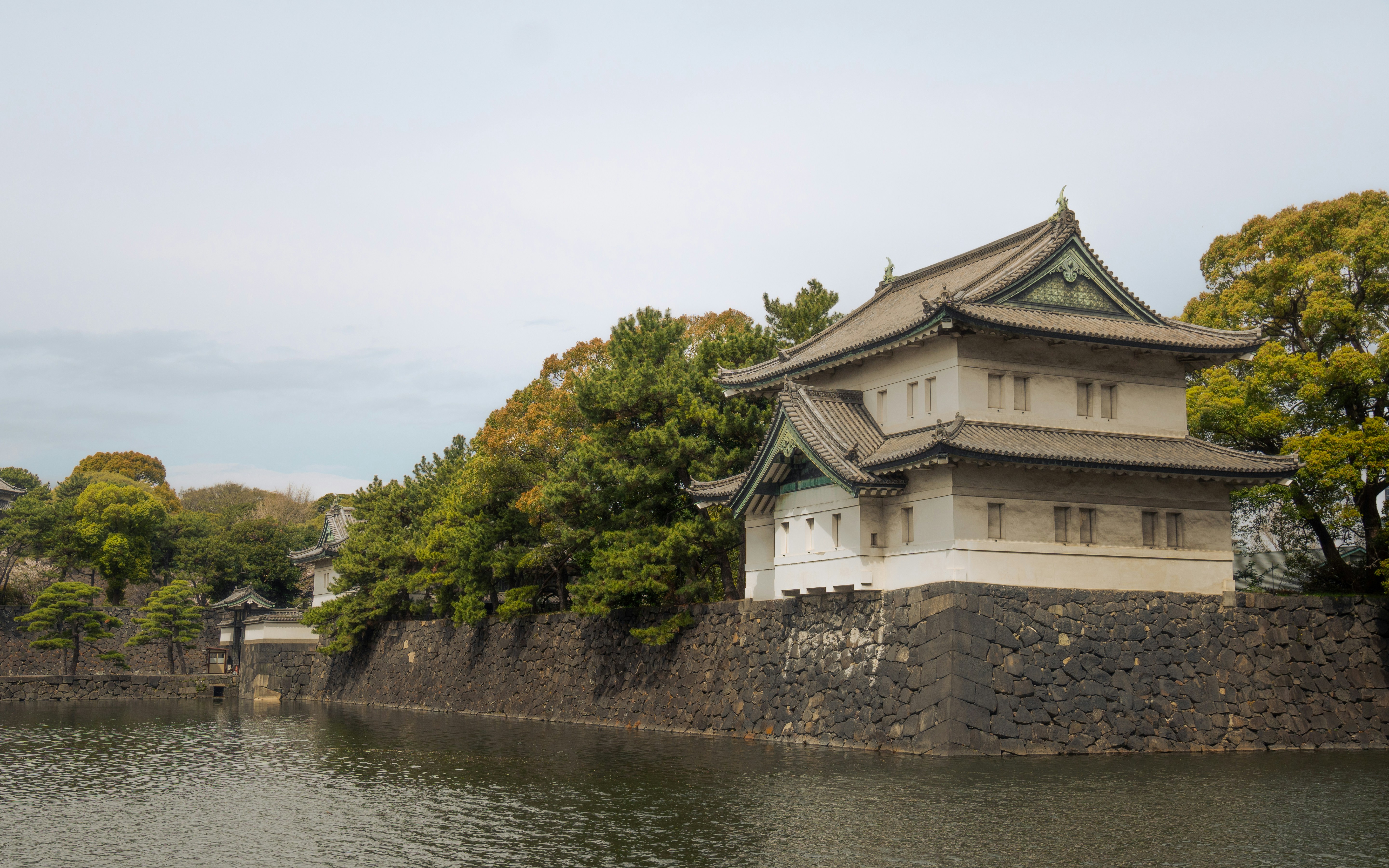
A guard tower at the Tokyo Imperial Palace
Begin your morning at the Tsukiji Outer Market to enjoy fresh seafood and a lively street food atmosphere. From there, visit the Imperial Palace East Gardens for a bit of history before heading to the Ginza district, known for its luxury shopping and impressive flagship stores like the 12-story Uniqlo. As night falls, make your way to the Renaissance-style Tokyo Station to admire its red-brick architecture and explore its massive underground network of shops, known as the First Avenue Tokyo Station. You can seriously spend a good chunk of your day inside the station.
A note from Tenzin
For a stunning and free night view of the station and the city, head to the KITTE Garden rooftop in the Marunouchi neighborhood.
Day 6: Coastal escapes or hidden Tokyo
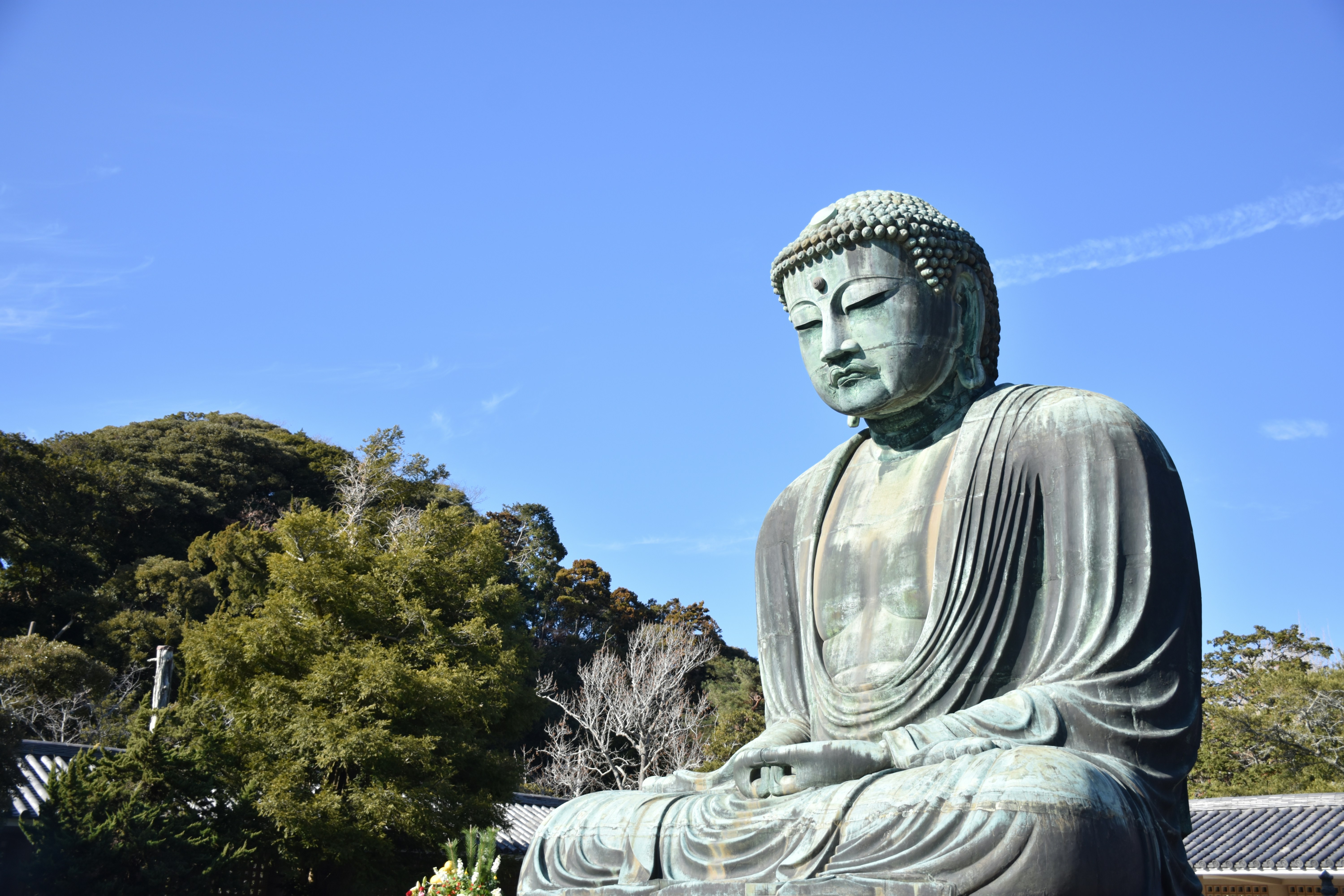
The Daibutsu (Giant Buddha) of Kamakura
This day is designed for flexibility, allowing you to take a day trip to the coastal town of Kamakura to see the Great Buddha or the retro charm of Enoshima Island. On the train ride from Kamakura to Enoshima, you'll pass by the crossing scene from the anime Slam Dunk. You can catch amazing sunsets in Enoshima.
If you prefer to stay in the city, I highly recommend wandering through the trendy neighborhoods of Nakameguro and Daikanyama, which are lined with boutiques and picturesque canal-side cafes. You could also spend the afternoon thrift shopping in Shimo-Kitazawa, the heart of Tokyo’s vintage scene. Then there's Yokohama, a beautiful port-city promenade (Kishamichi Promenade) and home to Japan’s biggest Chinatown.
A note from Tenzin
Other day trips I've done in the past and tips:
1. Visit Inokashira Park (especially in the spring with cherry blossoms in full bloom!) in the Tokyo neighborhood of Kichijoji, one of my favorite green spaces. You can rent a swan boat to go around the lake, and there’s also a small zoo. If you're a fan of Miyazaki's works, within the park is the Ghibli Museum, but you’ll have to get tickets way in advance.
2. Another popular day trip idea is Kawagoe, a historic town filled with well-preserved Edo-period merchant warehouses, a candy alley, and a traditional bell tower. It offers a strong sense of old Japan without the crowds of Kyoto, making it one of the most satisfying half-day trips from Tokyo. My friends and I have also planned out our day by going to Kawagoe in the morning and exploring Yokohama at night.
3. Kamakura is full of temples, including the Kotoku-in Temple where the Daibutsu (Giant Buddha) is located. Others include the Hasedera Temple; the Houkoku-ji Temple (kind of like a mini version of the Arashiyama bamboo grove in Kyoto); and the Meigetsu-in Temple (literally the Hydrangea Temple; the pathway is full of hydrangeas). You should also visit the 800-year-old Tsurgugaoka Hachimangu Shinto Shrine in Kamakura; there’s a huge flight of stairs leading to the main shrine that makes for a nice photo. Near the entrance of the shrine is the picturesque Taiko Bridge where you can take a photo.
Day 7 (Kawaguchiko): Journey to the base of Mount Fuji
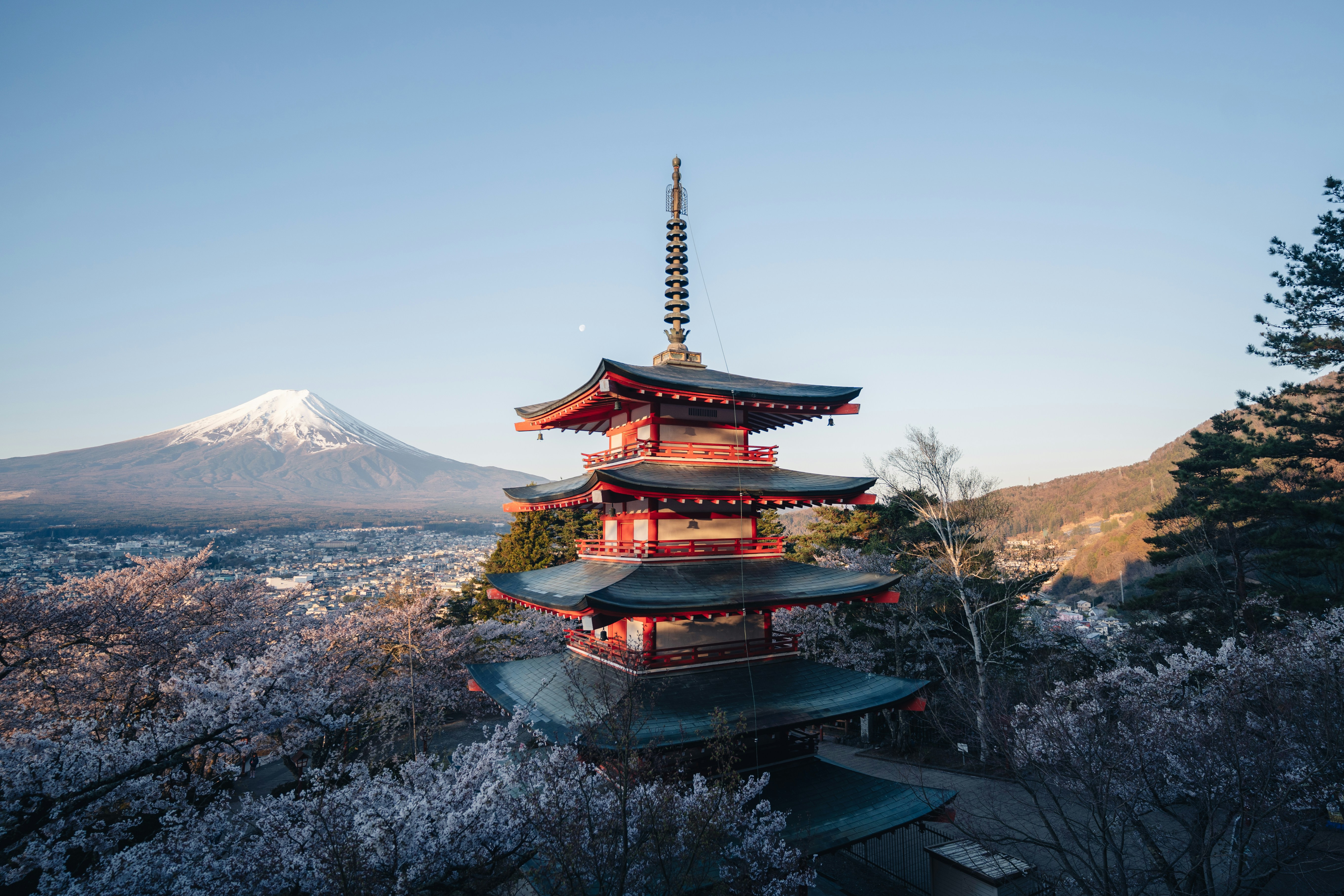
View of Mt. Fuji from Chureita Pagoda
Leave the city behind and head to Kawaguchiko for the best and closest views of Mount Fuji. I recommend renting a bike to ride around Lake Kawaguchi or taking the Mt. Fuji Panoramic Ropeway for an unobstructed view of the peak. Staying overnight in a traditional ryokan with an onsen (hot spring) is the best way to soak in the atmosphere of the region.
A note from Tenzin
1. When taking the train from Tokyo (Otsuki Station onwards), try to sit on the right side of the carriage for the best views of the mountain as you approach. You can also take a direct bus from Shinjuku Station on the Busta Shinjuku Line to Kawaguchiko Station.
2. Near Kawaguchiko Station is the famous Lawson convenience store with the backdrop of Mt. Fuji. It gets crowded there, so queue up to take your photo!
3. You can then visit Oishi Park, a beautifully landscaped lakeside park famous for seasonal flowers and unobstructed Fuji views.
4. Another popular spot to view Mt. Fuji is from the Chureito Pagoda. From Kawaguchiko Station, you ride two stops to Shimoyoshida Station on the Fujikyu Railway service and walk to the pagoda deck. I went there early in the morning so it wasn't super crowded.
Day 8 (Kyoto): High-speed transit to historic Gion
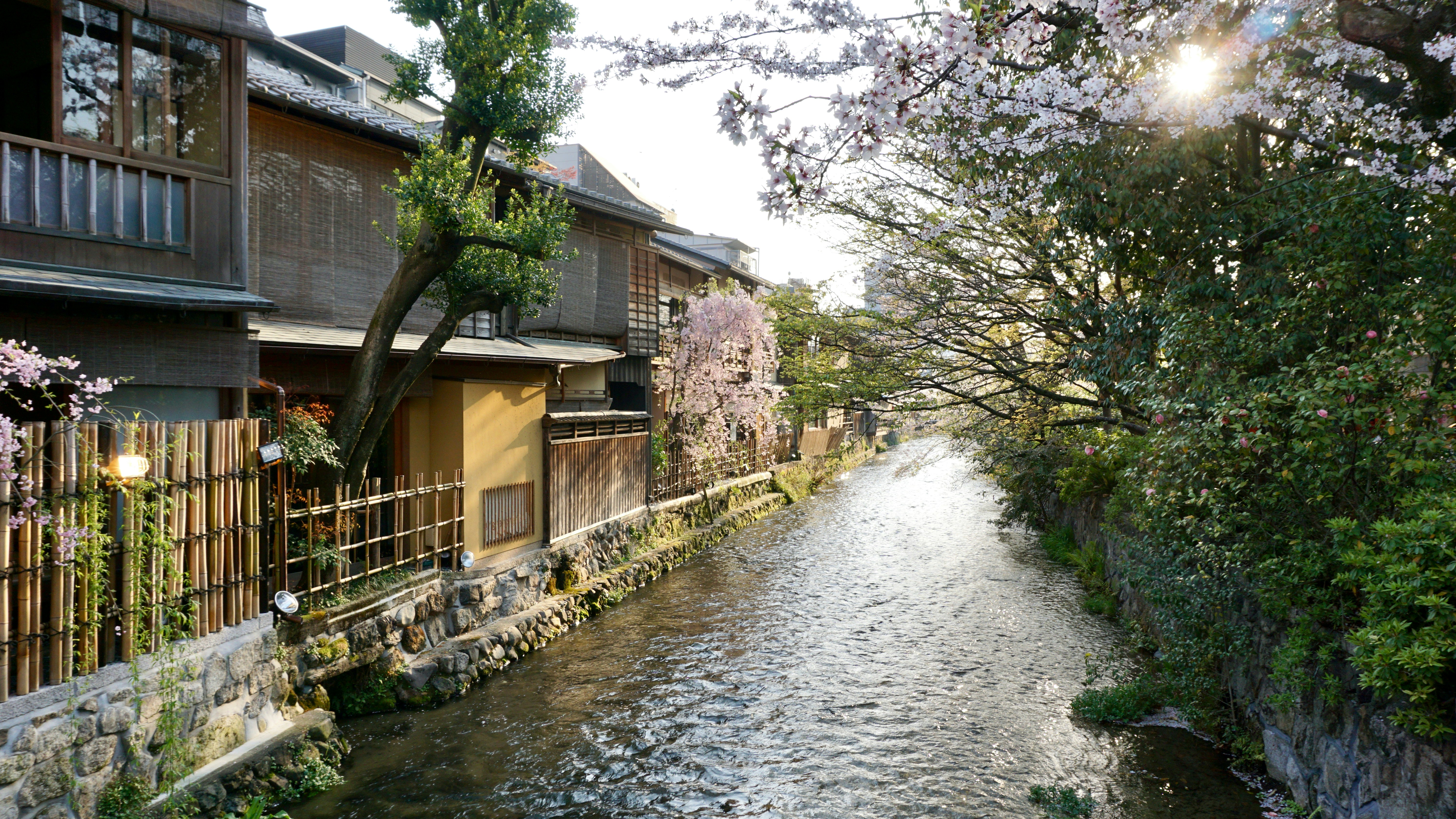
Shirakawa Canal in Kyoto
After a final morning view of Fuji, head back to Tokyo and take the Shinkansen (bullet train) from Tokyo or Shinagawa Station directly to Kyoto. Once you've checked into your hotel, spend your evening in the Gion District, Kyoto’s iconic geisha quarter, where the streets come alive with lanterns at dusk. Walking along the willow-lined Shirakawa Canal is the perfect, quiet way to ease into the city's ancient pace.
A note from Tenzin
1. If you are lucky enough to spot a geisha or maiko, please be respectful and do not obstruct their path.
2. The journey from Tokyo to Kyoto is about 2.5 hours, depending on which Shinkansen line you take. Nozomi is the fastest, followed by the Hikari and Kodama lines.
Day 9 (Kyoto): The temples & lanes of Eastern Kyoto
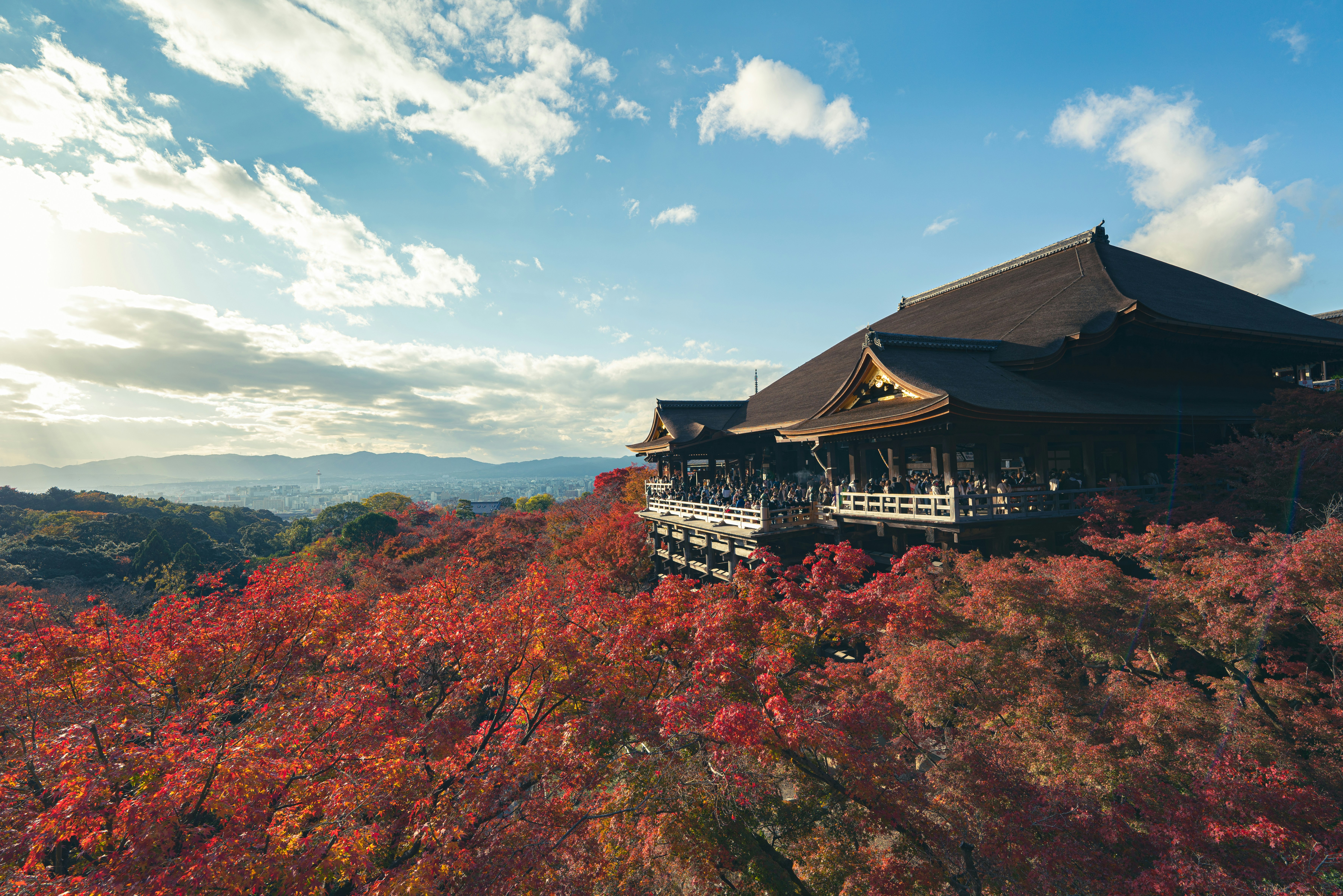
Kiyomizu-dera Temple in Eastern Tokyo
Dedicate this day to the Higashiyama Ward, starting with the hilltop Kiyomizu-dera Temple, which offers expansive views of the city. From the temple, wander down the historic Ninenzaka and Sannenzaka lanes, which are filled with traditional teahouses and craft shops that make for excellent souvenir hunting. If you have extra energy, you can explore the Teramachi and Shin-Kyogoku shopping arcades for some retail therapy.
A note from Tenzin
1. Consider booking a geisha or maiko performance at the Kamishichiken Kaburenjo Theatre for a unique cultural experience in the evening.
2. If you feel like you still have a lot of time on your hands, you can check out the International Manga Museum or do souvenir shopping and engage in retail therapy at the following spots: Teramachi Arcade, Shin-Kyogoku Arcade, Kawaramachi, Sanjō-dōri, Shijō-dōri, or Teramachi-dōri above Nijō-dōri. You could also do this in the morning before heading to Osaka on Day 12.
Day 10 (Kyoto): Bamboo groves & golden pavilions
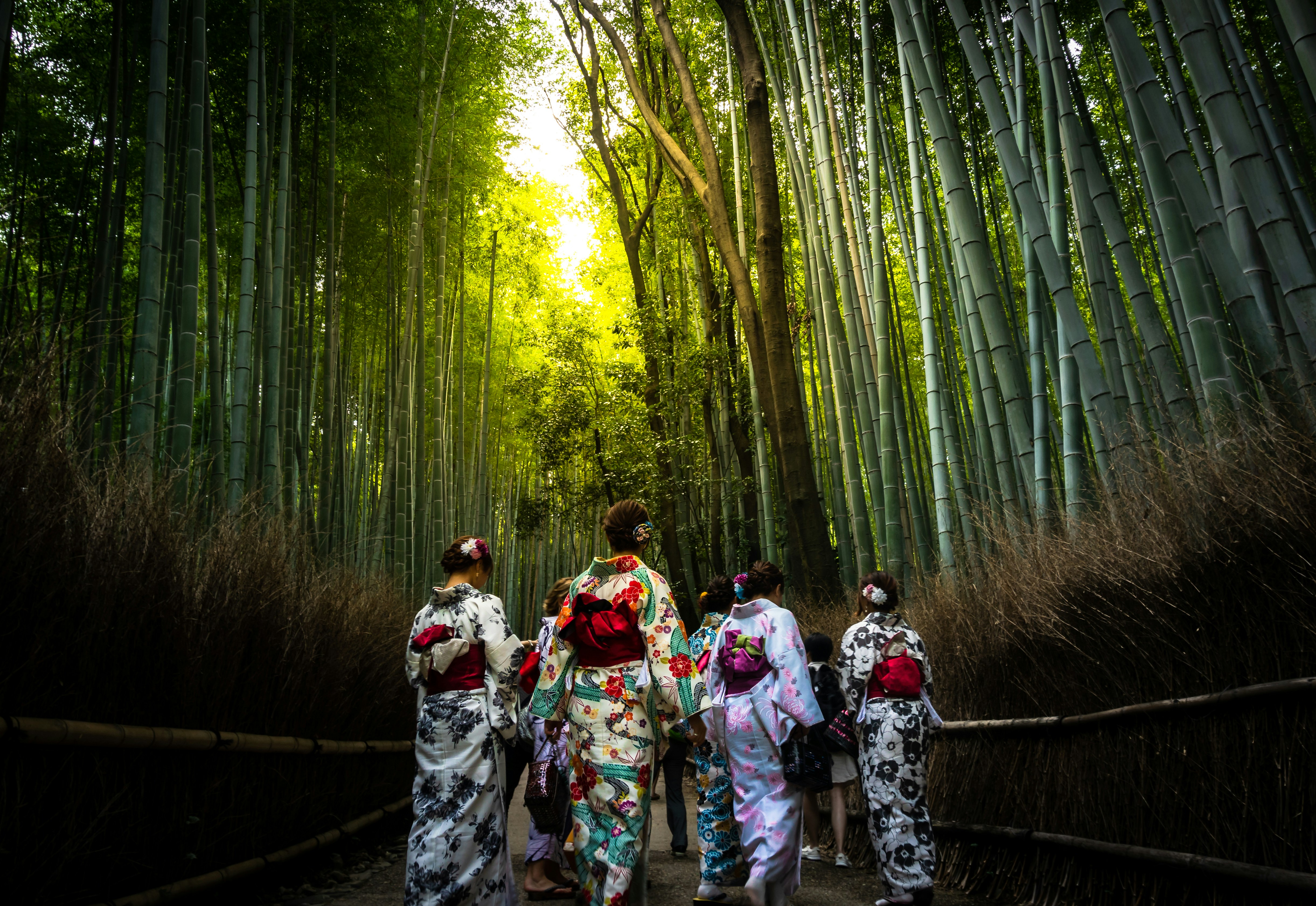
Arashiyama Bamboo Forest
Arrive at the Arashiyama Bamboo Grove very early in the morning to experience the ethereal forest walk before the crowds arrive. Afterward, visit the nearby Tenryu-ji Zen temple and the famous Kinkaku-ji, or Golden Pavilion, which is strikingly covered in gold leaf. You can finish the afternoon with a relaxed stroll across the Togetsukyo Bridge or a visit to the Arashiyama Monkey Park. And if you get tired of visiting temples, check out the Nishiki Market, a historic Kyoto food market showcasing local specialties.
A note from Tenzin
1. For a more scenic journey to Arashiyama, look into the Hozu-gawa River Boat Ride or the open-window Sagano Scenic Railway. The latter is a great option if you're traveling in autumn as you can see the vibrant color transformation of the tree leaves.
2. There’s also the amazing Saihōji Moss Temple, but you’d have to reserve a month or two in advance.
Day 11: Deer & Daibutsu in Nara
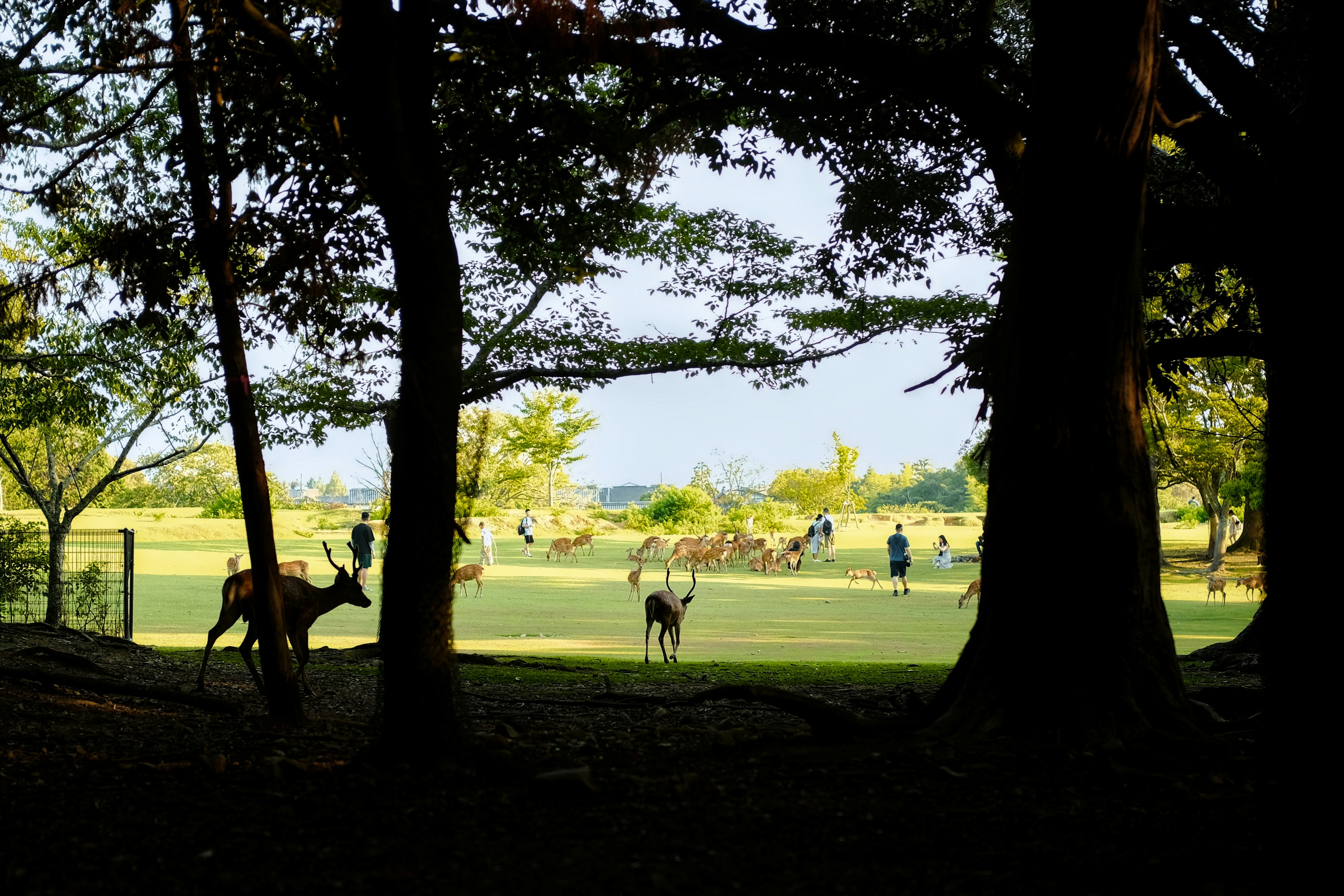
Sika deers at Nara Park
From Kyoto, take a short day trip to Nara, the ancient capital of Japan, which is just 45 minutes from Kyoto Station. The main attraction here is Nara Park, where you can feed the friendly Sika deer, followed by a visit to the massive Todai-ji Temple, which houses a giant bronze Buddha statue (Daibutsu). Don't forget to visit the lantern-lined forest shrine of Kasuga-taisha before heading back to Kyoto for the evening.
A note from Tenzin
Get off at Kintetsu-Nara Station rather than JR Nara, as it is much closer to the park and the major temples.
Day 12 (Osaka): Vermilion gates & street food
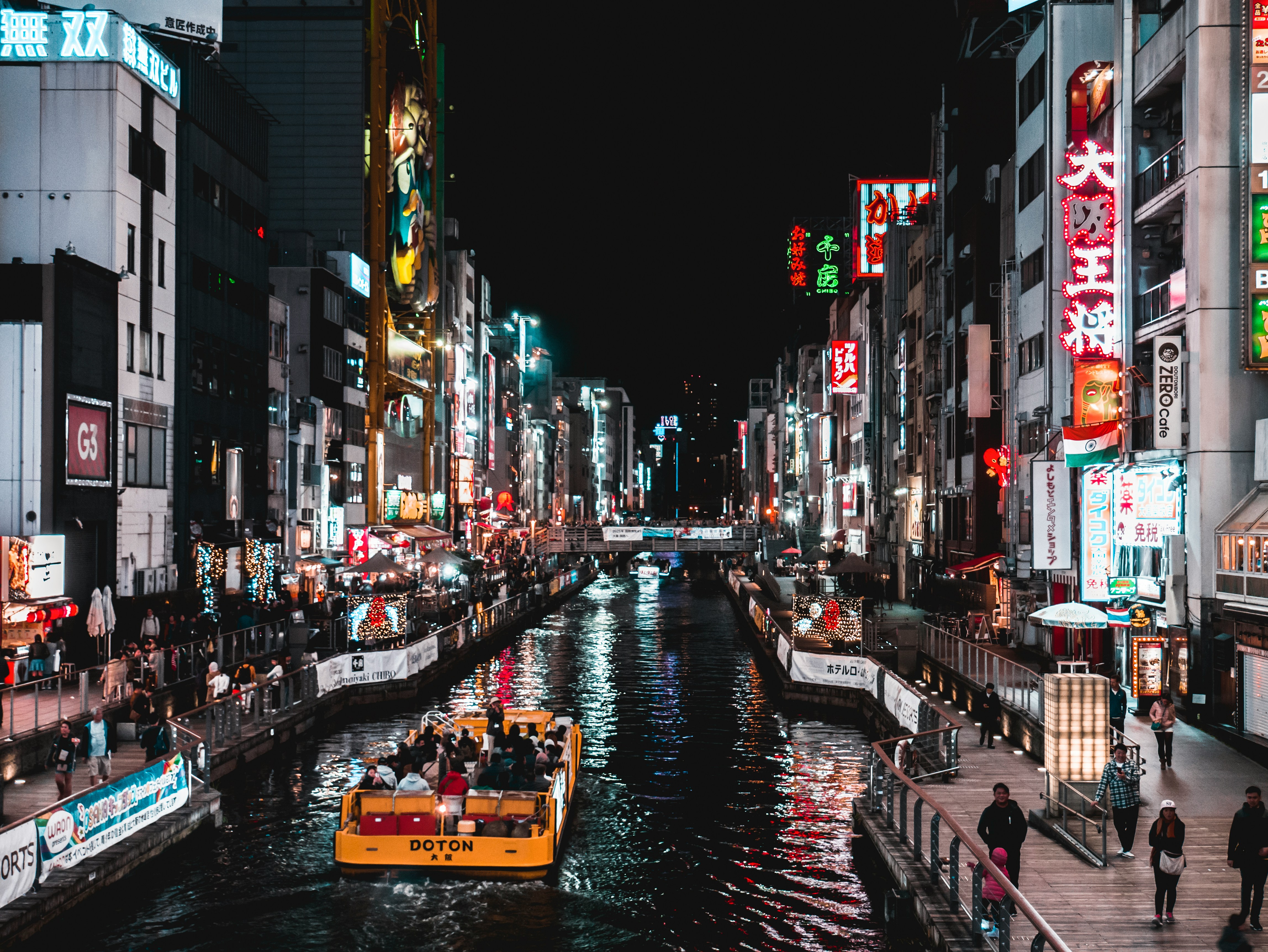
The Dotonbori Canal at night
Start your final day in Kyoto by visiting the Fushimi Inari Taisha, walking through the thousands of vermilion torii gates that wind up the mountainside. In the afternoon or when dusk starts to settle in, take a 30-minute train ride to Osaka to explore the vibrant and neon-lit Dotonbori district. Osaka is the food capital of Japan, so be sure to try local specialties like takoyaki (octopus balls) and okonomiyaki (savory pancakes).
A note from Tenzin
1. I recommend skipping the interior of Osaka Castle, as it can be time-consuming; the exterior and surrounding park are much more rewarding for a quick visit.
2. I have friends who preferred to stay the night in Osaka, instead of visiting Nara on Day 11. I myself have done this. If you have more time to spend in Osaka, don't forget to visit the incredible Osaka Aquarium, one of the largest aquariums in the world.
3. You can also visit teamLab Botanical Garden, an outdoor exhibition that blends art and nature using digital technology. Make sure to get tickets in advance.
Day 13: Final souvenirs & a return to Tokyo
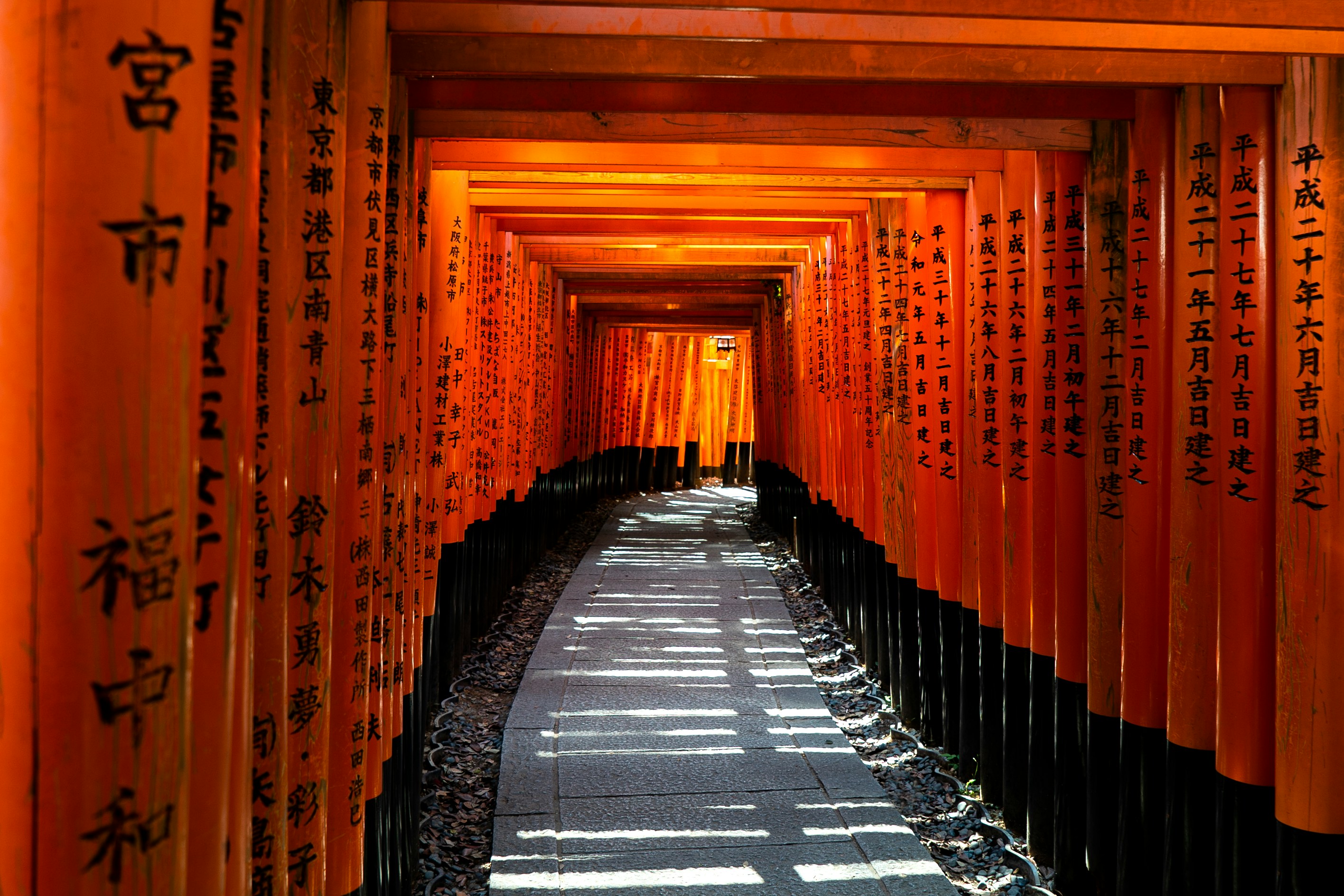
The vermillion torii gates leading to the Fushimi Inari Shrine.
Use your final morning in Kyoto to catch any spots you missed, such as the Nishiki "Kitchen of Kyoto" Market, before taking the Shinkansen back to Tokyo. Once back in the capital, revisit a favorite neighborhood for last-minute shopping or explore a new area you didn't have time for earlier in the trip. This is the perfect time to visit a Don Quijote store to stock up on unique Japanese snacks and cosmetics to take home.
A note from Tenzin
Utilize station lockers for your luggage so you can explore freely without dragging your bags through the city on your final day.
Day 14: Departure & final logistics
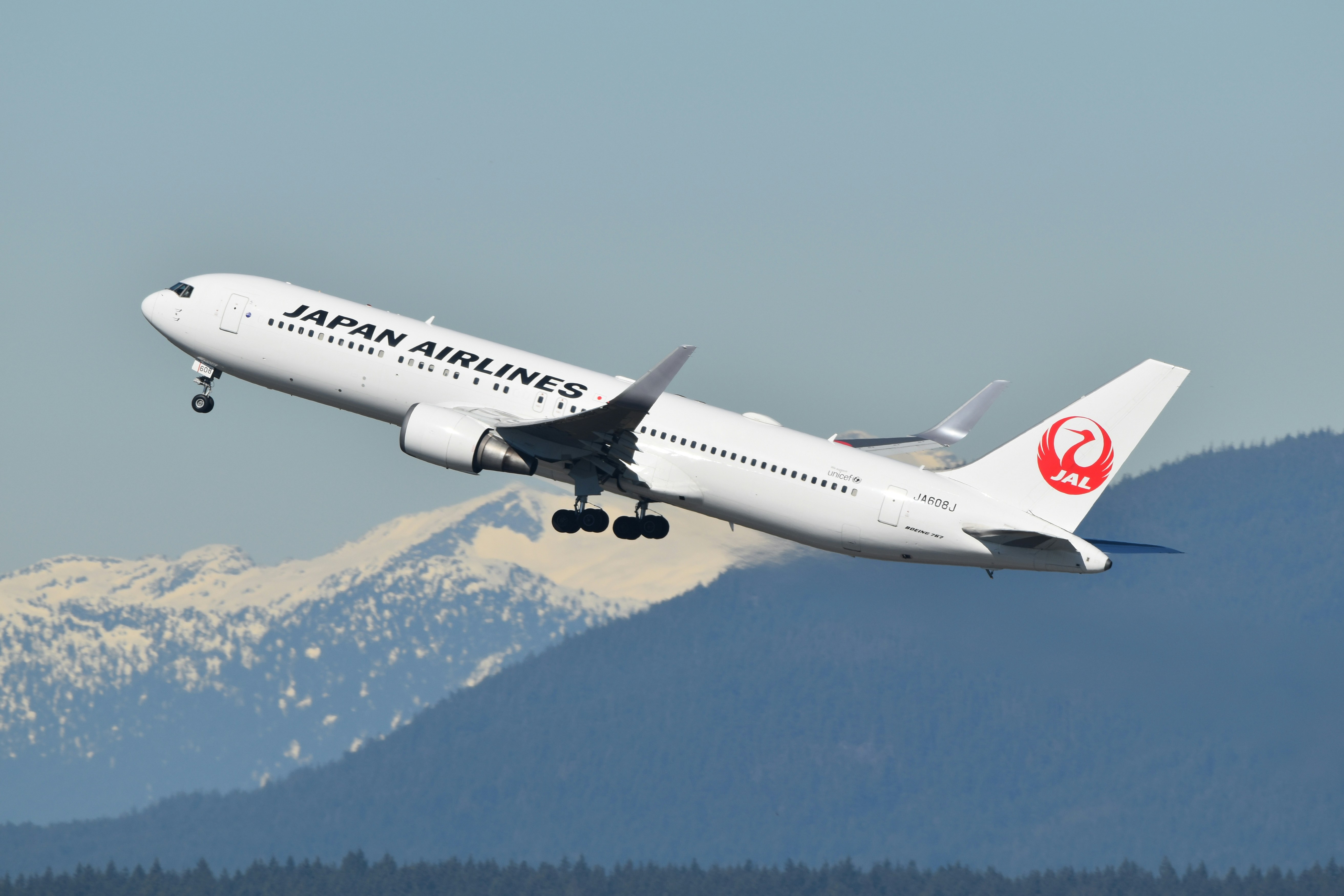
Japan Airlines
Depending on whether you are flying out of Narita or Haneda, plan your transit carefully to ensure a stress-free departure. Haneda is much closer to central Tokyo, while Narita requires a longer journey via the Narita Express or Keisei Skyliner. If possible, avoid traveling during peak rush hours (7:30 a.m.–9:30 a.m. and 5 p.m.–7:30 p.m.), as navigating the stations with luggage can be extremely difficult.
A note from Tenzin
If you are traveling with lots of luggage, I highly recommend using a luggage-forwarding service (takkyubin) from your hotel to the airport so you don't have to carry heavy bags on your final train ride.
Need to know
Other pro tips
1. Normally, I would recommend getting a nationwide JR Pass if you’re traveling all over Japan. But the new prices are quite high, and if your long-distance rides are limited to just Tokyo and Kyoto, and short regional hops like Kyoto to Nara and Kyoto to Osaka, I think you’re better off buying individual tickets and using IC cards (Suica or Pasmo). You can add the cards into your Apple Wallet and recharge using Apple Pay. The IC cards can be used to pay for anything—travel, food, shopping, etc.
2. When traveling within Tokyo, definitely get a 24-, 48- or 72-hour subway pass. You get unlimited rides on the Tokyo Metro (Ginza; Marunouchi; Hibiya; Tozai; Chiyoda; Yurakucho; Hanzomon; Namboku; Fukutoshin) and Toei Lines (Asakusa; Mita; Shinjuku; Oedo) but not on the JR Lines (any lines that start with the letter “J”). For the JR Lines, you can use your IC card or buy individual tickets. I usually get my subway pass from Klook.
3. Get a pocket Wi-Fi or an eSIM. I’ve used eSIMs from all of the following companies and never had a problem: Nomad; Klook; Ubigi; Saily; Airalo.
4. A note on chain stores and what you can get from each:
Don Quijote (Donki): A heaven for snacks, cosmetics, and other souvenirs to take back home.
Bic Camera and Yodabashi Camera: All electronic stuff.
Konibini (convenience stores): Like 7-Eleven, Family Mart, and Lawson for ATMs, coffee, and quick meals.
Daiso: 100-yen store. Their version of the dollar store.
Book Off: Second-hand store where you can literally get anything. The Super Bazaar branches are much bigger.
5. Make sure to get tickets in advance for popular attractions like teamLab Planets (two locations: one in Azabudai Hills and the other in Toyosu), Disneyland or DisneySea, Ghibli Studio Museum, Universal Studios, Warner Bros. Studio Tour (Harry Potter) Pokemon Cafe (no tickets needed—just a reservation), PokePark Kanto, Shibuya Sky, etc.
6. Carry a trash bag at all times as trash cans are rare.
7. Utilize the lockers at the train stations. They’re not that expensive and then you don't need to drag your stuff all around the city.
8. Cash is king. Carry some even though most places accept digital payments.
9. Use luggage-forwarding services from the airport or train stations to send your luggage to your accommodation. Your hotel front desk can do it as well. It’s not that expensive and definitely worth it.
10. Have your passport with you at all times to get the tax-free privilege when purchasing items.


Travel Advisor
Tenzin Topden
Get in touch with Tenzin Topden
Did you like this guide? Reach out to customize and book your own experience. Or, just to chat about travel in general.
You can expect a response from Tenzin Topden within 1–2 business days. You’ll also be subscribed to our traveler newsletter (you can unsubscribe at any time).
For more inspiration and insider recommendations, visit our Japan page.