




Curator’s statement
Panama City is one of those rare destinations I confidently build into itineraries because it truly delivers—culture, cuisine, history, luxury, and adventure in one seamless experience. From the engineering marvel of the Panama Canal to the cobblestone charm of Casco Viejo, Panama City offers depth and contrast at every turn. More than a stopover, it’s a dynamic gateway—perfect as a sophisticated long weekend or the ideal starting point for a larger Panama journey. Whether you’re sipping rooftop cocktails at sunset, exploring rainforest trails within city limits, or using the capital as your launch point to the islands, this city delivers depth, diversity, and discovery in every direction.
The Fora Difference
Book with Jaimie Bayer to access exclusive perks and experiences on your trip.

Killer perks
Free upgrades, spa credits and more—we got you

Personalized recs
Customized travel planning for your style

Insider knowledge
Expert advice from people who’ve actually been there
Where to stay in Panama City
Unlock perks by contacting Jaimie Bayer to book your trip.
Things to do in Panama City
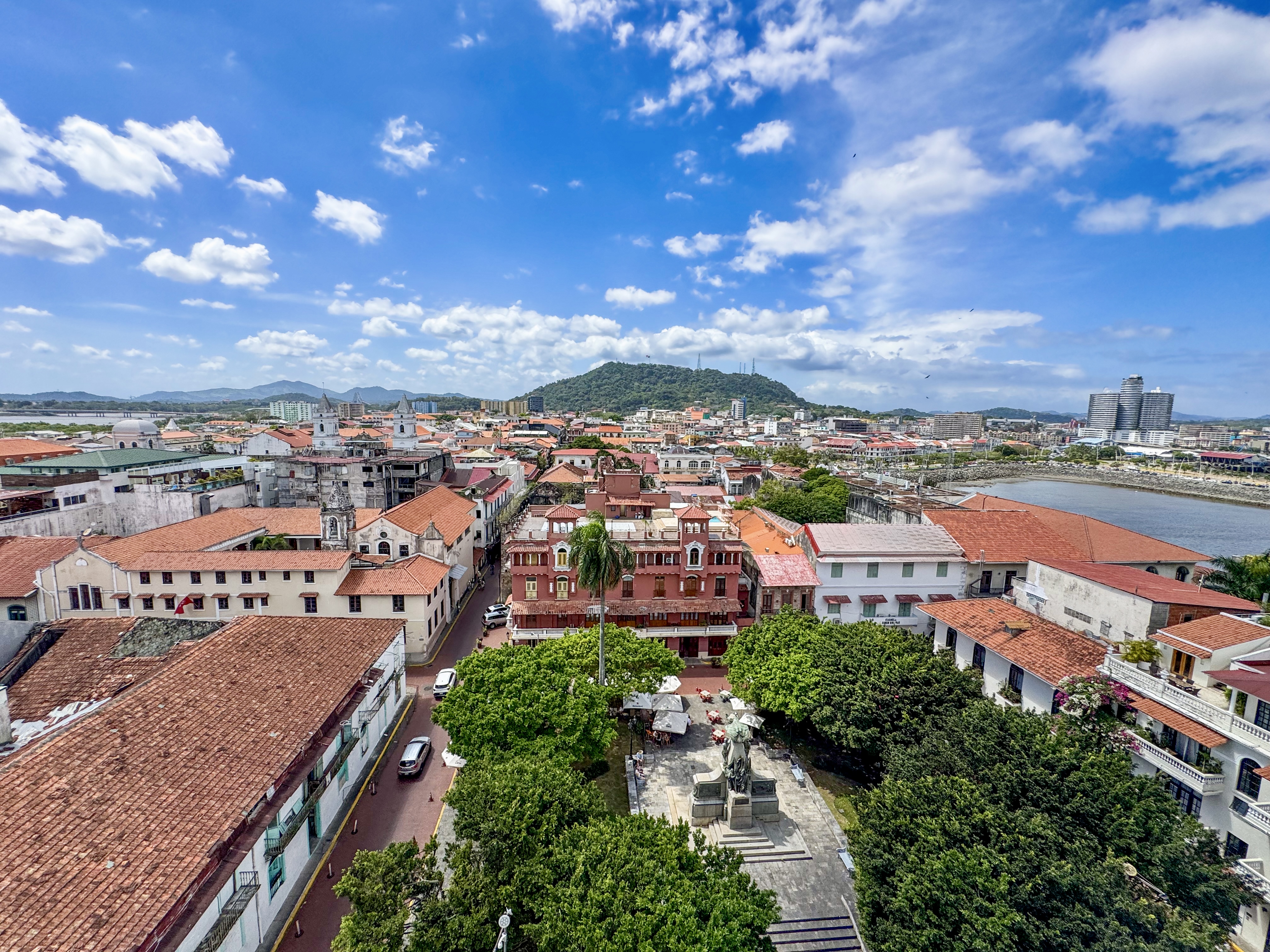
View of Casco Viejo from Mirador de San Francisco de Asís
Depending on how many days you have on your stopover, each activity can be tailored to fit any schedule. I had three full days and it was perfect—just the right amount of time to explore historic sites, shop, and explore.
Panama Canal
A visit to the Panama Canal is an absolute must while in Panama City. The easiest access point is the Miraflores Locks, which you can reach by taxi, Uber, or public transportation.
Boats typically pass through twice daily—morning and afternoon—and I highly recommend going in the morning when traffic is heavier (I saw three ships pass). Arrive just before 8 a.m. to purchase your ticket and secure a prime viewing spot on the observation deck. I bought my ticket on site without any issue.
The canal stretches approximately 50 miles (80 km) across the country, connecting the Atlantic and Pacific. The Miraflores Locks offer the primary public viewing point on the Pacific side of the Panama Canal. These are part of the canal’s original lock system, inaugurated in 1914, and you’ll typically see Panamax-size vessels—the ships built to fit the canal’s original lock dimensions—passing through here. On the Atlantic side, near Colón, visitors can observe transits from the Agua Clara Locks, where the expanded canal (opened in 2016) accommodates much larger Neo-Panamax container ships.
Tickets are approximately $17 and include the IMAX film experience, which is absolutely worth it. The film, narrated by Morgan Freeman, shares the powerful history behind the canal’s construction and global impact. The showing I attended began at 9:45 a.m., ran about 45 minutes, and was perfectly timed so guests could watch several ships transit before heading into the theater.
Casco Viejo
My favorite area of Panama City is, hands down, Casco Viejo. This charming neighborhood blends colonial architecture, vibrant streets, and modern touches, making it a must-visit for first-timers and return visitors alike. Sprinkled with boutiques, cafés, restaurants, churches, government buildings (yes, even the president lives here), and remnants of old archaeological ruins, Casco Viejo feels alive at every corner. I personally stayed both here and in the financial district, and while both areas were amazing, there’s something magical about wandering Casco Viejo’s streets with no set destination in mind.
Some points of interest you shouldn’t miss:
Calle de los Sombreros: A colorful street lined with authentic Panama hats.
Cacao Street: Home to I Love Panama Chocolate, perfect for picking up a delicious, locally made souvenir.
Independence Square: Sit at the Central Hotel, enjoy a drink, and watch street performers, locals, and visitors go by.
Mirador de San Francisco de Asís: Adjacent to Palacio Bolívar, this church offers a small $8 fee to climb to the top for a 360-degree view of the city, Casco, and the ocean—absolutely worth it for the perspective alone.
Just outside the historic core is Plaza V Centenario, a peaceful spot with a small beach, street vendors, cacao trees, and a flower-lined walkway—perfect for a leisurely stroll or a sunset pause. Casco Viejo is a neighborhood best explored on foot, where every corner tells a story and every street invites discovery.
Bike the Amador Causeway
A perfect afternoon activity, the Amador Causeway is a scenic roadway built from rocks excavated during the construction of the Panama Canal. It connects the mainland to four small Pacific islands—Naos, Perico, Culebra, and Flamenco—and offers sweeping views of both the ocean and the skyline of Panama City.
There are numerous bike rental shops along the route, so you can begin near the mainland entrance or rent closer to Flamenco Island, depending on how long you’d like to ride. The path is mostly flat and well paved, making it accessible for all fitness levels. Along the way, you’ll find waterfront restaurants, cafés, small shops, marinas, and the iconic “Panama” sign at the Flamenco marina docks—a great photo stop. For a longer ride, you can continue onto the Cinta Costera pathway that stretches toward the city’s financial district.
Hike Ancón Hill
For an easy and rewarding morning adventure, Ancón Hill is a local favorite—best tackled early before the tropical heat sets in. The hike takes about an hour round trip along a paved, mostly shaded road that winds through lush rainforest within city limits.
At 654 feet (199 meters) above sea level, it’s one of the highest points in the city, offering panoramic views of the skyline, the Panama Canal entrance, the Bridge of the Americas, and even the Pacific coastline on clear days. There is no entrance fee—just a guest book to sign at the start of the trail.
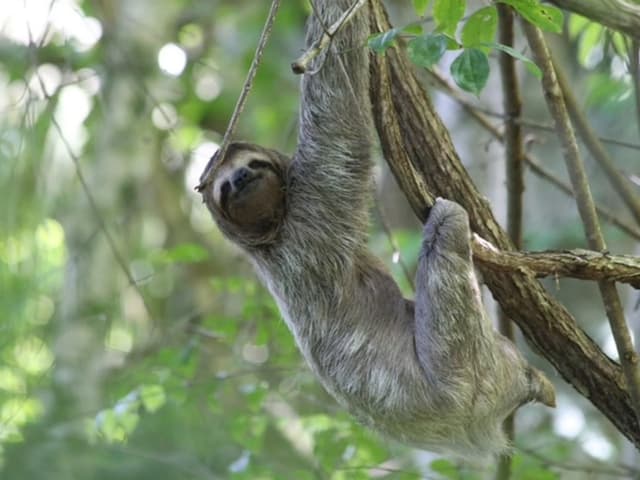
Wildlife sightings are common, so keep an eye out for toucans, sloths, tamarin monkeys, and other tropical birds and small mammals. It’s a beautiful way to experience Panama City’s unique blend of urban energy and wild nature in one unforgettable viewpoint.
Panamá Viejo
Founded in 1519, Panamá Viejo is the original site of Panama City and the first permanent European settlement on the Pacific coast of the Americas. Today, the site is a UNESCO-listed archaeological complex spanning over 50 acres, where you can walk among the ruins of convents, monasteries, plazas, and colonial residences. The cathedral tower is the most iconic structure—and climbing it rewards you with sweeping views of modern-day Panama City’s skyline rising dramatically behind the ancient stone remains.
Tickets are approximately $17 and include access to the small but well-curated museum, which provides historical context, artifacts, and a timeline of the city’s founding and destruction. One of the highlights here is the freedom to explore and photograph the ruins up close—something that feels refreshingly immersive compared to many heavily restricted archaeological sites elsewhere in Latin America.
Metropolitan Natural Park
Metropolitan Natural Park (Parque Natural Metropolitano) is one of the few tropical forests in the world located within a capital city. Spanning approximately 573 acres (232 hectares), it serves as a protected ecological reserve and a vital green lung for Panama City.
The park features several well-marked trails ranging from easy to moderate difficulty, leading to lookout points with panoramic views of the skyline, the Panama Canal, and even the Bridge of the Americas on clear days. It’s home to more than 250 bird species and over 45 mammal species, including sloths, tamarins, agoutis, and coatimundis—making it a favorite for birdwatchers and wildlife enthusiasts.
Entry is around $5 for non-residents. You can opt for a self-guided hike during the day or book a guided night tour for a chance to see more active nocturnal wildlife. If incorporating nature and soft adventure into your Panama City itinerary is important, this park offers an incredibly accessible rainforest experience without ever leaving the city limits.
Places to eat & drink in Panama City
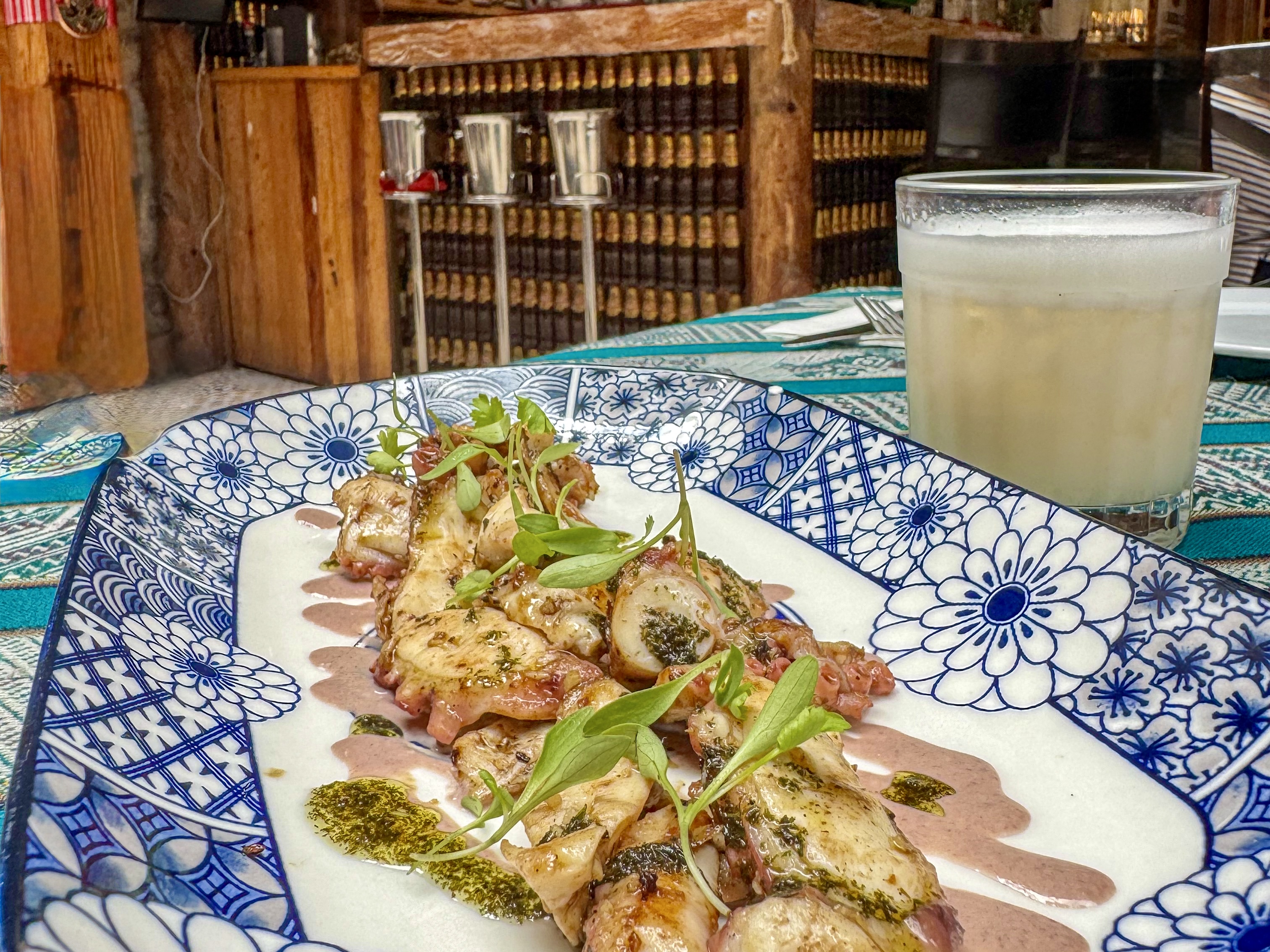
Pulpo al carbón and Pisco sour at Nazca 21
Dining & rooftop favorites in Casco Viejo
Casco Viejo is not only a feast for the eyes but also a food lover’s paradise. From casual bites to rooftop cocktails with panoramic views, the neighborhood is packed with spots that are as memorable as the streets themselves. Here are my top recommendations:
Nazca 21: Hands down my favorite place to eat in Panama City. So good I went twice in three days! This small, authentic Peruvian spot is steps from Independence Square. Their $6 Pisco sours are irresistible (I had three in one sitting!), and the food is phenomenal—don’t miss the octopus al carbón (hot) and anticucho limeño (beef heart). The cheesy potatoes are a must-try side.
Marzola Parrilla: An art-filled Argentine steakhouse with quirky décor like chairs on the ceiling and old pay phones. The menu itself is presented on wine bottles. Go for steak and wine, and I loved adding the roasted eggplant as a side. If possible, snag a street-side table for excellent people-watching. Portions are generous, and the vibe is unforgettable.
Tántalo Hotel & Rooftop: Right next to Nazca 21, this rooftop bar is the perfect sunset spot. The space is artistically decorated, has an electric bathroom experience, hosts nightly DJs, and serves craft cocktails and small bites—ideal for a relaxed evening.
AMB Sabor: A stylish rooftop spot atop the Central Hotel. Great for tapas-style plates like ceviche, empanadas, octopus, and chorizo while enjoying city views and a solid wine selection.
Kaandela: An upscale option located in the Amarla Boutique Hotel. Reservations are recommended for a refined dining experience.
Santa Rita: Elegant Spanish-inspired cuisine with both large and small plates. Consistently ranked among the city’s top dining spots; reservations advised.
Mercado de Marisco: For the freshest seafood, this bustling fish market along the Cinta Costera is unbeatable. Perfect for lunch while walking between the financial district and Casco Viejo. Multiple small restaurants here serve ceviche, fried fish, and local specialties—casual, vibrant, and authentically Panamanian.
Whether you’re hunting for inventive cocktails, sunset views, or authentic local flavors, Casco Viejo’s dining scene offers an unforgettable culinary journey.
Need to know
Panama City is the perfect stopover between jungle adventures to the north or island-hopping to the east. Whether you have a day or a week, the city offers a mix of history, culture, nature, and modern luxury.
Where to stay
Casco Viejo: Ideal for walkability, vibrant streets, and historic charm. The Cinta Costera walking path connects Casco Viejo to the financial district, and Ubers are generally around $5. Expect slightly higher prices for food and drinks, and, depending on location, some nightlife noise. I stayed at the Central Hotel, the city’s oldest hotel, steps from Independence Square, restaurants, and shops. The rooms are small and the property is older, but the historic charm is unbeatable.
Financial District: Home to larger international hotels, skyscrapers, and bigger pools. Bristol Panama is a standout boutique option. Perks include a spacious gym, outstanding service, and a Sunday brunch that was the most impressive I’ve ever experienced—think taco bars, omelet stations, cheese and charcuterie spreads, hot dishes, and fresh juice bars.
Getting around
Taxis, Ubers, and buses are plentiful, but I highly recommend booking a private driver. Drivers can safely transport you to and from airports, navigate the city’s heavy traffic, and take you to multiple points of interest efficiently. My driver, Omar, and his family run a private tourist service and offer personalized recommendations for tours, restaurants, and activities—including back roads to quickly access Casco Viejo. Contact me for his details.
Domestic flights
If you’re flying within Panama on Air Panama, note that the domestic airport is separate from the international airport. Check-in opens just one hour before departure, and security about 30 minutes prior. There’s a small coffee shop to relax while you wait, and with Omar’s help, I even had Wi-Fi access.
Language
Spanish is the official language, but English is widely spoken in tourist areas, hotels, and restaurants. A few basic Spanish phrases go a long way for taxis, markets, or casual conversation.
Local apps
Uber works reliably throughout the city and is often cheaper than taxis. For public buses, the MiBus app shows routes and schedules if you want to explore like a local.
Weather & seasons
Dry season: January–March (best for city walks and outdoor excursions). Bring a small umbrella or lightweight rain jacket just in case.
Rainy season: May–November (afternoons often see brief showers, but mornings are still good for activities). Bring a small umbrella or lightweight rain jacket just in case.
Panama City is the perfect blend of history, modernity, and tropical adventure. From the colonial charm of Casco Viejo and the engineering marvel of the Panama Canal, to lush city parks and scenic waterfronts like the Amador Causeway, the city offers something for every traveler.


Travel Advisor
Jaimie Bayer

Jaimie Bayer

Get in touch with Jaimie Bayer
Did you like this guide? Reach out to customize and book your own experience. Or, just to chat about travel in general.
For more inspiration and insider recommendations, visit our Panama page.