



Curator’s statement
Barcelona is one of Europe’s most dynamic cities—a place where modernist architecture meets Mediterranean coastline, where vermut is a daily ritual, and where creative culture shapes everything from food to fashion. Because Barcelona isn’t a city you conquer—it’s a city you absorb.
The Fora Difference
Book with Travel House Atelier to access exclusive perks and experiences on your trip.

Killer perks
Free upgrades, spa credits and more—we got you

Personalized recs
Customized travel planning for your style

Insider knowledge
Expert advice from people who’ve actually been there
Where to stay
Unlock perks by contacting Travel House Atelier to book your trip.
Day 1: Eixample & Gaudí, done properly
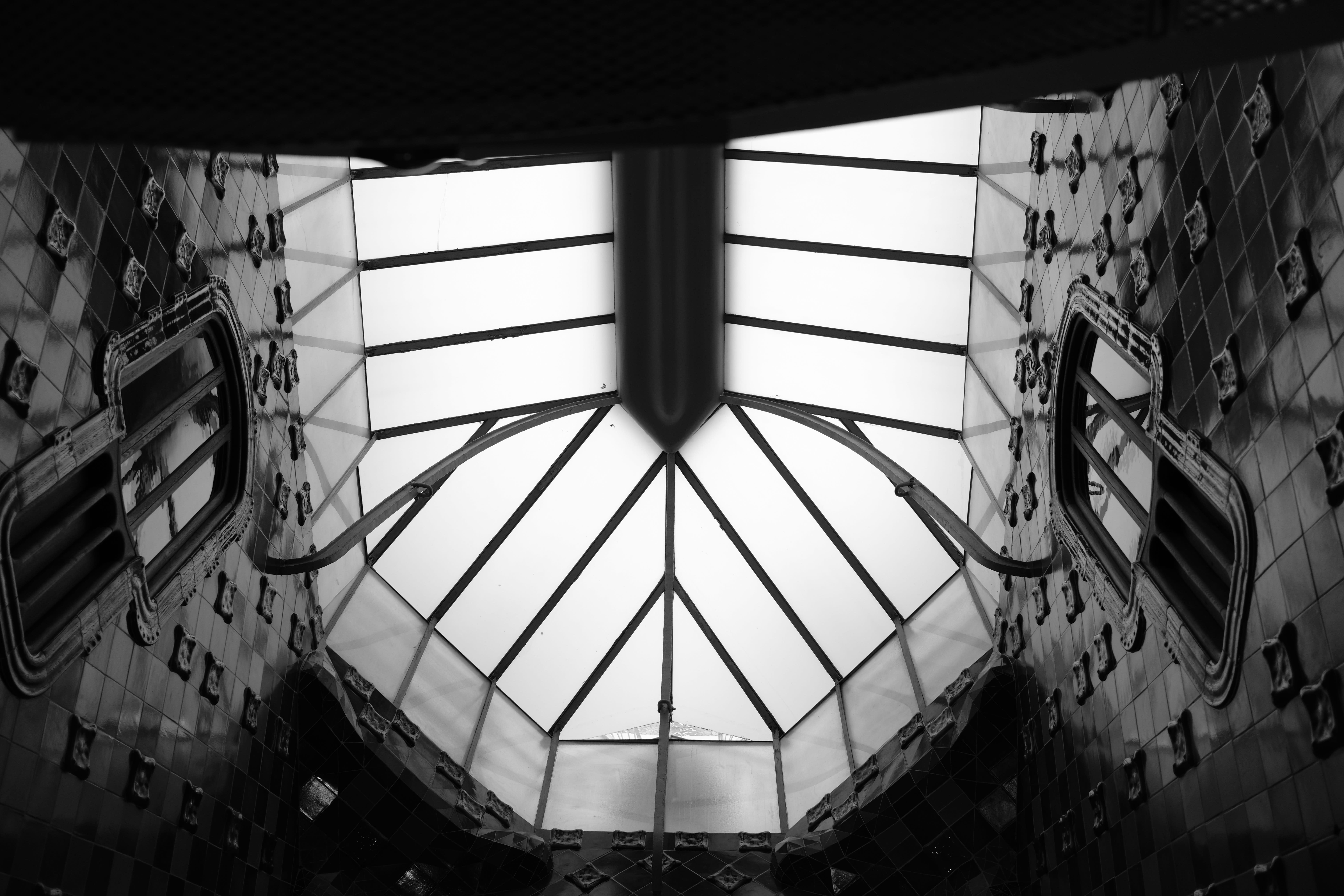
Casa Batlo
Barcelona begins in Eixample, where modernist facades line wide boulevards, and where design lives quietly in the details.
Start early at Sagrada Família. Book the first timed entry of the day. Morning light filtering through the stained glass is transformative—and you avoid peak crowds. This is not a rushed visit. Give yourself time.
From there, wander through Eixample toward Casa Batlló. Even if you don’t enter (but you should!), stand across the street and look up. The facade alone is a masterclass in movement and imagination.
Day 2: El Born, tapas & a proper xuixo
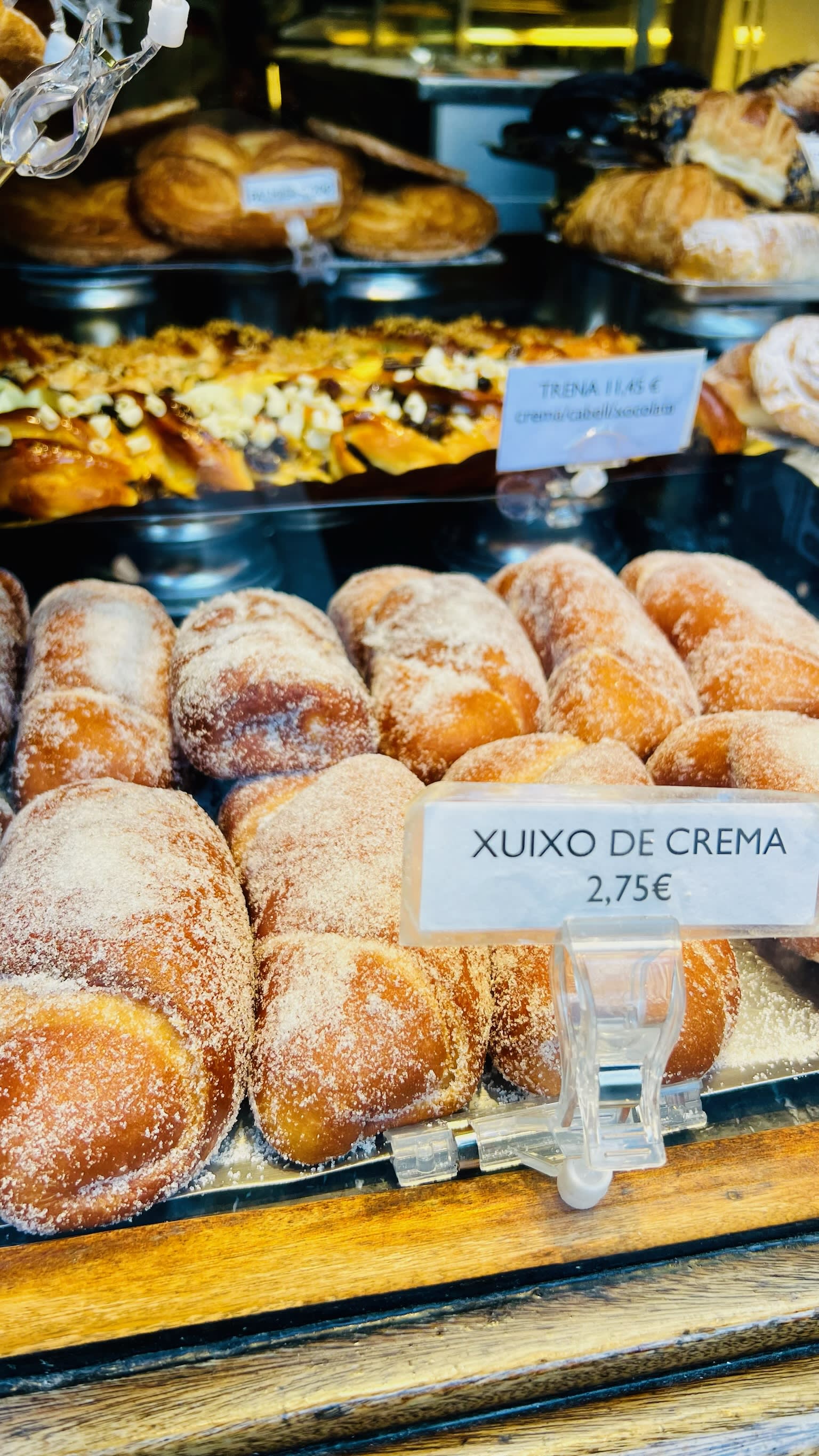
La Colmena Xiuxo
El Born is where Barcelona softens and loosens its collar.
Start your morning at La Colmena for a fresh xuixo (often spelled xuxo)—golden, sugar-dusted, filled with silky crema. Order it with coffee and stand outside. This is the ritual—and I recommend you order two. Yes, they're worth every calorie.
From there, let the neighborhood unfold: independent boutiques, hidden courtyards, stone alleyways.
Stop for lunch at Cal Pep for classic tapas done flawlessly—anchovies, grilled seafood, pan con tomate.
Afternoon vermut at Bar del Pla, then dinner at Bar Brutal. Natural wines, lively room, no pretense.
Barcelona comes alive late. Plan to stay out later than you planned.
Day 3: Mediterranean energy & design culture
Barcelona is inseparable from the sea. Even if you’re not there for a beach holiday, the Mediterranean shifts the mood of the entire city. Start your morning with a slow walk along Barceloneta before it fully wakes up—fishermen returning, runners along the promenade, the light still soft and flattering.
This is not about claiming a sunbed. It’s about absorbing the coastal rhythm that makes Barcelona different from Madrid, Paris, or Rome.
Late morning, head toward the marina for an early seafood lunch at Can Solé, one of the city’s historic institutions. Order arroz negro or a classic seafood paella, a chilled Albariño, and settle in. In Barcelona, lunch is not a transaction—it’s a commitment.
Afterward, shift into something creative.
Barcelona’s design culture is as important as its architecture. Spend your afternoon at MACBA, where the stark white modern building contrasts beautifully with the Gothic streets surrounding it. Even if you’re not a contemporary art devotee, the space itself is worth experiencing.
Alternatively, head to Poblenou—once industrial, now quietly creative—where galleries, concept stores, and studios give you a glimpse into the city’s evolving aesthetic.
Day 4: Gràcia, local plazas & the art of lingering
This neighborhood feels like its own small village—low-rise buildings, pedestrian plazas, neighbors greeting each other by name. It’s one of the best places to experience a slower, more residential side of Barcelona.
Start your morning in Plaça del Sol or Plaça de la Vila de Gràcia. Order coffee. Watch the rhythm of daily life unfold. This is where you understand that Barcelona isn’t just beautiful—it’s deeply lived-in.
Spend the late morning browsing independent shops—ceramics, handmade jewelry, vintage finds. Gràcia is less about global brands and more about personality.
Stop for lunch at La Pubilla, where traditional Catalan flavors feel elevated but unfussy. Seasonal vegetables, slow-cooked meats, thoughtful wine pairings—the kind of place that feels both refined and relaxed.
If you still have energy, wander toward Park Güell’s surrounding residential streets (skipping peak hours inside the monument itself unless you’ve pre-booked). Even the exterior views and hillside vantage points are worth the climb.
End your trip with one final aperitivo—perhaps back in Eixample or El Born—somewhere that feels softly celebratory rather than flashy.
Need to know
Barcelona is the capital of Catalonia, an autonomous region in northeastern Spain with its own language (Catalan), culture, and strong regional identity. You’ll see Catalan flags and hear Catalan spoken alongside Spanish.
Barcelona is famous for the surreal architecture of Antoni Gaudí. His style defines much of the city’s unique visual identity.
La Rambla is a lively pedestrian boulevard connecting Plaça de Catalunya to the waterfront. It’s packed with street performers, markets, and cafés—but also crowded and known for pickpocketing.
Barcelona offers urban energy and Mediterranean beaches like Barceloneta Beach. You can explore historic streets in the morning and swim in the afternoon.
The Gothic Quarter (Barri Gòtic) is filled with narrow medieval streets, Roman ruins, and hidden plazas. It’s one of the most atmospheric parts of the city.
Spaniards eat late—very late: Lunch: ~2–4 p.m. Dinner: Often 9–11 p.m.
Barcelona is generally safe, but it’s well-known for petty theft in tourist areas (especially on La Rambla and the metro). Stay alert and keep valuables secure.
Best times to visit: Spring (April–June) and Fall (September–October)
Restaurants
Cal Pep: One of Barcelona’s most beloved tapas institutions. Sitting at the lively counter in a small plaza in El Born, you’ll experience Catalonia’s freshest market ingredients transformed into casual yet exceptional dishes.The atmosphere is electric, convivial, and without fuss, making it an essential stop for a classic Barcelona food moment.
Bar Brutal is in the heart of El Born. Celebrated for its carefully curated list of artisanal wines paired with a short seasonal menu of tapas and snacks, it’s the kind of place where the energy matches the quality.
Llamber offers a modern take on Spanish and Mediterranean cuisine with a stylish yet approachable feel. Set in the atmospheric El Born neighborhood, the restaurant blends elevated flavors with relaxed warmth, making it a hit among locals and visitors alike.
Enigma is Barcelona’s most immersive fine-dining experience. Here, a single tasting menu unfolds in a space where creativity meets technique. Advance booking is essential.
La Colmena is located in the Gothic Quarter and known for its traditional Catalan pastries, artisanal turrón, and beautifully wrapped confections—but the real insider move is ordering a freshly made xuixo (also spelled xuxo). Lightly fried, rolled in sugar, and filled with silky crema, it’s crisp on the outside and impossibly soft inside.


Travel Advisor
Travel House Atelier

Patricia Caruso

Get in touch with Travel House Atelier
Did you like this guide? Reach out to customize and book your own experience. Or, just to chat about travel in general.
For more inspiration and insider recommendations, visit our Barcelona page.