





Curator’s statement
This journey through the Omo Valley and Harar reveals Ethiopia’s living heritage—from tribal traditions untouched by time to the vibrant alleyways of Africa’s oldest walled city. As someone born in Gidole town and rooted in Ethiopia’s cultural landscape, I see this itinerary as a tribute to resilience, beauty, and human connection. Each stop invites travelers to witness stories carved in ritual, color, and history. Sharing this path is both a privilege and a responsibility I carry with pride.
The Fora Difference
Book with Assefa Argachew to access exclusive perks and experiences on your trip.

Killer perks
Free upgrades, spa credits and more—we got you

Personalized recs
Customized travel planning for your style

Insider knowledge
Expert advice from people who’ve actually been there
Where to stay
Unlock perks by contacting Assefa Argachew to book your trip.
Day 1: Fly to Arba Minch & meet the Dorze tribe
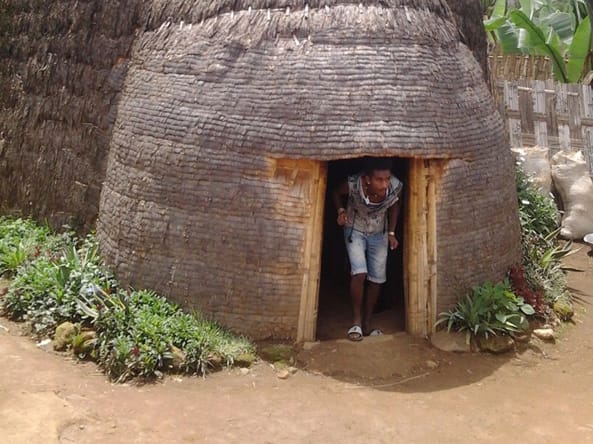
Traditional Dorze bamboo hut in Chencha—ingeniously crafted to endure decades of weather and time. Image courtesy of My Ethiopia Tours
Begin your journey with a flight from Addis Ababa to Arba Minch, gateway to the Omo Valley. After arrival, ascend into the misty highlands of Chencha to meet the Dorze people, famed for their towering bamboo huts shaped like elephant heads and their vibrant weaving traditions. Step inside these homes to learn how kocho—a resilient staple made from the false banana plant—is prepared and shared. Taste it fresh with spicy sauces and honey wine, then join a rhythmic dance ceremony that celebrates community and craftsmanship. Overnight at Haile Resort Arba Minch, where lake views and warm hospitality welcome you into southern Ethiopia’s cultural heart.
Insider tip: Ask your guide to point out the oldest Dorze hut still standing—some have lasted over 60 years thanks to their ingenious design.
Day 2: Lake Chamo boat safari & Konso cultural discovery via Gidole

Nile crocodiles basking on the shores of Lake Chamo—a serene yet thrilling glimpse into Ethiopia’s Rift Valley wildlife. Photo courtesy of Alamy
Start your morning with a tranquil boat safari on Lake Chamo, where crocodiles sunbathe along the shores and hippos rise through the mist. This freshwater haven offers a peaceful yet thrilling glimpse into Rift Valley wildlife. After the cruise, drive south through terraced hills and vibrant villages—passing through Gidole, my hometown—en route to Konso.
In Konso, enjoy a traditional lunch before exploring its UNESCO-listed cultural landscape. Visit the Konso Museum to learn about stone-walled settlements and ancestral Waga Statues, then tour the King’s compound for insight into local governance and ritual traditions. End the day at Kanta Lodge, where rustic charm and sweeping highland views offer a warm welcome.
Insider tip: Ask your guide to explain the symbolism behind Konso’s generation poles—they mark leadership transitions and preserve lineage across centuries.
Day 3: Konso to Turmi—tribal markets & Evangadi dance
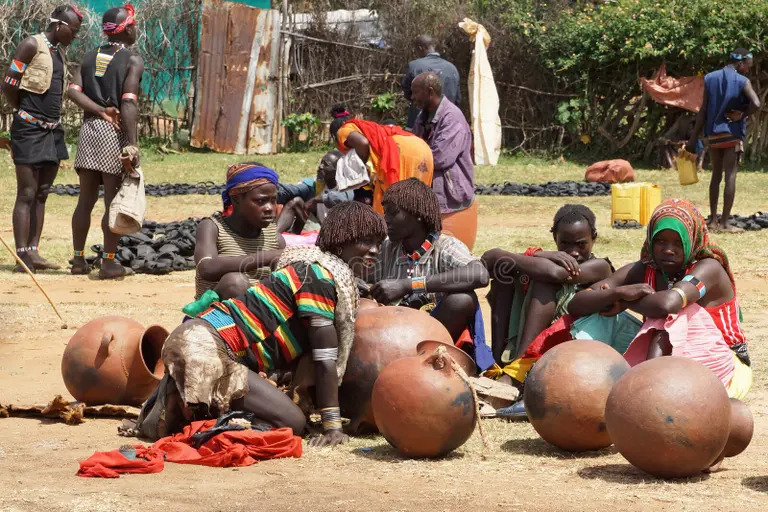
Key Afer Market—a vibrant crossroads where Tsemay, Ari, and Banna communities gather to trade, connect, and celebrate weekly rhythms. Image courtesy of Dreamstime.
Depart Konso and journey deeper into the Omo Valley, where culture pulses through every roadside village. Stop at Key Afer market, a vibrant weekly gathering where Tsemay, Ari, and Banna communities converge to trade goods, showcase traditional dress, and celebrate local rhythms. It’s a living mosaic of southern Ethiopia’s diversity—colorful, loud, and full of life.
Continue to Turmi, home of the Hamar people. Visit a local village to learn about their ocher-braided hairstyles, layered beadwork, and communal customs rooted in ancestral pride. As night falls, witness the Evangadi dance—a spirited courtship ritual performed under the stars, where rhythm, flirtation, and tradition come alive in a swirl of movement and music. Overnight at Buska Lodge, where the desert breeze and distant drums lull you into the heart of the valley.
Insider tip: If you’re visiting on a market day (Thursday), arrive early to see the full spectrum of tribal interaction—from ceremonial dress to spontaneous dance. And during Evangadi, don’t be shy to join in the rhythm—it’s a moment of shared joy.
Day 4: Omorate & Dasenech tribe–crossing cultures & ceremonies
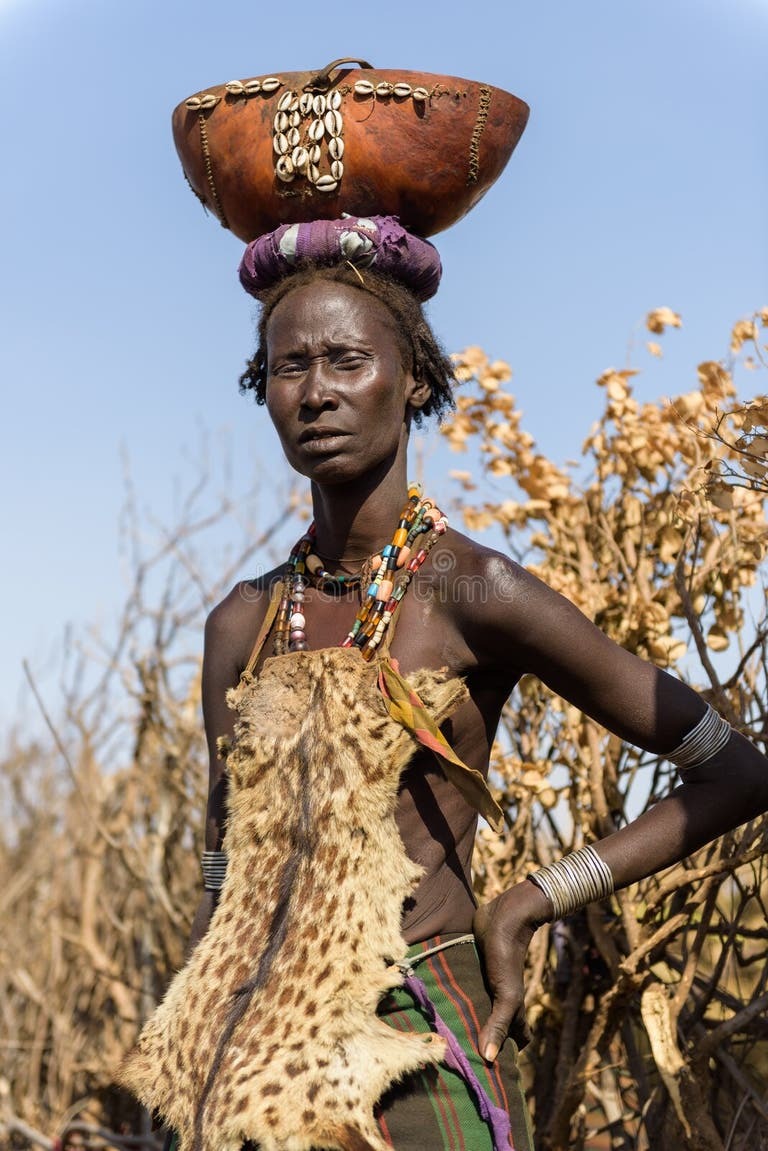
Portrait of a Dassanech woman near Omorate—where tradition, adaptation, and ancestral pride shape everyday life along the Omo River. Image courtesy of Assefa/Hoya Tour Ethiopia
Begin the day with a drive to Omorate, a remote frontier town near the Kenyan border. Cross the wide Omo River by local canoe—a peaceful yet powerful passage into one of Ethiopia’s most culturally rich regions. On the far bank, visit a Dasenech village, where semi-nomadic traditions, intricate hairstyles, and handmade accessories reflect centuries of adaptation to riverine life and shifting borders.
Return to Turmi in the afternoon. If the timing aligns, witness the Hamar bull-jumping ceremony—a rare and electrifying rite of passage where young men leap over bulls to mark their transition into adulthood.
Overnight at Buska Lodge, surrounded by the rhythms of tribal life and the quiet hum of the valley.
Insider tip: The canoe crossing is slow and steady—wear sandals and be ready to step into shallow water. If bull-jumping is scheduled, ask your guide about photography etiquette and where to stand for a respectful view.
Day 5: Karo & Nyangatom tribes—painted bodies & riverfront traditions

Karo tribesman adorned in white chalk body paint—a living canvas of identity, beauty, and seasonal rhythm along the Omo River. Image courtesy of Shutterstock
Begin the day with a drive to Karo territory, dramatically perched above the Omo River. The Karo people are renowned for their striking body painting rituals—using white chalk, charcoal, and ochre to craft symbolic patterns that express beauty, status, and seasonal rhythms. It’s a living canvas of identity and artistry.
Continue onward to meet the Nyangatom tribe, a semi-nomadic group known for their vibrant beadwork, cattle culture, and resilience in Ethiopia’s arid borderlands. Their traditions reflect a deep connection to land, livestock, and lineage.
Overnight at Eco Omo Lodge, a peaceful retreat nestled in nature—the perfect place to reflect on the day’s cultural encounters.
Insider tip: Morning light is ideal for photographing Karo body art—ask permission before taking portraits. The Nyangatom region can be dusty and remote, so bring sun protection and stay hydrated. Your guide will help navigate respectful interactions and translation.
Day 6: Mago National Park & Mursi tribe—faces of identity
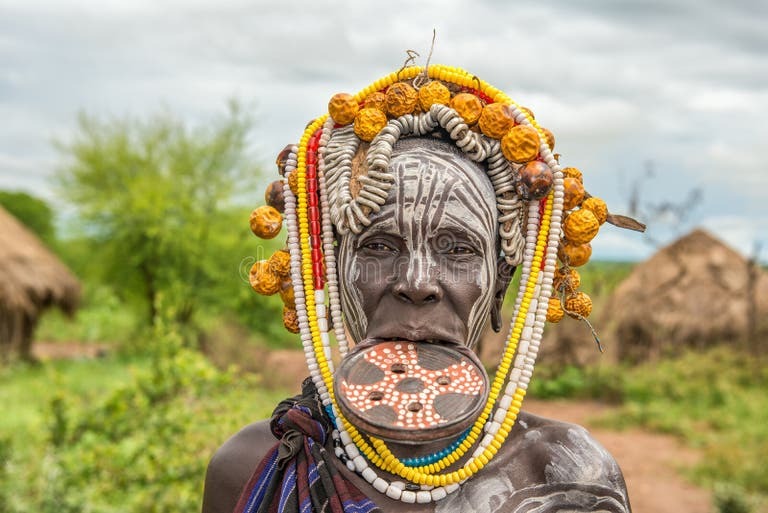
Mursi woman in her village near the Omo River—where ancestral pride is boldly preserved through lip plates and ceremonial adornment. Image courtesy of Assefa/Hoya Tour Ethiopia
Set out early for Mago National Park, a lush and remote expanse that winds through the heart of the Omo Valley. Your destination: the Mursi tribe, one of Ethiopia’s most iconic communities. Known for their dramatic lip plates, scarification rituals, and bold body adornments, the Mursi people embody a fiercely preserved identity rooted in ancestral pride and cultural resilience.
Return to Jinka in the afternoon and visit the South Omo Museum, where curated exhibits offer context on the region’s ethnic diversity, migration patterns, and ceremonial traditions. It’s a thoughtful pause that deepens your understanding of the cultures you’ve encountered.
Overnight at Eco Omo Lodge, a peaceful retreat nestled in nature—perfect for reflection and rest.
Insider tip: Mursi visits require sensitivity—always ask before taking photos and let your guide lead interactions. The museum in Jinka is compact but rich in detail—allow time to read the captions and ask questions.
Day 7: From Jinka to Dire Dawa—markets & railway heritage
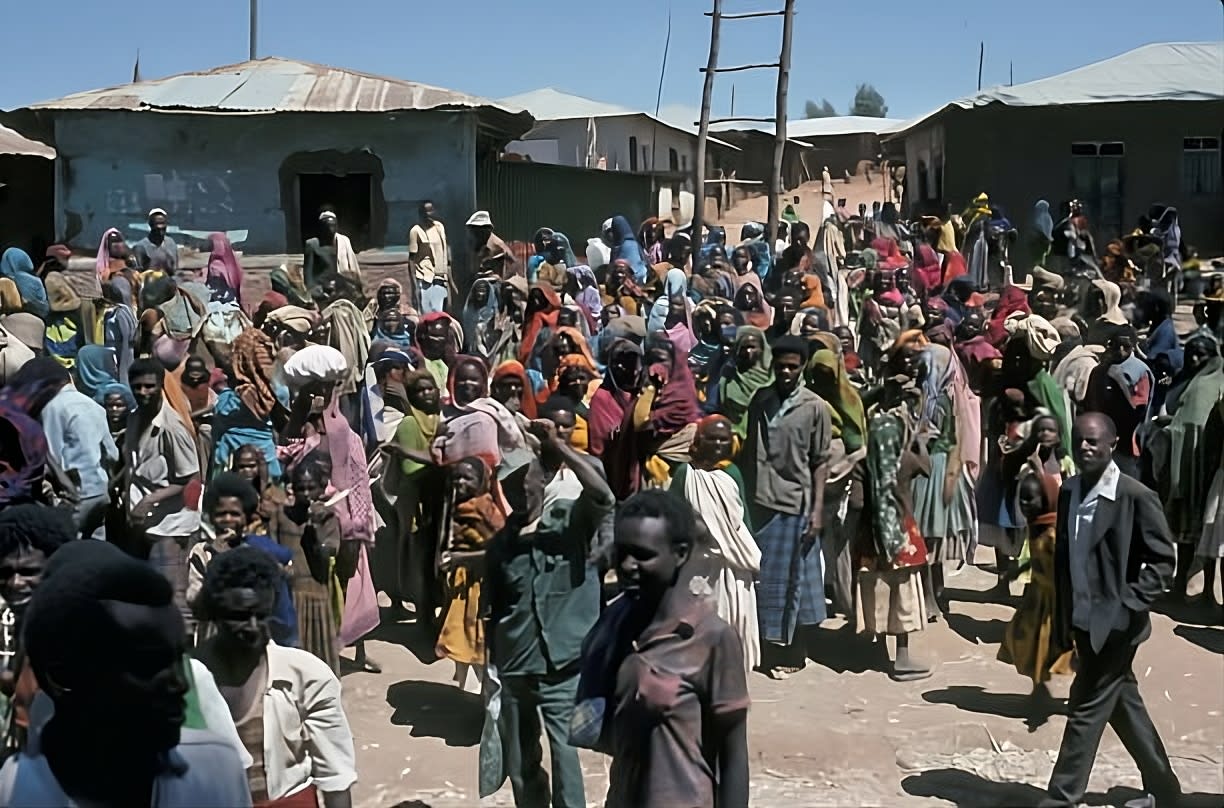
Kaffir Market in Dire Dawa—a vibrant crossroads of trade, textiles, and everyday life in Ethiopia’s eastern gateway. Photo courtesy of Getty Images
Fly from Jinka to Addis Ababa, then connect onward to Dire Dawa, a city where colonial charm meets vibrant commerce. Upon arrival, dive into the energy of Kaffir Market—one of Ethiopia’s most colorful trading hubs, alive with textiles, spices, and street-side exchanges that reflect the city’s multicultural pulse.
Continue to Laga Har, home to the historic Dire Dawa train station, built in 1897 as part of the French-engineered Ethio-Djibouti Railway. This architectural relic once linked Ethiopia to the Red Sea and played a pivotal role in the country’s early modernization. Its faded grandeur still whispers stories of trade, travel, and transformation.
Overnight at Samrat Hotel, a comfortable base in the heart of Dire Dawa.
Insider tip: Kaffir Market is best explored with a local guide—they’ll help you navigate the stalls and spot unique finds. At the train station, look for the original signage and ironwork details—they’re a photographer’s delight.
Day 8: Harar—walled city wonders & hyena feeding ritual
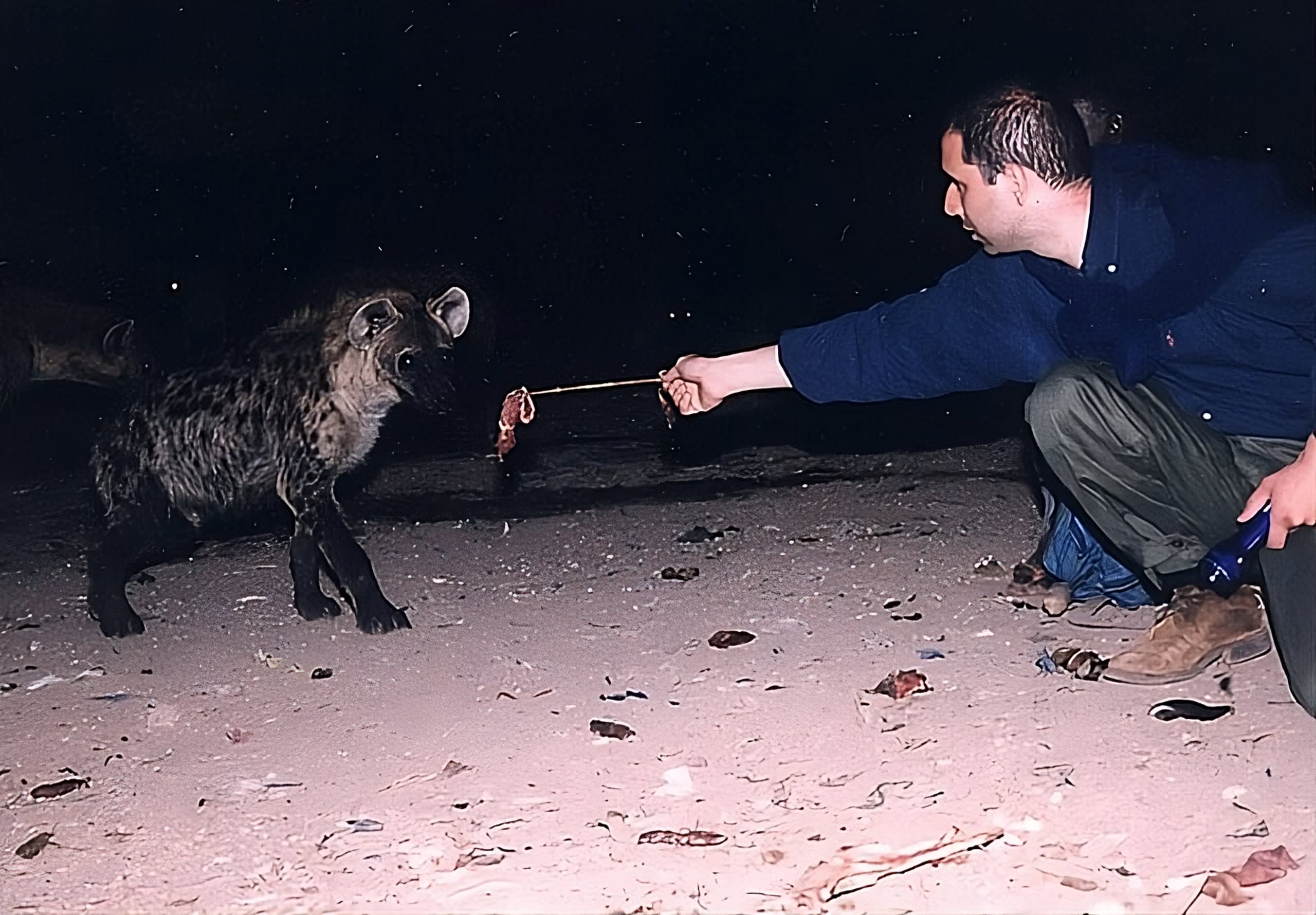
Hyena feeding ritual in Harar—a surreal tradition where myth, trust, and wild nature meet at dusk. Image courtesy of Wikimedia Commons
Drive from Dire Dawa to Harar, one of Africa’s oldest Islamic cities and a UNESCO World Heritage Site. Step into the walled city—a maze of 368 alleyways, pastel-painted homes, and vibrant markets that pulse with centuries of history. Visit the Arthur Rimbaud House, a museum honoring the French poet’s time in Harar, and the Harar City Museum, which offers insight into the region’s layered cultural heritage.
Harar is also recognized by UNESCO as a “City of Peace”, celebrated for its enduring tradition of religious tolerance and cultural harmony. As evening falls, witness the legendary hyena feeding ritual, where local “hyena men” summon wild hyenas by name and feed them raw meat—a surreal and unforgettable encounter that blurs the line between myth and reality.
Overnight at Grand Gato Hotel, a comfortable base near the old city walls.
Insider tip: Harar’s alleyways are best explored on foot with a local guide—they’ll help you uncover hidden shrines, coffee houses, and stories etched into the walls. For the hyena ritual, arrive early to observe the buildup and bring a low-light camera for dramatic shots.
Day 9: Return to Addis Ababa—palaces, markets & farewell
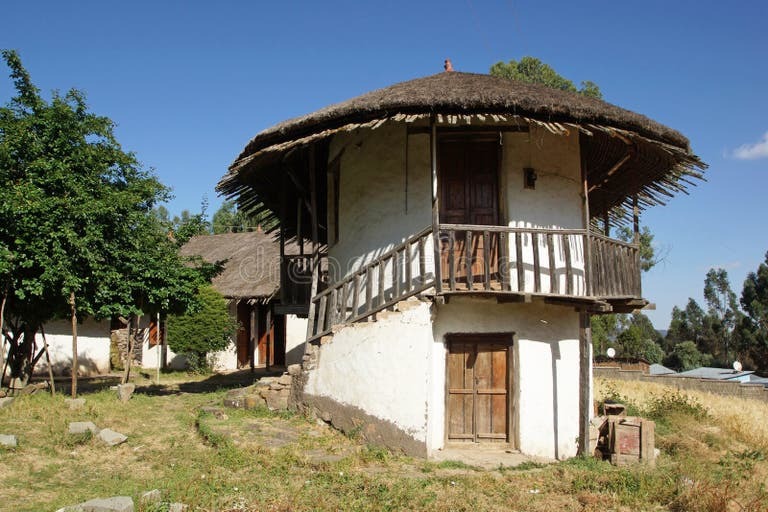
Entoto Palace Museum—where Emperor Menelik II launched the founding of Addis Ababa, surrounded by forested serenity and sweeping views. Image courtesy of Assefa/Hoya Tour Ethiopia
Begin the day with a scenic drive from Harar back to Dire Dawa, then catch your return flight to Addis Ababa. Upon arrival, enjoy a curated city tour that captures the capital’s imperial legacy, vibrant markets, and cultural soul.
Your first stop: the Entoto Palace Museum, perched high on the forested Entoto Hills. This historic compound was once the seat of Emperor Menelik II, who launched the founding of Addis Ababa from this very ridge. The newly restored site includes:
Menelik’s original eucalyptus-and-stone palace
Traditional homes and royal artifacts—from crowns to ceremonial garments
A panoramic viewpoint with sweeping vistas of the capital and surrounding highlands
Entoto Maryam Church, where Menelik and Empress Taytu once worshiped
The museum blends imperial history with architectural charm, offering a regal introduction to Ethiopia’s modern origins.
Insider tip: Bring a light jacket—Entoto’s elevation makes it cooler than the city below. Don’t miss the small artisan stalls near the entrance, where local women sell handmade scarves and coffee beans—perfect for meaningful souvenirs.
Need to know
Additional tips and useful info for travelers
Pack for layers: Ethiopia’s climate varies by region and elevation. Harar and Entoto Hills can be cool in the mornings and evenings—a light jacket is essential.
Cash is king: While major hotels accept cards, markets and local shops often prefer cash. Carry small denominations of Ethiopian birr for tips and purchases.
Respect local customs: In Harar and tribal regions, always ask before taking photos of people. A respectful gesture or small tip is often appreciated.
Stay hydrated: Bottled water is widely available. Keep a reusable bottle for refills at hotels and avoid tap water in remote areas.
Connectivity: Wi-Fi is available in most hotels, but rural areas may have limited signal. Download maps and key phrases in advance.
Safety and etiquette: Ethiopia is generally safe for travelers. Dress modestly in religious or rural areas, and be mindful of cultural norms around greetings and hospitality.
Souvenirs to look for: Handwoven scarves from Entoto, spices from Kaffir Market, and coffee beans from Harar make meaningful gifts.
Final day flexibility: If time allows in Addis Ababa, consider a stop at Shiro Meda textile market or a farewell dinner at a traditional restaurant like Yod Abyssinia.


Travel Advisor
Assefa Argachew

Assefa Argachew

Get in touch with Assefa Argachew
Did you like this guide? Reach out to customize and book your own experience. Or, just to chat about travel in general.
For more inspiration and insider recommendations, visit our Ethiopia page.