

Curator’s statement
This itinerary is built around Spain’s cultural foundations: art, history, language, food, and regional traditions that unfold gradually across Madrid and central Spain. Travelers move beyond highlights to explore local identity, with time to savor historic cities rather than pass through them. Paradores—Spain’s network of state-run heritage hotels housed in restored castles, monasteries, and historic landmarks—serve as both anchors and storytellers, offering the rare opportunity to stay within the country’s architectural and cultural legacy. Optional language and guided experiences offer opportunities for deeper connection, while client-led exploration ensures the journey feels personal, balanced, and intentional.
The Fora Difference
Book with Dana Levy to access exclusive perks and experiences on your trip.

Killer perks
Free upgrades, spa credits and more—we got you

Personalized recs
Customized travel planning for your style

Insider knowledge
Expert advice from people who’ve actually been there
Where to stay
Unlock perks by contacting Dana Levy to book your trip.
Day 1: Language & literature in Madrid
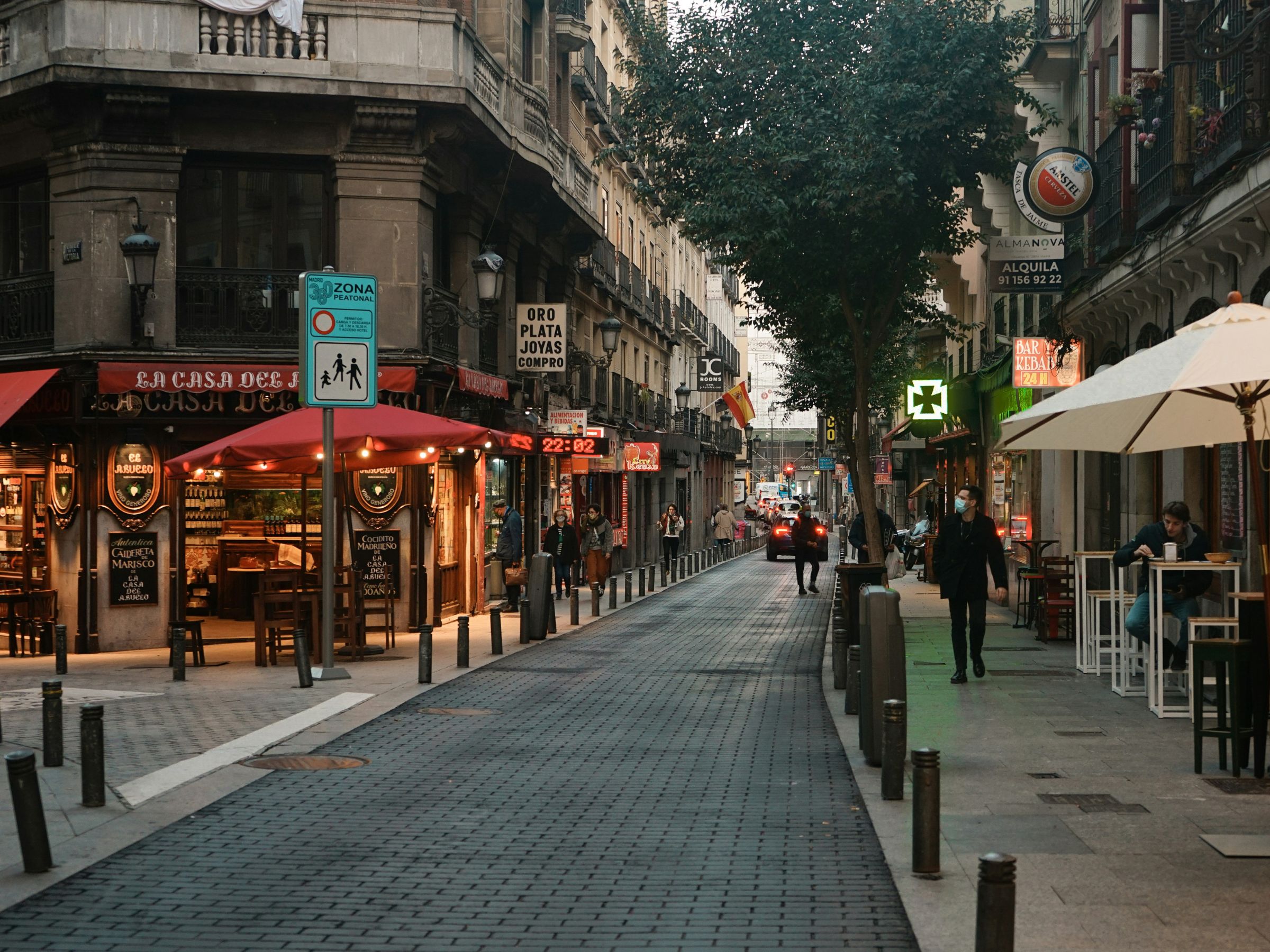
Barrio de las Letras: Your base in Madrid’s Literary Quarter
Begin your journey at your base in Madrid’s historic Literary Quarter, an ideal central hub for exploring the city on foot. The day starts gently with a private Spanish language refresher over breakfast at the hotel, designed to build confidence and ease travelers into daily conversation while grounding the experience in local context. From there, enjoy a guided walking tour through the Barrio de las Letras, tracing the streets once home to Spain’s great writers and artists, with a visit to the Casa Museo Lope de Vega for insight into Madrid’s Golden Age.
Late morning flows naturally into a relaxed curated or client-led tapas-hopping lunch in Plaza de Santa Ana, the vibrant heart of the neighborhood. Stops may include classic, lively taverns best enjoyed outdoors for people-watching amid historic façades. After lunch, return to the hotel area for a short siesta or a leisurely café con leche before the afternoon’s cultural highlight.
In the late afternoon or early evening, take part in a guided Spanish wine and cheese tasting, offering a regional introduction to local varietals and traditional products that set the culinary tone for the journey ahead. For dinner, travelers can select from a range of excellent neighborhood restaurants near the hotel. A curated list of recommendations will be provided, encouraging a relaxed first evening and an easy stroll back through the streets of the Literary Quarter.
Day 2: Masterpieces, Old Madrid & evening traditions
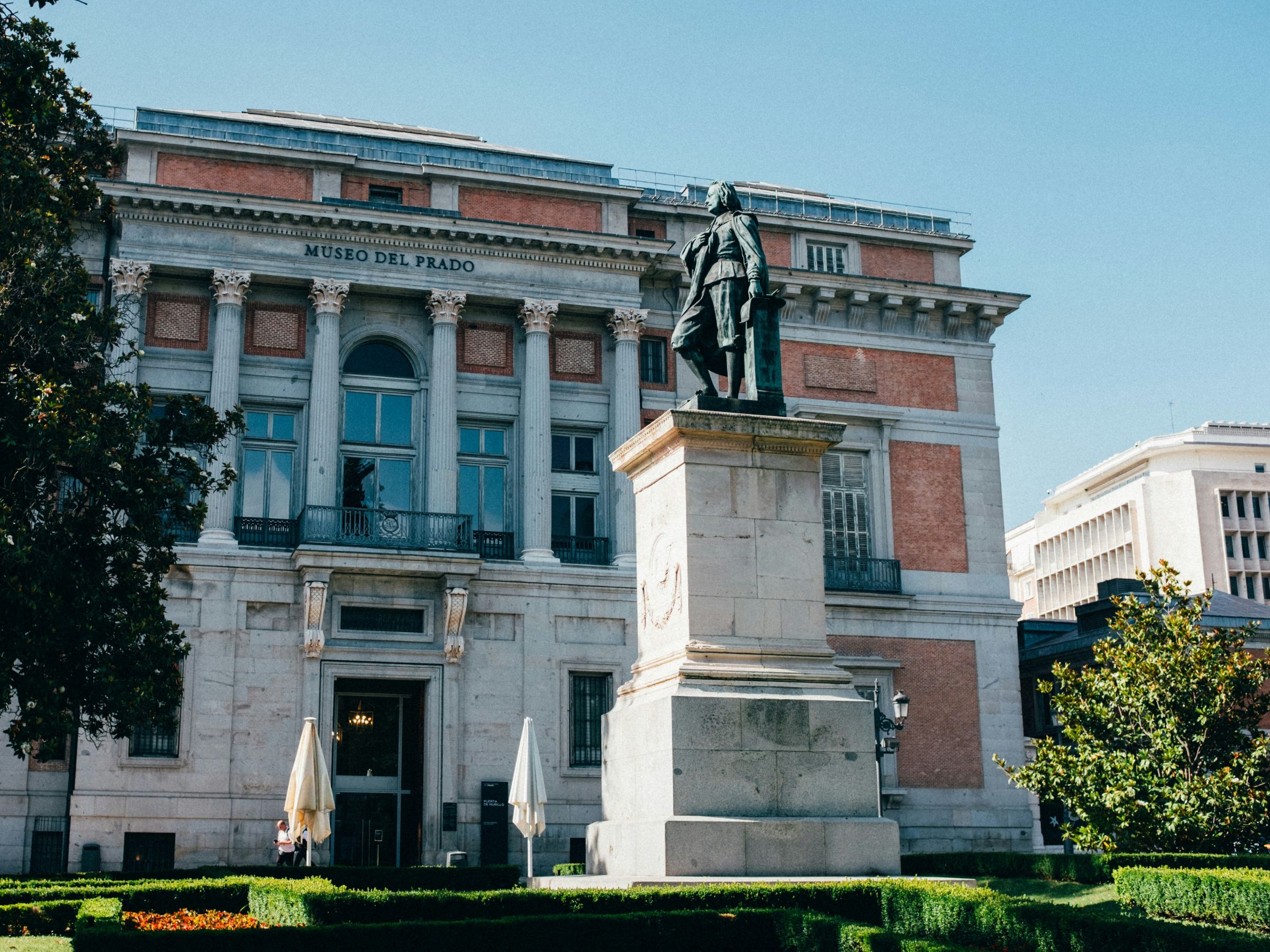
The Prado: Art, history, and Spain’s cultural identity
Begin the day with a traditional breakfast and a private, guided visit to the Museo del Prado, focusing on Spain’s artistic golden ages and the historical context behind its most important works. With an expert guide, travelers move beyond highlights to understand how art, monarchy, religion, and power shaped Spain’s identity. Depending on interest, the morning may also include a visit to either the Thyssen-Bornemisza Museum for its broader European perspective or the Reina Sofía for Spain’s modern artistic narrative.
Lunch is enjoyed at a traditional taberna such as Casa Alberto or Botín, where classic Castilian dishes connect food to Madrid’s literary and social history. After lunch, stroll toward Plaza Mayor for a drink and people-watching in one of Spain’s most iconic public spaces, followed by churros and thick hot chocolate at Chocolatería San Ginés.
Dinner options range from informal tapas at Mercado de San Miguel to a curated or client-led traditional tapas crawl through La Latina (Cava Alta and Cava Baja). The evening may conclude with either a private language session focused on conversational Spanish and cultural nuance, or a flamenco performance introducing one of Spain’s most expressive art forms.
Day 3: Arrival into the Paradores experience in Toledo
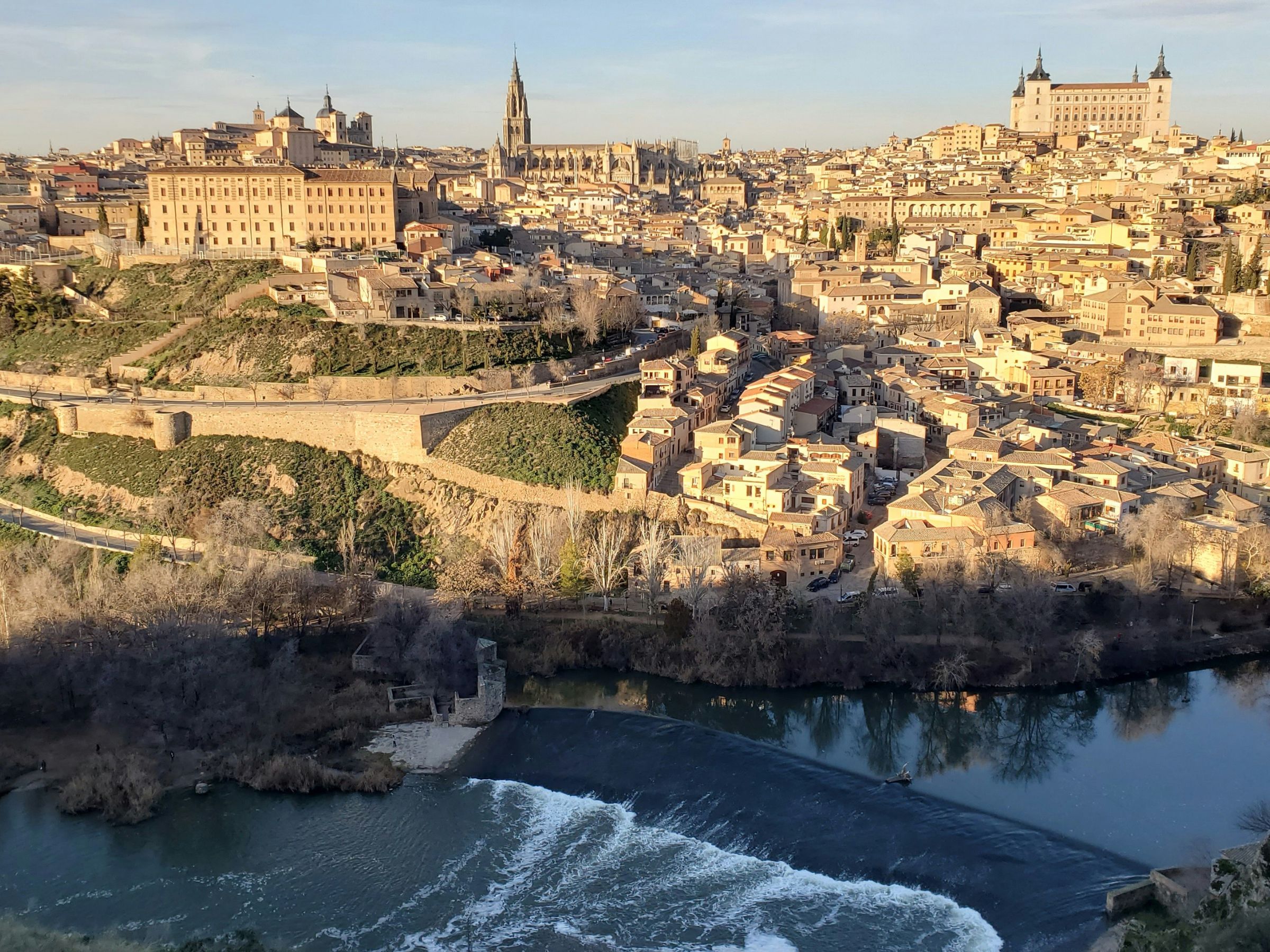
Toledo: hilltop views and a storied first impression
Depart Madrid in the morning by train to Toledo, an easy and scenic journey that marks a shift from the modern capital to one of Spain’s most historically layered cities. Upon arrival, a taxi transfer brings travelers to the Parador de Toledo, dramatically set on a hill overlooking the old city.
The late morning and early afternoon are intentionally centered on the Parador itself. Explore the property, take in panoramic terrace views across the Tagus River, and enjoy a relaxed regional lunch at the Parador restaurant. This unhurried introduction allows travelers to absorb Toledo’s landscape and history from above before descending into the city.
In the afternoon, transfer by taxi into Toledo’s historic center—or, for those who enjoy a challenge, opt for the rewarding walk down with extraordinary viewpoints along the way. A private, guided walking tour follows, weaving through medieval streets and historic quarters while exploring the city’s layered Jewish, Christian, and Muslim heritage.
For dinner, travelers can choose from excellent restaurants in Toledo’s historic center or dine at the Parador, with a curated list of recommendations provided. The evening remains relaxed, with time to enjoy Toledo illuminated against the night sky.
Day 4: Artisan traditions & culinary heritage in Toledo
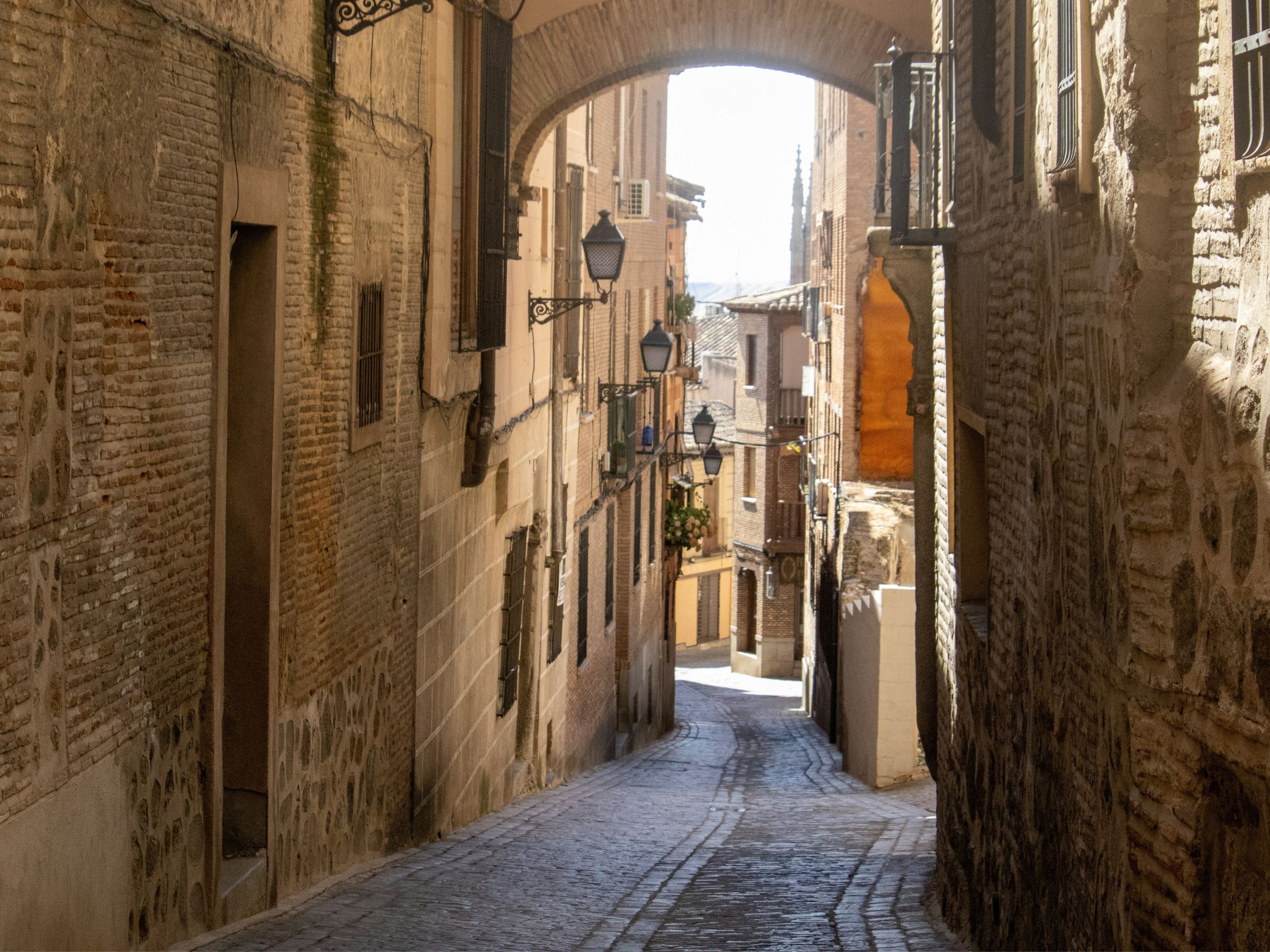
Toledo’s historic streets: medieval paths and artisan traditions
The day is designed for a slower exploration of Toledo through its artisan traditions and regional food culture. Travelers are invited to follow a self-guided route using curated recommendations highlighting small workshops, specialty food shops, and longtime family-run establishments tucked into the medieval streets.
Along the way, there is time to visit landmarks such as the Monastery of San Juan de los Reyes, where craftsmanship and symbolism are woven into the city’s artistic identity. Lunch focuses on regional Castilian dishes that reflect Toledo’s agricultural and cultural roots.
The afternoon is intentionally unstructured, allowing time to wander, revisit favorite corners, or pause for coffee overlooking the Tagus River. For dinner, travelers may again choose between dining in the historic center or returning to the Parador, with recommendations provided. A second night here allows Toledo’s atmosphere to be absorbed without haste.
Day 5: Castilian traditions & plaza life in Chinchón
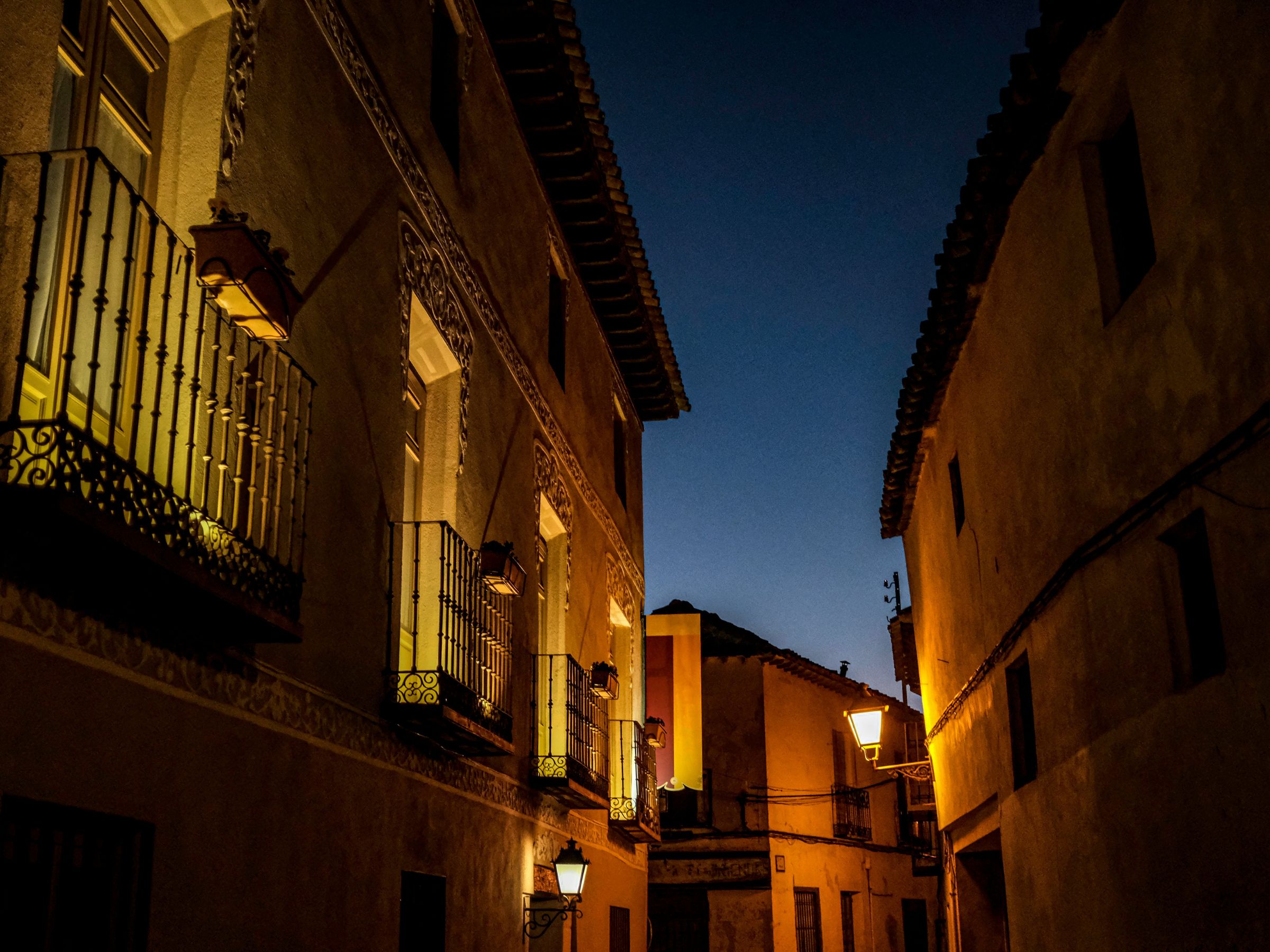
Chinchón: evening charm and a slower rhythm
Begin the morning with breakfast at the Parador de Toledo before departing by private vehicle toward Chinchón. The short, scenic drive underscores a shift in rhythm—from Toledo’s layered intensity to the quieter, agricultural traditions of Castile.
Upon arrival, check in to the Parador de Chinchón, housed in a former Augustinian monastery. Take time to explore the cloisters and gardens before enjoying a relaxed lunch highlighting regional Castilian cuisine.
In the afternoon, stroll into Chinchón’s iconic Plaza Mayor, one of Spain’s most evocative main squares. Its irregular shape, wooden balconies, and arcaded edges create a living stage for daily life, ideal for lingering with a coffee or glass of wine. The remainder of the day is left open for wandering and rest.
For dinner, travelers can choose from several excellent restaurants in town or dine at the Parador, with a curated list of recommendations provided.
Day 6: Exploration & daily life in Chinchón
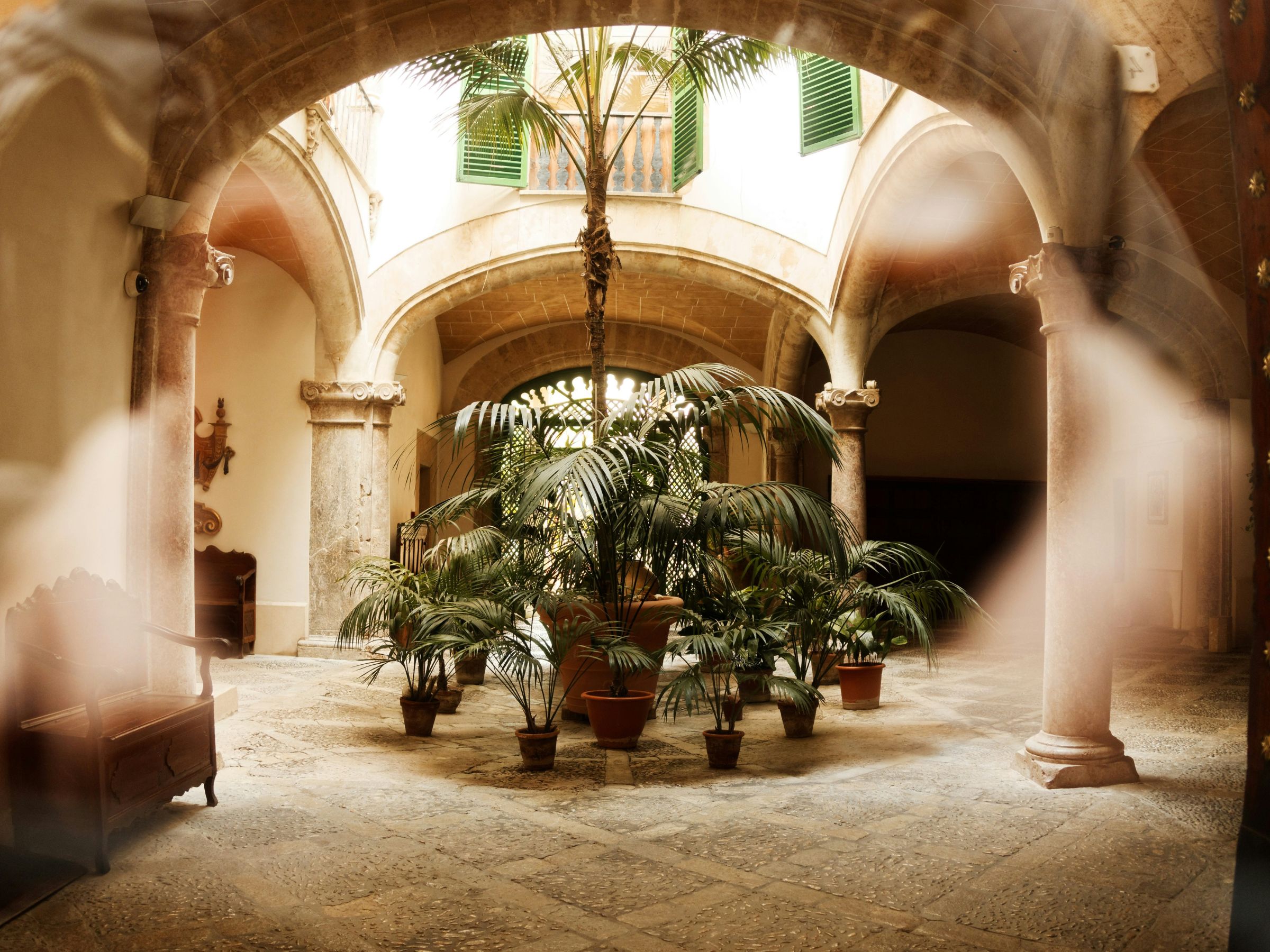
A day to linger—courtyards, plazas, and local life
This day is designed for client-led exploration, supported by curated lists and maps. Travelers may choose to wander the historic center, explore specialty food shops and bakeries, or linger in the Plaza Mayor observing daily life unfold at a relaxed pace.
Lunch is flexible and can be enjoyed either in town or at the Parador. The afternoon remains intentionally open—ideal for rest, countryside walks, reading, or revisiting favorite spots. A second night here allows Chinchón’s quiet charm and food-forward identity to fully settle in before continuing onward.
Dinner options remain flexible, with recommendations provided based on preference and mood.
Day 7: Dramatic landscapes & architecture in Cuenca
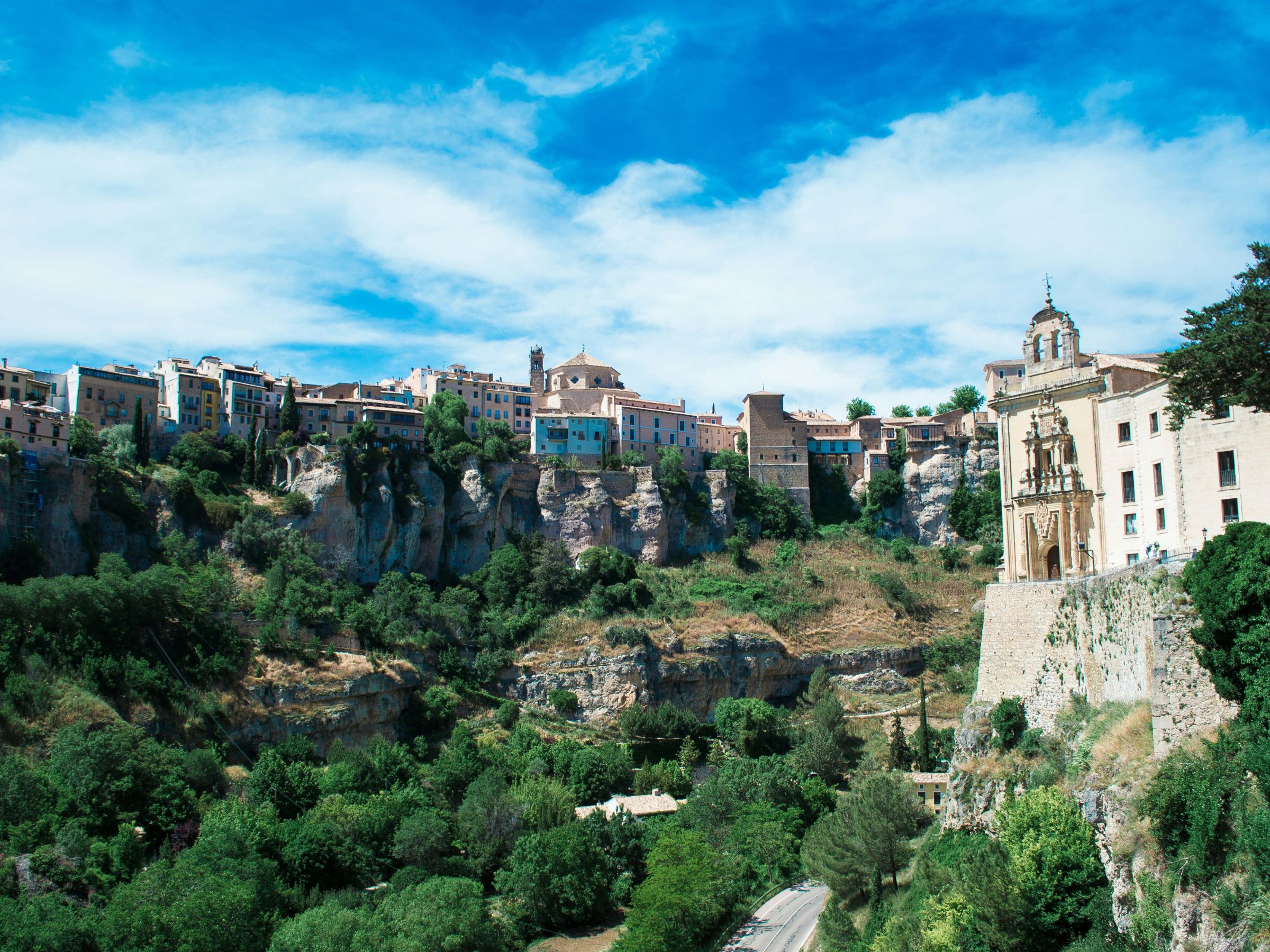
Cuenca: a dramatic cliffside arrival
After breakfast at the Parador de Chinchón, depart by private vehicle toward Cuenca. As the journey continues east, the Castilian plateau gradually gives way to dramatic limestone gorges and river valleys.
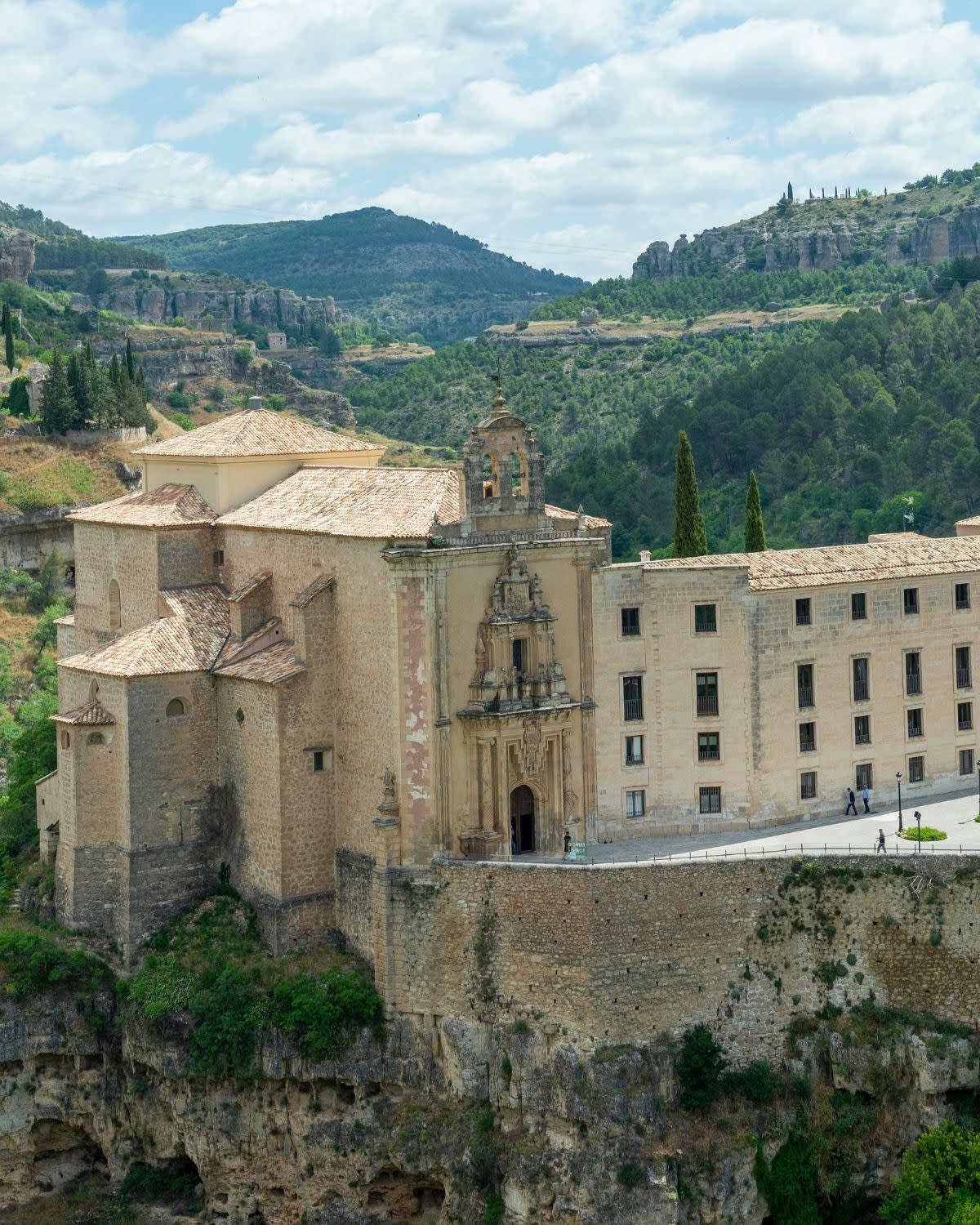
Upon arrival, check in to the Parador de Cuenca, set within a former monastery perched above the Huécar Gorge. The afternoon is intentionally unhurried, allowing time to explore the Parador’s grounds and take in the ever-changing light across the ravine. From the Parador, it’s an easy and scenic walk across the San Pablo Bridge into the historic center, with taxis available if preferred.
For dinner, travelers may dine in Cuenca’s historic center or return to the Parador, with curated recommendations provided.
Day 8: Art, landscape & reflection in Cuenca
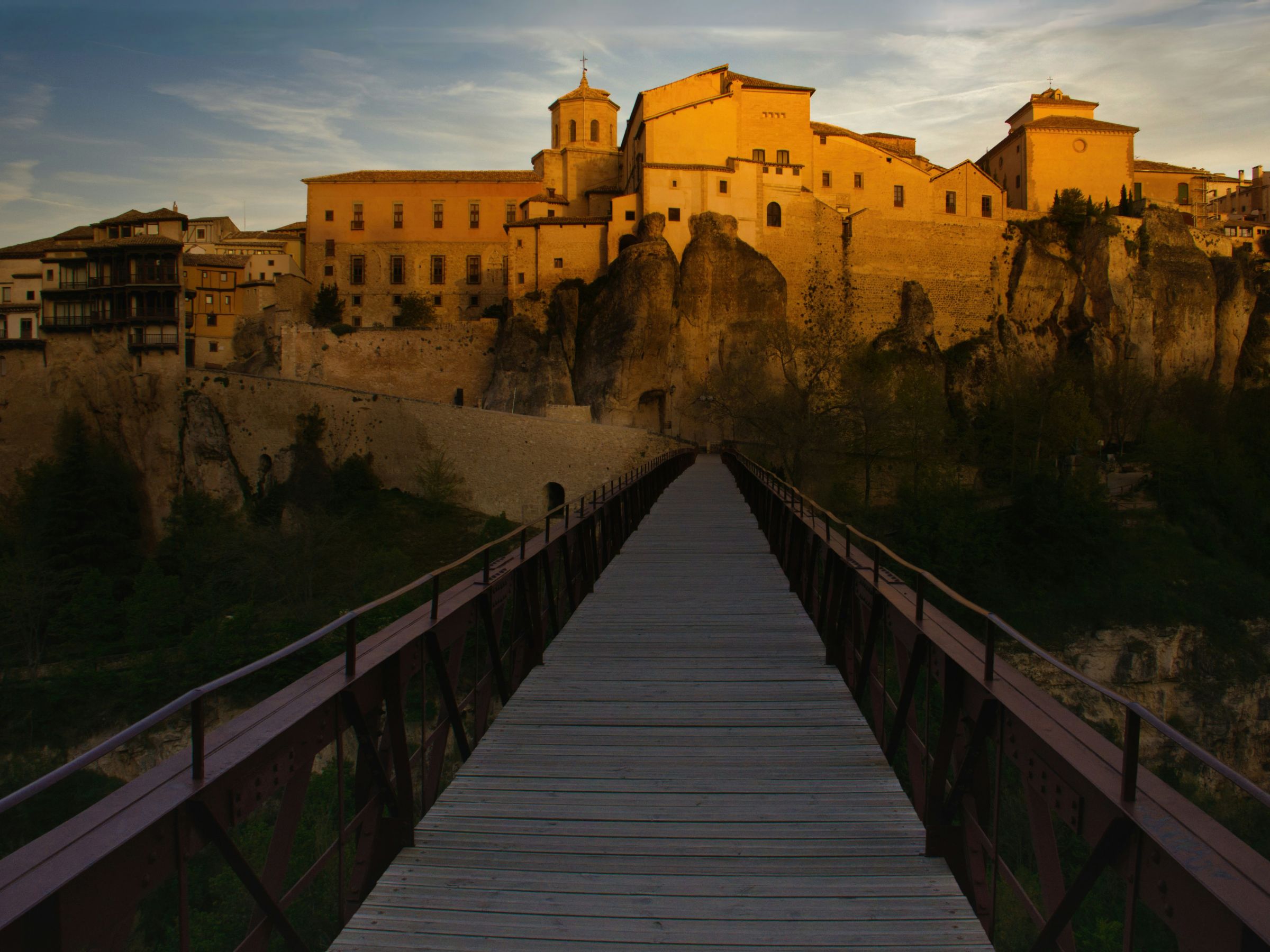
Cuenca: crossing into history
Spend the final full day exploring Cuenca’s unique blend of art, architecture, and natural setting. The morning may include a walk through the historic center, visiting medieval streets, viewpoints, and the iconic Casas Colgadas. For those interested in modern art, a visit to the Museo de Arte Abstracto Español offers a striking contrast, with the option of a private guided visit or a self-guided exploration.
Lunch is flexible and can be enjoyed in town or back at the Parador. The afternoon is left open for walking the gorge trails, revisiting viewpoints, or simply absorbing the atmosphere.
For the final evening, travelers may choose a farewell dinner in the historic center or at the Parador. The night is designed to feel reflective rather than busy, bringing the journey to a close with a strong sense of continuity between place, history, and experience.
Need to know
Who this itinerary is well suited for
This journey is thoughtfully designed to appeal to both first-time visitors to Spain and seasoned travelers seeking deeper cultural connection. For those new to Spain, Madrid provides a welcoming introduction through art, language, and daily life, while guided experiences offer context and confidence. For returning travelers, the itinerary moves beyond highlights, emphasizing lived-in heritage, regional food traditions, and Paradores stays that reveal Spain at a slower, more meaningful pace. Throughout the journey, travelers gain access to culture, history, and place in ways that feel immersive rather than touristic.
Pacing & walking
This itinerary is designed for travelers who enjoy walking and exploring historic city centers. Several destinations, particularly Toledo and Cuenca, feature cobblestone streets, hills, and stairways. Comfortable walking shoes are essential, and days are paced to allow for breaks, café stops, and time to linger.
Transportation notes
Train travel is used where efficient and direct, while private transfers are recommended for select regional legs where rail connections are limited. This combination ensures a balance of comfort, flexibility, and time efficiency while minimizing logistical stress.
Customization & flexibility
All activities and experiences can be tailored to individual interests and travel style. Optional alternatives—such as additional museum visits, language instruction, culinary experiences, or added rest time—can easily be incorporated. Parador selections and transportation arrangements may also be adjusted to reflect pacing preferences, seasonal considerations, or logistical needs.
Dining & reservations
Restaurant recommendations are curated in advance, with a mix of classic institutions and local favorites. Reservations are strongly recommended, particularly in Madrid and Toledo. Dining experiences can range from casual tapas to more formal regional meals, depending on preference.
Best time to travel
Spring and fall offer the most comfortable weather for walking and sightseeing, with mild temperatures and fewer crowds. Winter is also an excellent time to visit, particularly for travelers interested in museums, food, and cultural experiences, as cities are quieter and hotel availability is often better. Summer travel is possible but best enjoyed with early starts, mid-day breaks, and relaxed evenings, especially in the inland destinations included in this itinerary.


Travel Advisor
Dana Levy

Dana Levy

Get in touch with Dana Levy
Did you like this guide? Reach out to customize and book your own experience. Or, just to chat about travel in general.
For more inspiration and insider recommendations, visit our Spain page.