

Curator’s statement
Costa Rica is one of my favorite places on the planet. I’ve been five times—four of those with my children—and every trip, I find new reasons to fall in love with this country. It’s the only place I’ve been where stunning beaches are virtually empty, waterfalls that feel like they only exist in movies are usually a short drive and short hike away, and wildlife is everywhere you look. But Costa Rica is also a large and incredibly diverse country, and even deciding where to spend your time can feel a little overwhelming. My goal with this guide is to give you a feel for a few of the most popular destinations—their vibe, what makes each area special, and some of the activities and sights you’ll find nearby—so you can start narrowing down where you’d like to stay and begin shaping a potential itinerary. And I’ll be honest: You’ll probably want to come back. So don’t worry about trying to fit everything into one trip. Set aside plenty of time to slow down and relax. If that doesn’t come naturally to you, I’m always happy to help. Pura vida!
The Fora Difference
Book with Erin Ewing to access exclusive perks and experiences on your trip.

Killer perks
Free upgrades, spa credits and more—we got you

Personalized recs
Customized travel planning for your style

Insider knowledge
Expert advice from people who’ve actually been there
Where to stay in Costa Rica
Unlock perks by contacting Erin Ewing to book your trip.
Things to do in Costa Rica
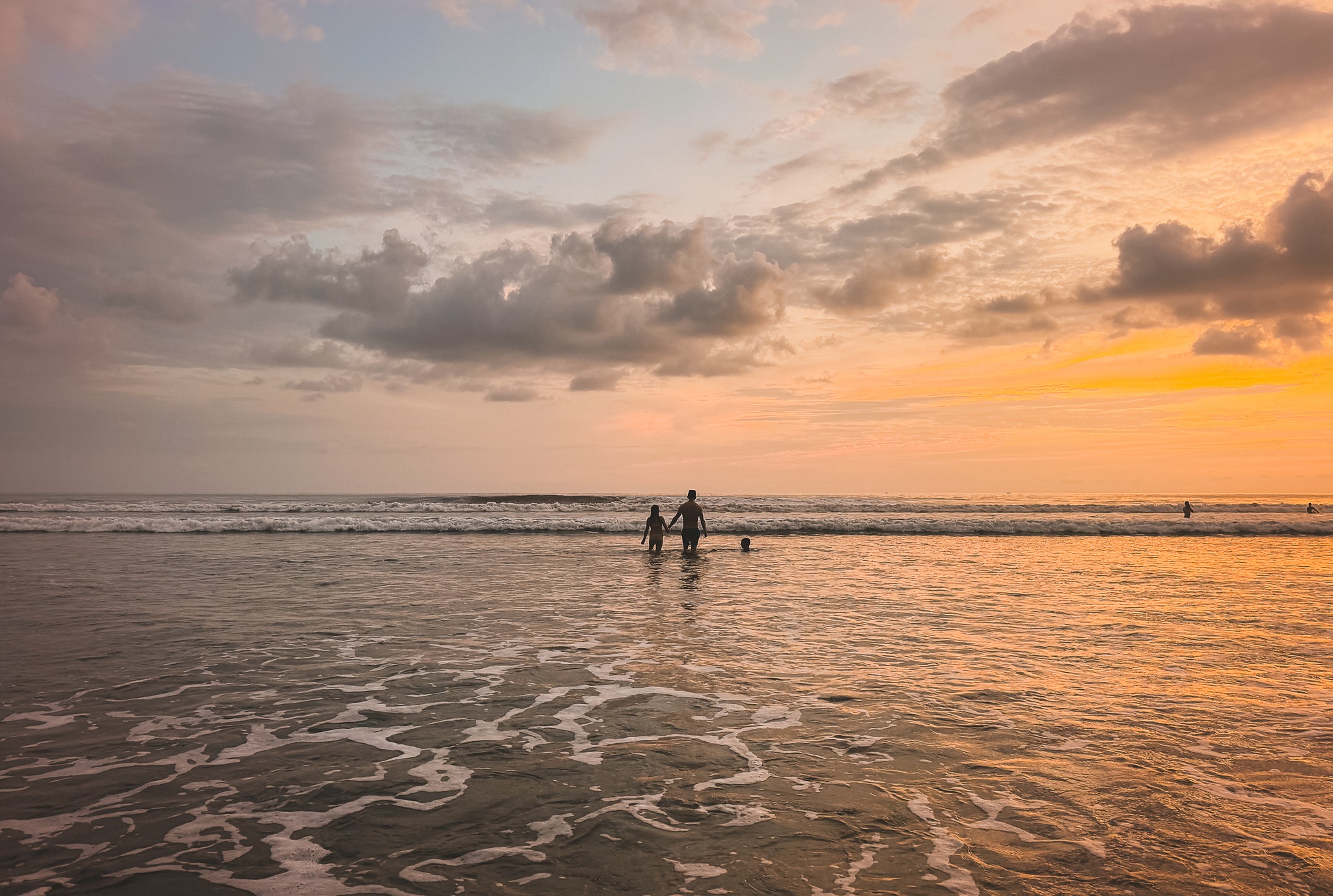
Playa Dominical at sunset
1. Play in the waves
Costa Rica is warm year round, with ocean temperatures ranging from 77 to 86 degrees Fahrenheit (25 to 30 degrees Celsius), making it perfect for swimming, splashing, and just enjoying the water. For my family, there’s nothing better than running in the waves and letting the kids jump and tumble in the surf. Even my older kids, now 14 and 12, will spend hours entertaining themselves in the waves—trust me, it’s magical to watch. And you’re unlikely to experience crowds or fighting for space. It’s amazing.
If you have younger children or less experienced swimmers, keep a close eye on them. Some beaches have lifeguards who monitor the stronger currents and rip tides, but the beaches are vast, so you’ll still want to be the first line of defense.
Tips for families:
Travel life jackets: These are lightweight, inexpensive, and perfect for giving extra peace of mind in the surf.
Waterproof phone cases: Great for capturing action shots while protecting your device.
Timing matters: Mornings often have calmer waves, making it ideal for little ones.
Afternoons can bring stronger currents, especially during the high season.
2. Hike to a waterfall
Costa Rica is full of stunning waterfalls, each with its own level of accessibility and hiking difficulty. Before you go, research the trail and make sure you’re prepared with plenty of water, sturdy shoes, and sun protection.
Many waterfall access points have parking areas that require a small cash fee—typically $2 to $5—so be sure to have cash on hand.
If you’d rather skip the logistics, consider a guided tour. A reputable guide can provide transportation, insider tips, easier access, and sometimes even a local lunch, making the experience smooth, safe, and more enjoyable for families or travelers of all ages.
Some of our favorites include:
Nauyaca Waterfalls
(Easiest access from Dominical and Uvita)
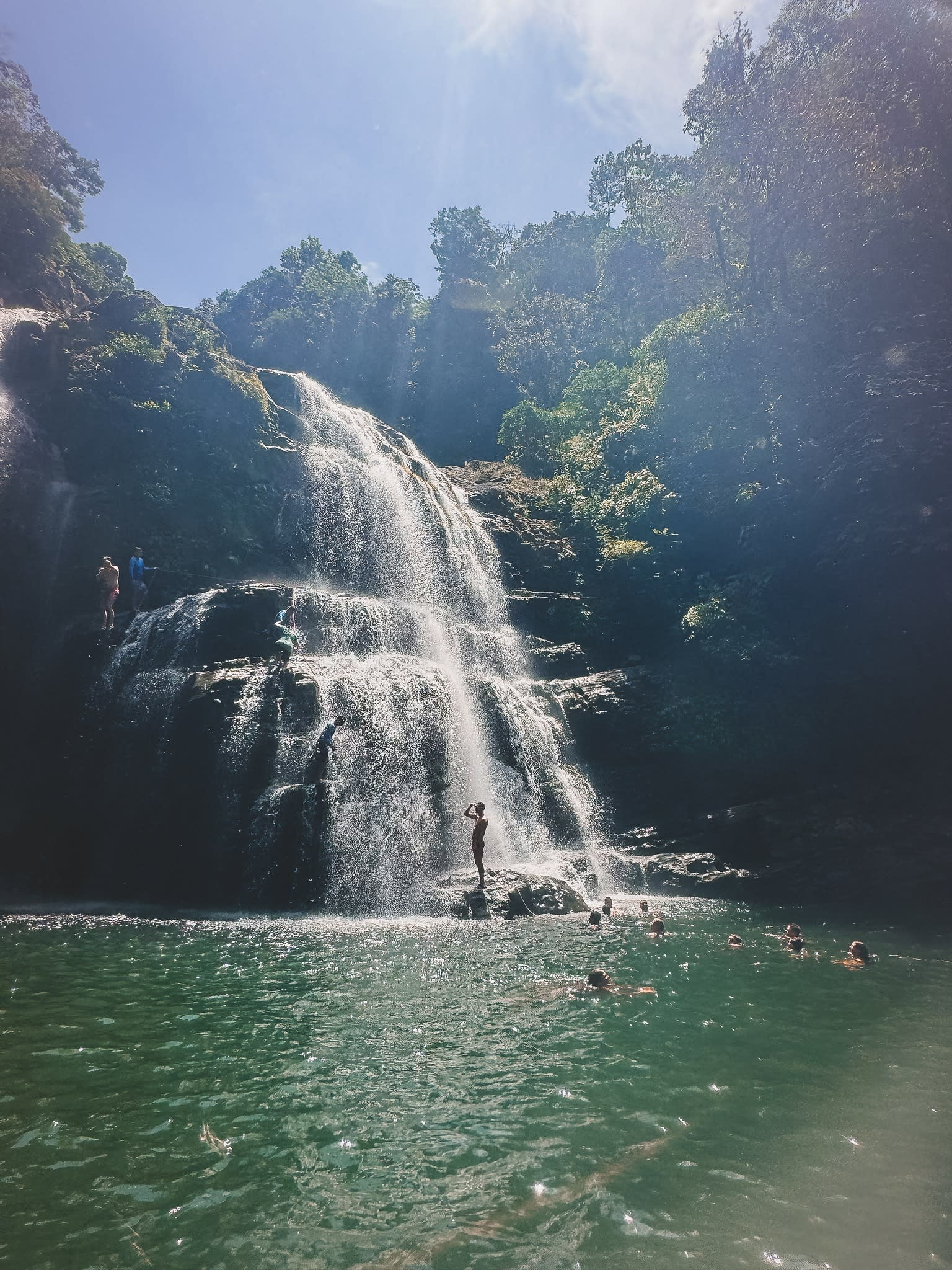
Located in the lush mountains above Costa Rica’s Southern Pacific Coast, Nauyaca is widely considered one of the most spectacular waterfalls in the country. The falls cascade down a dramatic canyon in two impressive tiers, dropping more than 200 feet into a series of natural pools and swimming areas surrounded by dense jungle.
The lower waterfall is the main attraction, where visitors can swim in the large turquoise pool, relax on the warm river rocks, and watch the powerful cascade plunge into the canyon. The setting is expansive and social—there’s plenty of room to spread out, swim, sunbathe, or simply take in the scenery. The upper falls are equally beautiful and offer a quieter vantage point with sweeping views over the jungle valley. This is a must-see experience on the Southern Pacific Coast, and one that works well for travelers of many ages—when approached the right way.
Visiting the waterfalls
Visitors can reach the falls either by hiking the access road or by booking a 4x4 truck ride from the entrance. While the hike is doable, it’s long, exposed, and often extremely hot—it can feel like hiking on the surface of the sun. I highly suggest paying for the truck transfer, which dramatically shortens the walking distance and makes the visit enjoyable for families and travelers of all ages. In fact, I still don’t think my family has forgiven me for making them do this hike … something even an ice-cold Coca-Cola couldn’t fix.
Once at the falls, you’ll find several places to swim, shallow areas for relaxing in the water, and large sun-warmed boulders that are perfect for lounging and people-watching. It’s a beautiful spot to spend a few hours cooling off after exploring the region.
Tip: Bring sturdy water shoes or sandals with good grip, as the rocks near the falls can be slippery.
Getting there
From Dominical:
Drive time: About 30 minutes
Distance: About 10 miles (16 km)
Follow the Costanera Sur (Highway 34) south and turn inland toward the Nauyaca entrance near the village of Platanillo.
From Uvita:
Drive time: About 45 minutes
Distance: About 20 miles (32 km)
Head north on Highway 34 toward Dominical, then turn inland toward the waterfall entrance.
The final portion of the drive winds into the hills above the coast and leads to the official Nauyaca Waterfalls Nature Park entrance, where visitors check in and arrange their truck transfer or begin the hike.
Oropéndola Waterfall (Rincón de la Vieja)
(Easiest access from the Guanacaste region)
Oropéndola Waterfall is one of the most accessible and beautiful waterfalls in the Rincón de la Vieja National Park region and an excellent excursion from the beaches of Guanacaste. Located near the Las Pailas sector of the park and accessed through Hacienda Guachipelín Adventure Center, the waterfall plunges about 82 feet (25 meters) into a striking turquoise pool surrounded by a narrow volcanic canyon.
One of the best things about Oropéndola is how easy it is to reach. A well-maintained forest trail of roughly 900 meters (about half a mile) leads visitors across hanging bridges and down staircases to the viewing platform and swimming area, making the walk manageable for most travelers and families.
At the base of the falls, visitors can relax along the riverbank or take a refreshing swim in the mineral-rich waters, which get their distinctive blue color from volcanic soils in the region. During the rainy season, the waterfall becomes more powerful and swimming may occasionally be restricted, but the viewpoint still offers dramatic views of the canyon and falls.
Getting there
From the Guanacaste beach region—including Papagayo Peninsula, Playa Hermosa, and Tamarindo—the drive to Rincón de la Vieja typically takes an hour and a half to two hours.
Many travelers combine the waterfall visit with Rio Negro hot springs or other volcanic adventures, making it an excellent half-day or full-day excursion from the coast.
Belén Waterfall
(Easiest access from Uvita or Dominical)
Hidden just outside the small village of Uvita, Belén Waterfall is a lesser-known gem that offers a refreshing jungle swimming spot without the crowds found at some of Costa Rica’s more famous waterfalls. When we visited, we had the entire place to ourselves for over an hour before a few other visitors arrived. It’s that kind of place.
The falls cascade down a series of rocky ledges into a wide natural pool surrounded by dense tropical forest. While not as towering as Nauyaca, Belén makes up for it with its easy access and peaceful atmosphere, making it a great stop for travelers who want a quick waterfall swim during a beach day.
The pool at the base is usually calm and inviting, with plenty of shallow areas for wading and deeper spots for swimming. Large river rocks along the banks are perfect for sitting, relaxing, and listening to the sound of water flowing through the jungle.
Because it’s smaller and less visited than other waterfalls in the region, Belén feels like a local secret—ideal for travelers who want a quieter nature experience.
Visiting the waterfall
The waterfall is reached via a short walk from the road and requires only a minimal hike, making it a quick and easy adventure compared with some of Costa Rica’s more strenuous waterfall treks. Bring water shoes or sturdy sandals, as the rocks around the falls can be slick. It’s a great stop for a swim, a picnic, or a peaceful break between beach activities.
Getting there
From Uvita:
Drive time: 10 to 15 minutes
Follow the coastal highway inland toward the small village of Belén. The waterfall entrance is located just outside town along a rural road.
From Dominical
Drive time: 20 to 25 minutes
Head south along Highway 34 (Costanera Sur) toward Uvita and follow signs inland toward Belén.
Parking is typically available near the entrance, followed by a short walk down to the river and falls.
Montezuma Waterfalls
(Easiest access from Santa Teresa and Mal País)
Located just outside the bohemian beach town of Montezuma, the Montezuma Waterfalls are among the most iconic natural attractions on the Nicoya Peninsula. The waterfall system consists of three tiers, each with its own swimming areas and viewpoints. The first waterfall is the easiest to reach and features a broad cascade pouring into a large swimming hole where visitors gather to cool off beneath the jungle canopy.
The hike to the falls is challenging. The path is made up of boulders, roots, and mud, and ropes are installed in several sections to help hikers climb to the next part of the trail. There were people of all ages making the trek and enjoying the falls, but if you have any mobility concerns, consider a guided tour or using one of the private entrances with stair access.
Because the waterfalls sit just outside town, they’re one of the most convenient nature excursions on the Nicoya Peninsula and easy to combine with a beach day. That said, arrive early—the swimming areas are fairly small and the trail can get busy later in the day.
Visiting the waterfalls
The most common access point begins near the Montezuma town bridge, where visitors follow a riverside trail upstream through the forest to reach the lower falls. Another option is to access the upper viewpoint through a private entrance with a small fee, which provides easier access via a maintained trail and hanging bridge.
Bring good footwear, as the rocks and trails can be uneven and slippery—especially after rain.
Getting there
From Santa Teresa or Mal País:
Drive time: 40–45 minutes
Follow the coastal road north along the Nicoya Peninsula toward Montezuma. There is also a shortcut via an unpaved road—a 4x4 is recommended, though it is often manageable in a two-wheel-drive vehicle during the dry season.
Parking is available near the Montezuma town bridge, which serves as the main starting point for the river trail leading to the falls.
Tip: Visit early in the morning when temperatures are cooler and before tour groups arrive. After exploring the falls, it’s easy to walk back into town for lunch at one of Montezuma’s casual beachfront cafés. We like Sabor de Mar Montezuma.
3. Visit the hot springs near Rincón de la Vieja
The volcanic activity of Rincón de la Vieja heats underground mineral waters throughout the region, creating natural hot springs that are perfect for relaxing after a day of hiking or exploring waterfalls. Rio Negro Hot Springs is the most popular geothermal experience in the area. Located along the Rio Negro river and typically accessed via Hacienda Guachipelín, the springs feature around 10 thermal pools set on both sides of the river in lush tropical forest.
You can reach the pools via short forest trails and suspension bridges, soaking in mineral-rich waters at different temperatures while surrounded by jungle scenery. A highlight is the volcanic mud bath, where you can apply natural clay to your skin before rinsing off in the river and returning to the hot pools. My daughter loved this experience.
Other hot springs in the region
Blue River Resort & Hot Springs: Located on the far side of the volcano in a rainforest valley, this resort offers multiple thermal pools, botanical gardens, and spa treatments for a more resort-style hot springs experience.
Volcanic river hot springs and mud baths throughout the Rincón de la Vieja area provide a more rustic alternative to the larger spa complexes near Arenal, often surrounded by forest and wildlife.
Tip: Combine Oropéndola Waterfall and Rio Negro Hot Springs into a single day trip—one of the best excursions from the Guanacaste beaches. There are self-guided and guided tours that include lunch.
4. Go zip-lining
Costa Rica is an ideal place to try zip-lining for the first time. While it will be hot, the open jungle canopy and abundant wildlife make for incredible scenery.
WingNuts: Near Sámara, this small, family-owned company is hands-down my favorite. Local, knowledgeable, and hilarious guides make the experience feel personal and safe.
Titi Canopy Tours: Near Quepos (best accessed from Dominical or Uvita). Professional and very safe, though it felt more corporate and rushed compared with smaller operators.
5. Go whitewater rafting
Rafting on Costa Rica’s rivers is a thrilling and completely different way to experience the rainforest. My family went on the Savegre River while staying in Dominical and had an amazing time. The rapids were challenging but manageable, and our guide stopped at a small swimming hole with a waterfall for refreshments and cookies. A photographer accompanied us, capturing moments from the shore.
This is a great adventure for travelers of all ages. Several operators offer family-friendly tours, and your advisor or hotel concierge can recommend the best fit based on your group and experience level.
6. Take a boat tour
Costa Rica offers countless boat experiences—from island hopping to wildlife spotting. Some of my favorites include:
The Playa Hopping Tour from El Mangroove: Island exploration tour including a hidden cave and tiny white-sand beaches. We pretty much got to decide where to go—if we wanted to check out a beach, they took us there.
Zuma Tours from Montezuma: Private charter visiting Monkey Island, Tortuga Island for some rum cocktails, snorkeling, and ending at a small private island for lunch. This was my favorite excursion of all time. The crew was amazing and the boat was absolutely stunning.
Andaz Bioluminescence Tour: Evening tour following dolphins, watching the sunset, and experiencing bioluminescence in the waves. Our guides brought a bottle of red wine and pointed out key sites. This was a last-minute booking for our last night and we loved it.
Our family prefers private charters, but there are also numerous small group tours depending on your interest in snorkeling, wildlife, or scenic cruising.
7. Wildlife or animal sanctuary tours
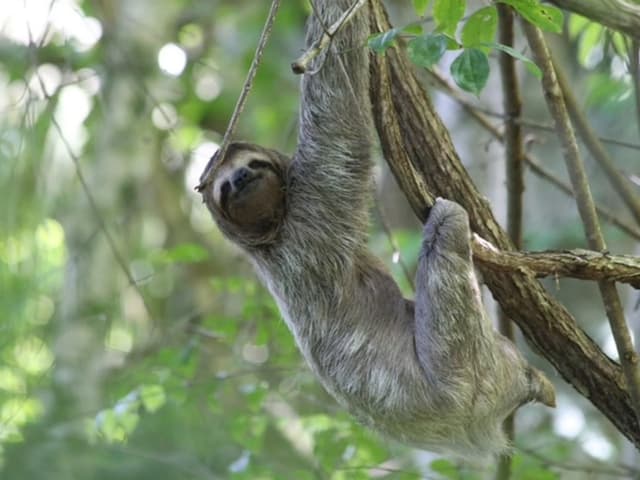
Costa Rica’s wildlife is abundant—expect to see monkeys, armadillos, macaws, and coatimundis (often called “picotes”) around your property. On our first trip 15 years ago, I marveled that we had to wait for cows, picotes, roosters, and even crabs to cross the road.
For a more immersive experience, consider guided tours or sanctuary visits to see iconic Costa Rican animals like:
Sloths
Toucans
Jaguarundi and other native cats
Exotic frogs and reptiles
Tours can range from half-day to full-day excursions. Choosing a tour with a convenient pickup location near your hotel will make it more manageable, especially with children. Some wildlife experiences include:
Educational activities for kids
Guided walks through forest preserves
Opportunities for safe wildlife photography
Your advisor or hotel concierge can match you with reputable guides or family-friendly sanctuaries to ensure a memorable, safe experience.
8. Take surf lessons
When in Rome, right? Costa Rica is a world-class surfing destination, with options for beginners and advanced surfers alike. My family’s favorite surf town is Nosara, where Playa Guiones offers consistent waves, a great surf community, and beautiful sunsets. My husband attempted surfing there. He’s an Ironman and still said it was one of the most challenging things he’s attempted.
Top surfing beaches by region
Northern Pacific (Guanacaste):
Playa Guiones (Nosara): Consistent, year-round waves for all levels.
Playa Negra: Fast, right-breaking reef waves; best for experienced surfers.
Tamarindo: Popular beginner-friendly beach breaks.
Playa Grande: Consistent, higher-quality waves near Tamarindo.
Witch’s Rock & Ollie’s Point: Boat-access-only breaks; powerful waves.
Playa Avellanas (“Little Hawaii”): Diverse, consistent waves.
Nicoya Peninsula:
Santa Teresa: Fast, powerful waves for intermediate/advanced surfers.
Playa Carmen: Beginner-friendly breaks near Santa Teresa.
Central Pacific:
Playa Hermosa (Jaco): Beach breaks for intermediate/advanced surfers.
Jaco: Easy, consistent waves for beginners.
Boca Barranca: Longest left-hand wave in the country; advanced surfers only.
Southern Pacific:
Pavones: One of the longest left-hand point breaks in the world; advanced surfers.
Matapalo: Three consistent right-hand breaks.
Best time to surf
Dry season (December to April): Smaller, cleaner waves; ideal for beginners and most beaches.
Green/rainy season (May to November): Larger swells and afternoon rains; better for experienced surfers.
Tips for surfing
Safety: Watch for strong rip currents at beaches like Playa Hermosa.
Crowds: Popular beaches can get busy—arrive early for space.
Accessibility: Some locations, like Matapalo, may be difficult to reach during rainy season.

A note from Erin
Many travelers combine one jungle or volcano destination with one beach region. My family has always leaned beach-forward. It’s easy to rent a villa with sweeping ocean views that still feels jungle-immersed, while being just 10 to 15 minutes from the beach.
Places to eat & drink in Costa Rica
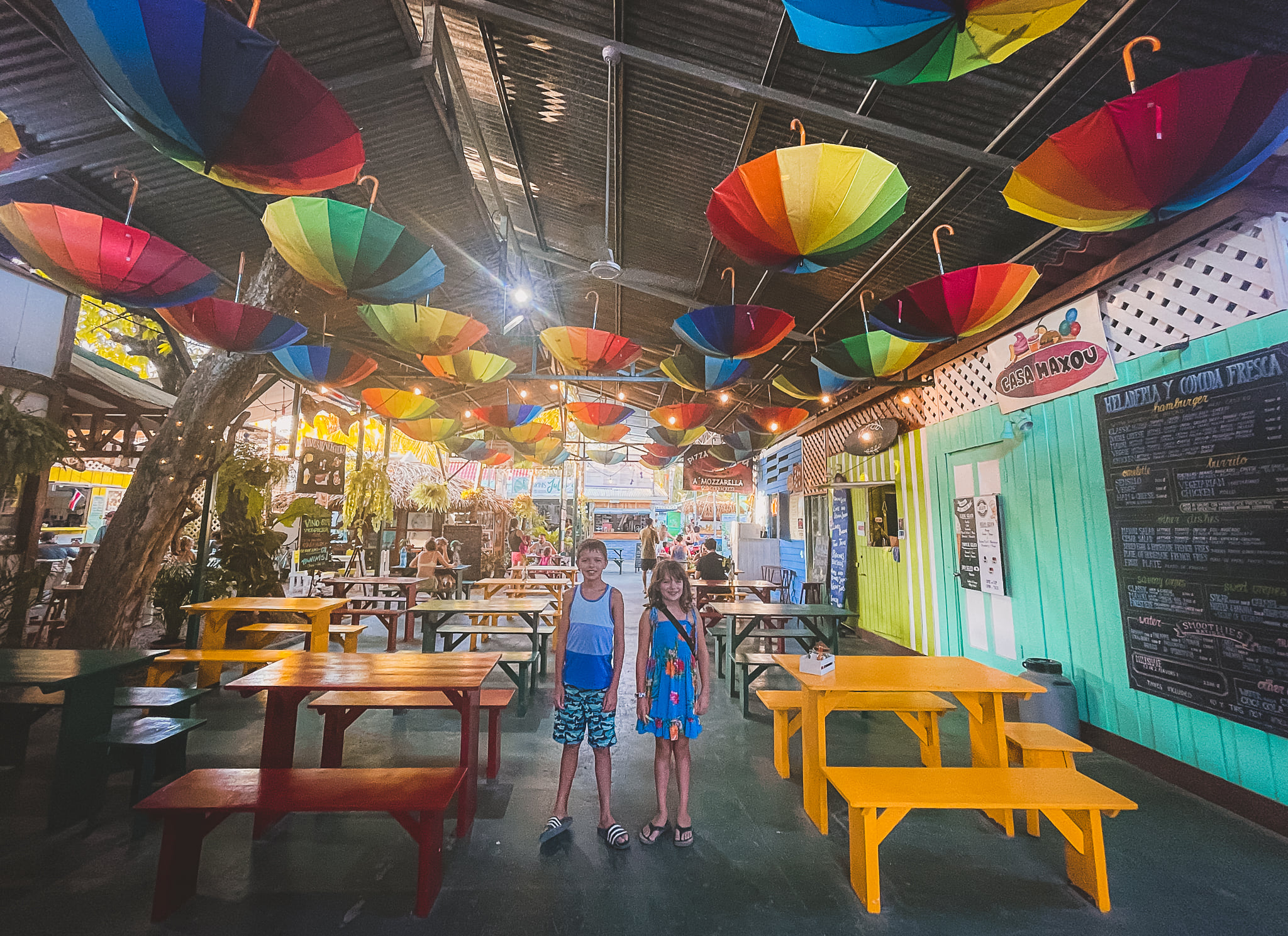
Eatery in Samara
Fuego Brew Co. (Dominical)
A lively craft brewery where the jungle meets the beach. Fuego is known for creative craft beers brewed with local spring water and tropical ingredients, along with a menu of pizzas, tacos, grilled seafood, and Costa Rican favorites. It’s a fun, relaxed spot for families or groups and often features live music and a full bar.
Mama Toucan’s Natural and Organic Food Store (Dominical)
Part gourmet grocery, part café, Mama Toucan’s is the perfect stop for healthy bites, smoothies, and picnic supplies before a beach or waterfall day. The shop focuses on organic products, fresh juices, prepared foods, and locally sourced ingredients with plenty of vegetarian and vegan options.
Pizza Tomate (Mal País)
A small but beloved pizzeria known for wood-fired pizzas topped with fresh ingredients. The laid-back garden setting and casual vibe make it a great stop after a day exploring the beaches between Mal País and Santa Teresa.
The Bakery (Santa Teresa / Mal País)
A long-time favorite for breakfast, lunch, or casual dinner. The menu ranges from fresh pastries and great coffee in the morning to pizza, sandwiches, and salads later in the day, making it an easy go-to for travelers.
Banana Beach Restaurant (Santa Teresa)
A classic beachfront restaurant and bar with an energetic sunset scene. Guests lounge in beach chairs or daybeds while sipping tropical cocktails and watching the sun drop into the Pacific.
Ostra (Andaz, Peninsula Papagayo)
Located beside the adults-only pool at the Andaz, Ostra offers a refined seafood-focused menu with creative Latin flavors. It’s a sophisticated setting for sunset cocktails and dinner overlooking the bay.
Chao Pescao (Andaz, Peninsula Papagayo)
Often described as the Andaz’s tapas-style restaurant, Chao Pescao serves small plates inspired by Latin street food alongside craft cocktails and live music. The lively atmosphere makes it one of the resort’s most social dining venues. Come hungry.
Matiss (El Mangroove, Gulf of Papagayo)
Matiss is the laid-back beachfront restaurant at El Mangroove, offering a relaxed, toes-in-the-sand atmosphere just steps from the water. The vibe is casual and beachy, with open-air seating, ocean breezes, and beautiful sunset views over the bay—making it a great spot for an easy lunch or afternoon cocktails after time at the pool or beach. There's not an expansive menu, but it's a great spot.
Father Rooster’s (Playa Ocotal)
A fun beachfront restaurant known for its laid-back vibe, colorful décor, and sweeping views of the bay. The menu highlights grilled seafood, tacos, burgers, and tropical cocktails, making it a favorite sunset stop for visitors exploring the Papagayo area.
Gusto Beach (Sámara)
A stylish beachfront restaurant perfect for seafood lovers. Gusto Beach is known for fresh fish, ceviche, Mediterranean-inspired dishes, and great cocktails served steps from the sand—ideal for a relaxed lunch or sunset dinner.
Need to know
Potential dealbreakers
In recent years, Costa Rica has skyrocketed in popularity. I totally get it—but along with that popularity come a few changes, especially noticeable if you’ve been visiting for the past 20 years.
First, it’s no longer a truly budget-friendly destination. You can still find no-frills accommodations, but the country is leaning heavily toward luxe eco-lodges and high-end resorts, which inevitably price some travelers out.
Second, parts of Costa Rica feel slightly less authentic than they used to—particularly in Papagayo, where big-name luxury resorts continue to pop up rapidly. I was genuinely surprised on my most recent visit to see a Crate & Barrel billboard. But this growth has been tremendous for the local economy, and there really is something for everyone.
Unless you can’t handle bugs.
Even at the most beautiful five-star resorts, there will inevitably be bugs of all kinds. If that’s a dealbreaker, Costa Rica may not be the right fit—and that’s okay. There are plenty of other destinations that might suit you better.
Insider tips
Book 4x4 vehicles early during peak season
Expect wildlife, including bugs—even at luxury resorts
Bug spray and sunscreen are essential
Credit cards and American dollars are widely accepted; bring small and large bills for tips.
Don't expect that everyone can speak English, especially in the smaller more remote areas, but English is prevalent at large resorts and on guided tours.
Domestic flights can dramatically improve trip flow.
Dry season (December to April) favors Guanacaste beaches.
Green season (May to November) brings lush jungle and dramatic waterfalls.
Air transportation
The key to planning a successful Costa Rica trip is understanding that travel time often feels much longer than distances suggest. Choosing the right airport—and pairing compatible regions—is essential.
I use the term “estimated” drive times very loosely. Roads are notoriously rough, often two-lane (sometimes unpaved), with potholes that could swallow a Jetta. Add slow-moving traffic and limited infrastructure, and drive times can easily double—or at least feel twice as long. If it’s your first visit, you’ll want to avoid long drives at night in a rental car.
Costa Rica’s two international airports
Liberia International Airport (LIR)–Guanacaste Region
Best for: Northern Pacific beaches, resort destinations, surf towns.
Estimated drive times:
Papagayo: 30–45 minutes
Tamarindo: 1–1.5 hours
Flamingo / Conchal: 1–1.5 hours
Nosara / Sámara: 2–2.5 hours (plan closer to 3 due to road conditions)
Santa Teresa: 4–5 hours
La Fortuna: 2.5–3 hours
Why choose LIR:
Smaller, easier airport experience
Gateway to Costa Rica’s more luxe regions
Shortest access to beach resorts
Ideal for beach-focused trips
Still my preferred airport for domestic flight connections
San José International Airport (SJO)
Best for: Rainforest experiences, volcanoes, southern Pacific coast, and multi-region itineraries
Estimated drive times:
La Fortuna: 2.5–3 hours
Monteverde: 2.5–3 hours
Santa Teresa: 4–6 hours
Dominical: ~3.5 hours
Uvita: 3.5–4 hours
Why choose SJO:
Greater flight availability
Better access to jungle and wildlife regions
Preferred airport for southern Pacific travel
Important note: Customs here can take hours. Be prepared for long lines and a hectic arrival experience. If you can’t avoid this airport, here are some tips to make it more tolerable:
Look into domestic connecting flights. You’ll bypass the main customs line if you can show proof of connection. A short 35-minute flight beats several hours in the car after a long travel day.
Consider staying one night near the airport. Not ideal—but far better than driving into the dark after an exhausting day.
Pre-arrange reputable airport transportation. You’ll exit customs into a sea of drivers holding handwritten signs while tired travelers scramble to find their rides.
Small plane transfers (major time saver)
After multiple trips involving endless drives—and carsick kids—we explored chartering small planes. At the time, it wasn’t much more expensive than flying commercial as a family, and it saved hours. These flights often turn four- to six-hour drives into 30 to 45 minutes, include assistance navigating customs, offer incredible aerial views—and yes, sometimes beers.
Important: These planes have strict weight and luggage limits, so be sure you understand restrictions before booking and definitely before arriving.
Rental cars
I strongly recommend renting a 4x4, even if you’re not heading to remote regions. On our first trip, the road to Nosara crossed a small river, and several villa driveways were challenging even with all-wheel drive.
We’ve consistently used Adobe, a Costa Rican-owned company. Mandatory insurance is required and often not included in online quotes—Adobe is refreshingly transparent about these costs.
If you have to go with a more well-known brand, see if you can select the “pay now” option. That will at least prioritize your reservation ahead of others that haven’t paid in full. It’s also wise to confirm what your personal auto insurance and credit cards actually cover before arrival.


Travel Advisor
Erin Ewing

Erin Ewing

Get in touch with Erin Ewing
Did you like this guide? Reach out to customize and book your own experience. Or, just to chat about travel in general.
For more inspiration and insider recommendations, visit our Costa Rica page.