



Curator’s statement
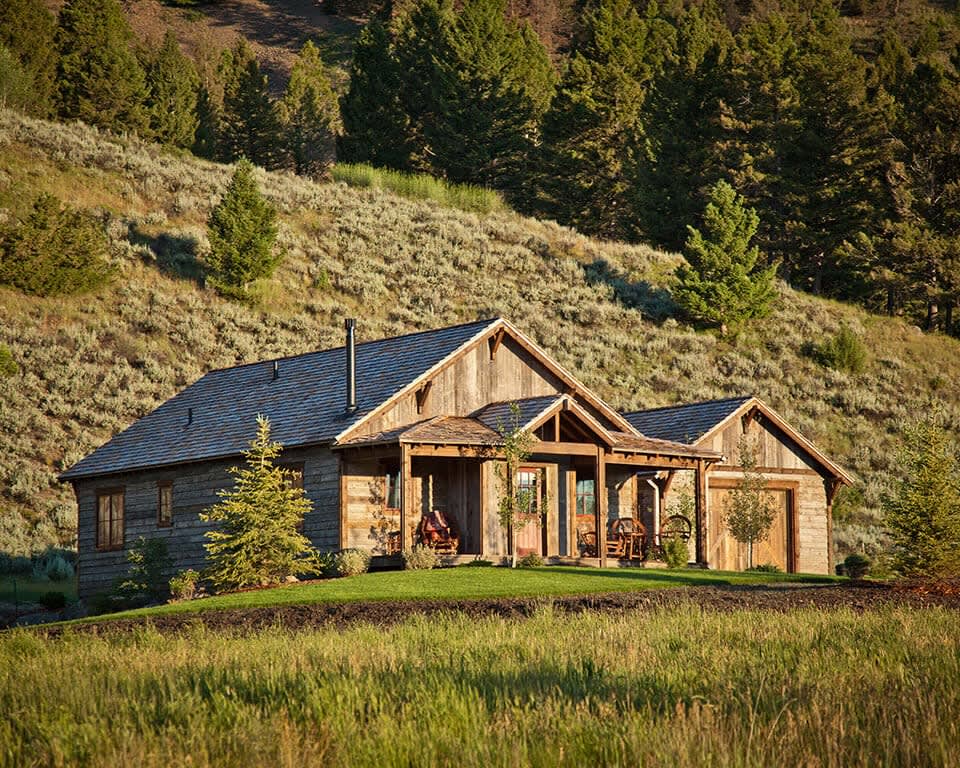
Nestled in a lush valley surrounded by forested mountains, Paro is Bhutan’s most iconic destination—home to ancient monasteries, dramatic cliffside temples, and one of the most scenic (and dramatically mountainous) airports in the world. Whether you’re seeking spiritual reflection, cultural immersion, or breathtaking Himalayan landscapes, Paro delivers an unforgettable experience.
The Fora Difference
Book with Ben Cubbage to access exclusive perks and experiences on your trip.

Killer perks
Free upgrades, spa credits and more—we got you

Personalized recs
Customized travel planning for your style

Insider knowledge
Expert advice from people who’ve actually been there
Where to stay in Paro, Bhutan
Unlock perks by contacting Ben Cubbage to book your trip.
Things to do in Paro, Bhutan
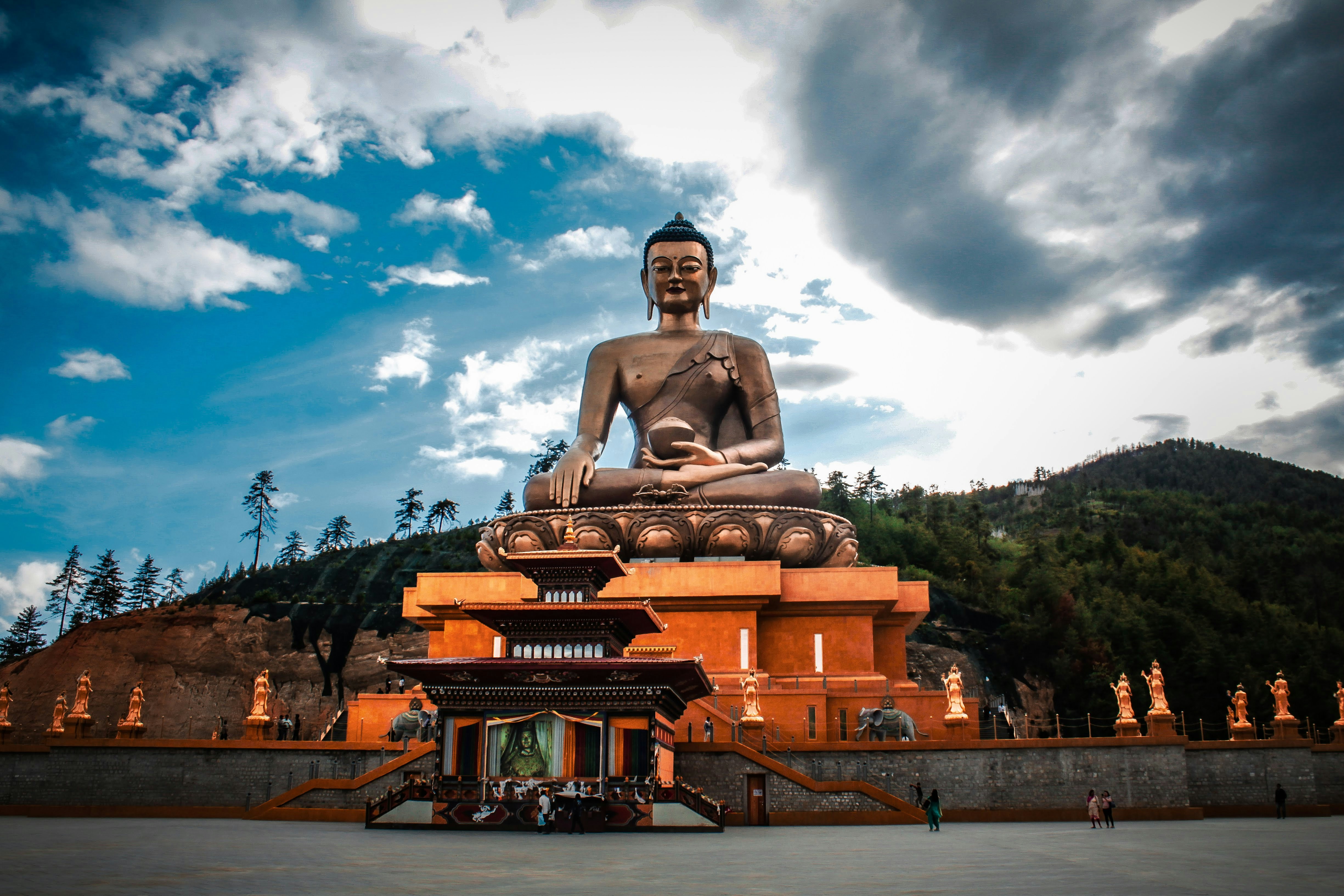
The Big Buddha overlooking Thimpu, Bhutan
Tiger’s Nest Monastery (Paro Taktsang)
Tiger’s Nest is the most iconic monastery in all of Bhutan, and for good reason: once inside the monastery, it is an spectacular 700 meter vertical drop down a cliff face to the lush farmland of the Paro Valley. Tiger’s Nest is an all-day hike, with the walking itself taking about five hours. But make sure you leave plenty of time to walk around the monastery itself and to stop at the halfway-point cafe for a latte and a hearty Bhutanese lunch. This monastery is a revered pilgrimage site and a major tourist attraction, known for its breathtaking views and its connection to Buddhist master, Guru Rinpoche. The trail of beautiful rhodedendrons is covered by an assortment of prayer flags, and you can enjoy one of the most beautiful views of Paro Valley as you go higher into the cliffs where Guru Rinpoche once defeated the evil spirits. The valley’s spiritual gravity is undeniable here, and this is most powerfully embodied by Paro Taktsang.
Rinpung Dzong
Known as the “Fortress of a Heap of Jewels,” Rinpung Dzong is a masterpiece of Bhutanese architecture. Perched above the Paro River and connected to the valley by a traditional cantilevered wooden bridge, Rinpung Dzong is one of Bhutan’s most striking examples of fortress-monastery architecture (and most Bhutanese tours take you through many different Dzongs or fortresses, but this one really stands out). Its towering whitewashed walls rise from the hillside with quiet authority, giving way to intricately carved wooden balconies and richly painted courtyards that reveal a softer, deeply spiritual interior. Built in the 17th century, the dzong serves both as a monastic residence and an administrative center, embodying Bhutan’s seamless unity between its government and religion. During the annual Paro Tsechu Festival, its courtyards come alive with masked dances and vibrant ceremonies, but even in stillness, Rinpung Dzong carries a palpable sense of history and reverence, as if every timber and mural holds a story waiting to be told.
Hot stone bath experience, a traditional Bhutanese relaxation ritual
A traditional Bhutanese hot stone bath is less a spa treatment and more a ritual of slow, grounding restoration, often experienced in a rustic wooden bathhouse tucked beside a farmhouse or overlooking a quiet valley. River stones are heated in an open fire until they glow hot, then carefully placed into a wooden tub filled with fresh water, releasing a gentle steaming effect as they infuse the bath with warmth and minerals. The heat builds gradually and feels deeply calming, while the faint scent of herbs—often artemisia—drifts through the bath house. Outside, prayer flags flutter, and the mountains stand still, but inside, time seems to dissolve entirely. It’s a moment to sit, to breathe, and to let the body soften—an experience that feels as much about cultural connection and simplicity as it is about physical relaxation.
Try your hand at Bhutanese Archery
Bhutanese archery is the country’s national sport, where teams shoot arrows at small wooden targets set over 100 meters away while teammates sing, dance, and celebrate each hit. It’s as much a lively social event as a competition, filled with laughter, traditional dress, and friendly rivalry.
The National Museum of Bhutan (Ta Dzong)
Perched on a hill overlooking Paro Valley, Ta Dzong was originally built as a large round watchtower to protect the nearby Rinpung Dzong. Today, it houses the National Museum of Bhutan, offering a rich collection of artifacts, from ancient weapons and textiles to intricate Buddhist thangka paintings that tell the story of Bhutanese culture and the fierce battle with all sorts of dark and powerful evil spirits. Its circular structure and sweeping views make it both a historical landmark and a peaceful place to take in the beauty of the valley. This is a history buff’s dream come true! But even if you find museums a little dry, this one delivers and is well-organized and quite vibrant and is definitely worth a 2–3 hour visit.
Explore Paro Town and local life
Paro has a small rural population of only about 12,000 people. This makes it very cozy and safe for tourists. Spend a quiet afternoon wandering through the quaint streets of Paro, shopping for hand-woven textiles, and visiting a farmhouse to try local cuisine, including Ema Datshi (cheese and chili).
Drive to Chele Pass for awesome mountain views
Chele La Pass is Bhutan’s highest motorable pass, where sweeping views of snow-capped Himalayan peaks meet forests of fluttering prayer flags and crisp mountain air. On clear days, the pass offers breathtaking panoramas stretching all the way to Mount Jomolhari, making it a favorite spot for quiet reflection and unforgettable photos. Make sure to bring dramamine if you get car sick, as the road is quite windy.
The Big Buddha (aka Buddha Dordenma)
One hour south of Paro town on the outskirts of Thimpu, the Buddha Dordenma rises majestically above the Thimphu Valley, a towering golden figure seated in serene meditation, visible from nearly every corner of the city. Built to celebrate the 60th anniversary of the fourth king, the bronze statue is 54 meters tall and houses thousands of smaller Buddhas within, symbolizing peace and compassion on a monumental scale. Surrounded by sweeping mountain views and quiet open space, it offers a place that feels both grand and deeply still, inviting visitors to pause and take in the spiritual heart of Bhutan. When I was in Bhutan in 2025, there was a massive Buddhist gathering here of thousands of Bhutanese pilgrims listening to the chants of great teachers and masters, giving the platform a very mystic and reverential awe.
Places to eat & drink in Paro, Bhutan
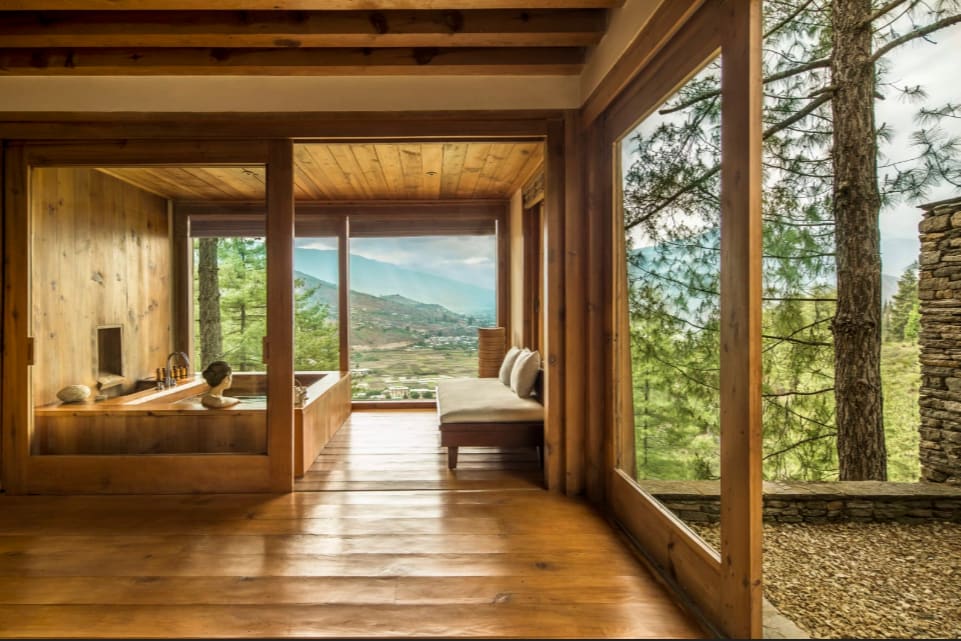
COMO Uma Paro
Sonam Trophel Restaurant: This is a highly rated, family-owned spot in the town center popular for Ema Datshi (the national Bhutanese dish made of spicy chili and cheese) and momos (momos are dumplings that are famous across the Himalayas and can be filled with cheese, potato, or meat).
Phangguu Paro: This quaint restaurant feels like the inside of a local’s farmhouse and is known for its cozy atmosphere and traditional Bhutanese meals.
Tshering Farm House: Offers an authentic, rustic dining experience. Some of my favorite food experiences are in these farmhouse restaurants, as they really captured the local, organic feel of Bhutan, from their handcrafted wooden bowls to their stonework and design, it feels like you have stepped 100 years back in time into a simpler era.
Momo Corner: A small, popular spot known for serving some of the best (you guessed it!) momos in town. There is a joke among tourists that every town has at least one of these restaurants with the same name, and I do not think they are related. But if you have to go to just one “Momo Corner”- this is a great choice.
Brioche Café: Another popular café and bakery, located right on the main street, is ‘Brioche Café.’ Owned by a pastry chef at a 5-star resort, this charming patisserie uses only local and organic ingredients. Step inside for a sweet treat and you will find yourself unable to decide between a variety of fresh tarts, cakes, pies, and much more. Try the croissant and apple crumble with a fragrant cup of masala tea or get a scoop of ice cream made with seasonal ingredients.
Phangguu Paro, opposite Paro Dzong: The dining space at ‘Phangguu Paro’ is cozy and traditional and their food has a lovingly home-cooked feel to match. I recommend the khuley (buckwheat pancake), aezey (chilli paste) and sikam paa (dried pork with chili and vegetables).
COMO Uma Paro: This is the main restaurant inside of the COMO Uma Paro (a 5 star hotel and a Fora Travel Preferred Parter). If you are looking to finish out your travel in Bhutan with a luxurious bang- this is definitely a great bet! I was impressed by the warm and attentive service from all the staff - including the reception team, the yoga instructor, the chef, and everyone at the Bukhari restaurant. The food here was absolutely delicious and the plating and presentation was very well thought out.
Need to know
Bhutan is a small country in the Himalayas with a total population of 800,000 people. As a carbon-negative Himalayan kingdom known as the “Land of the Thunder Dragon” (Druk Yul), Bhutan has charming villages and kind people who prioritize Gross National Happiness over GDP. Here visitors should expect a slower pace of life, a mostly rural agrarian culture, and contact with warm and friendly farmers and nomads.
In addition to the regular hotel and travel fees, all tourists must pay a daily Sustainable Development Fee (SDF) of $100 per person per day, and this fee goes to support the infrastructure and education of this small, remote country (so consider it an investment into the local culture). Travelers should prepare for spicy cuisine, breathtaking mountain scenery, and strict cultural etiquette, such as dressing modestly and respecting dzongs, in a country where almost 99% of the population practices traditional Tibetan Buddhist. Traveling in Bhutan is an incredible experience, but a few simple tips will make it even smoother: first, pack layers because the weather can shift quickly between sun, wind, and cool mountain air in a single day; second, take the altitude seriously—especially in places like Paro and Thimphu—so drink plenty of water and give yourself time to adjust.
You’ll also want to bring cash, as cards aren’t widely accepted outside larger hotels, and always dress modestly when visiting temples (covered shoulders and knees go a long way). Be prepared for a slower pace of life—things don’t run on strict schedules here, and that’s part of the charm—so lean into it instead of fighting it.
Finally, respect the culture: ask before taking photos of people, walk clockwise around religious sites, and remember that Bhutan isn’t just a place you visit, it’s a place you experience with intention.
Here are a few facts and pointers to help you on your way:
Key tourist facts and logistics:
Mandatory fees and guides: Visitors (except for Indian, Bangladeshi, and Maldivian nationals) must pay a $100 Sustainable Development Fee (SDF) per night and are required to have a guide. This makes Bhutan a well preserved cultural destination but not one for budget travelers or those backpackers looking to travel independently.
A visa is required: Visas are required for most visitors and must be arranged prior to travel. For more information, contact me and I am happy to help guide you through this process.
Tibetan Buddhism dictates everything in the country, from the politics to the tourism and also health and safety. There is no smoking/tobacco/vaping allowed in public places and the sale of tobacco is prohibited across the country.
Major cities have ATMs, but cash is king, and bringing U.S. dollars to exchange is recommended. Once outside of Paro or Thimpu, you will likely have no access to banks or ATMs. Even inside of Thimpu as a foreigner, I was only able to o find one ATM that took my visa card.
Cultural and religious etiquette inside monasteries
Dress modestly: Cover shoulders and knees when visiting temples, monasteries, and dzongs (fortresses). Hats should be removed.
Photography limits: Photography is strictly prohibited inside temple sanctuaries.
Respectful gestures: Walk clockwise around sacred sites (stupas, mani walls). Do not point feet at religious icons or elders. A slight bow or nod is appreciated when meeting elders.
Unique facts and things to see:
Carbon negative: Bhutan is the world’s only carbon-negative country, with over 70% of its land covered in forests. A trip to Bhutan is a trip back into a simpler time, and much of the appeal is of its virgin forests.
No traffic lights: The capital, Thimphu, has no major brand stores and is small enough that it has no traffic lights; policemen manage traffic in intersections.
The Tiger’s Nest (Paro Taktsang): The famous monastery perched on a cliff is a must-visit, requiring a challenging hike.
National sports: Archery is the national sport and a highly entertaining social event to watch.
No plastic bags: A nationwide ban on plastic bags has been in place since 1999.
Cuisine: Prepare for spicy food! Ema Datshi (chilies and cheese) is the national dish.
Unique flora/fauna: The country is home to the Takin (national animal) and the rare Blue Poppy (national flower).
Best time to visit: Bhutan has an insane Monsoon season in July and August and the rain is so heavy that all life and tourism seriously shut down completely for two months.
Spring (March–May): Rhododendrons are in bloom, and the weather is pleasant.
Autumn (September–November): Clear skies make it perfect for trekking and seeing the

Travel Advisor
Ben Cubbage
Ben Cubbage

Get in touch with Ben Cubbage
Did you like this guide? Reach out to customize and book your own experience. Or, just to chat about travel in general.
For more inspiration and insider recommendations, visit our Bhutan page.