




Curator’s statement
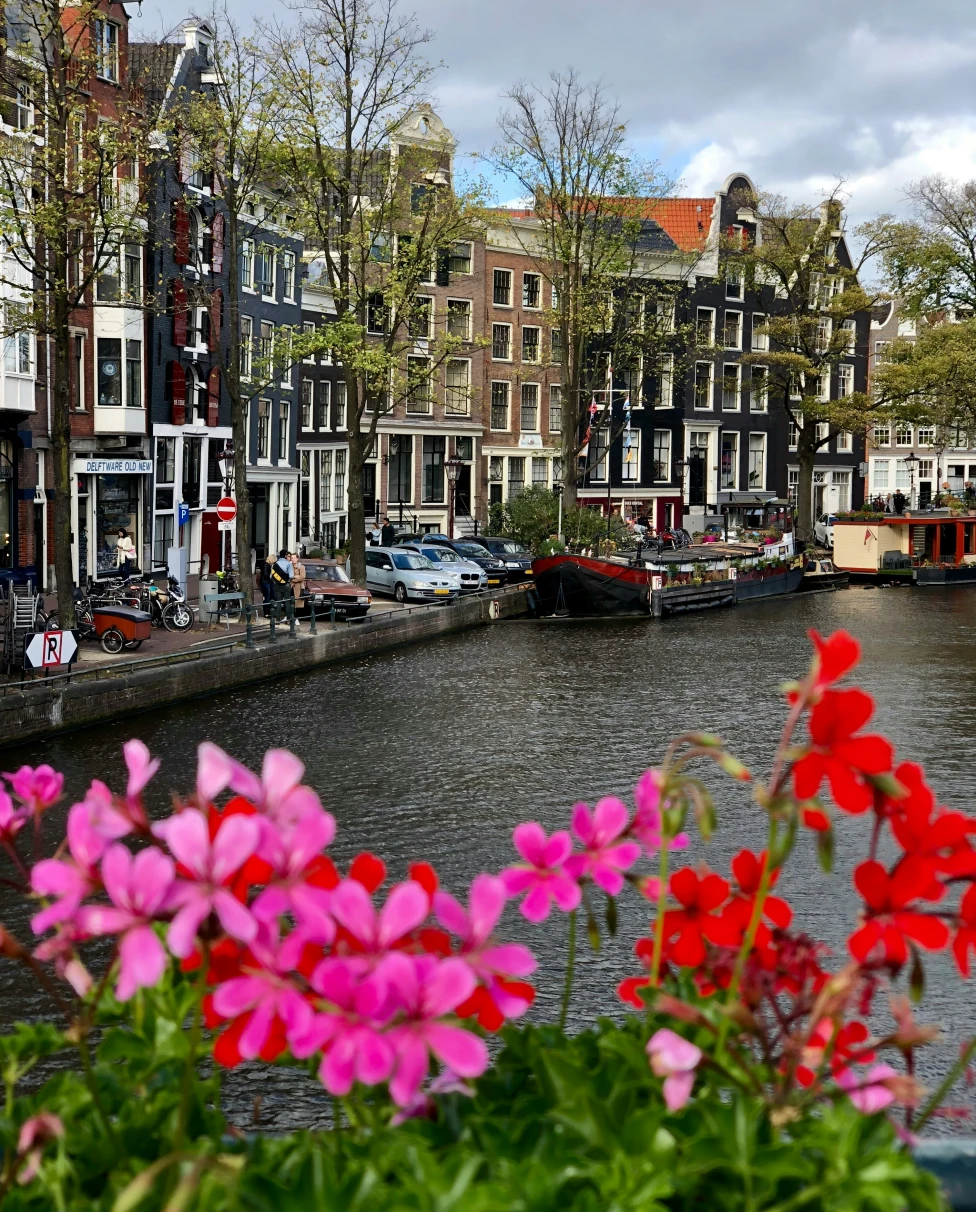
Amsterdam is special to me, not just as a destination, but also as a city I have experienced through the eyes of locals. Living close by in Hamburg means I have been lucky enough to visit often, always guided by Australian friends who have made Amsterdam home and know its hidden corners in a way no guidebook ever could. That insider access has completely changed how I experience the city—fewer landmarks, more neighborhood bars, secret courtyards, and the kind of places you only find when someone who loves a city takes you there. It also makes for one of the best weekenders from anywhere in northern Europe, as it is close enough to be spontaneous and special enough to feel like a proper escape.
The Fora Difference
Book with Kate Thomas to access exclusive perks and experiences on your trip.

Killer perks
Free upgrades, spa credits and more—we got you

Personalized recs
Customized travel planning for your style

Insider knowledge
Expert advice from people who’ve actually been there
Where to stay
Unlock perks by contacting Kate Thomas to book your trip.
Day 1: Arrive & settle into Amsterdam's rhythm
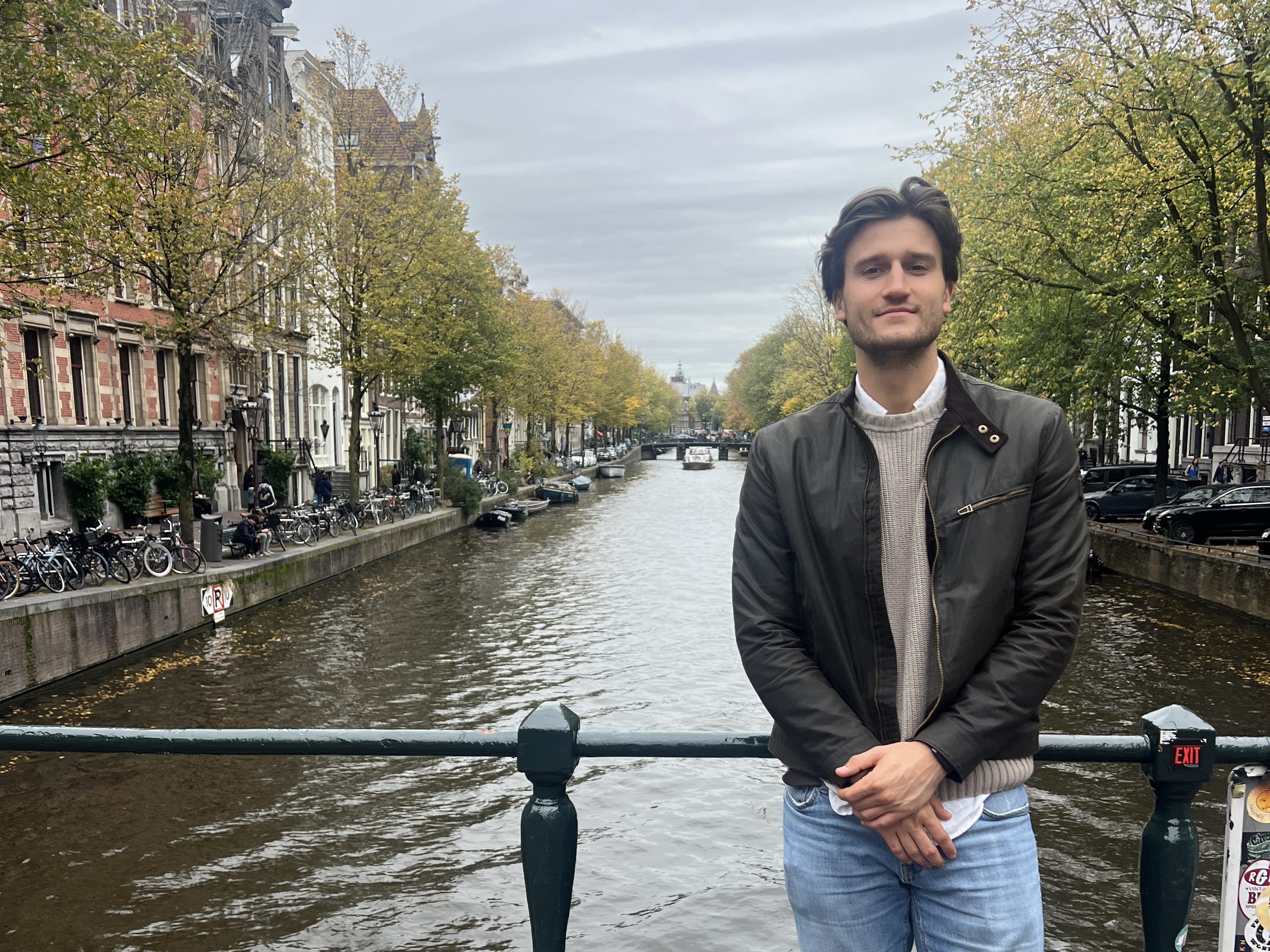
Canal light, good coffee, and no agenda. This is Amsterdam done right.
However you arrive—by train, car, or flight—Amsterdam has a way of welcoming you in immediately. I drive in from Hamburg, which means by the time I drop my bags at the Mandarin Oriental Conservatorium, I am already in the mood the city creates—unhurried, curious, and ready to move slowly. The Conservatorium is my first choice for clients every time. A former music conservatory reimagined as one of Amsterdam’s most considered hotels, it sits perfectly between the Museum Quarter and the city’s most beautiful streets. Check in, exhale, and resist the urge to plan too much.
Start the day properly with coffee. Amsterdam takes its coffee seriously and it shows—head to Wandu Café for a Nordic cool moment or Uncommon Café, where the handcrafted ceramics and clean, soothing aesthetic make the whole experience feel considered. Then walk. The Conservatorium puts you steps from Museumplein, which means the Van Gogh Museum or the Rijksmuseum are your natural first stop of the day. Pick one—trying to do both in a day is the mistake most people make. Allow yourself to get properly lost inside it rather than rushing through.
Lunch is best somewhere that feels like the city rather than a restaurant trying to impress you. Oriole—a plant-filled bistro with a leafy garden courtyard—is a beautiful middle-of-the-day stop, warm and unhurried with Mediterranean-inspired food that never feels heavy. Afterwards, wander. The Nine Streets are close and perfect for an afternoon with no agenda—local boutiques, canal bridges, a pastry if something catches your eye. This is the part of the day where Amsterdam does its best work.
By late afternoon, make your way back to the Conservatorium. The hotel bar is the ideal place to change your energy before dinner—order something cold, people watch, and let the day settle. For dinner on night one, I always recommend Restaurant Flore at De L’Europe—two Michelin stars, vegetable forward, and genuinely one of the most beautiful dining rooms in the city.
Day 2: Neighborhoods, markets & the canals
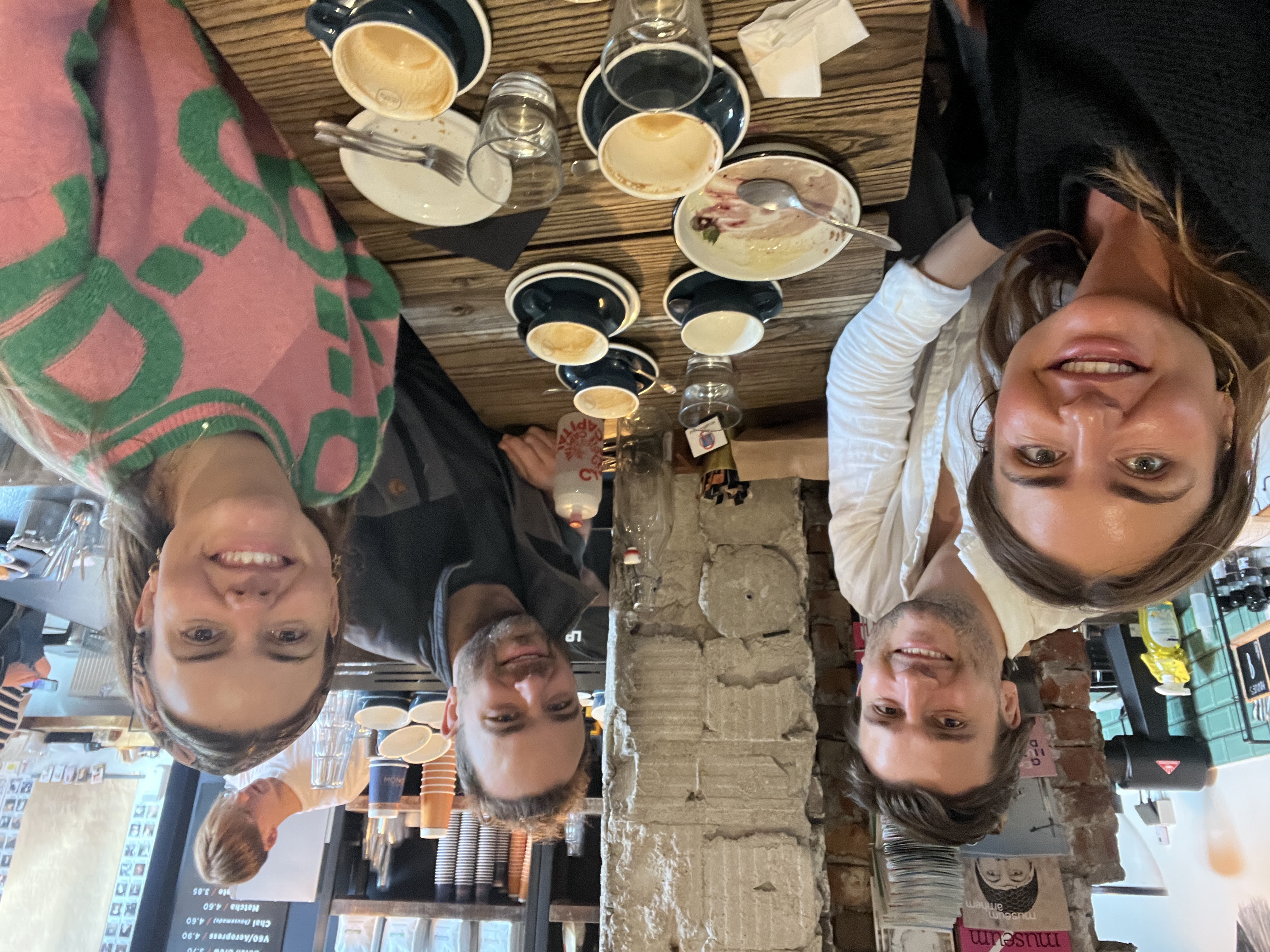
Day two is about leaving the landmarks behind and moving through the neighborhoods that give Amsterdam its real character. Start the morning at Albert Cuyp Market in De Pijp—one of Europe’s largest and most colorful street markets. Pick up a warm stroopwafel, taste some Dutch cheese, and let the energy of the market set the pace. From there, make your way into Jordaan—narrow lanes, hidden courtyards, and a quiet neighborhood rhythm that is impossible not to love. If you have not yet visited the Anne Frank House, this is the moment. It sits in the heart of Jordaan, is one of the most important visits the city offers, and sells out quickly, so book well ahead.
Afternoon is for the canals. Skip the large tourist boats and opt for something smaller and more intimate—Amsterdam looks and feels completely different from the water, and a canal cruise through the historic center is one of those experiences that stays with you. Afterwards, wander the Nine Streets for independent boutiques, vintage finds, and the kind of canalside café culture Amsterdam does better than anywhere.
For lunch, try Restaurant de Kas—a stunning greenhouse restaurant where the menu changes daily based on what is growing on site. It is unhurried, beautiful, and deeply in tune with a slower way of traveling. End the evening at the Pulitzer Bar for drinks before a relaxed dinner at Madre—bold, vibrant, and a completely different energy from night one.
Day 3: Amsterdam like a local
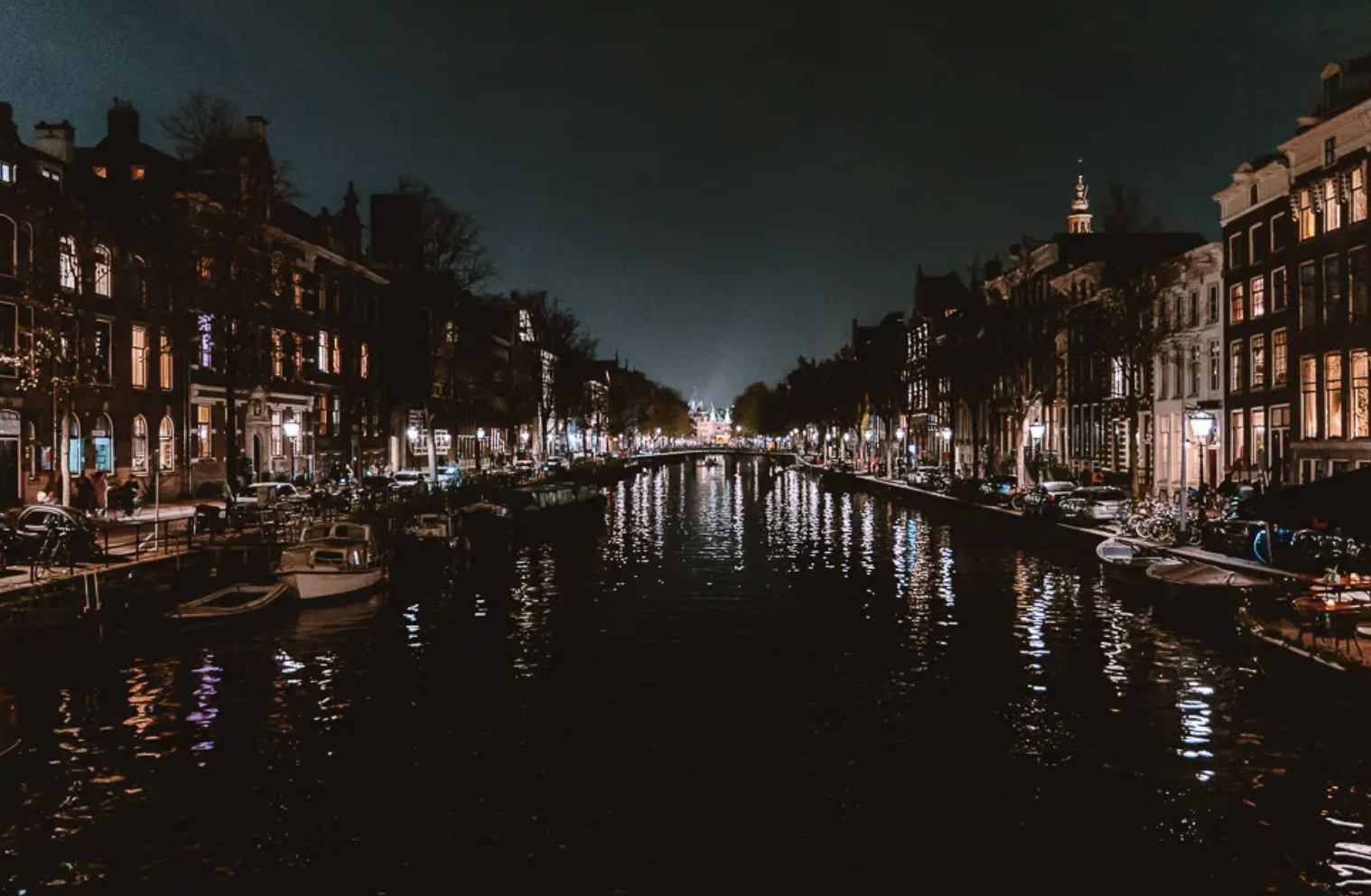
By day three, Amsterdam starts to feel like yours. This is the day to resist any remaining urge to plan and instead move purely by feeling. Start with a long, slow morning coffee at Uncommon Café, where the handcrafted ceramics and calm aesthetic make the whole experience feel considered, followed by a walk through Vondelpark. Amsterdam’s most beloved green space is the perfect place to watch the city wake up at its own pace—locals on bikes, dogs, children, people reading on the grass. It is a side of Amsterdam that most visitors miss entirely and one of the most grounding ways to spend a morning.
From Vondelpark, make your way toward the Museum Quarter if you missed the Rijksmuseum or Van Gogh Museum on day one, or simply wander the neighborhood and let the afternoon take shape on its own. The Stedelijk Museum is worth a stop for contemporary art, and the Moco Museum has an unexpectedly great exhibition on modern and street art that feels very Amsterdam. For something more playful in the late afternoon, Brouwerij 't IJ—a craft brewery inside a working windmill—is one of those Amsterdam experiences that is impossible not to enjoy.
For a final dinner, make it special. Book Restaurant Flore at De L’Europe if you have not already been—two Michelin stars, a vegetable-forward menu, and one of the most beautiful dining rooms in the city. Then finish the evening at Freddy’s Bar next door, a legendary local haunt named after Alfred Heineken that has exactly the kind of warmth and character that makes you want to stay one more night.
Need to know
Amsterdam is one of those cities that rewards the traveler who arrives with an open mind and a light itinerary. Here are a few things that will make the whole experience feel easier and more enjoyable from the moment you arrive.
Book the Anne Frank House before anything else. Tickets open 30 days in advance and sell out fast. It is the one thing in Amsterdam that genuinely cannot be left to chance.
Bikes have right of way—always. This is not a suggestion. Stay alert near cycle lanes, look both ways before crossing any path, and never assume a bike will stop for you. It will not.
"Coffeeshops" and cafés are very different things. Coffeeshops are for cannabis. Cafés are for coffee, cake, and conversation. Worth knowing before you walk confidently into the wrong one.
The city is best in the early morning. The canals, the markets, and the streets have a completely different quality before the crowds arrive. Even one early start during your stay is worth it.
Pack for movement, not occasion. The days involve a lot of walking and the weather shifts quickly regardless of the season. Layers, comfortable shoes, and a light rain jacket will serve you far better than anything else.
Leave room in every day for doing nothing. Amsterdam's best moments are rarely the planned ones. A wrong turn, an unexpected courtyard, a canal at golden hour—that is where the city gives itself to you.
Spring is magical but busy. If tulips and canal light are what you are after, April is the sweet spot. Just book everything further in advance than you think you need to.


Travel Advisor
Kate Thomas

Kate Thomas

Get in touch with Kate Thomas
Did you like this guide? Reach out to customize and book your own experience. Or, just to chat about travel in general.
For more inspiration and insider recommendations, visit our Amsterdam page.