


Curator’s statement
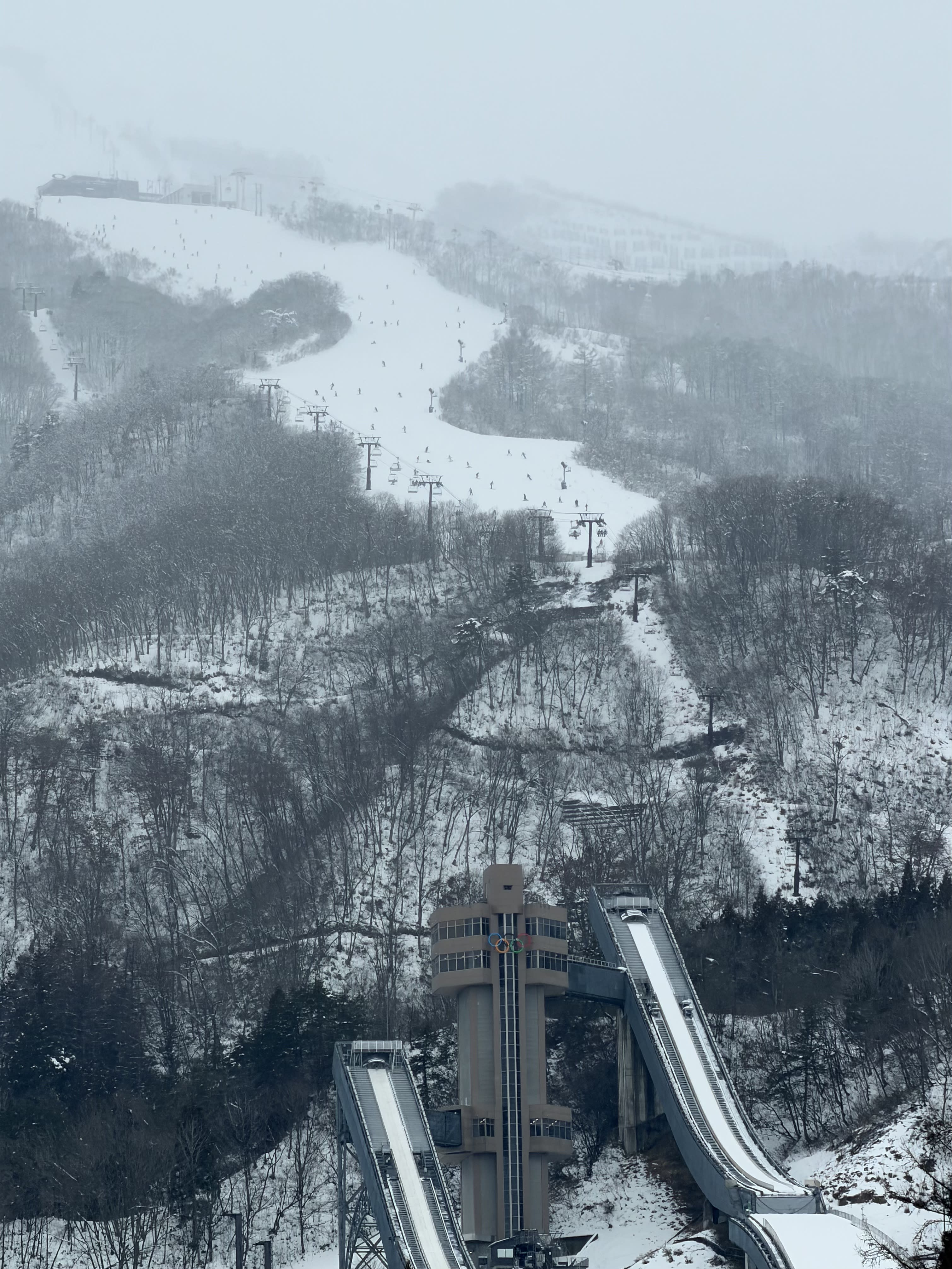
Located a few hours from Tokyo, Hakuba Valley delivers consistent snowfall and a ski culture that feels distinctly Japanese. As the host of the 1998 Winter Olympics, the valley has serious alpine credentials, but what makes it special isn’t just the “Japow”—it’s the old-school village atmosphere that still feels grounded rather than overly commercial. Hakuba rewards skiers who care about the full rhythm of a ski trip: efficient access, good food, hot baths, and a local feel once the lifts close. It’s an especially strong choice for travelers who want a world-class Japan ski experience without the time commitment of getting to Hokkaido.
The Fora Difference
Book with Petrichor Travel to access exclusive perks and experiences on your trip.

Killer perks
Free upgrades, spa credits and more—we got you

Personalized recs
Customized travel planning for your style

Insider knowledge
Expert advice from people who’ve actually been there
Where to stay in Hakuba Valley, Japan
Unlock perks by contacting Petrichor Travel to book your trip.
Things to do in Hakuba Valley, Japan
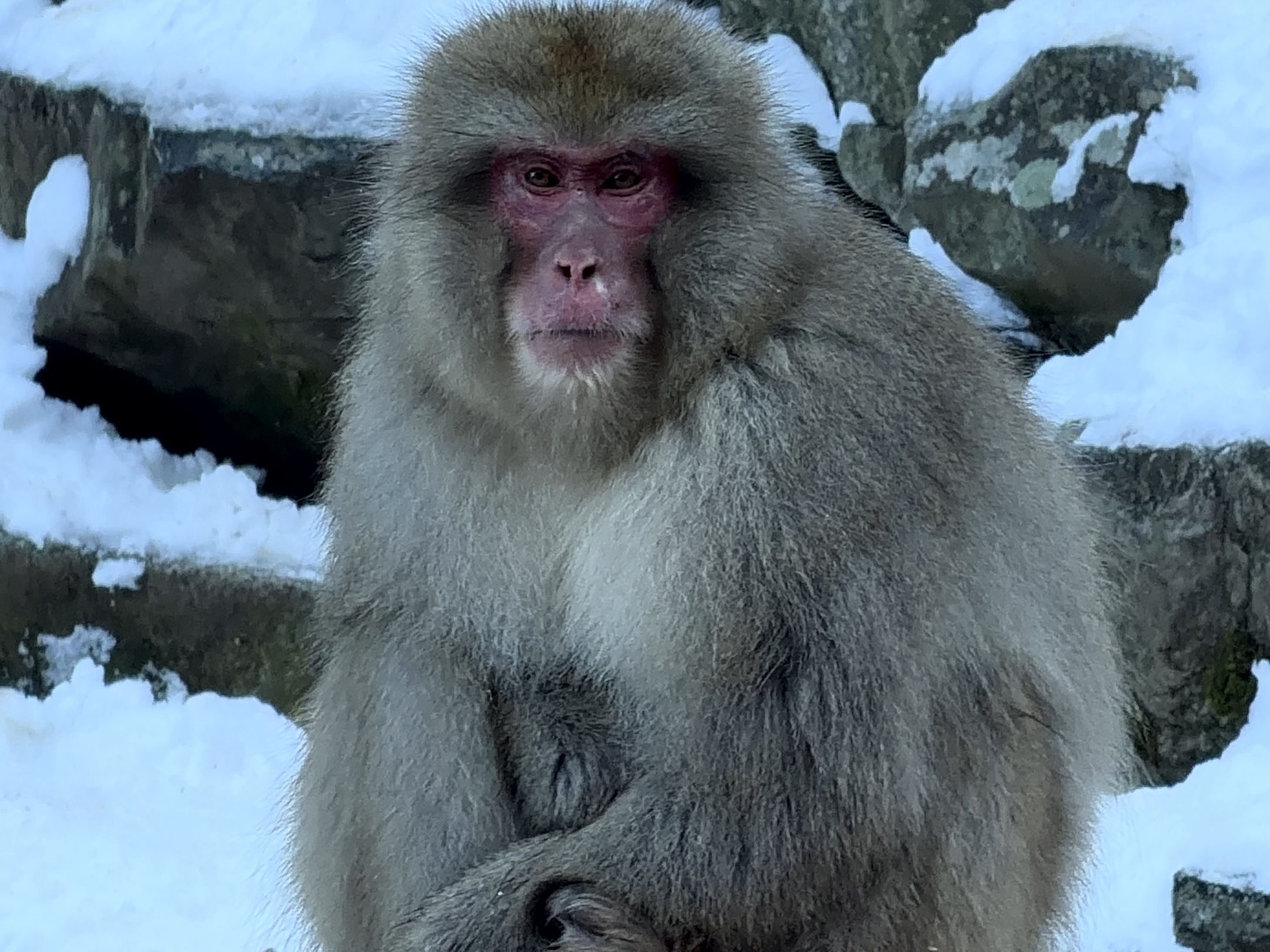
A wild macaque at Jigokudani Monkey Park. Credit: Emily Rogers
Ski or snowboard across multiple resorts: Hakuba isn’t just one ski area—it’s a collection of 10 resorts spread across the valley (part of the Epic Pass) each with its own personality. The resorts retain an old-school, slightly retro feel, with vintage chairlifts and a refreshingly no-frills approach to skiing.
Chase Japan’s legendary powder: Hakuba’s location delivers consistent storms throughout winter. On good days, the snow stacks up quickly, and off-piste terrain (where permitted) offers long, playful runs that reward confident skiers and riders.
Soak in an onsen after skiing: Ending the day in a hot onsen is a core part of the Hakuba experience. Whether at your hotel or a local public bath, soaking tired legs while snow falls outside is both restorative and deeply ingrained in Japanese ski culture.
Start the day at a local café: Thanks largely to the Australian ski community, Hakuba has a genuinely good café scene. Quality espresso, solid breakfasts, and relaxed coffee spots make mornings in the valley feel easy and familiar before heading up the mountain.
Visit the snow monkeys: A day trip to Jigokudani Monkey Park offers a uniquely Japanese winter experience. Watching wild macaques soak in natural hot springs—especially after fresh snowfall—feels surreal and provides a memorable contrast to time spent on the slopes.
Embrace Hakuba’s retro mountain town vibe: Hakuba still feels refreshingly old school—think small-town energy rather than polished mega-resort. The mix of vintage infrastructure, low-key streets, and functional ski culture gives the valley a nostalgic charm that longtime skiers tend to appreciate. (If you’re lucky, you may see some local Monkeys hanging about town.)
Try night skiing: Several resorts in Hakuba offer night skiing, extending your time on the slopes after dark. The atmosphere is relaxed and locals-focused, making it a fun way to add extra ski time without the daytime crowds.
Places to eat & drink in Hakuba Valley, Japan
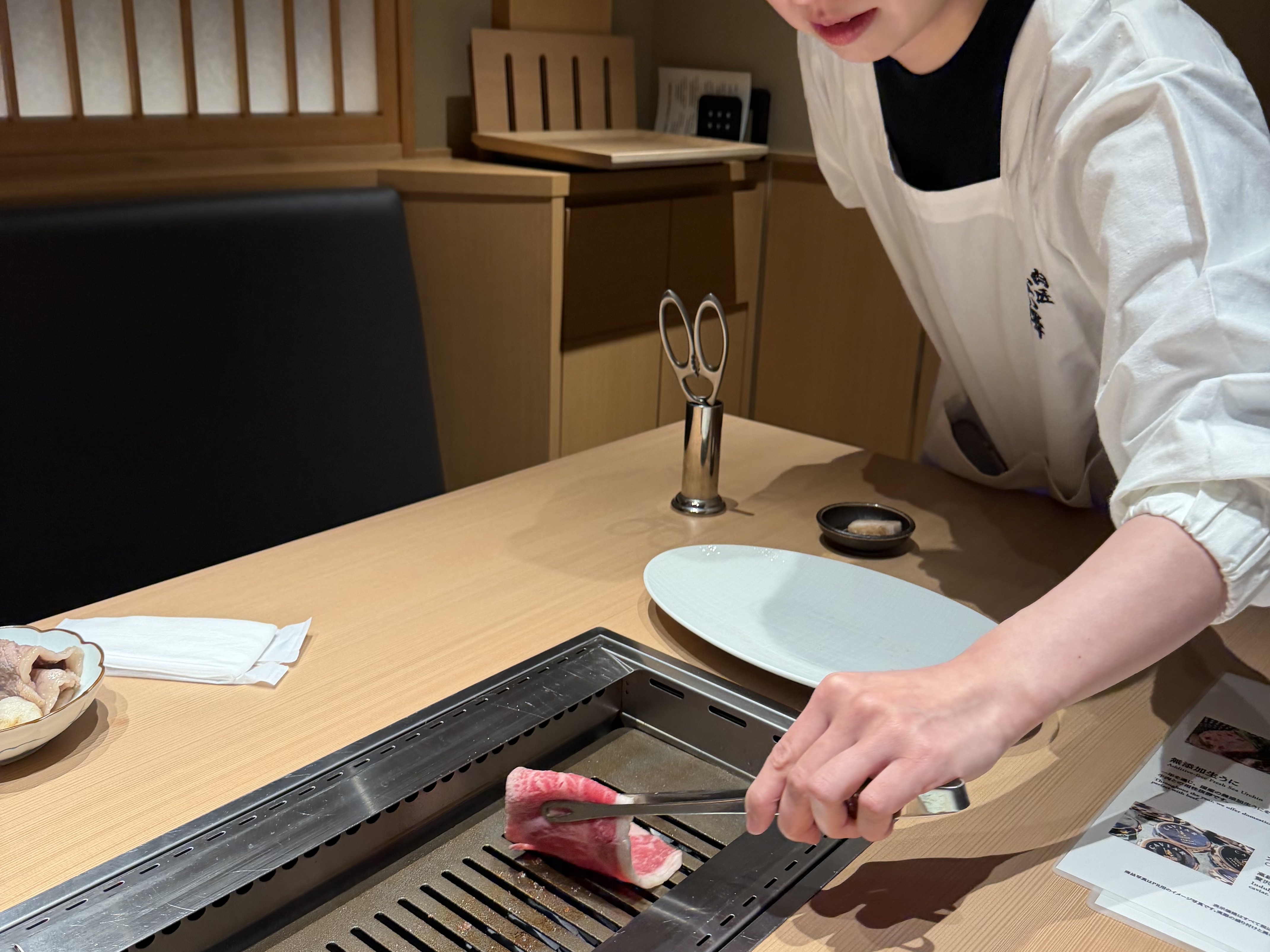
Nikusho Nakazawa. Credit: Emily Rogers
Izakaya Hie Hakuba: A cozy pub known for its welcoming atmosphere and well-executed Japanese comfort food. It’s especially popular for its karaage, sushi, and gyoza, making it an easy favorite for a relaxed but satisfying night out.
Sounds Like Café: A cornerstone of Hakuba’s Australian-influenced café scene, serving reliably good coffee and casual, well-balanced meals. It’s an easy, familiar stop for breakfast or lunch before heading up the mountain.
Sobasyubou ZEN: A refined yet understated soba restaurant showcasing why Nagano is considered the best soba-producing region in Japan. The area’s high altitude, ideal climate, and pure water create exceptional buckwheat, and ZEN lets the quality speak for itself through simple, beautifully prepared dishes.
Nikusho Nakazawa: An intimate yakiniku restaurant centered around high-quality cuts of kobe meat grilled at the table, with the added privacy of all private dining rooms. Reservations are essential, and the experience feels discreet, special, and unhurried.
Koiya: A relaxed, no-frills restaurant specializing in unagi (eel), prepared in a traditional style and served in generous portions. It’s a dependable local favorite for lunch as it’s close to the base of Happo-one.
Need to know
In season, you can reach Hakuba by direct express bus from both of Tokyo’s airports. There is also a daily limited express train from Shinjuku station in addition to the bus connections to the Shinkansen (bullet-train) station in Nagano.
Several places are cash only, especially on the mountains, so withdraw money at the airport or in a major city before arriving to Hakuba
You can rent a full ski wardrobe in addition to skis/snowboards/helmets etc. Most hotels have partnerships and discounts with local gear rental shops.
Take advantage of the luggage delivery services such as Yamato. No pre-reservation is necessary, your hotel front desk can assist with the arrangements once you arrive.
Make dinner reservations in advance utilizing tablelog and tablecheck. Your hotel can also call local izakayas that do not use online booking platforms.
There are few convenience stores in town, and the ones I saw often had lines wrapping around the stores at all hours of the day. Stock up on stacks in the cities before you reach Hakuba.
Pack or rent waterproof boots to wear around town as they use hot onsen water to melt the ice on the roads, creating large slush puddles that you’ll have to walk through.
Get ready for shuttle buttles. Hakuba is quite spread out. All the mountains and most hotels offer complimentary shuttle buses to the mountains and even to restaurants throughout town. They are extremely punctual, so be ready to depart 5 min before they say they depart.
Hakuba pairs well with Kanazawa, a culturally rich city on Japan’s West Coast often called “Little Kyoto” for its well-preserved Edo-period districts. Famous for Kenrokuen Garden—one of Japan’s top three landscape gardens (especially in the snow)—and a beautiful geisha district, it offers samurai history, traditional crafts, and fresh seafood.


Travel Advisor
Petrichor Travel


Emily Rogers

Get in touch with Petrichor Travel
Did you like this guide? Reach out to customize and book your own experience. Or, just to chat about travel in general.
For more inspiration and insider recommendations, visit our Japan page.