


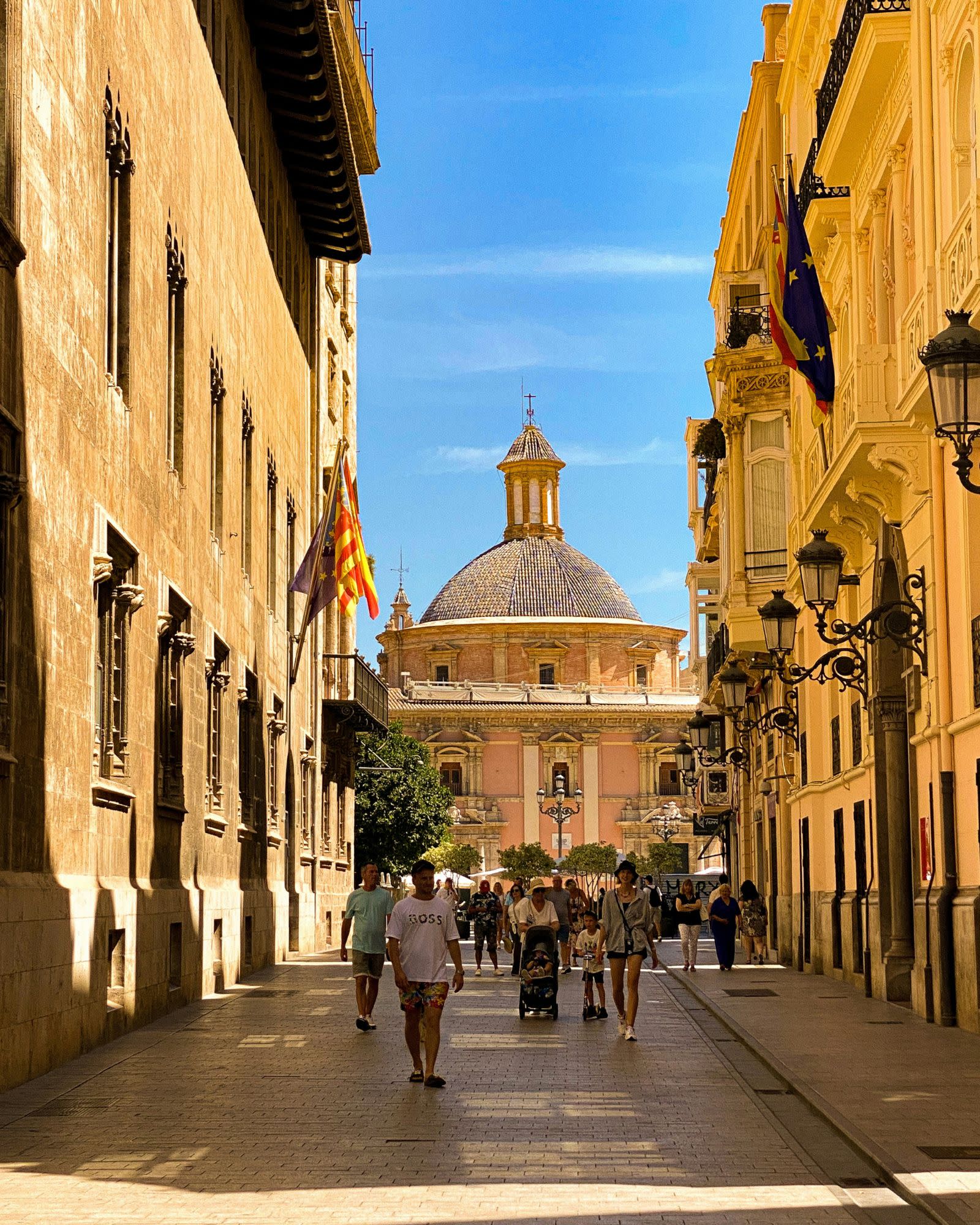
Curator’s statement
Valencia is a Mediterranean city where history, architecture, food, and culture are woven into the rhythm of daily life rather than presented as highlights to be collected. Markets anchor mornings, plazas fill naturally as the evening cools, and meals follow agricultural and seasonal logic rooted in the surrounding landscape. Roman walls, medieval streets, and modern neighborhoods coexist without spectacle, while green space and the sea remain part of everyday movement. For travelers seeking regional depth and an authentic, lived-in experience along Spain’s Mediterranean coast, Valencia offers a complete city best understood through repetition and time.
The Fora Difference
Book with Dana Levy to access exclusive perks and experiences on your trip.

Killer perks
Free upgrades, spa credits and more—we got you

Personalized recs
Customized travel planning for your style

Insider knowledge
Expert advice from people who’ve actually been there
Where to stay in Valencia, Spain
Unlock perks by contacting Dana Levy to book your trip.
Things to do in Valencia, Spain
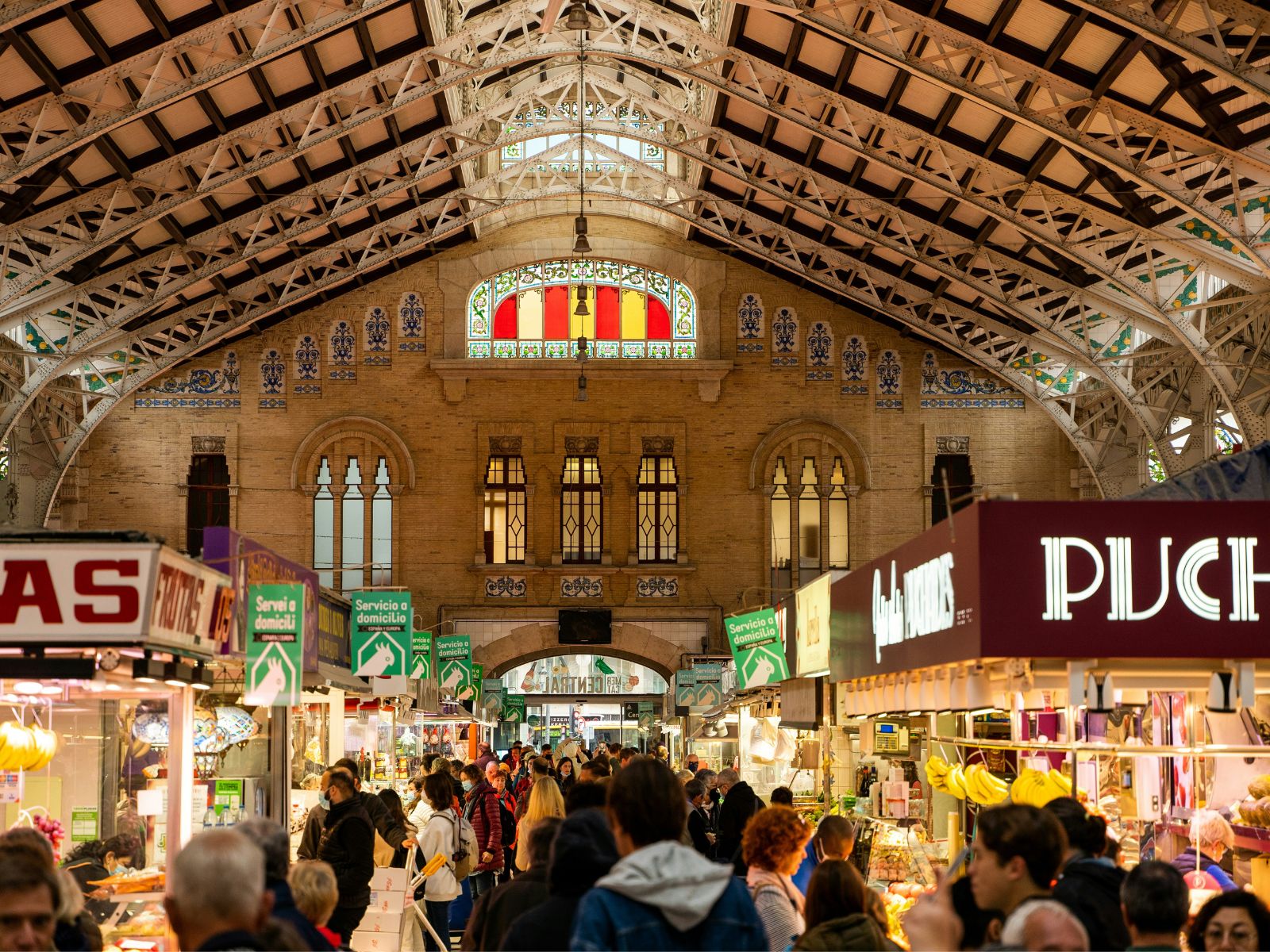
The Central Market anchors Valencia’s mornings, shaping daily rhythm long before restaurants open.
Walk the Turia Gardens as part of daily life: Once a riverbed, now the city’s green spine. Used throughout the day by locals, it reveals how movement, leisure, and nature are integrated into Valencia’s urban rhythm.
Pay attention to everyday architecture in El Carmen: This is a neighborhood defined by layers rather than landmarks. Roman walls, medieval fragments, and residential buildings coexist without separation, rewarding slow wandering and looking up.
Spend time in small neighborhood plazas: Valencia’s plazas function as social living rooms. Sitting quietly with a coffee often reveals more about the city than moving quickly between sights.
Get to know Valencia through its neighborhoods: Moving between areas helps clarify the city’s structure: creative, residential Ruzafa; elegant Eixample and Gran Vía; and the maritime character of El Cabanyal near the sea. Each offers a distinct pace and social texture.
Visit the Central Market in the morning: A working market that anchors daily routines. Early hours highlight seasonality and the city’s relationship to food before restaurants shape the day.
Allow for the afternoon slowdown: Heat and light influence how the city moves. Quiet hours, shade, and unstructured time are part of Valencia’s design, not interruptions to it.
Join the evening paseo: As temperatures drop, social life shifts naturally outdoors. Residential streets fill with conversation and movement without effort or spectacle.
Spend time beyond the city at the Albufera: Just outside Valencia, this rice-growing wetland provides essential context for the region’s landscape and cuisine.
Experience the city’s relationship with the sea: Valencia’s beaches are part of everyday life—morning walks, casual lunches, and evening swims—integrated into the city rather than treated as a separate destination.
Places to eat & drink in Valencia, Spain
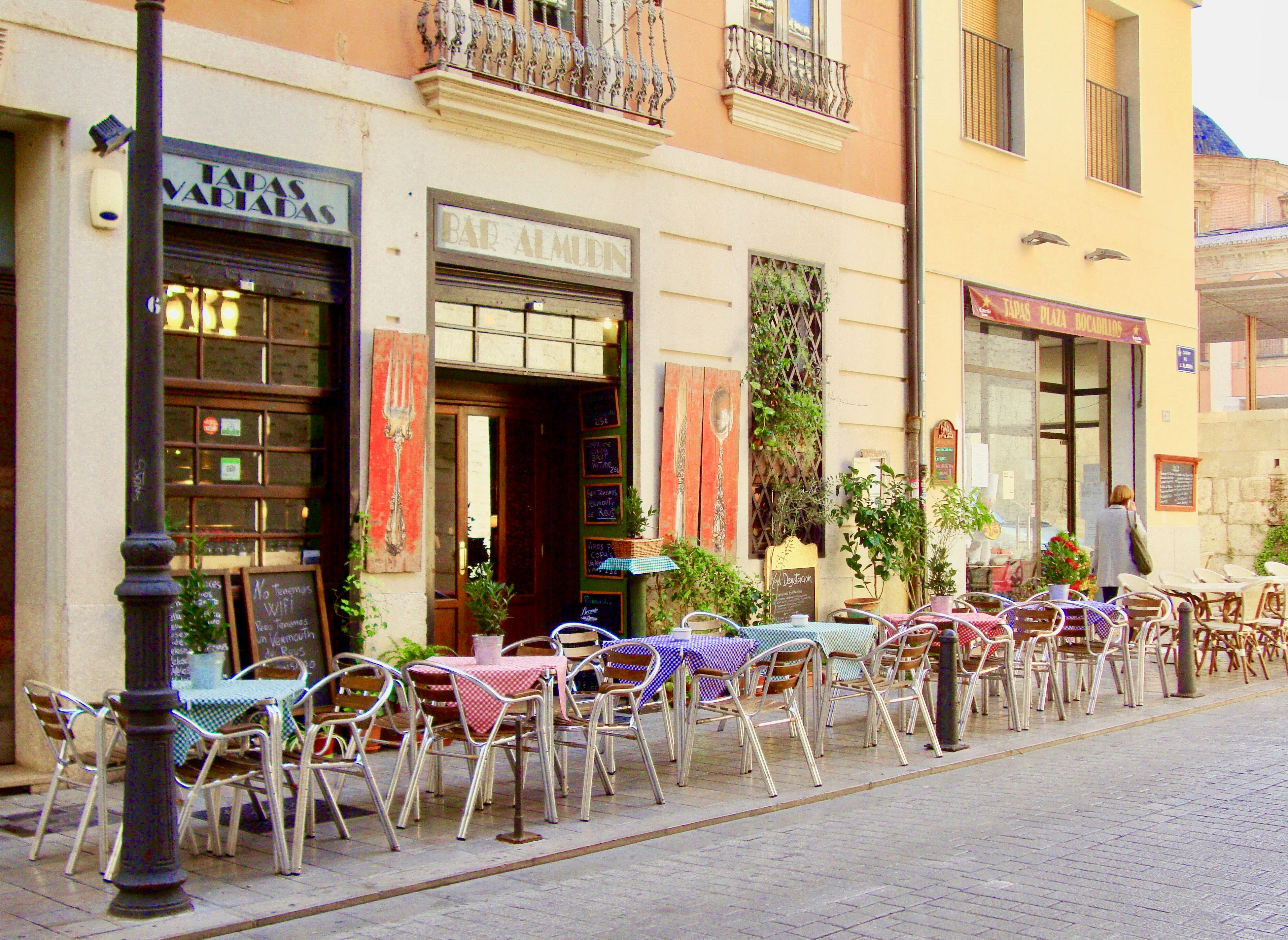
Much of Valencia’s food culture unfolds informally—at neighborhood bars, outdoors, and woven into the rhythm of the day.
Mercado Central de Valencia: The backbone of daily eating in the city. Visiting in the morning reveals seasonality and local habits long before restaurant menus come into play. Inside the market, Central Bar reflects how Valencians eat well and simply in the middle of the day—casual, efficient, and grounded.
Mercado de Colón: More social than transactional, this modernist market blends architecture, cafés, and everyday gathering. It’s an easy place to pause between activities and particularly well suited for a relaxed drink or cocktail in the early evening, when locals meet before dinner and the space shifts into a social hub.
Bar Ricardo: A classic neighborhood bar where consistency matters more than novelty. Short menus, familiar dishes, and a steady local clientele reflect how people actually eat day to day.
Casa Montaña: Located in El Cabanyal, Casa Montaña connects food to neighborhood identity and history. Small plates, wine, and pacing are as important as what’s on the table, making it a strong example of Valencia’s lived-in dining culture.
Rice culture, with context—Bon Aire and the Albufera: Rice dishes in Valencia are tied to landscape and timing rather than ceremony. Traditionally eaten at lunch and rooted in the agricultural rhythms of the Albufera, they are best understood when placed in their natural setting. Restaurants like Restaurante Bon Aire, overlooking the surrounding rice fields in El Palmar, treat paella as a destination connected to place, season, and pace rather than performance.
Horchatería Santa Catalina: Horchata is an everyday pause rather than a novelty. Stopping for a glass—often paired with a simple pastry—offers insight into how sweetness fits naturally into the rhythm of the day.
Horno San Bartolomé: Valencia’s bakeries are part of daily routine rather than destination stops. Places like Horno San Bartolomé reflect this rhythm—simple breads, familiar pastries, and a steady local clientele—making them ideal for breakfast or an afternoon pause rather than a one-time visit.
Need to know
Valencia is a compact and highly walkable city, and much of its appeal comes from moving slowly on foot. Neighborhoods connect naturally through plazas, green space, and residential streets, making it easy to orient without constant planning. Comfortable shoes and light layers are more useful than formal attire, as daily life unfolds outdoors for much of the year.
Valencia is particularly appealing in spring and fall, when temperatures are warm but manageable and the city’s rhythm feels balanced. Summer brings more intense heat, which shapes the day—early mornings, quiet afternoons, and long evenings—while winter remains mild and distinctly local, with fewer visitors and a strong sense of everyday routine. Travelers sensitive to heat may prefer shoulder seasons, when the city feels most open and lived in.
While Valencia is closely associated with rice and paella, these meals are best understood as part of a broader food culture rather than as singular goals. The city’s culinary identity is rooted just as much in markets, neighborhood bars, bakeries, and repetition as it is in destination meals. Approaching food with curiosity about timing and setting often leads to more meaningful experiences than chasing specific dishes.
Dining hours tend to run later than many visitors expect, particularly in residential neighborhoods where evenings unfold gradually rather than on a fixed schedule. Lunch remains the most substantial meal of the day, while dinners are unhurried and social. Allowing meals to follow local timing—rather than adjusting the city to outside expectations—is key to understanding how Valencia works.
Mid-morning eating also plays a distinct role in Valencia’s daily rhythm. The tradition of esmorzaret—a substantial late-morning meal often taken between breakfast and lunch—reflects how workdays and social routines are structured locally. While visitors don’t need to seek it out intentionally, understanding its place helps explain later lunch hours and the city’s overall pacing around food.
Valencian identity is present throughout daily life, often subtly. The regional language appears alongside Spanish on street signs and menus, and traditions surface quietly in food, rhythm, and neighborhood customs. A basic awareness of this cultural context adds depth to everyday interactions and is generally appreciated.
Finally, Valencia works well both as a focused stay and as part of a longer journey through Spain. Its location allows for easy access to agricultural landscapes, wetlands, and the coast, while still offering the structure and familiarity of a city. Many travelers find that Valencia rewards staying put—returning each evening to the same streets, cafés, and plazas, and letting the city reveal itself gradually.


Travel Advisor
Dana Levy

Dana Levy

Get in touch with Dana Levy
Did you like this guide? Reach out to customize and book your own experience. Or, just to chat about travel in general.
For more inspiration and insider recommendations, visit our Valencia page.