



Curator’s statement
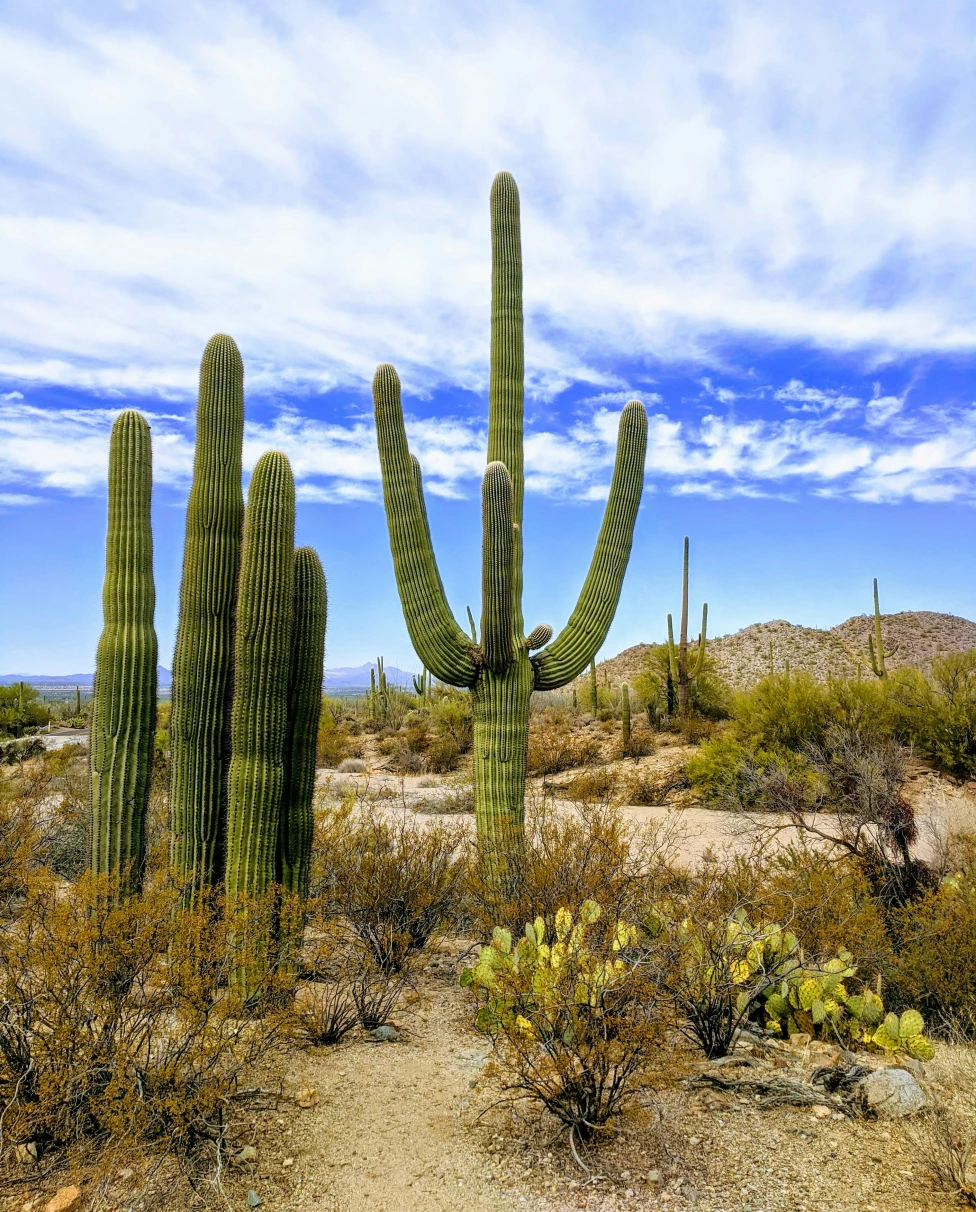
Tucson is a special pocket of southern Arizona where the city meets the wildness of the desert. Surrounded by mountain ranges and national parks, it’s a haven for nature lovers looking to explore the Sonoran Desert landscape. Whether you’re seeking a peaceful stroll among the iconic saguaro cactus or a more active hike into the nearby mountains, Tucson offers countless ways to experience the outdoors. The region is also deeply rooted in the culture and traditions of the Sonoran Desert, shaping everything from the food to the rhythm of daily life.
The Fora Difference
Book with Little Voyager to access exclusive perks and experiences on your trip.

Killer perks
Free upgrades, spa credits and more—we got you

Personalized recs
Customized travel planning for your style

Insider knowledge
Expert advice from people who’ve actually been there
Where to stay in Tucson, AZ
Unlock perks by contacting Little Voyager to book your trip.
Things to do in Tucson, AZ
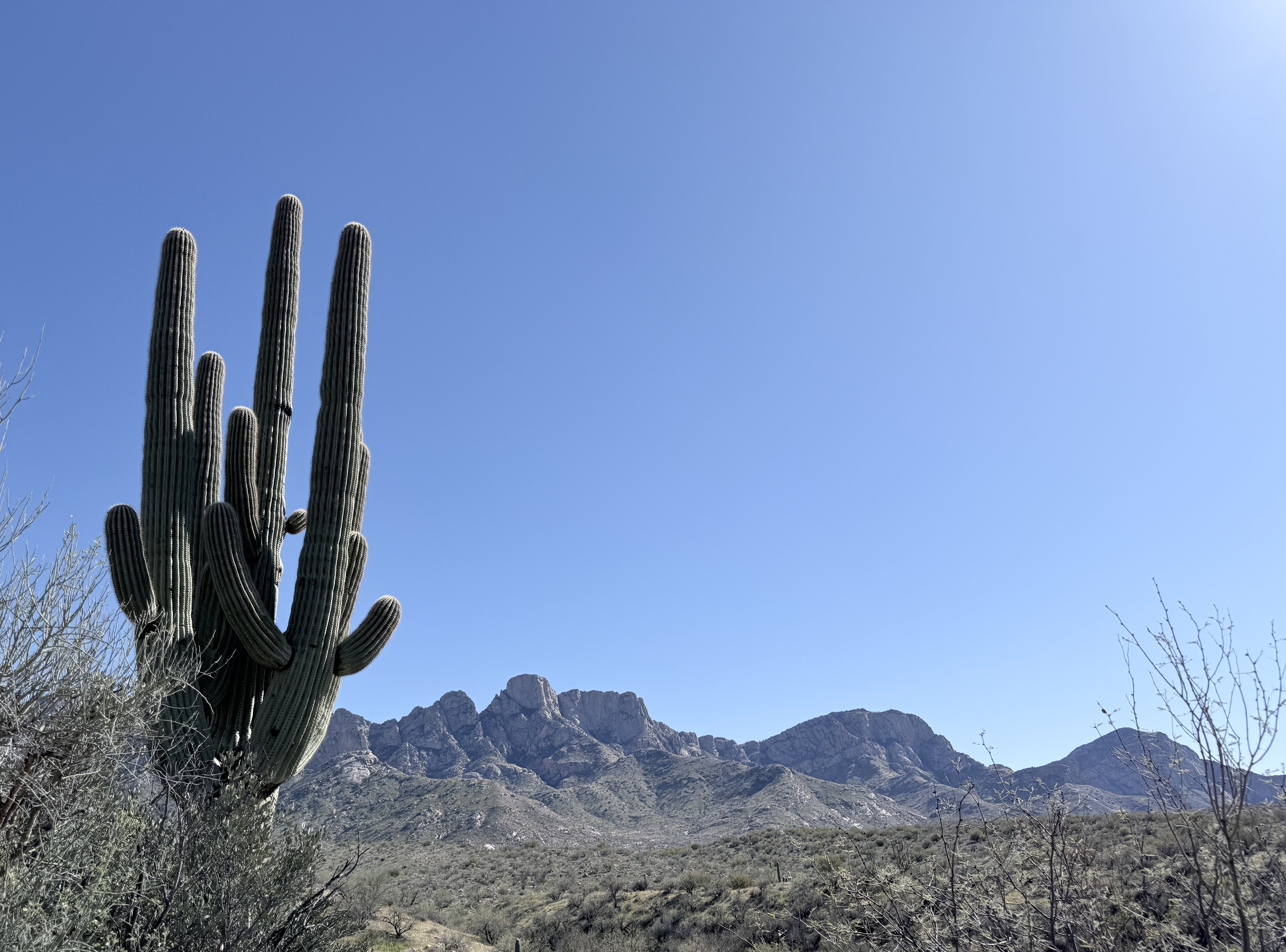
Romaro Ruins Trail at Catalina State Park
Catalina State Park: Located at the base of the Santa Catalina Mountains, Catalina State Park offers classic Sonoran Desert scenery with miles of hiking trails surrounded by towering saguaro cactus. The 5,500-acre park is known for its wide-open desert landscapes, seasonal wildflowers, and excellent birdwatching. Some trails feature seasonal flowing water after winter rains, which is rare in the Tucson desert and makes this park a particularly beautiful place to explore. Quick tip: Trails with water are most common in winter and spring after rainfall. Restrooms, parking, and shaded picnic tables are available throughout the park.
Activities:
Hiking: There are 10 trails that wind through the desert lined with saguaros and wildflowers in the spring. Some trails have flowing water depending on the time of year. The Nature Trail and Romero Ruins Trail are good options for younger travelers or those with limited mobility.
Sonoran Desert guided mountain bike adventure: Ride through the Sonoran Desert on a customizable guided mountain bike tour through the Catalina foothills. Along the trail, you’ll ride through miles of saguaro-lined desert where wildlife such as jackrabbits and javelinas are often spotted. Tours typically run 2–4 hours and require a moderate level of physical fitness.
Guided 90-minute horseback ride at Catalina State Park: Explore the desert landscape on a guided horseback ride through Coronado National Forest. Trails provide views of the Santa Catalina Mountains and surrounding desert terrain, and wildlife is sometimes spotted along the way. Riders must be at least 8 years old, with a weight limit of 240 lbs. Closed-toe shoes, water, and sun protection are recommended.
Sabino Canyon Recreation Area: Sabino Canyon is one of Tucson’s most popular outdoor destinations, known for its dramatic canyon views, 16 desert trails, and seasonal flowing creeks and waterfalls. Located in the Santa Catalina Mountains, the canyon offers a mix of rugged desert landscape, towering saguaros, and shaded areas along the water. The combination of accessible trails and scenic viewpoints makes it a favorite for both hikers and families. Quick tip: Seasonal water flows through parts of the canyon, creating small pools where visitors often stop to cool off. Some trails cross shallow sections of Sabino Creek, so waterproof shoes or sandals can be helpful depending on the season. A tram service is also available for visitors who want to explore the canyon without hiking.
Activities:
Hiking: Sabino Canyon offers 16 trails ranging from easy walks to more challenging hikes.
Seven Falls Hike: One of the most popular hikes in Sabino Canyon, leading to a series of small waterfalls and pools. This hike is longer and best suited for travelers comfortable with moderate hiking.
Bear Canyon Trail: A scenic trail that leads deeper into the canyon toward Seven Falls. Portions of the trail follow the creek and offer beautiful views of the surrounding mountains. Private hiking tours are also available for travelers who want a more guided experience of Sabino Canyon.
Sabino Canyon Crawler: An open-air, narrated tram ride that travels through the canyon with several scenic stops along the route. Visitors can hop off to explore trails or viewpoints and catch a later tram back.
Saguaro National Park West: Saguaro National Park protects the iconic saguaro cactus, a symbol of the Sonoran Desert found only in southern Arizona and parts of Mexico. The park is split into two districts on opposite sides of Tucson, both offering beautiful desert landscapes and scenic hiking trails. Visitors will find stunning saguaros, wide desert views, and excellent opportunities for photography.
Quick tip: The park has two districts—Saguaro West (Tucson Mountain District) and Saguaro East (Rincon Mountain District). Saguaro West is closer to the Arizona-Sonora Desert Museum and is often the easiest stop for first-time visitors.Activities:
Hiking and wildlife viewing:
Valley View Overlook Trail: A short and easy hike that leads to a beautiful overlook of the desert valley filled with saguaro cactus.
Desert Discovery Trail: A short interpretive loop trail near the visitor center that explains the plants and wildlife of the Sonoran Desert. This trail is great for families and younger travelers.
Wildlife and sunset viewing: Saguaro National Park is an excellent place to watch the desert landscape change colors at sunset. Keep an eye out for wildlife such as jackrabbits, roadrunners, and coyotes. The best lighting for photos of the saguaro cactus is during sunrise or sunset when the desert landscape glows with warm colors.
Scenic drives and tours
Bajada Loop Scenic Drive: A scenic dirt road loops through one of the densest saguaro forests in the park. Several short trails and scenic viewpoints are located along the drive.
Premier naturalist driving tour of Saguaro National Park: Explore Saguaro National Park and the surrounding desert with a knowledgeable naturalist guide. Tours are available as half-day or full-day experiences and include opportunities to learn about desert plants, wildlife, and the history of the region. Full-day tours may include sunset and stargazing, while half-day tours focus on the park highlights.
Mount Lemmon and Summerhaven: Mount Lemmon offers a dramatic change in scenery just outside Tucson. The scenic drive climbs from the Sonoran Desert into pine forests and cooler mountain temperatures in the Santa Catalina Mountains. At the top, visitors will find the small village of Summerhaven, where restaurants, shops, and hiking trails provide a relaxing mountain escape from the desert heat. Quick tip: Temperatures at the top of Mount Lemmon can be 20–30°F cooler than Tucson, so bringing a light layer is recommended even on warm days. The drive to the summit takes about one hour from Tucson.
Activities:
Mount Lemmon scenic drive: One of the most beautiful drives in southern Arizona. The road winds through multiple climate zones with plenty of scenic overlooks along the way.
Scenic viewpoints:
Windy Point Vista: One of the most popular scenic stops with sweeping views of the surrounding desert.
San Pedro Vista: A quieter overlook with wide mountain and valley views.
Self-guided driving tour of Mount Lemmon: Download this self-guided audio tour created by the University of Arizona to learn about the history, geology, wildlife, and unique ecosystems of the mountain while driving the scenic highway.
Family-friendly hiking:
Meadow Trail: A gentle forest trail near Summerhaven that is great for families and younger hikers.
Marshall Gulch Trail: A scenic trail through pine forest with mountain views and cooler temperatures.
Summerhaven Village: At the top of Mount Lemmon, the small village of Summerhaven has casual restaurants, small shops, and scenic picnic areas. The Cookie Cabin is a well-known stop famous for its giant cookies and homemade treats.
Mount Lemmon SkyCenter Observatory: Located near the summit, the observatory offers educational astronomy programs and nighttime stargazing experiences.
Mount Lemmon Ski Valley (seasonal): During the winter months, visitors can ski and snowboard at the southernmost ski resort in the United States. Check snow conditions before heading up the mountain.
Arizona-Sonora Desert Museum: The Arizona-Sonora Desert Museum is one of Tucson’s most popular attractions and offers an immersive look at the plants, animals, and landscapes of the Sonoran Desert. Part zoo, part botanical garden, and part natural history museum, the museum features outdoor exhibits where visitors can see desert wildlife such as mountain lions, coyotes, and birds of prey. Walking paths wind through desert gardens and natural habitats, making it both educational and scenic to explore. Quick tip: Plan to spend at least 2–3 hours exploring the museum. Many visitors combine this stop with nearby Saguaro National Park West.
Highlights:
Raptor free flight demonstration: A popular program where trained birds of prey fly freely through the desert landscape while guests watch from a nearby viewing area.
Desert Botanical Gardens: Beautiful gardens showcasing native desert plants including saguaros, agave, and flowering cactus.
Wildlife exhibits: See animals native to the Sonoran Desert including mountain lions, coyotes, javelina, and reptiles.
Scenic desert trails: Walking paths throughout the museum provide views of the surrounding Tucson Mountains and desert landscape.
Places to eat & drink in Tucson, AZ

Sonoran Mexican food
El Corral: A Southwest steakhouse with a comfortable rustic vibe. Low lighting, dark wood accents, and cowboy decor line the walls. All steaks are mesquite grilled using wood from a tree native to Arizona, which adds a rich, smoky flavor to the meat. The standout dish is the Legendary Prime Rib, best paired with a side of Tamale Pie. El Corral is a family-friendly restaurant and a great stop for dinner after a long day of exploring Tucson.
Best for: Mesquite-grilled steaks and prime rib.El Charro: A colorful and lively Sonoran-style Mexican restaurant with a laid-back atmosphere. El Charro is also known as one of the oldest Mexican restaurants in the United States and the home of the chimichanga. The restaurant offers a full bar along with vegetarian and gluten-friendly menu options. With five locations throughout Tucson, it’s an easy and family-friendly choice for dinner after a day of adventure.
Best for: Classic Tucson Mexican food.Vivace Restaurant: A classic Northern Italian fine dining restaurant modeled after a Tuscan villa, with rustic decor and views of the Tucson skyline from its foothills location. Dishes are flavorful, and the dinner specials highlight the seasons. This dining experience is best suited for couples or families with older children, and reservations are strongly suggested.
Best for: Date night or special occasions.Prep & Pastry: Breakfast and brunch dishes with a creative twist served in a warm and inviting atmosphere, perfect for starting your day. Scratch-made dishes feature fresh ingredients, with favorites like the Poblano Benedict and the “steak” & egg sandwich. Reservations are not available, so it’s recommended to join the waitlist before leaving your hotel.
Best for: A standout brunch.Baggin’s Gourmet Sandwiches: A fast-casual sandwich shop with a dozen locations throughout Tucson. Make a quick stop before heading out on your adventure to grab a fresh and healthy lunch for the trail. Baggin’s menu features specialty sandwiches, build-your-own options, salads, and soups. Order-ahead is available for those on the go.
Best for: A quick lunch before outdoor adventures.Seis Kitchen: A lively and casual restaurant serving regional Mexican cuisine for breakfast, lunch, and dinner. Favorites include the birria flautas and crispy fish tacos, both great choices for lunch or dinner. The menu features vegan, gluten-free, and dairy-free options, as well as a kids’ menu.
Best for: Casual tacos and family-friendly Mexican food.Reilly Craft Pizza & Drink: Historic and contemporary styles merge at this family-friendly downtown pizza restaurant. Open for lunch and dinner, the menu features a variety of pizzas cooked in a hot deck oven. Vegetarian and gluten-free options are available. Reilly’s downtown location makes for a great dinner stop after a day exploring the Arizona-Sonora Desert Museum.
Best for: Family pizza night.
Need to know
Weather and desert climate: Tucson has a desert climate with very hot summers and mild winters. Spring and fall offer the most comfortable temperatures for outdoor activities. Evenings in the desert can cool down quickly, so bringing a light jacket is recommended.
Best time to visit: The best time to visit Tucson is October through April, when temperatures are pleasant for hiking and exploring. Spring often brings desert wildflowers, making it an especially beautiful time to visit.
Plan outdoor activities early: During warmer months, plan hikes and outdoor activities early in the morning to avoid the midday heat.
Stay hydrated: The desert climate is very dry. Always bring water when hiking or spending time outdoors.
Desert wildlife awareness: Wildlife such as lizards, javelina, and occasionally rattlesnakes can be seen in the desert. Stay on marked trails and give animals plenty of space.


Travel Advisor
Little Voyager


Samantha Hudson

Get in touch with Little Voyager
Did you like this guide? Reach out to customize and book your own experience. Or, just to chat about travel in general.
For more inspiration and insider recommendations, visit our Tuscson page.