
Curator’s statement
Montevideo surprised me in the best way—a city with an easy rhythm, coastal views that go on forever and a warmth that shows up in both the people and the food. I loved how walkable it was, how locals gathered along the Rambla at sunset, and how every neighborhood had its own character. From historic streets in Ciudad Vieja to slow, peaceful days in Colonia and wine tasting at a family-run vineyard, this trip blended culture, nature, and simple beauty at a pace that felt grounding. If you’re looking for a destination that’s relaxed, authentic, and full of small, memorable moments, Montevideo is one of those places that stays with you long after you’ve left.
The Fora Difference
Book with Martha Jimenez to access exclusive perks and experiences on your trip.

Killer perks
Free upgrades, spa credits and more—we got you

Personalized recs
Customized travel planning for your style

Insider knowledge
Expert advice from people who’ve actually been there
Where to stay
Unlock perks by contacting Martha Jimenez to book your trip.
Day 1: Arrival & first taste of Montevideo
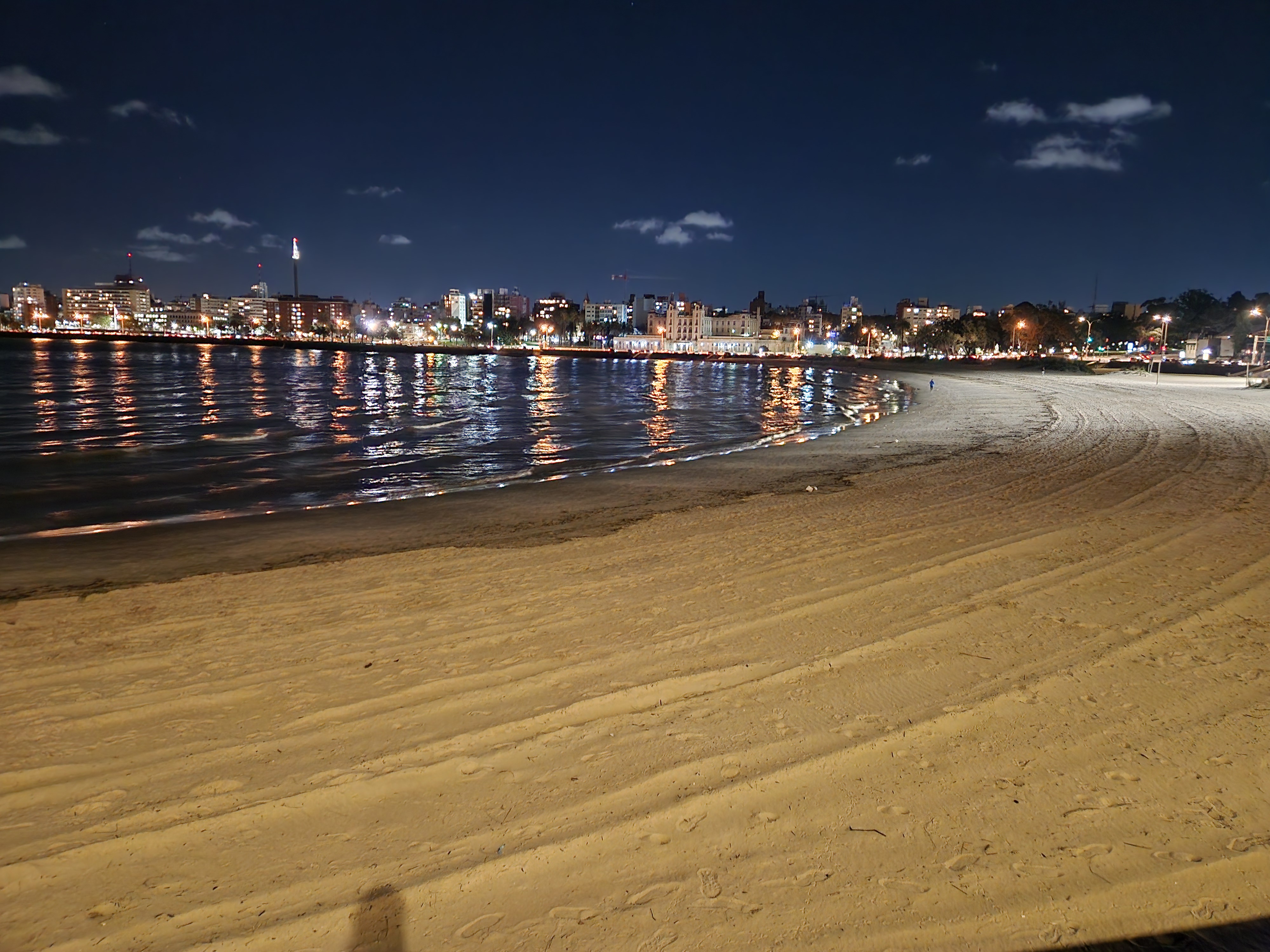
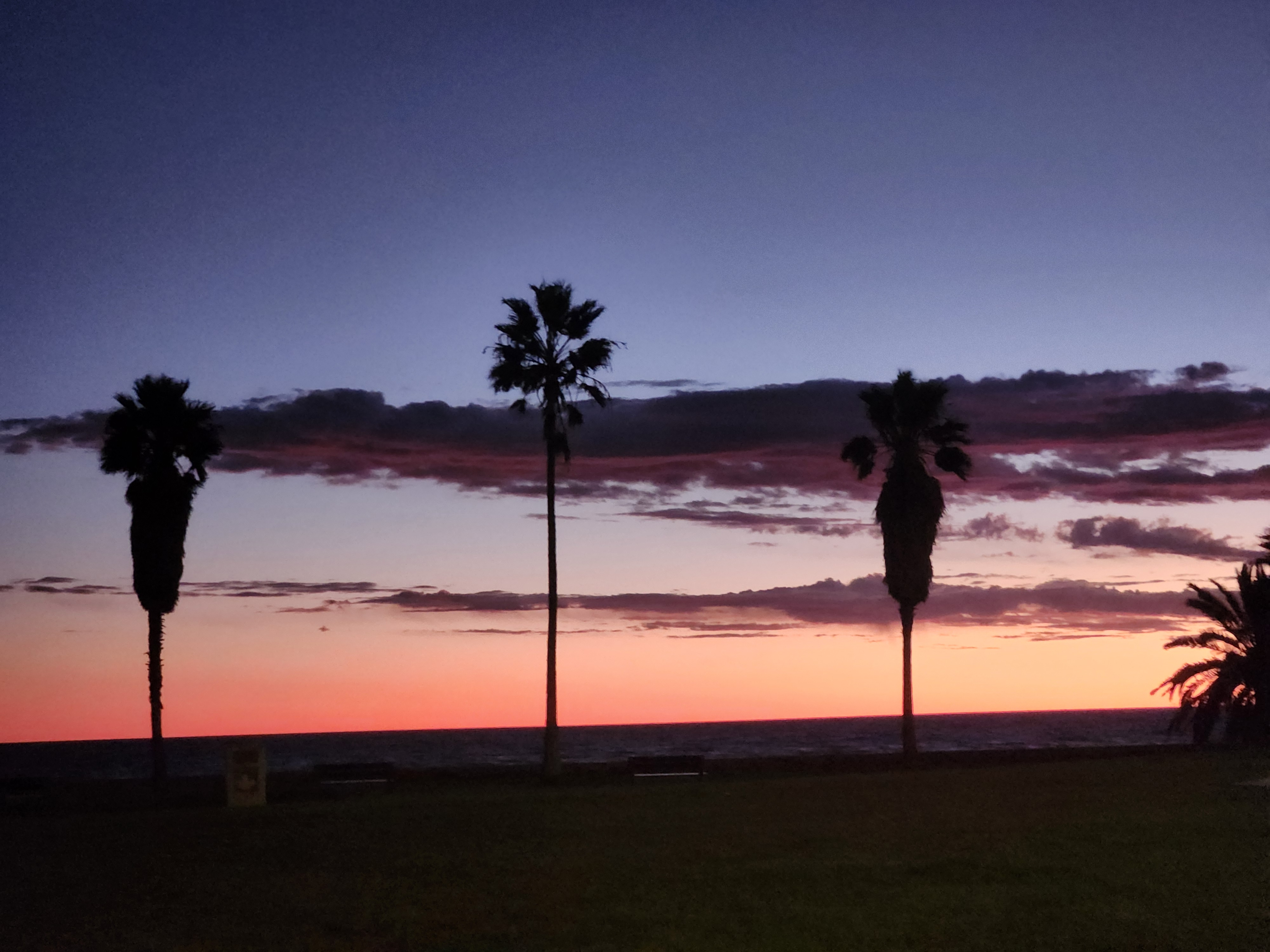
Nighttime along the Rambla, one of my favorite places to unwind in Montevideo.
Arrive in Montevideo—whether flying into Carrasco International Airport or taking the ferry from Buenos Aires—and settle into your hotel.
For lunch, try a traditional parrilla at Garcia or La Perdiz to ease into the local food scene.
After lunch, walk the Rambla, Montevideo’s long coastal promenade where locals relax, sip mate, and enjoy the breeze. Stop at the iconic Montevideo sign for a photo, then continue toward Puertito del Buceo for marina views and a beautiful sunset.
If you prefer exploring on two wheels, you can also bike the Rambla—it stretches for nearly 14 miles, connecting several neighborhoods. It’s a favorite spot for locals, and the sunsets here are especially memorable.
Dinner is typically late (around 9 pm), but the Parque Rodó area has plenty of great options like Baker’s and Inmigrantes.
Day 2: History, culture & classic flavors
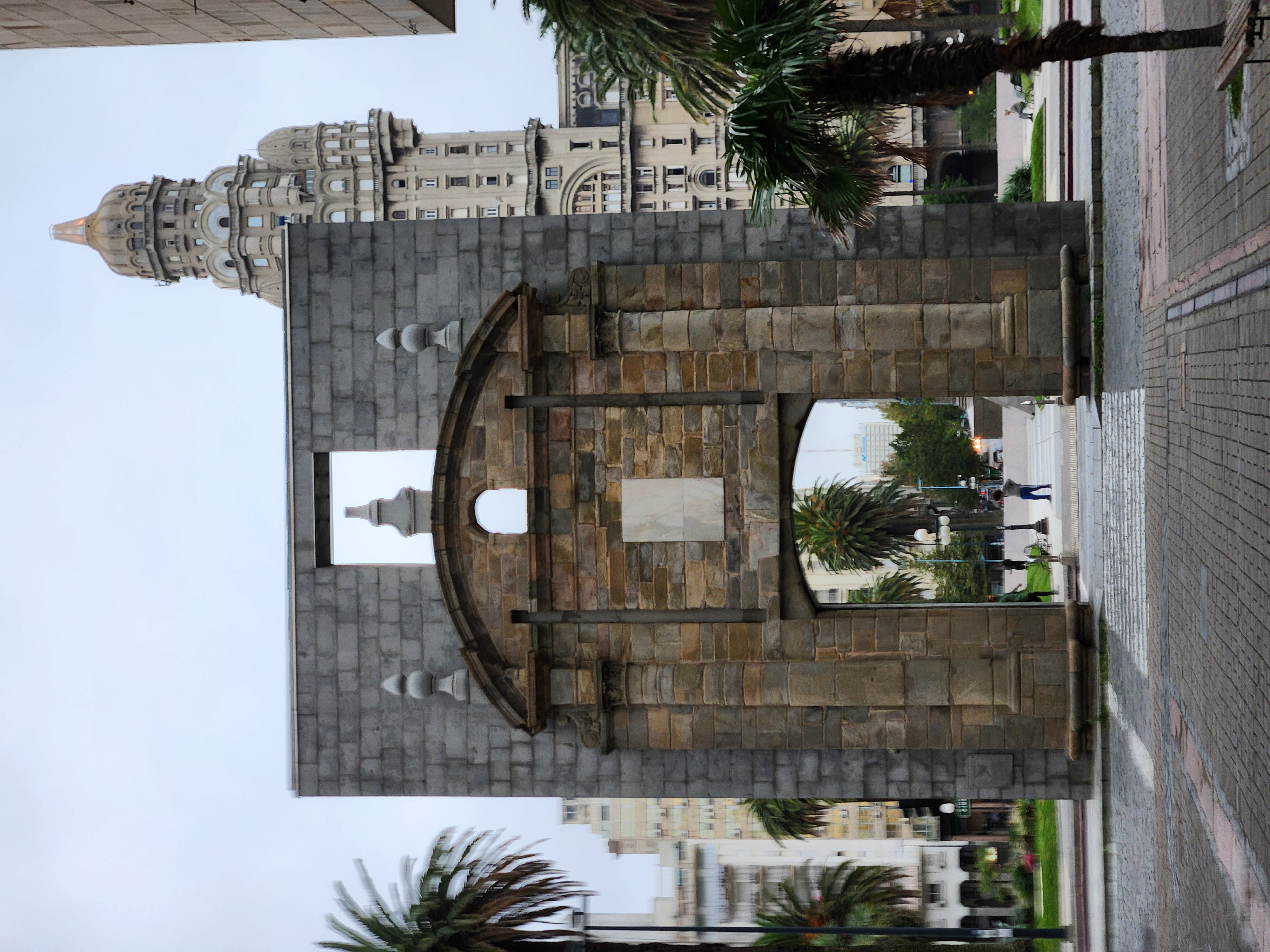
Walking through the Puerta de la Ciudadela into the heart of Ciudad Vieja.
Start your morning in Ciudad Vieja, the historic heart of the city. Wander through Plaza Independencia, admire the iconic Palacio Salvo, and continue along Solis Street toward Plaza Matriz and the Metropolitan Cathedral.
For breakfast I recommend Cafe La Farmacia, an intimate, beautiful cafe occupying a former pharmacy in Ciudad Vieja.
For lunch, head to Mercado del Puerto—lively, local, and ideal for sampling more parrilla.
In the afternoon, make your way to El Prado, a quiet residential district filled with green spaces and culture. Visit the Botanical Garden, the Rosedal, and Museo Blanes, then enjoy a relaxing coffee at Café Suárez.
Wrap up your day with a classic chivito at Chivitería Marcos.
Day 3: Quiet streets & colonial charm in Colonia del Sacramento
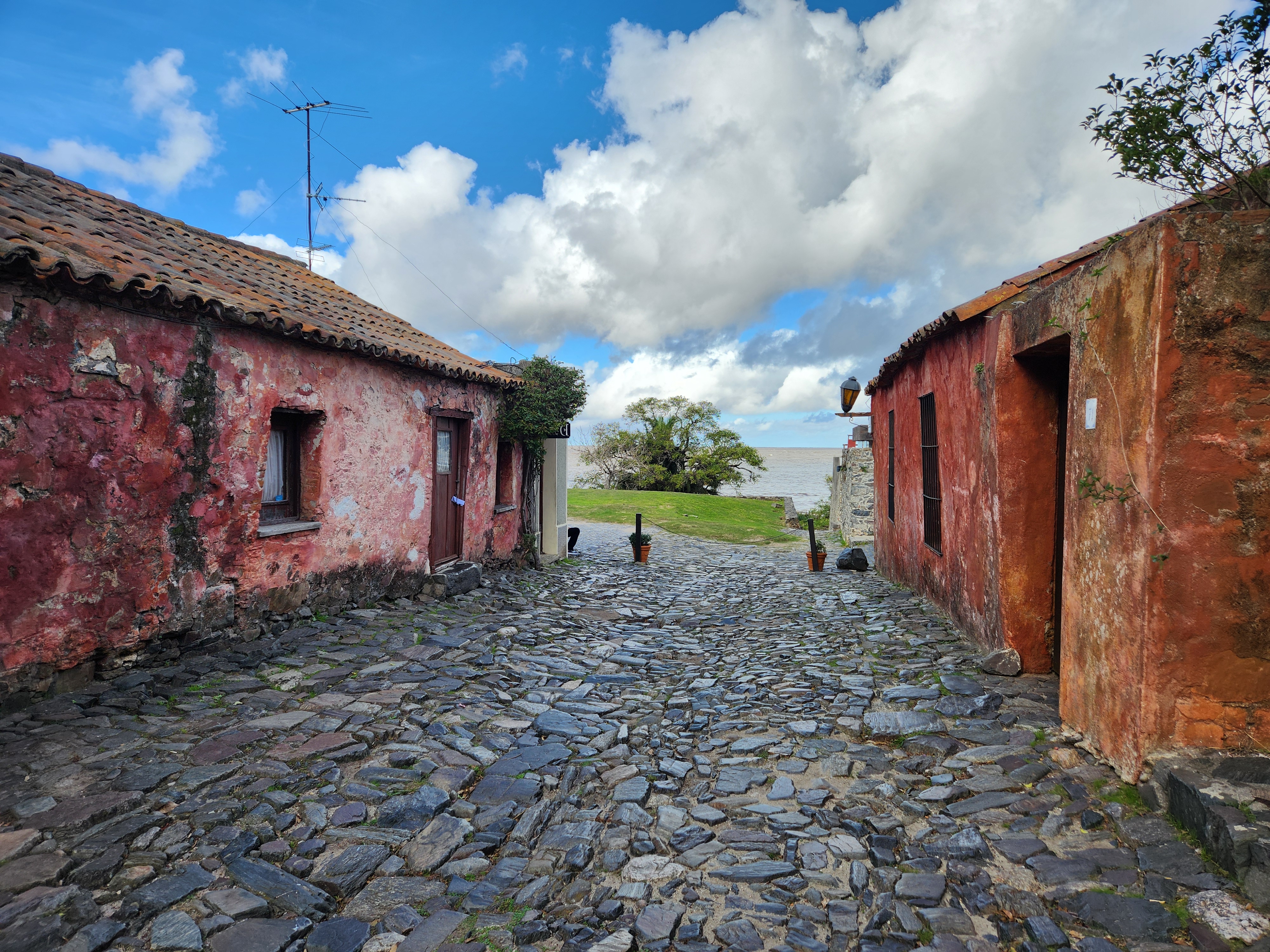
Wandering down Calle de los Suspiros, one of the most picturesque corners of Colonia del Sacramento.
Take a day trip to Colonia del Sacramento, one of Uruguay’s most picturesque towns. The moment you arrive, everything feels slower and softer.
Colonia’s cobblestone streets, ivy-covered walls, and pastel colonial houses give it a romantic, old-world feel. Wander without a plan—turn down quiet lanes, stop at small cafés, and soak up the peaceful atmosphere.
It’s walkable, charming, and full of small details that make you want to linger.
Day 4: Day trip to Punta del Este
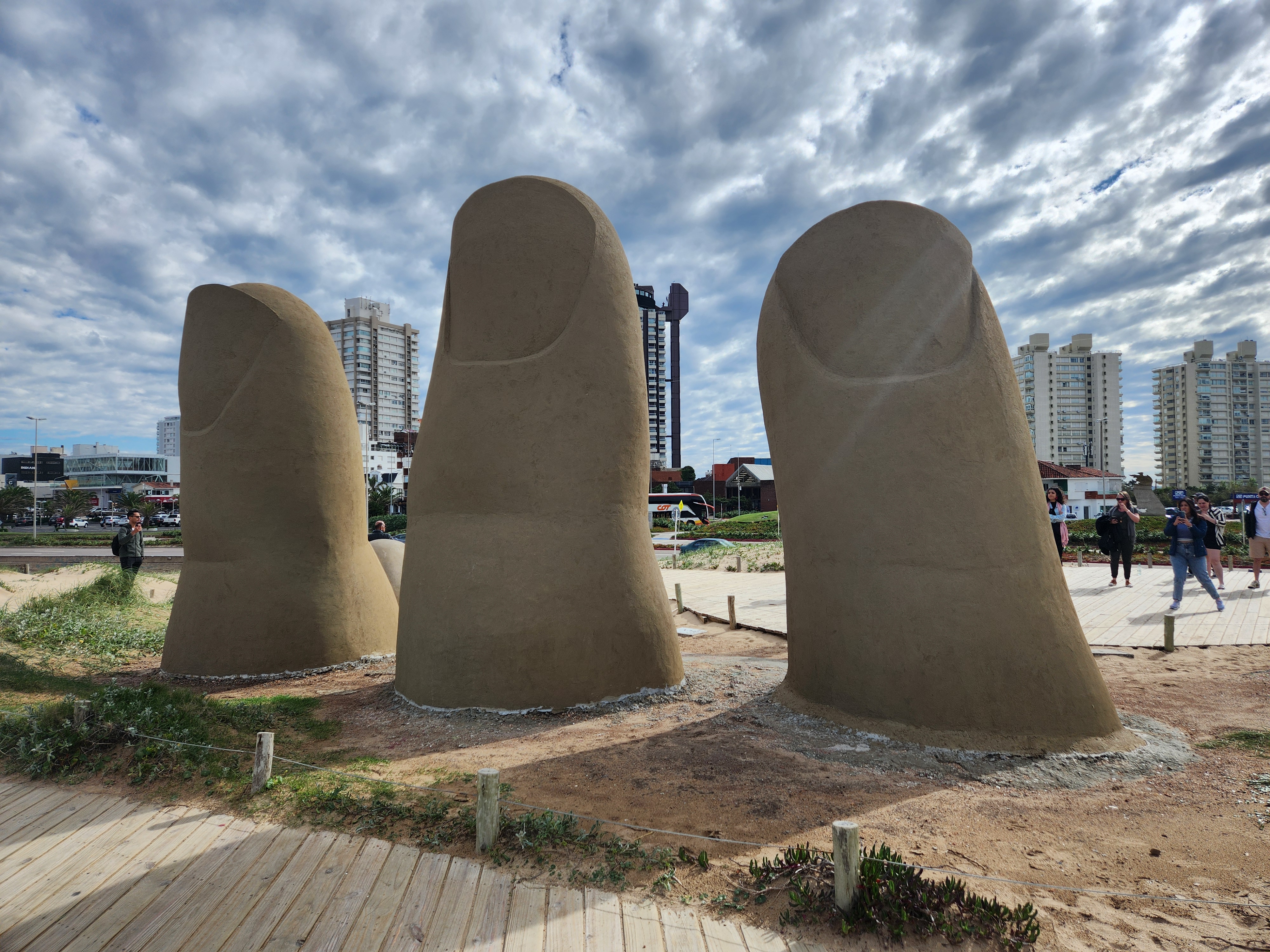
La Mano on Playa Brava—a must-see stop while exploring Punta del Este.
Ocean views & a touch of wildlife
End your trip with a day in Punta del Este, Uruguay’s most famous coastal escape. The vibe is breezier, and more energetic, but still relaxed.
Walk along the waterfront and explore the marina. I even spotted sea lions lounging by the harbor, sunbathing on the docks—a fun and unexpected highlight.
Enjoy the beaches, sea views, and coastal paths at your own pace.
Day 5: Visit Bodega Bouza
A taste of Uruguayan wine
Spend today visiting Bodega Bouza, a beautiful, family-run winery just outside the city. It’s one of the best places to learn about Uruguay’s winemaking tradition—especially the country’s signature Tannat.
The property is picturesque, the wines are excellent, and the entire experience is relaxed and intimate. A perfect slow-paced day surrounded by vineyards.
Need to know
Best time to visit: Montevideo shines in spring (September–November) and early fall (March–May), when the weather is warm and perfect for exploring.
Local rhythm: Uruguay embraces a slower pace. Lunch is unhurried, and dinner often begins around 9 pm.
Getting around: The city is very walkable in neighborhoods like Pocitos, Punta Carretas, and Ciudad Vieja. As a solo traveler, I felt safer taking an Uber for longer distances.
Safety: Montevideo is generally safe, especially in central areas. As with any city, stay aware of your surroundings.
Day trips: Colonia del Sacramento and Punta del Este are both easy and worthwhile trips. Transportation is frequent and reliable.
Wine culture: Uruguay’s signature grape is Tannat—visiting Bodega Bouza is one of the best ways to experience it.
Weather: Even in warm months, the coastal breeze can be strong. Bring a light jacket for evenings.
Local flavor: Don’t leave without trying a chivito sandwich, a traditional parrilla, and watching locals share mate along the Rambla—one of the city’s most iconic scenes.


Travel Advisor
Martha Jimenez

Martha Jimenez

Get in touch with Martha Jimenez
Did you like this guide? Reach out to customize and book your own experience. Or, just to chat about travel in general.
For more inspiration and insider recommendations, visit our Uruguay page.