



Curator’s statement
I have lived in Tibet as a travel advisor for 15 years, and, even having visited Lhasa several times a year, I am still stunned by the feeling of magic and wonder this city inspires with its holy temples and monasteries. As the heart of Tibetan Buddhism, Lhasa (Chinese name: 拉萨 lā sà) is Tibet's capital and largest city. Founded in the fifth century and largely closed to foreigners until the early 1980s, it is a holy Buddhist city dominated by the Potala Palace, and it is full of prayer wheels, prayer flags, and Tibetan pilgrims who have come from thousands of miles to worship at the spiritual “Mecca” of Tibet.
The Fora Difference
Book with Ben Cubbage to access exclusive perks and experiences on your trip.

Killer perks
Free upgrades, spa credits and more—we got you

Personalized recs
Customized travel planning for your style

Insider knowledge
Expert advice from people who’ve actually been there
Where to stay in Lhasa, Tibet
Unlock perks by contacting Ben Cubbage to book your trip.
Things to do in Lhasa, Tibet
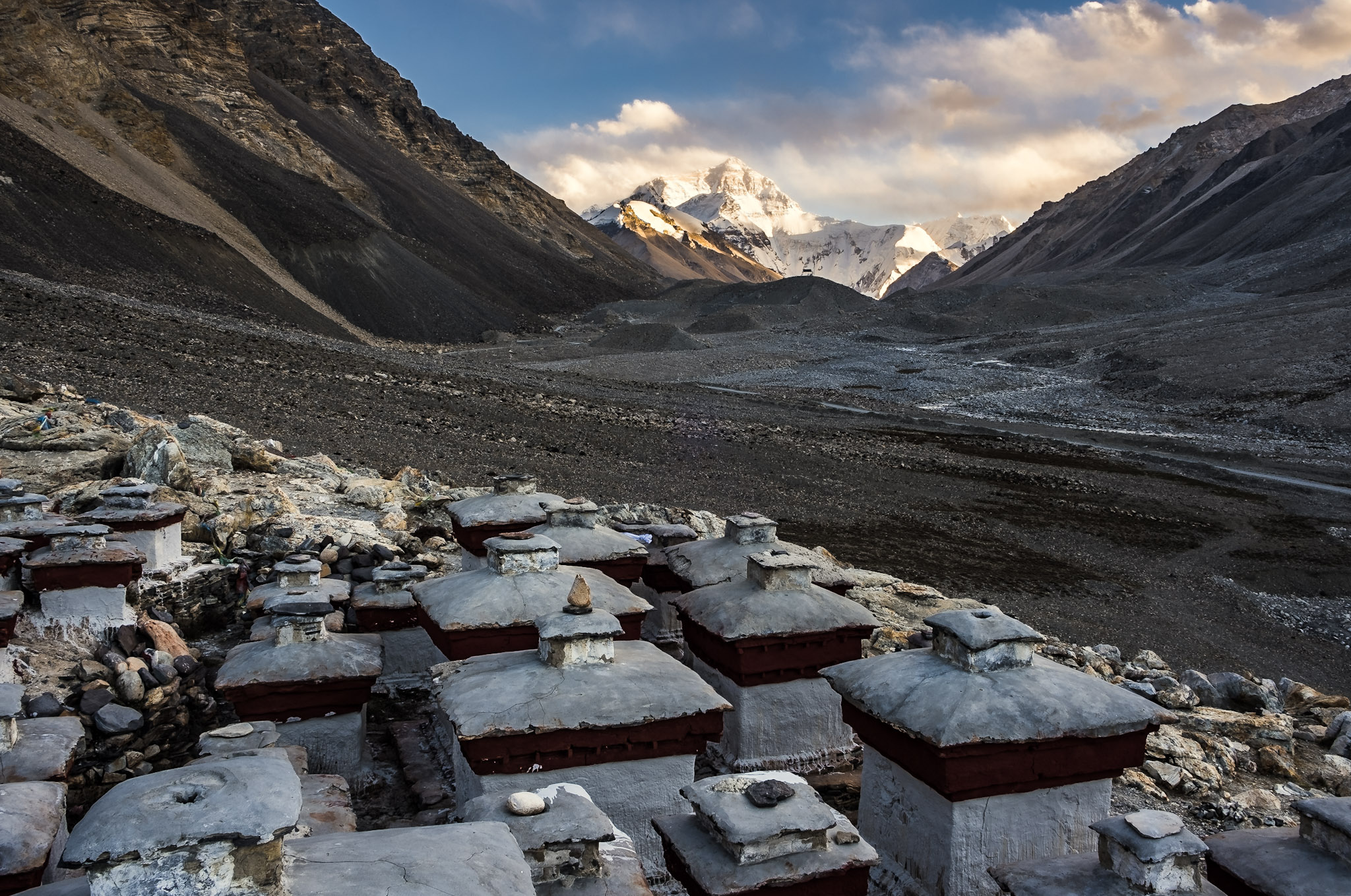
Everest Base Camp, Tibet
Potala Palace
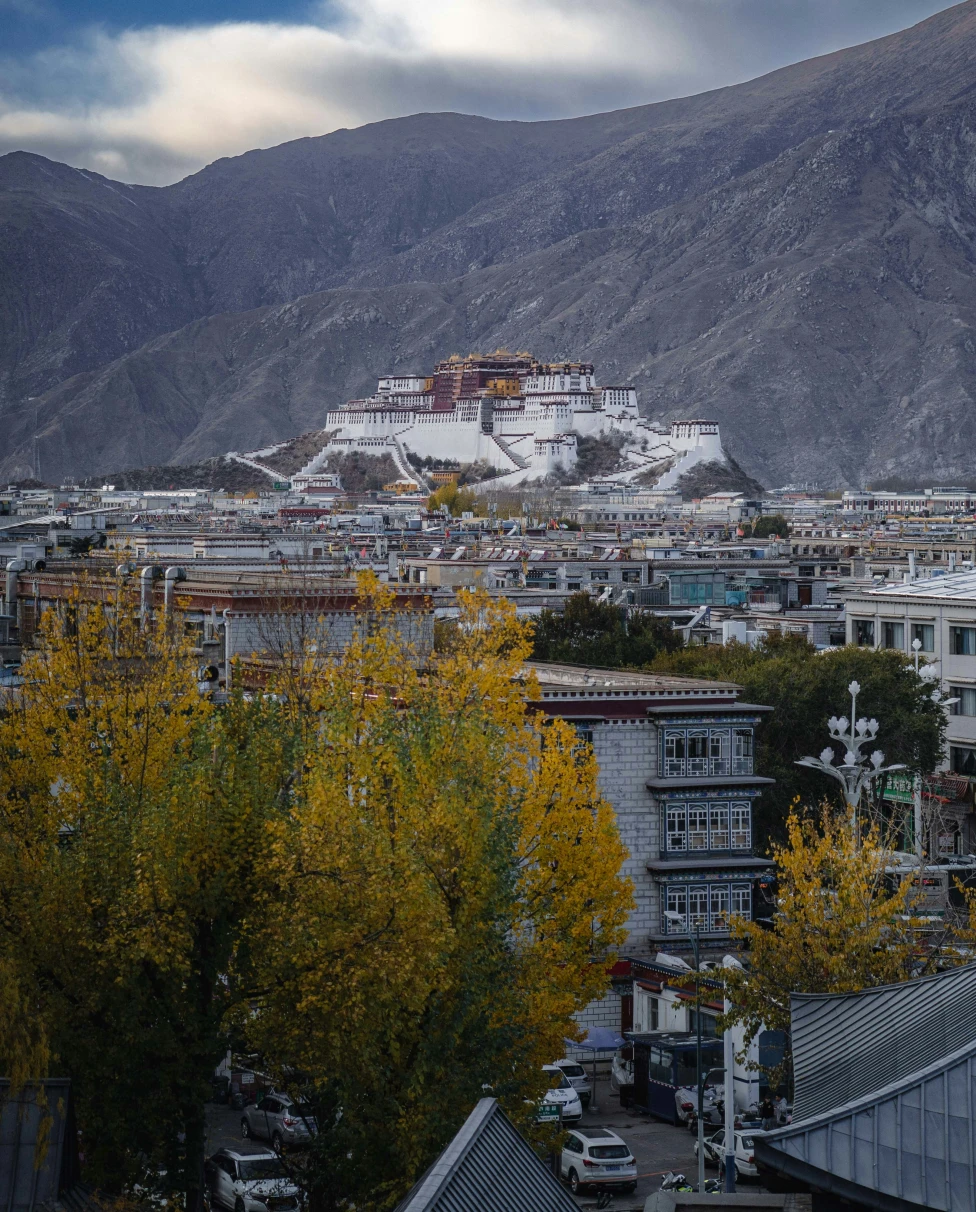
The Potala Palace (on the north side of Lhasa, Tibet) is the massive fortress-like building that is often iconically depicted in the classic photographs of Lhasa, the holy city. With over 1,000 rooms and at 14 stories tall, this is considered the essential building of Tibetan architecture.
Jokhang Temple
The Jokhang Temple is the most sacred and important temple in Tibet. Along with the Potala Palace, this is probably the most historic attraction in Lhasa, and pilgrims believe that just one devoted prayer at this most holy site will bring a lifetime of health and blessings to them and their families.
Drakyerpa Meditation Caves
Drakyerpa Meditation Caves, located in the mountains an hour outside of Lhasa, are a sacred pilgrimage site where great Tibetan masters once meditated in peaceful cliffside caves overlooking vast valleys. The serene atmosphere, prayer flags, and panoramic views create a deeply spiritual and reflective experience unlike anywhere else in Tibet.
Sera monk debates at Sera Monastery
Every day, hundreds of red-robed monks assemble in small groups and practice their debating skills. Though most Gelugpa monasteries still practice Buddhist debates, this is one of the few monasteries where foreigners are allowed into the debate to watch and photograph this epic battle of wits and logic.
Trekking from Ganden to Samye Monastery
Samye to Ganden is one of the closest treks to Lhasa and is one of the most popular treks in Tibet, connecting the famed Ganden and Samye monasteries. Despite the relative ease of logistics, it has great mountain views and is a challenging trek that includes crossing over Chitu La and Shug La—both of these passes (the word “la” means pass in Tibetan) exceed 5,000 meters in elevation.
Tibetan homestay lunch
Enjoy a homemade meal with a local Tibetan family and taste the richness of yak meat dumplings and the tartness of creamy yak yogurt while getting to understand the life and rhythms of nomadic culture around Lhasa.
Visit Mount Everest Base Camp
Drive to 5,100 meters to see the world’s tallest mountain dominating the Himalayan skyline as you pass by holy lakes and ancient monasteries. This trip takes about eight to 12 days and is one of the most stunning overland trips in all of the Himalaya.
Drepung Monastery
Drepung Monastery is considered one of the three great monasteries in Tibet. Drepung is the largest of all Tibetan monasteries, and indeed at its peak was the largest monastery of any religion in the world.
Trek the holiest mountain in the world: Mount Kailash
Trekking Mount Kailash is a profound spiritual and physical journey that takes you around one of the world’s most sacred mountains, revered by over 1 billion followers across Buddhism, Hinduism, Jainism, and Bon. The high-altitude "kora" (meaning a sacred pilgrimage) offers breathtaking Himalayan landscapes, remote monasteries, and a deeply introspective experience that many travelers describe as life-changing.
Places to eat & drink in Lhasa, Tibet
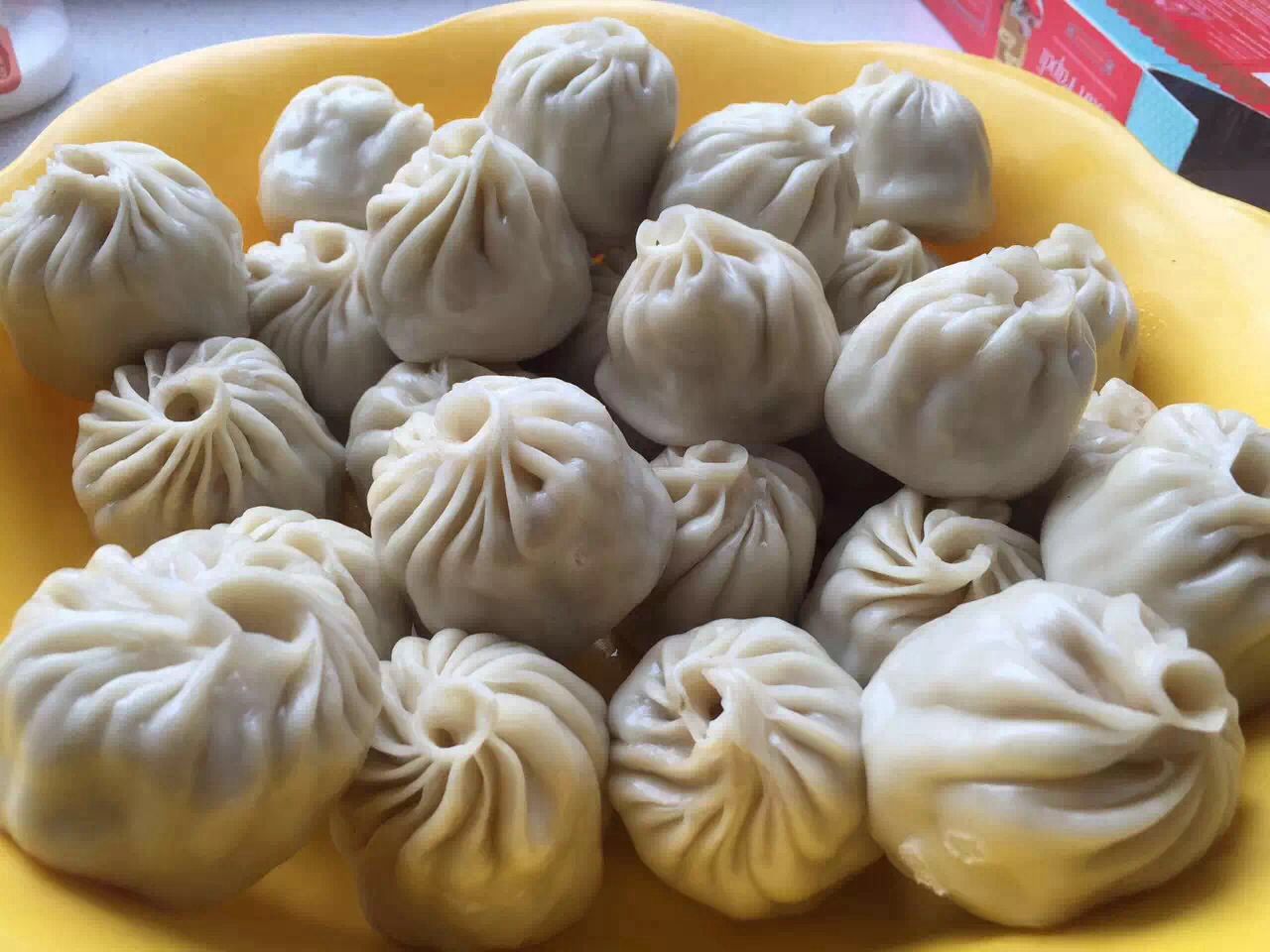
Tibetan momo are a classic cuisine of Lhasa
Summit Coffee
Having been to Lhasa more times than I can count, this coffee shop is certainly my favorite, serving great cakes and pastries and probably the best coffee in all of Tibet. This little gem is located right outside the Barkhor Square and the Jokhang Temple.
Tibetan Family Kitchen
This restaurant has long been the favorite restaurant of our guests and has a great selection of Indian, Nepali, and Tibetan cuisine. In my opinion, they have the best yak momo dumplings in the Old Town of Lhasa.
Snowlands Restaurant
A legendary and well-reviewed favorite among travelers, Snowland serves authentic Tibetan dishes like momos, yak meat, and thukpa (Tibetan noodles) in a simple, welcoming setting right near Barkhor Street. It’s a great first stop if you want traditional flavors in a very central and convenient location.
House of Shambala Restaurant
Set in a beautiful traditional Tibetan courtyard that is hundreds of years old, this restaurant offers refined Tibetan and Asian fusion dishes with a peaceful atmosphere and views near the Jokhang area. It’s perfect for a slower, more elegant dining experience after a day of sightseeing.
Guang Ming Gang Qiong Sweet Tea House
If you are looking for a cheap but very authentic experience to rub shoulders with Buddhist pilgrims, this is it! This bustling teahouse is one of the most local experiences in Lhasa, and is famous for traditional Tibetan sweet tea, simple snacks, and a lively atmosphere filled with monks, pilgrims, and locals visiting Lhasa.
Need to know
1. Acclimate to the altitude
Lhasa is 3,650 meters (12,000 feet) above sea level. Spend your first two to three days resting, walking slowly, and drinking water, and make sure you acclimate slowly if you are heading up to Everest Base Camp.
Avoid alcohol and strenuous activity until your body adjusts.
Consider bringing altitude medication like diamox (consult your doctor beforehand).
2. Respect local customs
Tibetan culture is deeply spiritual and traditional.
Always walk clockwise around temples and stupas.
Avoid touching people’s heads or pointing your feet at religious objects.
Dress modestly, especially in monasteries.
3. Bring cash and a VPN
China has limited access to international banking and websites.
Bring enough Chinese yuan (RMB), as most local restaurants and venues don’t accept foreign cards.
You may also consider downloading the WeChat or Alipay apps and attaching a credit card to these payment apps, as China is now largely a cashless society. Download and test a VPN before arrival to access services like Google, Gmail, and WhatsApp and Instagram.
4. Travel with a permit and local guide
Foreigners need a Tibet Travel Permit to enter Lhasa, and can only visit Tibet through an approved travel agency.
Independent travel is not allowed and trips must be pre-arranged months in advance.
Book your trip in advance and confirm that your agency handles all required permits.
5. Pack smart for the climate
Lhasa’s weather shifts quickly between hot sun and cold wind.
Bring layers, including a windproof jacket, sunglasses, and sunscreen (UV is intense at high altitude).
Don’t forget lip balm and hand cream—the air is very dry.

Travel Advisor
Ben Cubbage
Ben Cubbage

Get in touch with Ben Cubbage
Did you like this guide? Reach out to customize and book your own experience. Or, just to chat about travel in general.
For more inspiration and insider recommendations, visit our China page.