


Curator’s statement
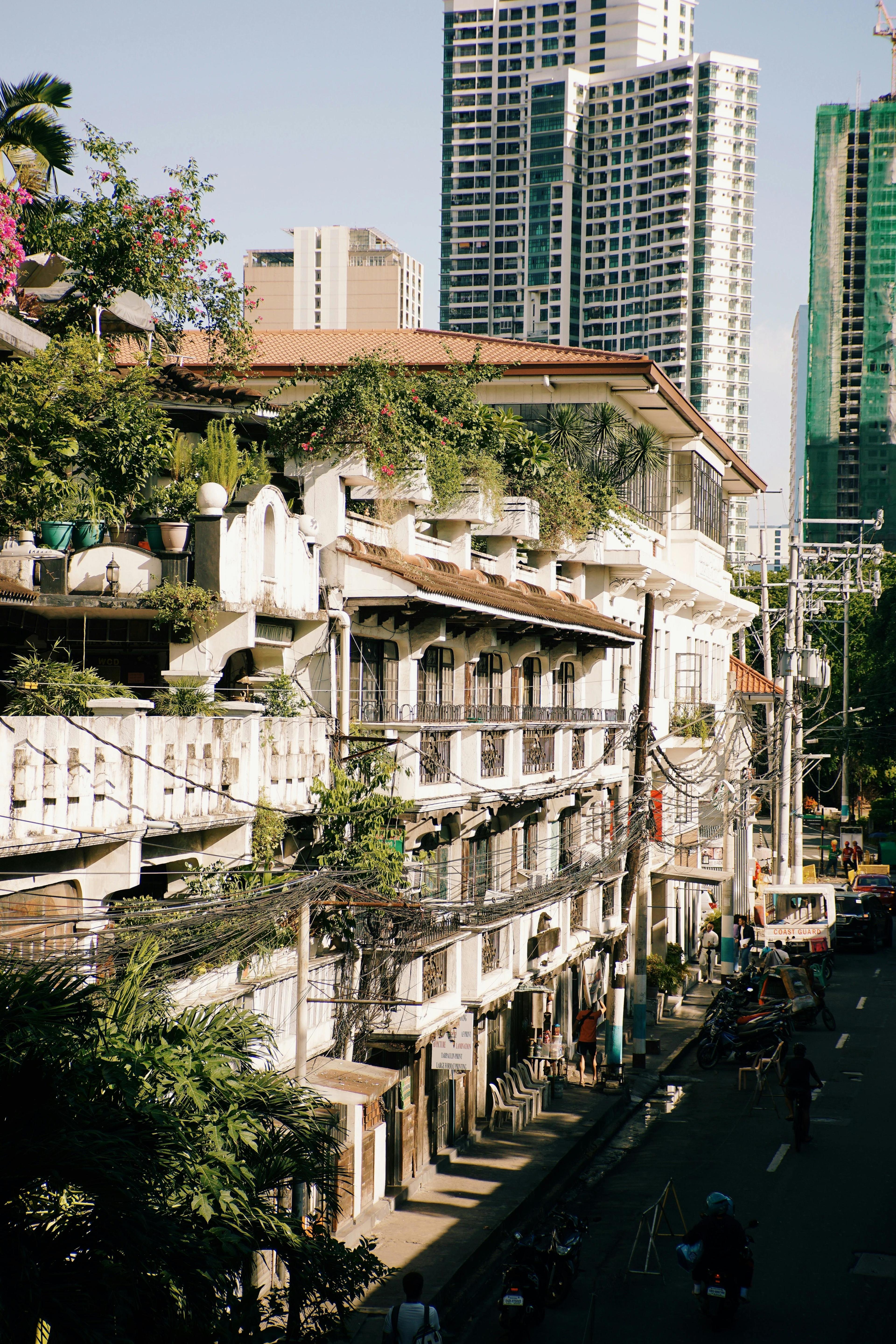
Manila is one of those cities that requires you to set aside what you think you know about it before you arrive. I spent four days there and found a city of remarkable contradictions: Spanish colonial grandeur next to buzzy contemporary restaurants, ancient Chinatown alongside sleek business districts, and a food scene that is currently having one of the most exciting moments of its history. What I keep thinking about is the way the city holds all these layers at once without apology. Manila does not simplify itself for visitors, and that is precisely what makes it worth the trip.
The Fora Difference
Book with Ricardo Navamuel to access exclusive perks and experiences on your trip.

Killer perks
Free upgrades, spa credits and more—we got you

Personalized recs
Customized travel planning for your style

Insider knowledge
Expert advice from people who’ve actually been there
Where to stay in Manila
Unlock perks by contacting Ricardo Navamuel to book your trip.
Things to do in Manila
Walk Intramuros
The walled city is where Manila’s story begins. Spanish colonial architecture, cobblestone streets, and a handful of significant churches, including the Manila Cathedral and San Agustin Church, which is a UNESCO World Heritage Site. Hiring a bicycle rickshaw (called a kalesa) is the right way to move through it, slow enough to take things in without missing the details that make the place extraordinary.
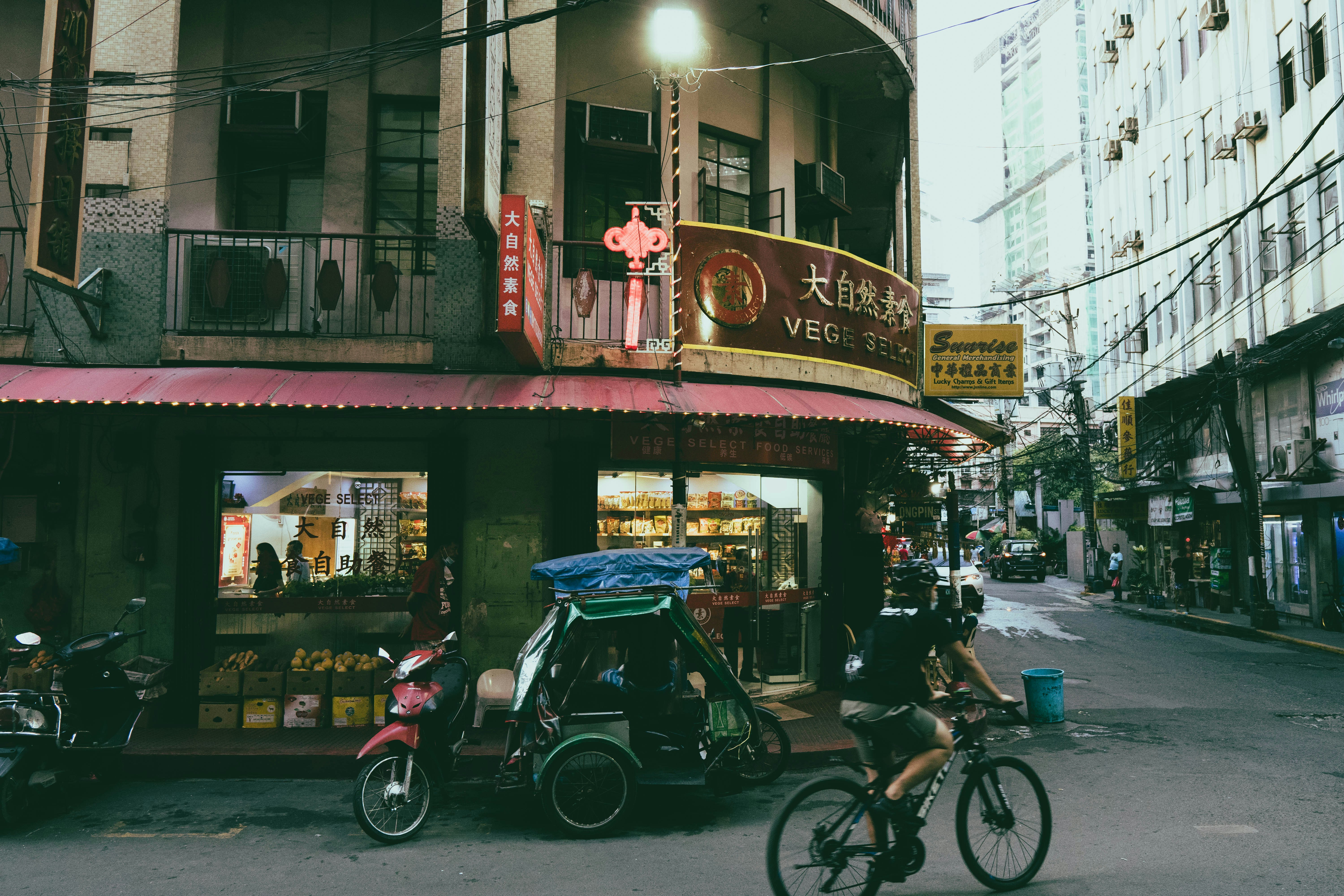
Spend time in Binondo, Manila’s Chinatown
The oldest Chinatown in the world, established in the 16th century. The energy here is unlike anything else in Manila… the narrow streets, the markets, the temples, the food. Binondo is at its best on foot, moving between dumpling houses and bakeries and temples without a strict plan. The contrast between this neighborhood and the gleaming towers of Makati is one of the most dramatic in any city in Asia.
Visit the National Museum of Fine Arts
Part of the overall National Museum complex, this building holds the most significant collection of Philippine art in the country. The Juan Luna paintings, the sculptures, the period rooms—it is a serious cultural institution and one that rewards a couple of hours of genuine attention.
Walk through the Bonifacio Global City
Manila’s most deliberate urban neighborhood: clean streets, galleries, restaurants, and a growing design community. BGC, as it is commonly known, is the side of Manila that appeals to those who want a more contemporary urban experience, and it is increasingly where the city’s creative community is concentrating.
Explore the area around Ayala Triangle
The Ayala Triangle Gardens area in Makati is a compact, walkable cultural district with the Ayala Museum, several galleries, and strong restaurant options. It is one of the most culturally dense blocks in the city for a visitor who wants to move between food, art, and architecture without long transit times.
Eat your way through Binondo’s food scene
This deserves its own entry because the dumpling houses, the noodle shops, the bakeries, and the old-school Chinese restaurants here deserve more than a passing nod. Tigang, siopao, pansit... the range of Chinese-Filipino food on offer in Binondo is extraordinary and largely unknown outside of Manila.
Places to eat & drink in Manila
Hapag
“Hapag” means “family table” in Tagalog, and that is exactly what this restaurant in Makati feels like, an intimate, formal space where the food is Filipino without being folkloric. The kitchen takes Filipino ingredients and traditions and reinterprets them with real technical ambition. One of the most significant restaurants in the country at the moment.
Helm
Josh Boutwood’s restaurant in The Shops at Ayala Triangle Gardens is one of the most serious cooking experiences in Manila right now. As a half-British, half-Filipino chef, Boutwood brings a dual heritage to the kitchen that expresses itself in a menu that is both globally aware and deeply rooted in Filipino ingredients. Two Michelin stars signals a level of ambition and execution that puts this among the best restaurants in Southeast Asia.
Toyo Eatery
Named for “soy sauce” in Tagalog, Toyo Eatery is where the farm-to-table movement in Manila has found some of its most authentic expression. The kitchen engages seriously with Filipino foodways in a way that is both respectful and genuinely creative. The setting in the Karrivin complex is casual enough to feel approachable, but the food is serious enough to reward your full attention.
Emilia
A restaurant that captures something essential about how Filipino cuisine is being thought about right now. Emilia takes tradition as its starting point and works outward from there. The pasta and the local seafood preparations tend to be the standout dishes, and the room has a warmth that makes returning easy.
Celera
“Celera” means appetite in Malay, and this restaurant at Comuna on Pablo Ocampo Senior Extension in Makati takes that mandate seriously. Asian Contemporary in orientation, with a date-night and trending positioning that signals it is very much in the current moment of Manila dining. One Michelin star confirms the kitchen is executing at a high level. The space in the Comuna building is worth knowing, as it is part of a small creative complex that has become a quiet hub for the city’s design community.
Old Manila
Pass through the lobby of The Peninsula Manila to enter an elegant Art Deco dining room that pays direct homage to the city’s colonial hospitality legacy. French cuisine, with a setting that is genuinely transportive. It’s the kind of room that makes you understand why the Peninsula has been the reference point for luxury in Manila for so long.
Need to know
Manila is a large, dense city. Traffic is a genuine consideration: Allow more time than you think you need to move between neighborhoods.
The best time to visit is between November and May, outside of typhoon season but with manageable weather.
English is widely spoken throughout the city, which makes navigation straightforward for English-speaking travelers.
The Peninsula Manila is the most centrally located base for first-time visitors who want to be within walking distance of the city’s best restaurants and cultural institutions.
The city’s food scene is changing quickly… the restaurants on this list represent a moment in time, and that is part of what makes Manila exciting to return to.


Travel Advisor
Ricardo Navamuel

Ricardo Navamuel

Get in touch with Ricardo Navamuel
Did you like this guide? Reach out to customize and book your own experience. Or, just to chat about travel in general.
For more travel inspiration and insider recommendations, check out our Philippines page.