The popularity of ocean and river cruise vacations is a prime opportunity to sell more travel. If you’re already cruise-obsessed and enjoy travel planning, you’ll make a great cruise specialist.
Here’s how to find the right host agency, develop your cruise booking expertise, and build a real business around cruise travel.
3 steps to become a cruise travel advisor
Working as a cruise travel advisor is a great way to transform your passion for planning travel into a fulfilling career. The steps are the same as becoming an independent travel advisor, with added cruise education.
1. Choose a host agency
A host agency is a business within the travel industry that provides support, an IATA number, and resources to independent travel agents or travel agencies. These services can include access to:
Some host agencies also provide marketing tools, business management software, and travel advisor certification. Fora is a host agency, for example. At Fora, advisors with more than $10,000 in commissionable cruise bookings in the last year can get a Cruise Lines International Association (CLIA) membership for additional cruise benefits, like bonus commission opportunities and specialized training.
There’s also the option to start your own travel agency, but starting on your own is time-consuming and complex if you don’t have an existing book of business. You’d need to source your own software, preferred partnerships, and licenses to get started.
Read our guide to choosing a host agency
2. Complete cruise-specific training
A host agency with a solid training program will have training on how to set up your advising business, plus cruise-focused education on the ins and outs of booking cruises and business skills, like marketing and getting clients.
Learn how to book travel with different cruise providers, how to manage client travel, and other cruise specifics before getting started. You can book more than just cruises—and cruises often involve a hotel stay or transportation at the beginning or end of the trip—so learn the basics of general travel booking too. You’ll learn more as you start to plan trips, but go through everything your host agency offers.
For example, in addition to the above, Fora’s cruise education includes expert-led training on:
Matching clients to the right onboard experience
Common cruise destinations
Creating a cruise proposal for a client
Cruise add-on options
As your business grows, look into whether your host agency offers advanced certification, supplier-led events to build more cruise connections, or other opportunities to keep your cruise knowledge up to date.
3. Book your first cruise client
As a cruise travel agent, you can choose a niche if you have a specific expertise, or book a broad range of offerings. You might choose to specialize in:
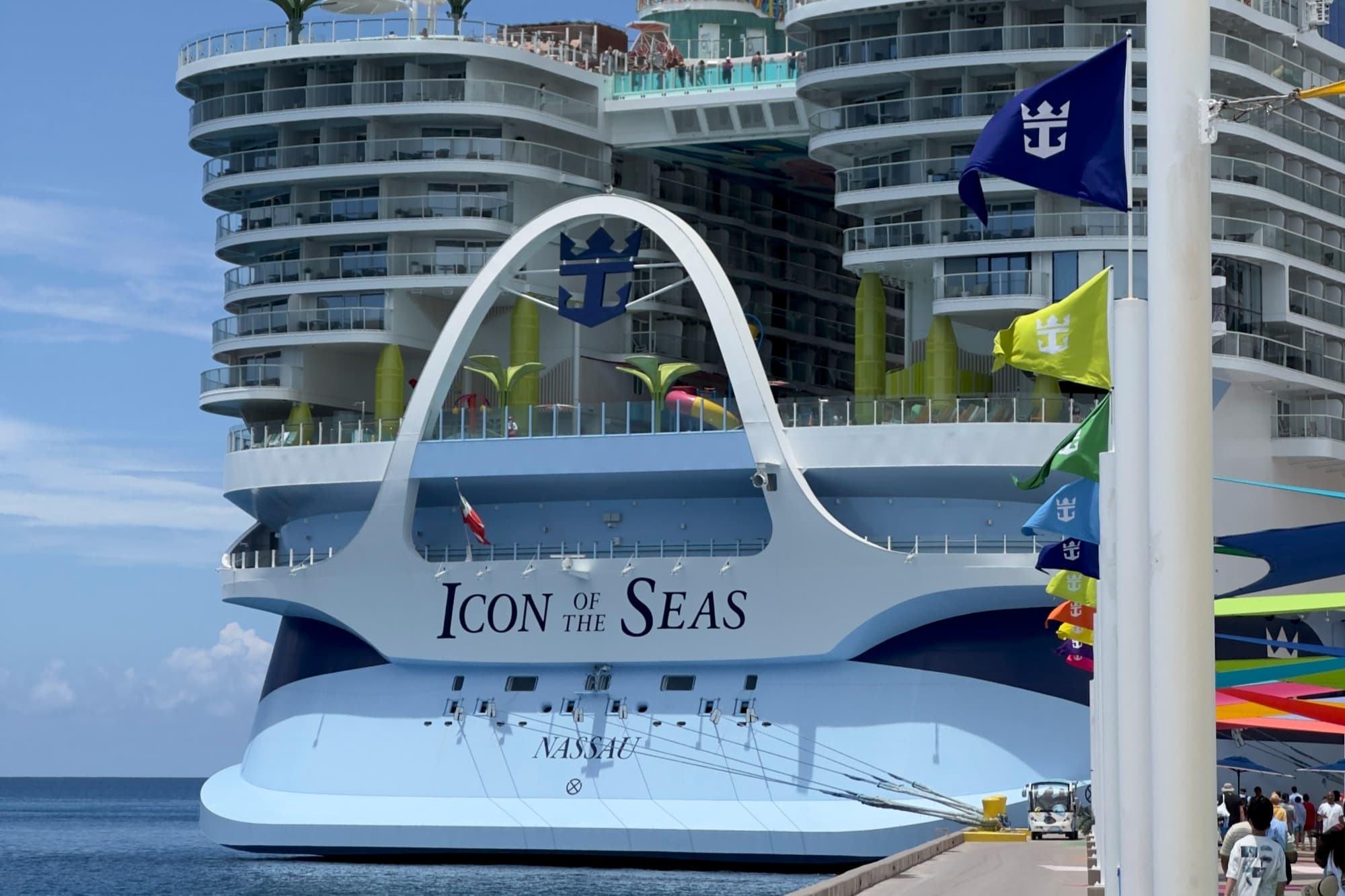
Tried-and-true favorites like Royal Caribbean
Growing lines like Virgin Voyages
Eco-friendly cruises, like HX Expeditions and Lindblad Expeditions
Luxury cruises, like Four Seasons
Most travel advisors make their first booking through their network: friends, family, colleagues, or neighbors. Be vocal about your new business and learn to pitch the benefits of booking through you, like upgrades and credits and someone to handle special requests or unexpected issues.
Encourage happy clients to share reviews and spread the word after they’ve traveled. Word-of-mouth referrals are one of the most common ways advisors successfully reach more clients.
What makes a great cruise advisor?
A good travel advisor uses a unique blend of skills and resources to provide exceptional service to their clients. For cruise advisors, industry expertise, a business owner’s mindset, and people skills are key.
Cruise travel knowledge
You’ll need a deep understanding of different cruise lines, types, and traveler niches. Knowing the difference between river-bound voyages, expedition cruises, luxury cruises, and the best family options, for instance, will help you market yourself to the right people and make the best recommendations for your clients.
If you already have personal cruise experience, then you’re well on your way. You can use personal opinions from your experiences to form the foundation of recommendations for your clients. This can also point you toward a niche where you’re comfortable, like Disney cruises, as you build your knowledge in other areas.
Your host agency will ideally provide training to learn about different cruise specialties and partners so you can stay updated on the industry and emerging trends. For example, Fora offers basic travel agent training as well as a dedicated cruise curriculum to give advisors the understanding and skills they need to sell cruises. Fora Advisors who have a strong cruise sales record and complete cruise training earn a cruise distinction to show clients their expertise.
Entrepreneurial mindset
Travel advisors are small business owners. Especially if you’re new to the industry, there’s a learning curve. You’ll need to set aside time to learn the booking platform and the nuances of different cruise lines. And most host agencies don’t provide client leads for you upfront, so you’ll need to build your client base over time. Most people start with their network and go from there.
It’s also important to have strong attention to detail and operational skills. You’ll need to juggle multiple clients and trips at once, and multiple travelers for many cruise bookings. Mastering the logistics ensures your clients have a great experience and recommend you to others.
Customer service skills
The most successful travel advisors prioritize client experience in every interaction and trip, and genuinely enjoy offering great service. When meeting new clients, you’ll want to learn their travel style and preferences so that you can make informed recommendations for their cruise itinerary. Pre-travel, you’ll spend time working with the cruise line to honor any special requests or perks.
Once your clients are traveling, they’ll expect you to be reachable in case any issues come up, even if you’re in the middle of your own travel. Be responsive, patient, and empathetic to clients’ concerns and desires. When those clients have a good experience with you, they’ll become key promoters for your future business.
How much do cruise travel advisors make?
Cruise travel agents earn money through commissions paid by cruise lines on every booking. Commission rates typically run 10–20% of the cruise fare—but vary based on the line and your agency’s relationship with it—and that commission is split between the advisor and their host agency.
For example, if you book a family on a $5,000 cruise at a 10% commission, and you keep 70% of that, the total commission is $500, and your take-home is $350.
Your actual income will depend on a few factors:
Booking volume: The more trips and travel suppliers you book, the more commission you can earn.
Booking value: A group booking for a family reunion or one luxury cruise for a couple will cost more, and therefore pay out more, than a smaller or non-luxury booking.
Specialty: Some specializations, like luxury cruises, naturally come with higher booking value than others.
Group bookings: Large room blocks often come with higher commission tiers than standard rates.
Host agency relationships: Agencies with a high volume of cruise bookings may get preferred partner perks that include better commission rates.
The cruise line builds commission into the fare whether the booking comes through an advisor or directly, so working with you costs your client nothing.
Frequently asked questions
Do I need a degree or certification to become a cruise travel agent?
No. You don’t need a degree or certification to become a cruise travel advisor in the U.S. Many advisors decide to get certified through CLIA for additional perks as their business grows, but it’s not needed to start. At Fora, you can earn a Cruise Specialist Distinction to show clients that you’ve completed comprehensive cruise training and have meaningful cruise sales experience.
How does a cruise travel agent book a cruise for a client?
Most cruise lines have a dedicated travel advisor portal where you register your client’s information along with your host agency’s IATA number. From there, you select the sailing, cabin, and add-ons, and the booking is attributed to you for commission. Your host agency will walk you through the specifics for each major line, including group and event bookings.
What types of cruises can I book?
You’ll be able to book a variety of cruise ships, whether you’re planning a cruise vacation out of Florida or Europe. All major lines like Carnival Cruises, Disney, Viking, Norwegian, Celebrity, MSC, Virgin Voyages, and more are commissionable. There are also luxury travel lines like Four Seasons, Ritz-Carlton, and Crystal. Smaller cruise companies, like Ponant and Cunard, also work with travel advisors.
Can I book more than just cruises?
Yes. As an independent travel advisor, you can book hotels, tours, transportation, and full custom itineraries for any type of travel, not just cruises. Many advisors layer pre- and post-cruise hotel stays, flights, and shore-side experiences onto every cruise booking, which adds commission and gives clients a more complete trip.
Can I be a cruise travel advisor part-time?
Yes. Many new cruise advisors start part-time. You set your own hours and pace. You can continue cruise advising as a side business long-term, or scale into it full-time as your client base grows.