Travel agent marketing comes down to a handful of core strategies: understanding your target clients, creating a professional online presence, and building a client referral program. Once you’ve tapped the people you already know, layer in these marketing channels to keep your business growing.
You don't need a big ad budget or a viral following to make it work. With steady attention and a plan, you can get new client leads and grow sustainably.
9 marketing strategies for travel agents
Regular marketing helps you build a bigger client base and a more consistent flow of booking requests. These nine strategies are valuable for travel agents at any stage of their business.
1. Engage with your ideal clients
Start by identifying your target client. These are the people who fit your planning style, budget, or your niche. Then, figure out where they spend their time or find professionals to work with, and engage in those spaces.
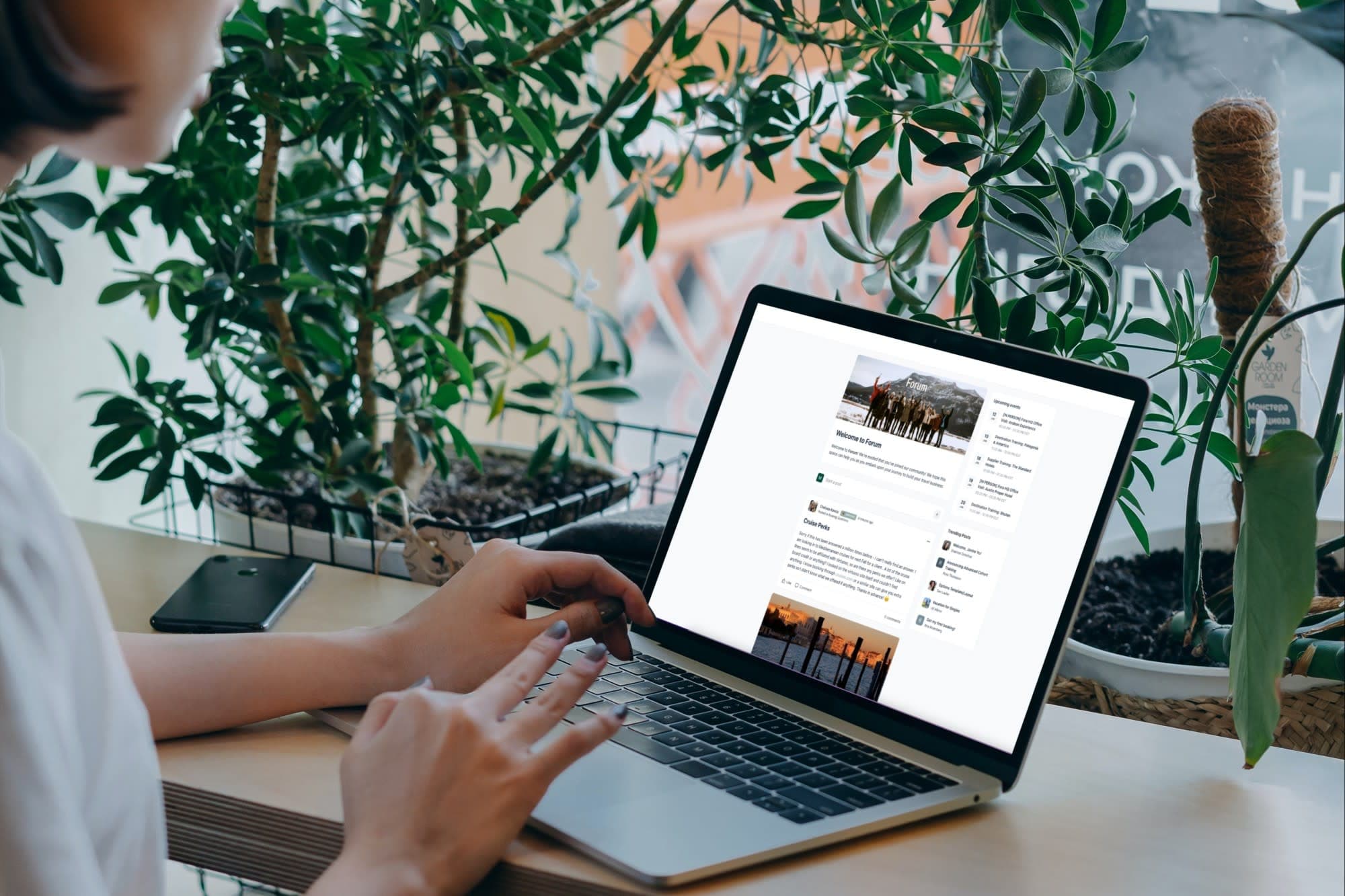
For example, a cruise-focused travel advisor might join online forums for cruise-goers or attend cruise events that are open to the public. In community-focused spaces, like online groups, focus on engaging genuinely instead of pitching your services right away. Your niche experience is valuable, but you need to share some of your knowledge to build trust first.
You just need to be an expert, and then people will ask you what you do.

Randy Marsden
joined November 2022Add questions about budget or travel style to your client intake form to quickly filter for people who are a strong fit for your services.
2. Nail down your messaging
Messaging is a way to standardize how you talk to your clients and about yourself. This includes how you talk about certain subjects, like the value of booking with you. It’s helpful to have a plan for common topics, like:
A short description of what you offer and the types of travel you plan
Value you add over online booking platforms
Your professional bio and travel experience
Responses to common booking questions or hesitations
Any planning timelines or fees
This keeps your responses quick and consistent, and confident messaging can help you convert a lead into a client.
3. Build a professional web page
For travel advisors, a professional website or landing page is like a more in-depth business card. An effective website should clearly communicate who you are, what you specialize in, and how potential clients can get in touch, as well as show off your planning expertise.
Your online presence is where new clients often look to verify your experience and credibility. It’s also a place to direct potential clients to learn about or book with you. While social media is one place to build a presence, a website or landing page has more space and control to highlight positive reviews, travel guides, and your specialties.
Many advisors use templates or platform-provided landing pages rather than custom-built sites. For example, Fora advisors get a customizable profile page to share a bio, travel guides, client reviews, and contact information, which many use as their primary online presence.
4. Create expert content
Unique knowledge is one of the most valuable things travel advisors offer, and creating content in your areas of expertise is another way to market yourself. With some upfront time investment, your content can be a passive way to continually attract new business. Consider creating:
Travel guides: Destination overviews, hotel comparisons, and “what to do in” articles give you more opportunities to turn up in searches for specific destinations or trips.
Trip advice: Packing guides, airport tips, and other unique travel advice are evergreen topics that often come up in traveler searches.
Video or photo content: If you’re already taking photos or video on your travels, turn those into trip-specific content for your website or social media accounts.
5. Develop an email strategy
Email is one of the most impactful marketing channels because it gives you direct access to a mailing list that’s chosen to hear from you. You also have more control over who sees what messages from you and when than you do on social media.
A monthly email newsletter keeps you in front of your clients consistently. The goal is to stay top-of-mind when they or someone they know is booking a trip. Your emails can include:
Destination spotlights and tips
Seasonal travel deals
Exciting client stories
Consider setting up templated or automated emails, like a message following up a few days after a client’s trip asking about their favorite experiences and a review. Or set up email templates to check in with potential clients who haven’t booked yet. Most travelers won’t book the first time they discover you, so give people a reason to join your list anyway. Free content like a destination guide or a packing checklist help you stay on someone’s mind until they’re planning a trip.
An email platform like Mailchimp will have analytical tools to track email opens, clicks, and subscriber growth so you can refine your approach over time.
6. Start a referral program
A referral program typically offers an incentive to encourage clients to make referrals, and puts a more formal process around client feedback and word of mouth.
Your incentive can be simple, like a discounted trip-planning fee for each referral that books with you, or a waived planning fee for every five successful referrals. A personal recommendation from a friend carries more weight than any ad. And unlike paid advertising, referral programs only cost you when you actually get a new client.
Once you decide on a structure for your referral program, make sure to let past and future clients know via email or social media. Make it easy for them to support you by suggesting simple actions they can take like tagging you in posts about their travels, putting you in touch with their travel companions, or sharing your information when people in their network are planning a trip.
You don’t need a big client base to make referrals work. Most advisors have around five clients who are their strongest advocates—start there.
7. Be consistent on social media
Posting regularly on social media and engaging with your followers makes you more visible to potential clients. You don’t need to post every day or have a large following to be a successful travel advisor, but even weekly posts confirm that you’re still actively booking. Set aside time to:
Interact: Respond to comments, answer DMs, and interact with other travel accounts.
Post fresh content: Post a variety, like room tours, “just booked” posts about new trips, post-trip recaps, tips, or behind-the-scenes planning content.
Reposts: Reshare content from your host agency or supplier partners.
Fora provides professional social media templates and photos for advisors to use and post directly. You can also use template websites to design and edit your own posts.
8. Look for collaboration opportunities
Well-planned collaborations can help you reach new potential clients. Consider partnering with other professionals, suppliers, or publications. This might look like:
Working with a travel blogger to write about a trip you planned for them
Offering your expertise for a quote or feature in a news or industry publication
Offering your trip planning in a giveaway from a local business
Pairing your services with another professional, like an elopement photographer
Partnership or marketing opportunities with suppliers or your host agency
Seek out brands or professionals where your services would be complementary, not competitive. That’ll make it easier to say yes, since the cross-promotion is mutually beneficial.
9. Consider paid social boosting
Social media advertising is a way to boost specific posts to a targeted audience demographic, so your website or posts show up in social feeds outside of your following. The upside is you reach potential clients you might not otherwise get in front of. The downside is the cost and competition.
Start with a post that’s already gotten a lot of engagement with your following, and research your target clients well to give paid boosting the best chance of success. Knowing your ideal client profile will you to target the right people.
But you don’t need paid advertising to be a successful advisor—many never use paid ads. It’s best to get your other marketing strategies in place and running successfully before you explore paid options.
How to measure marketing success
Tracking a few key data points tells you which marketing work is worth your time and what needs to be cut or adjusted. Most travel advisors can get what they need from basic tools like a spreadsheet, Google Analytics, or their email platform.
A few things worth tracking once per month:
New inquiries: How many potential clients reached out? Pay attention if that number goes up or down after a specific strategy change or post.
Inquiry source: Ask every new client how they found you. This tells you which marketing methods are actually driving leads.
Email open and click rates: Most email platforms track these automatically. A healthy open and click rate is a sign your list is engaged in what you’re sharing.
Website traffic: If you have a website or landing page, track how many people visit and where they come from. Google Analytics is free and gives you a clear picture over time.
From there, you can go into more detail to better understand what’s working. You might find that you get more outreach after a specific type of social media post or a lot of clients are finding you through a specific destination guide.
Frequently asked questions
What’s the most effective marketing strategy for travel agents?

Word-of-mouth referrals and a professional online presence are the most effective marketing strategies for most travel agents. Start by delivering excellent service to the clients you already have, then ask them to spread the word. Pair that with a landing page and consistent social media or email, and you’ll have a marketing foundation that compounds over time.
How do travel agents get clients?
Most advisors build their client base through friends, family, and word-of-mouth referrals first, then expand through social media, a professional website, and niche communities. Repeat clients and referrals drive the majority of bookings over time. A good host agency provides marketing tools and templates to make outreach easier from day one.
Do I need a website to market my travel agency?
A web presence is important, but it doesn't have to be a custom-built website. Many travel advisors start with a host agency-provided landing page instead of building and maintaining their own site. The critical thing is having a professional page that potential clients can find, review, and use to contact you, and that you can send people to.
What are travel agent leads?
Travel agent leads are potential clients who have expressed interest in working with a travel advisor but haven't booked yet. Leads can come from your own marketing efforts or from lead-generation programs offered by host agencies and consortia. At Fora, Pro-level advisors get access to the Client Leads Program, which provides qualified leads from travelers actively seeking trip-planning help.
How much do travel agents spend on marketing?
Marketing costs vary widely. Many travel advisors spend little to nothing by relying on free tools like social media, referrals, and host-agency-provided templates and landing pages. Advisors who invest in paid advertising may spend anywhere from $50 to $500+ per month, depending on their goals. The most cost-effective approach for most advisors is starting with free channels and adding paid efforts only after those are generating consistent results.
What social media platforms are best for travel agents?
Instagram, TikTok, and Facebook are commonly used platforms for travel advisors. Instagram and TikTok work well for visual content like destination photos, hotel tours, and trip recaps. Facebook is useful for community groups and reaching an older demographic that books more travel. Start with one or two platforms where your ideal clients already spend time, rather than spreading yourself thin across all of them.
Do I need marketing software for my travel agency?
You don't need dedicated marketing software, like client relationship management (CRM) and email automation tools to get started. Most travel advisors can manage with free tools: an email platform like Mailchimp, saved email templates, Google Analytics to track website traffic, and content scheduling tools if you want to plan posts in advance. As your client base grows, you might add a CRM to track leads and follow-ups if your host agency doesn’t provide one.
How do travel agents get found on Google?
Travel agents get found on Google primarily through a combination of a well-optimized website or landing page and content like destination guides and trip articles. Using relevant keywords, like destination names, trip types, and phrases like “travel advisor in [your city],” helps your pages show up when potential clients search for planning help. Client reviews can also help you show up in searches. If you serve a specific local area, a Google Business Profile can also help you show up when travelers search for an advisor.