
Time Travelers, Pack Your Bags: Why Athens, Greece is the Ultimate History Trip


Curated By
Matthew Alexander


Curator’s statement
Forget textbooks and dusty documentaries for a moment. If you’re the kind of person who gets chills reading about ancient empires, then let’s be clear: Athens, Greece, isn’t just a place to visit—it’s your next great adventure and a genuine pilgrimage into the past. This city is the undeniable birthplace of democracy, the philosophical cradle where thinkers like Socrates challenged the world, and the artistic forge that gave us tragedy, comedy, and architectural perfection. When you land in Athens, you aren’t just visiting a capital city. You are literally setting foot in the foundational workshop of Western civilization. Every marble slab, every column, and every hill echoes with the monumental ideas that still shape our modern world—from our laws and politics to our dramatic arts and sense of aesthetic beauty. Prepare for a trip that will feel less like a vacation and more like time travel, offering a tangible, visceral connection to history that no museum display can ever truly replicate. This is where the stories begin.
The Fora Difference
Book with Matthew to access exclusive perks and experiences on your trip.

Killer perks
Free upgrades, spa credits and more—we got you

Personalized recs
Customized travel planning for your style

Insider knowledge
Expert advice from people who’ve actually been there
Where to stay in Athens
Unlock perks by contacting Matthew to book your trip.
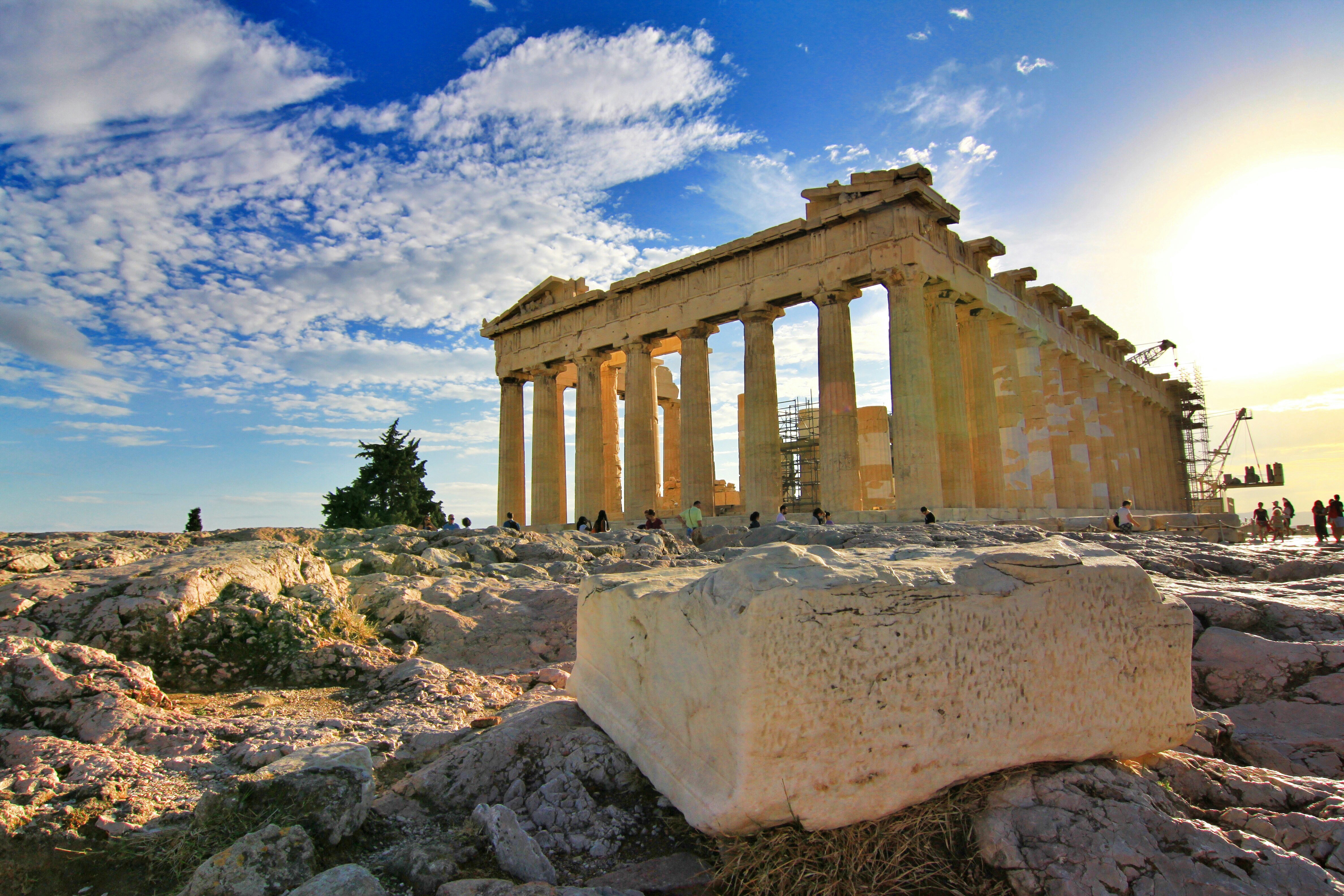
The Acropolis: Forget textbooks for a moment. Imagine hiking up a majestic, rocky hill right in the middle of a vibrant modern city. That’s the Acropolis, and it’s the heart-stopping reason history lovers flock here. This isn’t just a collection of old buildings. This is where the glory days of Classical Greece are frozen in marble.
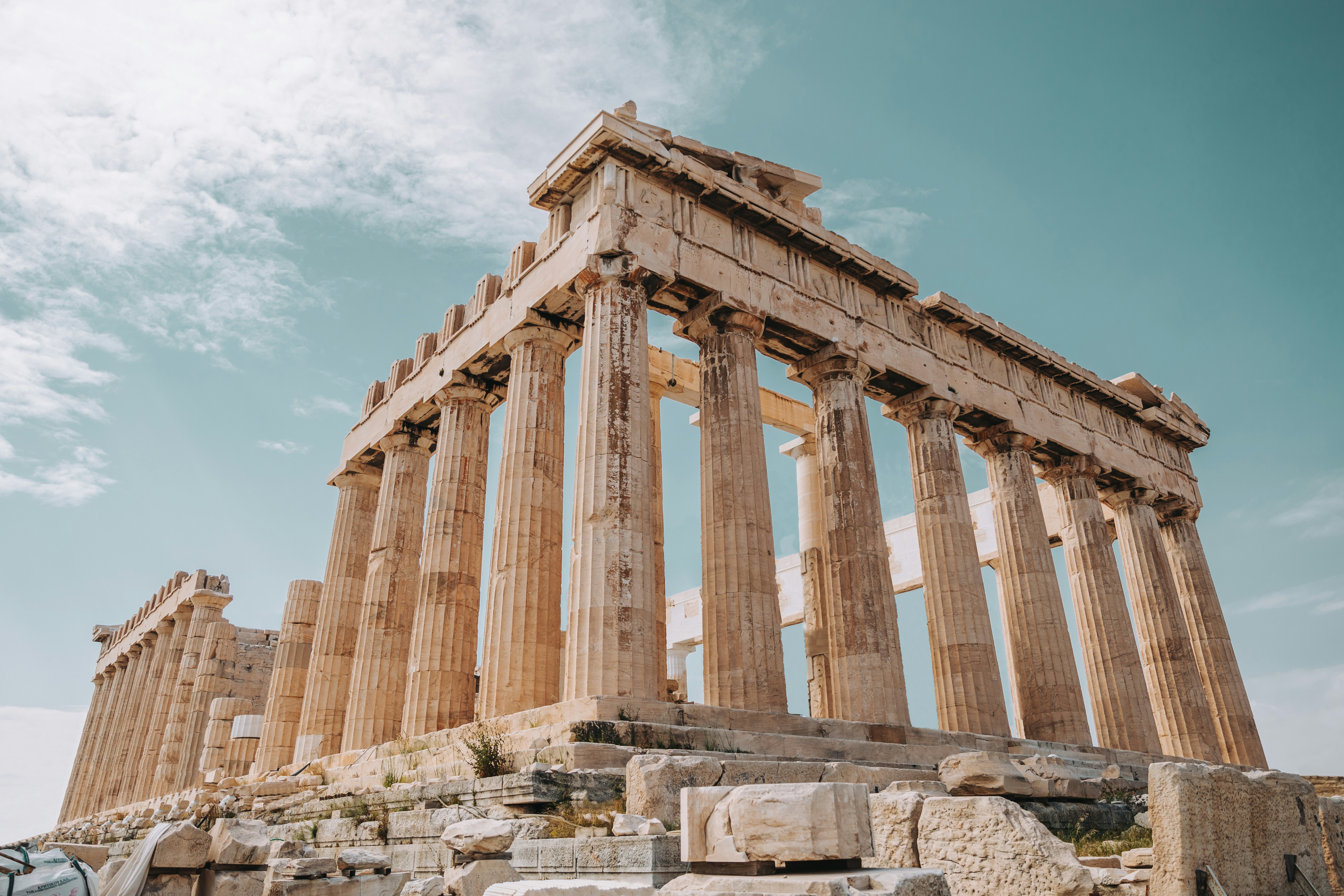
The Parthenon: This temple is the world’s most famous ruin for a reason. Dedicated to Athena, the city’s namesake goddess, its architecture—the perfect Doric columns, the sheer scale—is a masterpiece of balance and proportion. When you stand next to it, you are looking at a structure built during the 5th century BCE, an era when Athens was at the absolute height of its power and intellectual brilliance. It truly defines the concept of “classical” beauty.
The Erechtheion and the Caryatids: Don’t miss this one! This is the complex, uniquely designed temple where myth meets stone. It’s famous for the Caryatids, those magnificent marble maidens who serve as supporting columns. The site itself is deeply sacred, marking the legendary spot where the gods Athena and Poseidon held their divine competition to become the patrons of the city. It’s an architectural riddle and a mythical anchor all in one.
The Propylaea: Before you reach the temples, you pass through this gigantic, ceremonial entrance. It’s a stunning piece of monumental architecture that perfectly sets the tone for the sacred space you are about to enter, showcasing the Athenians’ ability to blend military defense with artistic grandeur.
The Athenian Agora: If the Acropolis was the city’s soul, the Ancient Agora was its living, breathing heart. This wasn’t just a marketplace. It was the ultimate town square. When you walk through these ruins, you are literally treading the paths where Socrates challenged the youth, where democracy was invented and practiced, and where everyday Athenians haggled over fish and debated the meaning of life.
The Temple of Hephaestus: Incredibly, this is one of the best-preserved ancient Greek temples you’ll find anywhere. Because it was later converted into a Christian church, it escaped the destruction that claimed many other pagan sites. It stands today as a stunning example of Doric architecture, perfectly illustrating the high level of craftsmanship that defined the era.
The Stoa of Attalos: This long, covered walkway was beautifully reconstructed and now houses the Museum of the Ancient Agora. It’s the perfect place to see everyday items—like ballot boxes, ancient coinage, and legal documents—that bring the concept of “ancient democracy” down to earth. This is where you connect with the people who ran the world’s first democracy.
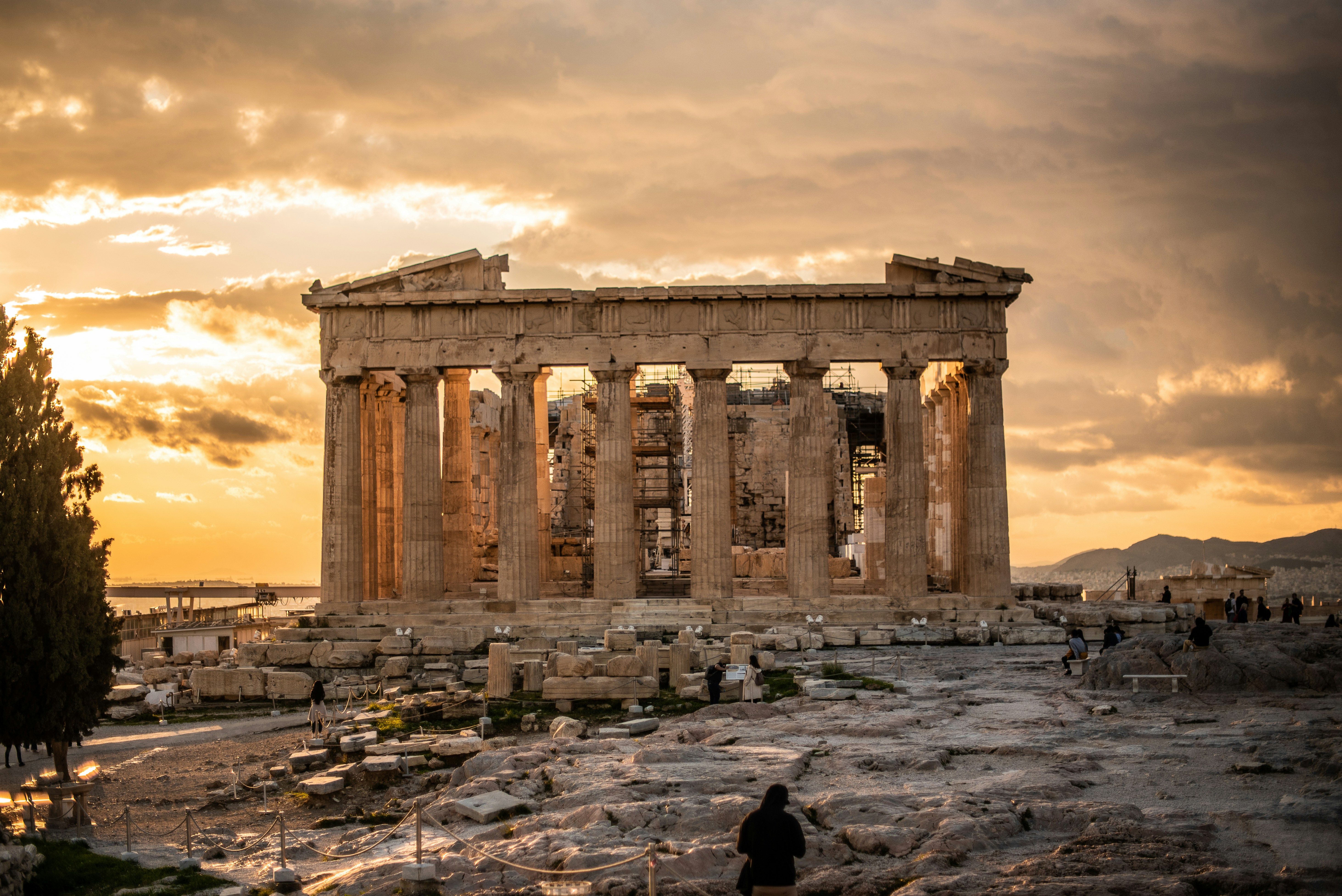
World-Class Museums: Holding the Narrative Together
Let’s face it: The ruins are incredible, but the artifacts give them context. Athens’ museums are absolutely essential because they house the incredible pieces that centuries of weather and conflict couldn’t destroy.
The Acropolis Museum: This isn’t your stuffy, old museum. It’s a brilliant, airy, modern space designed specifically to display the treasures found on the Acropolis. The entire top floor is dedicated to the Parthenon Frieze (the famous sculptures), laid out to mimic the dimensions of the temple itself, giving you an unprecedented close-up view of the artwork. The glass floors even allow you to peer down at the excavation site right beneath your feet!
The National Archaeological Museum: If you want a comprehensive, jaw-dropping tour of Greek civilization from prehistory (think Mycenaean gold) to the Roman period, this is your spot. It holds masterpieces like the gold Mask of Agamemnon, the imposing bronze statue of a god (often identified as Poseidon or Zeus), and countless pieces of pottery that tell stories of myth and daily life. It’s one of the most important historical collections on the planet.
Layered History: Romans, Byzantines, and Beyond
Athens isn’t just about the 5th century BCE. The city has been continuously inhabited for thousands of years, meaning you get to peel back layers of subsequent empires and cultures. It’s a historian’s dream!
Roman Grandeur: As you wander, you’ll stumble upon massive ruins that mark the Roman presence. The remains of the Temple of Olympian Zeus (dedicated by the Emperor Hadrian) and the intricate Roman Agora show how the Roman Empire adopted and honored Greek culture. The iconic Hadrian’s Arch serves as a literal gateway between the ancient Greek city and the Roman expansions.
Medieval Byzantine Life: Hidden among the modern concrete, you’ll find charming, tiny Byzantine churches dating back to the Middle Ages. These beautiful little sanctuaries offer a dramatic shift in historical atmosphere, revealing the city’s thousand-year Christian era before its eventual occupation by the Ottoman Empire. These layers make the whole city a dynamic, living timeline.



Need to know
Athens is ready for you. It offers a profound, tangible connection to the past that will enrich your understanding of the modern world.
For more travel inspiration and insider recommendations, check out our Athens page.
Travel Advisor
Matthew Alexander
Get in touch with Matthew
Did you like this guide? Reach out to customize and book your own experience. Or, just to chat about travel in general.
You can expect a response from Matthew within 1–2 business days. You’ll also be subscribed to our traveler newsletter (you can unsubscribe at any time).