

Curator’s statement
Alice in Borderland transformed my understanding of how pop culture can serve as a gateway to authentic cultural discovery. Having witnessed the series’ global impact firsthand—fans making pilgrimages to filming locations just as The White Lotus drove Sicily tourism—I realized these weren’t just Instagram opportunities, but pathways into Japan’s deepest cultural narratives. When you stand where Arisu questioned reality at Shibuya Crossing, or walk through the botanical garden where survival games unfolded, you’re not just visiting filming locations—you’re experiencing the authentic Japanese spaces that made those fictional moments feel so powerfully real. This itinerary transforms your Alice in Borderland obsession into an immersive cultural journey that respects both the series’ artistry and Japan’s profound cultural heritage.
The Fora Difference
Book with Darlene Cuozzi to access exclusive perks and experiences on your trip.

Killer perks
Free upgrades, spa credits and more—we got you

Personalized recs
Customized travel planning for your style

Insider knowledge
Expert advice from people who’ve actually been there
Where to stay
Unlock perks by contacting Darlene Cuozzi to book your trip.
Day 1: Tokyo—Shibuya & the heart of modern Japan
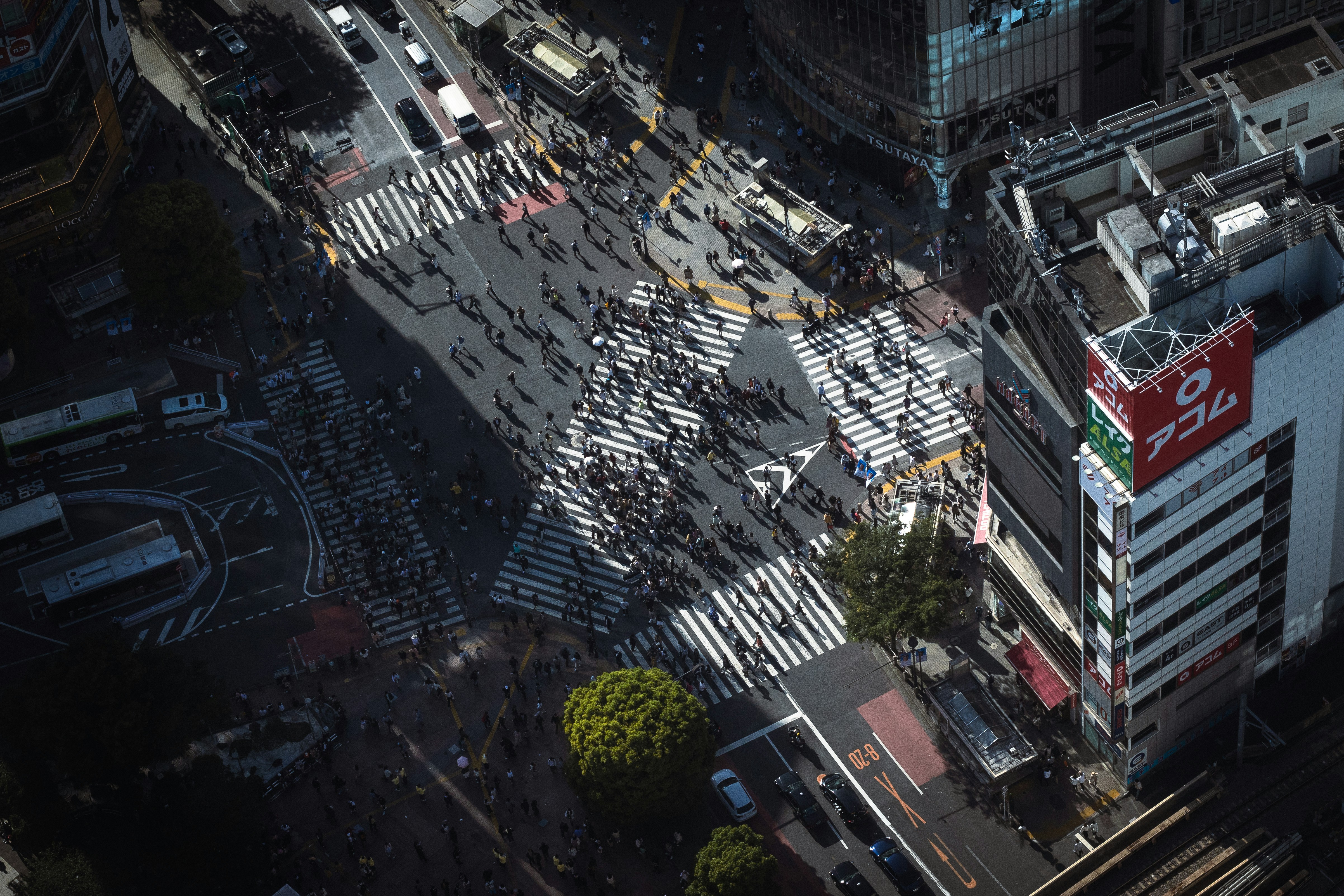
Shibuya Crossing from above as the sun rises with crowds crossing
Begin your Alice in Borderland pilgrimage at the series’ most iconic location: Shibuya Crossing, the world’s busiest pedestrian intersection that represents the organized chaos of modern Tokyo. While the series filmed its empty crossing scenes at a replica studio in Tochigi Prefecture, the real crossing offers something far more profound—the authentic experience of Japanese group harmony in action.
Arrive early morning (5-7 am) for the best photography and to witness the crossing’s transformation from quiet dawn to urban symphony. From the Starbucks overlooking the crossing (featured in Lost in Translation), observe how despite incredible crowds, people move with mutual consideration and purpose—embodying the Japanese concept of collective respect that Alice in Borderland’s creators wanted to contrast with their dystopian vision.
The crossing also appears in Your Name, Tokyo Revengers, and The Fast and the Furious: Tokyo Drift, making this a convergence point for multiple pop-culture pilgrimages. End your day exploring nearby Harajuku for contemporary youth culture, then experience Shibuya’s neon-lit energy after dark—the vibrant opposite of the series’ empty streets.
Day 2: Tokyo Bay—Rainbow Bridge & Odaiba's transformation
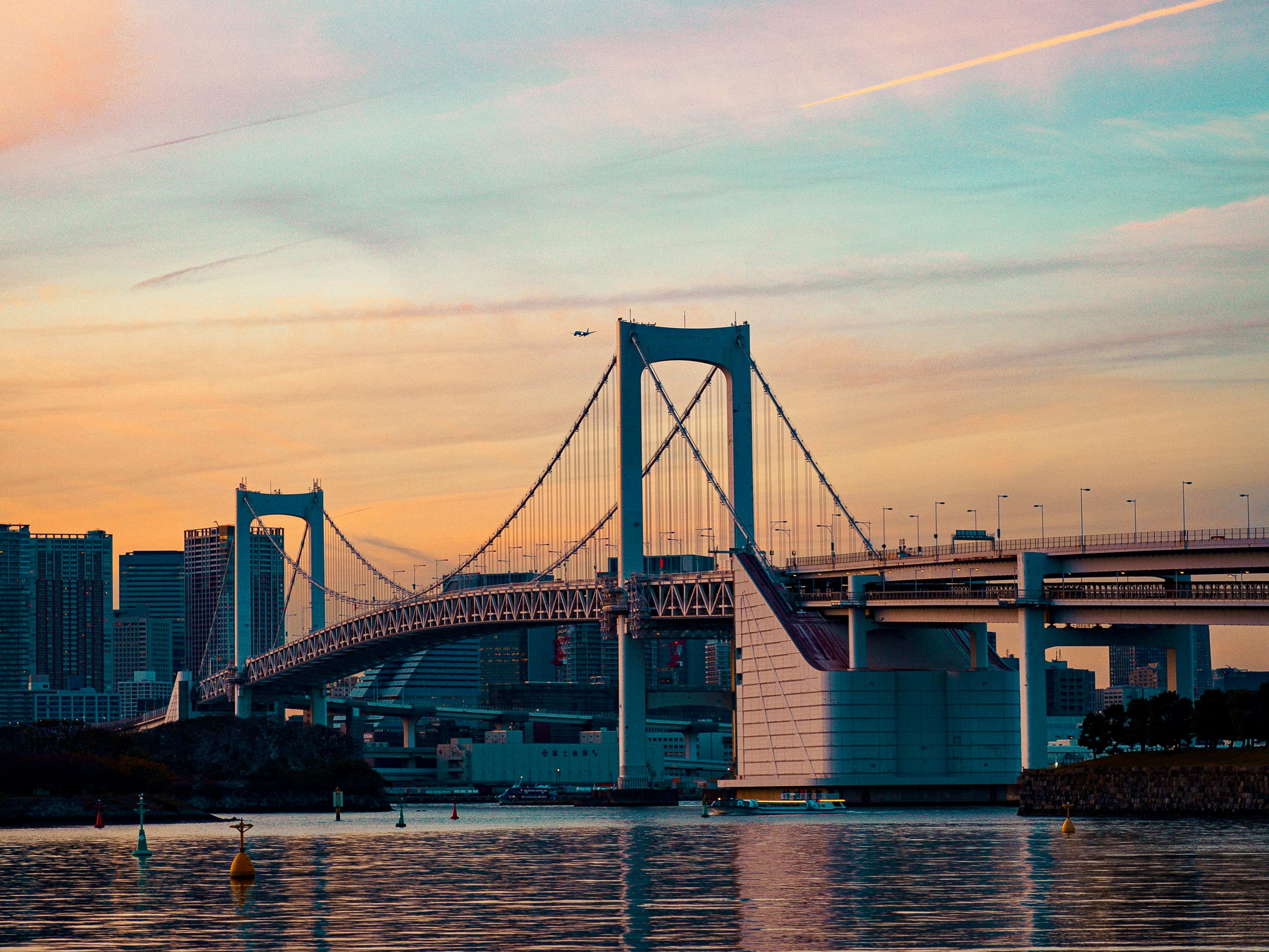
Rainbow Bridge at sunset with Tokyo skyline and illumination beginning
Dedicate today to Rainbow Bridge and Odaiba, where Alice in Borderland’s creators showcased hope and technological innovation against their dystopian backdrop. The Rainbow Bridge serves as the series’ symbol of connection and possibility, but its real story reflects Japan’s post-war recovery and peaceful transformation.
Built as part of Tokyo Bay’s evolution from military defense posts to entertainment hubs, the bridge demonstrates Japanese technological innovation through its solar-powered LED illumination system. Walk or cycle across the pedestrian walkway for the same perspective featured in the series, then explore Odaiba’s artificial island below. This area showcases Japan’s transformation from a defensive mindset to global entertainment leadership, with TeamLab Borderless offering digital art experiences that echo Alice in Borderland’s reality-bending themes.
Visit during sunset for optimal photography, when the bridge’s illumination creates the dramatic lighting featured throughout the series. The location also appears in Bayside Shakedown 2 and various Godzilla films, while anime classics like Digimon Adventure featured Odaiba prominently—making this essential for comprehensive pop-culture tourism.
Day 3: Multi-city journey—Nagoya street scenes
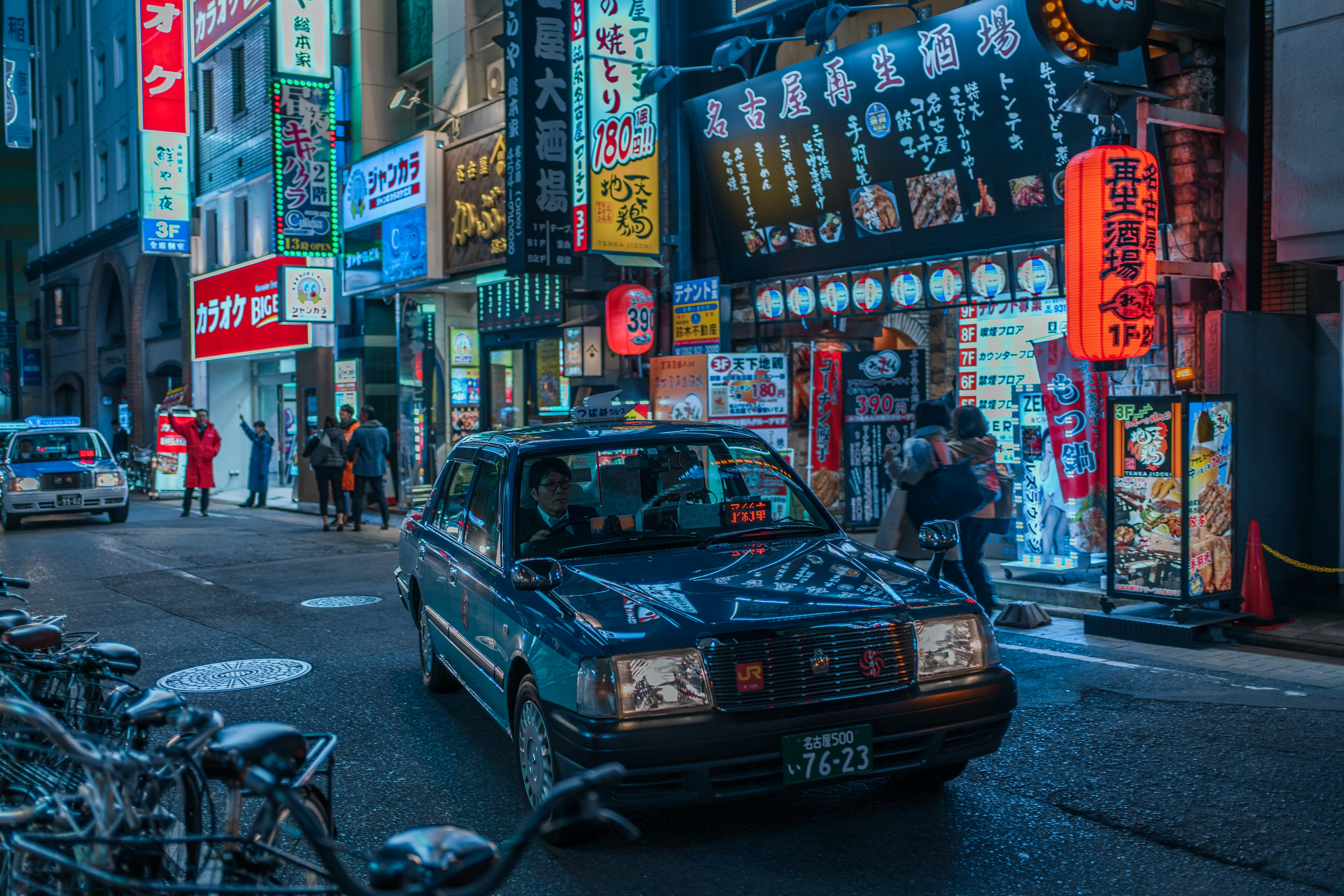
Street bustling with people and traditional storefronts during the day
Travel to Nagoya via bullet train to experience the locations where Alice in Borderland Season 2’s spectacular car chase sequences brought international attention to this often-overlooked city. Production crews closed Nishiki Street and Minami-Otsu Street for three days—the longest street closure in Japanese film history—demonstrating the unprecedented community cooperation that made such ambitious filming possible.
Walk these now-bustling commercial streets to understand Japanese urban planning and the seamless integration of modern commerce with traditional neighborhood structures. The filming required coordination between hundreds of businesses and thousands of residents, reflecting the collective decision-making culture that permeates Japanese society.
Visit nearby Nagoya Castle to understand the historical context that shaped these urban landscapes, then explore the local kissaten (traditional coffee shop) culture that represents authentic Japanese daily life beyond Tokyo’s intensity. The contrast between Alice in Borderland’s empty streets and today’s vibrant commercial activity provides insight into how fictional narratives can highlight the vibrancy of real cultural spaces.
Day 4: Osaka—botanical gardens & natural beauty

Tropical greenhouse with lush vegetation and natural lighting
Journey to Osaka to visit Sakuya Konohana Kan Botanical Garden, where the series’ Seven of Hearts “Hide and Seek” game created one of television’s most psychologically intense sequences. This massive greenhouse—one of the world’s largest—houses over 15,000 plants from 2,600 species, but its cultural significance extends far beyond its filming appearance. Built for the 1990 International Garden and Greenery Exposition, the garden’s name derives from a 905 AD poem meaning “Now is the time for the blossoms to bloom in Osaka,” reflecting the Japanese aesthetic principle of mono no aware—the appreciation of transient beauty.
As you walk through the tropical dome where characters ran for their lives, you’ll instead experience authentic Japanese horticultural traditions and the cultural concept of seasonal awareness that permeates all aspects of Japanese life. The ¥500 admission provides access to educational programs and seasonal exhibitions that demonstrate Japan’s deep connection to nature. The peaceful reality contrasts powerfully with the series’ survival thriller atmosphere, offering insight into how Alice in Borderland’s creators used authentic cultural spaces to amplify fictional tension.
Day 5: Wakayama—the beach resort experience
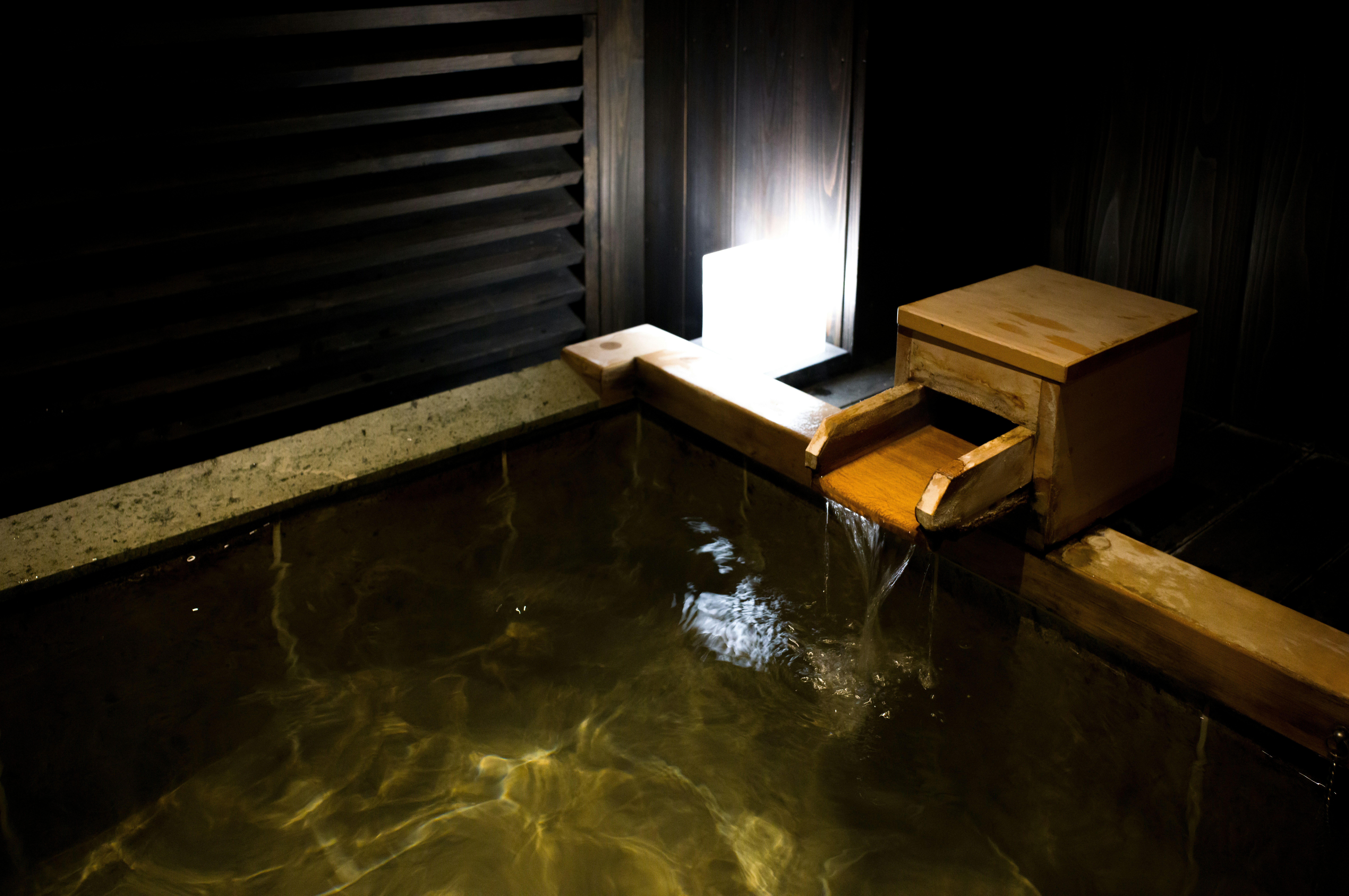
Complete your Alice in Borderland journey at Nanki Shirahama Resort Hotel in Wakayama, where the Beach’s interior scenes were filmed and where you can literally stay within the series’ world. This castle-style luxury hotel, with its red carpet and balcony-surrounded central lobby, provided the fictional resort’s dramatic interior spaces while offering an authentic Japanese hot spring resort experience. The hotel remains fully operational, allowing you to sleep where the beach scenes unfolded, while enjoying traditional onsen culture and kaiseki dining that represents centuries of Japanese hospitality traditions.
Explore the surrounding Shirahama area’s natural hot springs and white sand beaches that demonstrate Japan’s geological diversity and the cultural significance of onsen therapy in Japanese wellness traditions. The experience combines pop-culture pilgrimage with authentic cultural immersion, as you’ll participate in the same hot spring rituals and seasonal dining practices that have shaped Japanese hospitality for generations.
This location represents Alice in Borderland’s ultimate message: that even in fictional chaos, authentic human connection, and cultural traditions provide meaning and hope.
Need to know
Essential travel information:
Logistics: Book accommodations well in advance, especially Nanki Shirahama Resort Hotel, which offers limited availability due to its unique filming location status. Consider luggage forwarding services (Yamato Takuhaibin) for multi-city touring to maintain mobility while visiting filming sites.
Cultural etiquette for filming locations: Respect is paramount when visiting Alice in Borderland sites, particularly residential areas like the Kobe apartment complex. Photography should be discreet and non-disruptive, especially at active locations like Shibuya Crossing. Many locations require specific behaviors: removing shoes at temples, maintaining quiet voices on public transportation, and saying “Itadakimasu” before meals. These practices show appreciation for Japanese culture while enhancing your experience through authentic participation.
Optimal timing strategies: Early spring (March) and late fall (November) provide comfortable temperatures and fewer crowds at outdoor filming locations. Avoid Golden Week (April 29-May 5) and peak summer heat for better access and comfort. Daily timing matters significantly: visit Shibuya Crossing early morning (5-8 am) for photography, experience Rainbow Bridge at sunset, and access Osaka’s botanical garden during weekday mornings for optimal cultural immersion and fewer crowds.
Pop-culture convergence: Alice in Borderland locations overlap remarkably with other international productions, maximizing your pop-culture tourism investment. Shibuya appears in Lost in Translation, Your Name, and Tokyo Revengers. Rainbow Bridge features in Godzilla films and Digimon Adventure. The same transportation passes connect to Studio Ghibli Museum, Your Name’s Suga Shrine stairs, and Akihabara’s otaku districts from Steins Gate, creating comprehensive Japanese pop-culture pilgrimage opportunities.

Travel Advisor
Darlene Cuozzi

Darlene Cuozzi

Get in touch with Darlene Cuozzi
Did you like this guide? Reach out to customize and book your own experience. Or, just to chat about travel in general.
For more inspiration and insider recommendations, visit our Japan page.