




Curator’s statement
If you’ve taken and enjoyed a European river cruise on, for example, the Rhine or Danube River, and would like to take the next step with a luxurious immersion in regional history, culture, and cuisine, then a Rhône River Cruise might be right for you. Earlier this month I, my wife, and some friends were fortunate to cruise the Rhône from near Arles, in the Provence region of southern France, to Lyon, the foodie or gastronomic capital of France (more about that later!). We did so on the Scenic Sapphire, a luxurious ship that accommodates about 140 passengers in a truly all-inclusive cruise experience, with a passenger-to-crew ratio of about 3 to 1. The cabins, the entire staff, and the excursions exceeded our high expectations, and the dining selections incorporated regional favorites and world-class culinary staples, paired with carefully curated local wines, as well as internationally renowned labels. A river cruise is a terrific way to explore the Rhône River Valley, with its stunning scenery, history, culture, great cuisine, and world-class wines. Scenic was a smart choice due to its five-star rating, superior service, and an itinerary we were excited about (e.g., Avignon private concert, Châteauneuf-du-Pape wines).
The Fora Difference
Book with Joseph Fehrenbach to access exclusive perks and experiences on your trip.

Killer perks
Free upgrades, spa credits and more—we got you

Personalized recs
Customized travel planning for your style

Insider knowledge
Expert advice from people who’ve actually been there
Where to stay
Unlock perks by contacting Joseph Fehrenbach to book your trip.
My wife and I make a great team. While we both enjoy great wine and superior vintages, she is an excellent chef, with an incredible sense of taste and a spirit of adventure. Together, we excel at food and wine pairings. Prior to this cruise, we researched and then toured Provence to gain a better grasp of the history, culture, and traditions of this area of France. It would take multiple trip reports to cover the breadth of our pre-cruise touring and the seven days of exploring the villages and wineries on the Rhône. This was our first cruise with Scenic, and we noted several differences with other river cruise lines, including Viking and AmaWaterways. My favorite memories include the private concert in the Papal Palace in Avignon, the visit to Châteauneuf-du-Pape, and our food tour in Lyon.
The Rhône River is one of the major rivers of Europe. It begins in the Swiss Alps and flows through France, emptying into the Mediterranean Sea west of Marseilles. Major cities on the Rhône include Arles, Avignon, Viviers, Vienne, and Lyon. One major tributary of the Rhône near Lyon is the Saône River, on which ships from several river cruise lines dock. The Rhône has been a major avenue for trade and commerce, connecting much of France with the Mediterranean since Roman times and before. One of the primary products that has traveled on the Rhône is wine, which was exported to the rest of France and other parts of the Roman Empire, and, later, to virtually every country in Europe and beyond.
The importance of wine is evident in virtually every town and village along the Rhône as one travels north. While wine production likely began earlier, the Romans were crucial in expanding and improving wine production along the Rhône River valley. Later, in the 1300s, monasteries helped propel the growth in wine production, such as near Avignon, which hosted nine popes during the Avignon Papacy (1309–1377). In fact, the world-class red wine Châteauneuf-du-Pape takes its name from the Papal Palace in Avignon (“The Pope’s New Castle”).
While it is impossible to cover the breadth of what one can experience along the Rhône, here are a few highlights.
Avignon
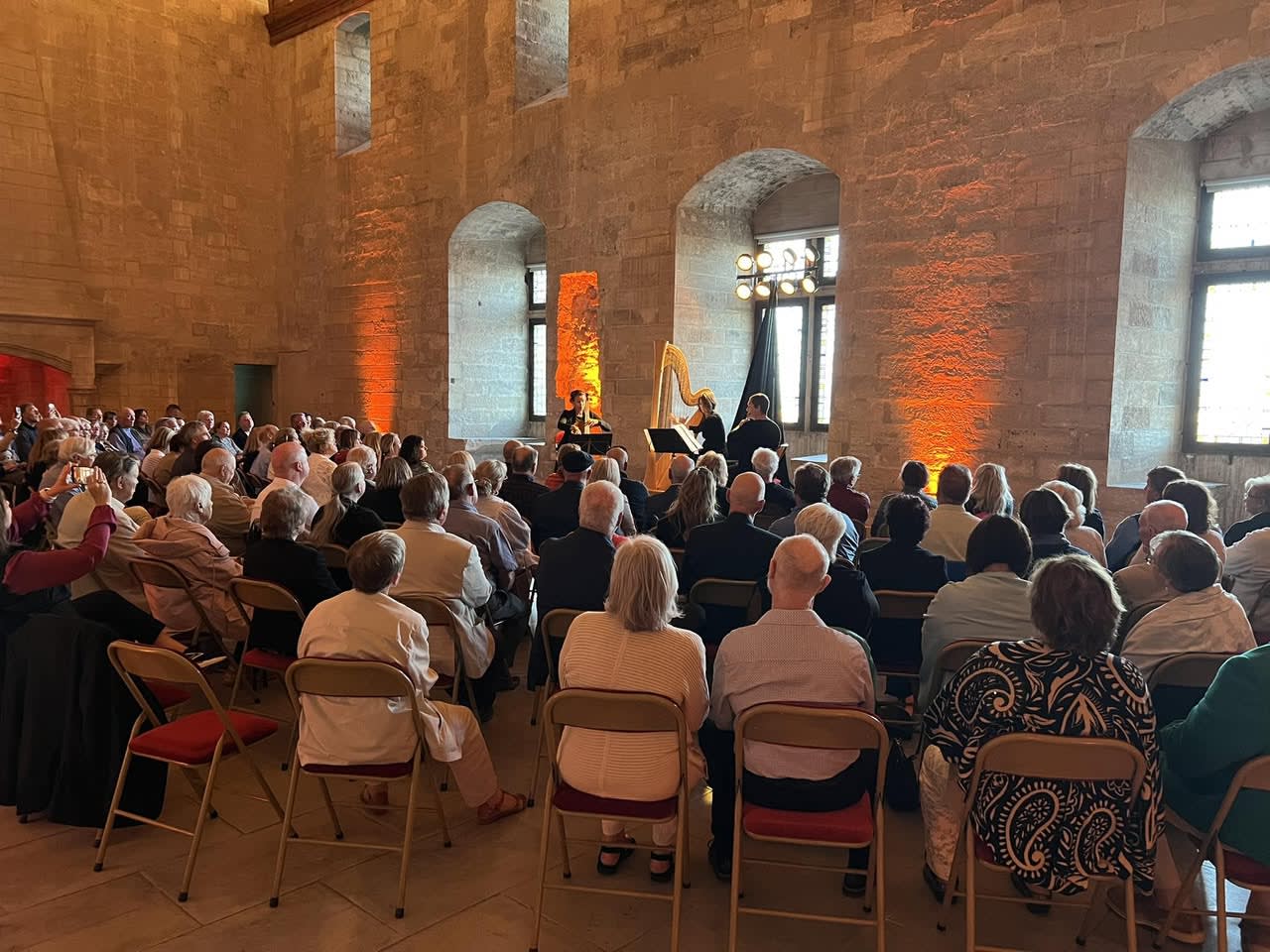
Known as the City of the Popes, Avignon is rich in history and astounding medieval architecture but has a youthful energy to it with a buzzing arts scene. The former 14th century papal capital is circled by city walls, home to a magnificent World Heritage Site. We and our fellow passengers had a once-in-a-lifetime experience with a private concert at the Papal Palace in Avignon. The Palais des Papes is one of the largest and most important medieval Gothic buildings in Europe.
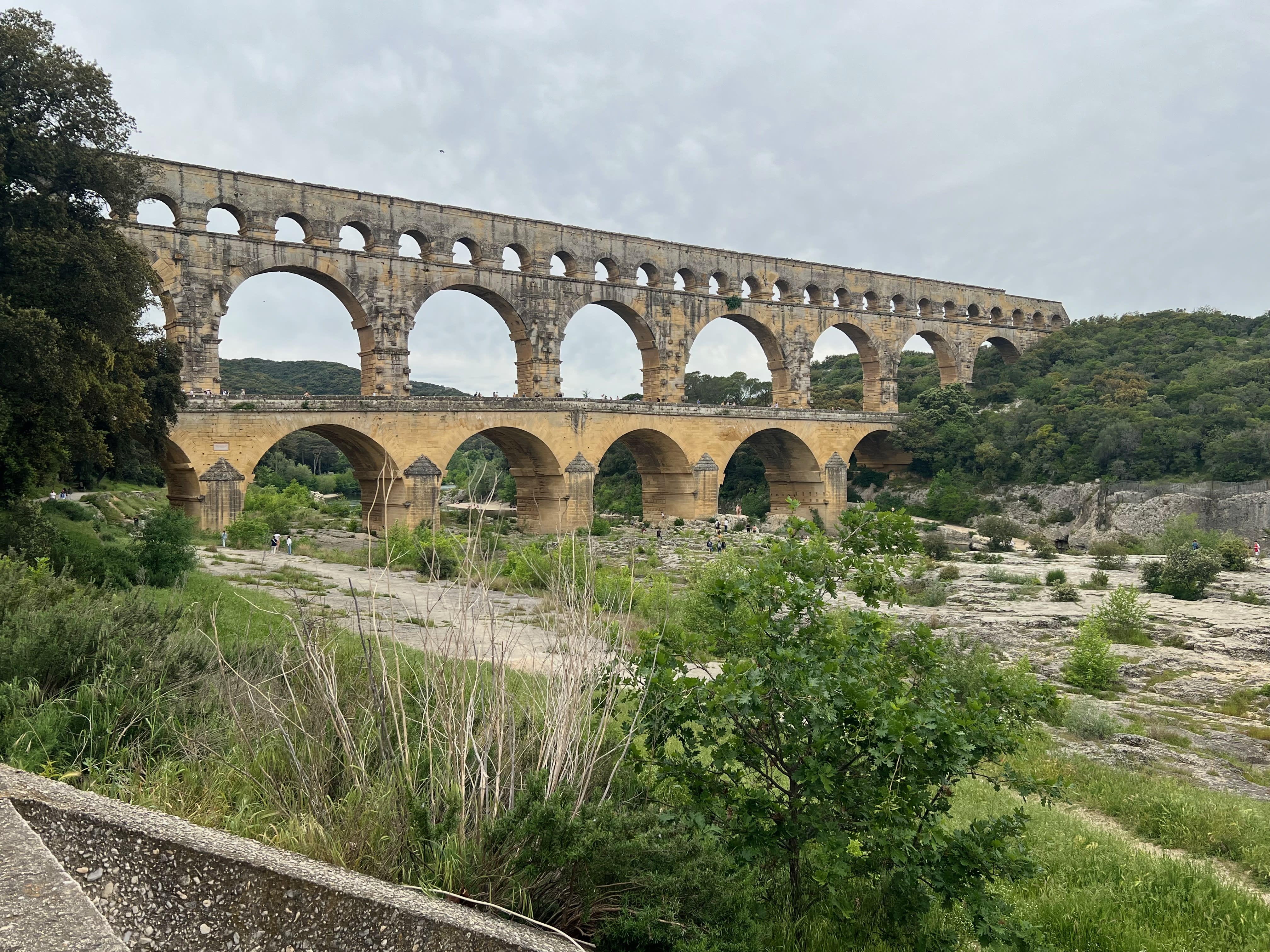
Nearby, we visited the ancient Roman aqueduct, Pont du Gard. Dating to the middle of the first century AD, this engineering masterpiece was designed to carry water to the city of Nîmes, a 25-minute drive from Pont du Gard.
Châteauneuf-du-Pape
One of the reasons we chose this cruise was the opportunity to visit the village and vineyards of Châteauneuf-du-Pape, north of Avignon. Châteauneuf-du-Pape was granted the prestigious French wine designation Appellation d’Origine Contrôlée (AOC), one of the first in France. This region is at or near the top of any wine lover’s list of places to visit.
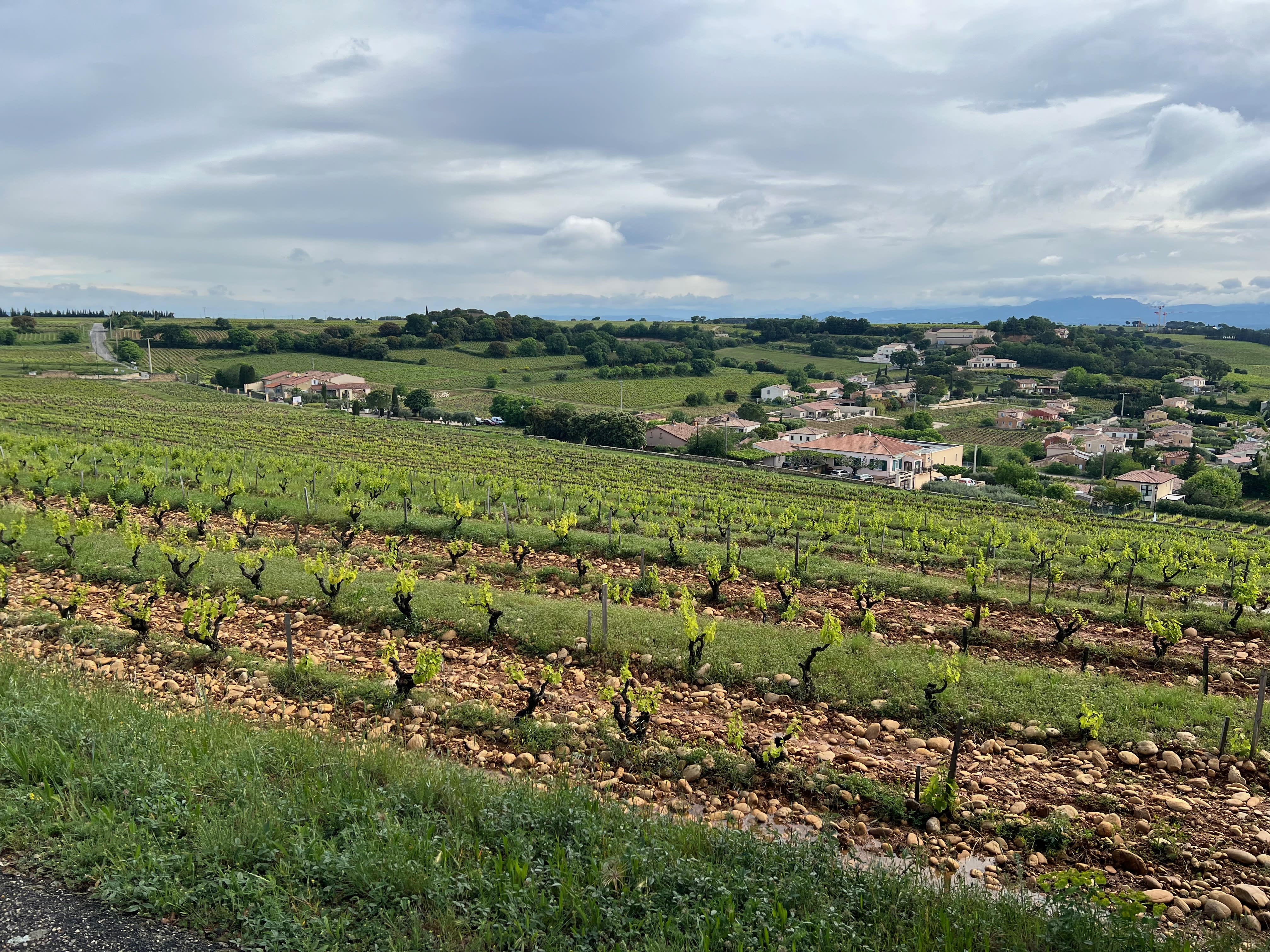
Red wine from Châteauneuf-du-Pape is famous for its complex blends and can include up to 13 varietals. The primary varietals in red wine from the region, however, are Grenache, Syrah, and Mourvèdre (known as GSM).
The terroir of Châteauneuf-du-Pape is one of the most distinctive and celebrated in the wine world. “Terroir” refers to the unique combination of soil, climate, topography, and human influence that shapes the character of a wine. In addition to the Mediterranean climate and the famous Mistral winds, the soils, the topography, and the strict rules wine-growers and wine-makers must follow, Châteauneuf-du-Pape is gifted by Galets roulés (rounded quartzite stones). These large pebbles cover much of the highest-prized vineyards, especially in the plateau zones. The pebbles improve drainage, reduce evaporation, absorb heat during the day and radiate it at night, helping grapes ripen. The result? Powerful, full-bodied, well-balanced, long-aging delicious red wines with a worldwide demand.
Lyon
Lyon is considered the foodie capital of France thanks to its deep culinary traditions, exceptional local ingredients, and its position at the crossroads of several major French food regions. The cuisine blends rich rural traditions from surrounding regions (like Burgundy and the Alps) with the subtlety of urban gastronomy.
On a historical note, in the 19th and early 20th centuries, women known as the Mères Lyonnaises (Lyonnaise mothers) left aristocratic households to open their own restaurants. These chefs transformed simple, local dishes into artfully crafted dishes that laid the foundation for modern French cuisine. Due to its location as a crossroads of France and Europe, Lyon chooses the best from surrounding regions, such as cheeses from the Alps and Auvergne, wine from Beaujolais and the Northern Rhône, fruits and vegetables from the Rhône Valley, and poultry from Bresse—the only poultry in the world with an Appellation d’Origine Contrôlée (AOC) designation.
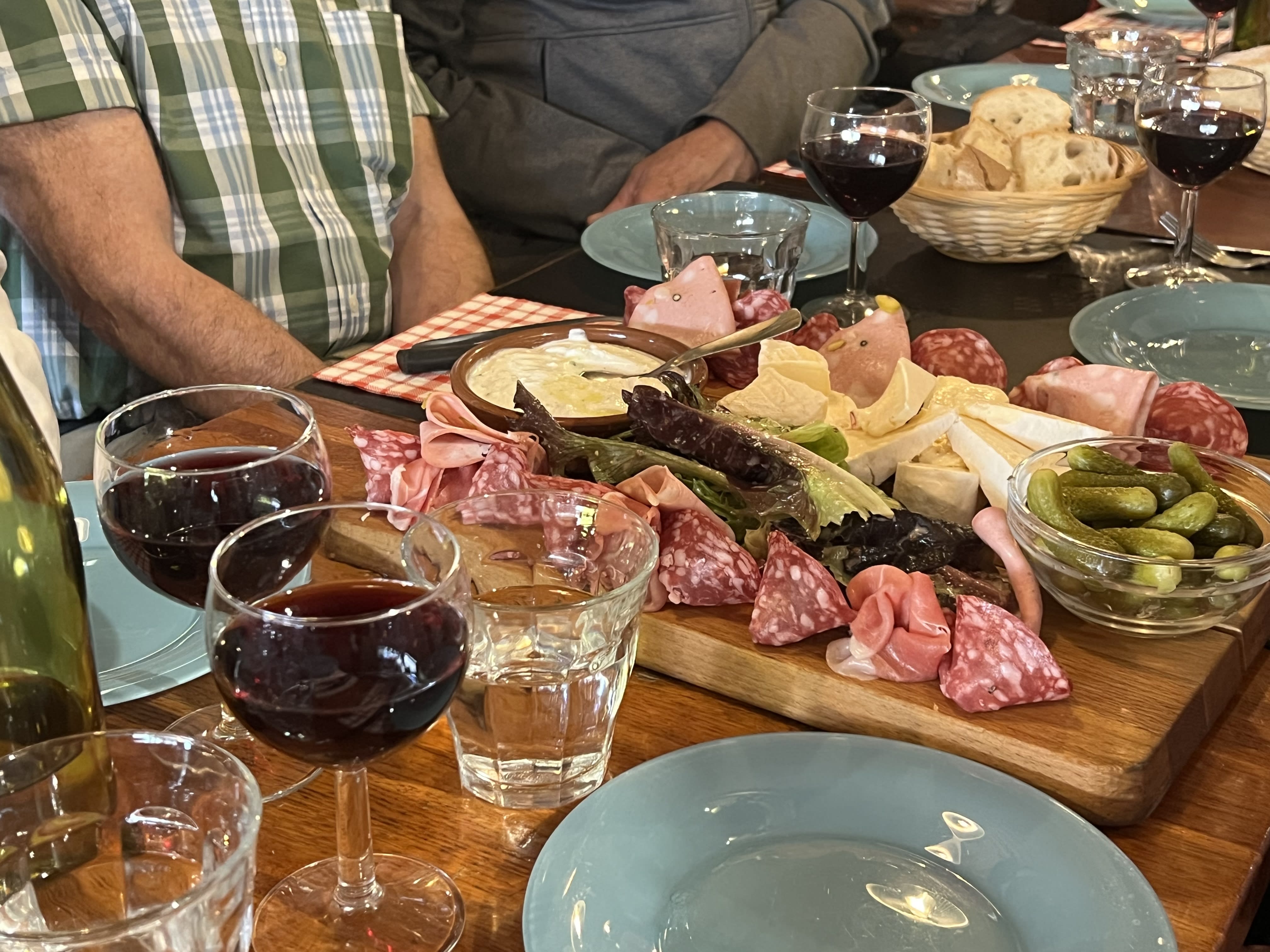
Today, Lyon has numerous local restaurants known as Bouchons Lyonnais, which serve authentic Lyonnaise dishes such as Salade Lyonnaise, tripe sausage, and Poulet de Bresse à la crème (chicken from the Bresse region with a creamy sauce).
A delicious way to start a food tour is with a tray of local meats and cheeses, with some excellent local table wine, at Chez Mamie—a typical Bouchons Lyonnais.
Final thoughts and recommendations
Step into a world where history, culture, and the finest French gastronomy converge—the Rhône River is a treasure waiting to be explored. Renowned as the heart of France’s culinary excellence, this iconic river offers an unforgettable blend of exquisite food, legendary wines, and rich heritage.
Need to know
A next-level way to explore the region is a river cruise, which allows one to simply walk off the ship and step back into time with charming villages, ancient landmarks, and vibrant city scenes. A typical duration for such a cruise would be eight days / seven nights, but shorter cruises will provide a deep immersion, while longer cruises can explore Burgundy, for example.
For more inspiration and insider recommendations, visit our France page.


Travel Advisor
Joseph Fehrenbach

Joseph Fehrenbach

Get in touch with Joseph Fehrenbach
Did you like this guide? Reach out to customize and book your own experience. Or, just to chat about travel in general.