



Curator’s statement
A safari is, quite rightly, high on many travelers’ bucket lists. I went on my first one more than 20 years ago and was completely captivated by the experience. Watching wildlife in its natural environment, the thrill of searching for the Big Five, and the sheer beauty of the African landscape were so exhilarating that I’ve been returning to the continent ever since. For first-timers, planning a safari can feel daunting—choosing where and when to go, understanding logistics, and knowing what to expect. Here, I’ve gathered much of what I wish I’d known before my first trip, along with insights from years of experience. And if you’d like more tailored advice, I’m always happy to help.
The Fora Difference
Book with Laurent Belamich to access exclusive perks and experiences on your trip.

Killer perks
Free upgrades, spa credits and more—we got you

Personalized recs
Customized travel planning for your style

Insider knowledge
Expert advice from people who’ve actually been there
Where to stay
Unlock perks by contacting Laurent Belamich to book your trip.
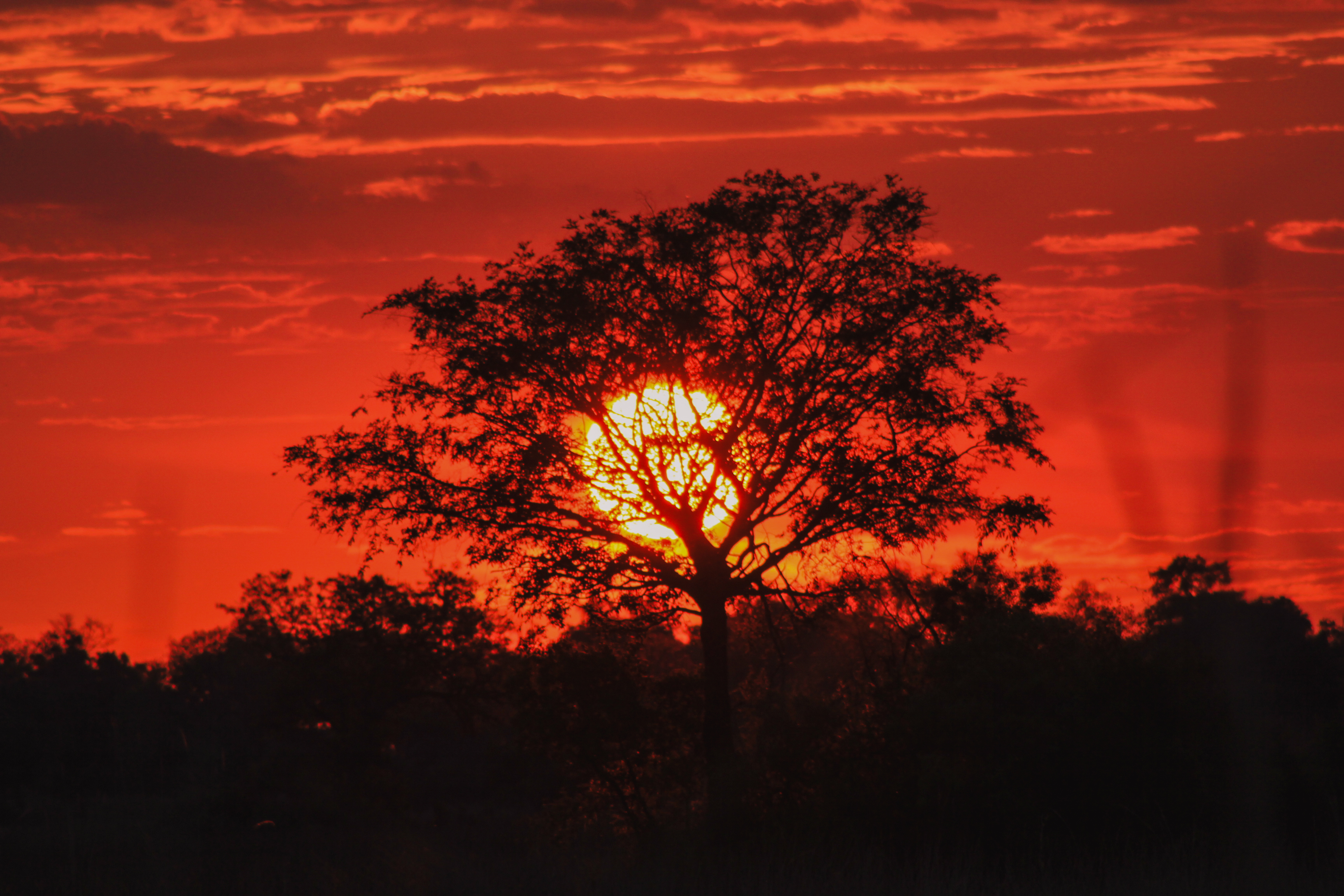
When to go depends largely on what you want to experience. It’s best to avoid the long rainy season, though the shoulder (green) season can be an excellent choice—quieter, more affordable, and often surprisingly rewarding. One of my best safaris was in Botswana in March. To witness the continent’s great natural spectacles, such as the Great Migration in Kenya and Tanzania or the flooding of the Okavango Delta, you’ll need to travel during the peak season. Generally, the low or shoulder seasons coincide with the rains, when grass is taller and water more abundant, resulting in more scattered wildlife.
My own introduction to safaris was in Tanzania, exploring the majestic Ngorongoro Crater and the legendary Serengeti—and from that moment, I was hooked. Below, you’ll find my country-by-country overview (in alphabetical order) to help you discover which destination best matches your interests and travel style.
A safari isn’t just a trip—it’s an experience that stays with you. The vast landscapes, the stillness of dawn, the thrill of a sighting—each moment feels timeless. Every journey is unique, and Africa always finds a way to surprise you. I hope this guide helps you plan a safari that captures that same sense of wonder that keeps drawing me back.
Botswana
Dry/peak season: May to October
Shoulder season: March/April and November
My experience
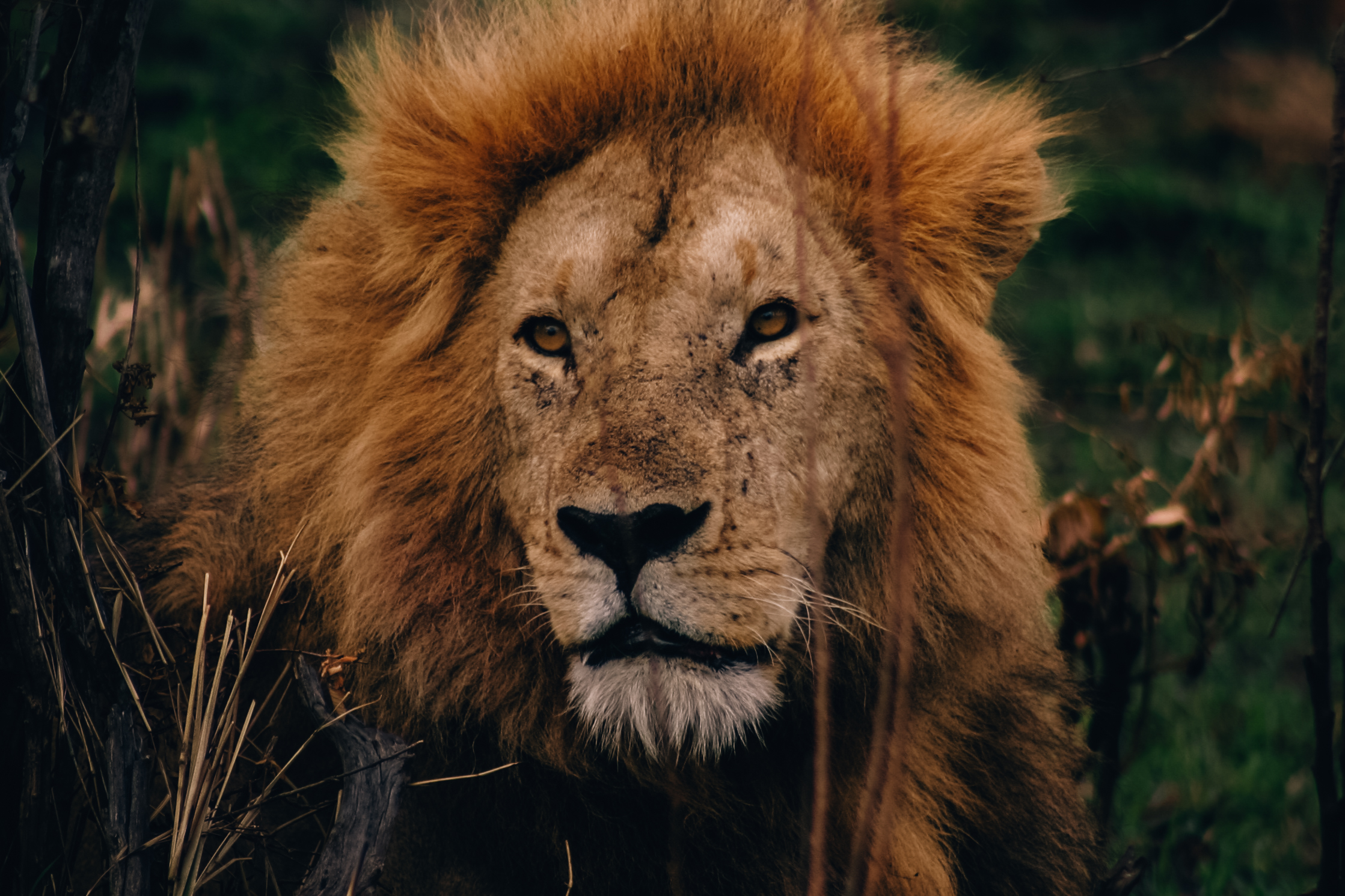
Botswana is one of my absolute favorite places for safaris. The Okavango Delta is not to be missed, but a word of caution: Not all safaris are equal, and I’d been to lodges in the delta where the game viewing was disappointing. If visiting the delta, I’d recommend staying within the Moremi Game Reserve, which offers some of the most reliable and diverse wildlife viewing in Botswana—the Big Five, plenty of big cats, and even wild dogs—which are very rare sights on safari. When the delta is flooded (during peak season), exploring its waterways by mokoro—a traditional dugout canoe—is an unforgettable experience, offering a peaceful, intimate connection with nature.
Further north, Chobe National Park is renowned for its extraordinary herds of elephants along the Chobe River, as well as for excellent predator sightings, particularly around the Savuti area, where wild dogs can be seen.
Good to know
Much of Botswana’s safari land is unfenced, allowing wildlife to roam freely between parks—it feels wilder and more authentic than many other destinations.
Botswana’s safaris are among the most exclusive and expensive in Africa, but they deliver an exceptional experience—ideal for a splurge or a landmark occasion.
Can be combined with South Africa, Namibia, and Zimbabwe.
Favorite lodges
Mombo: Exceptional, a true favorite place on earth but has become very highly priced now.
Sandibe: Okavango Delta. Prioritize lodges in the Moremi Reserve, but this could be a good addition.
Chobe Chilwero: Great for exploring massive herds of elephants.
Kenya
Dry/peak season: June to October
Shoulder season: November to February
My experience
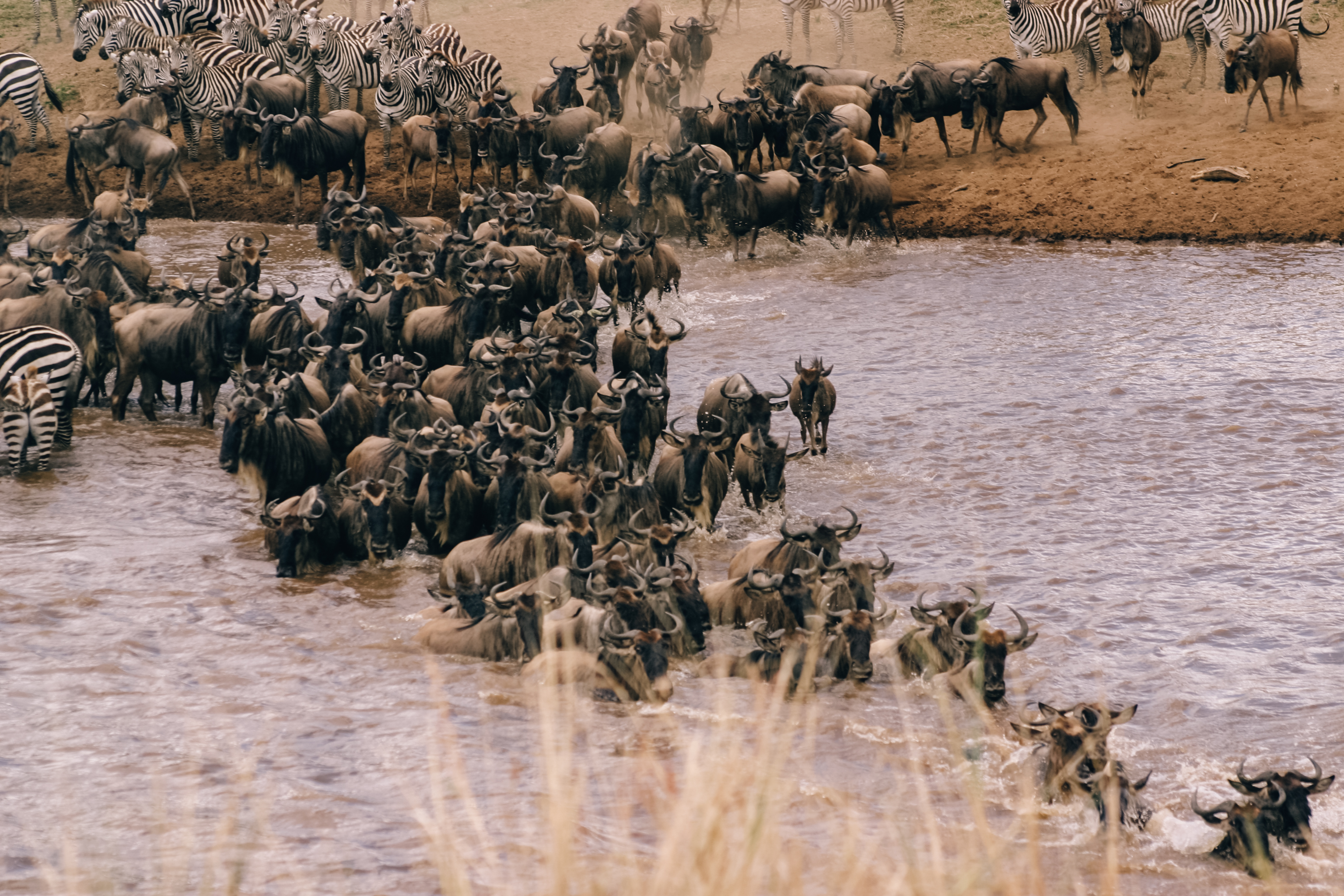
To this day, witnessing the Great Migration and the Mara River crossing remains my most extraordinary safari experience. Watching the vast herds gather, the tense anticipation mounting at the riverbanks, and finally the dramatic crossings was unforgettable. It’s not for the faint-hearted either—the sheer scale of it all, with enormous Nile crocodiles lying in wait and closing in on their prey, feels straight out of a David Attenborough documentary.
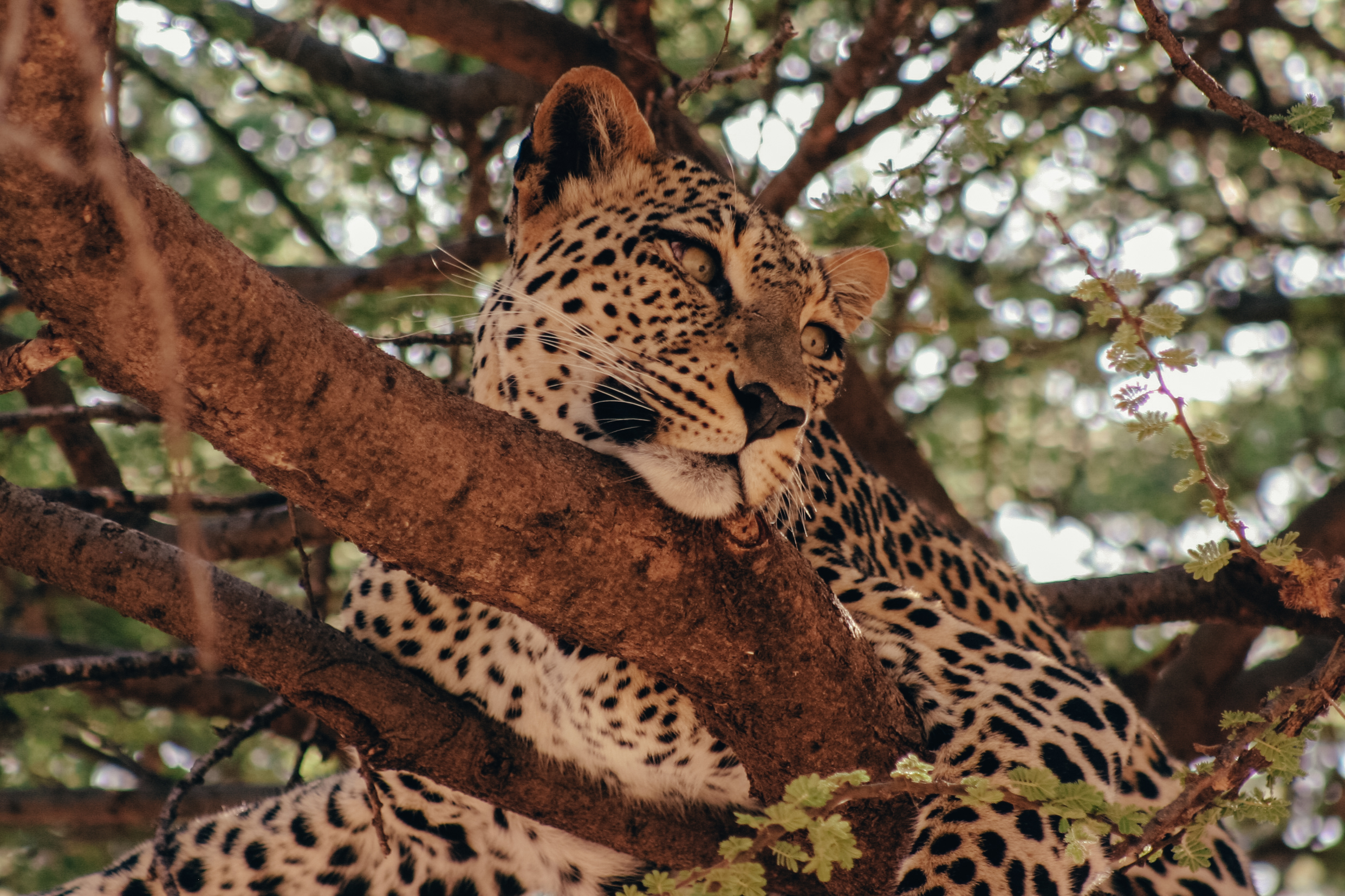
The Masai Mara never disappoints, offering an incredible concentration of wildlife set against the breathtaking backdrop of the savannah. Amboseli is remarkable for its close-up elephant encounters, framed by the iconic silhouette of Mount Kilimanjaro (weather permitting). Samburu, with its arid landscapes and striking contrasts, is another favorite—excellent for large elephant herds and home to a healthy population of elusive leopards who we were fortunate enough to see a few times close up.
Good to know
Migration timing: The Great Migration typically reaches the Mara from July to October, but exact timing varies yearly. I witnessed the crossing in early September.
Can be combined with Tanzania, beaches in Kenya (Diani, Watamu, Lamu), Zanzibar, and the Seychelles.
Favorite lodges
andBeyond Bateleur: Exceptional in all respects, with a few memorable surprises along the way.
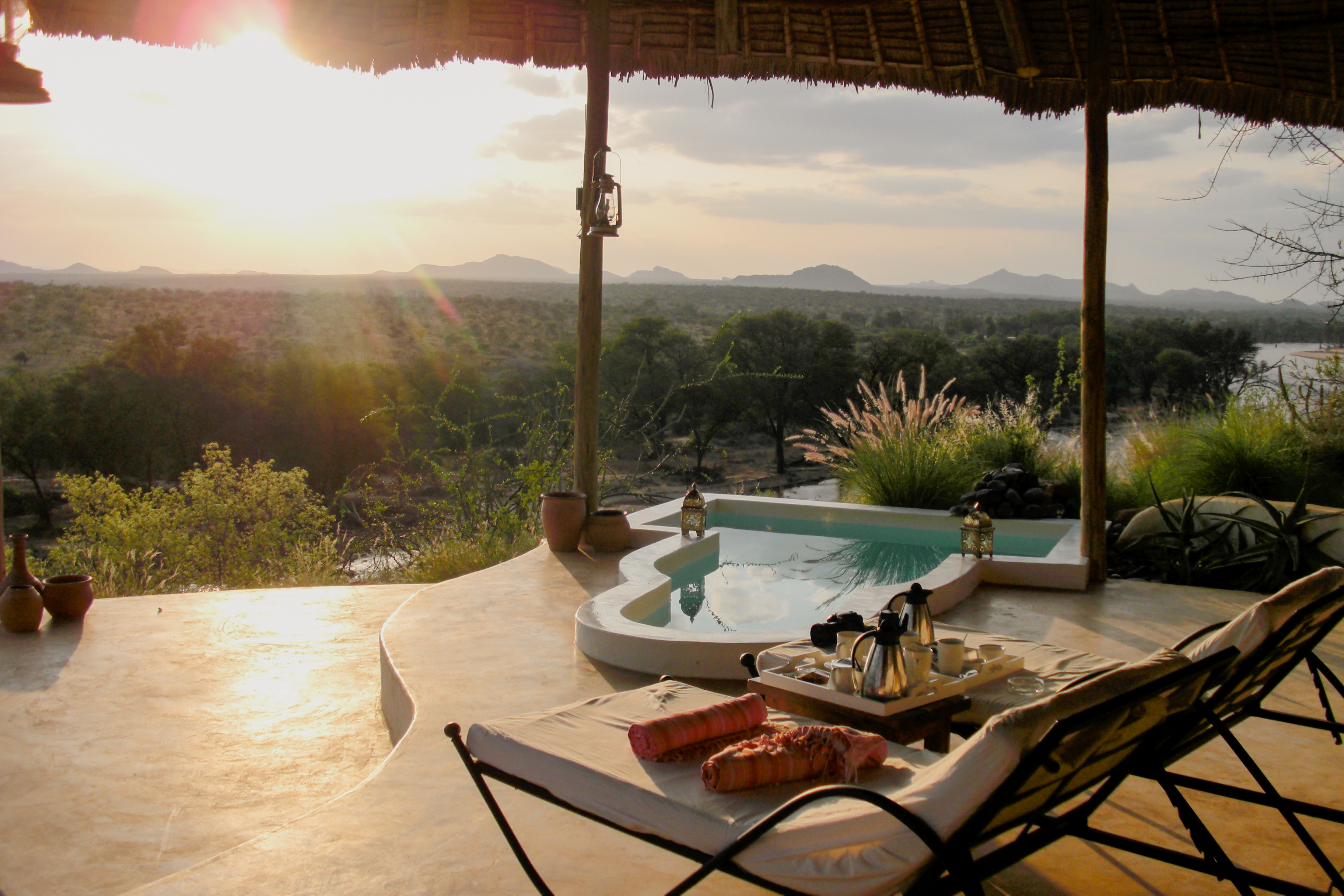
Sasaab: Great option in Samburu—beautiful tents with pools and amazing views from private veranda.
Namibia
Dry/peak season: May to October
My experience
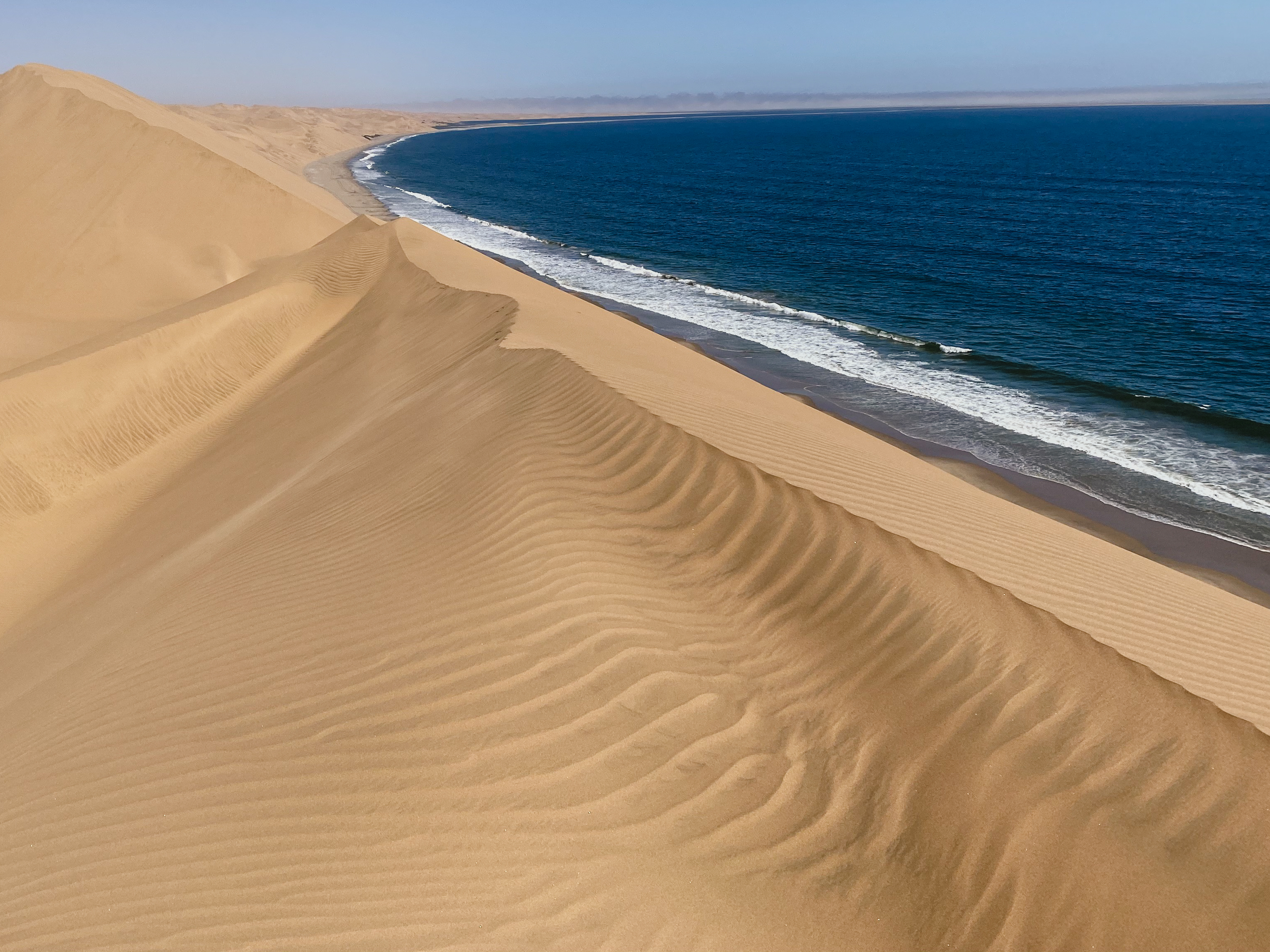
Namibia is one of the most visually striking countries in Africa, with some of the most beautiful and otherworldly landscapes on earth. The safari experience here feels quite different from other destinations, as wildlife is less dense—but what Namibia lacks in numbers, it more than makes up for in dramatic vistas and atmosphere.
The main park, Etosha National Park, is dominated by a vast shimmering salt pan and offers sightings of lions, elephants, rhinos, leopards, zebras, gazelles, and the elegant oryx antelope, Namibia’s national symbol. Further west, Damaraland is defined by its spectacular scenery—sweeping plains and massive granite boulders. Tracking the elusive desert-adapted elephants here was one of the most memorable parts of my trip, made even more special by the journey through such extraordinary landscapes.
Good to know
Self-driving is an excellent way to explore Namibia, offering freedom and flexibility to experience the country’s vast, cinematic landscapes. Distances can be long, so if time is limited, consider combining driving and light aircraft transfers—it’s also often more cost-effective.
Avoid the rainy season (November to March) when roads can become difficult and game viewing less predictable.
Photography paradise, the play of light, color, and space in Namibia—particularly around Sossusvlei and Damaraland—makes it a dream for photographers.
Iconic TV shows and films shot on location in Namibia include Dune: Part Two, 2001: A Space Odyssey, Mad Max: Fury Road, The Mummy, and Fallout.
Can be combined with South Africa, Namibia, and Zimbabwe.
Favorite lodges
Andersson's at Ongava: A fantastic experience within the Ongava Private Reserve, right on Etosha’s doorstep. The lodge overlooks a waterhole with a viewing deck, and activities include excellent night drives.
Mowani Mountain Camp: Beautiful tented accommodation with breathtaking views over Damaraland’s granite landscape.
Omaanda: A wonderful place to end your trip, located close to Windhoek airport. Elegant rooms, great food, and a serene atmosphere within a small private reserve.
South Africa
Dry/peak season: June to September
Shoulder season: April/May and October
My experience
South Africa is an ideal choice for first-time safari travelers—it offers a vast range of accommodation for every budget, excellent infrastructure, and plenty of diverse regions to explore. I’ve visited many times over the years and always make sure to include a few days on safari.
My best experience was in Sabi Sands, which borders Kruger National Park. The game viewing here is outstanding, and the lodges rank among the finest in Africa. While it doesn’t have the iconic open plains of the Serengeti, the game drives are exceptional—I’ll never forget tracking a leopard at night as it approached our vehicle just a few feet away, or following a pride of lions on the hunt. Truly thrilling, unforgettable moments.
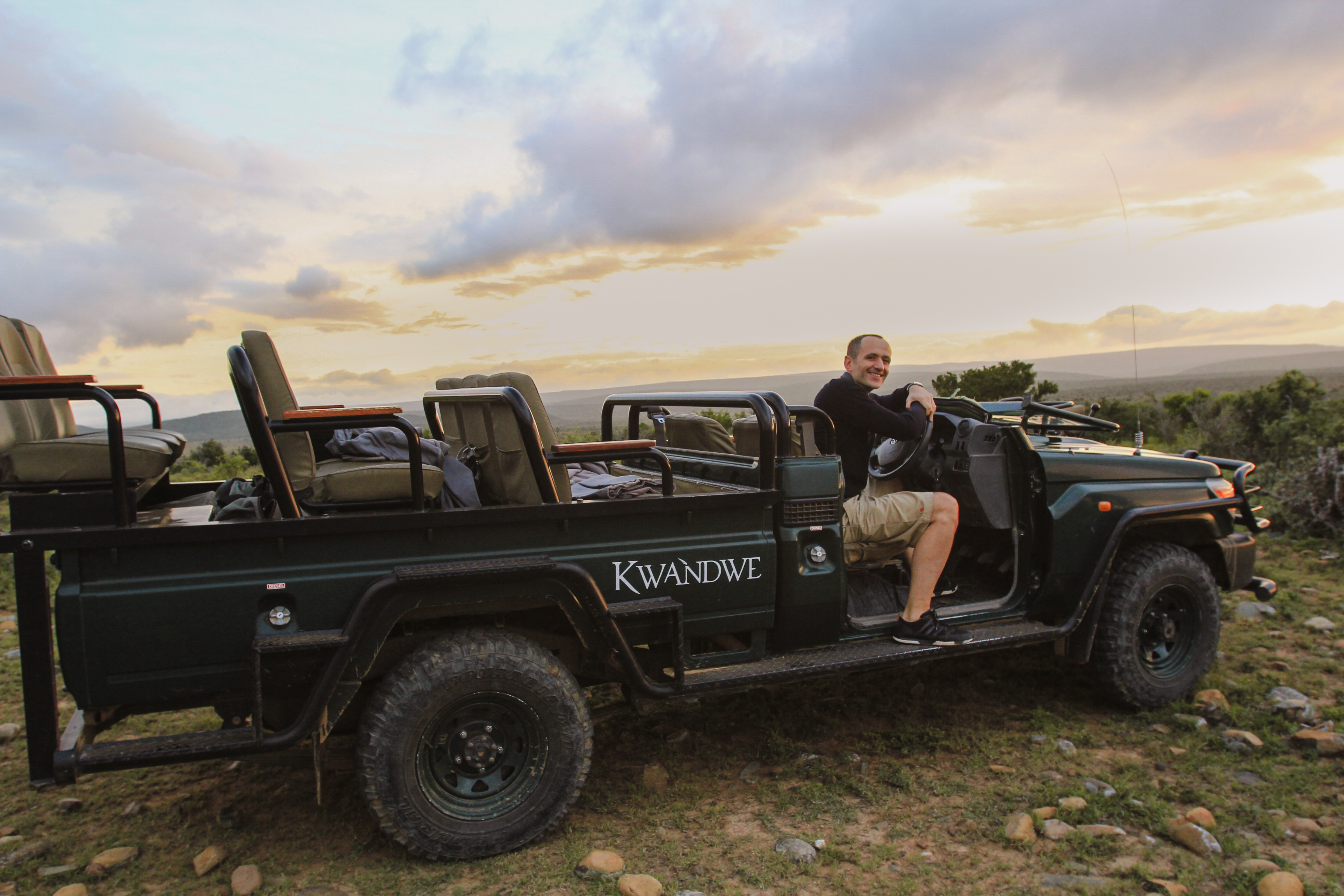
South Africa is also a fantastic option for families, with many malaria-free reserves offering superb safari experiences. Some of the best options can be included as part of a wider itinerary through the country, such as Kwandwe and Addo Elephant Park along the Garden Route and Madikwe, only three hours from Johannesburg. Phinda in KwaZulu-Natal (near Durban and the Drakensberg) is in a very low-risk malaria zone and antimalarials are often not considered necessary, and it has a great family program.
Good to know
The best time for Cape Town and the Garden Route is almost the reverse of safari season, but shoulder months (April, May, and October) are ideal for combining both. Best to optimize timing, but I did Sabi Sands in March and Kwandwe in January and had a fantastic time.
Whale watching (June–October) coincides perfectly with peak safari season.
South Africa pairs well with Botswana, Namibia, and Zimbabwe (daily flights from Johannesburg to Livingstone for the Victoria Falls), or Mauritius for a beach extension.
Favorite lodges
Singita Boulders: Stunning lodge in Sabi Sands with superb cuisine and exhilarating game drives.
Earth Lodge: One of the most unique lodges in Sabi Sands; striking architecture blends seamlessly with the landscape; exceptional guiding and service.
Ecca Lodge Kwandwe: Fantastic malaria-free reserve with beautiful accommodation, warm hospitality, and excellent game viewing—one of South Africa’s best.
andBeyond Phinda: Excellent option as part of a visit to Kwazulu-Natal; very low-risk malaria zone and ideal for families.
Tanzania
Dry/peak season: June to September
Shoulder season: October to February
My experience
Tanzania was where I experienced my very first safari. Our journey began at the Ngorongoro Crater, and I was completely mesmerized by the sheer beauty of the landscape and the unique setting of the caldera. With its high concentration of wildlife, it’s one of the best places to see the Big Five—although leopards can be elusive, as they often are elsewhere.
The Serengeti offers equally spectacular scenery, with its endless plains dotted with acacia trees and abundant wildlife. It’s also home to the Great Migration (June to September), one of nature’s most dramatic spectacles. We stayed in the Grumeti concession, which borders the Serengeti—a fantastic choice that allows off-road drives and a more exclusive experience. I remember being disappointed at first not to see many elephants, so on our final day, our ranger made it his mission to find some. We eventually found a large herd—not too happy to see us—with the matriarch trumpeting and flapping her ears at us in warning! Our ranger calmly reversed to give them space, and we watched quietly from a distance, awestruck. It was the perfect reminder of what makes safari such an extraordinarily unpredictable, humbling, and deeply emotional experience.
Good to know
The Ngorongoro Crater can get busy; staying on the rim allows you to enter early and enjoy it before the crowds arrive by midday. Mornings and evenings on the crater rim can be chilly, so pack warm layers—safaris are all about smart layering!
Consider staying in a private concession bordering the Serengeti—you’ll enjoy close wildlife encounters and off-road drives within the concession, plus easy access to the main park (where only marked roads are permitted).
Tanzania combines beautifully with Kenya or Zanzibar for a post-safari beach escape.
Favorite lodge
andBeyond Ngorongoro Crater (reopening in 2027): The ultimate place to stay on the crater rim, with stunning views and frequent wildlife sightings.
Need to know
A typical day on safari
Days on safari begin early—often around 5:30 am, when the bush is at its most active. After a light breakfast of tea, coffee, and biscuits, you’ll set off on your morning game drive. Drives are usually shared with fellow guests—typically a maximum of six to eight people per vehicle. Your ranger—and, in some camps, an additional tracker—will lead you through the wilderness, sharing their deep knowledge of wildlife and behavior. Don’t hesitate to mention any particular interests—whether it’s big cats, birdlife, or photography—as drives can often be tailored to your preferences.
On your return, you’ll enjoy a hearty breakfast or brunch, followed by a few hours of free time to relax—some lodges also serve lunch. Before the afternoon game drive, guests typically gather for afternoon tea, then head out again, finishing with sundowners—the beloved safari ritual of drinks at sunset. You’ll return to camp in time for dinner.
Don’t plan a diet during safari time! Food is often a highlight at high-end lodges, and you’ll find yourself eating very well—perhaps too well! There are often surprises along the way, but I won’t spoil them here.
Planning & practicalities
Unless you’re traveling in South Africa, where lodges are often accessible by car, I strongly recommend booking your safari through a travel advisor. They will coordinate transfers, flights, and lodge arrangements, and you’ll have the reassurance of a local representative should anything unforeseen arise.
Transfers between lodges are usually done by light aircraft charters. These are small planes, but flights are short—typically 30 to 60 minutes. Note that luggage limits are around 15 kilograms per person, and soft bags are recommended.
In terms of length, I usually stay two to three nights per lodge. I like to vary my experience and sometimes split my stay between two lodges in the same reserve (for example, in Sabi Sands, where each lodge typically operates within its own private concession).
Many first-time safari travelers don’t realize how different the experience can be depending on where you stay. In national parks such as the Serengeti or Kruger, vehicles must stay on designated roads unless you’re in a private concession within the park. In private concessions, however, guides can go off-road, allowing you to follow tracks, get closer to the wildlife, and enjoy a more exclusive, adventurous experience.
What to wear: Early mornings and evenings can be cool, and insect activity is higher, so pack layers, long sleeves, and trousers. Most lodges supply mosquito repellent, though bringing your own is a good idea. A hat, sunscreen, and a few wet wipes will also prove useful. Neutral tones are preferred on game drives, allowing you to blend seamlessly with the landscape while ensuring wildlife remains calm and undisturbed.
Health: Consult your doctor or a travel clinic well before departure for advice on vaccinations and malaria prophylaxis relevant to your itinerary.
For more inspiration and insider recommendations, visit our safari page.


Travel Advisor
Laurent Belamich

Laurent Belamich

Get in touch with Laurent Belamich
Did you like this guide? Reach out to customize and book your own experience. Or, just to chat about travel in general.