Image courtesy of Amanoi
Vietnam is packed with energy, history, and landscapes that feel diverse. Ho Chi Minh City (Saigon) buzzes with motorbikes, rooftop bars, and markets where pho and bánh mì aromas drift through the streets. Hanoi balances centuries-old architecture with lakeside cafés and street food stalls that never sleep. Hoi An and Da Nang are filled with lantern-lit streets, boutique hotels, and beaches perfect for a slower pace, while Hue reveals imperial palaces along the Perfume River. Down south, Nha Trang, Con Dao, and Phu Quoc promise soft sands, clear waters, and resorts that offer relaxation with snorkeling, diving, and island exploration. Beyond the cities and coasts, the rhythm of daily life offers an intimate window into Vietnam’s soul, delivering experiences that feel both expansive and personal.
Need to know
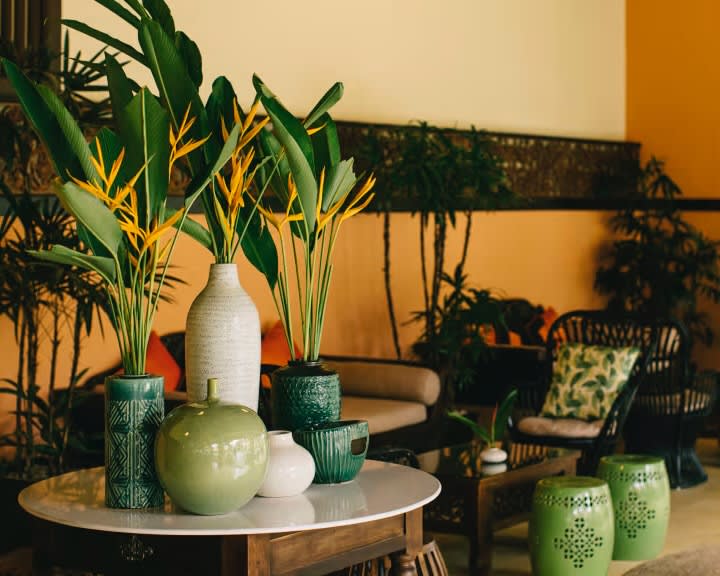
Image courtesy of Anantara Hoi An Resort
Vietnam moves fast, and the best experiences are enjoyed by travelers who show up prepared. Before you book your flight and start dreaming about bánh mì, here's what you need to know.
Currency: Vietnam uses the Vietnamese Dong (VND). Cash is king, especially for markets and taxis, though credit cards are accepted at hotels, upscale restaurants, and major stores. ATMs are widely available, but it’s smart to carry smaller denominations. Tipping isn’t expected, but rounding up or leaving a small amount is appreciated.
Languages: Vietnamese is the national language and spoken throughout the country. English is common in hotels, restaurants, and larger cities, but less so in rural regions. Learning a few basic Vietnamese phrases is appreciated and often met with warm smiles.
Key phrases: xin chào (hello), cảm ơn (thank you), làm ơn (please), xin lỗi (excuse me/sorry), bạn khỏe không? (how are you?), có/không (yes/no), tôi không nói tiếng Việt (I don’t speak Vietnamese), bạn có nói tiếng Anh không? (do you speak English?).
Airports: Ho Chi Minh City (SGN) and Hanoi (HAN) offer the most international flights, with airports across the country for easy domestic travel. Most flights will connect through a major international hub, but Ho Chi Minh City has a nonstop connection to San Francisco.
Transportation: Domestic flights are the fastest way to cover long distances, but overnight sleeper buses and trains offer slower, scenic alternatives. Within cities, rideshare apps and motorbike taxis are convenient, while bicycles or walking work well in compact areas.
Best time to visit: Vietnam’s weather varies by region, with spring (March–April) and fall (September–November) offering mild weather across much of the country.
Northern Vietnam: Winters (November–April) are cool and dry with snow on the mountains. Summers (May–October) are hot, humid, and rainy.
Central Vietnam: A tropical monsoon climate brings a hot, dry season from January to August, with a wet season and typhoon risk from September to December.
Southern Vietnam: Consistently hot year-round with a dry season (November–April) and a rainy season (May–October).
Ideal length of stay: Vietnam’s rich offerings deserve at least eight to 10 days to explore comfortably. This allows time for city sightseeing, cultural experiences, and travel through countryside villages or coastal towns. Longer trips of 14 days or more let travelers experience mountain treks and river cruises without feeling rushed.
Signature dishes and drinks:
Phở: Rice noodle soup with beef (Phở Bò) or chicken (Phở Gà), seasoned with star anise, cinnamon, and fresh herbs.
Bánh Mì: French-style baguette filled with meats, pickled vegetables, and cilantro.
Gỏi Cuốn: Fresh spring rolls made of translucent rice paper and packed with shrimp, pork, vermicelli, and fresh herbs, served with peanut or hoisin dipping sauces.
Bánh Xèo: Crispy, savory pancake filled with pork, shrimp, and bean sprouts, often wrapped in lettuce and herbs for a hands-on bite.
Cao Lầu: A Hoi An specialty of thick, chewy noodles topped with pork, fresh greens, and crispy croutons.
Cơm Tấm: “Broken rice” typically paired with grilled pork chops, a fried egg, pickled vegetables, and drizzled with flavorful fish sauce.
Vietnamese coffee: Bold and intense slow-drip coffee poured over ice with sweetened condensed milk (cà phê sữa đá), topped with a velvety, custard-like egg foam (cà phê trứng), or finished with a lightly salted cream cap (cà phê muối).
Sinh Tố: Fresh fruit smoothies made with tropical fruits like avocado (bơ), soursop, or jackfruit, often blended with sweetened condensed milk.
Nước Mía: Refreshing sugarcane juice, freshly pressed and naturally sweet.
What to wear: Vietnam’s climate ranges from tropical south to cooler northern highlands, so lightweight, breathable pieces are key year-round. Cities lean casual by day and smart-casual for restaurants and hotels. Coastal stops call for swimwear, sandals, and sun protection, while temples and cultural sites require modest coverage. Comfortable walking shoes and light layers for cooler evenings or strong air-conditioning round out the packing list.
Travel tips:
Visas: Entry requirements vary by nationality. Many travelers can apply for an e-visa in advance, while others may qualify for short visa-free stays.
Smoking: Largely prohibited indoors, follow posted signage and designated areas.
Alcohol: Legal drinking age is 18, with alcohol widely available in licensed businesses.
Adapters: Vietnam operates on 220V and commonly uses Type A, C, and D outlets. Bring a plug adapter in case and confirm device compatibility.
Ho Chi Minh City (Saigon)
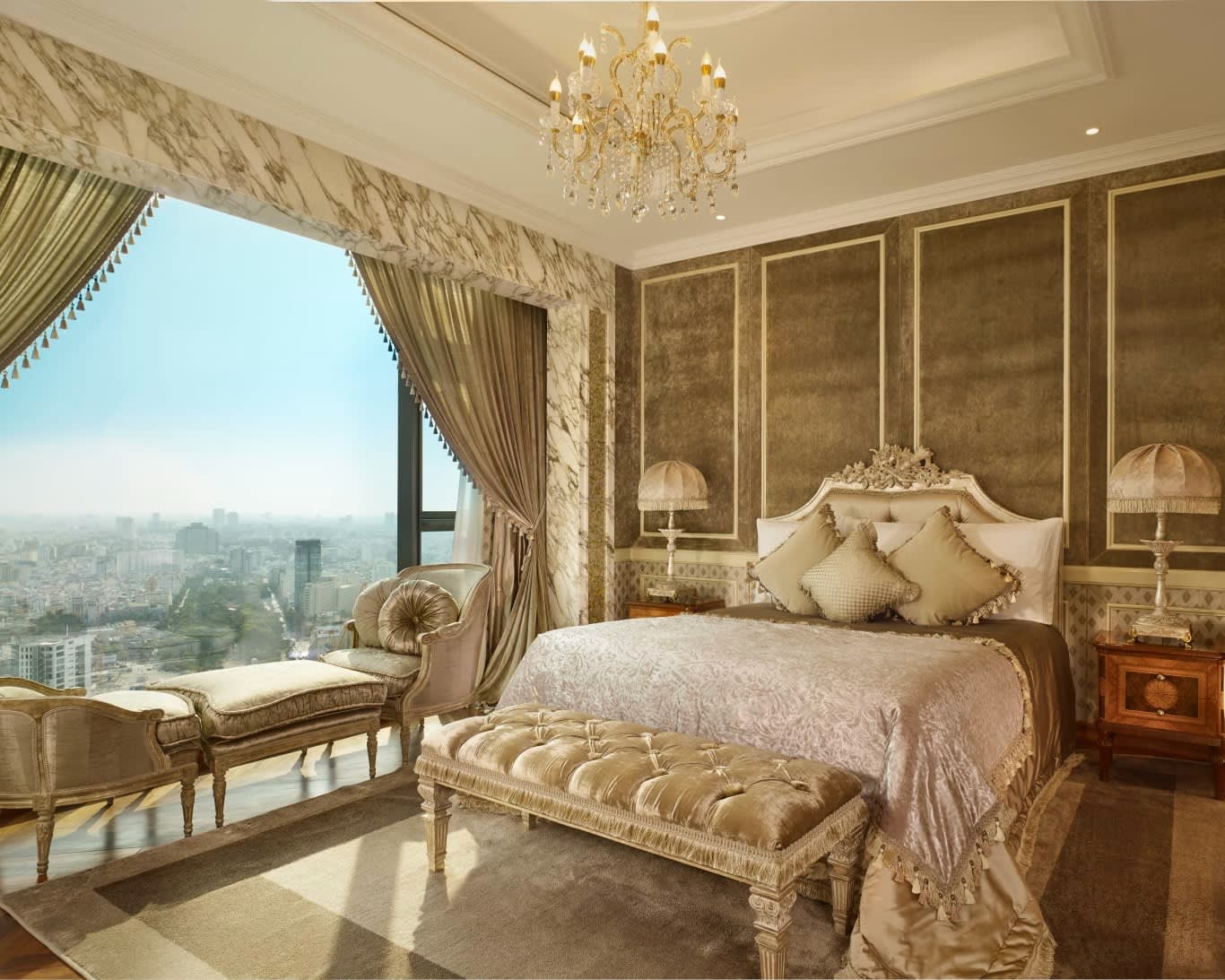
Image courtesy of The Reverie Saigon
Energetic and fast-paced, Ho Chi Minh City hums with commerce, scooters, and street-side cafés. French-inspired architecture punctuates bustling neighborhoods, while markets, rooftop bars, and art spaces reveal a city in constant motion. From war history at the Củ Chi Tunnels to lively street-food alleys, the city offers history, culture, and modern energy at every turn.
Where to stay
The Reverie Saigon: Opulent and theatrical, this downtown hotel dazzles with bold design, luxe materials, and sweeping city views through floor-to-ceiling windows. Upscale dining, a spa, and attentive service create a fully immersive, cosmopolitan stay.
Fora’s Leading Hotels of the World partner perks include daily breakfast, and extended check-in/out whenever possible.
Park Hyatt Saigon: Elegant and understated, this central Ho Chi Minh City hotel combines French colonial architecture with refined modern touches. Courtyards, polished interiors, and a celebrated spa offer calm amid the city’s energy.
Fora’s Hyatt Privé partner perks include a hotel credit, welcome amenity, daily breakfast, an upgrade, and extended check-in/out whenever possible.
The Myst Dong Khoi: Boutique hideaway in the heart of Ho Chi Minh City, balancing contemporary style with subtle nods to Vietnamese heritage. Spacious suites, curated art, and attentive service make it a serene base for exploring the city’s markets, galleries, and cafés.
Caravelle Saigon: Historic yet modern, Caravelle blends mid-century charm with contemporary luxury. Iconic rooftop bars, refined dining, and central location offer both city energy and comfortable retreat, reflecting Ho Chi Minh City’s timeless sophistication.
Hanoi
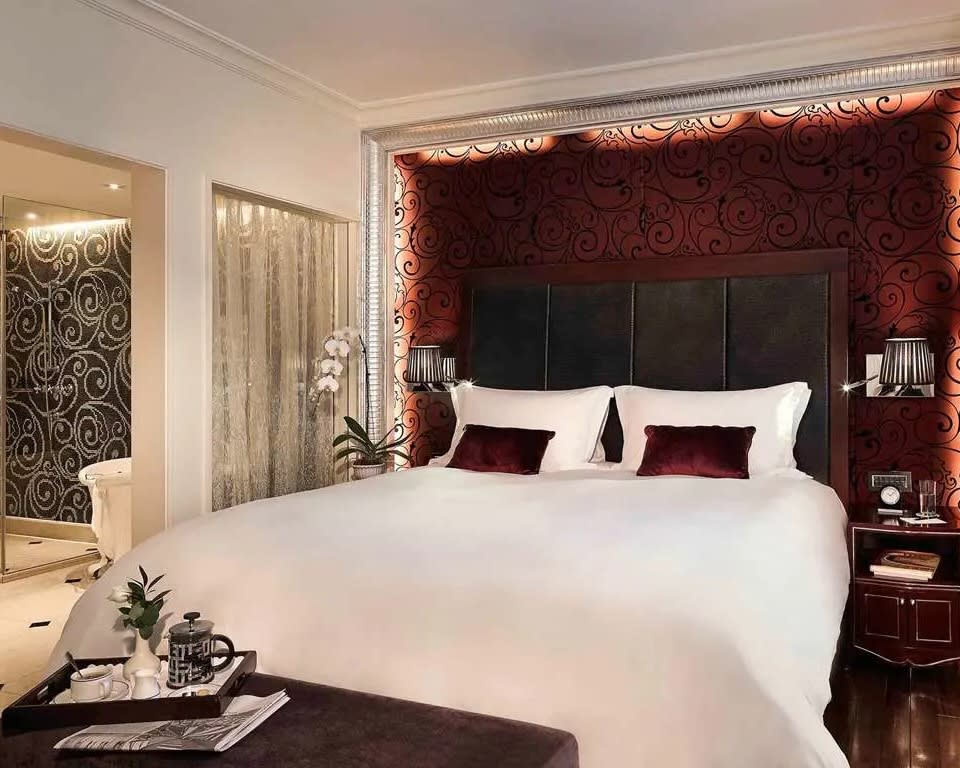
Image courtesy of Sofitel Legend Metropole Hanoi
Layered and atmospheric, Hanoi moves at a more deliberate rhythm. Lakes, tree-lined boulevards, and historic buildings frame the city’s centuries-old streets. Water puppet theaters, local markets, and street cafés provide insight into daily life, while the Old Quarter invites wandering between temples, boutiques, and hidden courtyards where history and contemporary culture coexist.
Where to stay
Sofitel Legend Metropole Hanoi: Layered and elegant, this colonial property exudes history and charm. Marble-floored corridors, classic suites, and a tranquil spa create a refined urban oasis, while restaurants and bars balance French sophistication with Vietnamese influences.
Fora’s Accor Preferred partner perks include a $100 hotel credit, daily breakfast, an upgrade, and extended check-in/out whenever possible.
Capella Hanoi: Contemporary luxury meets refined design in this intimate city retreat. Thoughtful interiors, lush gardens, and personalized service provide a serene counterpoint to Hanoi’s vibrant streets and historic landmarks.
Fora Perks include a $100 hotel credit, daily breakfast, an upgrade, and extended check-in/out whenever possible.
InterContinental Hanoi Westlake by IHG: Waterfront sophistication defines this lakeside escape, where suites open to panoramic views and private balconies. Dining, spa treatments, and calm surroundings offer a modern, elevated stay just minutes from Hanoi’s bustling core.
Hoi An and Da Nang
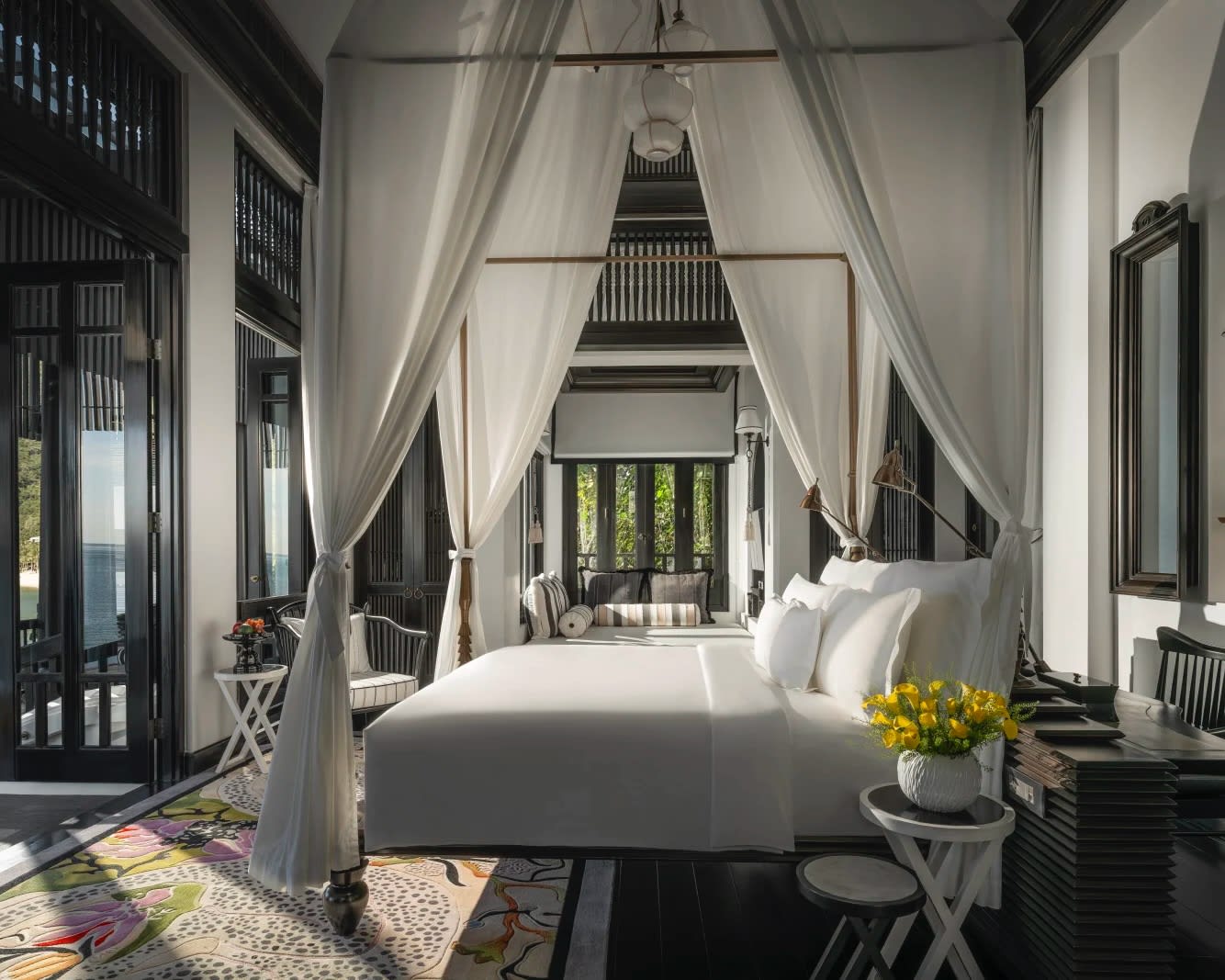
Image courtesy of InterContinental Danang Sun Peninsula Resort by IHG
Hoi An exudes charm, with lantern-lit streets, restored shop-houses, and a relaxed riverside vibe. Nearby Da Nang offers a more modern coastal energy, with sleek hotels, beaches, and mountains rising beyond the city. Days here blend heritage and leisure—exploring Hoi An’s UNESCO streets, cycling to villages, or soaking up sun along the coast.
Where to stay
Four Seasons Resort The Nam Hai (Hoi An): Coastal elegance on a sweeping stretch of white sand, The Nam Hai offers private villas, tropical gardens, and direct beach access. Wellness programs, refined dining, and attentive service create a serene and luxurious escape.
When you book Four Seasons with Fora, you’ll enjoy exclusive Four Seasons Preferred Partner benefits.
InterContinental Danang Sun Peninsula Resort: Set against dramatic cliffs, this resort pairs bold architecture with lush landscaping. Villas with ocean views, signature dining, and a standout spa blend adventure and tranquility for a striking coastal retreat.
Fora’s IHG Destined partner perks include a $100 hotel credit, welcome amenity, daily breakfast, an upgrade, and extended check-in/out whenever possible.
Anantara Hoi An Resort: Riverside sanctuary blending heritage designs with contemporary comfort. Courtyards, shaded verandas, and elegant suites invite quiet reflection, while curated dining and wellness offerings complement Hoi An’s charming streets and lantern-lit evenings.
Fora Perks include a $100 food and beverage credit, daily breakfast, an upgrade, and extended check-in/out whenever possible.
Beach escapes
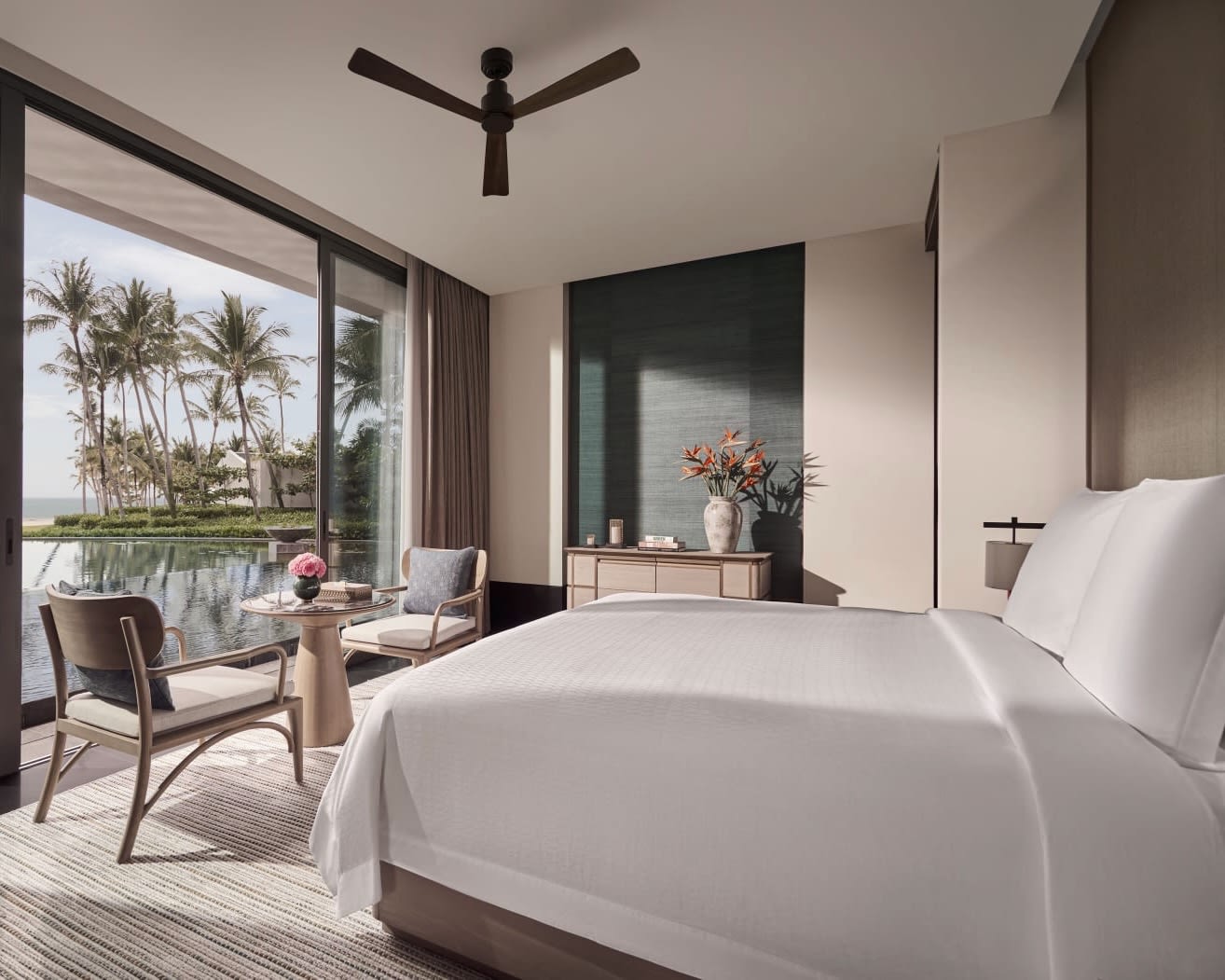
Image courtesy of Regent Phu Quoc
Vietnam’s beaches are home to dramatic coastlines and laid-back villages. In Nha Trang, you’ll find lively resorts and watersports, Con Dao and Vinh Hy Bay have a quiet and secluded vibe, and Phu Quoc has powdery sand with luxury resorts and a great local food scene. Days are meant for swimming, snorkeling, or simply unwinding.
Where to stay
Six Senses Ninh Van Bay: Secluded, nature-immersed retreat on a dramatic peninsula accessible only by boat. Private villas blend rustic wood, thatched roofs, and sweeping sea views create a refined escape that feels both remote and deeply restorative.
Fora’s IHG Destined partner perks include a $100 hotel credit, welcome amenity, daily breakfast, an upgrade, and extended check-in/out whenever possible.
Six Senses Con Dao: Secluded island retreat focused on nature and wellness. Private villas, turquoise waters, and thoughtful sustainability initiatives combine for a quiet, restorative escape far from the mainland.
Fora’s IHG Destined partner perks include a $100 hotel credit, welcome amenity, daily breakfast, an upgrade, and extended check-in/out whenever possible.
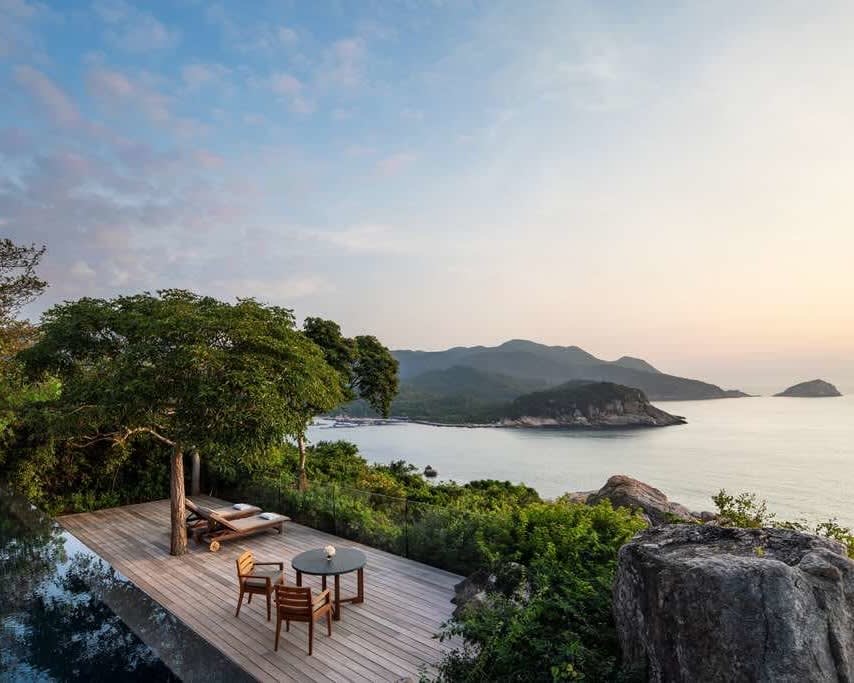
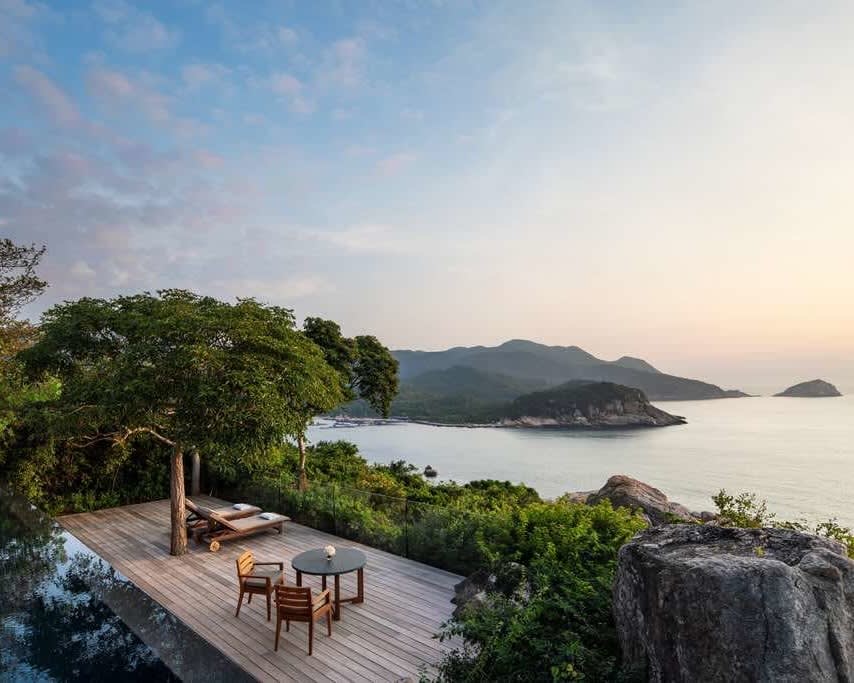
Amanoi (Vinh Hy Bay): Dramatic coastal seclusion with villas perched above the bay and sweeping sea views. Minimalist luxury, exceptional service, and wellness offerings make it a remote and refined hideaway.
Fora Perks include a $100 food and beverage credit, daily breakfast, an upgrade, and extended check-in/out whenever possible.
Regent Phu Quoc: Contemporary tropical elegance on pristine beaches, where suites and villas blend indoor and outdoor living. Curated dining, a world-class spa, and attentive service provide a sophisticated island experience with understated glamour.
Fora’s IHG Destined partner perks include a $100 hotel credit, welcome amenity, daily breakfast, an upgrade, and extended check-in/out whenever possible.
Cruising to and around Vietnam
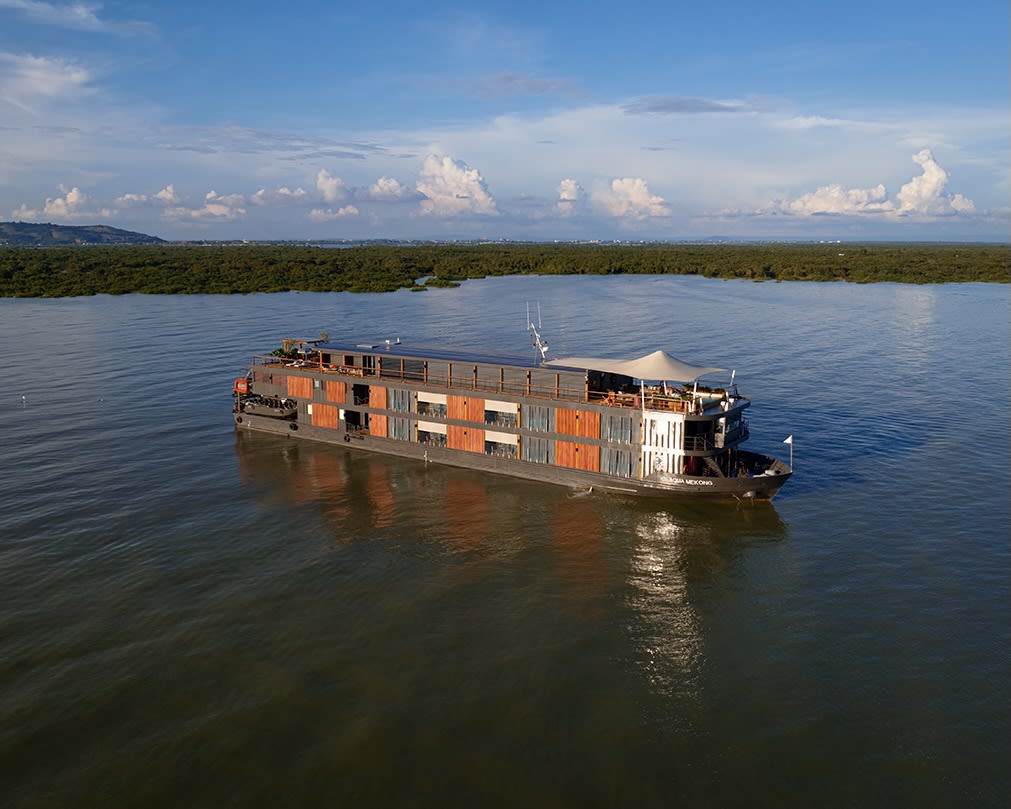
Image courtesy of Aqua Expeditions
Cruising Vietnam means moving between busy port cities, quiet rivers, and rugged coastline. Ocean itineraries hug the central and northern coast, hitting spots like Da Nang, Hoi An, and Nha Trang, usually as part of a broader Southeast Asia route. Ha Long Bay and Mekong River cruises are a different experience entirely: smaller ships, floating markets, and riverside villages stretching into Cambodia. The two styles don't overlap much, but both pack in culture and scenery without the hassle of piecing it together yourself.
Popular itineraries
Mekong River: Boutique river cruises navigate Vietnam and Cambodia, stopping at Ho Chi Minh City, My Tho, and Chau Doc. Highlights include floating markets, riverside villages, and cultural experiences along the Mekong’s waterways.
Ha Long Bay: Scenic overnight cruises explore towering limestone karsts and secluded coves, accessible via a 3–4 hour drive from Hanoi. Cruises often include kayaking, cave exploration, and onboard dining with fresh seafood.
Southeast Asia: Ocean cruises stop in Vietnam cities like Ho Chi Minh City, Da Nang, and Nha Trang while sailing between Thailand and Singapore, or Hong Kong and the Philippines, highlighting landmarks and local markets.
Notable river and bay cruises
Viking Cruises: Sleek river vessels offering culturally immersive journeys, modern comfort, and thoughtful design for scenic, slow-paced cruising. Guests enjoy curated shore excursions, refined dining, and enrichment programs focused on history, art, and local traditions.
Fora Perks include up to $200 onboard credit per stateroom on select departures.
Aqua Expeditions: Boutique expedition-style cruises with a focus on intimate experiences and personalized service. Onboard comfort meets exploration, with expert guides and small-group excursions to navigate hidden lagoons, limestone karsts, and floating markets.
AmaWaterways: Premium river cruises blending relaxation, comfort, and cultural discovery. Guests benefit from guided excursions, locally inspired dining, and small-ship intimacy, with itineraries emphasizing scenic waterways, UNESCO sites, and riverside villages.
Fora Perks include up to $250 shipboard credit per stateroom.
Notable ocean cruise lines
Ritz-Carlton Yacht Collection: Ultra-luxury yachts combining elegant suites with refined, ocean-going itineraries. Intimate ships offer personalized service, curated excursions, and onboard wellness, allowing guests to explore Southeast Asia’s ports with discretion and style.
Fora’s STARS Program partner perks include $250 shipboard credit per suite, welcome amenity, exclusive shore excursion options, enhanced recognition on board, and more.
Windstar Cruises: Boutique sailing and small-ship cruises offering flexible, destination-focused itineraries. Intimate onboard experiences, culturally rich shore excursions, and a relaxed pace that brings the region’s ports and islands closer than large ships can.
Fora Perks include up to $300 shipboard credit per stateroom on select voyages.
History and culture
Vietnam’s story stretches back thousands of years, shaped by rich dynastic traditions, foreign influence, and enduring Indigenous cultures. The Red River and Mekong deltas nurtured early civilizations, while the Đông Sơn culture is remembered for iconic bronze drums and intricate carvings. Chinese rule for over a millennium left a lasting imprint on language, Confucian customs, and architecture, while French colonization introduced tree-lined boulevards, colonial villas, and the nation’s beloved café culture.
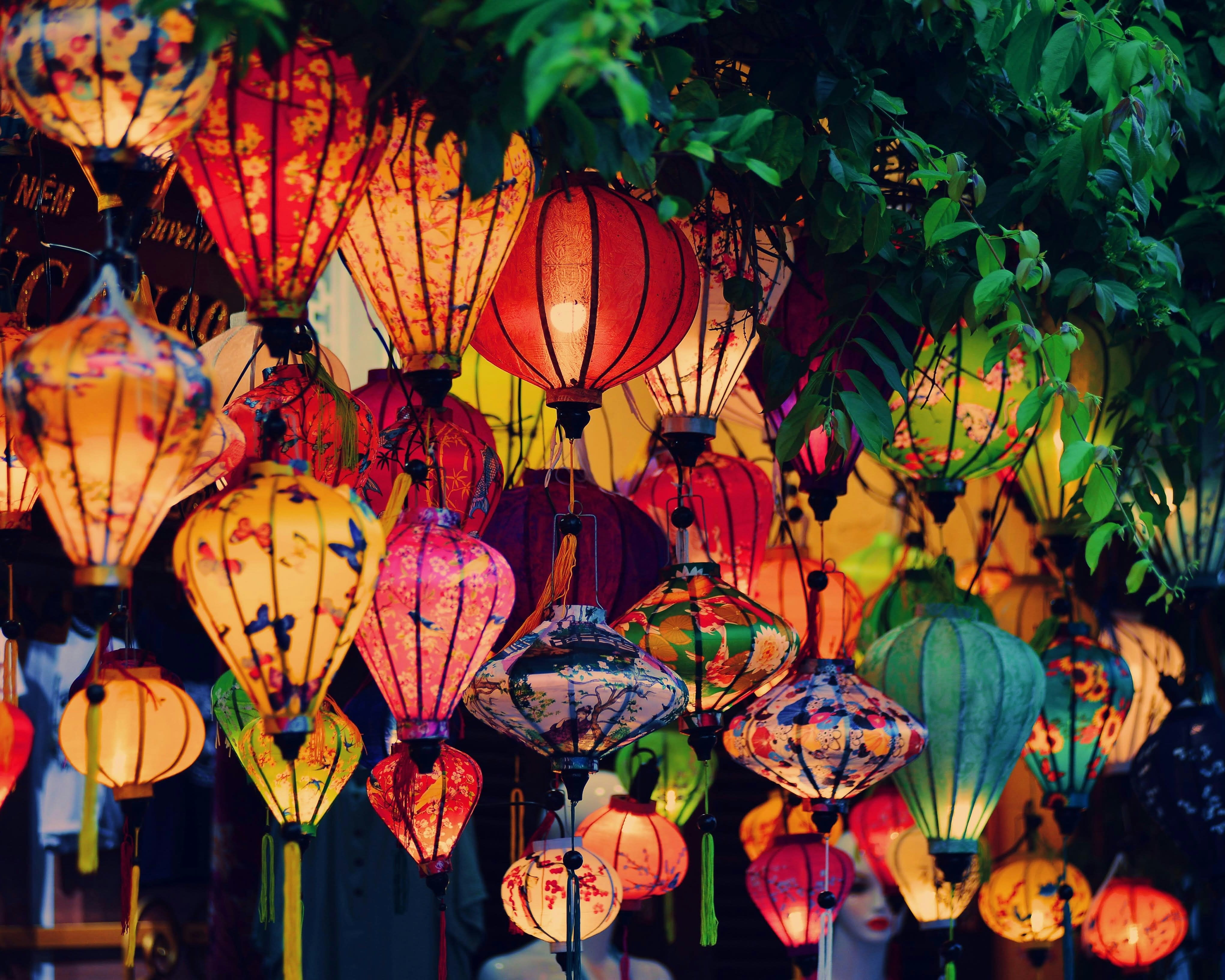
Vietnam’s modern identity was forged through resilience, from the centuries-long struggle for independence to the profound impact of the Vietnam War. Today, travelers encounter this layered history in Hanoi’s Old Quarter, Hue’s Imperial Citadel, and Hoi An’s lantern-lit streets. Indigenous and local customs remain central, from water puppet performances to Tet celebrations, while temples, pagodas, and community markets offer a look into the spiritual and daily practices that continue to shape Vietnamese life.
Cultural celebrations and events
Tết / Vietnamese Lunar New Year (late January to mid-February): Streets fill with peach blossoms in the north, yellow apricot flowers in the south, with festive markets and fireworks. Expect business closures but an incredibly atmospheric time.
Hùng Kings’ Festival (April): National holiday honoring Vietnam’s legendary founding rulers with ceremonies, processions, and offerings at temples.
Reunification Day (April 30; nationwide): Commemorates the end of the Vietnam War with parades, fireworks, and often paired with the May 1 Labor Day holiday.
Vesak / Buddha’s Birthday (May, date varies by lunar calendar; nationwide): Celebrated at pagodas with lanterns, prayer ceremonies, and vegetarian food offerings.
Vu Lan / Ghost Festival (August, seventh lunar month): Reflective holiday honoring ancestors with offerings, incense, and paper goods burned at temples and homes.
Hội An Lantern Festival (monthly on the full moon; Hội An): The old town switches off electric lights, releasing lanterns on the river and creating a timeless scene.
What to do in Vietnam
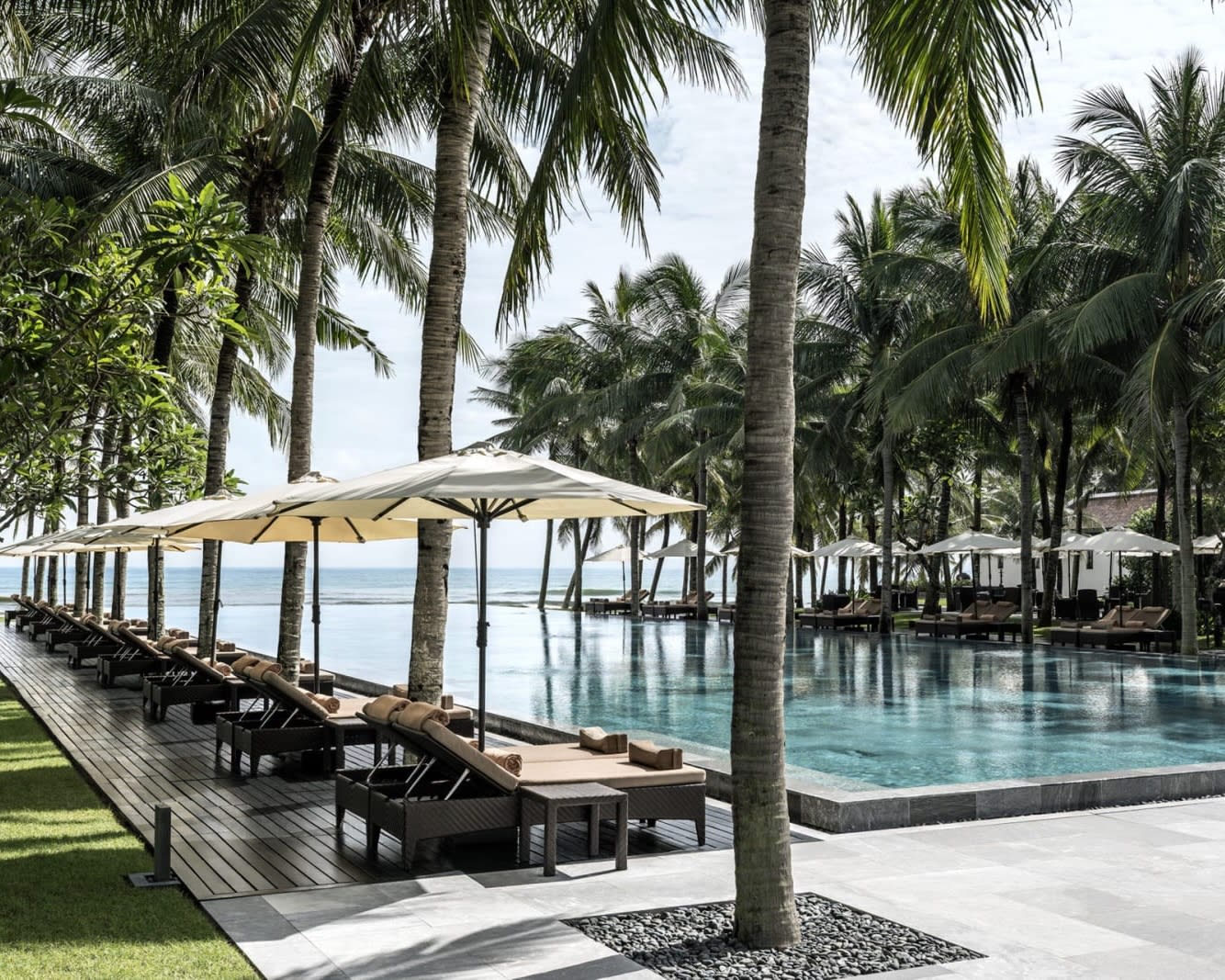
Image courtesy of Four Seasons Resort The Nam Hai
Ho Chi Minh City (Saigon)
War Remnants Museum: A sobering, deeply impactful look at the Vietnam War through photographs, preserved military equipment, and personal stories.
Reunification Palace (Independence Palace): Walk through the preserved 1970s underground bunkers and grand reception rooms frozen in time.
French Colonial Quarter: Admire Notre Dame Cathedral, the Central Post Office designed by Gustave Eiffel, and the Saigon Opera House.
Cholon (Chinatown): Explore Binh Tay Market’s buzzing aisles and step into historic temples like Thien Hau Pagoda, where incense coils hang overhead.
Nguyen Hue Walking Street: Join locals each evening along this lively pedestrian boulevard lined with cafés, fountains, and illuminated high-rises.
Skyline views: Take in sweeping city panoramas and the Saigon River from the Saigon Skydeck or Landmark 81.
Bến Thành Market: Wander this historic market for handicrafts, textiles, and street food, where bargaining is part of the experience.
Hanoi
Old Quarter: Wander the narrow lanes of the historic 36 streets, where colonial facades, buzzing motorbikes, and curbside kitchens create a layered, sensory experience.
Ho Chi Minh Complex: Pay respects at the Ho Chi Minh Mausoleum, then explore the surrounding Presidential Palace, stilt house, and the iconic One Pillar Pagoda.
Hoan Kiem Lake: Stroll the tree-lined paths around this central lake, and cross the red bridge to Ngoc Son Temple for a quiet cultural pause.
Temple of Literature: Step into Vietnam’s first national university, where courtyards, carved stone, and traditional architecture honor centuries of Confucian learning.
Hoa Lo Prison Museum: Gain insight into Vietnam’s wartime history inside the former prison, with exhibits that trace both colonial and American War eras.
Train Street: Sip coffee at trackside cafés as trains pass through this narrow residential corridor, a uniquely Hanoi moment shaped by proximity and daily ritual.
West Lake (Ho Tay): Circle the city’s largest lake and visit Tran Quoc Pagoda, Hanoi’s oldest Buddhist temple, set against reflective waters and a serene skyline.
Hoi An and Da Nang
Hoi An Ancient Town: Walk or cycle through this UNESCO-listed trading port, with ochre facades, wooden shophouses, and the Japanese Covered Bridge.
Hoi An Night Market: Wander beneath rows of silk lanterns, sampling street snacks and browsing handmade crafts as the riverfront hums with evening energy.
Precious Heritage Museum: Explore Réhahn’s photographic and cultural collection highlighting Vietnam’s 54 ethnic groups’ diversity and traditions.
Hoi An Lune Center: Experience contemporary interpretations of Vietnamese folk tales through acrobatics and music in an intimate riverside theater.
An Bang Beach: Escape to this relaxed stretch of sand for swimming, sunbathing, and casual seafood lunches just minutes from the Old Town.
Tra Que Vegetable Village: Cycle into the countryside to see organic farming practices in action, with opportunities to join hands-on gardening and cooking experiences.
Cham Islands (Cu Lao Cham): Take a speedboat to this protected island cluster for snorkeling, diving, and clear-water coves framed by forested hills.
Thu Bon River: Cruise at sunset, paddle by kayak, or drift past lantern-lit banks for a slower perspective on Hoi An’s riverside rhythm.
Ba Na Hills: Ride one of the world’s longest cable cars into the mountains, where cool air, French-inspired architecture, and the iconic Golden Bridge float above the clouds.
Marble Mountains (Ngũ Hành Sơn): Climb through limestone peaks carved with caves, Buddhist sanctuaries, and hidden pagodas offer sweeping coastal views.
Beaches
Phu Quoc: Snorkel coral gardens of the An Thoi Archipelago, and visit the Prison History Museum for a look at the island’s wartime past.
Nha Trang: Cruise to Hon Mun and Hon Tam for scuba diving, explore the 8th-century Cham temples of Po Nagar, and hike forest trails to the Ba Ho Waterfall.
Con Dao: Walk through the notorious Tiger Cages at Phu Hai Prison, climb to Van Son Pagoda for scenic views, and visit the sacred Van Son Temple.
Vinh Hy: Stop at quiet beaches like Bai Thung, Bai Coc, or Bai Dien. Explore dramatic terrain at Nui Chua National Park, Hang Rai, and Stone Park.
Where to eat in Vietnam
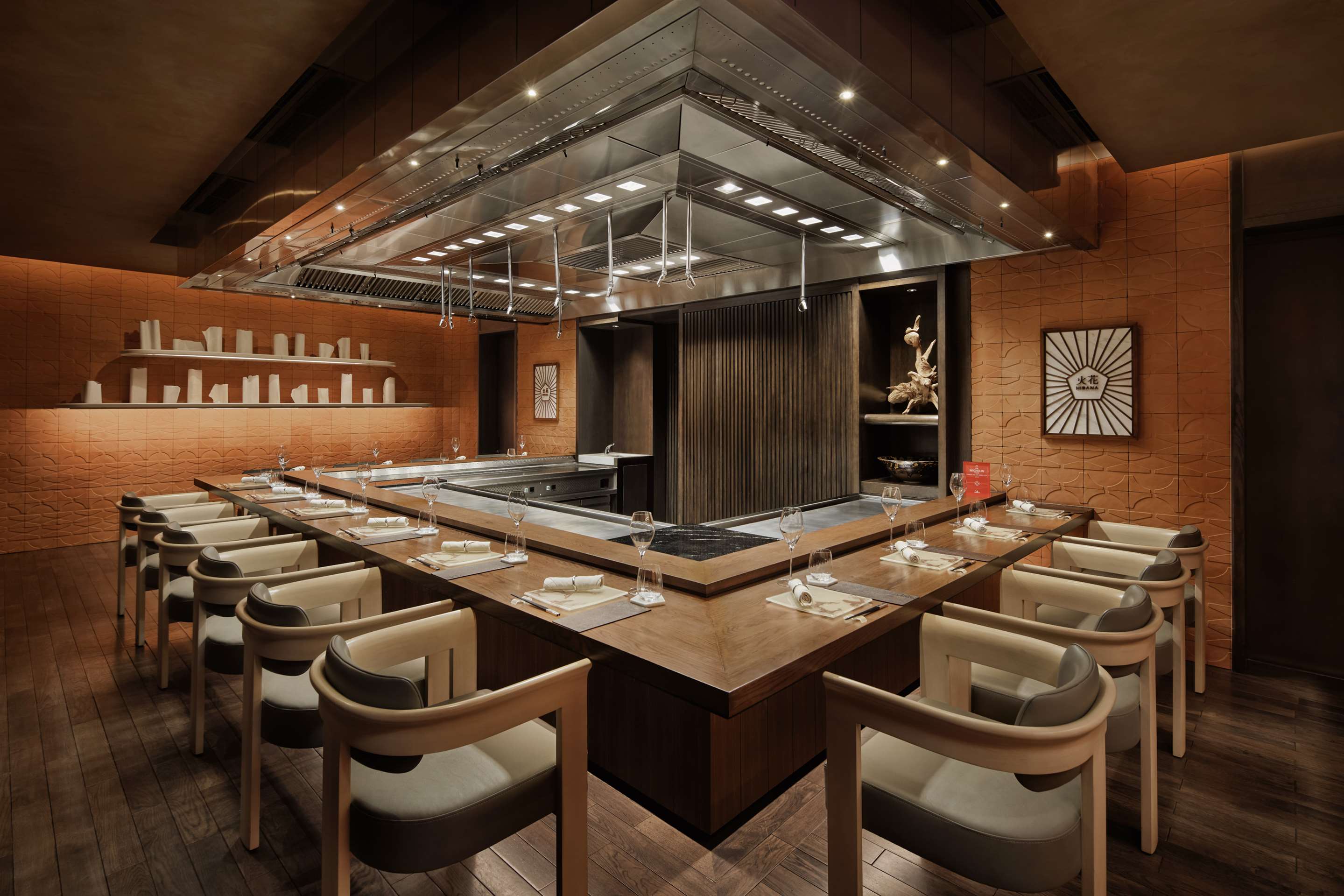
Image courtesy of Koki at Capella Hanoi
Vietnam’s dining scene balances fresh herbs, layered broths, and regional traditions that reflect the country’s rhythm and deep connection to place.
Ho Chi Minh City (Saigon)
CieL: Refined French techniques meet Vietnamese ingredients in seasonal tasting menus that balance precision and emotion.
Coco Dining: Contemporary tasting menus that weave creative modern Vietnamese cuisine into a narrative dining experience.
Tung’s Restaurant: Beloved gem serving elevated Vietnamese and vegetarian fare, ideal for tasting classic flavors with a thoughtful, modern approach.
Hoang’s Kitchen: A local institution blending traditional Vietnamese dishes with fresh, bold flavors in a welcoming, casual setting.
Summer Experiment: Lively bar and small-plates spot where inventive cocktails meet sharable plates in the heart of the city.
Hanoi
Tung’s Kitchen: Contemporary Vietnamese kitchen in the Old Quarter, known for polished presentations and refined takes on northern specialties.
Koki at Capella Hanoi: A dramatic, art deco dining destination housing Michelin-starred Japanese concepts in an intimate, theatrical setting.
MẸT: Lively, design-forward restaurant celebrating regional Vietnamese flavors through beautifully arranged sharing platters.
The Haflington: Hidden speakeasy wrapped in vintage travel nostalgia, serving meticulously crafted cocktails inspired by classic explorers and old-world glamour.
Nê Cocktail Bar: Moody, high-energy bar in the Old Quarter pouring inventive cocktails that draw on Vietnamese ingredients and street culture.
Hoi An and Da Nang
Hoi An Heart Restaurant: Socially driven, community-focused restaurant serving classic Vietnamese dishes with warmth and authenticity in a relaxed garden setting.
Mê Hoi An Rooftop Coffee & Kitchen: Breezy rooftop escape in Old Town pairing Vietnamese comfort dishes and craft coffee with sweeping views.
Nhan’s Kitchen (Hoi An): Welcoming, family-run favorite known for balanced flavors and well-executed staples, delivered with genuine hospitality and consistency.
La Maison 1888 at InterContinental Danang Sun Peninsula Resort: Refined Michelin-starred French tasting menus in a dramatic, ocean-facing setting.
Bếp Cuốn (Da Nang): Lively, modern Vietnamese eatery specializing in interactive, build-your-own bites that highlight texture, brightness, and regional flavor.
Beaches
Skylight & Lá Kitchen (Nha Trang): Dynamic rooftop venue pairing Vietnamese and international plates with coastal views, sunset dining, and high-energy nightlife.
Camia Restaurant (Phu Quoc): Refined beachfront setting focused on fresh island seafood, Vietnamese flavors, and polished presentation.
Spice Kitchen (Con Dao): Resort-style dining that balances Vietnamese classics with international favorites in an open, breezy setting framed by sea views.
Chành Rành Quán (Vinh Hy): Laid-back, locally loved spot overlooking the bay, where just-caught seafood is simply prepared to let freshness and coastal character lead.
Day trips in Vietnam
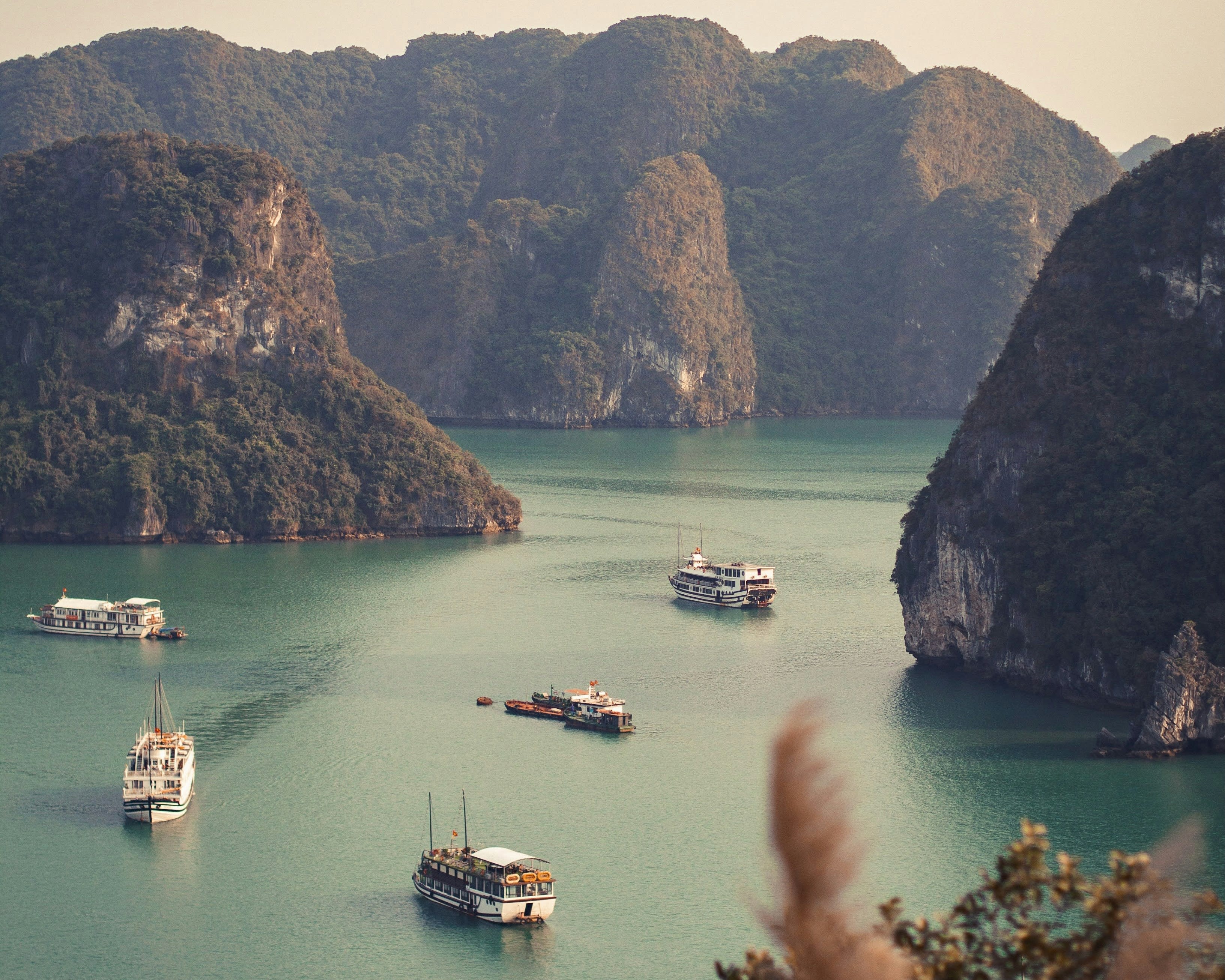
From ancient Champa ruins to winding waterways, these day trips add cultural depth and natural contrast to Vietnam’s main cities.
Mỹ Sơn Sanctuary (1 hour from Hội An): UNESCO-listed Hindu temples of red brick built by the Champa Kingdom between the 4th and 13th centuries. Set in a rich valley ringed by mountains, My Son offers a quieter, atmospheric counterpoint to Hoi An’s lantern-lit streets.
Củ Chi Tunnels (1.5 hours from Ho Chi Minh City): A vast underground network used by Viet Cong soldiers during the Vietnam War. Guided visits explore narrow passageways, hidden trapdoors, and reconstructed living quarters.
Mekong Delta (2 to 3 hours from Ho Chi Minh City): A maze of rivers, canals, and floating markets where daily life unfolds on the water. Cruise past quiet villages with stilt houses and fruit orchards while sampling coconut candy and tropical produce.
Ha Long Bay (2.5 to 3 hours from Hanoi): One of Vietnam’s most iconic landscapes, with dramatic limestone karsts rising from emerald waters. While possible as a very long day trip, the journey is best for an overnight cruise through caves and hidden lagoons.
Trips to add on
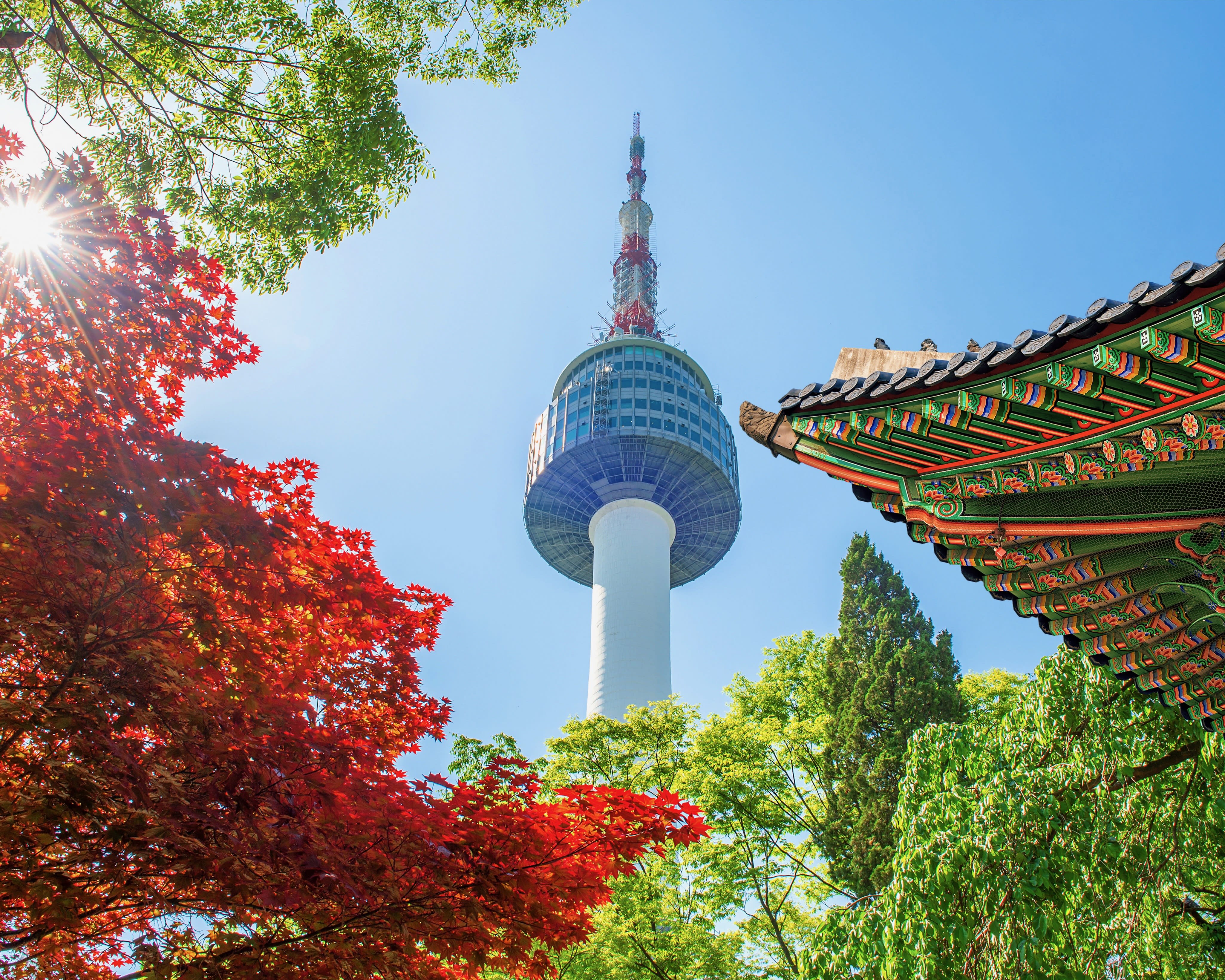
Here are some places to consider adding on to add another level of depth and understanding to your Vietnam trip.
Huế, Vietnam (1 hr flight from Da Nang or 2.5–3 hour drive): Perfect as a short but immersive stop, Huế centers on its imperial legacy. Explore the sprawling citadel, ornate royal tombs, and historic pagodas along the banks of the Perfume River.
Đà Lạt, Vietnam (1 hour flight from Ho Chi Minh City): A former French hill station set in the Central Highlands, with pine forests and waterfalls. Lakeside strolls, flower gardens, and coffee plantations are balanced by adventure activities like canyoning and hiking.
Sa Pa, Vietnam (4 hour drive from Hanoi): A misty mountain retreat near the Chinese border, known for terraced rice fields and vibrant ethnic minority communities. Trek between hill tribe villages, stay in a boutique ecolodge, and wake to cloud-draped peaks.
Cambodia (1–2 hour flight): A seamless extension for history and heritage. Siem Reap opens the door to Angkor Wat’s temple complex at sunrise, while Phnom Penh offers royal palaces and poignant insight into the country’s recent past.
Stopovers (2–6 hour flight): Many long-haul flights to Vietnam connect through major Asian hubs like Hong Kong, Singapore, or Seoul. Add a few nights in one of these dynamic cities for world-class dining, design-forward hotels, and vibrant urban culture.
If not Vietnam…
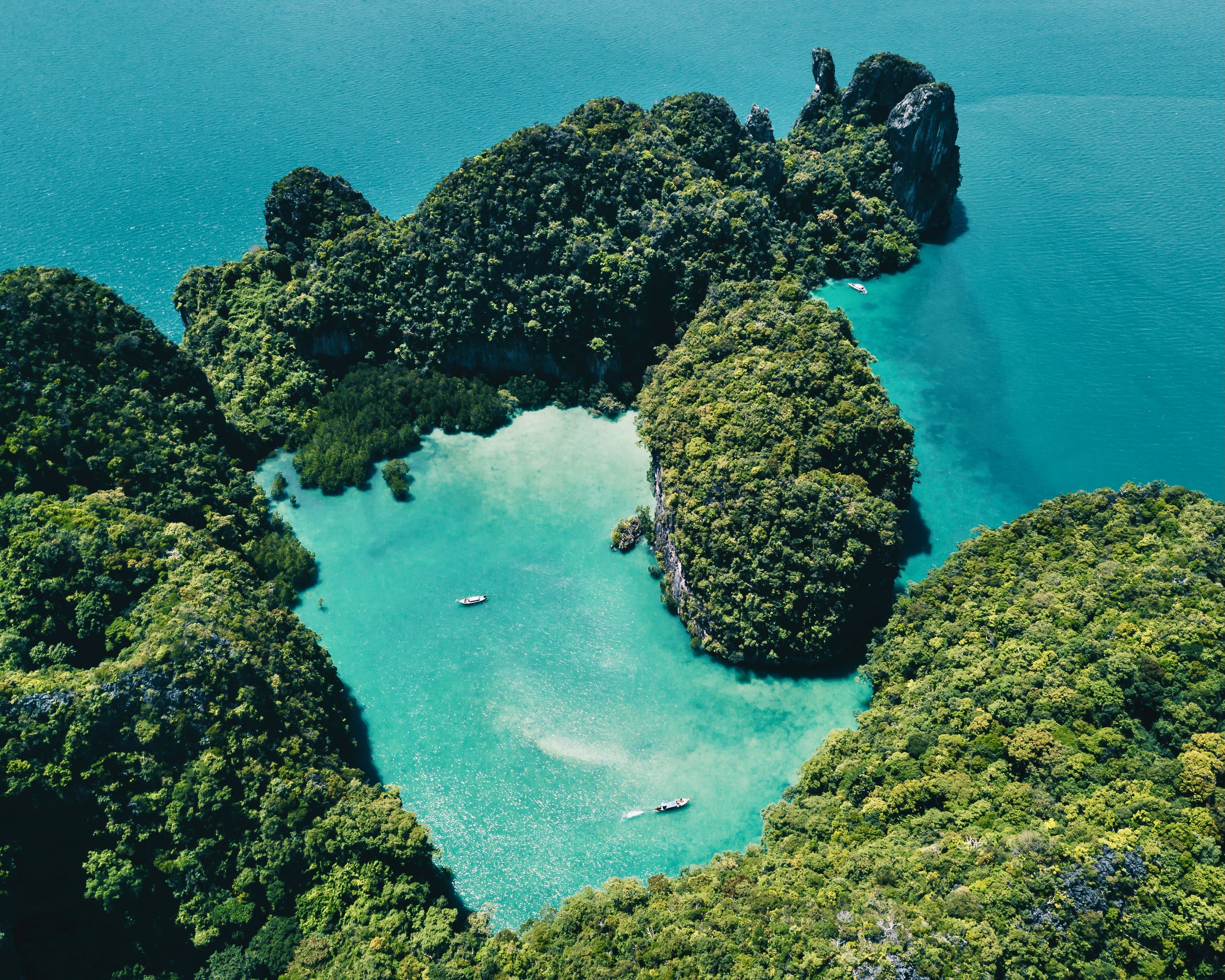
These destinations echo Vietnam’s history, relaxing beaches, and dramatic landscapes while offering their own distinct flavors and cultural richness.
Thailand: Ornate temples, island-dotted coastlines, and street food culture. Bangkok’s energy gives way to Chiang Mai’s mountain calm and the turquoise waters of Phuket or Koh Samui.
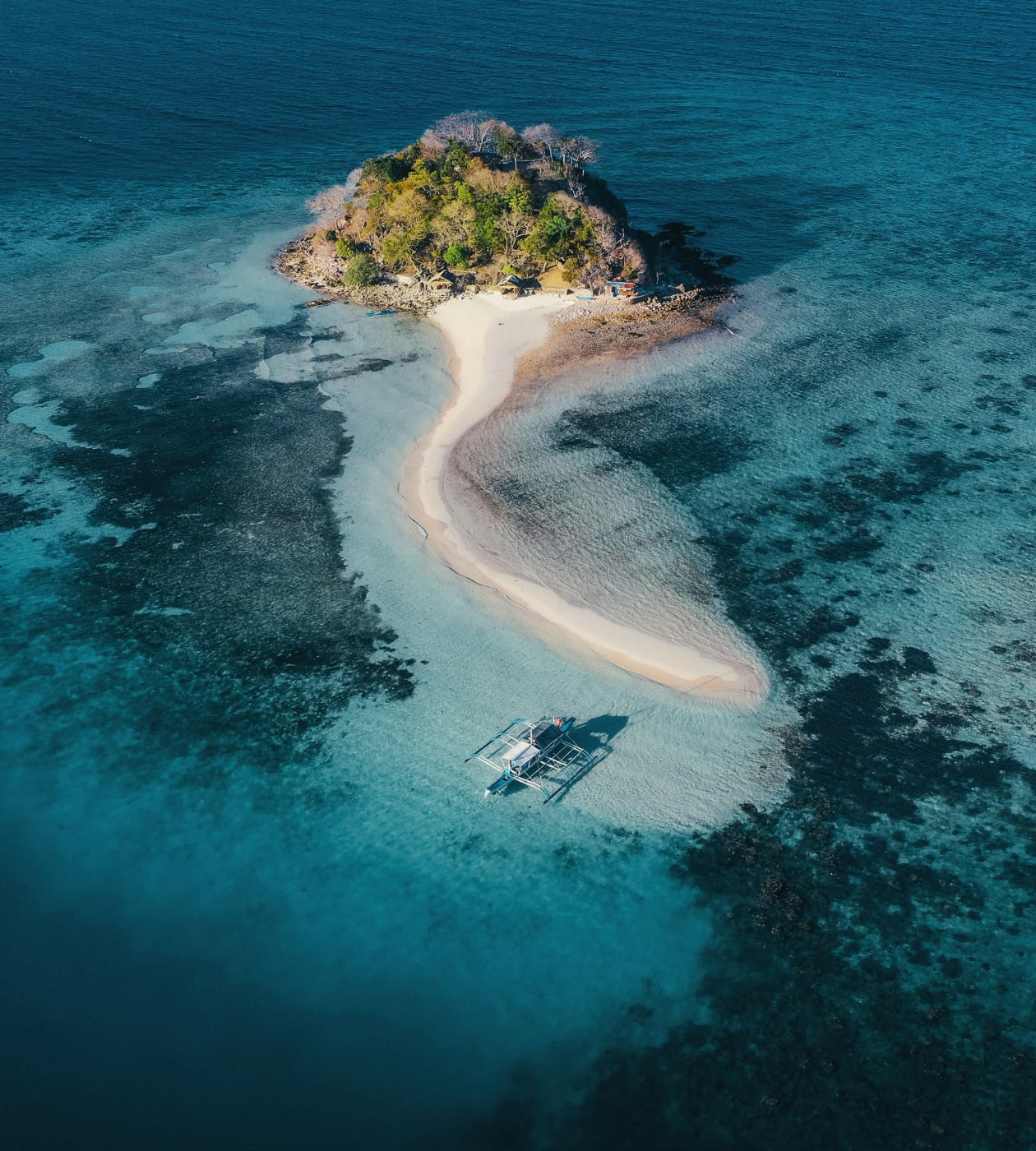
Philippines: More than 7,000 islands of limestone cliffs, hidden lagoons, and white sand. Days unfold between boat-hopping in El Nido, diving in Cebu, and laid-back beach time in Siargao.
Sri Lanka: Tea-covered highlands, ancient rock fortresses, and palm-fringed beaches. Ride the scenic train through Ella, explore temples in Kandy, and track wildlife in Yala National Park.
Greece: Whitewashed villages, archaeological sites, and sun-soaked Mediterranean shores. Pair Athens’ ancient landmarks with island escapes in the Cyclades for a mix of history and sea.