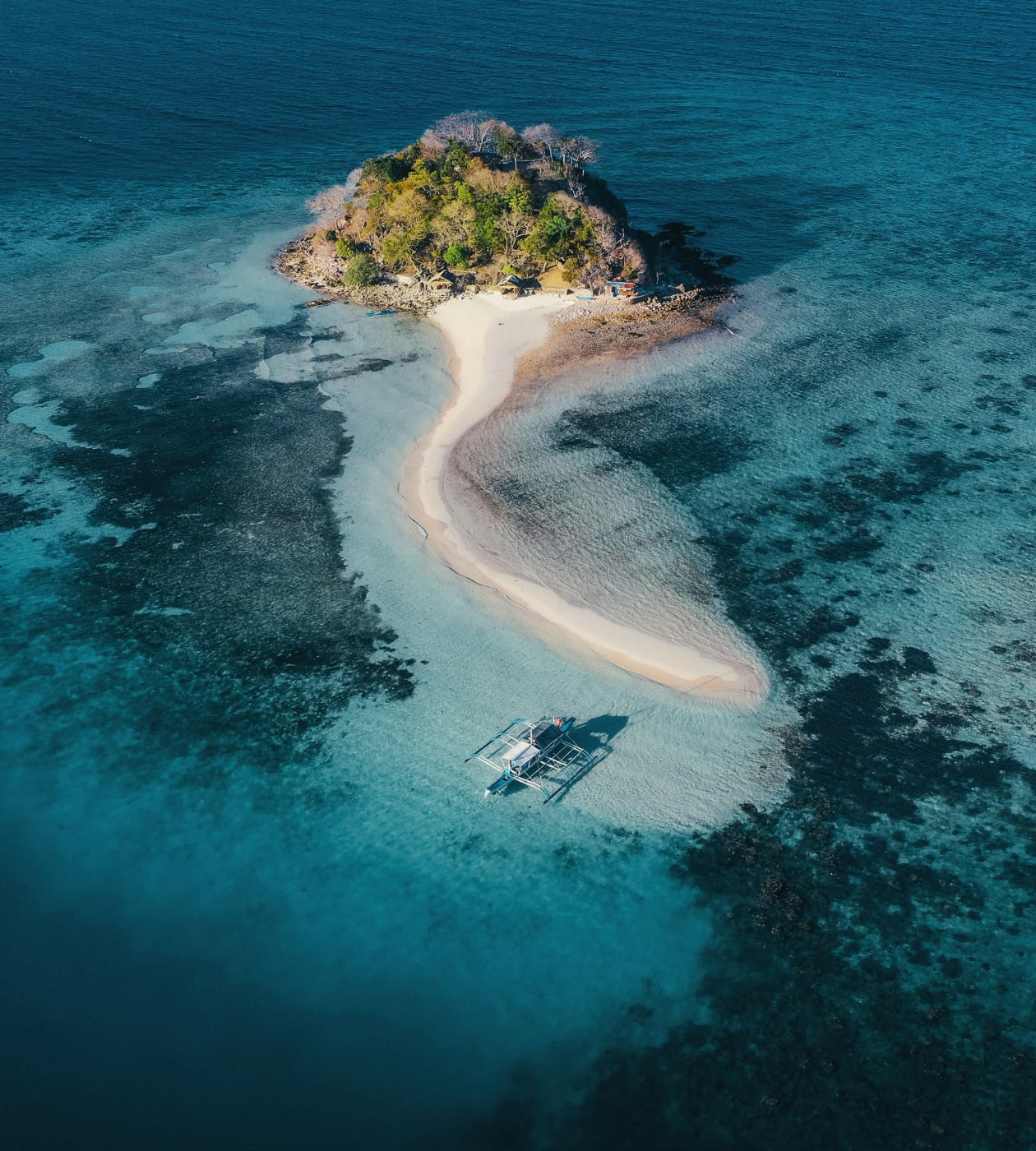


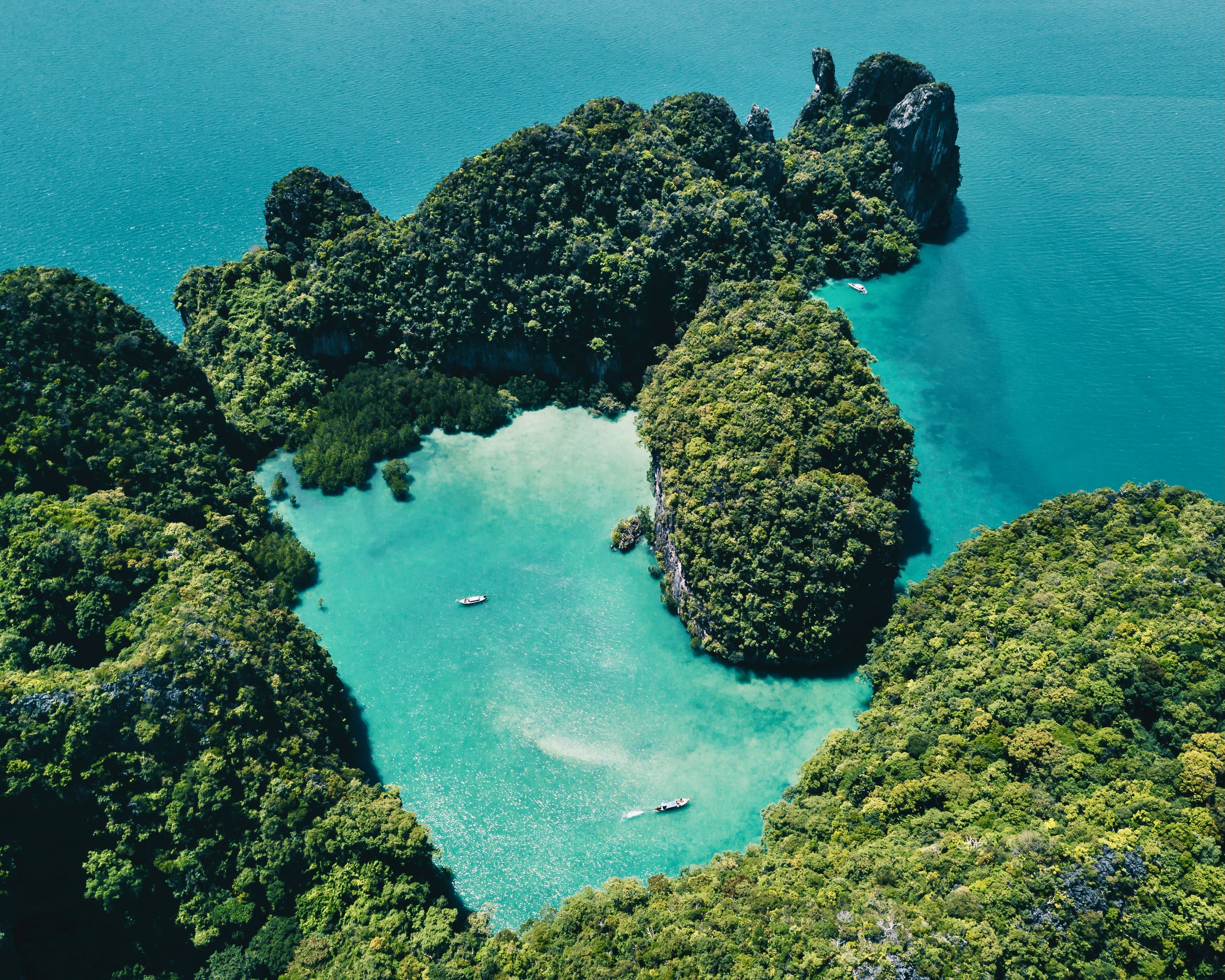
Thailand doesn't reveal itself all at once—it unfolds in layers. One day you're navigating Bangkok's streets where century-old temples reside on the same blocks as rooftop bars, the next you're in a mountain town where ancient traditions still matter. Add in miles of beaches, lively nightlife, and spa-focused retreats, and you’ve got a destination that takes weeks, not just days, to explore.
The geography makes perfect sense once you're there. Bangkok delivers urban intensity—Michelin-recommended street carts, sprawling temples, sprawling markets. Head north and Chiang Mai trades skyscrapers for artisan workshops and ethical elephant encounters, while Chiang Rai goes further still with contemporary temples rising from misty mountains. The coast splits into distinct personalities: Phuket mixes polished resorts with Portuguese-influenced old towns, Krabi keeps things elemental with famous karst formations and quiet island-hopping, and Koh Samui anchors itself in wellness retreats and relaxed beach clubs.
With an infrastructure that makes multi-stop itineraries surprisingly easy, Thailand's hospitality and deep-rooted traditions shine in all its regions.
Need to know
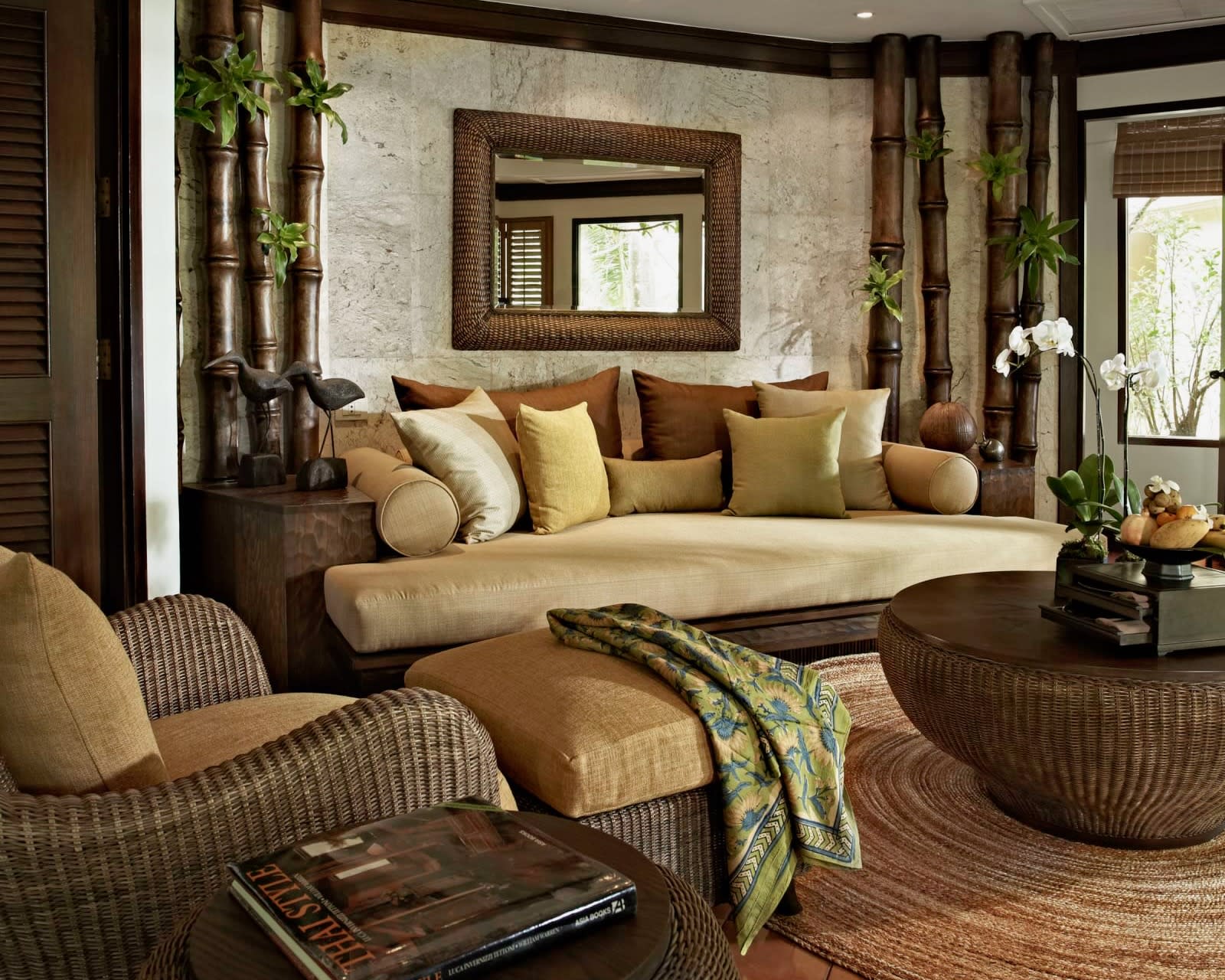
Image courtesy of Rayavadee
Before traveling to Thailand, knowing a few practical details can shape a smoother, more respectful experience. While generally safe, stick to bottled and sealed water, be cautious with street fruit, and when walking watch for motorbike taxis and keep bags secure. Be respectful of local customs, and avoid mentioning or posting anything online about the royal family.
Currency: Thailand uses the Thai Baht (THB). Cash is essential for markets, small shops, and rural areas, while cards are readily accepted at hotels and restaurants. Bargaining is part of the culture in street markets, and tipping is appreciated but not required.
Languages: Thai is the official language, with regional dialects. English is widely understood in hotels and restaurants, though learning a few basic Thai phrases shows cultural respect.
Key phrases: sawasdee (hello), khop khun (thank you), karuna (please), khor thoad (excuse me/sorry), sabai dee mai? (how are you?), chai/mai (yes/no).
Airports: Bangkok’s Suvarnabhumi Airport (BKK) connects to global hubs like Los Angeles, Vancouver, London, and Dubai. Bangkok’s second airport (DMK) offers flights across Asia. Continue on to Phuket (HKT), Chiang Mai (CNX), Krabi (KBV), Koh Samui (USM), and Chiang Rai (CEI). Phuket also connects internationally to cities like Paris, Sydney, and Doha.
Transportation: An extensive network of trains and buses connect the country efficiently. In cities, taxis, tuk-tuks, and rideshare options—motorcycle and car—provide easy urban travel. Boats and ferries are convenient for island-hopping.
Best time to visit: Thailand is best experienced in winter (December–February), with dry weather and cooler temperatures. Spring (March–May) brings intense heat inland, so escape to the coast. Summer (June–September) sees fewer visitors due to short, heavy showers across much of the country. Fall (October–November) serves as a shoulder season, with better weather and greener landscapes. For beachgoers, Phuket and Krabi’s monsoon season peaks from May to October, while Koh Samui sees heavier rains from October to December.
Ideal length of stay: Nine to 14 days allows time to combine Bangkok’s energy, Chiang Mai’s cultural depth, and southern Thailand’s beach resorts. Shorter trips work best with a focus on either the cultural north or the scenic southern islands.
Signature dishes and drinks:
Pad Thai: Wok-tossed rice noodles with shrimp or tofu, bean sprouts, egg, and crushed peanuts, balancing sweet, salty, and tangy flavors.
Tom Yum Goong: A bold, aromatic soup with shrimp, lemongrass, lime, and chili.
Som Tam: A fiery green papaya salad mixing lime, chili, fish sauce, and palm sugar.
Green curry (Gaeng Keow Wan): Coconut milk–based curry pairing meat, Thai eggplant, and fresh herbs.
Massaman curry: A richer, gently spiced curry featuring slow-cooked beef, potatoes, and peanuts with subtle sweetness.
Pad Kra Pao: A street-food staple of minced meat stir-fried with holy basil, garlic, and chilies, typically topped with a crisp-edged fried egg.
Mango sticky rice: Ripe mango paired with sticky rice and salted coconut cream.
Thai iced tea (Cha Yen): Strong black tea sweetened with condensed milk over ice.
Siam Sunray: Thailand’s national cocktail, blending vodka, coconut liqueur, lemongrass, lime, chili, and soda.
Fresh coconut water: Served straight from the shell, naturally sweet and hydrating.
Rocket soda: A nostalgic street drink of flavored syrup topped with soda water and ice.
What to wear: Light, breathable clothing works best for warm, humid days, with beachwear kept to the coast. When visiting temples, royal sites, or government buildings, dress modestly with shoulders and knees covered. Plan on smart casual attire for evenings out.
Travel tips:
Thailand Digital Arrival Card: All international visitors are required to submit travel information three days before arrival in Thailand.
Smoking: Smoking is restricted in many indoor public areas.
Alcohol: The legal drinking age is 20, and only available in licensed venues.
Medications: Bring prescriptions in original packaging; city pharmacies are reliable.
Bangkok
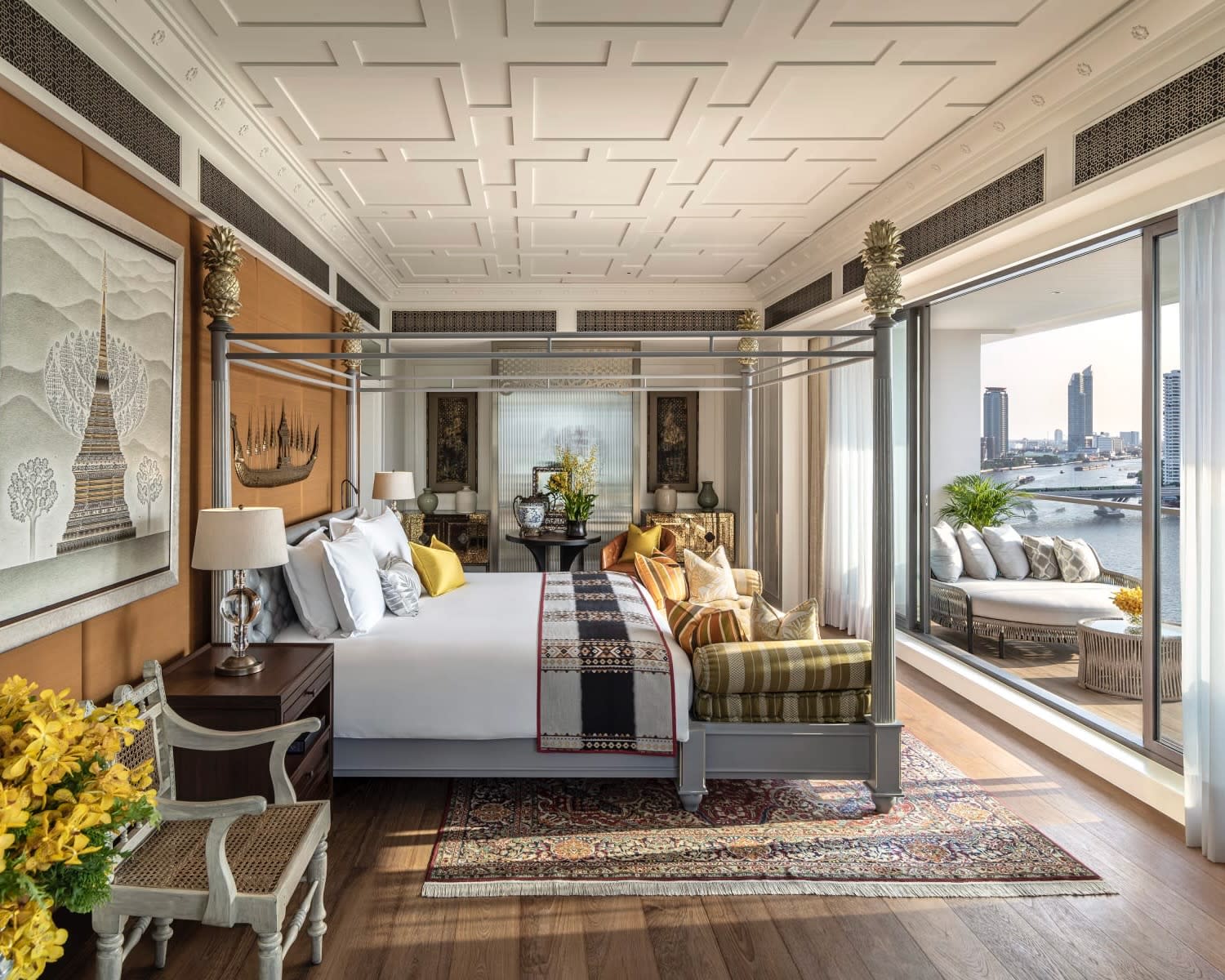
Image courtesy of Mandarin Oriental, Bangkok
Dynamic, bold, and endlessly fascinating, Bangkok is a sensory rush. Golden temples sit beside modern skyscrapers, while long-tail boats glide along the Chao Phraya River. Explore the Grand Palace, savor Chinatown’s street food, then head to a rooftop bar to watch the sunset.
Where to stay
Mandarin Oriental, Bangkok: An elegant Bangkok landmark offering spacious rooms, award-winning dining, and a spa sanctuary.
Fora’s Mandarin Oriental Fan Club partner perks include a $100 food and beverage or spa credit, welcome amenity, an upgrade, and extended check-in/out whenever possible.
Kimpton Maa-Lai Bangkok: A contemporary boutique hotel with bold design, a rooftop pool, and lively dining that feels central yet secluded.
Fora’s IHG Destined partner perks include a $100 hotel credit, welcome amenity, daily breakfast, an upgrade, and extended check-in/out whenever possible.
COMO Metropolitan Bangkok: Sleek and minimalist with an emphasis on wellness for a calm retreat close to shopping and nightlife in Sathorn's Central Business District.
Fora Reserve perks include daily breakfast, welcome amenity, an upgrade, and extended check-in/out whenever possible.
Chiang Mai
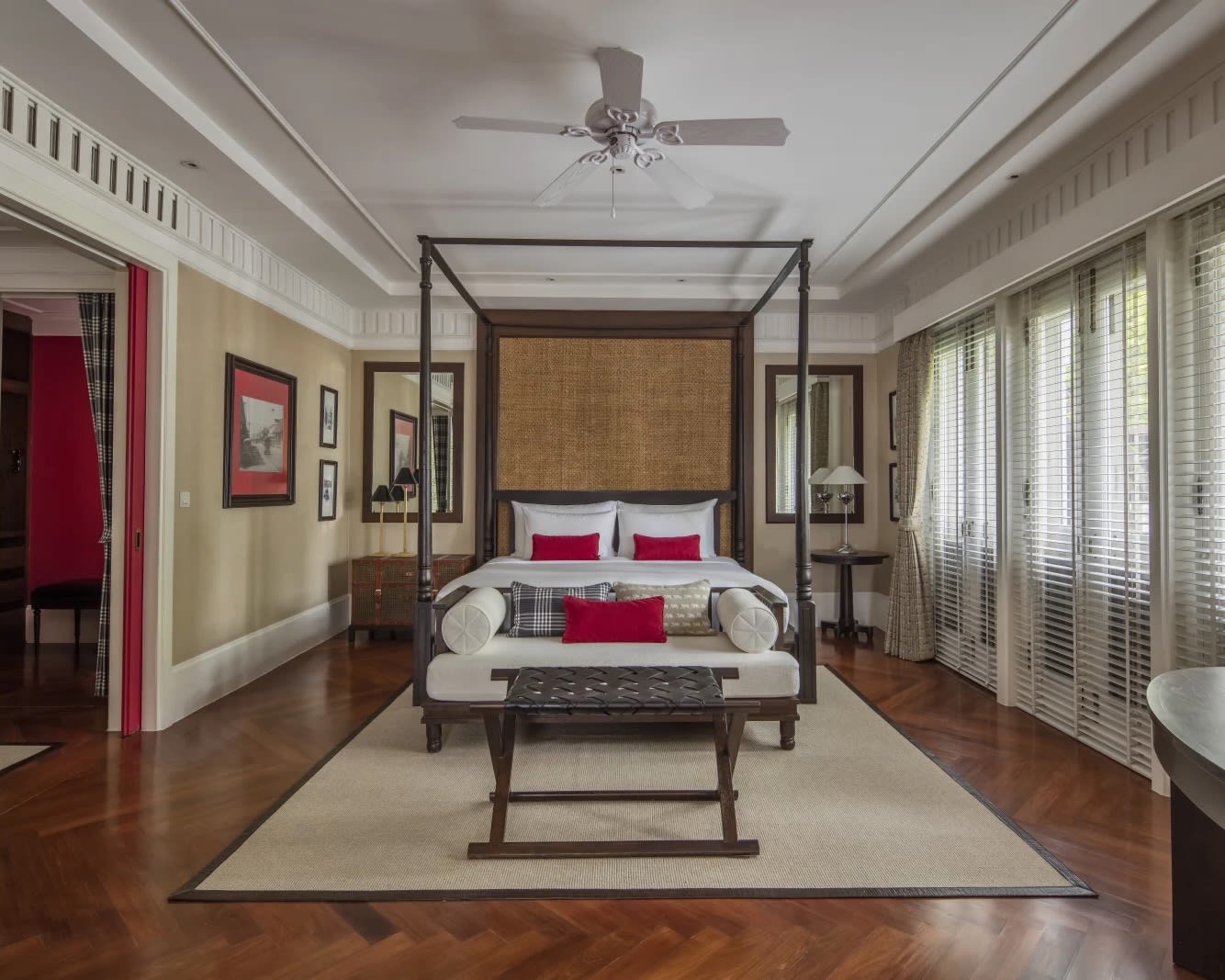
Image courtesy of 137 Pillars House
In the northern foothills, Chiang Mai invites a slower pace. Explore ancient temples and markets within the Old City. Nearby mountains hold jungle temples, elephant sanctuaries, and artisan villages. Culture is woven into everyday life, offering both discovery and calm.
Where to stay
Raya Heritage: An intimate boutique property featuring traditional architecture, serene courtyards, and personalized service just 20 minutes outside the city center.
Fora Reserve perks include a THB 3,000 hotel credit, daily breakfast, welcome amenity, an upgrade, and extended check-in/out whenever possible.
137 Pillars House: A restored colonial residence from the 19th century offering refined rooms, leafy gardens, and a tranquil spa.
Fora Reserve perks include a $100 property credit, daily breakfast, welcome amenity, an upgrade, and extended check-in/out whenever possible.
Chiang Rai
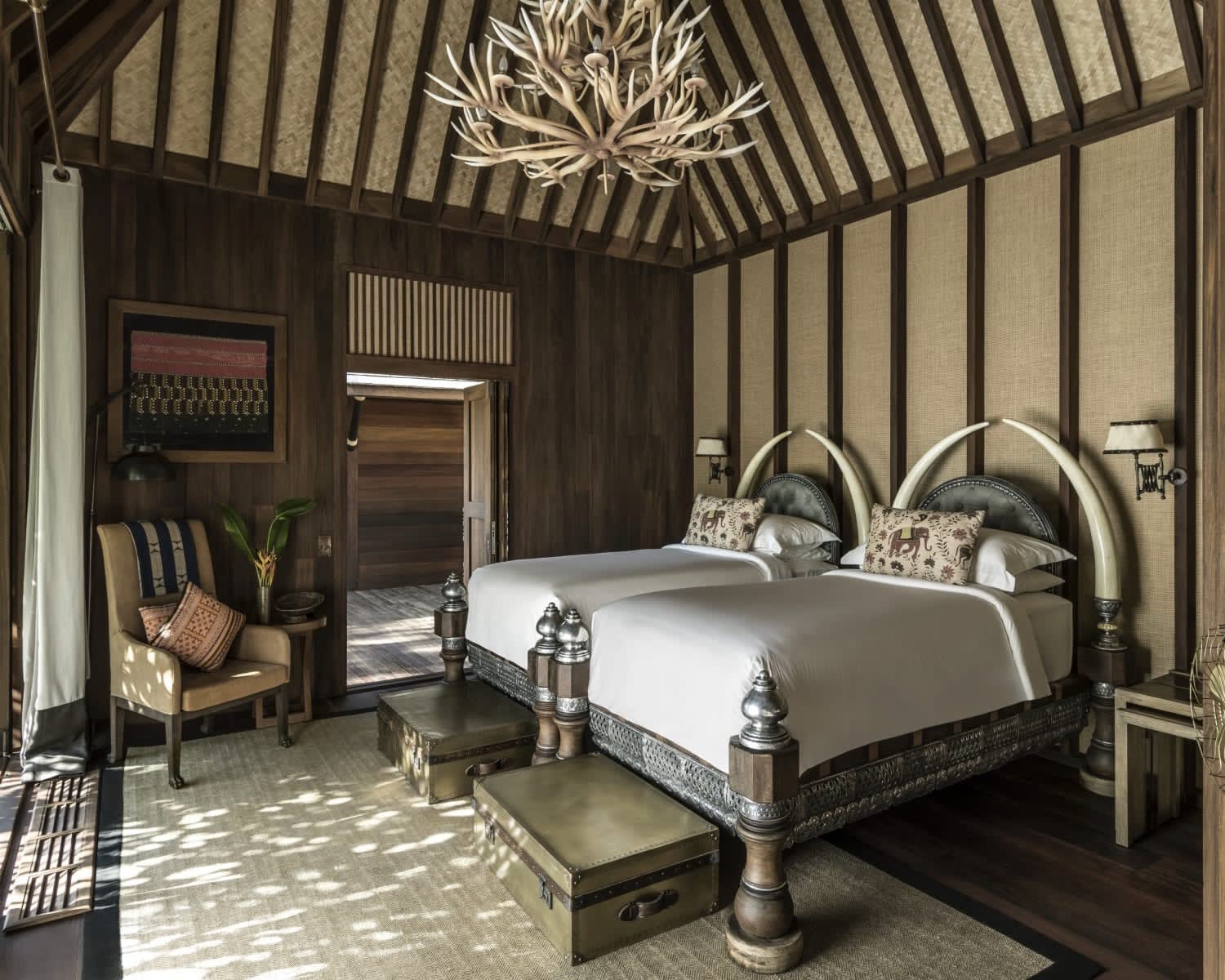
Image courtesy of Four Seasons Tented Camp Golden Triangle
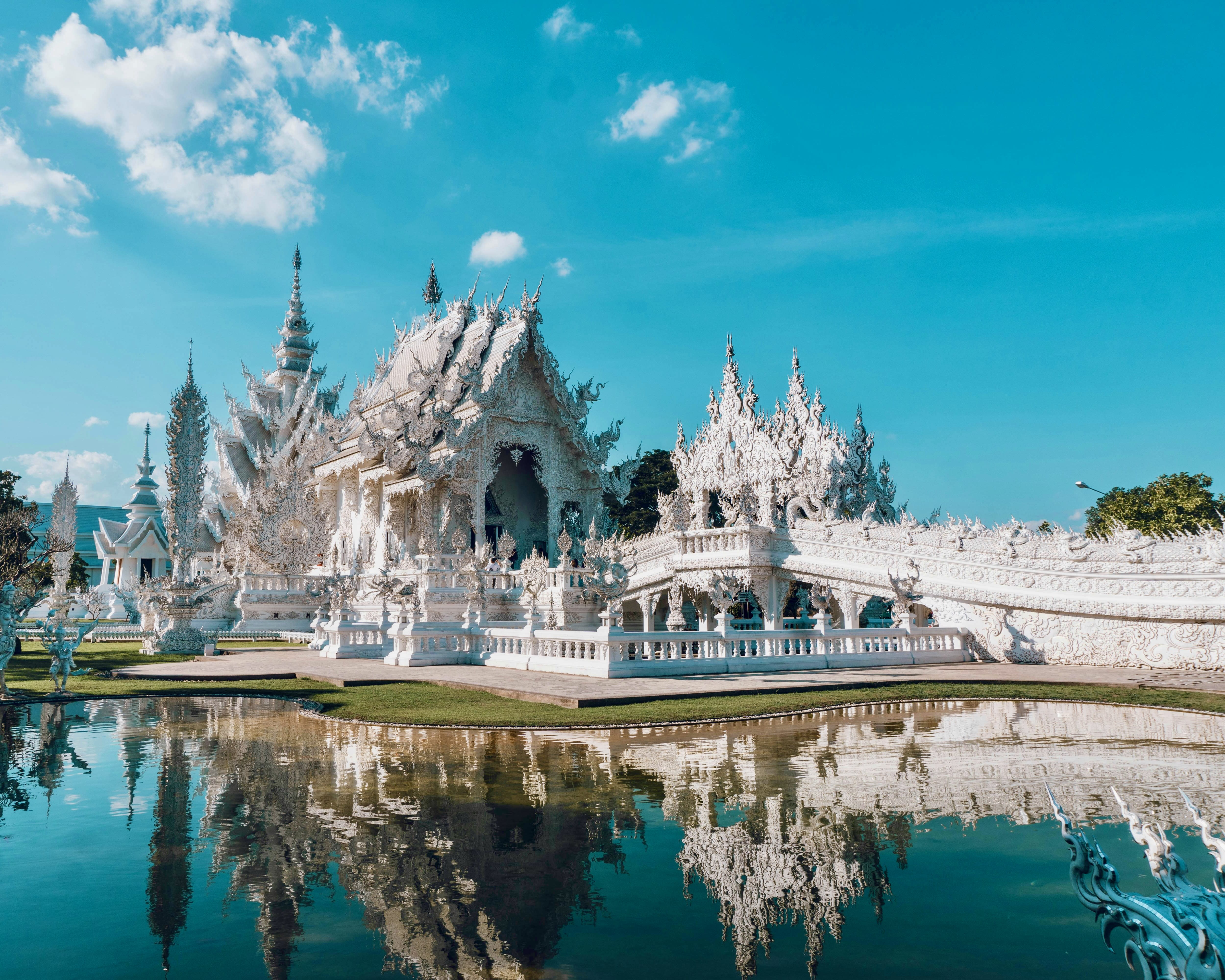
Further north, Chiang Rai blends natural beauty with spiritual artistry. Visit the surreal White Temple, cruise the Maekok River into the Golden Triangle, or learn from local hill communities. The pace is unhurried and landscapes wide open, delivering meaningful cultural experiences.
Where to stay
Four Seasons Tented Camp Golden Triangle: A luxury safari-style camp on the edge of Thailand, Myanmar, and Laos, blending immersive wildlife experiences with elevated comfort.
When you book Four Seasons with Fora, you’ll enjoy exclusive Four Seasons Preferred Partner benefits.
Anantara Golden Triangle Elephant Camp & Resort: Elegant riverside accommodations paired with tropical gardens, infinity pools, and elephant experiences.
Fora Reserve perks include a $100 resort credit, daily breakfast, an upgrade, and extended check-in/out whenever possible.
Phuket and Krabi
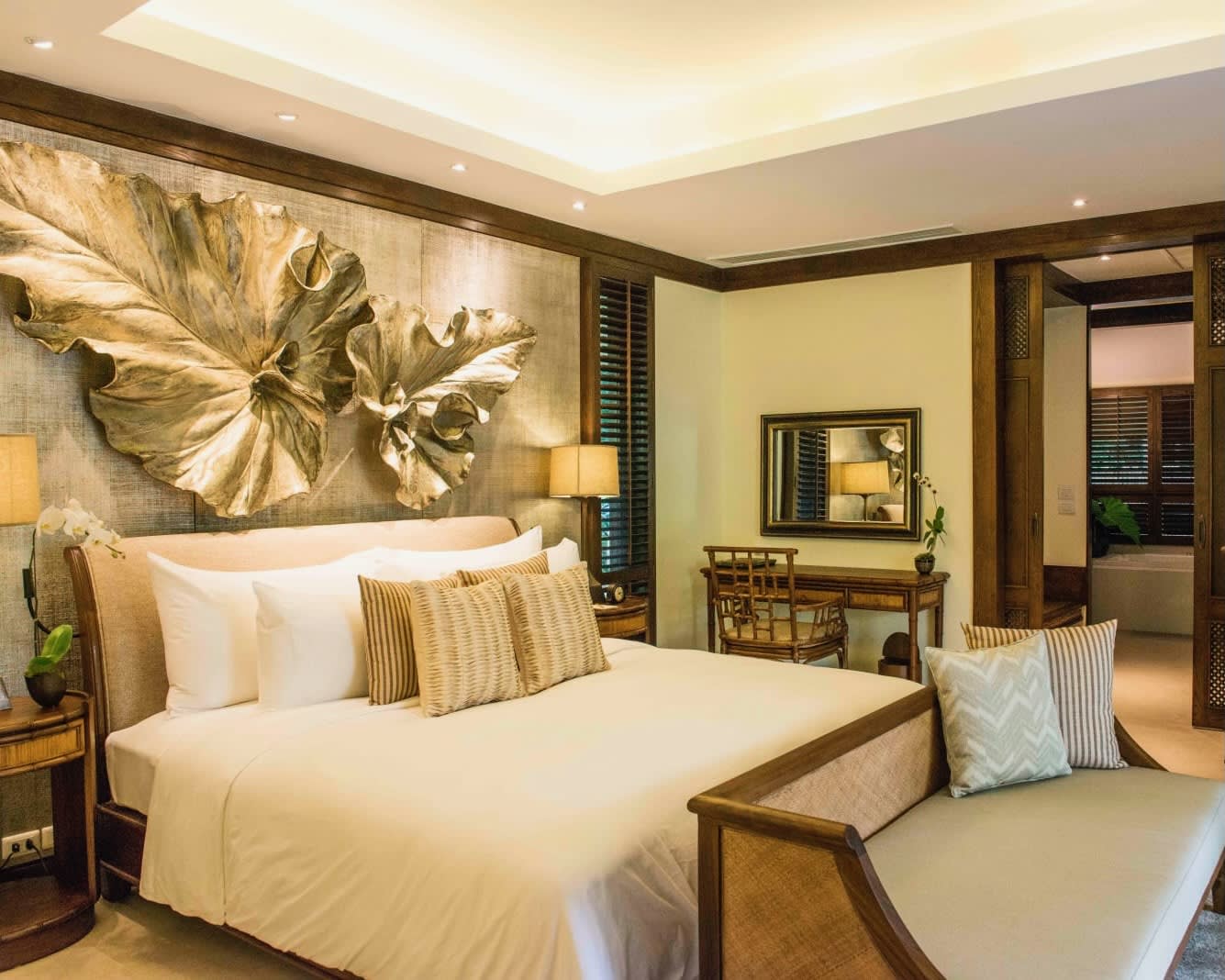
Image courtesy of Rayavadee
Postcard views come to life along southern dramatic coastlines. Phuket’s soft-sand beaches, luxury resorts, and lively nightlife scene pair with excellent diving. Krabi’s limestone cliffs soar above emerald waters, with island-hopping and sea kayaking revealing new perspectives.
Where to stay
Rayavadee: Nestled among limestone cliffs and white sand beaches, this resort combines Thai-inspired pavilions, jungle greenery, and a dramatic beachfront.
Fora Reserve perks include a THB 3,000 resort credit, daily breakfast, round trip Krabi Airport transfers, an upgrade, and extended check-in/out whenever possible.
Amanpuri: This quintessential Phuket retreat offers pavilions and villas framed by tropical gardens, exceptional service, and private pools on a private peninsula.
Fora Perks include a $100 food and beverage credit, daily breakfast, an upgrade, and extended check-in/out whenever possible.
Six Senses Yao Noi: Eco-conscious luxury on a limestone island overlooking Phang Nga Bay with just 56 pool villas and wellness programming.
Fora’s IHG Destined partner perks include a $100 hotel credit, welcome amenity, daily breakfast, an upgrade, and extended check-in/out whenever possible.
Koh Samui
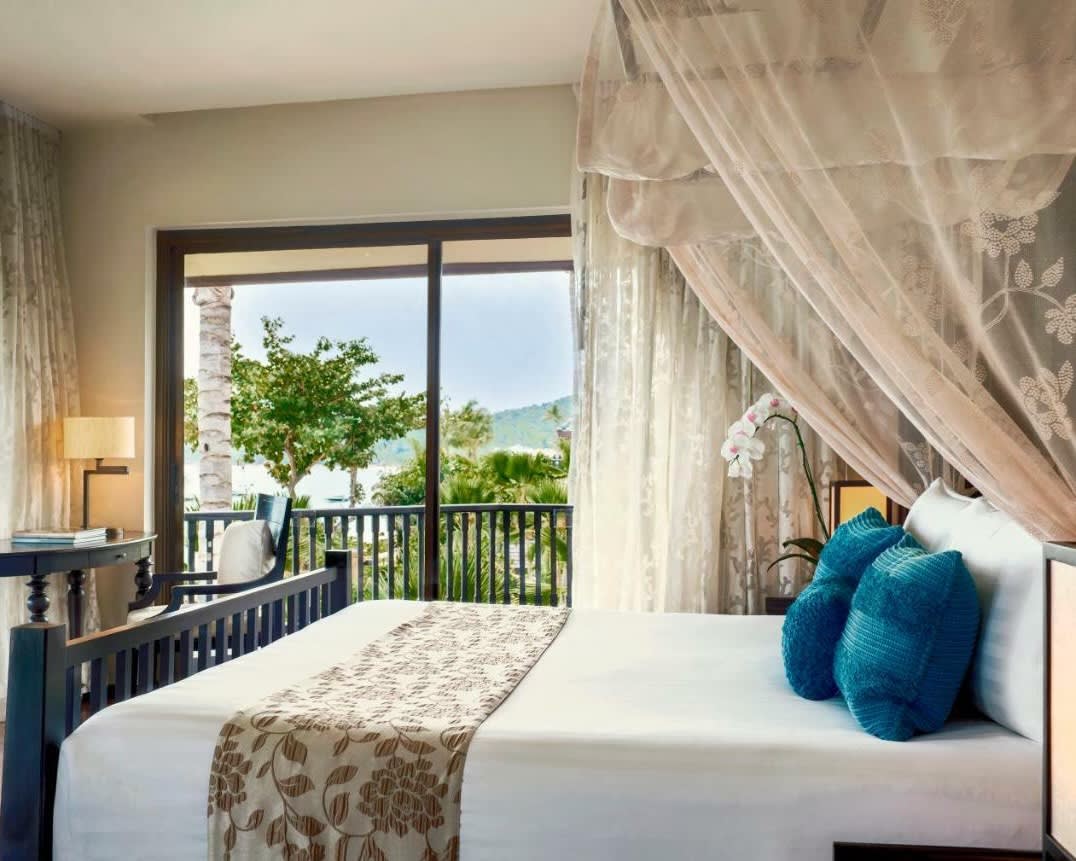
Image courtesy of Anantara Bophut Koh Samui Resort
Palm-lined shores, gentle waves, and a carefree rhythm define the Gulf of Thailand islands. Koh Samui offers elegant beachfront resorts, yoga studios, and beach clubs. Neighboring islands like Koh Phangan and Koh Tao cater to divers, wellness seekers, and laid-back beach lovers.
Where to stay
Four Seasons Resort Koh Samui: Elevated above Chaweng Noi Bay, this resort has hillside villas with sweeping sea views, infinity pools, and refined Thai-inspired design.
When you book Four Seasons with Fora, you’ll enjoy exclusive Four Seasons Preferred Partner benefits.
Anantara Bophut Koh Samui Resort: A beachfront sanctuary featuring contemporary Thai decor, tropical gardens, and excellent dining.
Fora Reserve perks include a $100 spa credit, welcome amenity, an upgrade, and extended check-in/out whenever possible.
Cruising to and around Thailand
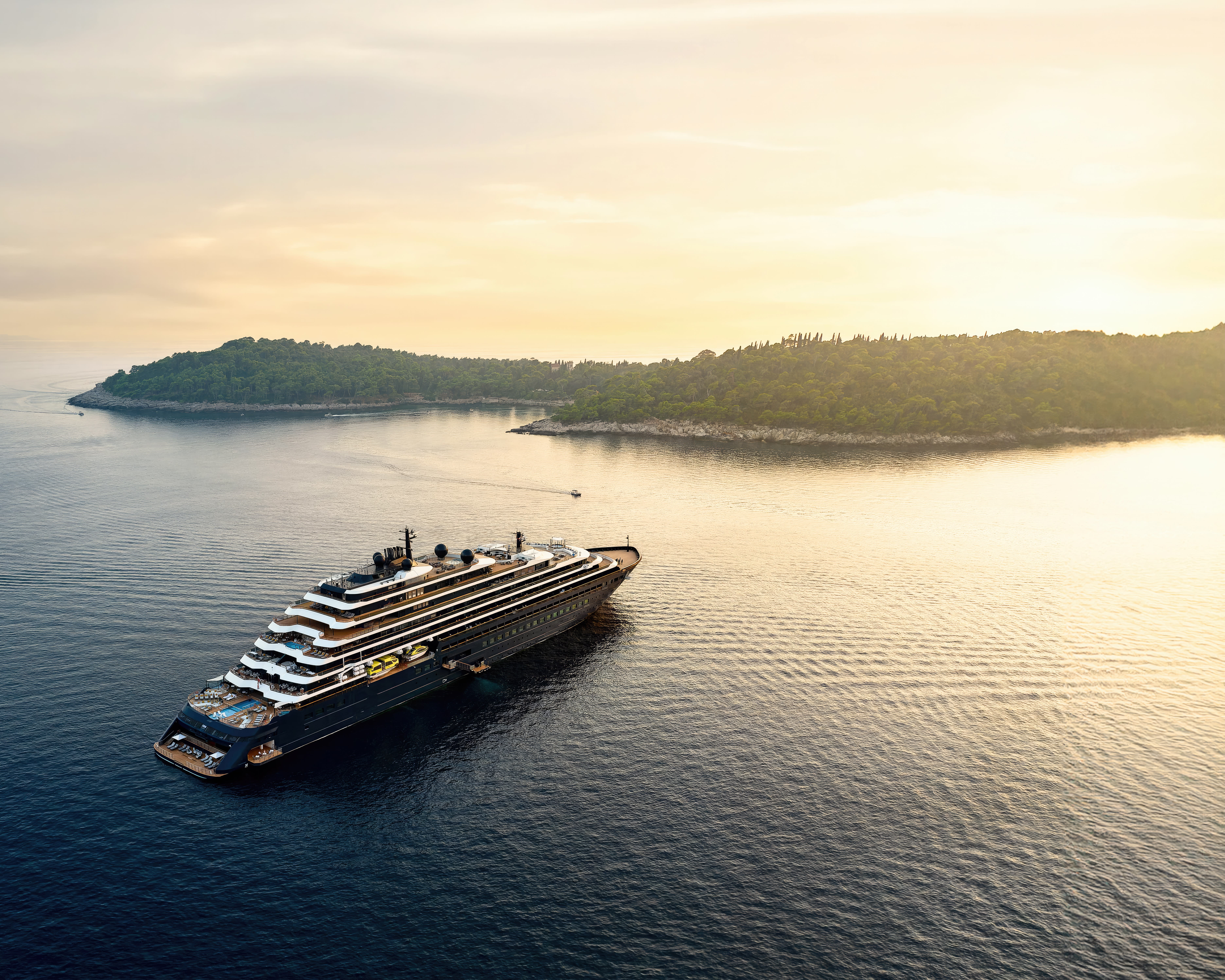
Image courtesy of Ritz Carlton Yacht Collection
Most itineraries make overnight stays in Bangkok, allowing more time to explore its temples, markets, and dynamic food scene. Be aware its port, Laem Chabang, is roughly two hours away from the city. Port calls to Phuket and Koh Samui add beach time and island culture. Select luxury lines venture to lesser-visited ports like Koh Kood, adding a quieter, more intimate experience. Be aware that most ports require tendering, plan accordingly.
Popular itineraries
Hong Kong to Singapore: These longer two-week journeys link two major hubs, tracing the region’s coastlines with calls in Thailand, Vietnam, or the Philippines.
Phuket: Short three- or four-day sailings to Phuket and ports in Malaysia, roundtrip from Singapore, offer an easy introduction to the region’s food, culture, and beaches.
World cruises: Extended voyages typically include multiple days in Bangkok, with sailings from regional 30-day cruises to 100+ day around-the-world voyages.
Notable cruise lines
Ritz-Carlton Cruises: Ultra-luxury, yacht-style experience blending Ritz-Carlton service, spacious suites, and port-focused itineraries.
Fora’s STARS Program partner perks include $250 shipboard credit per suite, welcome amenity, exclusive shore excursion options, enhanced recognition on board, and more.
Celebrity Cruises: Modern premium line pairing contemporary design, elevated dining, and culturally focused shore experiences.
Fora Perks include up to $200 onboard credit per stateroom on select sailings.
Windstar Cruises: Small-ship cruises known for relaxed elegance, immersive itineraries, and access to smaller ports for local cultural experiences.
Fora Perks include up to $300 shipboard credit per stateroom on select voyages.
History and culture
Thailand’s history spans thousands of years, shaped by ancient kingdoms, trade routes, and Indigenous cultures. The Mon, Khmer, and Tai peoples laid early foundations for art, architecture, and spiritual life. The Sukhothai Kingdom followed, establishing classical Thai culture and the written script. Ayutthaya later rose as a powerful center of commerce, diplomacy, and Buddhist artistry, before Bangkok became the capital in the late 18th century, evolving from a riverside trading post into today’s dynamic metropolis.
These layers remain visible across the country, from landmark temples like Wat Pho and Wat Arun to royal palaces, historic markets, and enduring festivals such as Songkran and Loy Krathong. Northern cities like Chiang Mai preserve Lanna architecture and hill tribe traditions, while southern regions blend cultural rituals with island and river life. Together, history and tradition shape a living culture that continues to define Thailand’s identity.
Cultural celebrations and events
Chiang Mai Flower Festival (February, Chiang Mai): A vibrant celebration with elaborate floral floats, parades, and traditional performances.
Songkran Festival (mid-April, nationwide): Thailand’s New Year comes alive with nationwide water fights, temple ceremonies, and community festivities.
Samui Triathlon (April, Koh Samui): A scenic sporting event drawing athletes and spectators to beaches, roads, and coastal trails.
Samui Regatta (May, Koh Samui): Yacht races and festive beachfront activities bring energy and maritime tradition to Koh Samui’s shores.
Ubon Ratchathani Candle Festival (July, nationwide): Towering wax sculptures, cultural performances, and intricate parades marking Buddhist Lent.
Phuket Vegetarian Festival (October, Phuket): Historic festival blending Chinese and Thai traditions, featuring processions, rituals, and displays of abstinence and devotion.
Yi Peng Lantern Festival (November, Chiang Mai): Release floating lanterns into the night sky for good luck, creating a luminous, magical atmosphere.
Loy Krathong Festival (November, nationwide): Decorated baskets drift along waterways to honor the goddess of water, with especially stunning displays in Bangkok.
Phuket King’s Cup Regatta (December, Phuket): Asia’s premier sailing event, combining competitive yacht races with lively parties and social gatherings.
Wonderfruit Festival (December, Pattaya): A four-day arts, music, and sustainability festival featuring immersive installations, performances, and eco-friendly experiences.
Full Moon Parties (monthly, Koh Phi Phi and Koh Phangan): World-famous beach parties with fire dancers, music stages, and all-night celebrations under the full moon.
What to do in Thailand
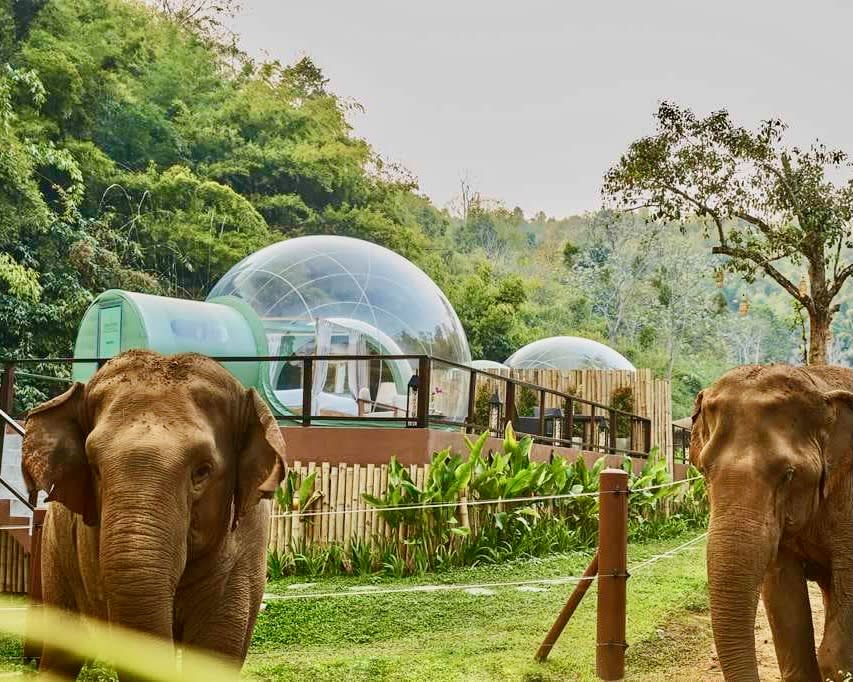
Image courtesy of Anantara Golden Triangle Elephant Camp & Resort
Bustling cities, serene temples, tropical islands, and rich cultural traditions, here are some of the best ways to explore what Thailand has to offer.
Bangkok
Grand Palace and Wat Phra Kaew: Step inside Thailand’s most iconic royal complex, uncovering layers of court history, symbolism, and sacred tradition.
Chao Phraya River: Cruise the city’s historic artery by private longtail or yacht, passing riverside temples, old neighborhoods, and floating markets from the water.
Contemporary art: Explore Bangkok CityCity, H Gallery, and 100 Tonson Gallery, where Thai contemporary and experimental works reflect the city’s creative pulse.
Shopping: Browse ICONSIAM, Asiatique, Siam Paragon, and curated design shops in Sathorn for fashion, jewelry, and artisan pieces with a distinctly local point of view.
Rooftop bars: Toast the city at Sky Bar or Vertigo at Banyan Tree, pairing sunset cocktails with sweeping views of the river and skyline.
Bang Krachao: Escape into Bangkok’s “green lung” for cycling, elevated walkways, or outdoor yoga surrounded by dense tropical foliage.
Chiang Mai
Doi Suthep and Wat Chedi Luang: Visit Chiang Mai’s most revered temples, exploring Lanna architecture, ritual, and centuries of northern Thai spirituality.
Nimmanhaemin Road: Wander a creative neighborhood of boutique cafés, galleries, and independent design shops that showcase the city’s modern side.
Pantawan cooking class: Learn to prepare northern Thai dishes such as khao soi during a private class paired with a guided market visit.
Elephant conservation: Spend a day at Patara Elephant Conservation or Elephant Nature Park, engaging ethically with rescued elephants in a natural setting.
Baan Kang Wat and Thai Silk Village: Browse handcrafted textiles, ceramics, and artisan goods in calm, thoughtfully curated creative enclaves.
Spa: Unwind at The Oasis Spa with herbal therapies and traditional northern Thai treatments in a peaceful, intimate setting.
Chiang Rai
Wat Rong Khun (White Temple): Arrive early to take in the surreal white façades and layered symbolism before the crowds.
Maekok River: Cruise by private boat past riverside villages and rice fields toward the Golden Triangle, where Thailand meets Laos and Myanmar.
Hill tribe villages: Visit community-run villages to learn about weaving, silverwork, and daily life through respectful, immersive exchanges.
Baan Dam Museum: Explore Thawan Duchanee’s striking Black House complex, where contemporary art meets traditional northern Thai forms.
Viewpoints: Hike around Doi Mae Salong or Phu Chi Fa for sweeping highland vistas, misty mornings, and standout photography.
Phuket and Krabi
Phi Phi Islands: Charter a private yacht for snorkeling in clear water, quiet beach picnics, and time in hidden coves far from the day boats.
Phang Nga Bay: Kayak past towering limestone karsts to James Bond Island and Koh Panyee, weaving through sea caves and stilted fishing villages.
Phuket Old Town: Wander pastel Sino-Portuguese streets lined with boutique cafés, local design shops, and thoughtfully placed street art.
Sea kayaking: Paddle through towering limestone karsts, slipping into sea caves and quiet lagoons before landing on secluded beaches framed by sheer cliffs.
Krabi: Climb to Tiger Cave Temple for sweeping views, swim in the Emerald Pool, or tackle limestone routes for a dose of adventure.
Railay Beach: Join a private climbing or kayaking excursion to explore dramatic cliffs and turquoise water at an unhurried pace.
Koh Samui
Ang Thong National Marine Park: Hike rainforest trails to hidden lagoons and high viewpoints overlooking the Gulf of Thailand’s emerald seascape.
Na Muang Waterfalls and Secret Buddha Garden: Escape inland to shaded falls and sculptural gardens tucked into Samui’s hills.
Wat Plai Laem and Wat Lamai: Admire intricate statues, calm lakeside settings, and contemporary temple architecture rooted in Buddhist tradition.
Fisherman’s Village: Browse boutique shops and linger at seaside cafés and refined island dining along the evening walking street.
Yacht charter: Set out from Andara Resort and Villas to snorkel clear water and explore quiet, uninhabited islands nearby.
Tamarind Springs Forest Spa: Recharge in open-air jungle pavilions with traditional Thai wellness treatments and herbal therapies.
Koh Tao: Dive or snorkel coral gardens and abundant marine life in crystal clear water.
Where to eat in Thailand
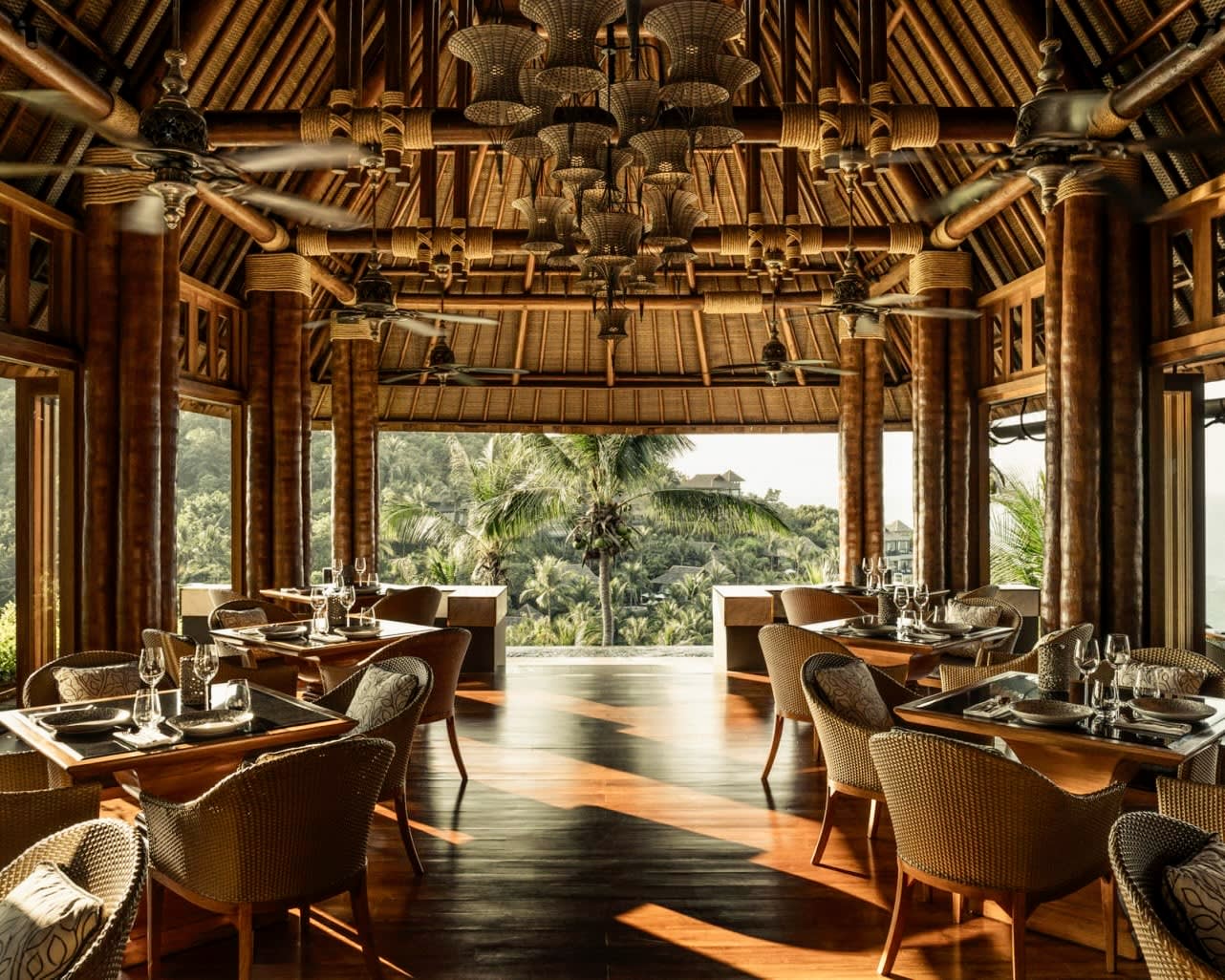
Image courtesy of KOH Thai Kitchen at Four Seasons Resort Koh Samui
From street-side stalls to polished dining rooms, Thailand’s food scene balances bold flavors, regional traditions, and effortless hospitality.
Bangkok
Gaggan (Lumphini): A theatrical, high-concept dining room pushing Indian cuisine into bold, inventive territory.
Sorn (Thonglor): Rooted in Southern Thai traditions, this intimate restaurant delivers deeply researched flavors through meticulous courses.
Haoma (Asoke): A garden-driven tasting menu centered on sustainability and seasonality, for an experience that feels immersive and thoughtful.
POTONG (Chinatown): Set in a historic Chinatown building, blending Thai Chinese heritage with modern technique, bold flavors, and striking presentation.
Quince (Sukhumvit): Relaxed yet polished Mediterranean-inspired dishes with a focus on quality ingredients and clean execution.
Nusara (Rattanakosin Island): Contemporary Thai food in a sleek setting with plates that reinterpret classic recipes with finesse and a modern edge.
Sühring (Yan Nawa): Elevated German cuisine, with tasting menus that highlight technique, balance, and European tradition.
Street food: Head to the sprawling open-air Chatuchak Weekend Market, Yaowarat’s late-night carts, and the high-energy Khao San Road.
Bars and nightlife: Grab a drink at one of the highest rooftop bars in the world at Sky Bar, stylish speakeasy Rabbit Hole, or the theatrical 1930s-esque Sing Sing.
Chiang Mai
Anchan Vegetarian Restaurant: Plant-forward Thai cooking built around freshness and balance, with a clear commitment to sustainability and mindful sourcing.
Pun Pun Organic Restaurant: A farm-driven menu rooted in organic produce and local agriculture, delivering comforting Thai flavors with purpose.
Cuisine de Garden: Michelin-recommended and inventive, reworking familiar Thai flavors through modern technique and refined presentation.
Le Crystal Restaurant: Classic French cuisine served riverside, pairing polished plates with an elegant, romantic setting.
Palette Restaurant at 137 Pillars House: Creative, contemporary dishes in a serene heritage setting for an elevated evening.
THE HOUSE by Ginger: Contemporary Thai cooking with bold flavors, wrapped in a stylish space that’s long been a local favorite.
The Gallery Restaurant: Traditional Thai dishes served inside a riverside art gallery.
Chiang Rai
Favola at Le Méridien Chiang Rai Resort: Classic Italian cooking served riverside, pairing refined plates with an elegant, unhurried atmosphere.
Leelawadee at The Legend Chiang Rai: Polished Thai cuisine with contemporary technique, set within a serene riverside resort for a quietly elevated dining experience.
Chivit Thamma Da Coffee House: Cozy yet refined, known for homemade cakes, organic coffee, and comforting dishes in a gardenlike setting along the river.
The White House: A stylish dining room offering well-executed Thai and Western dishes, balancing sophistication with approachability.
The Riverie by Katathani: Upscale dining with sweeping Kok River views, featuring thoughtfully presented Thai and international dishes with a gourmet touch.
Phuket and Krabi
PRU (Phuket): An understated Michelin-starred dining room highlighting hyper-local ingredients through refined, sustainability-driven tasting menus.
Acqua Restaurant (Phuket): A sleek, contemporary space delivering creative Italian cuisine with precision, ideal for an elegant night out.
Blue Elephant Cooking School & Restaurant (Phuket): Classic Thai recipes served in a vibrant heritage setting, blending culinary tradition with polished execution.
Mom Tri's Kitchen (Phuket): Seafood-forward menus paired with panoramic ocean views, where terrace dining and fresh flavors take center stage.
Mrs B Bar & Table (Phuket): Casual and energetic, serving Thai and international plates alongside cocktails, with outdoor seating that keeps the atmosphere buzzing.
Tunk-Ka Café (Phuket): A hillside favorite serving Thai and international classics, best enjoyed for its panoramic city views and laid-back charm.
Suay Restaurant (Phuket): Trend-driven Thai and Western fusion with bold flavors, creative plating, and a contemporary, energetic vibe.
Cielo & Spice at the Trisara Resort (Phuket): Enjoy a seaside jazz brunch frequented by locals, featuring fresh, vibrant dishes in a luxurious oceanfront setting.
Ruen Mai (Krabi): Traditional Thai cooking served in a peaceful garden setting, highlighting classic recipes and regional flavors.
The Grotto at Rayavadee (Krabi): A truly memorable setting tucked into a limestone cave, where beachfront dining pairs dramatic scenery with refined cuisine.
Koh Samui
Dining on the Rocks at Six Senses Samui: A dramatic open-air setting pairing refined cuisine with sweeping ocean views and a sense of quiet ceremony.
Zazen Restaurant: A chic restaurant and bar with plush seating, calm energy, and front-row views over the water.
Barracuda Restaurant: A modern, boutique spot for seafood-forward menus with global influences on a stylish open-air terrace overlooking the sea.
KOH Thai Kitchen at Four Seasons Resort Koh Samui: Polished Thai cooking served in an elegant dining room, elevated by panoramic Gulf of Thailand views.
Tree Tops: A romantic, elevated dining experience set among the treetops, where private tables and sea breezes set the tone.
Coco Tam’s: A lively beachside favorite for cocktails, shared plates, and sunset energy right on the sand.
Day trips in Thailand
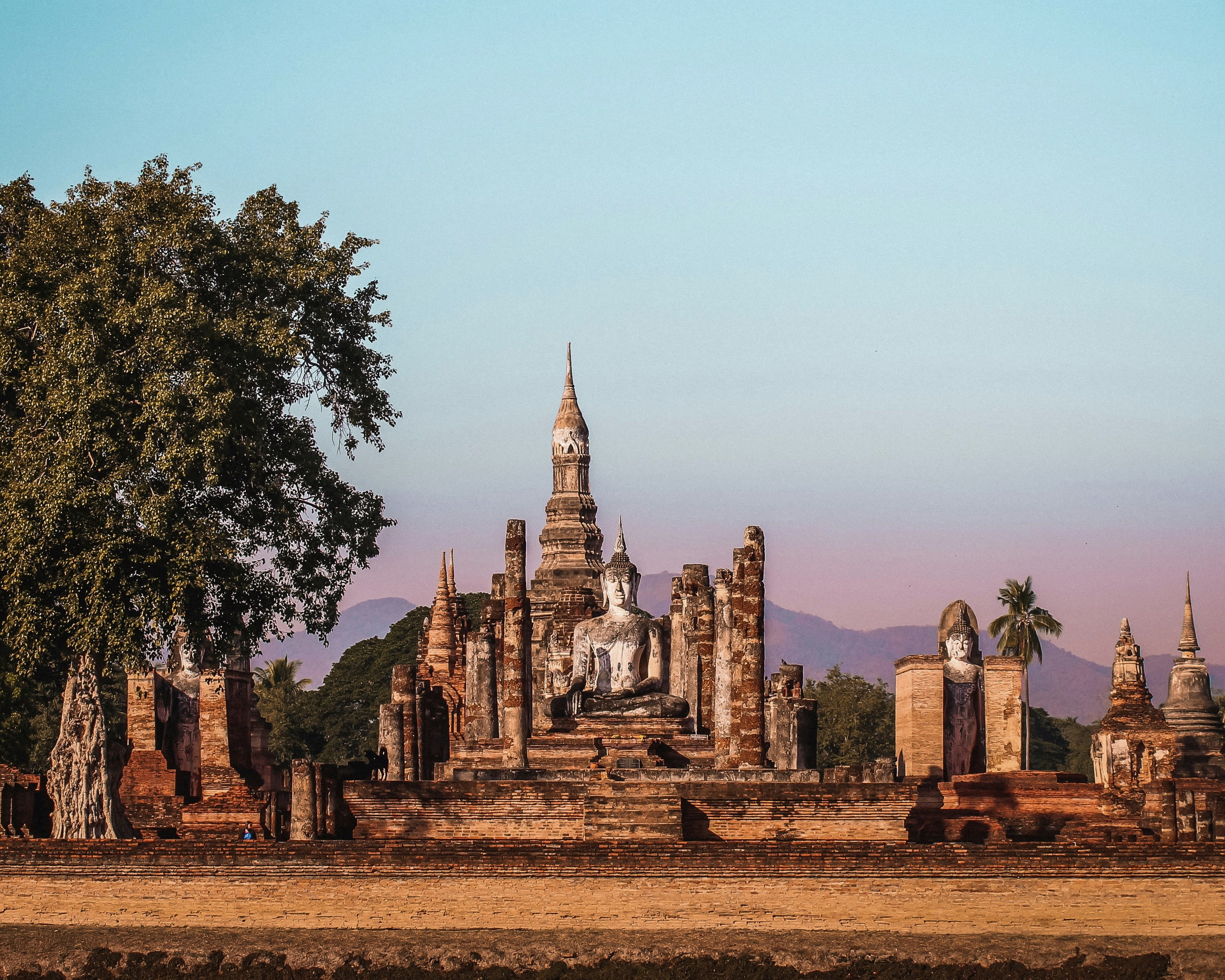
Ancient kingdoms, river markets, national parks, and charming mountain towns are all within easy reach of Thailand’s biggest cities.
Ayutthaya (1-hour drive from Bangkok): Explore the temples and palace ruins of the former Siamese capital, a UNESCO World Heritage site.
Sukhothai (1-hour flight or 5-hour drive from Bangkok): Wander the quiet temples and lotus-lined ponds of Sukhothai Historical Park, the UNESCO-listed first capital of Thailand.
Damnoen Saduak Floating Market (1.5-hour drive from Bangkok): Glide through a colorful maze of canals as vendors sell fruit, noodles, and handmade goods from longtail boats.
Kanchanaburi (2-hour drive from Bangkok): Visit the historic Bridge over the River Kwai, war museums, and the Erawan National Park.
Hua Hin (2.5-hour drive from Bangkok): A seaside escape with golden beaches, lively night markets, and refined resorts perfect for a relaxed coastal day.
Pai (3-hour drive from Chiang Mai): Slow down in this mountain town known for its hot springs, dramatic canyon viewpoints, creative cafés, and mellow, bohemian spirit.
Trips to add on
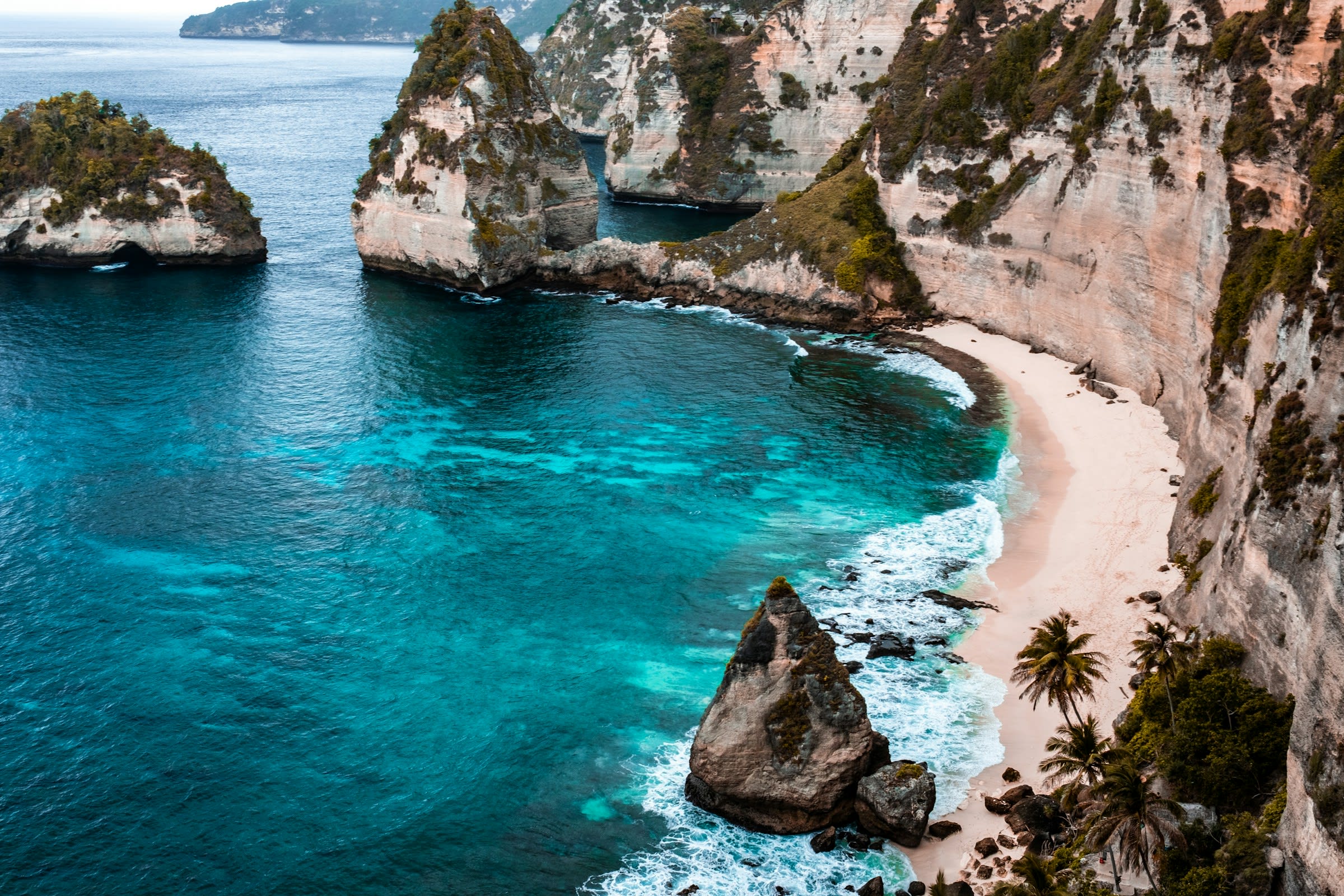
Thailand is an ideal jumping-off point for exploring Southeast Asia’s cultural capitals and island escapes, each only a short flight away.
Siem Reap, Cambodia (1-hour flight): Step into the storied world of Angkor, where ancient temples rise from the jungle and sunrise silhouettes the iconic spires of Angkor Wat.
Luang Prabang, Laos (1.5-hour flight): A serene riverside city framed by temples,untouched landscapes, and peaceful villages along the Mekong River.
Singapore (2-hour flight): A sleek, cosmopolitan hub with jaw-dropping architecture, world-class dining, and futuristic gardens bright with color after dark.
Hong Kong (2.5-hour flight): A vibrant blend of towering skylines, hidden alleyway eateries, and endless shopping in one of Asia’s most kinetic cities.
Bali, Indonesia (4-hour flight): A tropical icon where volcanic peaks and terraced hillsides meet soft-sand beaches and a rich artistic heritage.
If not Thailand…

Echoing Thailand’s energy, deep cultural roots, and idyllic coastlines, these destinations offer similar vibes with a different take.
Greece: Ancient mythology meets blue seas across Athens and the Greek Isles. Historic temples, cliffside villages, and sun-warmed shores offer equal parts culture and coastal escape.
Vietnam: A frequent favorite among Thailand lovers, with buzzing cities, emerald countryside, and a sandy coastline. Add world-famous cuisine and a rich heritage, and the parallels shine.
Brazil: Samba rhythms, rainforest wonders, and iconic beaches like Copacabana create a spirited blend of culture and coastline with high energy from sun-up to long after sunset.
India: A kaleidoscope of spirituality, sensory overload, and architectural marvels. For travelers drawn to Thailand’s cultural intensity, this is an unforgettable leap into history and tradition.