
Seoul is where centuries-old tradition meets cutting-edge modernity, creating a city that’s constantly in motion yet rooted in culture. In neighborhoods like Myeongdong and Gangnam, neon-lit streets pulse with shopping, dining, and nightlife. Insadong and Bukchon Hanok Village offer glimpses of ancient temples, hanok homes, and artisan crafts. Food experiences range from sizzling street stalls to refined Korean barbecue and Michelin-starred restaurants. Beyond the city, hikes in Bukhansan National Park, a cruise along the Han River, and day trips to the DMZ reveal Korea’s natural beauty and historical depth.
Whether it’s culinary adventures, design and shopping culture, or immersive history, Seoul delivers a mix of experiences that feel dynamic and intentional.
Need to know
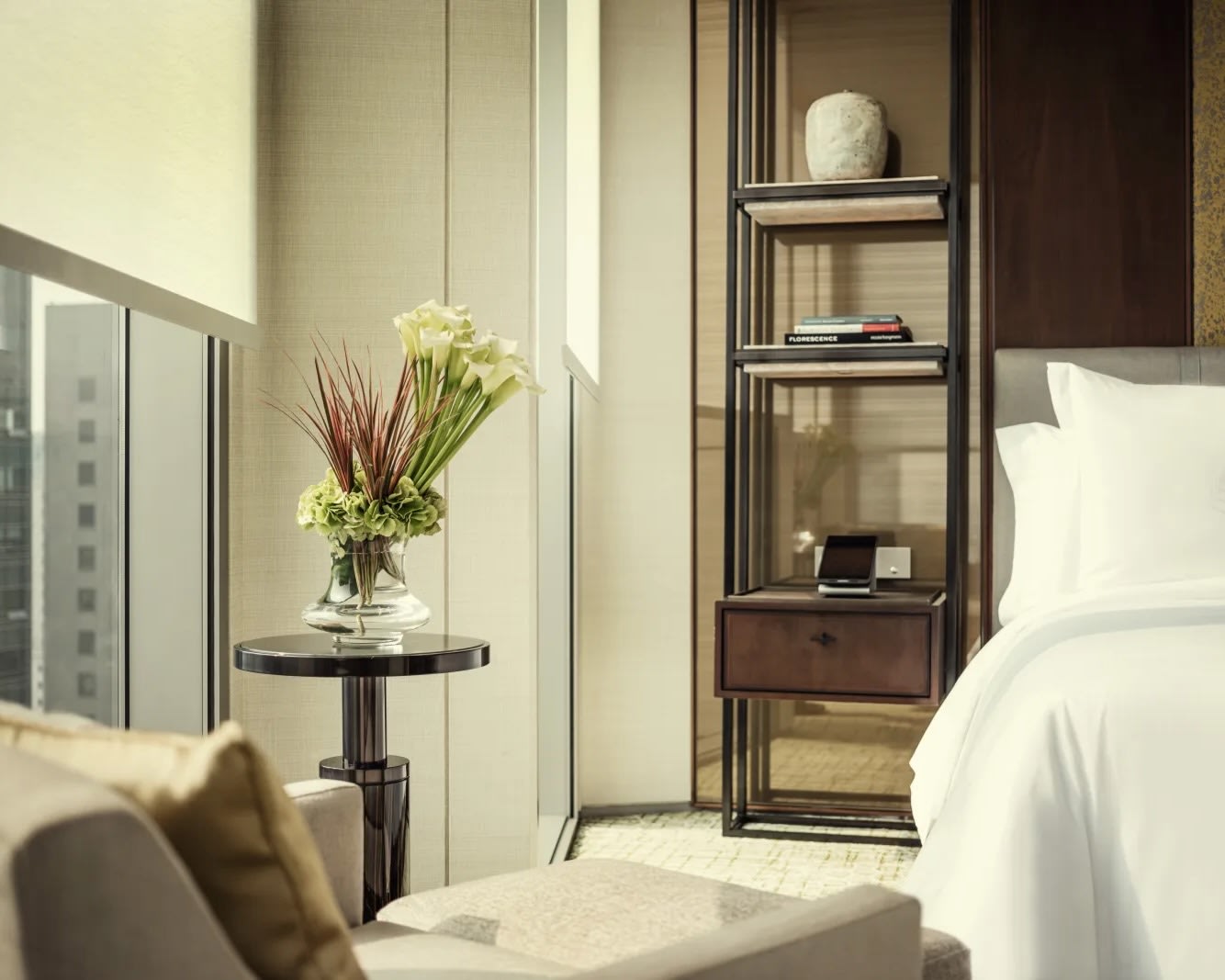
Image courtesy of Four Seasons Hotel Seoul
Before diving into Seoul, it helps to understand practical details to make navigating Seoul smooth and enjoyable.
Currency: South Korea uses the South Korean won (KRW). Credit cards are widely accepted across hotels, restaurants, and shops, but cash is still useful for small vendors, local markets, and street food stalls. Tipping is not customary and is generally frowned upon.
Languages: Korean is the national language, though English is commonly understood in major tourist areas. Google Translate will be your friend, but learning a few phrases is appreciated.
Key phrases: annyeonghaseyo (hello), gamsahamnida (thank you), jebal (please), sillyehamnida (excuse me), eotteoke jinaeseyo (how are you), ne / aniyo (yes / no), hangugeoreul mothaeyo (I don’t speak Korean), yeongeo haseyo (do you speak English).
Airports: Incheon International Airport (ICN) is Seoul’s main gateway. Non-stop flights arrive from cities like New York, London, and Mexico City. Seoul’s Gimpo International Airport (GMP) serves domestic routes and several East Asian cities, like Tokyo, Shanghai, and Taipei.
Transportation: Seoul’s public transit system makes it easy to move between airports, landmarks, and across the city. Central areas are walkable and explored well on foot.
Best time to visit: Seoul is a true year-round city with distinct seasons, similar to New York City’s climate. Spring (March–May) offers mild temperatures and cherry blossoms across parks and palace grounds. Summer (June–August) is hot, humid, and rainy, perfect for museums, cafés, and nightlife. Fall (September–November) brings crisp air, clear skies, and vibrant foliage for strolling the city or hiking nearby mountains. Winter (December–February) is cold, with occasional snow, requiring warm layers, especially if pairing Seoul with warmer destinations.
Ideal length of stay: Plan a minimum of three nights to experience Seoul. One week or more allows visiting Busan, Gyeongju, or Jeju Island. Seoul is a great stopover destination to other places across Asia. Longer stays work best for K Beauty treatments, allowing time for recovery.
Signature dishes and drinks:
Samgyeopsal: Thick-cut pork belly grilled tableside, wrapped in lettuce with garlic and spicy ssamjang sauce.
Bibimbap: A balanced bowl of rice topped with vegetables, meat, egg, and gochujang (fermented chili paste).
Kimchi: Fermented cabbage or radish seasoned with chili and garlic.
Samgyetang: Ginseng chicken soup filled with rice, jujube (Chinese date), and herbs.
Kalguksu & Mandu: Knife-cut noodle soups and dumplings.
Seafood: Fresh flounder, octopus, and clams, grilled or simmered in stews.
Bingsu: Finely shaved ice topped with fruit, condensed milk, or sweet pastes.
Makgeolli & Soju: Traditional rice wine and distilled spirits.
Tea: Green, barley, and herbal infusions served in quiet teahouses.
Coffee: From pour-overs and espresso to dalgona (whipped) coffees.
What to wear: Seasons are distinct, so pack with the weather in mind. Light, breathable layers work well for daytime, while smart casual fits in naturally at upscale restaurants and rooftop bars. Comfortable walking shoes are essential for navigating city streets, gardens, and cultural sites. Modest coverage is recommended when visiting temples or religious spaces.
Travel tips:
Shopping: Clothing and shoe sizing runs smaller than in the U.S., with limited availability for extended sizes. Prices are expensive, not bargain-focused.
K-beauty treatments: Book appointments well in advance. Medical-style treatments may require recovery time and restrict flying. Avoid medical-grade procedures.
Alcohol: The legal drinking age is 19. Alcohol is served in licensed restaurants and bars, while public drinking is generally discouraged.
Medications: Bring prescriptions in original packaging. Pharmacies are well stocked and easy to find throughout the city.
Cultural awareness: Modest dress is expected at temples and religious sites. Always ask permission before photographing locals, especially in traditional neighborhoods.
Public behavior: Seoul is orderly and relatively quiet in shared spaces. Keep noise low on public transport, in parks, and at cultural sites.
KakaoTalk: Mobile app that’s essential for daily life in Korea, used for messaging alongside payments, taxis, and reservations by individuals and businesses.
Seoul
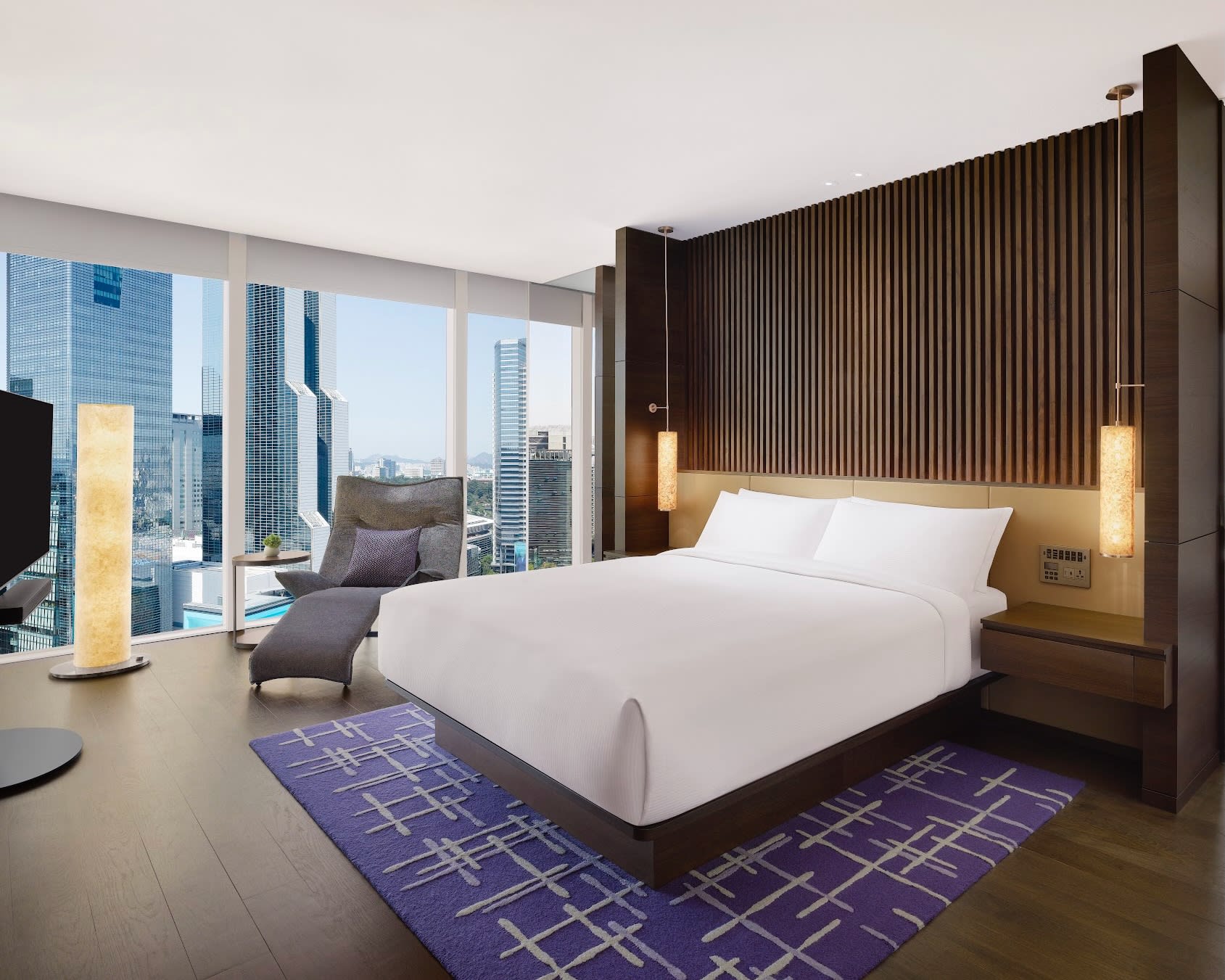
Image courtesy of Park Hyatt Seoul
Seoul is where royal palaces and hanok-lined streets sit against a backdrop of glass towers and neon-lit avenues. Wander Gyeongbokgung, Bukchon, and Samcheong-dong for a sense of the city’s historic heart, where small galleries and quiet cafés sit between palace walls. Myeongdong brings street food energy, while Hongdae adds a creative pulse with live music, late-night cafés, and youthful style. South of the river, Gangnam anchors the modern city with skincare flagships, polished shopping, and proximity to the financial district. Nearby Apgujeong-dong leans stylish and social, known for boutiques, dining, and green spaces like Dosan Park. Seongsu rounds things out with a former industrial edge turned creative hub, filled with concept cafés, studios, and design-driven shops. Dynamic and layered, Seoul rewards curiosity with contrast at every turn.
Where to stay
The Shilla Seoul: A grand, heritage hotel blending classic elegance with modern comfort, known for its immaculate gardens and attentive service. Refined rooms, destination dining, and a tranquil spa make it a favorite for travelers seeking timeless sophistication.
“It’s one of the very few hotels in Seoul with an outdoor pool, which is a great amenity when the weather is hot,” says Fora Advisor Kristyne Wada.
Fora perks include a $100 hotel credit, daily breakfast, welcome amenity, an upgrade, and extended check-in/out whenever possible.
Signiel Seoul: Elevated luxury set high above the city in the Lotte World Tower, offering sweeping skyline and Han River views. Sleek interiors, a serene spa, and polished dining create a dramatic, design-forward stay with a sense of quiet exclusivity.
Fora Perks include a $100 food and beverage credit, daily breakfast, an upgrade, and extended check-in/out whenever possible.
Park Hyatt Seoul: Contemporary and understated, with floor-to-ceiling windows framing city views and minimalist interiors. The atmosphere is calm and intimate, complemented by a refined spa and thoughtful, personalized service.
Fora’s Hyatt Privé partner perks include a hotel credit, welcome amenity, daily breakfast, an upgrade, and extended check-in/out whenever possible.
Naru Ambassador Hotel Seoul - MGallery Collection: Modern riverside retreat, balancing clean design with artistic touches inspired by Korean culture. Calm, airy spaces and scenic views make it a relaxed yet polished base in the city.
Fora’s Accor Preferred partner perks include a $100 hotel credit, daily breakfast, an upgrade, and extended check-in/out whenever possible.
Mondrian Seoul Itaewon: Bold, creative, and social, with design-led interiors and a lively energy. Rooftop views, stylish dining, and a central Itaewon location appeal to travelers drawn to culture, nightlife, and contemporary design.
Fora’s Accor Preferred partner perks include a $100 hotel credit, daily breakfast, an upgrade, and extended check-in/out whenever possible.
Four Seasons Hotel Seoul: A refined urban sanctuary near historic palaces and cultural landmarks. Spacious rooms, exceptional dining, and seamless service create a polished stay that blends modern luxury with a strong sense of place.
When you book Four Seasons with Fora, you’ll enjoy exclusive Four Seasons Preferred Partner benefits.
Cruising to and around Seoul
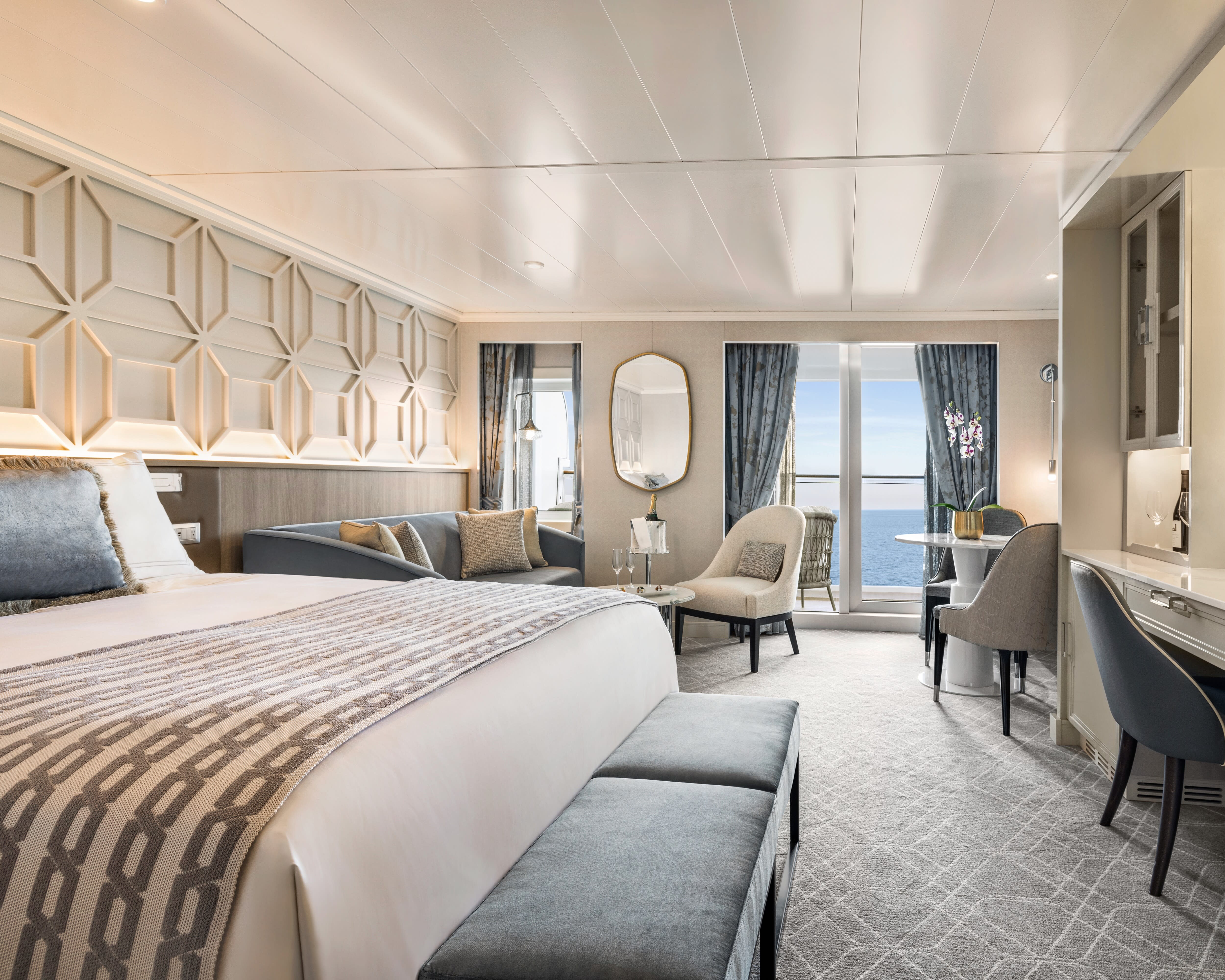
Image courtesy of Oceania Cruises
Cruises to Seoul dock in Incheon, about one to one and a half hours from central Seoul, making advance planning essential for a smooth experience. Enjoy a guided day tour or a short pre- or post-cruise stay, though Seoul rewards more time than a quick one day port call allows. Most sailings range from seven to fourteen days and pair Korea with nearby countries, positioning Seoul as a meaningful complement within a larger Asia journey.
Popular itineraries
Japan: The most common routing, blending Seoul with Japanese ports such as Tokyo, Osaka, and coastal cities. These itineraries balance modern cities with historic sites.
China: Some routes include ports in China, from Shanghai to Tianjin near Beijing. Expect major cities, cultural landmarks, and scenic countrysides.
Notable cruise lines
Ritz-Carlton Yacht Club: Ultra-luxury, yacht-style experience with an intimate, residential feel. All-suite accommodations, refined dining, and destination-focused itineraries emphasize relaxed elegance and personalized service.
Fora’s STARS Program partner perks include $250 shipboard credit per suite, welcome amenity, exclusive shore excursion options, enhanced recognition on board, and more.
Celebrity Cruises: Modern premium line pairing stylish ships with elevated dining and thoughtfully designed itineraries. Expect immersive shore experiences, enrichment programming, and a balance of cultural exploration and onboard comfort.
Fora Perks include up to $200 onboard credit per stateroom on select sailings.
Oceania Cruises: Refined, destination-driven line known for culinary excellence and smaller ships that access less-visited ports. Voyages focus on longer stays, curated excursions, and a sophisticated, unhurried onboard atmosphere.
Virtuoso Voyages Hosted Benefits available on select sailings.
History and culture
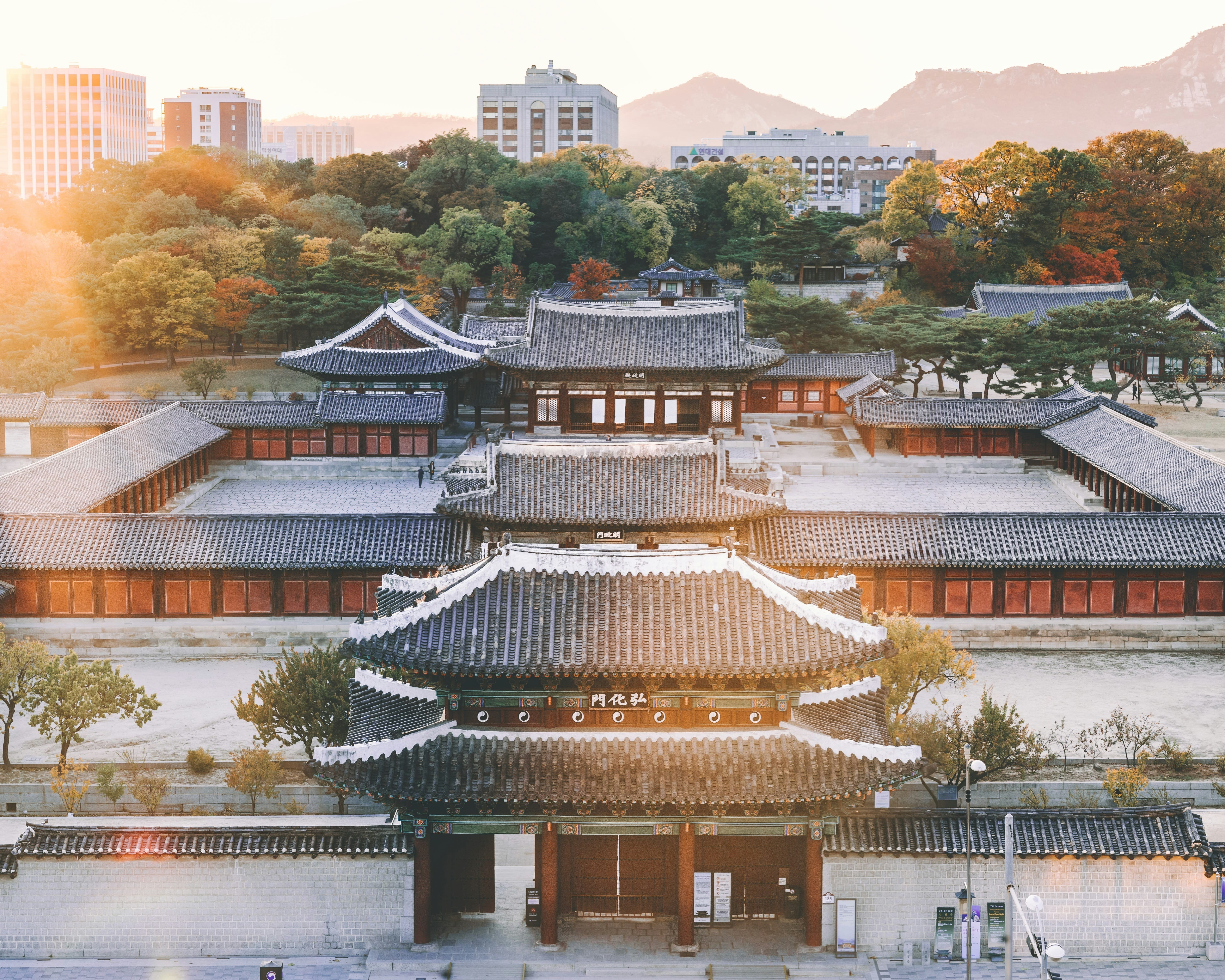
Seoul’s story is shaped by its role as a political and cultural heart of the Korean Peninsula. The city became the capital during the Joseon Dynasty in 1394, guided by Confucian ideals that still influence Korean society today, from respect for elders to rituals honoring ancestry. Royal palaces such as Gyeongbokgung and Changdeokgung were carefully positioned to reflect a harmony between architecture, nature, and spiritual balance.
Over centuries, Seoul endured invasions, colonization, and war, yet its identity remained resilient. Traditions like ancestral rites and temple ceremonies have been preserved through language, cuisine, and seasonal customs. Today, travelers experience this layered history in palace grounds framed by modern skylines, preserved hanok neighborhoods of, and the quiet reverence of UNESCO-listed Jongmyo Shrine, where royal ancestral rituals are still performed.
Cultural celebrations and special events
Seollal (January/February, citywide): Korea’s Lunar New Year with ancestral rituals, hanbok-wearing, and festive meals.
Cherry Blossom Festival (April, Yeouido & Seokchon Lake): Streets and riversides bloom with pink blossoms and bring seasonal snacks to street stalls.
Chuseok (September/October, citywide): Korea’s harvest festival, with family gatherings, songpyeon rice cakes, and familial customs.
Seoul Lantern Festival (November, Cheonggyecheon Stream): Illuminated lanterns along a restored stream, themed around cultural stories or global unity.
Seoul Film Events (various dates): Film screenings, premieres, and panel discussions take place throughout the year from the CGV Arthouse to Dongdaemun Design Plaza.
K-Pop concerts (year-round, various venues): From K-Pop performances in Gangnam and Olympic Stadium, Seoul offers music events all year.
What to do in Seoul
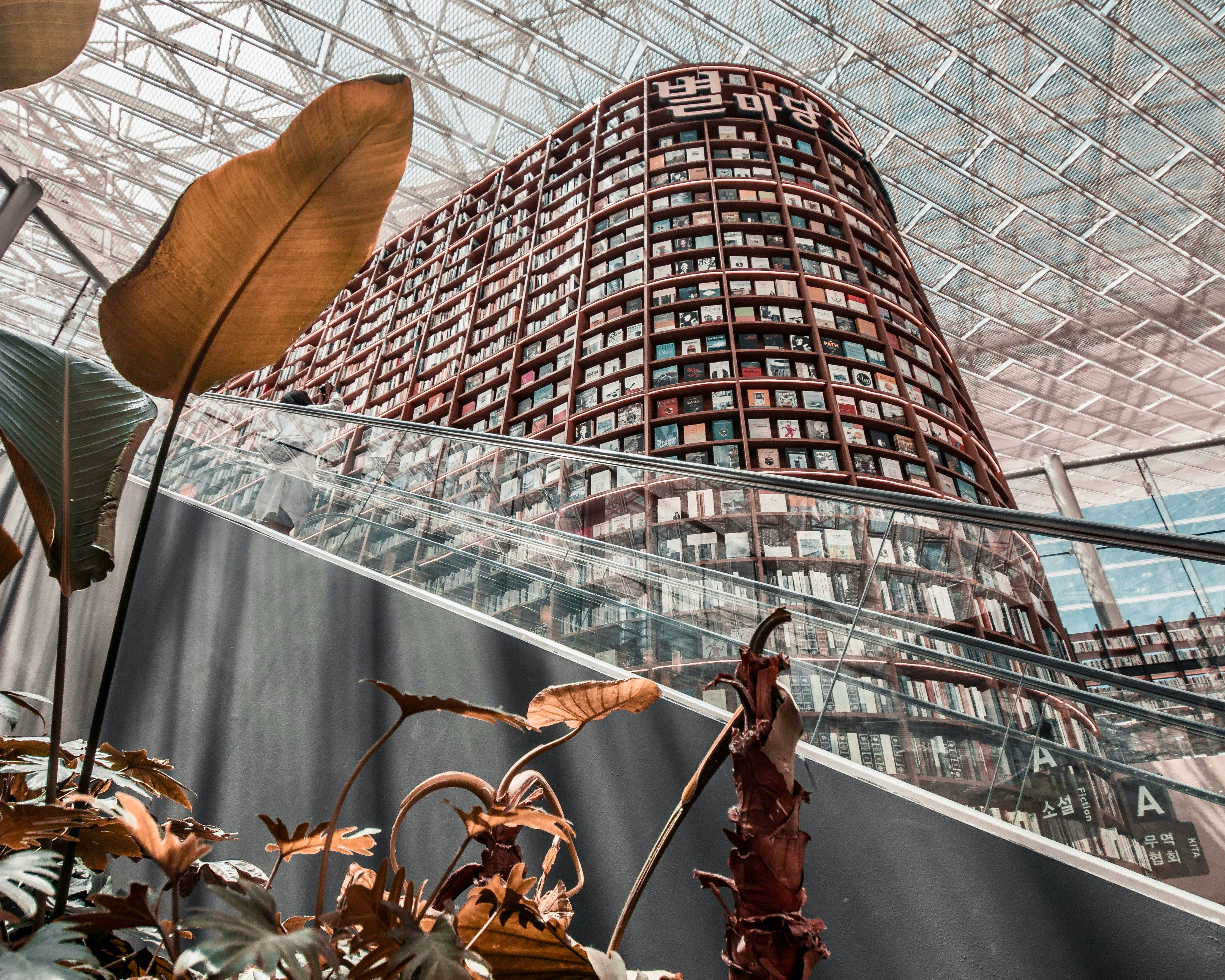
Seoul offers a mix of palace history, cutting-edge design, street food culture, and neighborhood energy that shifts block by block.
Bukchon Hanok Village: Walk quiet, sloping lanes lined with traditional hanok homes, small galleries, and craft workshops for a glimpse into Korea’s heritage.
Gyeongbokgung Palace: Explore the city’s grandest royal complex, where palace courtyards, historic gates, and on-site museums trace Korea’s dynastic history.
Art: See world-class contemporary art at the Leeum Samsung Museum of Art, the MMCA (Museum of Modern and Contemporary Art), or galleries like PKM and Kukje.
Shopping: Browse Starfield COEX Mall for a sleek, modern experience. Explore Gangnam for fashion-forward boutiques and designers like EPT or worksout. Wander Namdaemun Market for vintage goods, local snacks, and everyday Seoul life.
Wellness: Book K-beauty skincare treatments or spend time in a jjimjilbang (traditional bathhouse), combining cultural ritual with deep relaxation.
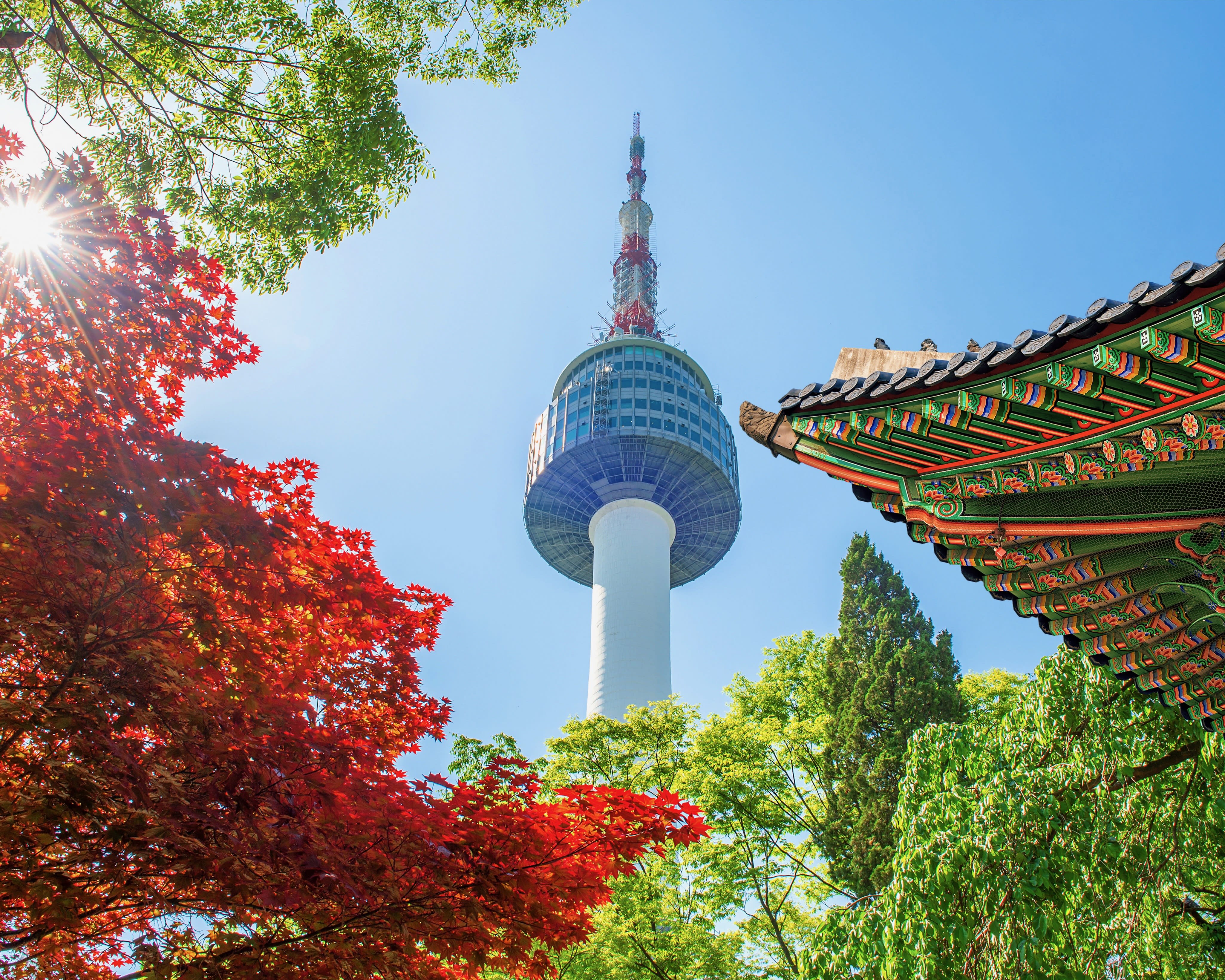
N Seoul Tower: Head above the city for panoramic views that stretch from dense neighborhoods to surrounding mountains, especially striking at sunset.
DMZ: Take a guided excursion beyond the city for a sobering look at Korea’s modern history and geopolitical reality.
Temples: Visit peaceful sanctuaries like Bongwonsa or Geumsunsa, where colorful architecture, wooded paths, and quiet courtyards offer a pause from the city’s pace.
Dongdaemun Design Plaza: Explore Seoul’s forward-looking side through bold architecture, rotating exhibitions, and design-focused cultural events.
Where to eat in Seoul
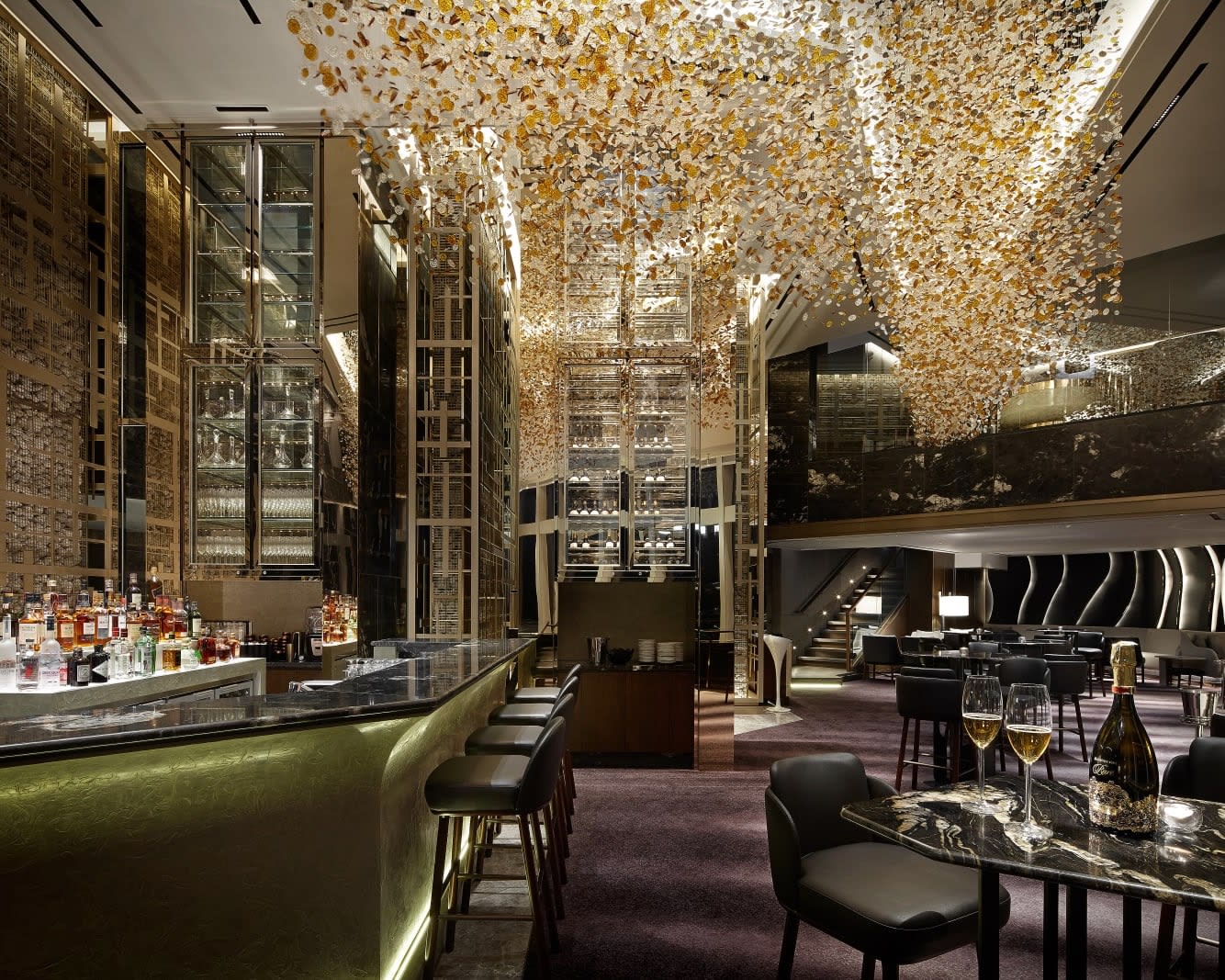
Image courtesy of Bar 81 at Signiel Seoul
Seoul’s dining scene stretches across street stalls, late-night barbecue spots, and refined restaurants, reflecting the city’s rhythm and deep flavors.
Fine dining
La Yeon at The Shilla Seoul: Michelin-starred Korean cuisine highlighting seasonal ingredients, fermented flavors, and delicate plating, all with sweeping city views.
Mingles: Contemporary Korean fine dining blending traditional ingredients with modern techniques, creating inventive, beautifully presented plates.
Tosokchon Samgyetang: Classic ginseng chicken soup, slow-cooked to bring out herbal depth and umami richness, perfect for a nourishing, traditional experience.
Mr. Ahn’s Craft Makgeolli: A specialist in artisanal makgeolli (rice wine), with nuanced flavors and paired with small plates for a relaxed, distinctly local tasting experience.
Casual and local favorites
Musoe Gimchi Samgyeop (Hannam): Korean BBQ grilled table-side.
Dosan Ddukbaeki: Table-side BBQ with other Korean favorites.
Kyochon Pilbang: Fried chicken and signature sauces.
Noryangjin Fish Market: Pick your choice of live seafood that’s prepared immediately.
Gwangjang Market: A bustling, sensory-filled market famous for street stall classics.
Frolla: Modern, casual lunch spot between richer Korean meals.
Parc Seoul: Unpretentious neighborhood spot focused on Korean dishes.
Dessert and drinks
Rafre Fruit: Shaved ice (bingsu) served with fresh fruit, condensed milk, and syrup.
Cha-teul: Traditional tea house serving hand-brewed teas alongside simple sweets.
Bar 81 at Signiel Seoul: Upscale champagne and cocktail bar with skyline views.
Zest: Refined cocktail bar known for inventive, ingredient-driven drinks and a polished, intimate atmosphere.
232: Stylish wine and cocktail spot popular with locals.
Komfy Bar: Casual, creative, and youthful, with playful cocktails, relaxed vibes, and a social crowd.
Trips to add on
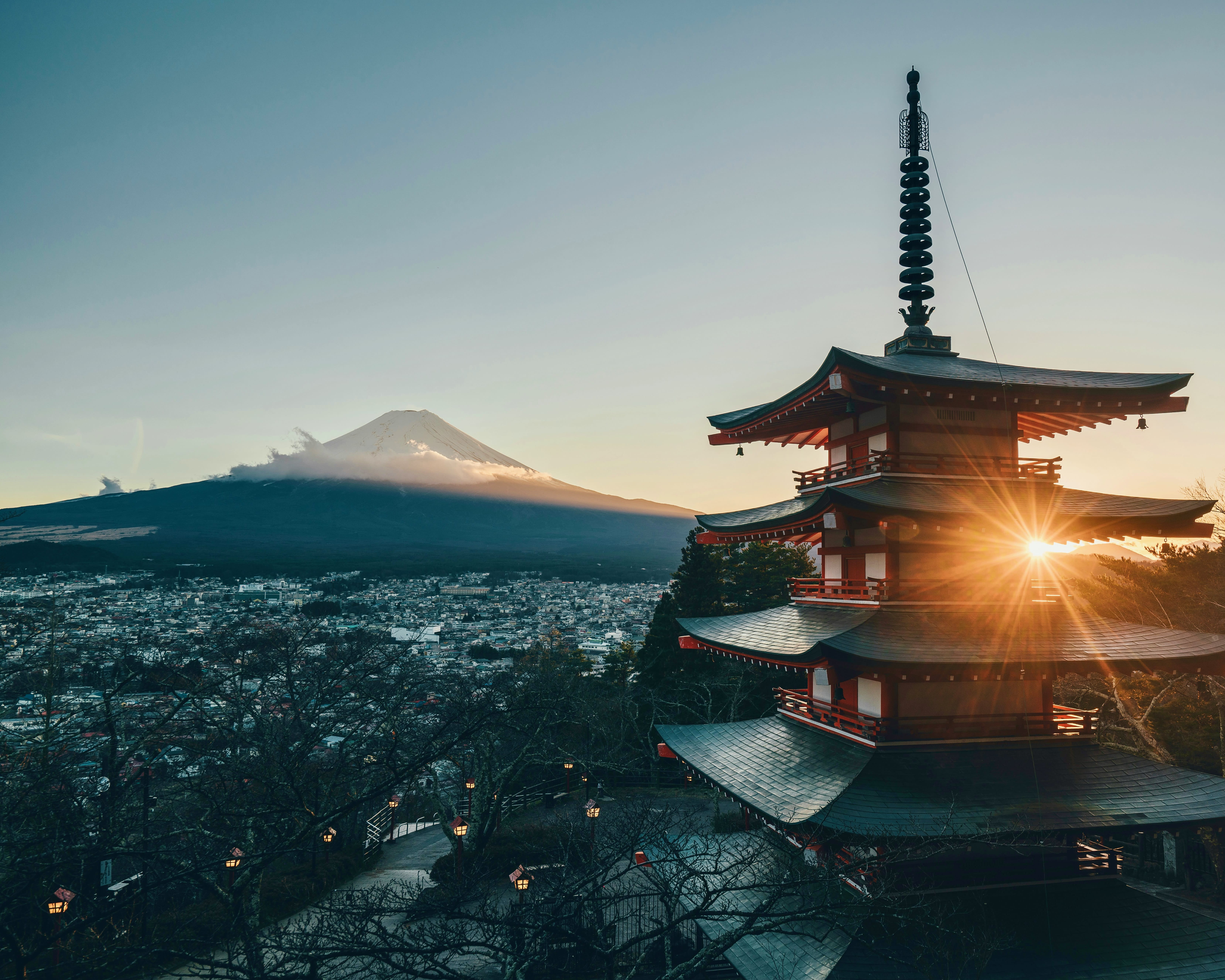
From coastal cities and cultural capitals to tropical escapes and historic hubs, these trips complement Seoul’s dynamic energy.
Busan, South Korea (1 hour flight): Coastal city blending beaches, seafood markets, and cinematic cityscapes. Wander Jagalchi Fish Market, visit the colorful Gamcheon Culture Village, and unwind along Haeundae or Gwangalli Beach with views of the Gwangan Bridge lit at night.
Japan (2–3 hour flight): One of the most seamless and popular combinations, Japan adds refinement, regional contrast, and centuries-old traditions. Enjoy Tokyo’s fast-paced urban escape, Kyoto’s historic temples and tea culture, or Osaka’s street food and nightlife.
Vietnam (4–5 hour flight): A dynamic destination shaped by history, regional cuisines, and striking landscapes. Explore Hanoi’s Old Quarter, cruise through limestone karsts in Ha Long Bay, or slow down in lantern-lit Hoi An.
Thailand (5–6 hour flight): Warm blend of urban energy, ancient traditions, and tropical landscapes. Escape to Bangkok’s royal temples, Chiang Mai’s cultural heart, or the relaxing beaches of Phuket, Krabi, or Koh Samui.
Bali, Indonesia (7–8 hour flight): Restorative contrast centered on spirituality, nature, and wellness. Green inland landscapes around Ubud offer temples, rice terraces, and yoga retreats, while the coast provides beach clubs, surfing, and refined resorts to unwind.
If not Seoul…
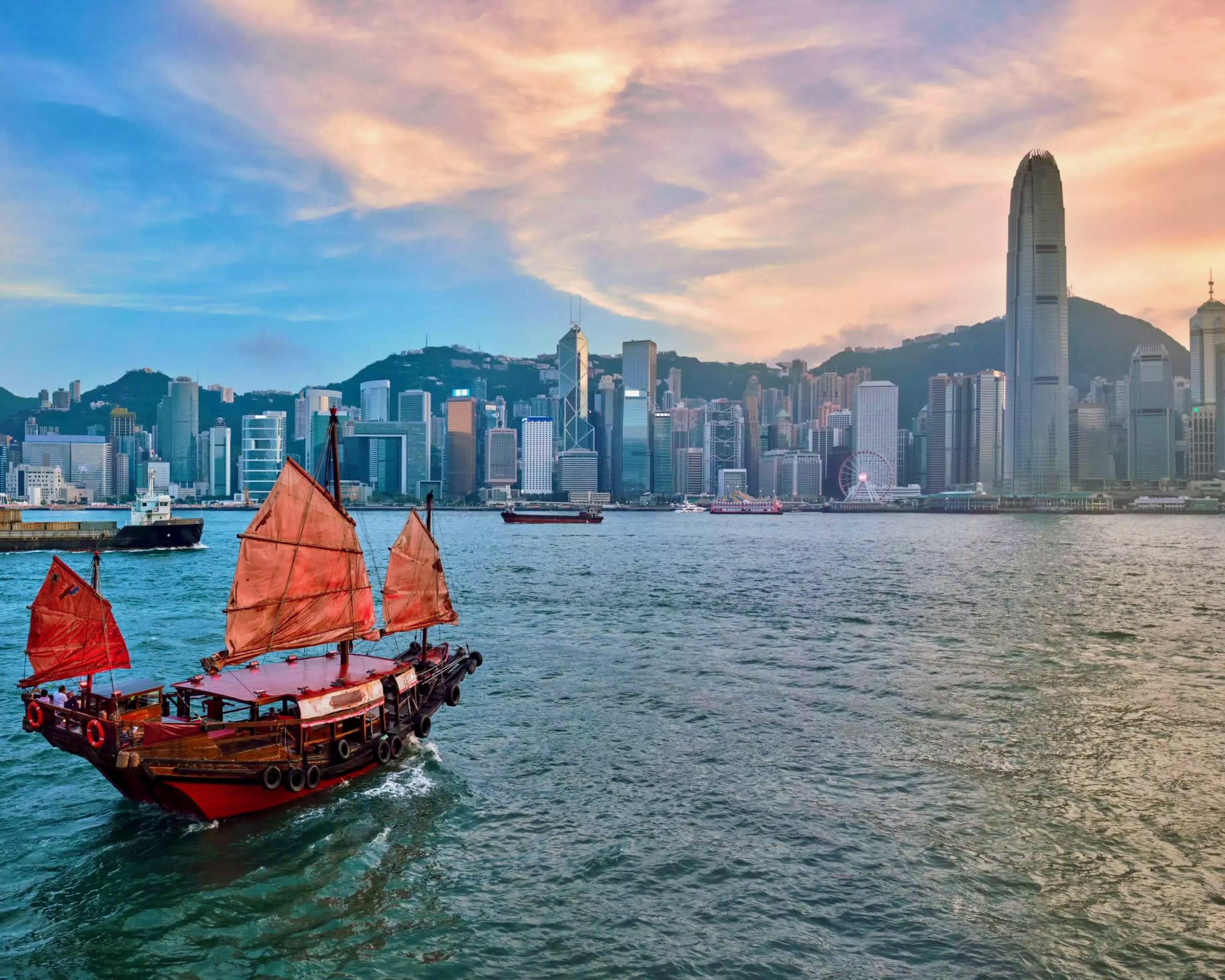
These cities offer a compelling alternative to Seoul, delivering a similar energy, cultural depth, and global influence, each expressed through a distinct lens.
Tokyo, Japan: A city of contrasts where ancient shrines sit beside futuristic skylines. Precision, ritual, and innovation shape daily life, from neighborhood ramen counters to high-fashion districts and serene gardens tucked behind busy streets.
Hong Kong: A vertical city framed by mountains and sea, blending Cantonese traditions with a fast-moving global pulse. Harbor views, historic temples, open-air markets, and one of the world’s most dynamic food scenes define its character.
Singapore: Polished, multicultural, and forward-thinking, where heritage shophouses coexist with bold contemporary architecture. Known for its culinary diversity, green urban planning, and seamless efficiency, it offers depth beneath its sleek exterior.